
How to Evaluate Precision Measuring Instruments Suppliers in Germany?





How to Evaluate Precision Measuring Instruments Suppliers in Germany?
Choosing reliable precision measuring instruments Germany suppliers requires more than comparing catalogs or prices.
The real task is checking accuracy, compliance, delivery control, and service depth before a purchase order is signed.
Germany has a strong reputation in metrology, but reputation alone does not protect a sourcing decision.
Some suppliers are ideal for high-mix industrial use.
Others are better at standard gauges, distribution, or OEM support.
That difference affects cost, inspection reliability, and production stability.
For industrial sourcing teams, a better supplier review process reduces hidden cost far more than a low unit price ever will.
This guide explains how to assess precision measuring instruments Germany suppliers with a practical, risk-based approach.
Start With Technical Fit, Not Brand Familiarity
The first screening step is product suitability.
A respected name in precision measuring instruments Germany may still be a poor fit for your exact application.
Check whether the supplier specializes in handheld tools, bench instruments, optical systems, or shop-floor digital metrology.
Then compare that focus with your real usage environment.
- Dimensional inspection for machining lines
- Final quality verification for export products
- Calibration support for internal laboratories
- Field measurement in maintenance or installation work
Look beyond the catalog headline.
Ask for repeatability data, operating temperature range, material compatibility, IP protection level, and software integration details.
In practice, the wrong measuring setup creates inspection noise, rework, and disputes between production and quality departments.
Verify Calibration and Certification Standards
This is where many sourcing decisions become too superficial.
Precision measuring instruments Germany suppliers should clearly explain their calibration traceability and certification framework.
Do not settle for vague statements like “tested before shipment.”
Ask specific questions about DAkkS calibration, ISO 17025 support, factory certificates, and traceability to national or international standards.
A capable supplier should provide documents quickly and explain the difference between inspection, calibration, and conformity statements.
This matters even more in automotive, aerospace, medical manufacturing, and export-oriented production.
If your customer audit requires documented traceability, weak paperwork becomes an operational risk.
Assess Manufacturing Depth and Quality Control
Not every supplier in precision measuring instruments Germany is a true manufacturer.
Some are distributors with strong service.
Others assemble sourced components under a local brand.
That is not automatically a problem, but you need clarity.
Ask which steps happen in-house.
- Mechanical processing and finishing
- Sensor integration and electronics assembly
- Final testing and calibration
- Software configuration and firmware updates
Then review their quality system.
A strong supplier should describe incoming inspection, process control, gauge R&R awareness, and nonconformance handling.
More importantly, they should explain these points without evasive language.
Recent market shifts also make supply chain transparency more important.
Electronic components, special steels, and sensors can all affect delivery and consistency.
Compare Total Cost, Not Just Quoted Price
Price comparison is necessary, but it is rarely enough.
When evaluating precision measuring instruments Germany suppliers, the more useful question is total landed and operating cost.
A lower initial quote may hide expensive calibration cycles, accessory lock-ins, training needs, or delayed spare parts.
Build a comparison sheet that includes these cost drivers:
- Tool price and optional modules
- Calibration certificate cost
- Annual recalibration expense
- Software license or upgrade fees
- Spare parts availability and lead time
- Operator training and technical support
- Downtime risk if service response is slow
This is often where the value gap appears.
A slightly higher quote from a better precision measuring instruments Germany partner can still reduce cost per inspection cycle.
Check Delivery Reliability and Export Readiness
Delivery performance is a strategic issue, not an admin detail.
If your line qualification or customer shipment depends on new instruments, delays become expensive immediately.
Ask suppliers for standard lead times, current backlog status, and typical variation by product category.
Also confirm export documentation capability.
That includes packing standards, customs support, serial number traceability, and document consistency across commercial invoices and certificates.
In actual cross-border sourcing, document errors can delay delivery as much as production shortages.
A dependable precision measuring instruments Germany supplier should also discuss contingency plans for urgent orders or replacement units.
Evaluate Service, Training, and Response Quality
Service quality is often easiest to test before buying.
Send technical questions and observe the response.
Do they answer clearly, or do they push generic brochures?
Good precision measuring instruments Germany suppliers usually show their capability early through disciplined communication.
Review support from three angles.
- Pre-sales application guidance
- Post-sales troubleshooting and repair coordination
- Operator training, manuals, and software onboarding
This becomes more important with digital micrometers, height gauges, optical comparators, and connected metrology devices.
Without decent onboarding, even accurate equipment may be used badly.
Use a Practical Supplier Scorecard
A structured scorecard keeps sourcing decisions objective.
It also helps when several departments influence the final choice.
For precision measuring instruments Germany sourcing, a simple weighted model usually works best.
Score each supplier using the same evidence standard.
That makes internal approval easier and reduces subjective bias.
Final Decision: Choose Consistency Over Marketing
The best precision measuring instruments Germany supplier is rarely the one with the loudest sales pitch.
It is usually the supplier that answers technical questions directly, proves traceability, manages lead times honestly, and supports the product after delivery.
That also aligns with the way GPTWM views industrial sourcing.
Reliable procurement comes from stitched intelligence, not isolated quotes.
When evaluating precision measuring instruments Germany sources, build your decision around measurable evidence.
Review technical fit, certificates, manufacturing depth, lifecycle cost, logistics, and support as one connected picture.
That approach reduces risk, improves quality consistency, and helps secure long-term value from every metrology investment.
Related News
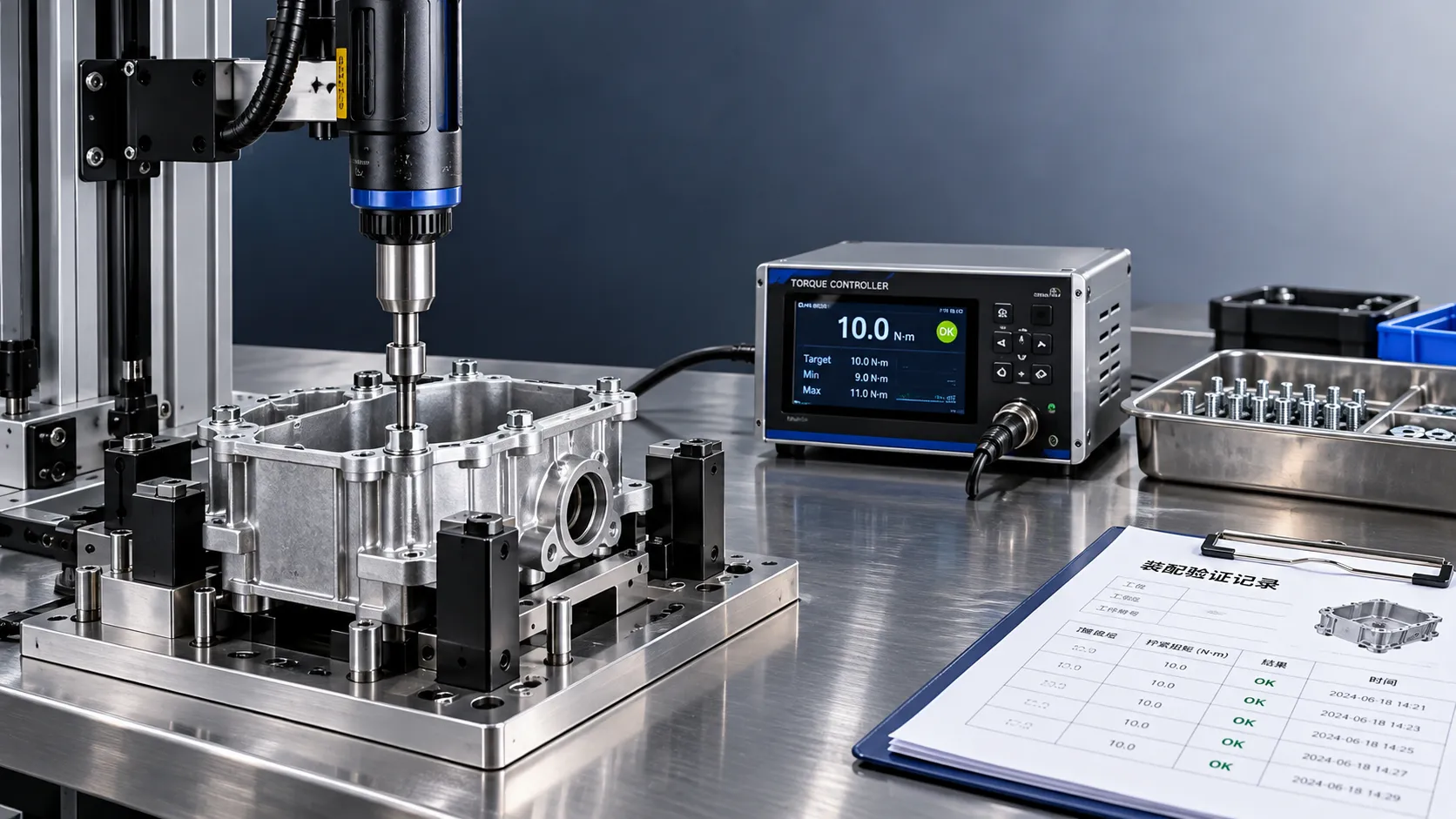
Torque System Suppliers: How to Assess References for Assembly Projects
Explore supplier and solution references torque systems buyers should verify. Assess assembly fit, traceability, and support to reduce risk and choose with confidence.

Equipment Application Guidance for the Middle East: Managing Heat and Dust
Explore application guidance Middle East teams can use to manage heat and dust, protect welding equipment, batteries and precision tools, and reduce downtime. Get practical tips.
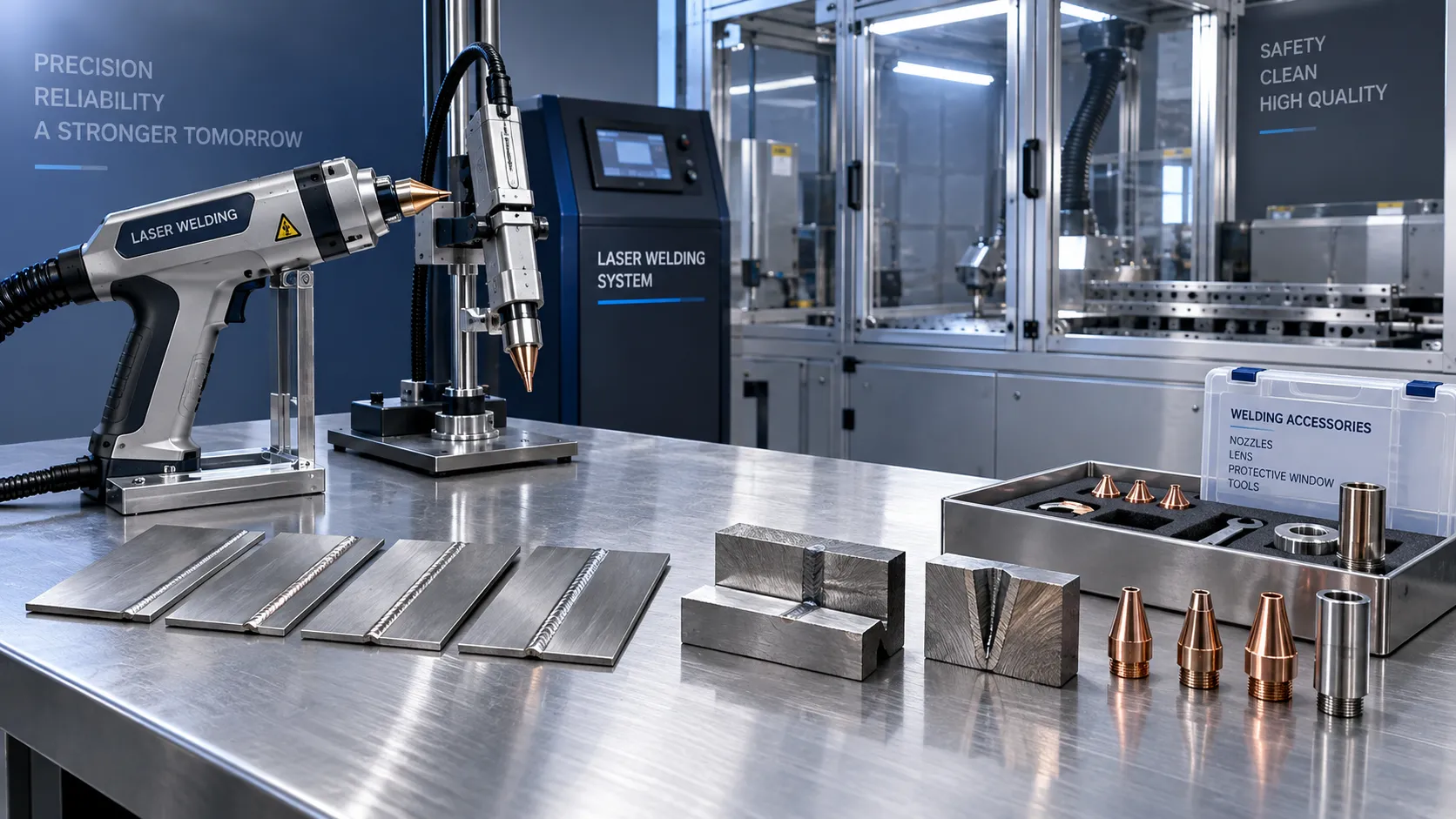
Choosing a Handheld Laser Welding Supplier: Weld Trials, Training, and Service
Choose a handheld laser welding supplier with proven weld trials, safety training, and reliable service. Learn what to verify before buying to reduce downtime and protect your investment.
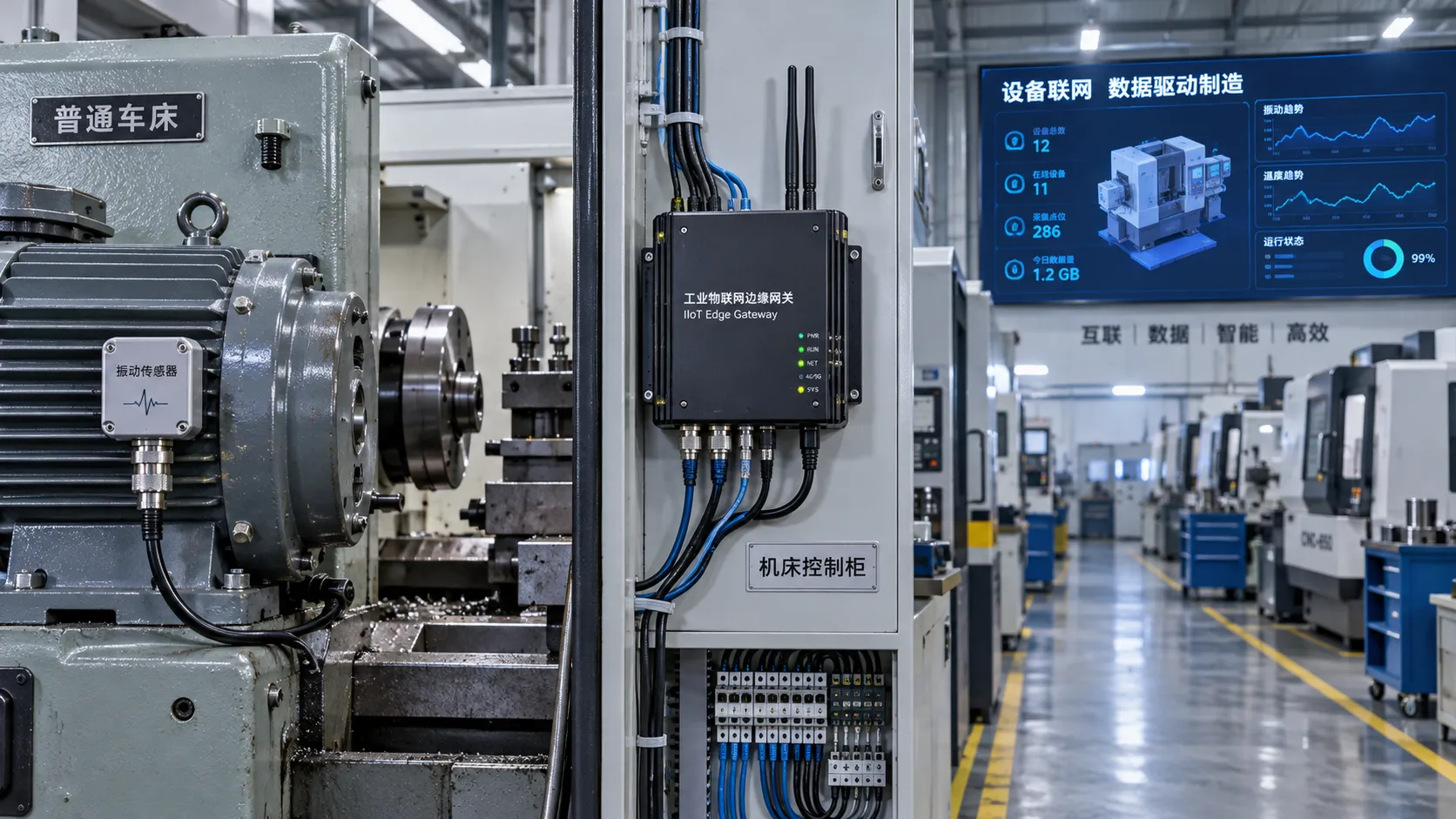
Choosing an Industrial IoT Platform: Key Criteria for Legacy Equipment
Choose an industrial IoT platform for legacy equipment with confidence. Discover key checks for connectivity, data integrity, security, and lifecycle costs before investing.

In-House vs. Outsourced Aircraft Maintenance: Comparing Total Costs
Compare aerospace maintenance cost for in-house vs. outsourced aircraft upkeep. Discover hidden expenses, downtime impacts, and break-even factors to find the best fit for your fleet.
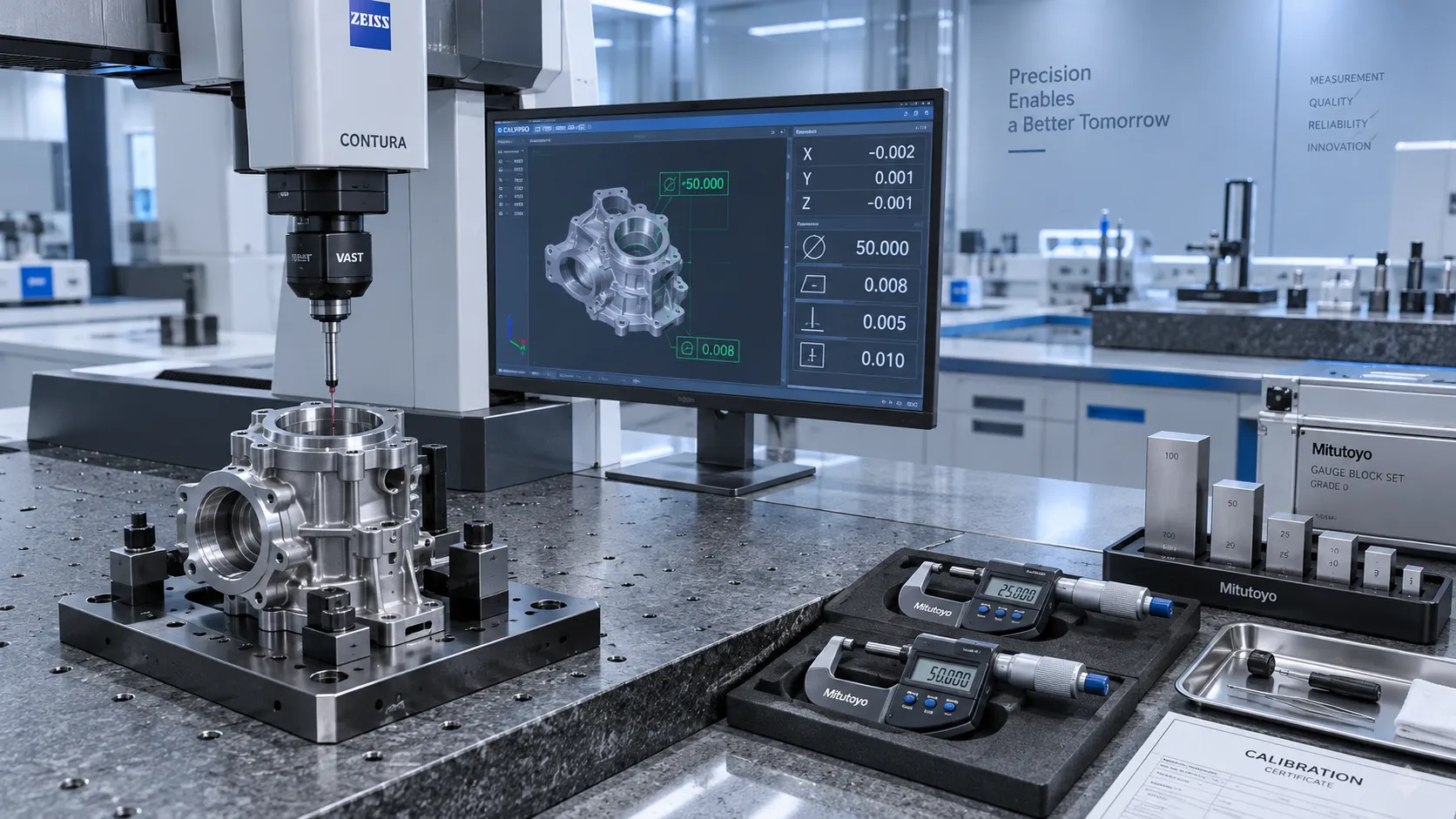
How to Select High-Precision Measuring Instruments for Tight-Tolerance Production?
High-precision measuring instruments are essential for tight-tolerance production. Learn how to evaluate accuracy, repeatability, environment, calibration, and data integration.
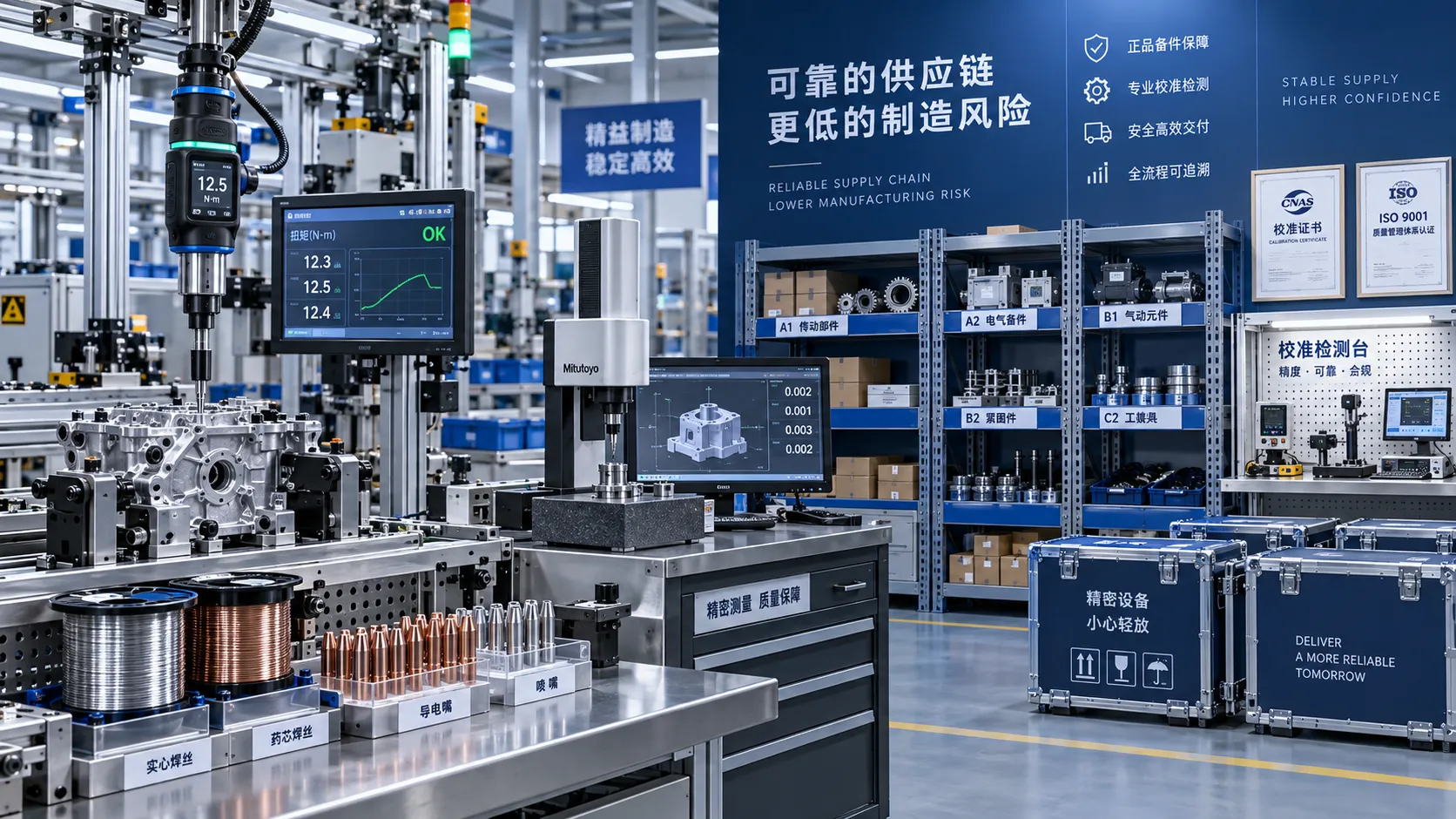
How Industrial Innovation Supplier Networks Reduce Sourcing Risk for Manufacturers
industrial innovation supplier network insights help manufacturers reduce sourcing risk, control lifecycle costs, and choose reliable tools, services, and suppliers with confidence.
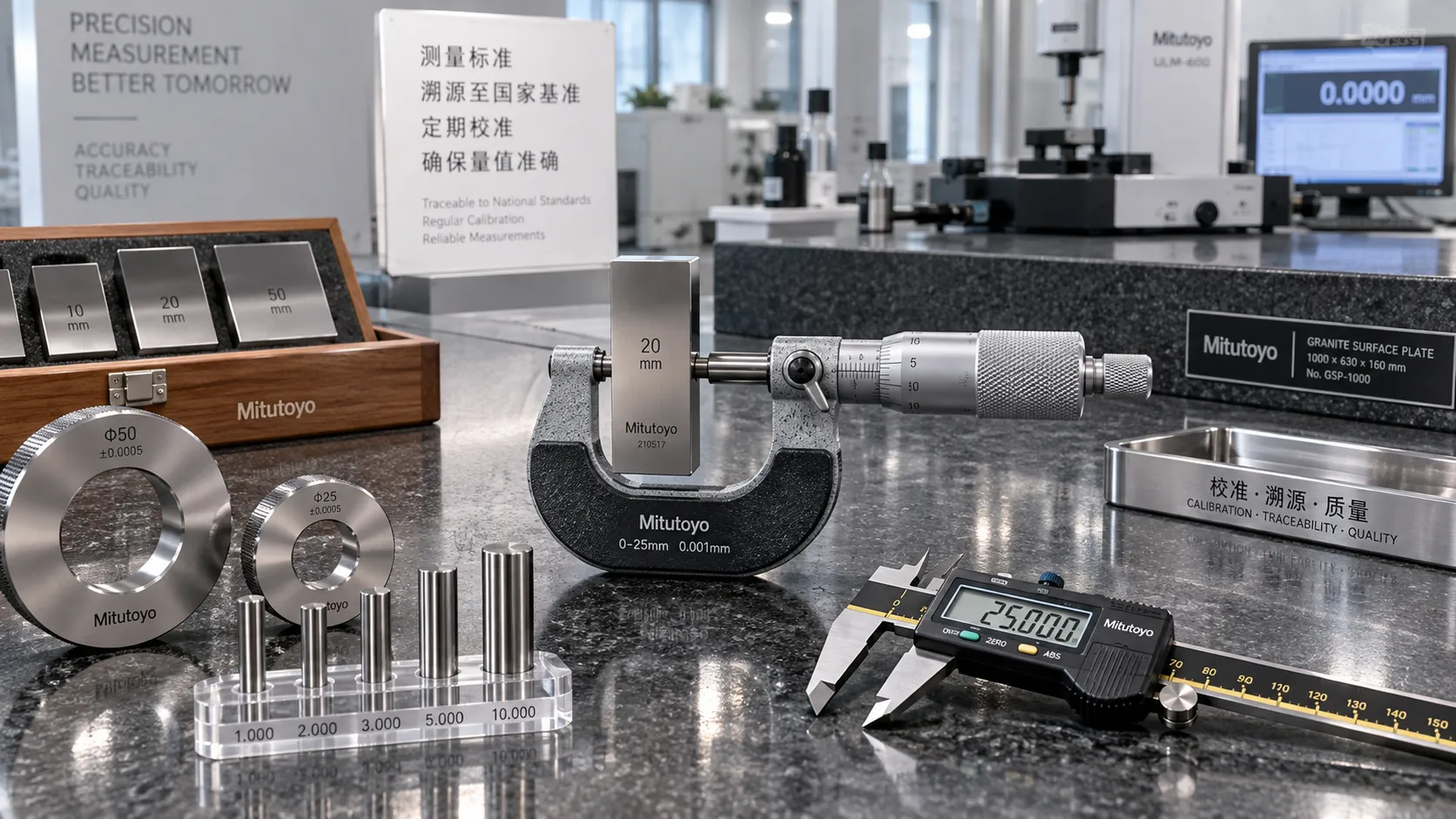
How Often Should Precision Measuring Instruments Be Calibrated?
How often should precision measuring instruments be calibrated? Learn how usage, tolerance, environment, and risk determine a reliable calibration schedule.
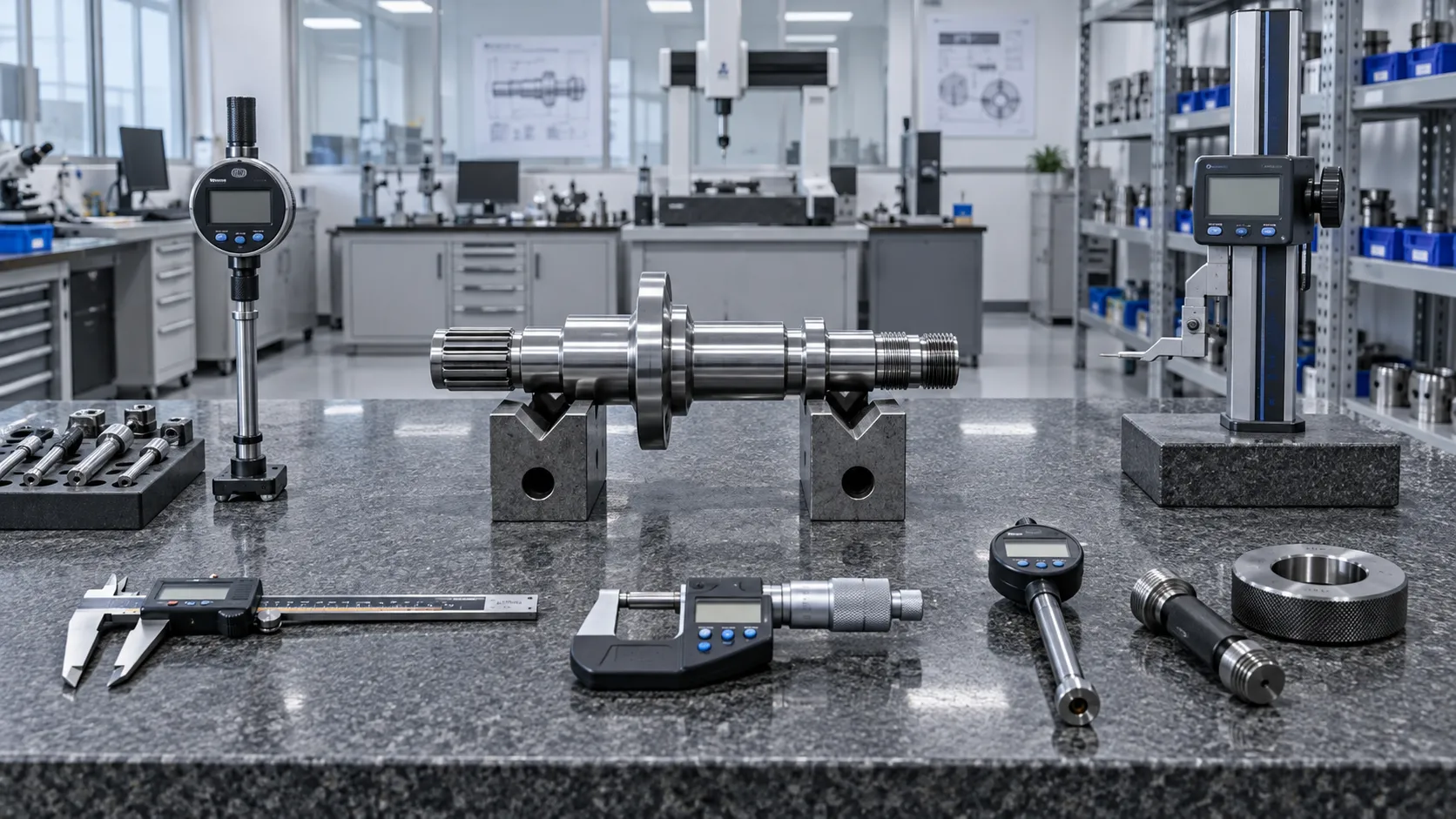
Which Precision Measuring Tools Are Best for Incoming Inspection?
Which precision measuring tools are best for incoming inspection? Explore calipers, micrometers, gauges, CMMs, and smarter strategies to prevent costly defects.
Related News
- 00
0000-00
Torque System Suppliers: How to Assess References for Assembly Projects - 00
0000-00
Choosing a Handheld Laser Welding Supplier: Weld Trials, Training, and Service - 00
0000-00
In-House vs. Outsourced Aircraft Maintenance: Comparing Total Costs - 00
0000-00
How to Compare Industrial Tool Suppliers for Quality, Lead Time, and Total Cost - 00
0000-00
How to Evaluate a Technology Integration Service Provider for Complex Projects
Dr. Alistair Vaughn
Weekly Insights
Stay ahead with our curated technology reports delivered every Monday.