
Product Comparison Resources in Europe: How Buyers Can Verify Specs and Suppliers





Product Comparison Resources in Europe: How Buyers Can Verify Specs and Suppliers
For procurement professionals navigating Europe’s complex industrial market, reliable product comparison resources Europe can make the difference between a compliant purchase and a costly sourcing mistake. From welding equipment and precision measuring tools to intelligent power systems, buyers need clear ways to verify technical specifications, supplier capabilities, certifications, and delivery reliability. This guide explores practical comparison methods that support informed, efficient, and lower-risk purchasing decisions.
The difficulty is rarely a lack of offers. European buyers can find dozens of apparently similar products within minutes, often with comparable photos, broad performance claims, and incomplete datasheets. The real work begins when a quotation must be translated into operational reality: will the tool meet the required tolerance, work safely in the intended environment, integrate with existing equipment, and remain serviceable after delivery?
A useful comparison process therefore does not start with price. It starts with the job the product must perform, the conditions in which it will operate, and the evidence needed to approve it internally. This applies whether the purchase concerns a handheld laser welding unit, a torque-controlled assembly tool, a digital caliper, a hydraulic device, or a more general industrial component.
Why catalogue comparisons often fail
Catalogues are useful for shortlisting, but they are weak evidence for final selection. A product name may be identical across distributors while the delivered configuration differs by power lead, plug type, software option, accessory package, calibration status, or intended regional market. In precision and assembly work, those differences are not administrative details. They can affect repeatability, operator safety, traceability, and downtime.
Buyers also need to separate nominal specifications from usable specifications. A stated torque range, for example, does not automatically show accuracy across that entire range, nor does it reveal how the tool behaves under repeated production cycles. A welding machine’s quoted output says little on its own about duty cycle, process compatibility, wire-feed arrangement, cooling requirements, fume-control planning, or the safety measures needed for a particular application. Measuring equipment may state resolution while leaving accuracy, uncertainty, reference conditions, or calibration documentation unclear.
The practical question is not “Which model has the most impressive number?” It is “Which documented configuration fits our process without creating an unplanned validation burden?”
Build a comparison sheet around the application, not the brochure
Before contacting suppliers, define a concise technical requirement sheet. It should distinguish mandatory conditions from preferred features. This keeps internal teams from comparing different assumptions and makes supplier responses easier to evaluate. If a requirement is important enough to reject an offer, it should be written down rather than left to an informal conversation.
For industrial tools, equipment, and metrology products, the following comparison fields usually expose meaningful differences:
- Operating task: material, joint type, fastener range, measurement feature, production volume, and operator workflow.
- Performance requirement: required range, tolerance, repeatability, duty cycle, cycle time, or measurement uncertainty, as applicable.
- Site conditions: mains supply, ambient temperature, dust, moisture, access limitations, mobility needs, and electromagnetic environment.
- Integration: fixtures, consumables, data interfaces, traceability software, automation equipment, and existing maintenance practices.
- Evidence required: technical file extracts, declarations, test reports where relevant, operating manuals, calibration records, drawings, and serial-number traceability.
- Commercial continuity: lead time, spare parts, repairs, warranty terms, local support route, and clearly defined Incoterms.
This approach prevents a common error: choosing a sophisticated model whose additional functions are irrelevant, while missing a basic but critical requirement such as a suitable power supply, service response route, or compatible consumable.
Verify specifications at the level where failure happens
Technical verification should be specific enough to reflect the likely point of failure. For a precision measuring instrument, ask whether the quoted specification is accuracy, resolution, maximum permissible error, or another metric. These are not interchangeable. Check the measuring range, contact geometry, material and thermal conditions, display increment, data-output method, and whether a calibration certificate is included or merely available as an option.
For battery and corded power tools, a comparison should go beyond voltage or motor type. Brushless motors can offer practical advantages in many applications, but the buyer still needs to understand the rated use case, battery-platform availability, overload protection, balancing, repairability, and expected accessory compatibility. A high stated speed may be less relevant than controllability under load, vibration exposure, or the ability to maintain output during a repetitive shift.
Welding equipment deserves an especially disciplined review because process conditions vary sharply. Confirm the exact welding process supported, output range, duty-cycle statement and its stated conditions, input power requirements, torch and cable configuration, cooling method, consumable ecosystem, and safety documentation. Handheld laser welding calls for additional care: equipment selection is only one part of the decision. The work area, access control, beam containment, training, personal protective equipment, extraction, workpiece reflection risks, and applicable local requirements all need project-specific assessment.
Where the purchase is tied to a quality system or regulated application, procurement should involve the people responsible for engineering, safety, quality, and maintenance before issuing a final order. A supplier may provide compliant documentation for the product category, but that does not remove the purchaser’s responsibility to assess suitability in the actual installation or work process.
Check European conformity claims without treating them as a shortcut
European conformity language is frequently oversimplified in product listings. A CE marking is relevant only where applicable EU legislation requires it; it is not a universal mark of superior quality, and it does not replace technical due diligence. Buyers should confirm which legislation is relevant to the specific product, whether the responsible economic operator is identified, and whether the accompanying Declaration of Conformity is appropriate to the supplied model and configuration.
Standards references need similar discipline. A supplier may cite an EN, ISO, IEC, or other standard, but the buyer should ask what exactly was evaluated, which edition was used if that matters to the project, and whether the reference applies to the final product rather than a component or related product family. For machinery, electrical equipment, personal protective equipment, and laser-related applications, the compliance path can be more involved than a one-line catalogue statement suggests.
This is not a request for unnecessary paperwork. It is a way to avoid discovering, after arrival, that the documentation names a different manufacturer, a different model, or an option package that was not included in the purchase order.
Supplier verification is a delivery-risk exercise
An attractive product can still be a poor procurement decision if the supplier cannot reliably identify what will be shipped, support it after commissioning, or manage disruptions. Verify the legal entity that will invoice and deliver, its role in the supply chain, and whether it is the manufacturer, an authorised representative where relevant, a distributor, or a trading intermediary. The answer affects documentation access, warranty handling, spare-parts availability, and escalation routes.
Request a formal quotation that states the manufacturer name, exact model number, revision or configuration where applicable, included accessories, quantity, currency, delivery terms, payment conditions, and estimated lead time. If a claim depends on an included accessory, software licence, calibration certificate, or transport case, it should appear in the quotation or technical annex. Verbal assurances are difficult to audit later.
Lead times deserve a direct question: is the stated date based on stock held by the seller, stock held by the manufacturer, planned production, or an assumption about incoming components? The distinction matters most for specialised measuring tools, configured assembly systems, and equipment dependent on electronics or branded consumables. Buyers should also clarify who handles transit damage, returns, repairs, and customs-related documentation for cross-border orders.
Use independent intelligence to challenge incomplete comparisons
Supplier documents remain essential, but they should not be the only source used in a decision. Official manufacturer documentation, relevant regulatory guidance, standards bodies, authorised distributor listings, maintenance teams, and internal users can all reveal gaps that a basic product page does not show. Procurement teams benefit when product data is connected to the commercial conditions surrounding it: raw-material volatility, export restrictions, component availability, repair networks, and changing safety expectations can alter the risk profile of an otherwise suitable item.
This is where focused industry intelligence has practical value. The Global Precision Tools & Welding Matrix (GPTWM) examines industrial assembly, metal joining, and precision metrology with attention to the “last mile” of manufacturing, where product claims meet shop-floor reality. Its Strategic Intelligence Center brings together perspectives from metrology, electro-mechanical tool design, and industrial economics. Rather than reducing selection to a brand list, that kind of resource helps buyers frame better questions about handheld laser welding safety, brushless-tool limits, connected torque systems, and demand conditions affecting precision instruments or hydraulic equipment.
For distributors and procurement teams operating across markets, the most useful intelligence is often not a recommendation to buy one item over another. It is early visibility into the issues that need checking before the order is released.
A sensible final gate before issuing the order
Before approval, compare the shortlisted offer against the original requirement line by line. Mark each requirement as confirmed by document, confirmed by supplier statement, not confirmed, or not applicable. The distinction is valuable: an unconfirmed point is not automatically a reason to reject a supplier, but it should not be mistaken for evidence.
For higher-risk purchases, consider a sample, demonstration, pre-shipment review, or acceptance criteria agreed in writing. The right approach depends on the product and the consequences of failure. A routine replacement hand tool may need a simpler check than a connected torque system used for traceable assembly, a high-value metrology instrument, or laser equipment entering an active production area.
The strongest product comparison resources Europe do not promise to remove every uncertainty. They give buyers a structured way to identify what is known, what is merely claimed, and what must be verified against the actual operating environment. When specifications, conformity evidence, supplier responsibilities, and delivery assumptions are reviewed together, procurement decisions become clearer—and far less dependent on brochure language alone.
- industrial assembly
- metal joining
- precision metrology
- handheld laser welding
- brushless motors
- hydraulic equipment
- industrial tools
- precision tools
- welding equipment
- precision instruments
- torque tools
- laser welding
- tool design
- precision measuring tools
- product comparison resources
- product comparison resources Europe
Related News
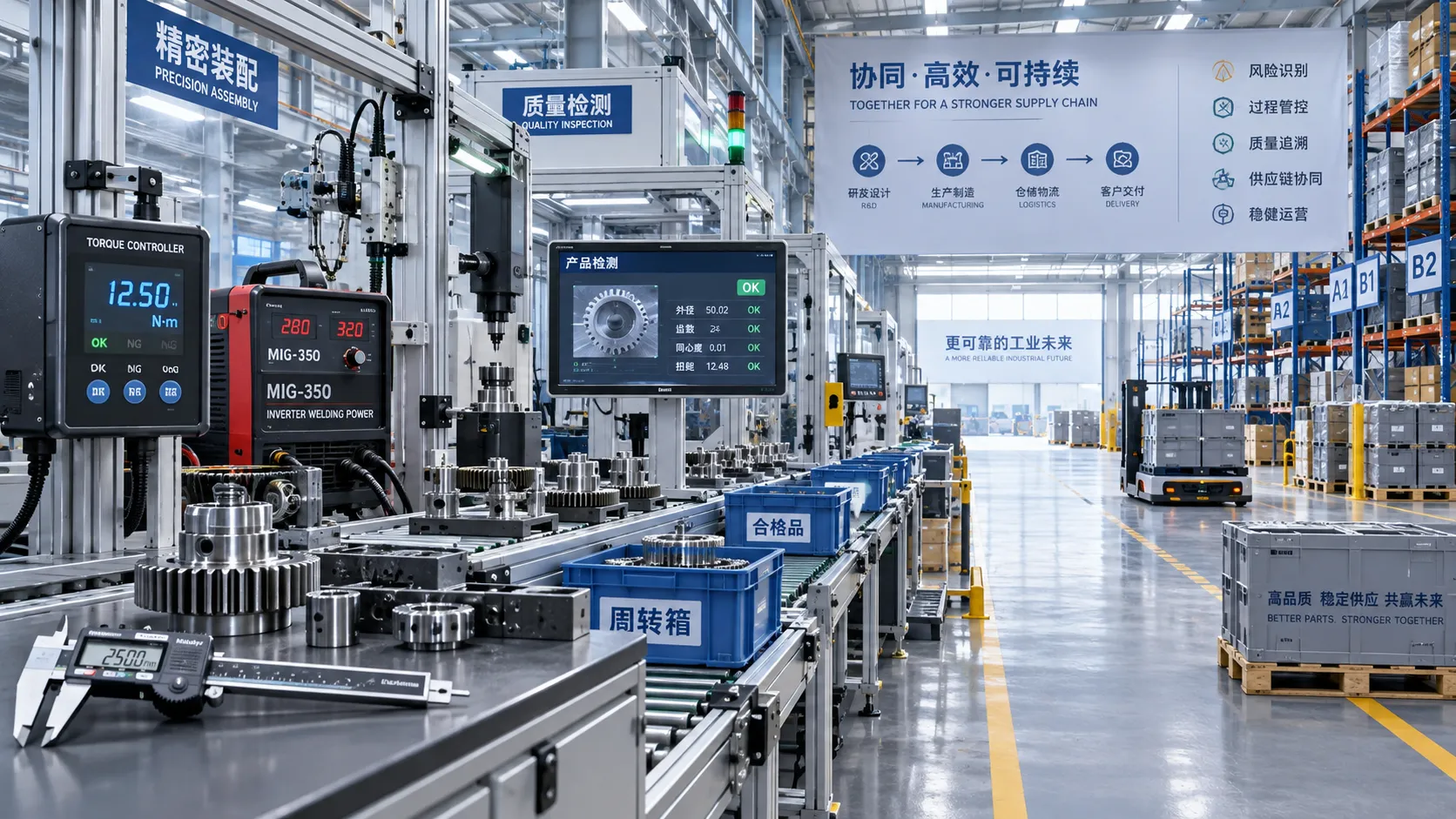
How Procurement Teams Can Map the Industrial Value Chain to Reduce Supply Risk
Industrial value chain procurement helps teams map hidden dependencies, qualify resilient sources, and reduce supply risk before disruptions stop production.

How Specification-Driven Articles Improve Precision Measurement System Selection
Specification-oriented articles precision measurement guidance helps teams compare accuracy, repeatability, environment, and data needs to select reliable systems with confidence.

How to Evaluate a Technology Integration Service Provider for Complex Projects
Technology integration service provider selection guide: evaluate interface ownership, delivery discipline, scalable architecture, and risk control for complex projects.
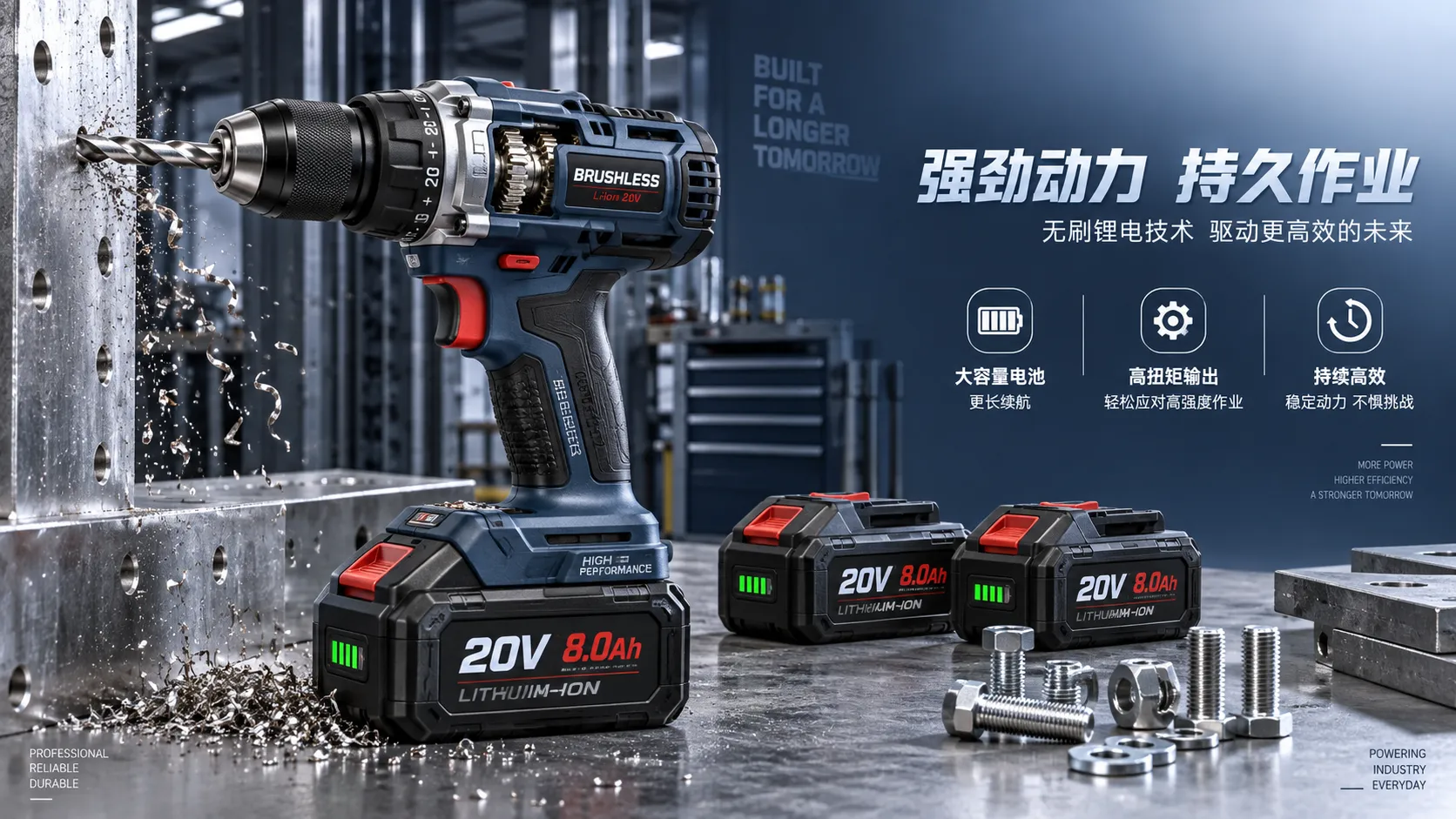
How Battery, Torque, and Duty Cycle Affect Cordless Power Tool Efficiency
Cordless power tool efficiency depends on battery output, torque, and duty cycle. Learn how to match tools to demanding jobs for stronger runtime and productivity.

Product Comparison Resources for Component Compatibility and Lifecycle Risk
Product comparison resources for components: evaluate compatibility, interfaces, service support, and lifecycle risk to reduce downtime, avoid redesigns, and make confident sourcing decisions.
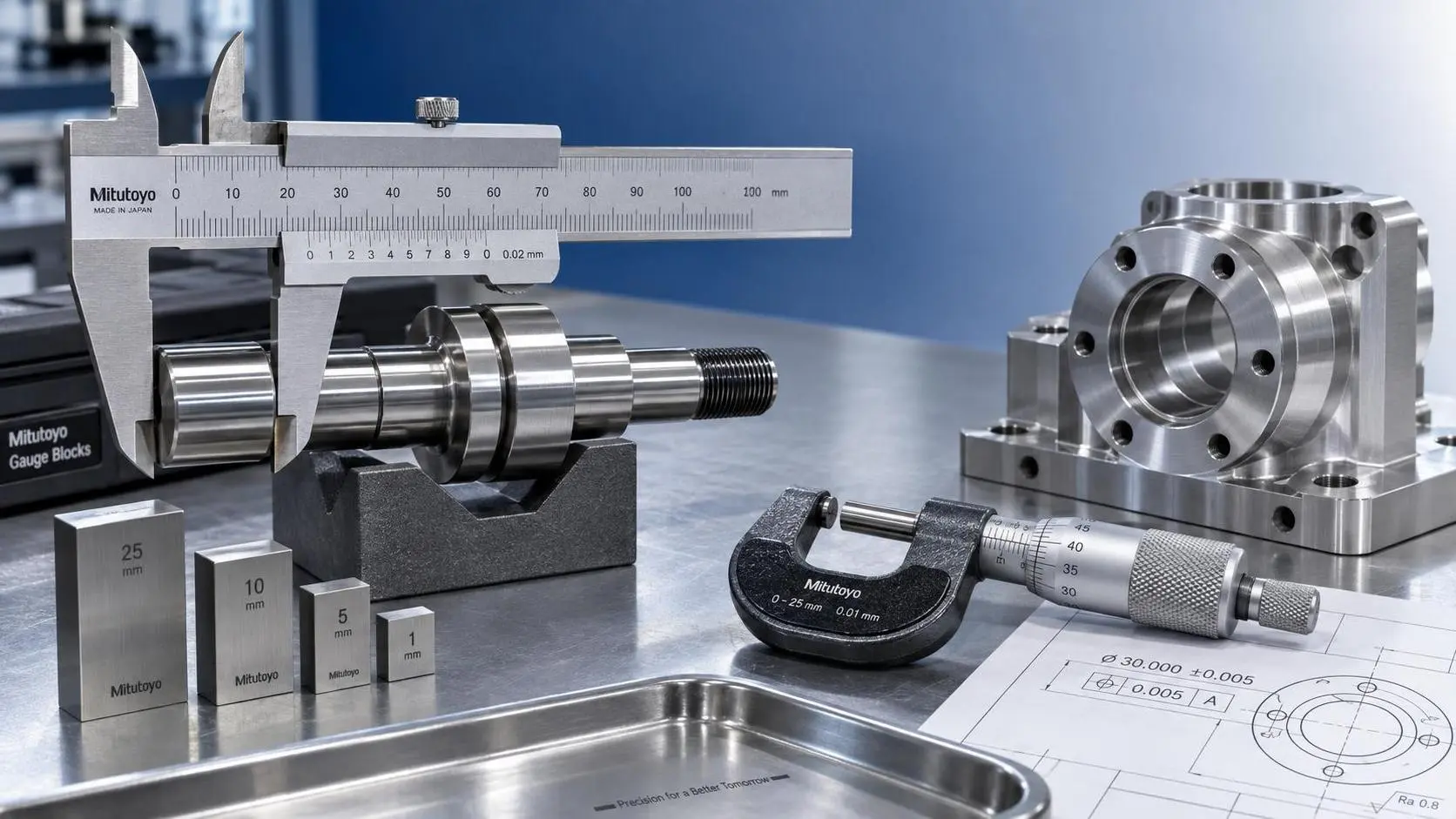
How to Select Vernier Precision Calipers for Tight-Tolerance Machining Inspection
Vernier precision calipers for tight-tolerance machining: learn how to select the right range, jaw design, accuracy, and verification process for reliable inspection.

How to Evaluate an Industrial Metrology Solution Manufacturer for Production Use
Industrial metrology solution manufacturer evaluation guide for production: compare accuracy, traceability, automation, software, service, and acceptance testing to reduce risk.

Which ISO Standards Matter Most for Precision Engineering Quality Control?
Precision engineering ISO standards explained: discover how ISO 9001, ISO/IEC 17025, ISO 10012, GPS, and ISO 3834 strengthen quality control, traceability, and compliance.
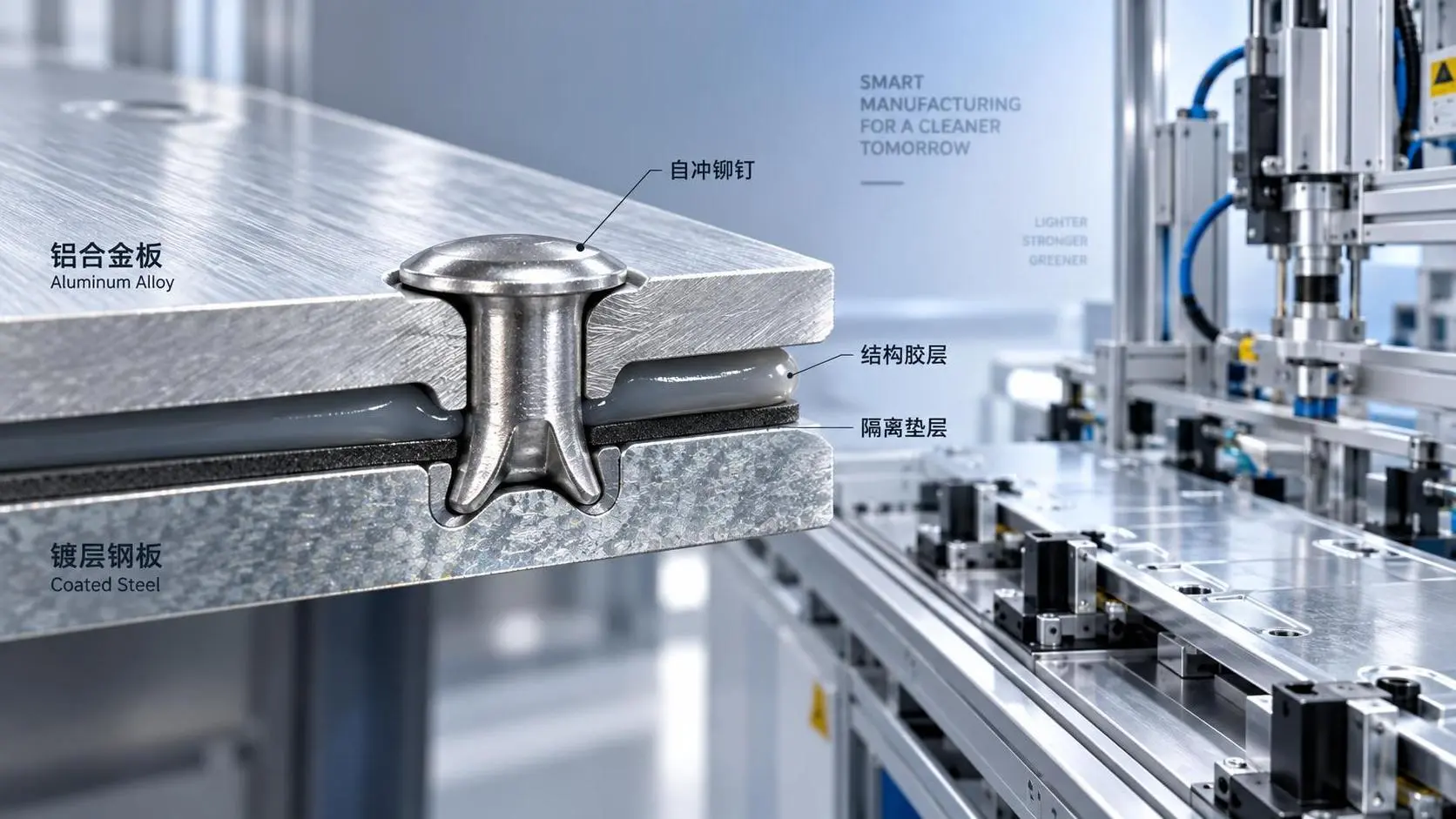
Selecting Metal Joining Methods for Aluminum-to-Steel Assemblies
Metal joining solutions for dissimilar metals: compare aluminum-to-steel fastening, bonding, hybrid, and thermal methods for corrosion-resistant, reliable assemblies.
Related News
- 00
0000-00
How to Evaluate a Technology Integration Service Provider for Complex Projects - 00
0000-00
Product Comparison Resources in Europe: How Buyers Can Verify Specs and Suppliers - 00
0000-00
How to Evaluate an Industrial Metrology Solution Manufacturer for Production Use - 00
0000-00
How to Evaluate a Metal Joining Solutions Factory for Quality, Capacity, and Delivery Risk - 00
0000-00
How to Evaluate OEM Tool Solutions for Reliable Bulk Tool Orders
Dr. Alistair Vaughn
Weekly Insights
Stay ahead with our curated technology reports delivered every Monday.