
What industrial trends are changing factory investment





Factory investment decisions are being reshaped by fast-moving industrial trends, from automation and energy efficiency to supply chain resilience and digital quality control. For business leaders, understanding where capital is flowing is no longer optional—it is critical to protecting margins, upgrading competitiveness, and preparing for the next phase of manufacturing transformation.
Which industrial trends are most directly changing factory investment priorities?
The biggest industrial trends are no longer abstract market signals. They now influence where manufacturers place capital, how fast projects move, and which production assets receive budget approval.
For decision-makers, the key issue is not whether change is happening. It is whether current factory investment plans match the new economics of labor, energy, compliance, quality, and geopolitical risk.
Across assembly, metal joining, inspection, and maintenance operations, investment is increasingly moving toward tools and systems that improve repeatability, visibility, and operational resilience.
- Automation that reduces dependence on unstable labor availability and improves takt consistency.
- Energy-efficient equipment that lowers operating cost exposure during utility price volatility.
- Digital quality control that catches deviations earlier and protects downstream yield.
- Supply chain redesign that favors regional flexibility, serviceability, and dual sourcing.
- Safer and more ergonomic industrial tools that support productivity without raising incident risk.
These industrial trends matter most in the “last mile” of manufacturing, where precision tools, welding processes, torque control, and metrology determine whether broader capital programs actually deliver value.
Why the last mile of production now gets more investment attention
Many factories already invested in large upstream systems years ago. The next gains often come from bottleneck removal on the shop floor: joining quality, measurement accuracy, assembly traceability, and operator-tool interaction.
That is why capital is increasingly directed toward handheld laser welding safety solutions, intelligent torque systems, brushless power tools, connected measurement devices, and process-specific inspection workflows.
How are automation and intelligent tools changing the investment case?
Automation is no longer limited to large robotic cells. One of the most important industrial trends is the spread of practical, modular intelligence into everyday production tools and operator stations.
This includes connected torque tools, sensor-assisted welding equipment, digital gauges, and software-linked inspection devices. These assets cost less than full-line reconstruction, yet they often improve output quality quickly.
The investment logic is straightforward: when smaller upgrades reduce rework, improve traceability, and support training, they shorten the path from capital expense to measurable operating benefit.
The table below shows how common industrial trends are affecting factory investment decisions across critical shop-floor functions.
The pattern is clear: investment is moving toward assets that combine productivity improvement with stronger process control. This is especially relevant when boards demand short payback periods and lower implementation risk.
What decision-makers should ask before approving intelligent tool upgrades
- Can the tool integrate with existing quality records, MES, or maintenance systems?
- Does the upgrade solve a known bottleneck, or is it only a technology refresh?
- Will operators require extensive retraining, or can adoption happen in phases?
- Are spare parts, calibration support, and local service practical for the site?
Why are energy, labor, and supply chain risks reshaping capital allocation?
Another major driver behind industrial trends is the shift from pure capacity expansion toward risk-adjusted investment. Factories are now judged not only by output volume, but also by their ability to stay stable under stress.
Energy price swings can change equipment payback assumptions. Skilled labor shortages can make manual processes more expensive than previously modeled. Supply chain disruptions can turn a low-cost sourcing decision into a high-risk operating choice.
As a result, many firms prioritize flexible capital projects over oversized single-point bets. Examples include regional spare-part planning, multi-source tooling strategies, and equipment that supports faster changeover between product variants.
Where this shift is visible in industrial operations
- Construction equipment maintenance facilities are investing in durable hydraulic tools and metrology support to reduce field failure costs.
- Automotive assembly suppliers are focusing on fastening traceability and process verification to meet stricter customer audits.
- Aerospace maintenance environments are emphasizing precision inspection, documented calibration, and controlled joining procedures.
In each case, industrial trends are pushing investment toward resilience and proof of process capability, not just throughput expansion.
What should executives compare before funding a new factory upgrade?
Procurement and capital review teams often struggle because competing proposals use different success metrics. One vendor emphasizes speed, another emphasizes automation, while internal engineering focuses on maintenance and compliance.
A better approach is to compare investment options using a common decision structure tied to current industrial trends and actual production constraints.
The following comparison table can help decision-makers evaluate factory upgrades with more discipline.
Using a structured comparison also helps cross-functional teams align. Finance sees payback logic, operations sees throughput impact, quality sees traceability, and procurement sees service and sourcing exposure.
Common approval mistakes that slow returns
One frequent mistake is treating all automation as equal. A connected torque tool, for example, solves a very different problem from a robotic welding cell. Both may fit current industrial trends, but their payback logic differs.
Another mistake is ignoring operator adoption. Even technically advanced equipment can underperform when setup complexity, safety procedures, or maintenance requirements are not matched to local capability.
How do metrology, welding, and assembly technologies influence investment timing?
Factory investment timing often depends on where process losses occur. In many plants, the most expensive losses are not visible at the machine purchase stage. They appear later as scrap, rework, missed delivery windows, or customer complaints.
That is why industrial trends in precision metrology, joining quality, and assembly control deserve close attention. These are the disciplines that convert broad modernization plans into real production outcomes.
Metrology as an investment trigger
If dimensional errors are found late, the factory pays several times: wasted material, labor rework, delayed shipment, and weaker customer confidence. Networked measuring instruments and better calibration discipline can prevent that cascade.
Welding quality as a margin issue
In metal joining, process stability matters more as materials diversify and labor pressure grows. Safer handheld laser welding adoption, where appropriate, is being evaluated not only for speed but also for rework reduction and surface finish control.
Assembly control as a traceability issue
IoT-based torque control systems are gaining attention because they connect fastening quality to digital records. For regulated or quality-sensitive sectors, this supports audit readiness and customer-specific documentation requirements.
What procurement strategy works best under today’s industrial trends?
The strongest procurement strategy is phased and evidence-based. Instead of replacing everything at once, leading firms identify a process pain point, run a structured validation, and expand only after performance and support assumptions are confirmed.
- Map the process bottleneck in measurable terms such as defect rate, cycle loss, calibration burden, or energy consumption.
- Define the required technical and compliance conditions before requesting proposals.
- Compare solutions on total cost, serviceability, training load, and integration difficulty.
- Start with the highest-impact pilot zone, then scale based on data rather than assumption.
This method works especially well when industrial trends are moving quickly and equipment categories are evolving faster than internal purchasing standards.
Why market intelligence matters before purchase
Factory investment quality depends on the quality of the information behind it. Raw material fluctuations, export standard restrictions, safety adoption shifts, and changing downstream demand can all alter the value of a tool or production upgrade.
This is where GPTWM provides practical decision support. Its Strategic Intelligence Center tracks industrial trends across assembly, metal joining, power tools, hydraulics, and precision metrology, helping decision-makers connect technical choices with market realities.
FAQ: what do business leaders usually ask about industrial trends and factory investment?
How do I know whether a trend deserves capital budget now or later?
Prioritize trends that solve an existing cost or risk problem already visible in operations. If a trend improves a KPI you already track—such as scrap, uptime, energy use, or audit readiness—it is more likely to justify near-term investment.
Are industrial trends mainly relevant for large factories?
No. Many current industrial trends are modular and scalable. Smaller factories can begin with digital measurement, connected fastening, safer welding workflows, or efficient brushless tools without committing to large automation overhauls.
What is the biggest hidden cost in factory upgrades?
The biggest hidden cost is usually poor implementation fit. That includes mismatch with operator capability, weak spare-part support, calibration neglect, or software integration gaps. Purchase price alone rarely predicts real return.
Which areas often deliver faster returns than expected?
In many cases, metrology improvements, torque traceability, targeted welding upgrades, and ergonomic power tool replacements generate faster returns than large-scale line redesign because they address recurring quality and labor losses directly.
Why choose us for industrial trend intelligence and factory investment support?
When factory investment decisions involve assembly tools, welding technologies, metrology systems, or industrial maintenance equipment, the hardest part is often not finding options. It is identifying which option fits the real process, budget, and compliance environment.
GPTWM focuses on that decision gap. We connect traditional manufacturing know-how with modern intelligent tools through market observation, technical interpretation, and commercial insight centered on the last mile of production.
- If you need parameter confirmation, we can help narrow critical specifications for assembly, joining, measurement, and maintenance workflows.
- If you are comparing product options, we can support selection logic based on application fit, serviceability, and process risk.
- If delivery timing matters, we can help assess sourcing exposure, regional demand signals, and practical implementation sequencing.
- If certification or customer compliance is a concern, we can help identify the documentation and process questions to validate before purchase.
- If you need a customized roadmap, we can help structure a phased upgrade plan around budget, output goals, and operational constraints.
For business leaders tracking industrial trends, the right next step is not a generic inquiry. It is a focused discussion around your target process, expected output, quality risks, delivery window, and upgrade scope. That creates a stronger basis for selection, quotation, and rollout decisions.
Related News
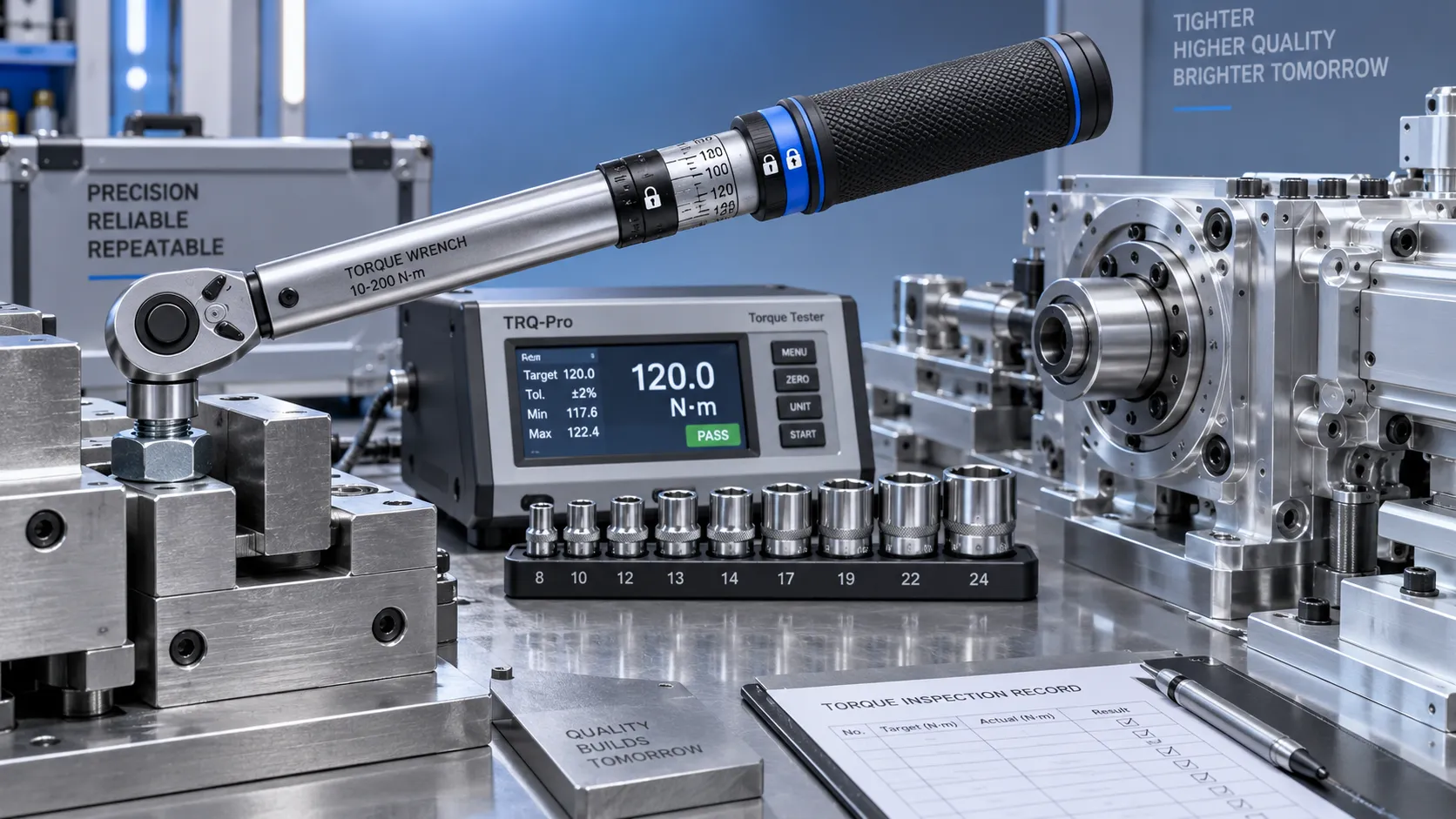
Selecting Adjustable Torque Tools for Repeatable Fastener Assembly
Adjustable torque tools: learn how to match range, accuracy, control methods, calibration, and ergonomics for repeatable, reliable fastener assembly.

How to Select Aerospace Inspection Tools for Aircraft Maintenance Tasks
Aerospace maintenance inspection tools: learn how to select reliable, traceable equipment for aircraft access, accuracy, calibration, and compliant maintenance decisions.
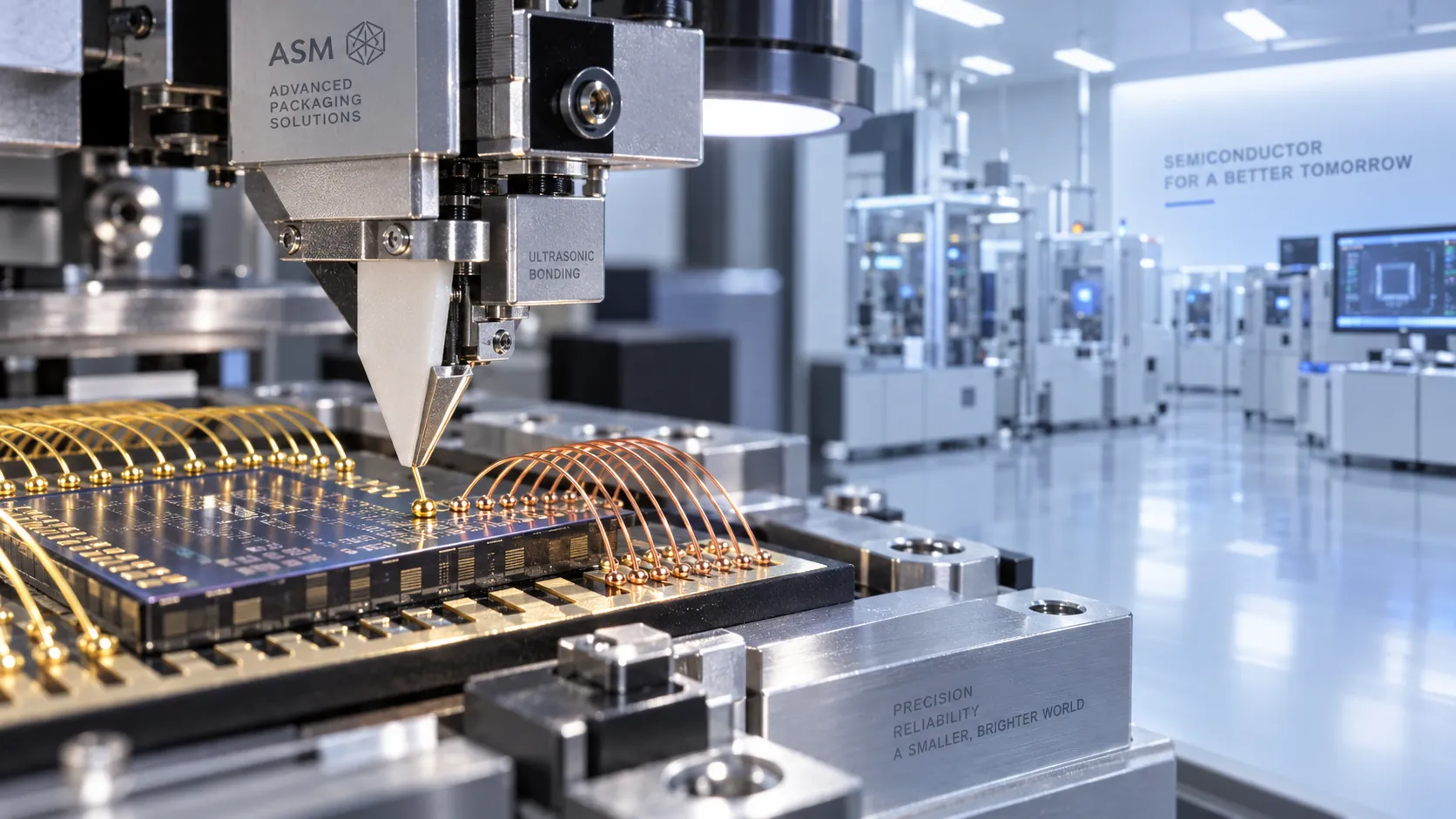
How to Select Wire Bonding Tools for Fine-Pitch Semiconductor Packaging
Explore semiconductor manufacturing tools for wire bonding and learn how to select precision solutions for fine-pitch packaging, reliable loops, accuracy, and yield.
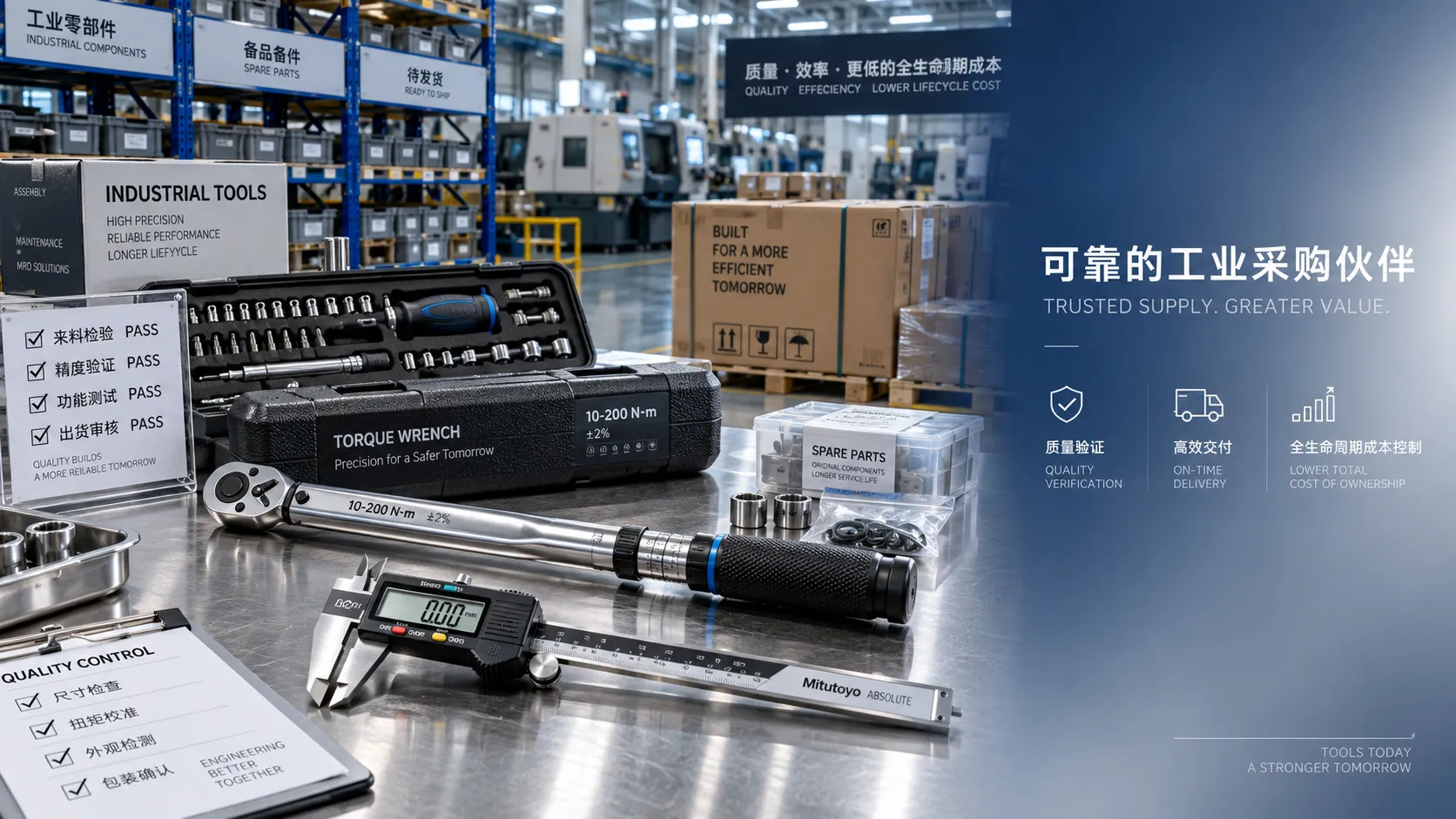
How to Compare Industrial Tool Suppliers for Quality, Lead Time, and Total Cost
Industrial tool selection supplier comparison made simple: evaluate quality, lead times, total cost, service, and supply resilience for confident sourcing decisions.
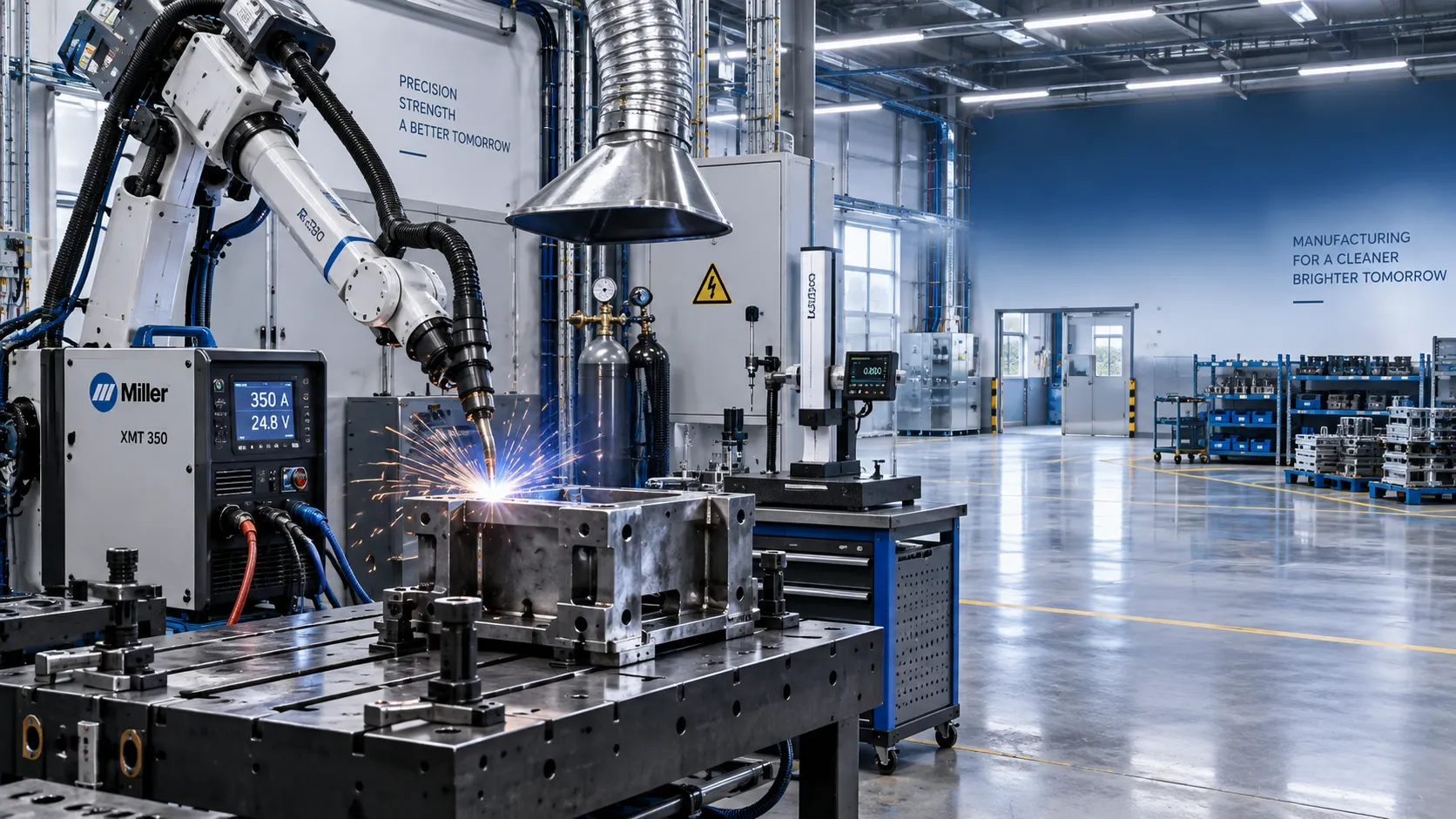
Industrial Equipment Application Guidance: Match Machines to Operating Conditions
Application guidance industrial equipment: match capacity, duty cycle, materials, site conditions, safety, and lifecycle cost to improve reliable output. Read the guide.
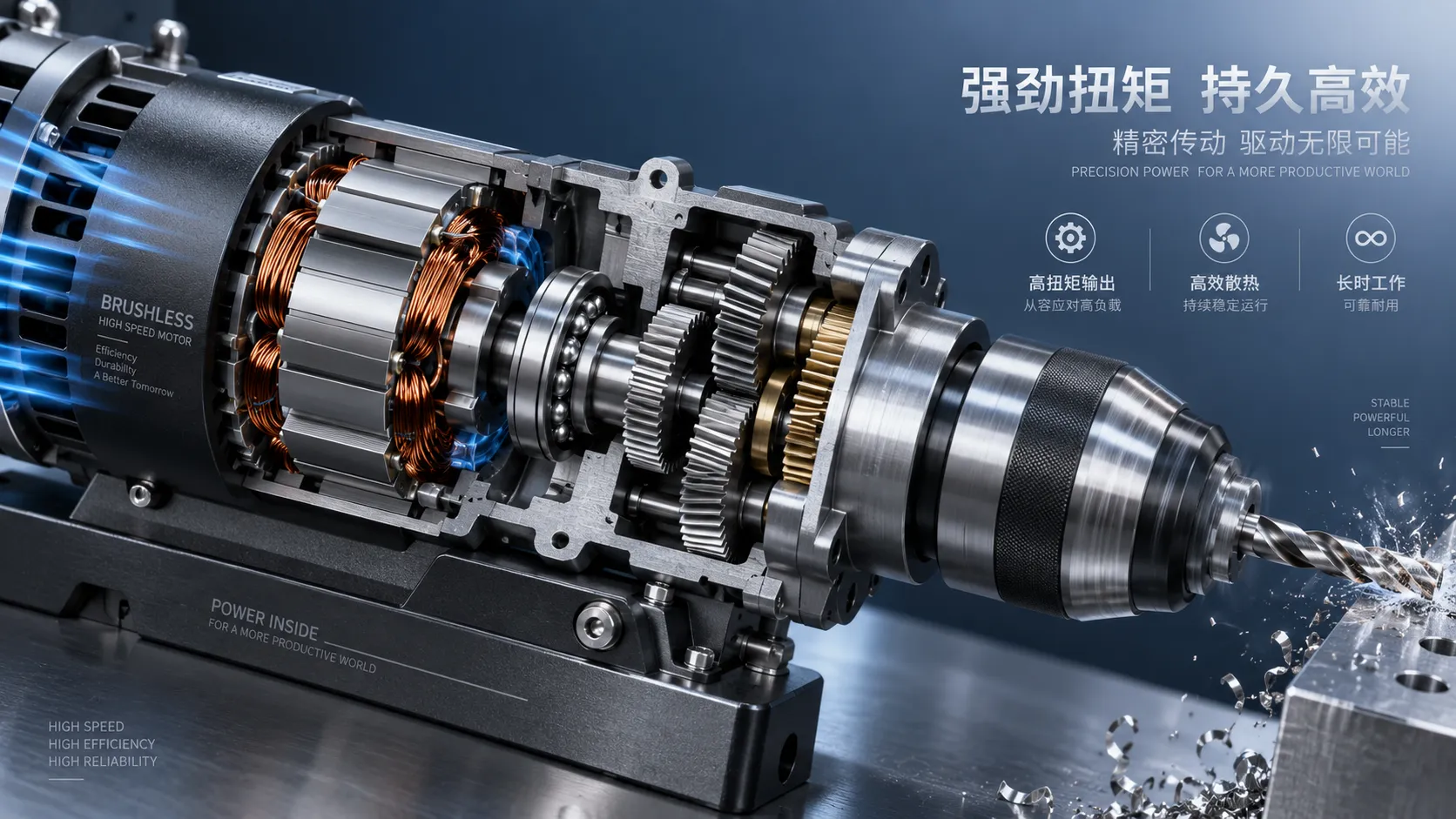
Selecting High-Speed Brushless Tool Motors for Torque, Heat, and Duty Cycle
High speed brushless tool motors: learn how to balance torque, heat, gearing, and duty cycle for reliable industrial tool performance and longer service life.
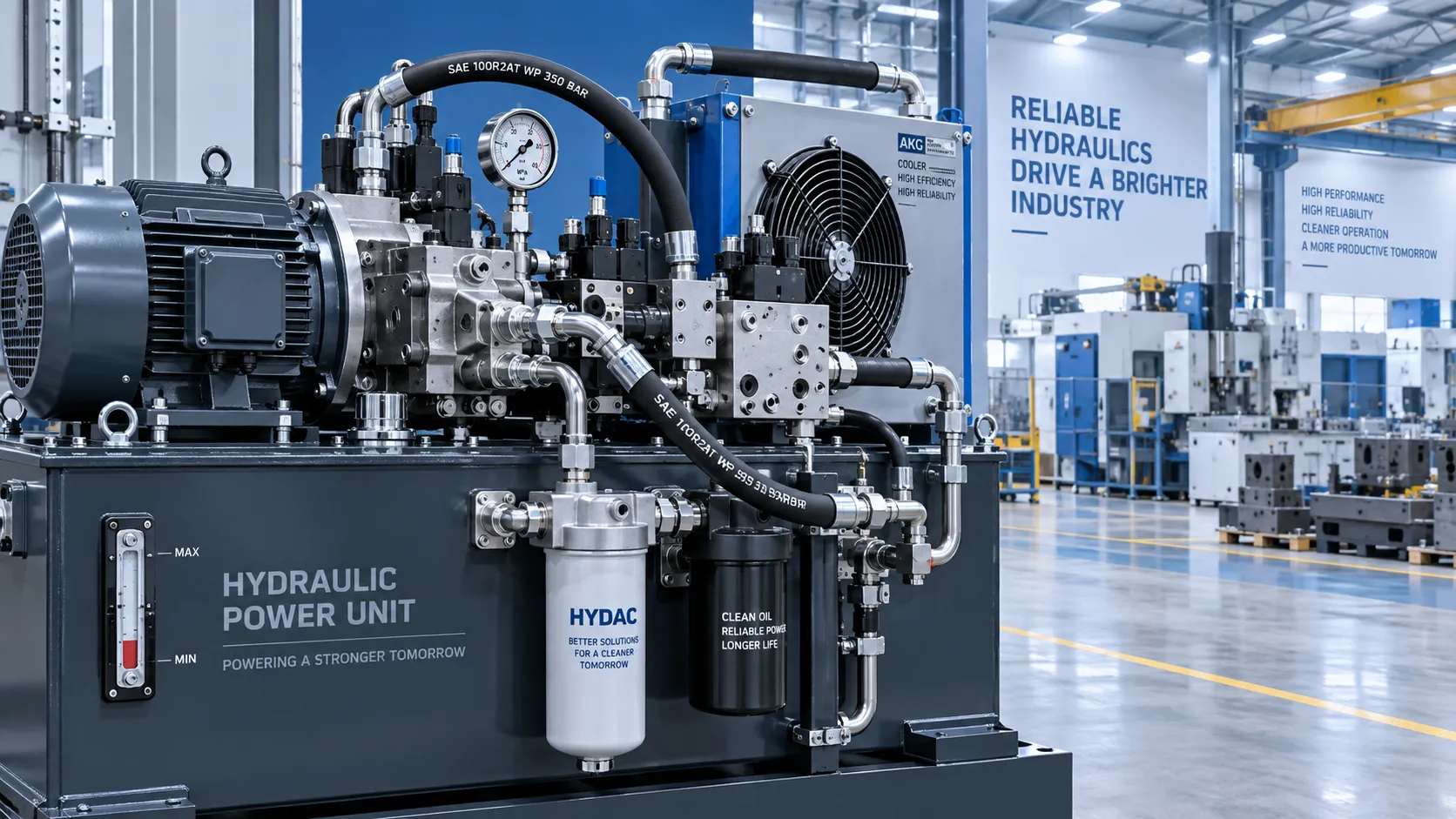
What Determines Industrial Hydraulic System Price for Heavy-Duty Equipment?
Industrial hydraulic system price depends on duty cycle, pressure, components, cooling, and integration. Compare quotes intelligently to secure reliable heavy-duty performance.
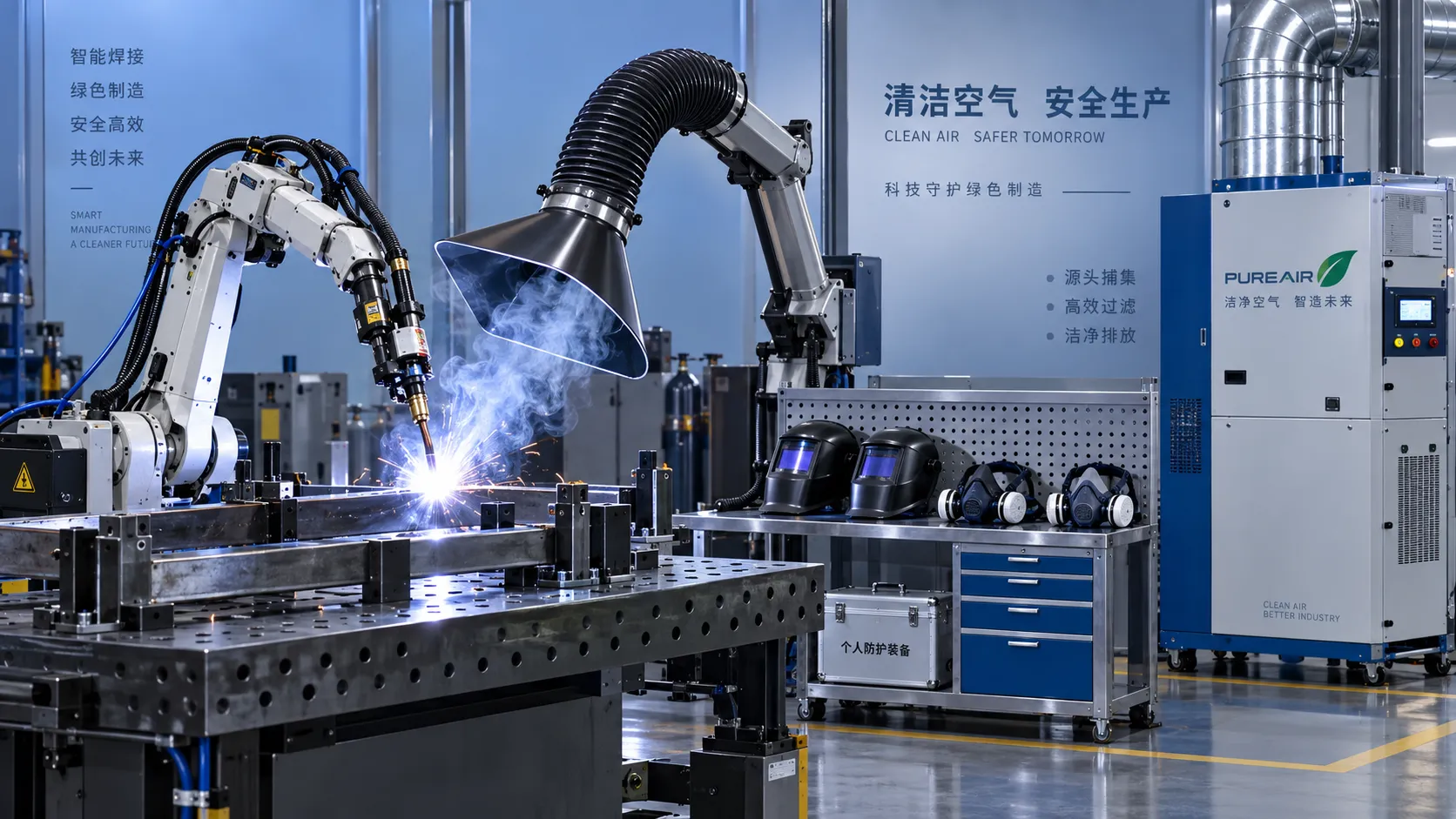
Welding Fume Extraction PPE: When Respirators Are Not Enough for Shop Safety
Welding fume extraction PPE: learn why respirators alone fall short and how source capture, ventilation, and layered controls improve shop safety.
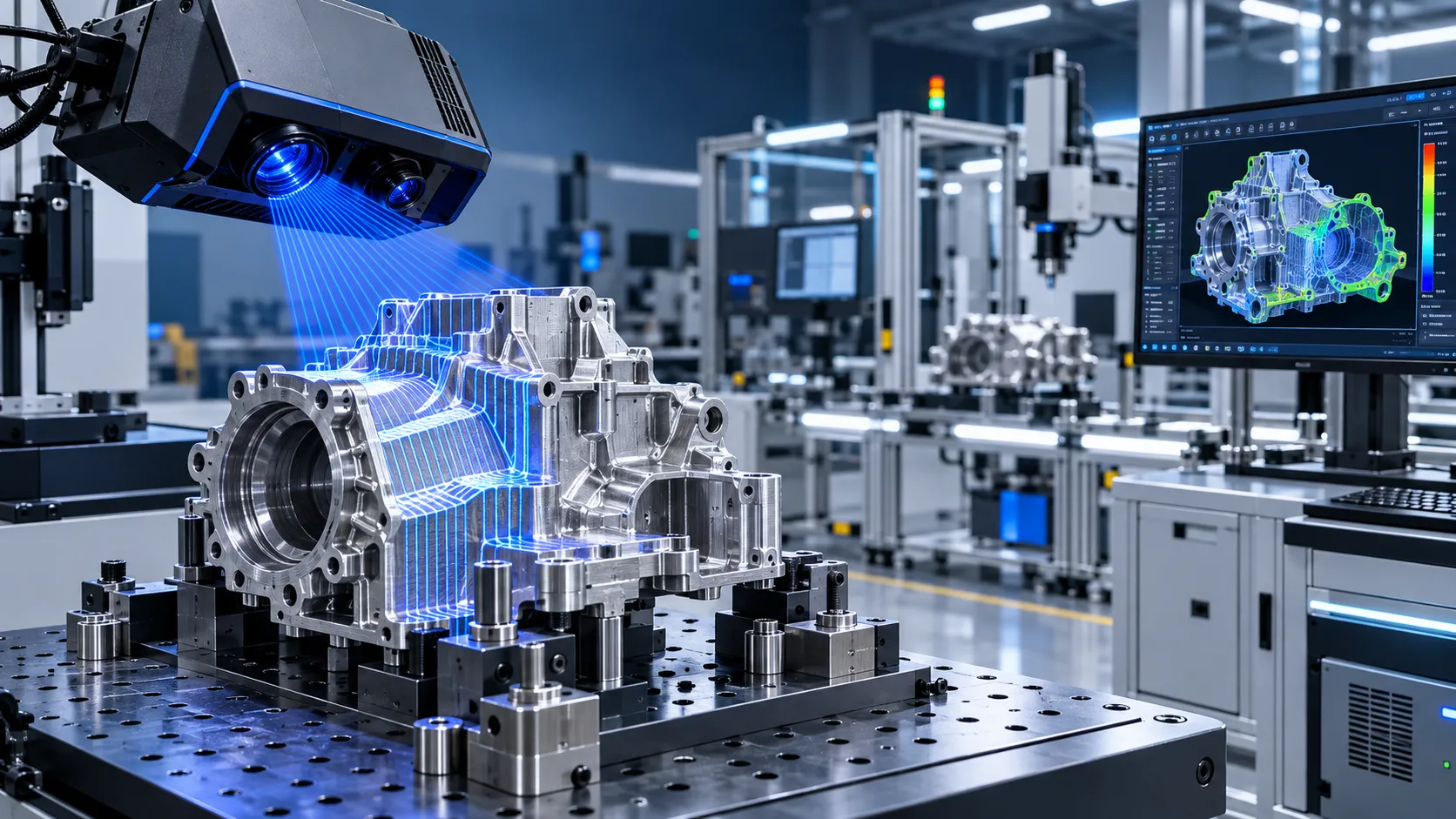
How to Select Optical Metrology Solutions for Tight-Tolerance Manufacturing
Optical industrial metrology solutions for tight-tolerance manufacturing: evaluate accuracy, surface compatibility, workflow, and traceability to select with confidence.
Related News
- 00
0000-00
Why Data-Driven Intelligence Costs Are Reshaping Enterprise Automation Budgets - 00
0000-00
What Does Data-Driven Intelligence Cost? Budgeting for Data, Tools, and Talent - 00
0000-00
What Determines Metrology Technology Prices for Factory Inspection Systems? - 00
0000-00
Welding Tools Price Guide: What Affects Cost and How Buyers Can Compare Options - 00
0000-00
What Drives Industrial Tools Cost? A Buyer’s Guide to Materials, Volume, and Lifecycle Expenses
Ms. Elena Rodriguez
Weekly Insights
Stay ahead with our curated technology reports delivered every Monday.