
How to Evaluate a Metal Joining Solutions Factory for Quality, Capacity, and Delivery Risk





Selecting a metal joining solutions factory is a risk-management decision, not a simple comparison of unit prices or equipment lists. A supplier can appear technically capable during quotation yet still create costly failures through unstable welding procedures, limited bottleneck capacity, weak traceability, or unrealistic production promises. The result may be rejected parts, delayed assemblies, expedited freight, field repairs, or production stoppages that far exceed an initial price advantage.
The central question is whether the factory can repeatedly produce the specified joint quality, at the required volume, within the promised delivery window, under conditions that can be verified before and during production. A credible evaluation separates demonstrated capability from stated capability.
Start with the joint, not the factory brochure
“Metal joining” can cover very different manufacturing risks. MIG/MAG welding of carbon-steel frames, TIG welding of stainless process piping, resistance spot welding of sheet assemblies, brazing of copper components, laser welding of thin precision parts, and robotic welding of structural subassemblies cannot be evaluated with the same checklist.
Before comparing factories, define the requirements that affect process selection and inspection depth:
- Base materials, grades, thickness ranges, coatings, and dissimilar-metal combinations;
- Joint design, access constraints, welding position, and cosmetic requirements;
- Load case: structural, pressure-retaining, fatigue-sensitive, electrical, thermal, or appearance-critical;
- Required weld quality level, permissible distortion, porosity limits, and surface finish;
- Applicable customer specifications, drawings, standards, and regulatory requirements;
- Expected annual volume, lot size, demand variability, and required lead time.
Without this definition, a quotation exercise tends to reward the supplier that makes the broadest assumptions. Those assumptions often reappear later as engineering-change charges, longer lead times, quality disputes, or exclusions for inspection and finishing.
A metal joining solutions factory should be assessed against the specific production route required for the part. A facility with many welding machines is not necessarily qualified for a thin-wall, low-distortion stainless assembly. Likewise, a factory with an advanced laser cell may not be the lowest-risk choice for low-volume fabricated structures requiring frequent fixture changes and manual rework capability.
Quality capability is the ability to control variation
Visual weld appearance is a weak proxy for quality. A smooth bead can conceal inadequate penetration, lack of fusion, cracking, inclusions, or heat-related distortion. The more important question is how the supplier prevents, detects, records, and corrects these conditions.
For welded products, examine whether procedures are defined at a usable production level. Depending on the product and governing specification, this may include welding procedure specifications (WPS), procedure qualification records (PQR), welder performance qualifications, work instructions, and controlled parameter ranges. These documents should match the actual material group, thickness range, joint type, welding position, filler metal, shielding gas, and process used in production.
A common sourcing error is accepting generic procedure documents as proof of applicability. A procedure qualified for a thicker carbon-steel butt joint does not automatically validate a thin stainless fillet weld or an aluminium assembly. Documentation should be reviewed for scope, not merely for existence.
Certification can be relevant, but it must be interpreted carefully. ISO 9001 indicates that a quality-management system has been audited; it does not, by itself, certify that every weld meets a particular structural, pressure, or aerospace requirement. Where a product calls for sector-specific approval or a recognized welding quality framework, confirm the exact certification scope, issuing body, site address, validity, and exclusions. A certificate held by a parent company or another production location provides limited assurance for the plant that will manufacture the order.
Process controls worth examining
Quality control begins before the arc is struck. Material traceability matters where alloy identity, mechanical properties, corrosion resistance, or regulatory compliance are critical. The factory should be able to link incoming material to mill certificates or approved material records when the specification requires it. Mixed stock, unmarked remnants, and uncontrolled substitution create risks that inspection after welding may not reveal.
Fit-up control is equally important. Gap size, edge preparation, tack-weld quality, fixture condition, and component alignment influence penetration, distortion, and repeatability. For tight-tolerance assemblies, ask how fixtures are validated, maintained, and identified by revision. If parts are held in place manually without defined locators or gauges, repeatability may depend excessively on individual operator skill.
Parameter control should reflect the process. For robotic or mechanized welding, review program revision management, parameter lockout, wire and gas control, torch maintenance, and recovery procedures after a stoppage. For manual welding, examine work instructions, welder qualification coverage, supervision, consumable storage, and in-process checks. For resistance welding, electrode condition, force, current, weld monitoring, and destructive-test frequency can be more informative than a general statement that the machine is “automatic.”
Inspection planning should correspond to the consequence of failure. Visual inspection and dimensional checks may be sufficient for noncritical fabrications. Higher-risk joints can require documented non-destructive testing such as dye penetrant, magnetic particle, radiographic, ultrasonic, or leak testing, subject to the applicable specification and material. The critical point is not to request every test by default. Over-specification adds cost and lead time without necessarily improving the relevant risk. Instead, define the failure modes that matter and ensure the selected method can detect them.
Ask how nonconforming work is physically controlled. A reliable factory can identify rejected parts, segregate them, record the cause, obtain authorization for repair where required, and maintain traceability after rework. A supplier that treats repair welding as an informal shop-floor activity can compromise fatigue performance, corrosion behavior, appearance, or dimensional stability.
Audit capability through evidence, not claims
A site visit is valuable when the order has meaningful technical or commercial exposure, but even a remote evaluation can require concrete evidence. The objective is to establish whether the documented process is actually reflected in the production environment.
Useful evidence includes controlled work instructions at the workstation, identification of material and work order status, calibration records for relevant measuring equipment, maintenance records for critical equipment, inspection reports, sample traceability packs, and examples of corrective-action records. The value lies in consistency: records should connect a part, revision, process, inspection result, and disposition rather than exist as isolated templates.
Sample parts should be reviewed against the actual acceptance criteria. Do not rely solely on a supplier’s preferred sample, especially if it differs in material, complexity, or finish from the intended order. Where practical, a pre-production sample or first-article process should use production-intent tooling, personnel, materials, and inspection methods. Prototype workmanship is not always a reliable predictor of serial production control.
Questions about root-cause analysis are particularly revealing. A meaningful response identifies containment actions, the mechanism of failure, corrective action, verification of effectiveness, and preventive changes to the process. “We will pay more attention” is not a corrective action. It does not reduce the chance of recurrence.
Capacity risk is usually hidden in bottlenecks
Factories often report capacity as a total number of welding stations, employees, or monthly output. These figures can be misleading because production is constrained by the slowest required operation. The bottleneck may be fixture availability, skilled TIG welders, robotic programming, inspection personnel, post-weld machining, heat treatment, coating, leak testing, packing, or outbound logistics rather than welding power sources.
Capacity evaluation should follow the routing of the purchased assembly. Request a process map that shows internal and outsourced operations, estimated cycle time, changeover time, inspection points, and the equipment or labor resource assigned to each stage. Then ask which resources are shared with other programs and how priorities are set during peak demand.
For repeat business, the factory should distinguish between installed capacity and available capacity. Installed capacity is what equipment could theoretically produce under favorable assumptions. Available capacity accounts for existing orders, maintenance, setup losses, staffing, quality holds, and the practical utilization level needed to protect delivery performance. The latter is more relevant to sourcing risk.
Demand flexibility deserves separate scrutiny. A supplier may meet a stable monthly schedule but struggle with a sudden release increase, a short engineering changeover, or a mix shift toward more labor-intensive parts. Flexibility depends on qualified backup operators, duplicate or alternative equipment, fixture lead times, raw-material access, and the ability to add shifts without weakening inspection discipline.
Automation should be evaluated in this context. Robotic welding can improve consistency and throughput for suitable, repeatable products, but it does not remove capacity risk. A single robot cell with a specialized fixture can become a single point of failure. Programming changes, torch crashes, fixture wear, and part variation can reduce its usable output. A sound capacity review identifies recovery options rather than assuming automation equals resilience.
Delivery reliability depends on planning discipline and supply-chain visibility
A confirmed delivery date is credible only when it is tied to material availability, routing time, inspection requirements, subcontractor lead times, and shipping preparation. The supplier should be able to explain its planning logic in operational terms, not merely state that orders are managed through an ERP system.
Material is frequently the first delivery risk. For special alloys, uncommon profiles, certified plate, coated sheet, or customer-nominated materials, verify whether the factory holds stock, buys against order, or relies on distributors. Confirm lead-time assumptions, minimum order quantities, certificate availability, and the procedure for handling shortages or substitutions. Material substitutions should require written approval when they affect the drawing, specification, performance, or compliance status.
Outsourced processes require the same level of scrutiny as in-house operations. Powder coating, galvanizing, machining, stress relief, passivation, non-destructive testing, and specialized heat treatment can determine the real lead time. A factory remains responsible for delivery even when these activities are performed externally. It should know the subcontractor’s capacity, quality controls, transport time, and contingency route.
Measure delivery performance using a clear definition. “On time” can be manipulated if the supplier revises the confirmed date after receiving the order. For ongoing supply, distinguish between the original committed date, the latest revised date, and actual shipment date. The most useful reporting identifies reasons for late orders, not just an aggregate percentage.
Packaging is part of delivery risk for welded assemblies. Distortion-prone, coated, polished, or precision-machined parts may require dedicated racks, separators, corrosion protection, moisture barriers, or orientation controls. Damage found after international transport can be expensive to sort out because responsibility may be disputed between factory, forwarder, and receiver. Packaging approval should be based on the part’s geometry and surface requirements, not a generic carton specification.
Evaluate cost as a consequence of the production system
The lowest quoted part price may reflect an efficient process, but it can also reflect omitted controls. Procurement should identify what the quotation includes: material grade and source assumptions, welding process, fixture cost, inspection level, testing, surface treatment, traceability documents, packaging, tooling maintenance, scrap allowance, and change-management terms.
Metal joining cost is strongly shaped by labor content, welding speed, deposition efficiency, setup time, consumable use, distortion control, rework rate, and downstream finishing. A lower-cost manual process may be appropriate for low volume or high mix. For stable, repeatable parts, investment in fixtures or automation may lower the recurring cost while improving consistency. The economics should be assessed over expected demand, not through a one-time comparison between a tooling charge and a piece price.
Requesting an open-book cost breakdown is not always realistic or necessary. However, a supplier should be able to explain major cost drivers and distinguish one-time engineering or fixture costs from recurring manufacturing costs. Unexplained price gaps between suppliers should trigger technical questions. They may arise from different material assumptions, omitted inspection, different weld lengths, lower finishing requirements, or an unrealistic cycle-time estimate.
The total sourcing cost should also include the financial exposure of failure: incoming inspection burden, line disruption, containment activity, expedited transport, warranty risk, and the management time needed to resolve disputes. These costs are difficult to quantify precisely before an order, but they should influence supplier selection when product criticality is high.
Turn the evaluation into enforceable controls
Supplier approval loses value if the purchase order and quality agreement do not preserve the conditions that were evaluated. Technical documents should be revision-controlled. Acceptance criteria, inspection requirements, record retention, material substitution rules, repair authorization, change notification, packaging standards, and shipment documentation should be unambiguous.
Change control is especially important. A factory may alter a welding consumable, subcontractor, fixture, production site, material source, or welding parameter to solve an internal problem or improve cost. Some changes are harmless; others can affect mechanical performance, corrosion resistance, certification status, dimensional accuracy, or appearance. The agreement should specify which changes require prior written approval and which require notification.
For a new supplier or a technically sensitive assembly, phased release is often safer than immediate full-volume commitment. Initial production can be tied to first-article approval, enhanced inspection, traceability review, and confirmation of packaging and shipment execution. This is not an administrative delay; it is a way to test the actual production system before dependency increases.
The dependable metal joining solutions factory is not necessarily the one with the most impressive equipment, the broadest process list, or the lowest initial quotation. It is the one that can demonstrate a controlled process for the exact joint, reveal its real bottlenecks, support its delivery commitment with credible planning, and accept contractual discipline around quality and change. Those factors provide a more reliable basis for cost decisions than headline price alone.
Related News
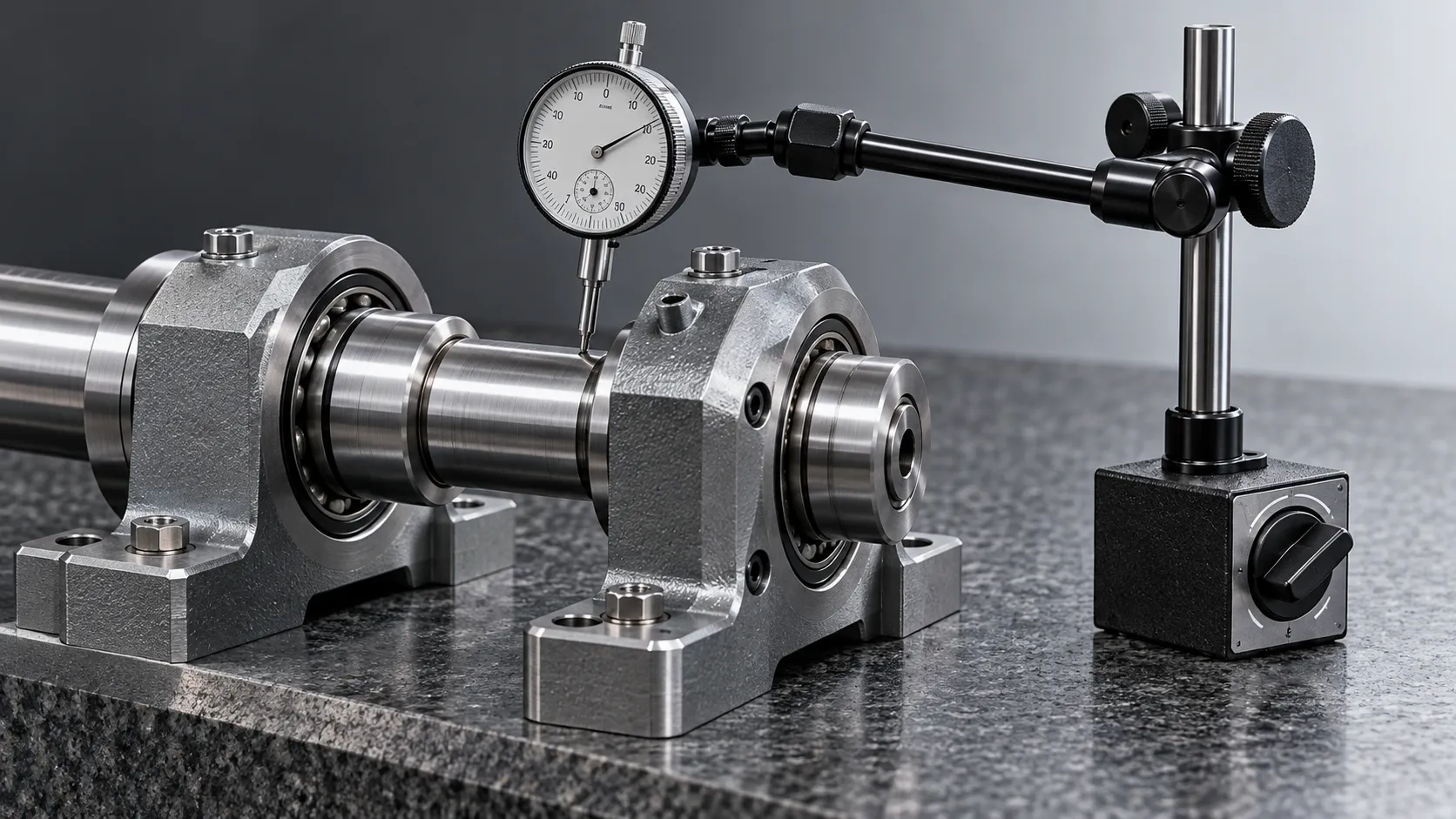
What Defines Craftsmanship in Metalworking? Fit, Finish, and Precision
Discover what defines craftsmanship in metalworking: fit, finish, and precision. Learn how to spot quality, assess suppliers, and choose parts that perform reliably.
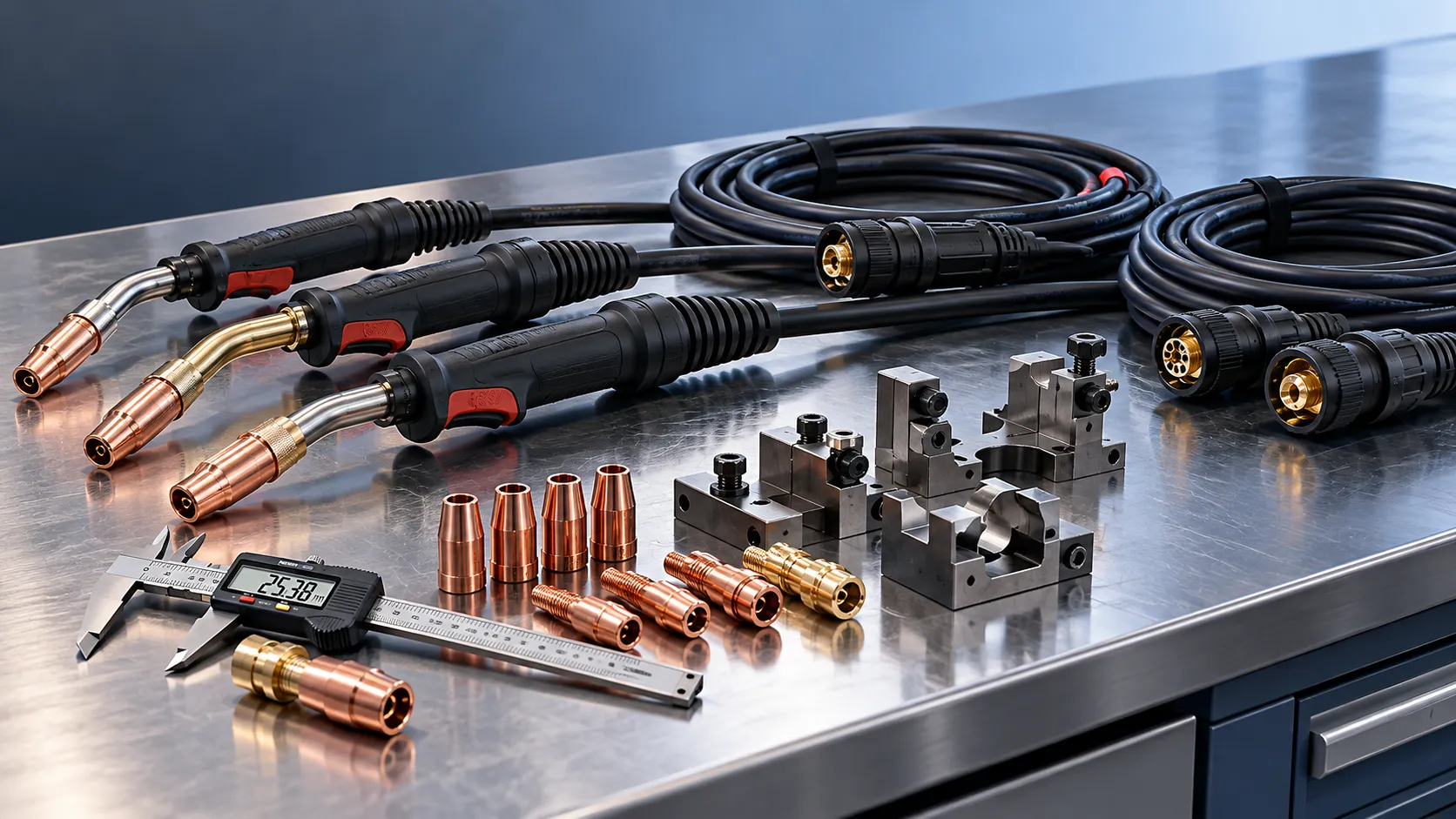
Choosing a Welding Tools Manufacturer: Quality Checks Before a Bulk Order
Choosing a welding tools manufacturer? Discover essential quality checks, sample tests, and inspection terms to reduce bulk-order risks and buy with confidence.

How to Compare Calibration Tools: Range, Uncertainty, and Traceability
Explore product comparison resources for calibration tools. Compare range, uncertainty, and traceability to choose confidently and support defensible measurement decisions.
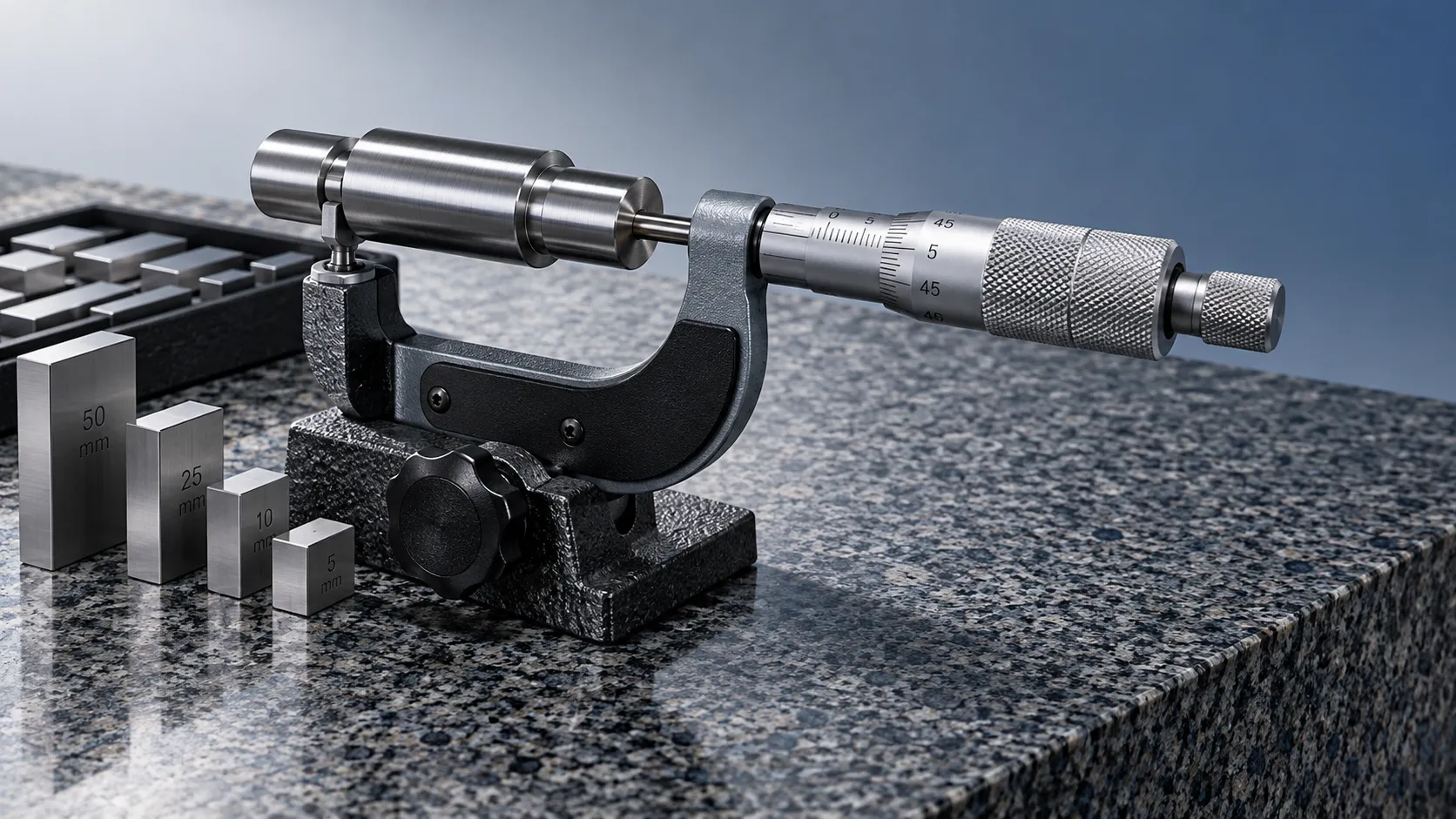
Choosing Industrial Metrology Tools: Matching Measurement Uncertainty to Tolerances
Improve industrial tool selection for metrology by matching measurement uncertainty to tolerances. Learn how to reduce inspection risk and choose equipment with confidence.
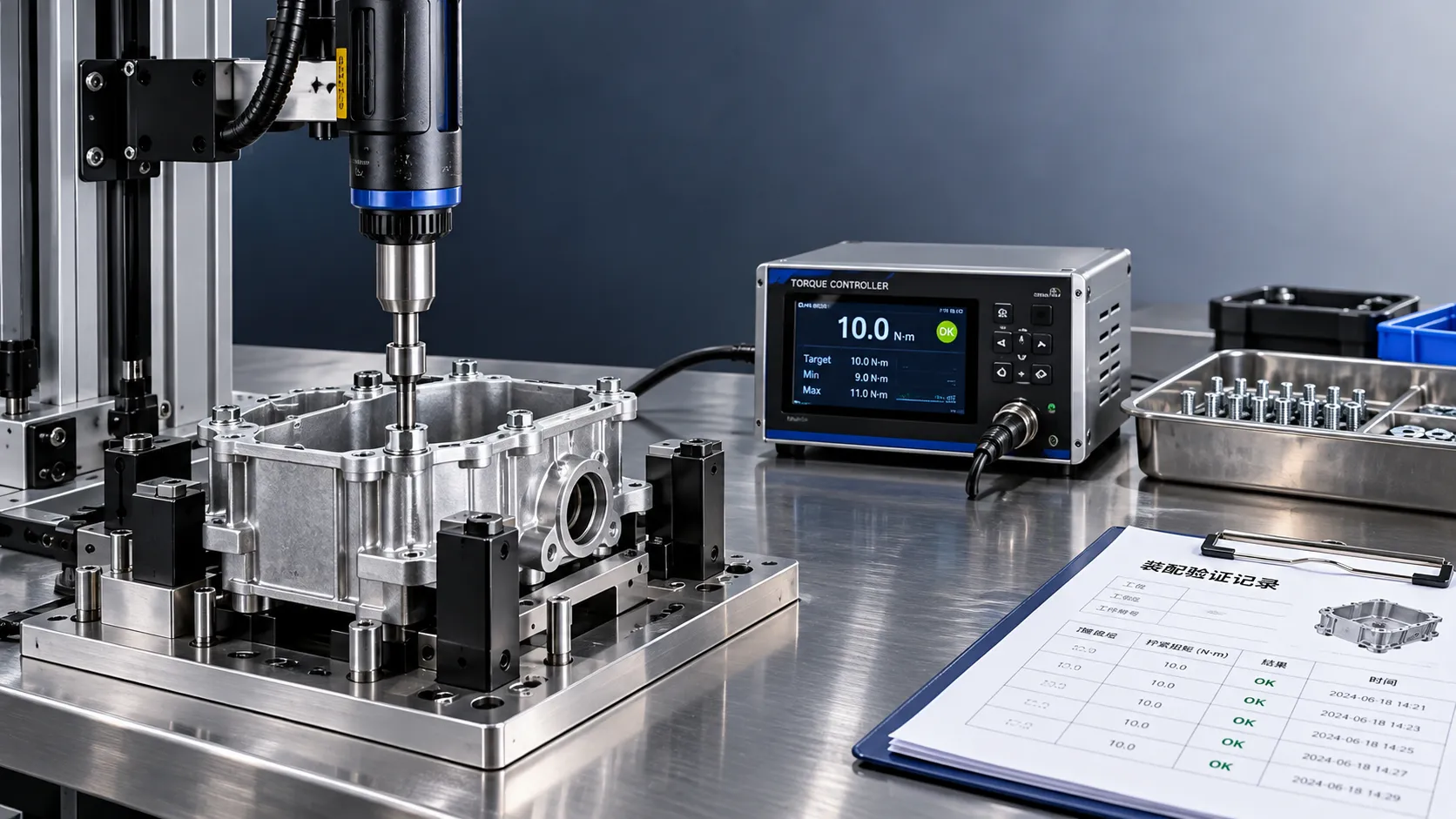
Torque System Suppliers: How to Assess References for Assembly Projects
Explore supplier and solution references torque systems buyers should verify. Assess assembly fit, traceability, and support to reduce risk and choose with confidence.
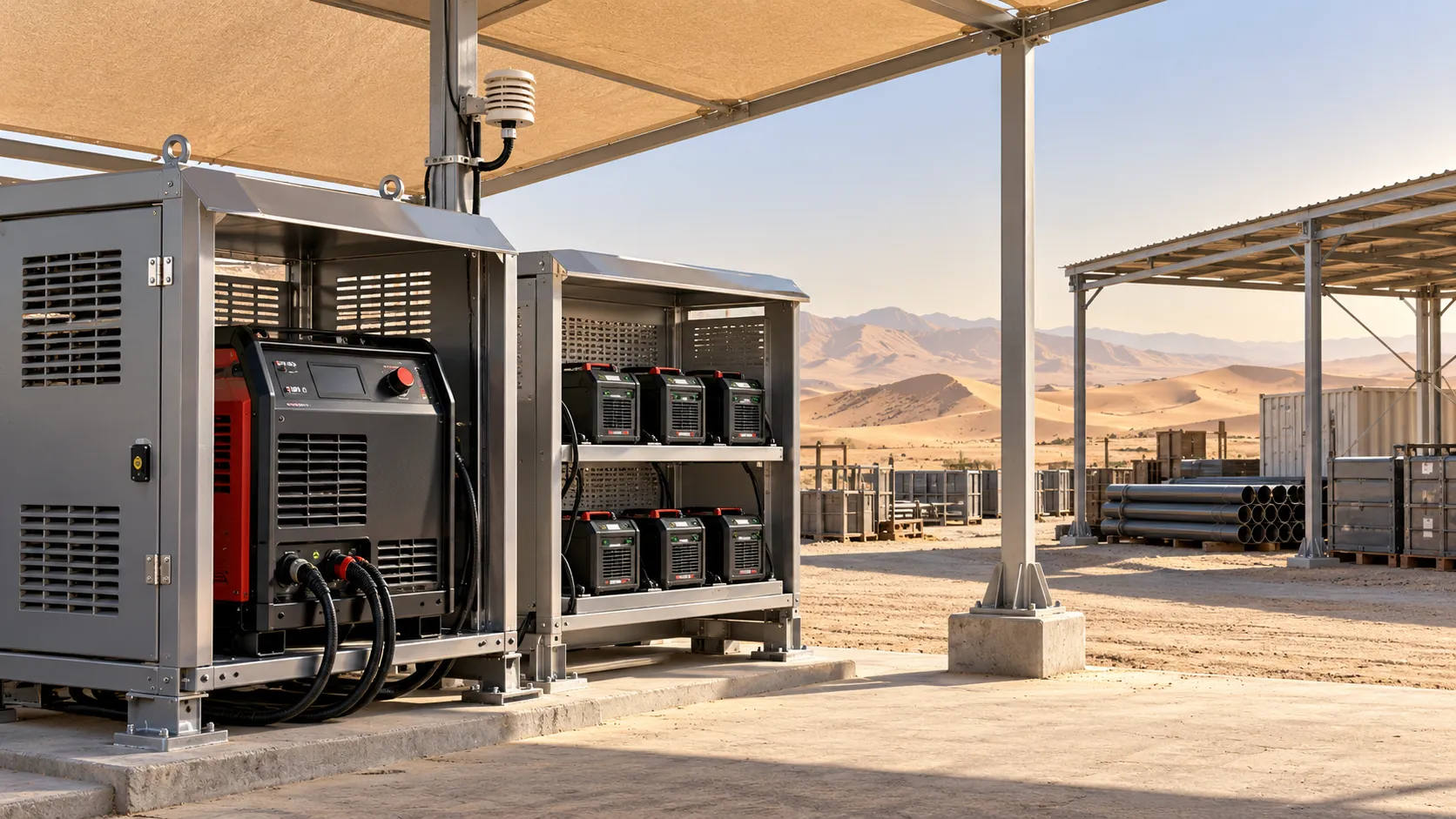
Equipment Application Guidance for the Middle East: Managing Heat and Dust
Explore application guidance Middle East teams can use to manage heat and dust, protect welding equipment, batteries and precision tools, and reduce downtime. Get practical tips.
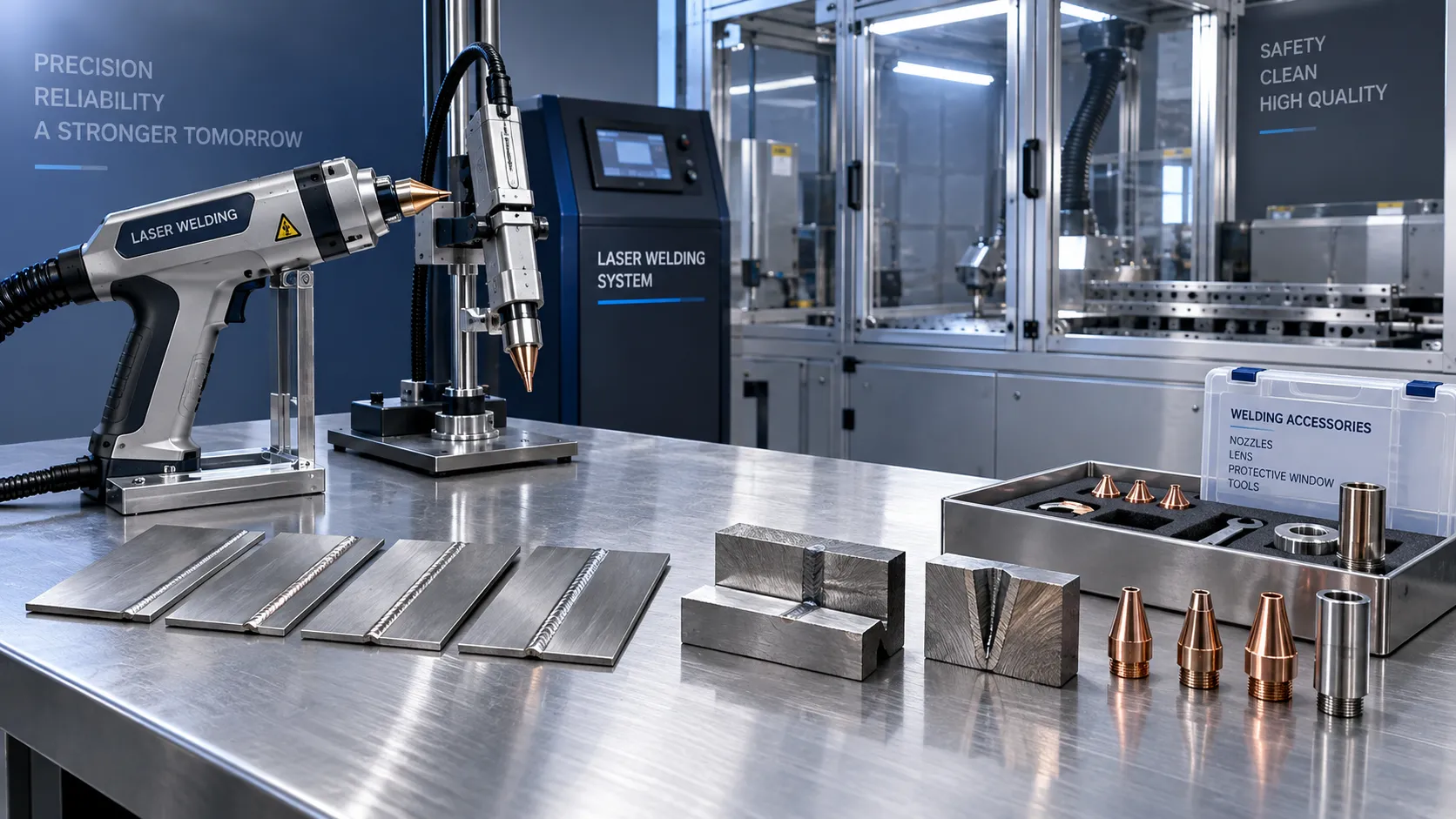
Choosing a Handheld Laser Welding Supplier: Weld Trials, Training, and Service
Choose a handheld laser welding supplier with proven weld trials, safety training, and reliable service. Learn what to verify before buying to reduce downtime and protect your investment.

Choosing an Industrial IoT Platform: Key Criteria for Legacy Equipment
Choose an industrial IoT platform for legacy equipment with confidence. Discover key checks for connectivity, data integrity, security, and lifecycle costs before investing.

In-House vs. Outsourced Aircraft Maintenance: Comparing Total Costs
Compare aerospace maintenance cost for in-house vs. outsourced aircraft upkeep. Discover hidden expenses, downtime impacts, and break-even factors to find the best fit for your fleet.
Related News
- 00
0000-00
Choosing a Welding Tools Manufacturer: Quality Checks Before a Bulk Order - 00
0000-00
Torque System Suppliers: How to Assess References for Assembly Projects - 00
0000-00
Choosing a Handheld Laser Welding Supplier: Weld Trials, Training, and Service - 00
0000-00
In-House vs. Outsourced Aircraft Maintenance: Comparing Total Costs - 00
0000-00
How Can Distributors Verify Precision Engineering Tolerances?
Dr. Alistair Vaughn
Weekly Insights
Stay ahead with our curated technology reports delivered every Monday.