
How to Evaluate OEM Tool Solutions for Reliable Bulk Tool Orders





A bulk tool order can look attractive when the quoted unit price is low and the supplier confirms that it can add a private label, change the color, or produce a custom kit. The risk usually appears later: sample tools perform acceptably, but production batches vary; replacement parts are unavailable; packaging fails during export handling; or a tool that suits light workshop use is placed into a demanding industrial application. A small weakness multiplied across a large order can create inspection delays, warranty claims, lost production time, and unplanned reordering.
The practical way to evaluate OEM tool solutions bulk order opportunities is to treat the purchase as a controlled supply decision rather than a price comparison. Start with the intended job, convert that job into measurable product and delivery requirements, then verify whether the manufacturer can reproduce those requirements across the full order. The best supplier is not automatically the one with the lowest quote or the broadest catalogue. It is the one whose engineering, quality controls, capacity, documentation, and communication match the risk level of the tools being purchased.
Begin with the working conditions, not the catalogue
“Tool” is too broad a purchasing specification. A hand tool, cordless power tool, welding accessory, hydraulic device, and measuring instrument each fail in different ways. Before requesting quotations, define how the product will actually be used. Procurement should collect this information from operations, maintenance, quality, and end users rather than relying on a generic product name.
- Task and load: Identify the fastening torque, cutting force, duty cycle, material hardness, welding current range, or measurement tolerance required.
- Operating environment: Consider dust, oil, humidity, vibration, outdoor exposure, temperature changes, confined spaces, and overhead work.
- User profile: Determine whether the tool will be used continuously by trained technicians, intermittently by field crews, or by mixed-skill users.
- Failure consequence: A cosmetic scratch on a toolbox may be minor. A slipping insulated hand tool, inaccurate caliper, overheated grinder, or leaking hydraulic tool may stop work or create a safety issue.
- Service expectation: Establish whether the item is disposable, repairable, recalibrated, or supported with consumable and spare-part availability.
This step prevents a frequent sourcing error: comparing products that share a name but not a performance level. Two adjustable wrenches may look similar in photographs, yet differ in jaw hardness, thread fit, opening accuracy, handle coating, and resistance to deformation. Two cordless drills may share a voltage rating while using different motor designs, battery protection arrangements, chuck quality, or thermal management. A quotation cannot be evaluated correctly until the required operating boundary is visible.
Turn requirements into a supplier-ready specification
OEM purchasing becomes inefficient when each supplier is asked to “quote your best model.” That approach gives manufacturers too much room to propose incomparable products. Instead, prepare a requirement sheet that separates mandatory points from preferred features and commercial options.
For a precision measuring tool, the sheet may define measurement range, resolution, permissible error, repeatability expectations, contact surface material, zero setting behavior, display readability, storage case, inspection documentation, and calibration needs. For a welding-related accessory, it may cover material grade, heat resistance, connector compatibility, cable length, insulation, wear components, and intended welding process. For power tools, include voltage platform, plug type, motor type where relevant, no-load speed or impact rate, expected duty conditions, guarding, battery configuration, charger requirements, and service parts.
Also define the elements that make the order genuinely OEM. These can include logo placement, mold marking, color reference, handle material, kit composition, printed instructions, barcode labels, carton marks, and pallet configuration. Do not assume that every customization is equally simple. A printed logo on an existing product is very different from a new housing mold, modified gearbox, altered battery interface, or custom measuring scale. Ask the supplier to identify which requested changes affect tooling, minimum order quantities, lead time, testing, and ongoing repeatability.
Use acceptance criteria that can be checked
Vague language creates disagreement after production starts. “Heavy-duty,” “professional quality,” “high precision,” and “long-lasting” are useful commercial descriptions, but they are not inspection criteria. Replace them with observable requirements where possible. Examples include dimensional tolerances, surface finish limits, torque test conditions, runout limits, insulation checks, material verification, cycle tests, packaging drop requirements, or agreed functional tests.
Not every requirement needs a laboratory test. A practical acceptance plan may combine document review, visual inspection, dimensional sampling, functional testing, and retained reference samples. The important point is that both buyer and supplier understand how a pass or fail decision will be made before mass production.
Evaluate the sample as evidence, not as a promise
A pre-production sample is essential, but it does not prove that a factory can maintain the same standard during a bulk run. Samples are often assembled slowly, selected carefully, or made with components that are not yet locked into normal production supply. Buyers should use the sample phase to inspect both the tool and the supplier’s response to technical questions.
Check fit, finish, markings, ergonomics, moving parts, packaging, and obvious defects. More importantly, test the functions that matter in the intended application. A ratchet should be checked for direction engagement and backlash under appropriate use. A measuring instrument should be compared against known references across its usable range. A power tool should be assessed for abnormal vibration, switch operation, chuck retention, battery connection, heat buildup under a representative load, and guard operation where applicable.
Document every approval, deviation, and revision. A signed sample or controlled “golden sample” should be linked to a version-controlled specification. Photographs alone are rarely enough because they cannot capture material grade, internal assembly, electrical protection, or measurement accuracy. When changes are requested after sampling, clarify whether the revised feature has been re-tested and whether it applies to all production units.
Ask how quality is controlled during production
Supplier capability is not demonstrated by a statement that “all goods are inspected.” The useful question is where inspection occurs, what is checked, how defects are recorded, and what happens when a process drifts. A credible manufacturer should be able to explain incoming material controls, in-process checks, final inspection, and traceability in terms that relate to the proposed product.
For high-risk items, ask for the actual inspection points relevant to the order rather than a general quality statement. An OEM supplier may not disclose every internal process detail, but it should be able to demonstrate a disciplined method for controlling critical characteristics. Evasive answers, unexplained changes in sample construction, or inconsistent technical replies should be treated as sourcing signals, not merely communication problems.
Separate capacity from production reliability
A factory’s stated monthly capacity is only a starting point. Capacity figures may include multiple product categories, several lines, or assumptions about normal material availability. The more useful issue is whether the supplier can meet your required quantity, configuration, packaging, and delivery window without disrupting the quality controls that made the sample acceptable.
Discuss the order in stages: material procurement, component production, assembly, testing, packaging, and shipment readiness. This reveals dependencies that a single lead-time number hides. Custom printed cartons, specialized batteries, branded cases, uncommon coatings, or third-party components may determine the true schedule. When an order contains multiple tool types in a kit, the slowest component can delay the entire shipment.
It is also sensible to ask how repeat orders will be handled. A supplier may accommodate an initial large order by using available stock or temporary resources, but future replenishment depends on stable component supply, retained tooling, documented specifications, and forecast visibility. Where continuity matters, agree on how design changes, material substitutions, or component obsolescence will be communicated before they affect production.
Calculate landed risk, not only unit cost
Low unit price is meaningful only when the delivered tools meet the agreed application requirement. The cost model should include more than the supplier’s quoted amount. Review tooling or artwork charges, sample revisions, inspection expenses, packaging changes, freight, duties where applicable, replacement stock, warranty handling, spare parts, and the internal cost of receiving and sorting defective goods.
Quality variation has a different financial effect depending on the product. For a low-value consumable, a controlled overage may be an acceptable buffer. For calibrated instruments, battery tools, or tools integrated into a maintenance program, failures can trigger return logistics, testing labor, replacement purchases, and disruption at the point of use. Comparing suppliers without assigning a value to these risks tends to favor incomplete offers.
Payment terms should also support verification. Avoid structures that remove all leverage before the buyer has confirmed that the production run matches the approved standard. The appropriate arrangement depends on the relationship, product value, customization level, and trade route, but inspection milestones, clear shipping documents, and a written process for handling nonconforming goods are more useful than informal assurances.
Confirm compliance and market readiness early
Compliance requirements should be identified before product design and packaging are finalized. The relevant obligations depend on the destination market, tool category, power source, intended user, labeling, and whether the product is sold as a standalone item or part of a kit. Electrical tools, battery-powered products, protective equipment, and measuring devices may require more careful review than basic mechanical tools.
Ask the supplier what documentation it can provide for the exact configuration being ordered, not merely for a similar catalogue model. A change in battery pack, charger, cable, switch, enclosure, label, or accessory can affect product status. Confirm label language, warning content, country-of-origin marking where required, carton information, and transport documentation for relevant products. Procurement should involve the internal compliance or legal function where the order’s destination and product category create a technical regulatory boundary.
Choose the supplier relationship that matches the order
Not every bulk purchase needs the same OEM depth. An existing standard model with controlled branding may be suitable when speed and lower development risk matter most. A configurable product platform can work when buyers need a distinct kit, handle, packaging format, or selected performance options without redesigning core components. Full custom development is justified only when the application, brand position, compatibility requirement, or recurring volume supports the added engineering, validation, and tooling commitments.
Procurement should be cautious when a supplier agrees to every requested customization immediately but cannot explain the technical consequences. A dependable partner will distinguish between cosmetic changes, component substitutions, structural revisions, and new development. That distinction protects both sides from approving a product that cannot be produced consistently at the required volume.
Before issuing the purchase order
The final purchase order should connect the commercial agreement to the technical evidence collected during evaluation. Attach or reference the approved specification, drawing or artwork version, sample identification, inspection requirements, packaging details, quantity tolerance if permitted, delivery terms, labeling instructions, spare-part commitments where applicable, and procedure for deviations. A change-control clause is especially valuable: no material, component, process, or design change should be made without written approval when it could affect function, appearance, compliance, or interchangeability.
Reliable OEM tool sourcing is built through this level of definition. Buyers do not need to eliminate every uncertainty, but they should know which features are critical, which risks are acceptable, and how the supplier will demonstrate control before the bulk shipment leaves the factory. That is the difference between purchasing a large quantity of tools and establishing a repeatable tool supply program.
Related News
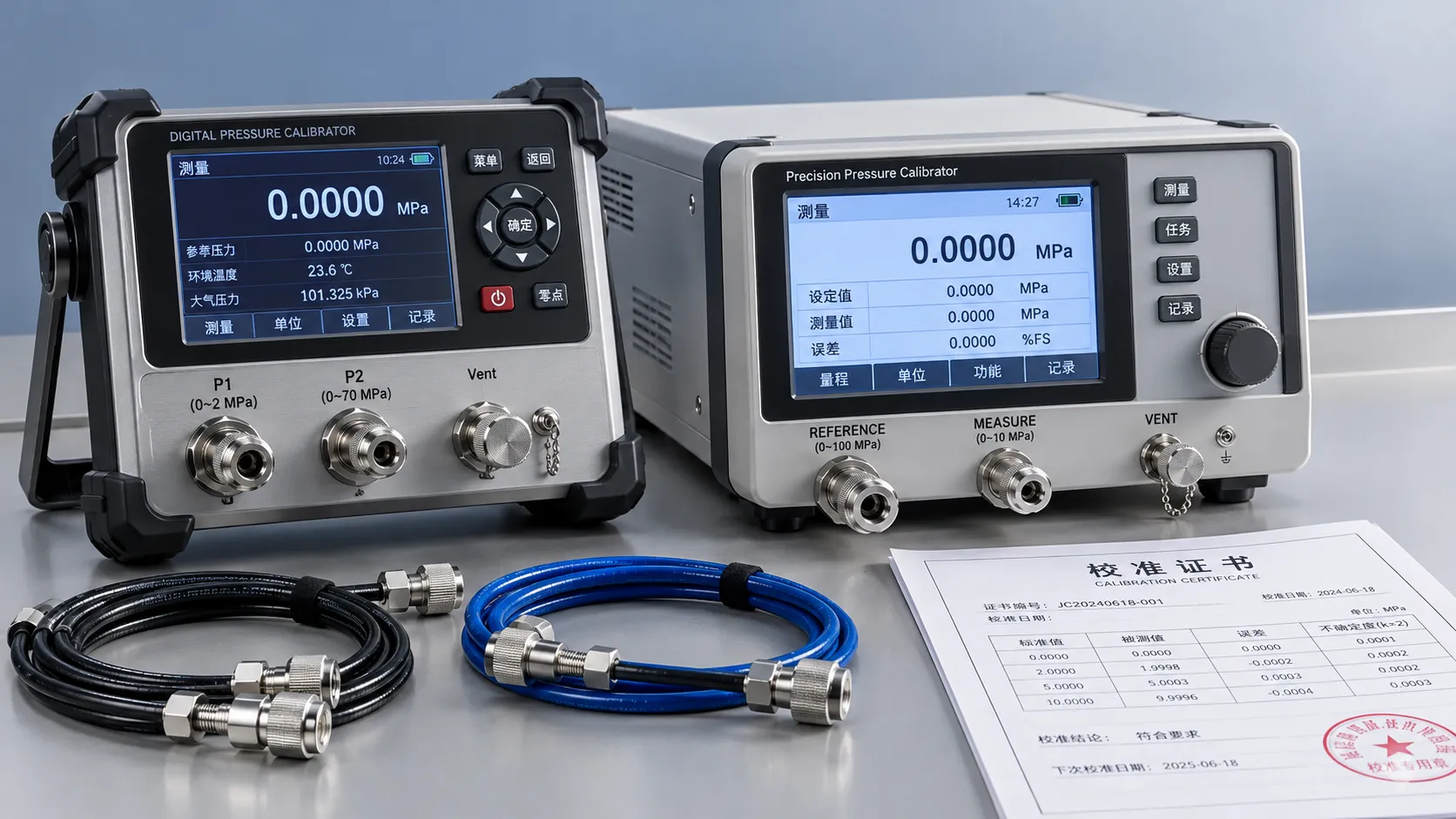
How to Compare Calibration Tools: Range, Uncertainty, and Traceability
Explore product comparison resources for calibration tools. Compare range, uncertainty, and traceability to choose confidently and support defensible measurement decisions.
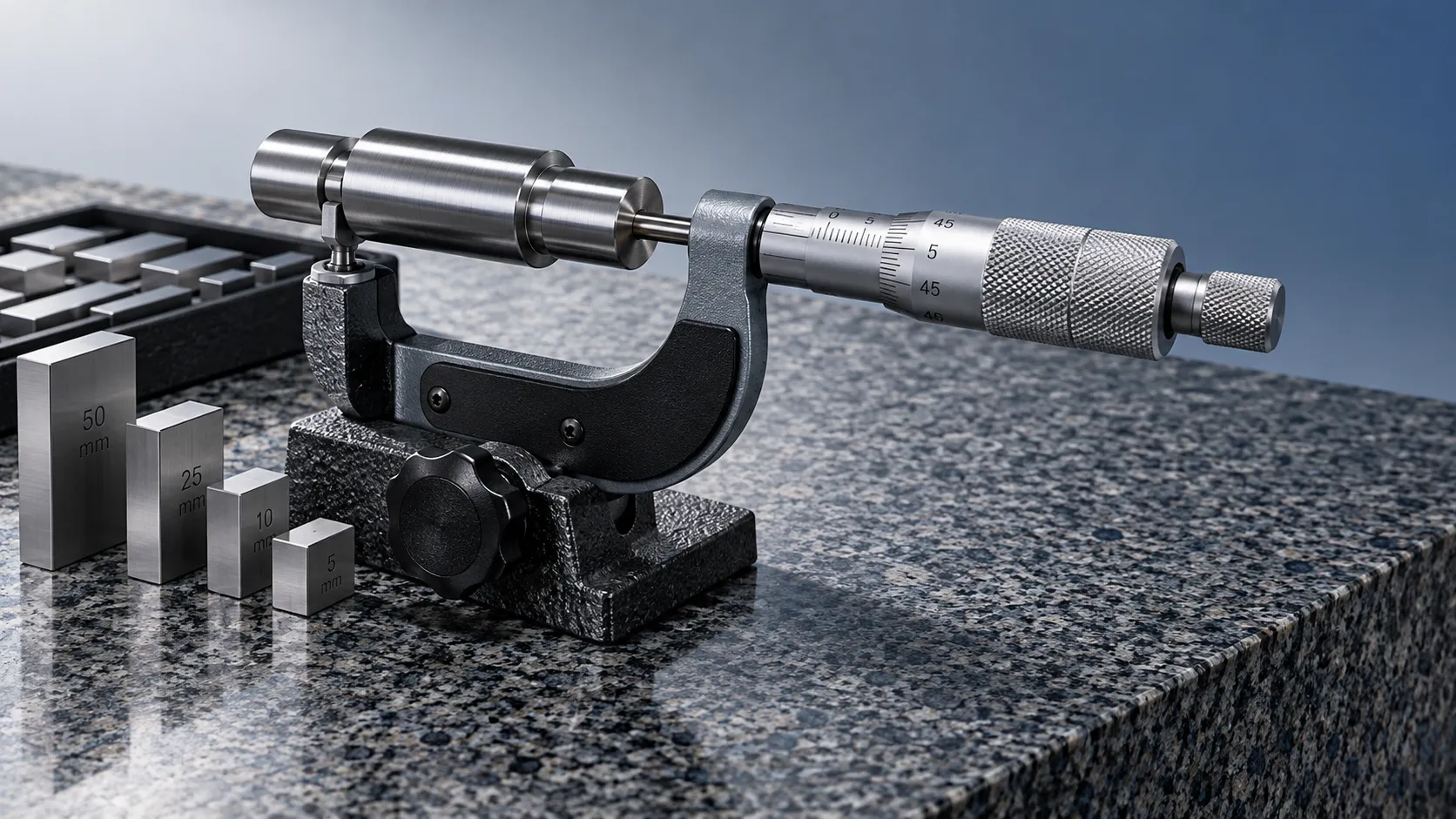
Choosing Industrial Metrology Tools: Matching Measurement Uncertainty to Tolerances
Improve industrial tool selection for metrology by matching measurement uncertainty to tolerances. Learn how to reduce inspection risk and choose equipment with confidence.
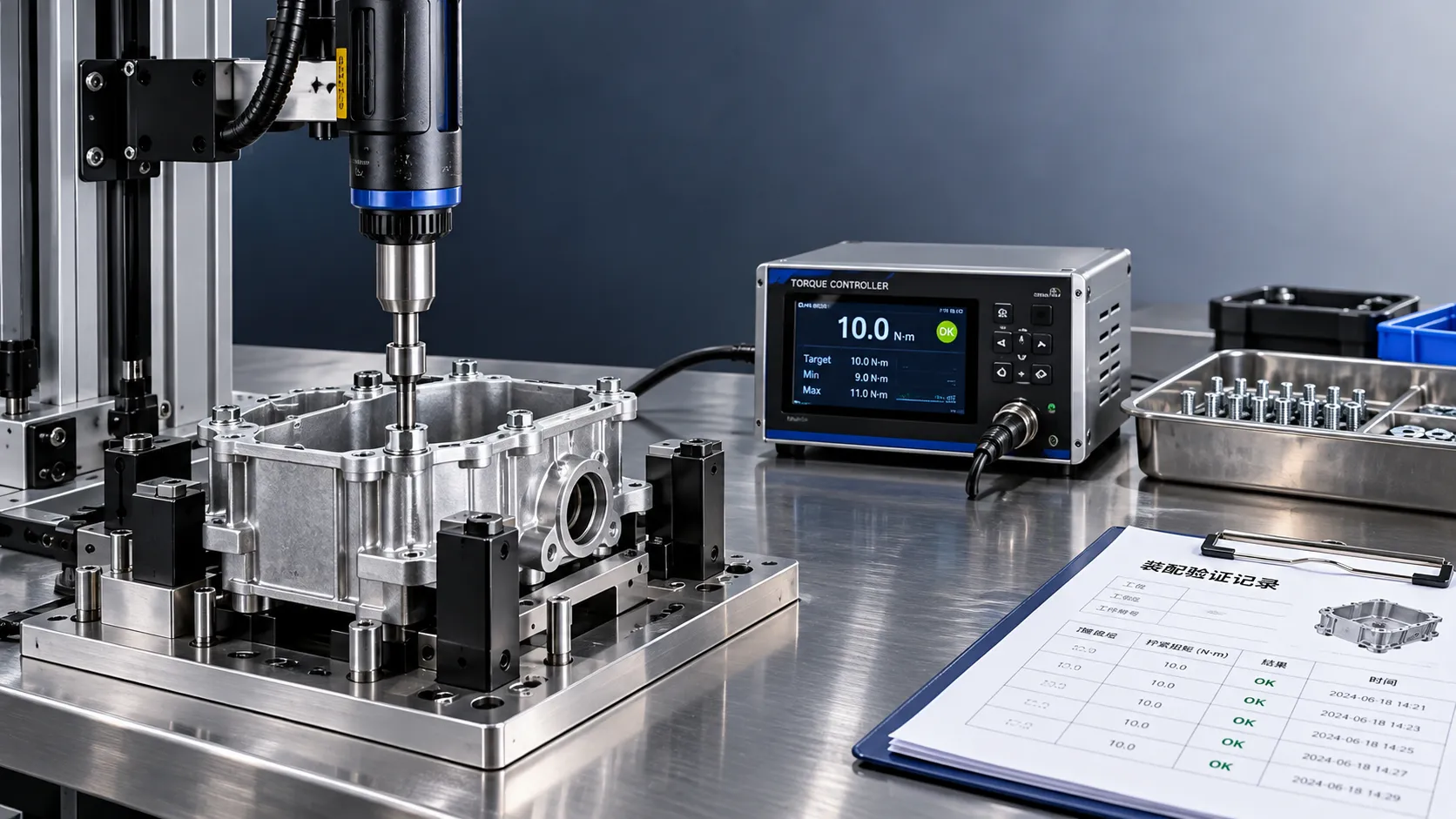
Torque System Suppliers: How to Assess References for Assembly Projects
Explore supplier and solution references torque systems buyers should verify. Assess assembly fit, traceability, and support to reduce risk and choose with confidence.

Equipment Application Guidance for the Middle East: Managing Heat and Dust
Explore application guidance Middle East teams can use to manage heat and dust, protect welding equipment, batteries and precision tools, and reduce downtime. Get practical tips.
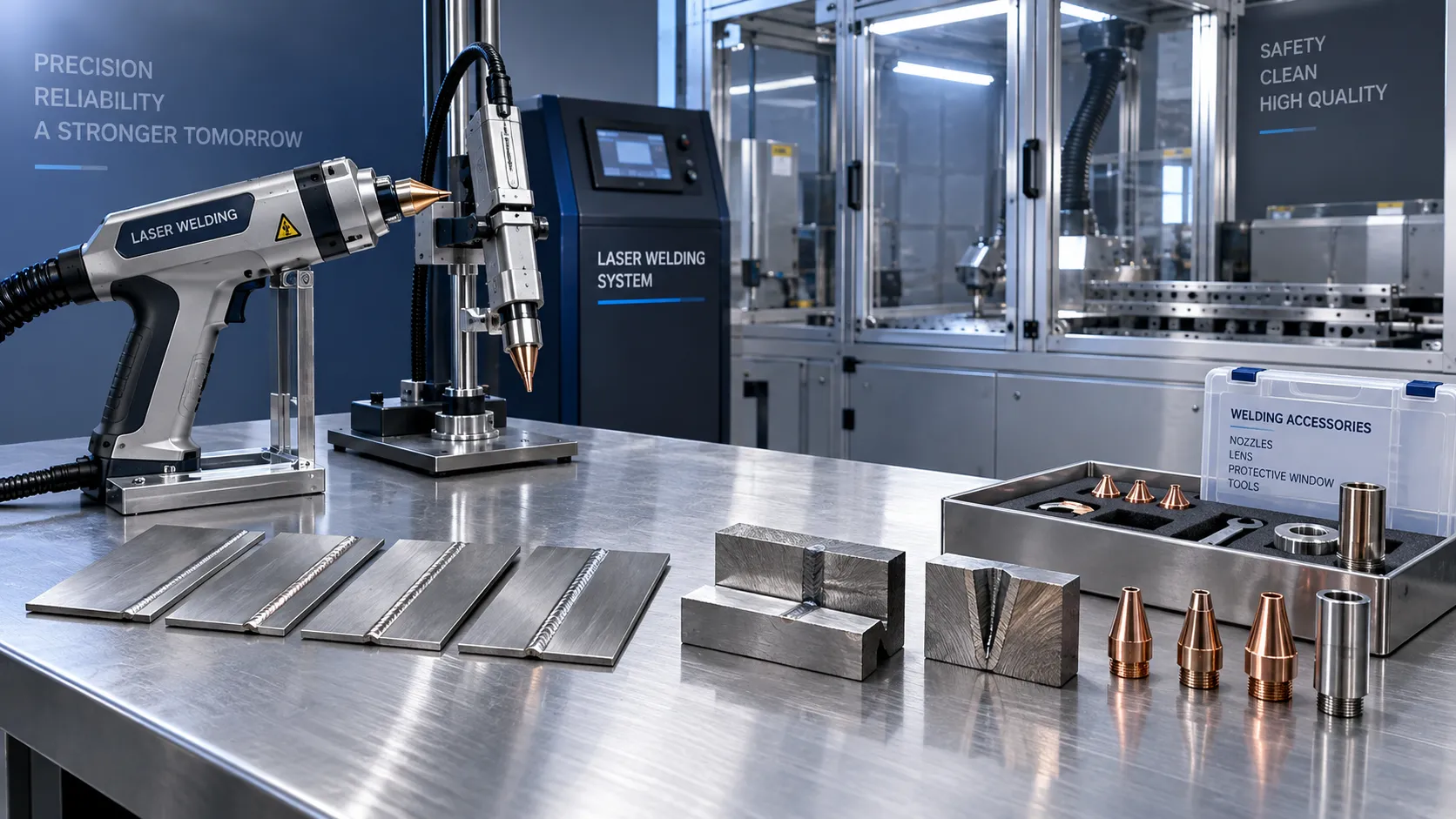
Choosing a Handheld Laser Welding Supplier: Weld Trials, Training, and Service
Choose a handheld laser welding supplier with proven weld trials, safety training, and reliable service. Learn what to verify before buying to reduce downtime and protect your investment.

Choosing an Industrial IoT Platform: Key Criteria for Legacy Equipment
Choose an industrial IoT platform for legacy equipment with confidence. Discover key checks for connectivity, data integrity, security, and lifecycle costs before investing.

In-House vs. Outsourced Aircraft Maintenance: Comparing Total Costs
Compare aerospace maintenance cost for in-house vs. outsourced aircraft upkeep. Discover hidden expenses, downtime impacts, and break-even factors to find the best fit for your fleet.

How to Select High-Precision Measuring Instruments for Tight-Tolerance Production?
High-precision measuring instruments are essential for tight-tolerance production. Learn how to evaluate accuracy, repeatability, environment, calibration, and data integration.
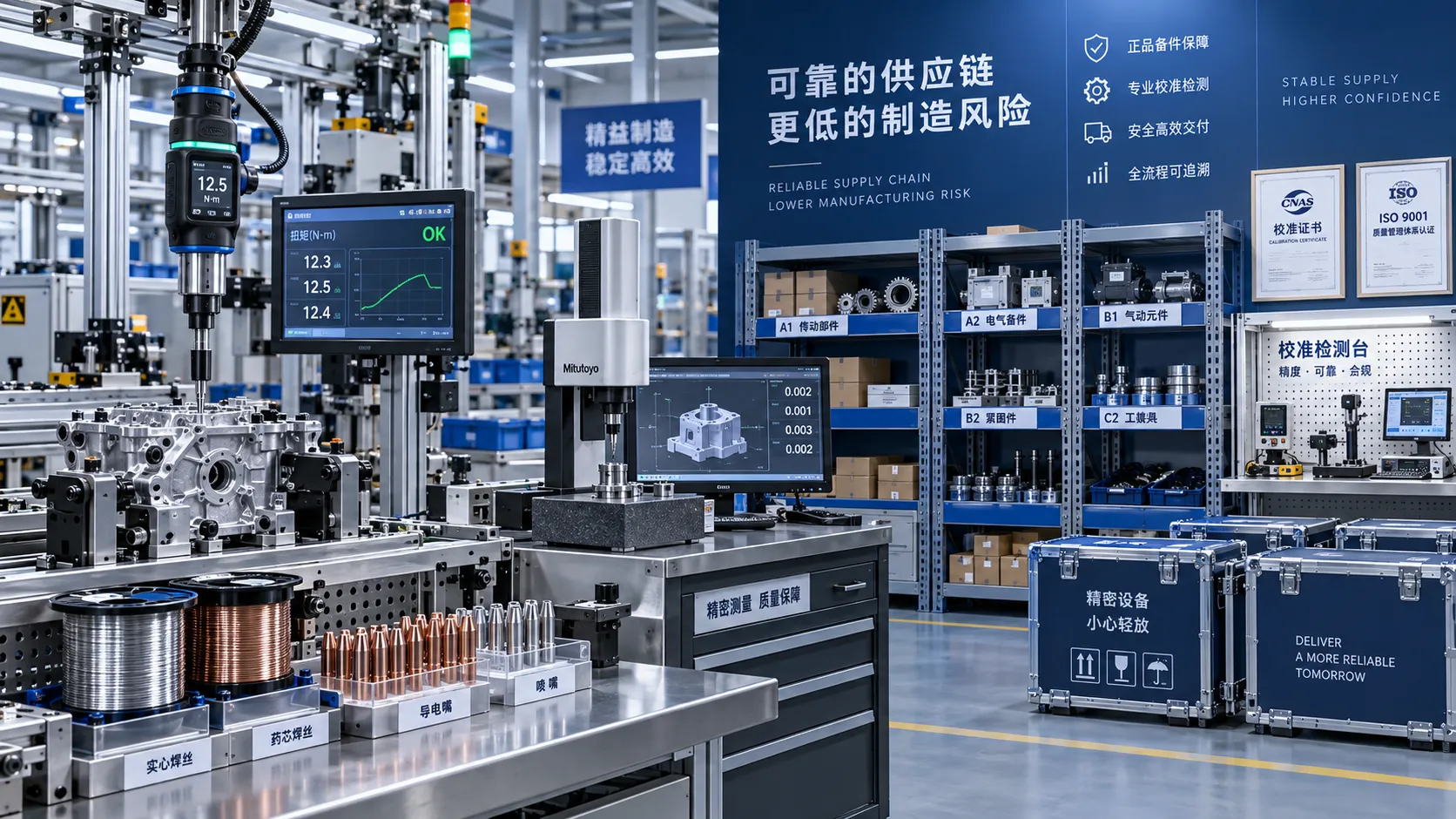
How Industrial Innovation Supplier Networks Reduce Sourcing Risk for Manufacturers
industrial innovation supplier network insights help manufacturers reduce sourcing risk, control lifecycle costs, and choose reliable tools, services, and suppliers with confidence.
Related News
- 00
0000-00
Torque System Suppliers: How to Assess References for Assembly Projects - 00
0000-00
Choosing a Handheld Laser Welding Supplier: Weld Trials, Training, and Service - 00
0000-00
In-House vs. Outsourced Aircraft Maintenance: Comparing Total Costs - 00
0000-00
How Can Distributors Verify Precision Engineering Tolerances? - 00
0000-00
How to Compare Industrial Tool Suppliers for Quality, Lead Time, and Total Cost
Dr. Alistair Vaughn
Weekly Insights
Stay ahead with our curated technology reports delivered every Monday.