
How to compare automotive tools beyond unit price





When sourcing automotive tools, focusing only on unit price often creates hidden cost. A lower quote may bring shorter service life, weaker accuracy, slower support, and higher downtime.
A stronger comparison method looks at total operating impact. It considers performance, compliance, maintenance, training, warranty response, and supplier stability across the full lifecycle.
In industrial service, repair, and assembly environments, automotive tools influence quality speed, technician safety, and repeatability. Better evaluation improves value far beyond the purchase line.
Understanding automotive tools as a lifecycle investment
The term automotive tools covers hand tools, torque tools, diagnostic devices, lifting aids, measuring instruments, and specialty service equipment used across vehicle maintenance and production support.
These products are not equal even when specifications look similar. Material grade, calibration stability, ergonomic design, motor efficiency, software quality, and spare parts access change real-world results.
That is why comparing automotive tools by unit price alone is incomplete. The true question is how each option performs over time under expected workloads.
A lifecycle view aligns with broader industrial trends tracked by GPTWM. Precision, safety, connected monitoring, and standardization now shape how tools create operational value.
Core cost elements beyond purchase price
- Expected service life under real duty cycles
- Calibration retention and measurement repeatability
- Repair frequency and spare parts availability
- Operator training time and ease of use
- Energy use for powered automotive tools
- Downtime caused by failure or delayed service
- Compliance risk in regulated environments
Current market signals affecting automotive tools comparison
The market for automotive tools is changing quickly. Buyers now face cost pressure, stricter standards, new vehicle technologies, and rising expectations for digital traceability.
These shifts make side-by-side comparison more important. A tool that is cheap today may become expensive when standards tighten or service requirements increase.
The most useful criteria for comparing automotive tools
A practical framework should balance technical evidence with operating impact. The best comparison model combines measurable indicators and supplier execution capability.
1. Performance consistency
For torque wrenches, diagnostic scanners, and measuring devices, repeatability matters more than brochure claims. Stable output protects quality and reduces rework.
Ask for test data under realistic conditions. Automotive tools should maintain results after repeated cycles, temperature changes, and extended field use.
2. Durability and construction quality
Look at alloy selection, heat treatment, seal protection, housing strength, and corrosion resistance. These details often separate long-life automotive tools from short-life alternatives.
Field failure records are useful. If tools are exposed to oil, dust, vibration, or impacts, the design should match that environment.
3. Calibration and metrology support
Precision automotive tools need traceable calibration. That includes torque, pressure, alignment, battery testing, and dimensional measurement equipment.
Calibration intervals, certificates, and local support availability influence ownership cost. Weak metrology support can disrupt audits and create quality uncertainty.
4. Safety and compliance
Safety is not an optional feature. Automotive tools may need compliance with insulation, EMC, battery, lifting, or workshop safety standards depending on application.
Documentation should be reviewed carefully. Test reports, declarations, user instructions, and maintenance guidance indicate whether a supplier manages risk responsibly.
5. Serviceability and spare parts
Some automotive tools are designed for repair, while others are effectively disposable. Replaceable wear parts can significantly lower long-term operating cost.
Check spare parts lead time, repair turnaround, and regional service coverage. A good warranty has little value if support is slow.
6. Usability and ergonomics
Grip comfort, weight balance, visibility, trigger force, and interface clarity affect productivity. Ergonomic automotive tools help reduce strain and operator error.
This is especially important in repetitive work. Small design improvements can save time every shift and support safer operation.
Business value created by better automotive tools selection
A broader evaluation method improves more than purchasing economics. It also supports process quality, uptime stability, audit readiness, and brand credibility.
- Lower rework from more accurate automotive tools
- Reduced downtime through better reliability and service access
- Safer operations in high-voltage or high-force applications
- Improved technician efficiency with ergonomic tool design
- Stronger compliance records for regulated service environments
- Better budget planning through predictable lifecycle cost
In a broader industry context, this approach supports the shift toward intelligent workshops and precision-driven maintenance. That aligns with GPTWM’s focus on measurable industrial efficiency.
Typical categories of automotive tools and what to compare
Different automotive tools require different comparison priorities. A single checklist rarely fits every category.
A practical comparison method for automotive tools
A structured process helps remove guesswork. It also makes supplier evaluation easier when several automotive tools appear similar on paper.
- Define the exact use case, duty cycle, and operating environment.
- Set weighted criteria for price, accuracy, durability, service, and compliance.
- Request supporting evidence, not only marketing claims.
- Run sample testing with realistic tasks and repeated cycles.
- Estimate total cost of ownership over one to three years.
- Review supplier responsiveness, documentation quality, and parts availability.
- Standardize approved automotive tools where repeatability matters most.
Simple scoring example
A low-price option may score well on purchase cost but poorly on calibration support and uptime. A mid-price option may deliver the best overall value.
This method turns automotive tools comparison into a business decision, not only a quote comparison.
Common mistakes and final action steps
Several mistakes repeatedly weaken automotive tools selection. The most common is buying to the cheapest visible number without verifying operating consequences.
- Ignoring calibration and certification requirements
- Overlooking service lead times and spare parts support
- Comparing tools without matching the same workload conditions
- Missing ergonomic factors that reduce real productivity
- Treating all automotive tools as interchangeable commodities
The next step is to build a repeatable comparison sheet for automotive tools. Include technical data, lifecycle costs, compliance files, and supplier support metrics.
Use that framework across hand tools, powered equipment, diagnostics, and metrology devices. Better decisions will support efficiency, consistency, and long-term industrial value.
For organizations tracking precision, welding, and intelligent manufacturing trends, GPTWM provides useful context for evaluating where automotive tools fit in the wider industrial technology landscape.
Related News
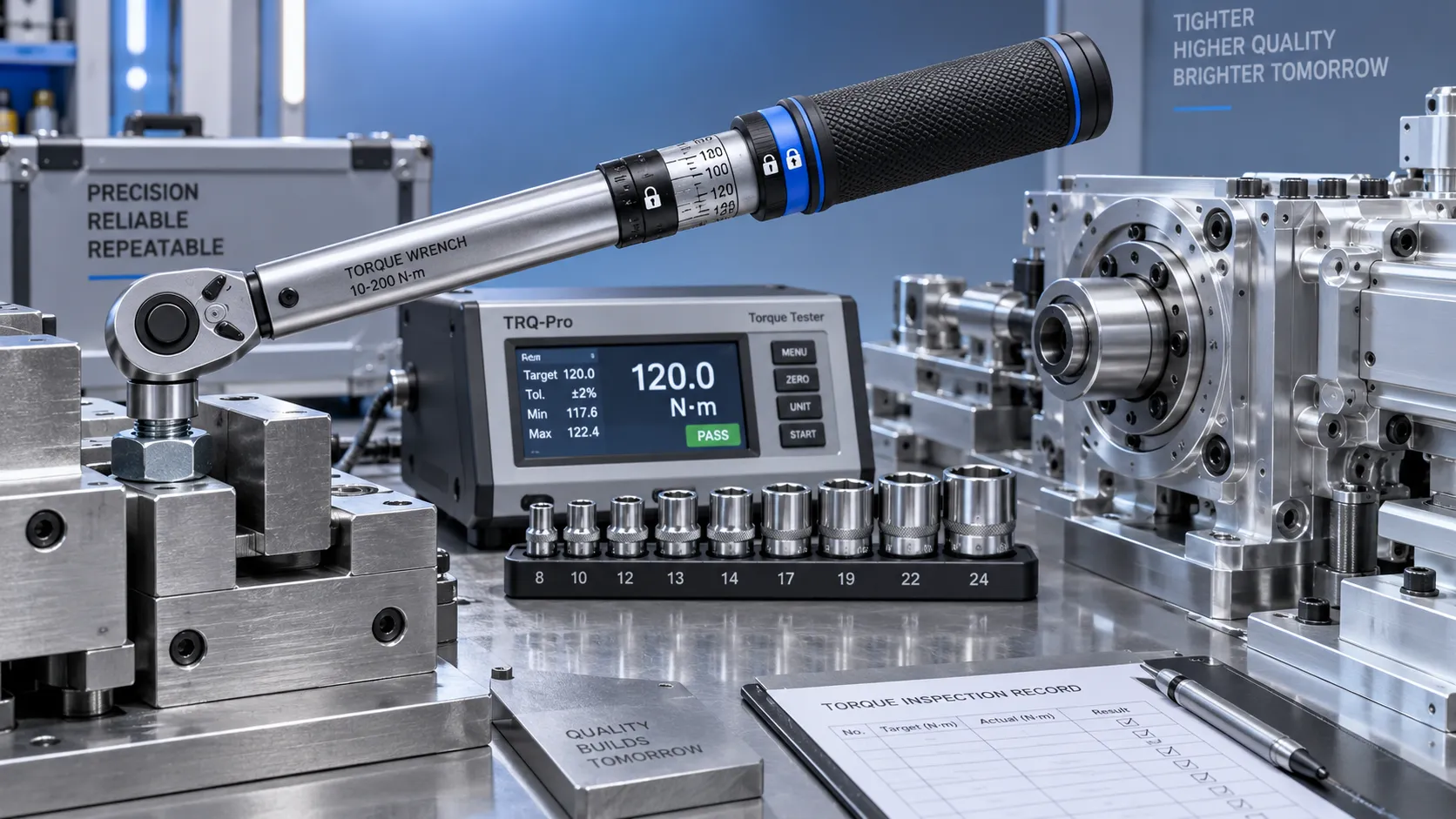
Selecting Adjustable Torque Tools for Repeatable Fastener Assembly
Adjustable torque tools: learn how to match range, accuracy, control methods, calibration, and ergonomics for repeatable, reliable fastener assembly.

How to Select Aerospace Inspection Tools for Aircraft Maintenance Tasks
Aerospace maintenance inspection tools: learn how to select reliable, traceable equipment for aircraft access, accuracy, calibration, and compliant maintenance decisions.

How to Select Wire Bonding Tools for Fine-Pitch Semiconductor Packaging
Explore semiconductor manufacturing tools for wire bonding and learn how to select precision solutions for fine-pitch packaging, reliable loops, accuracy, and yield.
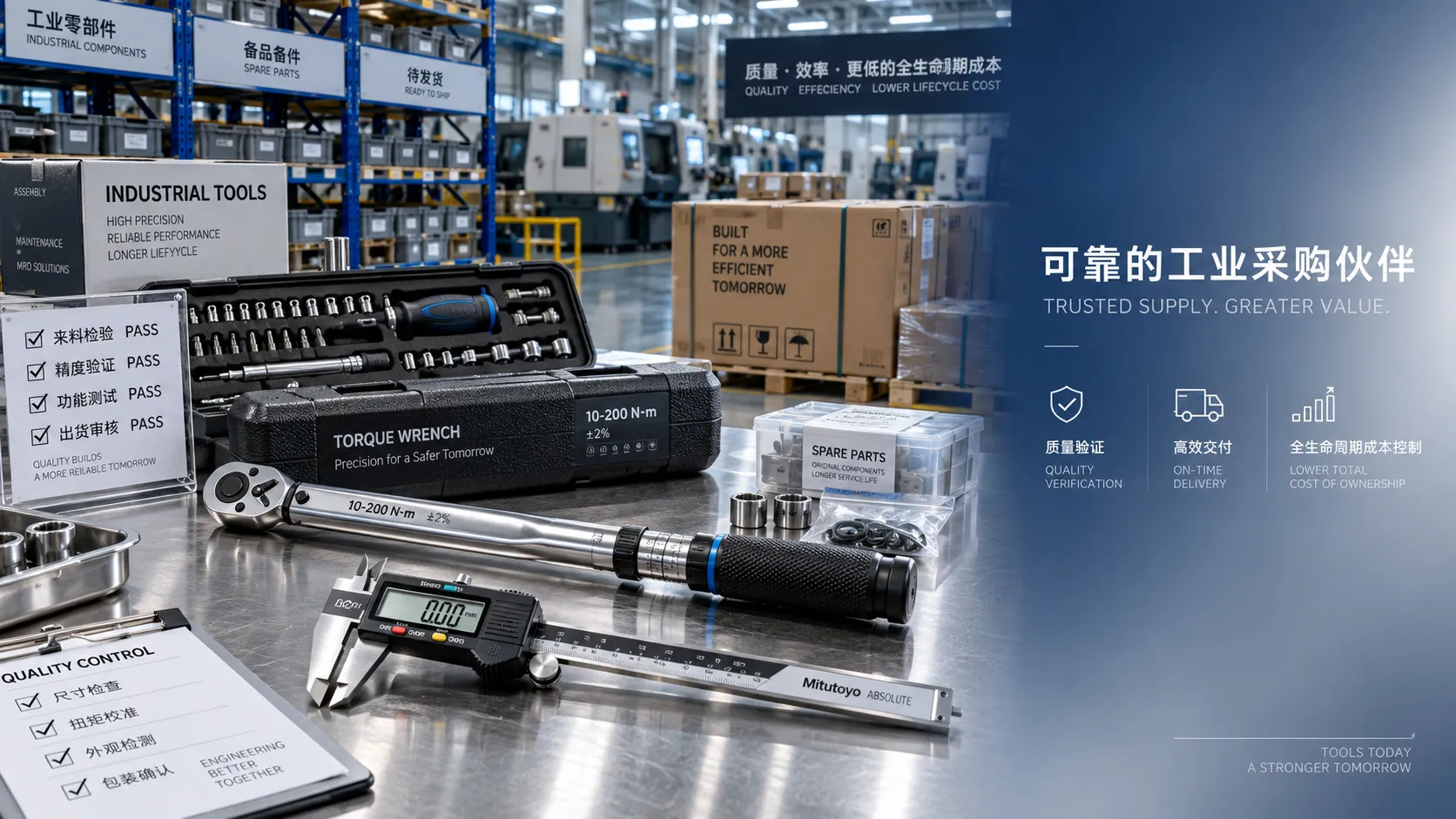
How to Compare Industrial Tool Suppliers for Quality, Lead Time, and Total Cost
Industrial tool selection supplier comparison made simple: evaluate quality, lead times, total cost, service, and supply resilience for confident sourcing decisions.

Industrial Equipment Application Guidance: Match Machines to Operating Conditions
Application guidance industrial equipment: match capacity, duty cycle, materials, site conditions, safety, and lifecycle cost to improve reliable output. Read the guide.
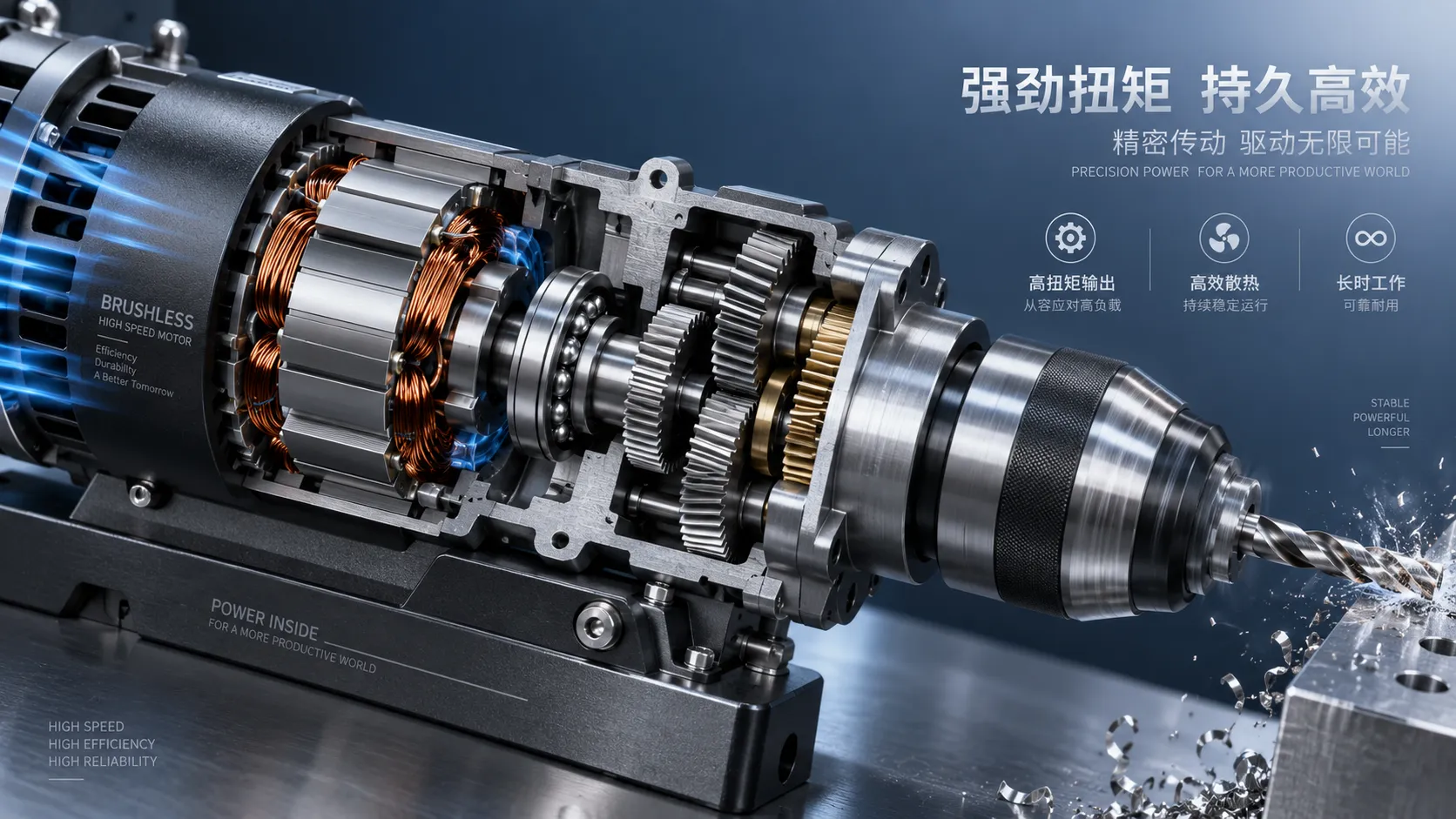
Selecting High-Speed Brushless Tool Motors for Torque, Heat, and Duty Cycle
High speed brushless tool motors: learn how to balance torque, heat, gearing, and duty cycle for reliable industrial tool performance and longer service life.
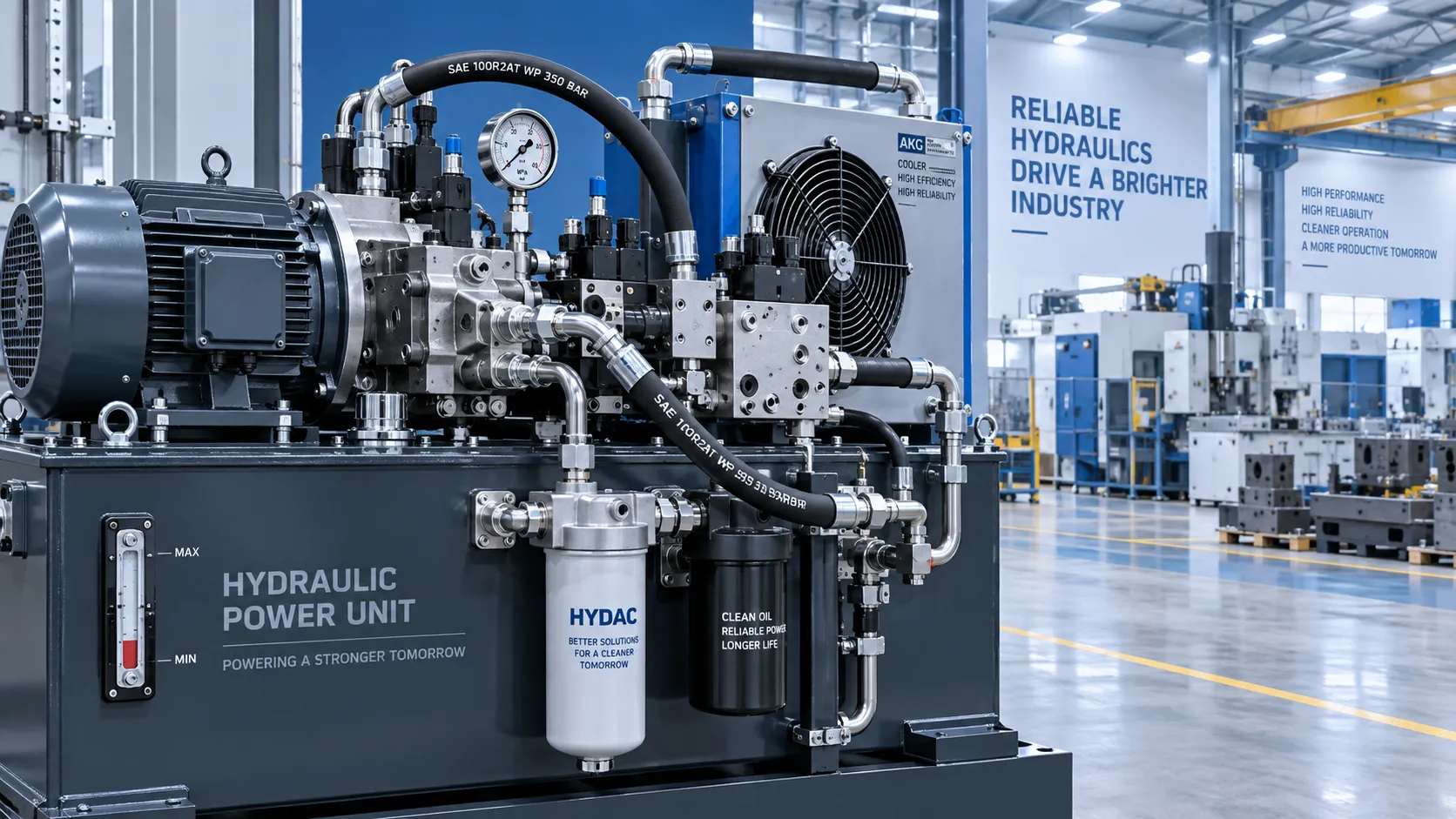
What Determines Industrial Hydraulic System Price for Heavy-Duty Equipment?
Industrial hydraulic system price depends on duty cycle, pressure, components, cooling, and integration. Compare quotes intelligently to secure reliable heavy-duty performance.

Welding Fume Extraction PPE: When Respirators Are Not Enough for Shop Safety
Welding fume extraction PPE: learn why respirators alone fall short and how source capture, ventilation, and layered controls improve shop safety.

How to Select Optical Metrology Solutions for Tight-Tolerance Manufacturing
Optical industrial metrology solutions for tight-tolerance manufacturing: evaluate accuracy, surface compatibility, workflow, and traceability to select with confidence.
Related News
- 00
0000-00
How to Compare Industrial Tool Suppliers for Quality, Lead Time, and Total Cost - 00
0000-00
How to Evaluate a Technology Integration Service Provider for Complex Projects - 00
0000-00
Product Comparison Resources in Europe: How Buyers Can Verify Specs and Suppliers - 00
0000-00
How to Evaluate an Industrial Metrology Solution Manufacturer for Production Use - 00
0000-00
How to Evaluate a Metal Joining Solutions Factory for Quality, Capacity, and Delivery Risk
Dr. Alistair Vaughn
Weekly Insights
Stay ahead with our curated technology reports delivered every Monday.