
Technology integration is now a supplier test





Technology integration is now a supplier test
For industrial channels, technology integration now decides who stays competitive and who becomes replaceable.
In assembly, welding, and precision metrology, buyers no longer evaluate tools alone.
They evaluate connected performance, data visibility, safety logic, service compatibility, and upgrade readiness.
That is why technology integration has become a real supplier test across the broader industrial market.
For GPTWM, this shift reflects the last-mile reality of manufacturing efficiency.
A welding torch, torque tool, or digital caliper now creates more value when it fits intelligent workflows.
Understanding where technology integration matters most helps improve sourcing choices, channel positioning, and long-term margin quality.
Why the supplier test changes by industrial scenario
Not every market asks for the same level of integration.
However, nearly every industrial scenario now connects tools with productivity targets, traceability requirements, and compliance pressure.
In one setting, technology integration supports speed.
In another, it protects quality records or operator safety.
The supplier test therefore depends on use conditions, data needs, maintenance expectations, and export standards.
Suppliers that understand only product catalogs often fail this test.
Suppliers that understand application fit, firmware logic, accessory ecosystems, and reporting capabilities usually gain stronger channel trust.
The new evaluation logic
Today’s industrial decisions increasingly compare three layers at once.
- Core tool performance under real workload
- Digital compatibility with existing systems
- Service continuity across upgrades, parts, and training
This is where technology integration stops being a marketing phrase and becomes a measurable supplier test.
Scenario one: high-volume assembly needs connected torque control
Fast assembly environments judge suppliers by repeatability, uptime, and traceable fastening results.
A tool may perform well mechanically, yet still fail if torque data cannot move into production records.
In this scenario, technology integration means more than smart tools.
It means stable communication, alert management, parameter control, and simple calibration workflows.
Core judgment points
- Can torque settings be locked and updated securely?
- Can result data support traceability audits?
- Can maintenance teams replace batteries, motors, and controllers quickly?
- Can the supplier support mixed stations and legacy equipment?
When technology integration is strong, assembly lines reduce rework and improve process confidence.
When it is weak, the hidden cost appears in downtime, inconsistent fastening, and disconnected quality data.
Scenario two: welding environments require integration of safety, power, and process data
Welding applications create a different supplier test.
Here, technology integration must balance arc stability, operator safety, training simplicity, and energy efficiency.
Handheld laser systems especially raise the standard.
Protective logic, interlocks, alarms, and usage guidance matter as much as welding speed.
A supplier may promise advanced performance.
Yet the real question is whether the equipment integrates safely into everyday operations, service routines, and training plans.
What strong technology integration looks like
- Built-in safety prompts and fault recording
- Stable parameter storage across material changes
- Clear maintenance reminders and consumable visibility
- Compatibility with inspection and production documentation
In welding, technology integration protects both productivity and liability control.
That makes it one of the most practical supplier tests in modern metal joining markets.
Scenario three: precision measurement depends on data trust, not only accuracy
Metrology tools face an even sharper shift.
Accuracy still matters, but standalone accuracy is no longer enough.
Technology integration determines whether measured values can support audits, process control, and cross-site consistency.
Digital calipers, gauges, and higher-end systems increasingly need exportable data and calibration visibility.
Key signs of a reliable metrology partner
- Data transfer is simple and stable
- Calibration records are easy to retrieve
- Software updates do not interrupt existing workflows
- The supplier explains tolerance logic clearly
In this scenario, technology integration builds confidence in every measurement decision.
Without it, even a precise instrument may create unreliable process outcomes.
How scenario needs differ across industrial channels
This comparison shows why technology integration should be judged by use case, not by brochure language.
Practical ways to match supplier capability with the right scenario
A stronger evaluation process improves commercial outcomes.
It also reduces the risk of choosing tools that perform well in demos but fail in deployment.
- Map the actual workflow before comparing brands.
- Check whether technology integration supports existing data systems.
- Request evidence of upgrade paths and spare part continuity.
- Review training, safety documentation, and calibration support.
- Test performance under realistic production conditions.
These steps turn technology integration into a practical selection framework rather than a vague promise.
Common misjudgments when technology integration is overlooked
Several mistakes appear repeatedly across industrial sourcing and channel development.
- Assuming smart features equal useful integration
- Focusing on purchase price instead of lifecycle compatibility
- Ignoring firmware, software, or accessory dependencies
- Underestimating safety documentation in welding applications
- Treating metrology data export as optional
Each mistake weakens operational visibility and long-term channel value.
That is why technology integration must be reviewed early, not after deployment problems appear.
The next step: use intelligence to pass the supplier test
Industrial markets are moving from product comparison to capability comparison.
In that shift, technology integration is one of the clearest signs of supplier quality.
GPTWM tracks this transformation through sector news, evolutionary trends, and commercial insights across tools, welding, and metrology.
Use that intelligence to compare scenarios, verify supplier readiness, and identify stronger growth positions.
When technology integration is evaluated correctly, channel decisions become faster, safer, and more profitable.
Precision tools create more value when intelligence connects industry.
Related News
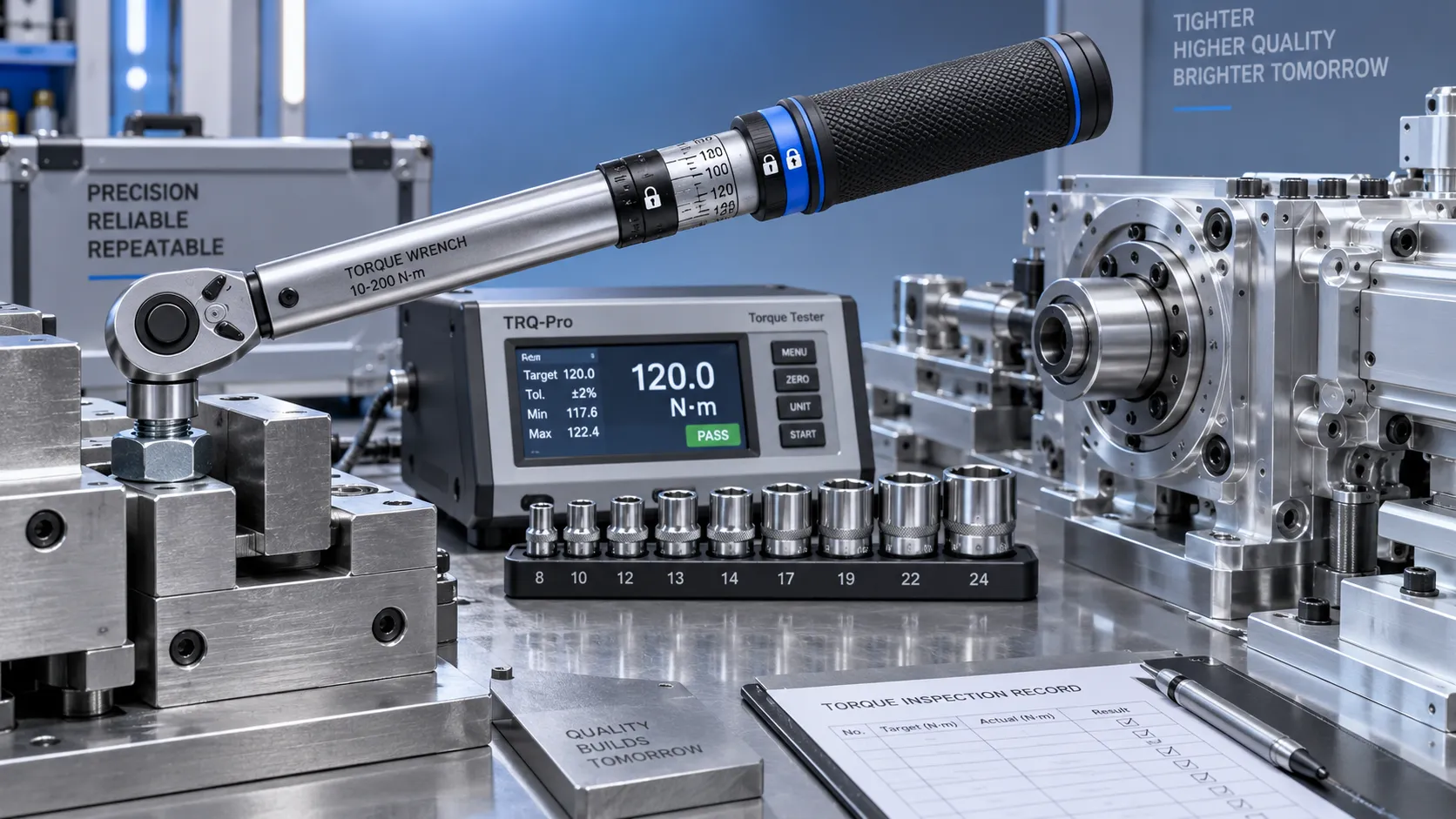
Selecting Adjustable Torque Tools for Repeatable Fastener Assembly
Adjustable torque tools: learn how to match range, accuracy, control methods, calibration, and ergonomics for repeatable, reliable fastener assembly.
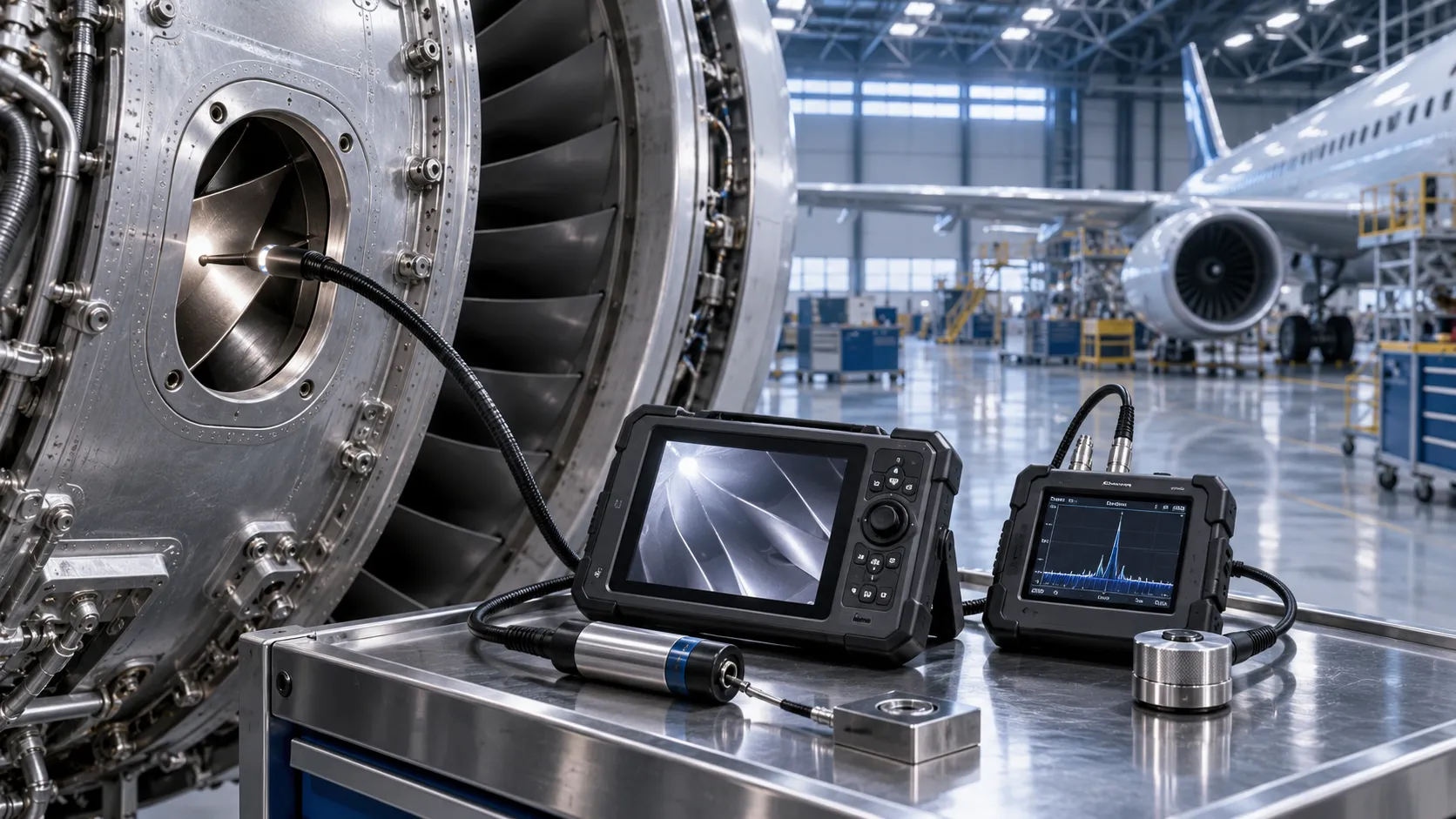
How to Select Aerospace Inspection Tools for Aircraft Maintenance Tasks
Aerospace maintenance inspection tools: learn how to select reliable, traceable equipment for aircraft access, accuracy, calibration, and compliant maintenance decisions.

How to Select Wire Bonding Tools for Fine-Pitch Semiconductor Packaging
Explore semiconductor manufacturing tools for wire bonding and learn how to select precision solutions for fine-pitch packaging, reliable loops, accuracy, and yield.
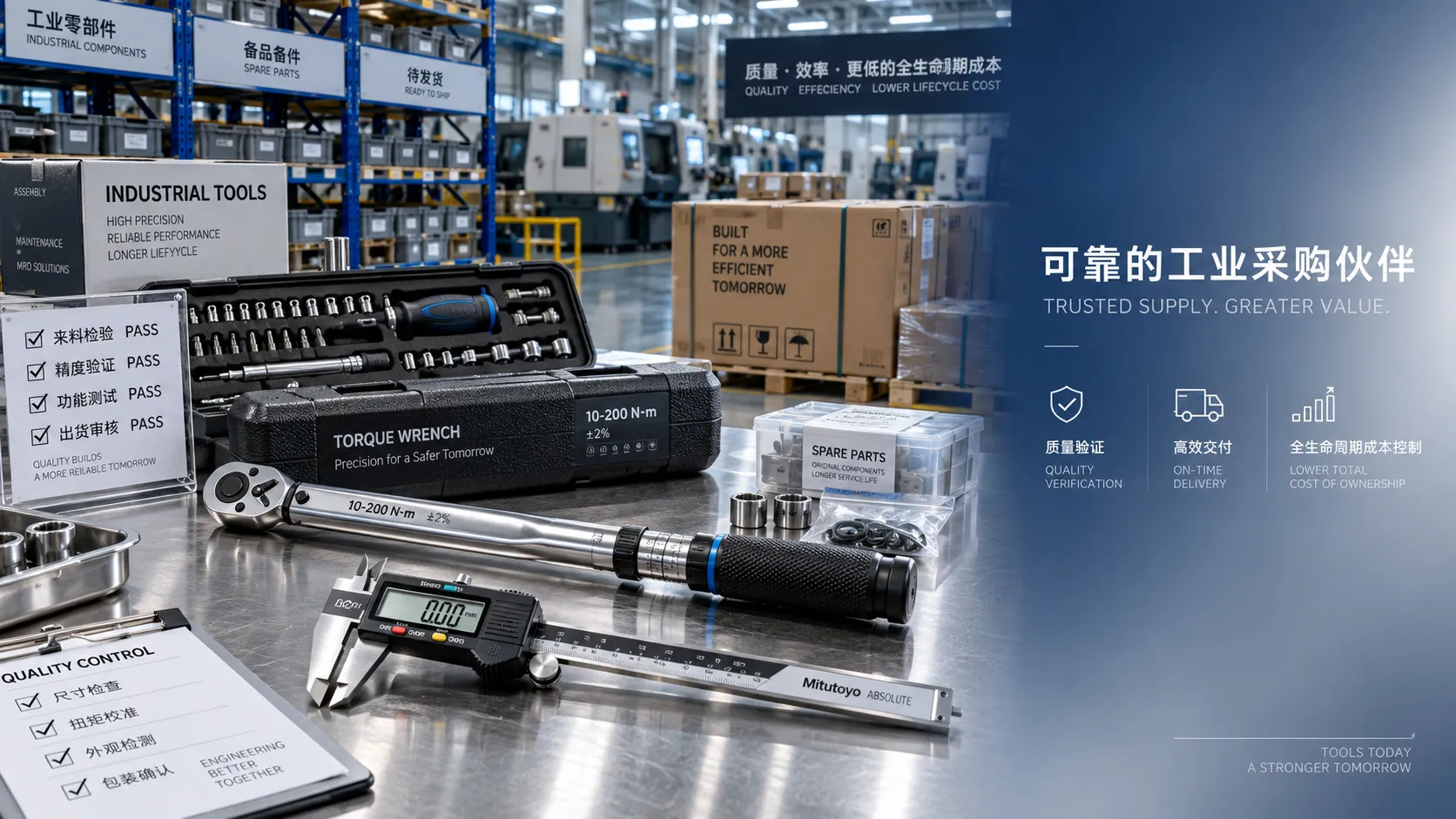
How to Compare Industrial Tool Suppliers for Quality, Lead Time, and Total Cost
Industrial tool selection supplier comparison made simple: evaluate quality, lead times, total cost, service, and supply resilience for confident sourcing decisions.
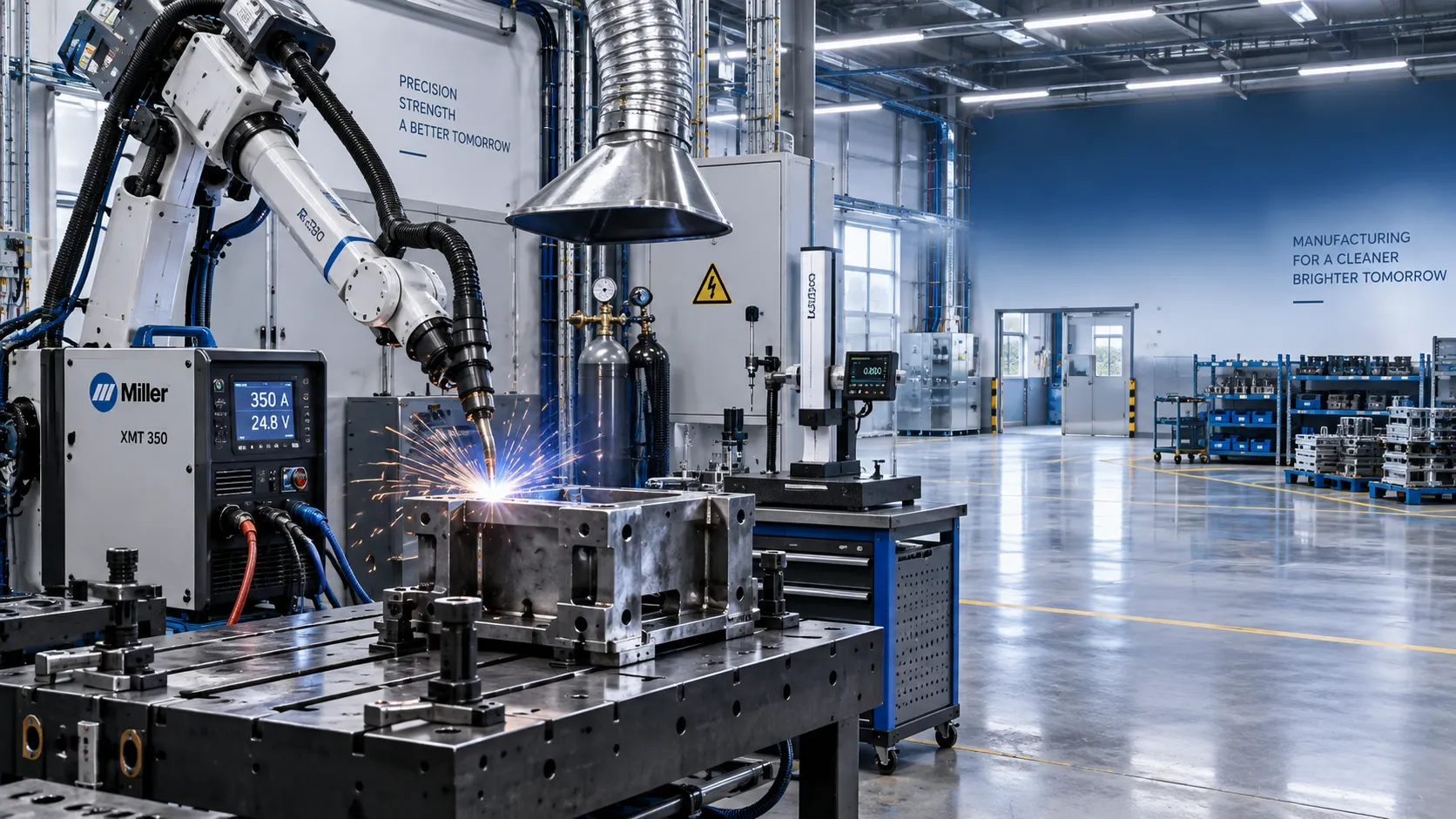
Industrial Equipment Application Guidance: Match Machines to Operating Conditions
Application guidance industrial equipment: match capacity, duty cycle, materials, site conditions, safety, and lifecycle cost to improve reliable output. Read the guide.
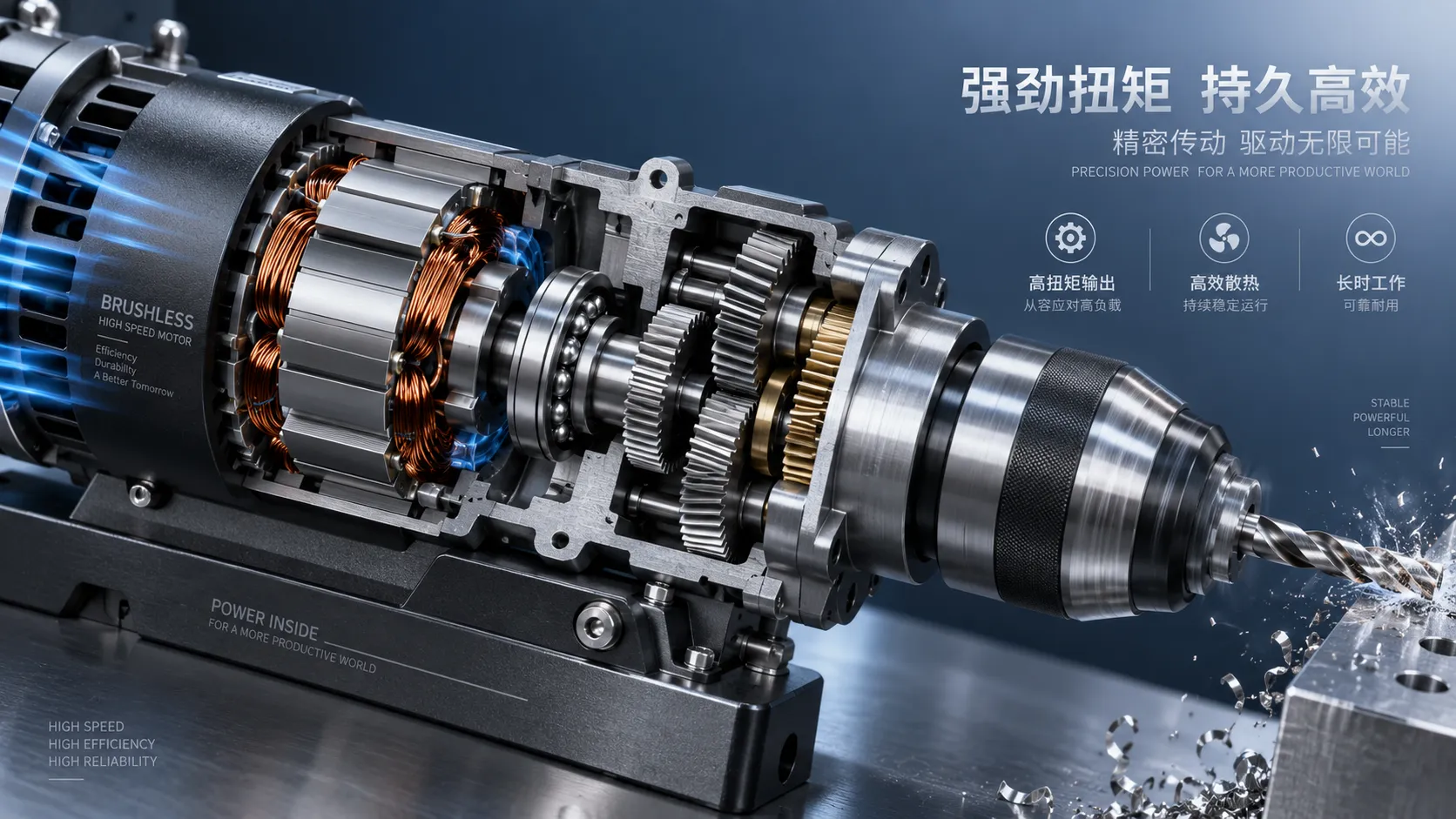
Selecting High-Speed Brushless Tool Motors for Torque, Heat, and Duty Cycle
High speed brushless tool motors: learn how to balance torque, heat, gearing, and duty cycle for reliable industrial tool performance and longer service life.
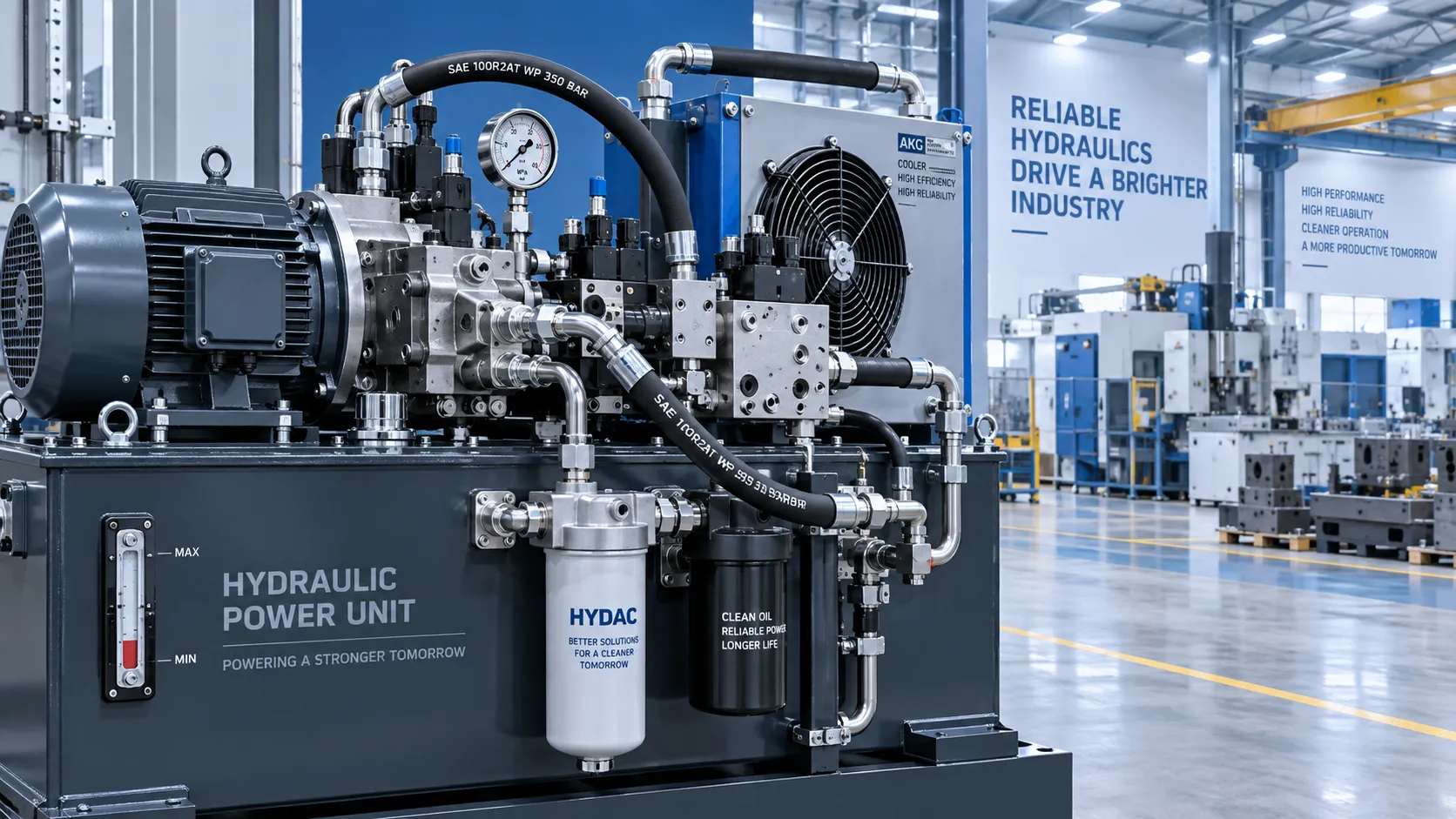
What Determines Industrial Hydraulic System Price for Heavy-Duty Equipment?
Industrial hydraulic system price depends on duty cycle, pressure, components, cooling, and integration. Compare quotes intelligently to secure reliable heavy-duty performance.
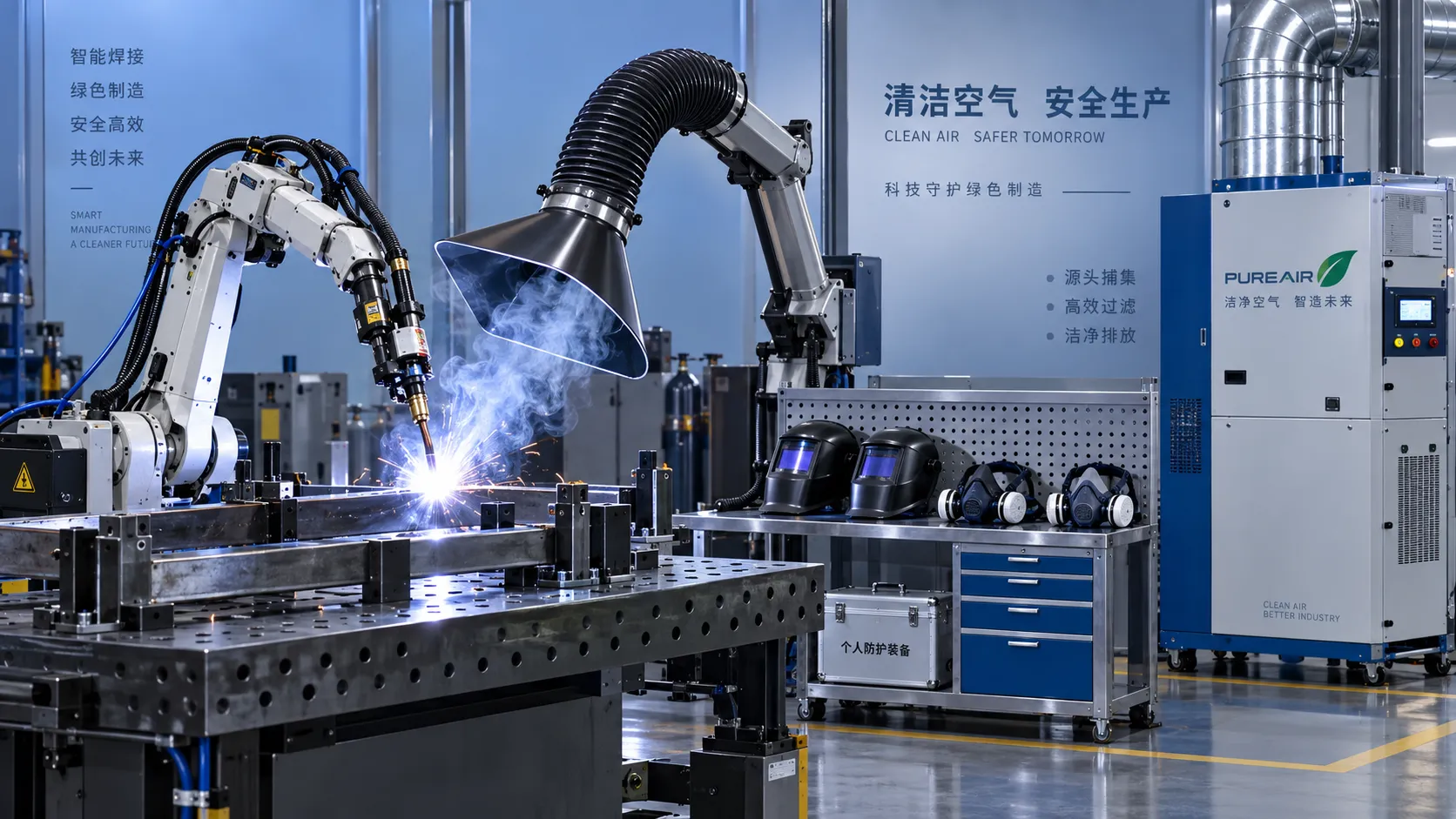
Welding Fume Extraction PPE: When Respirators Are Not Enough for Shop Safety
Welding fume extraction PPE: learn why respirators alone fall short and how source capture, ventilation, and layered controls improve shop safety.
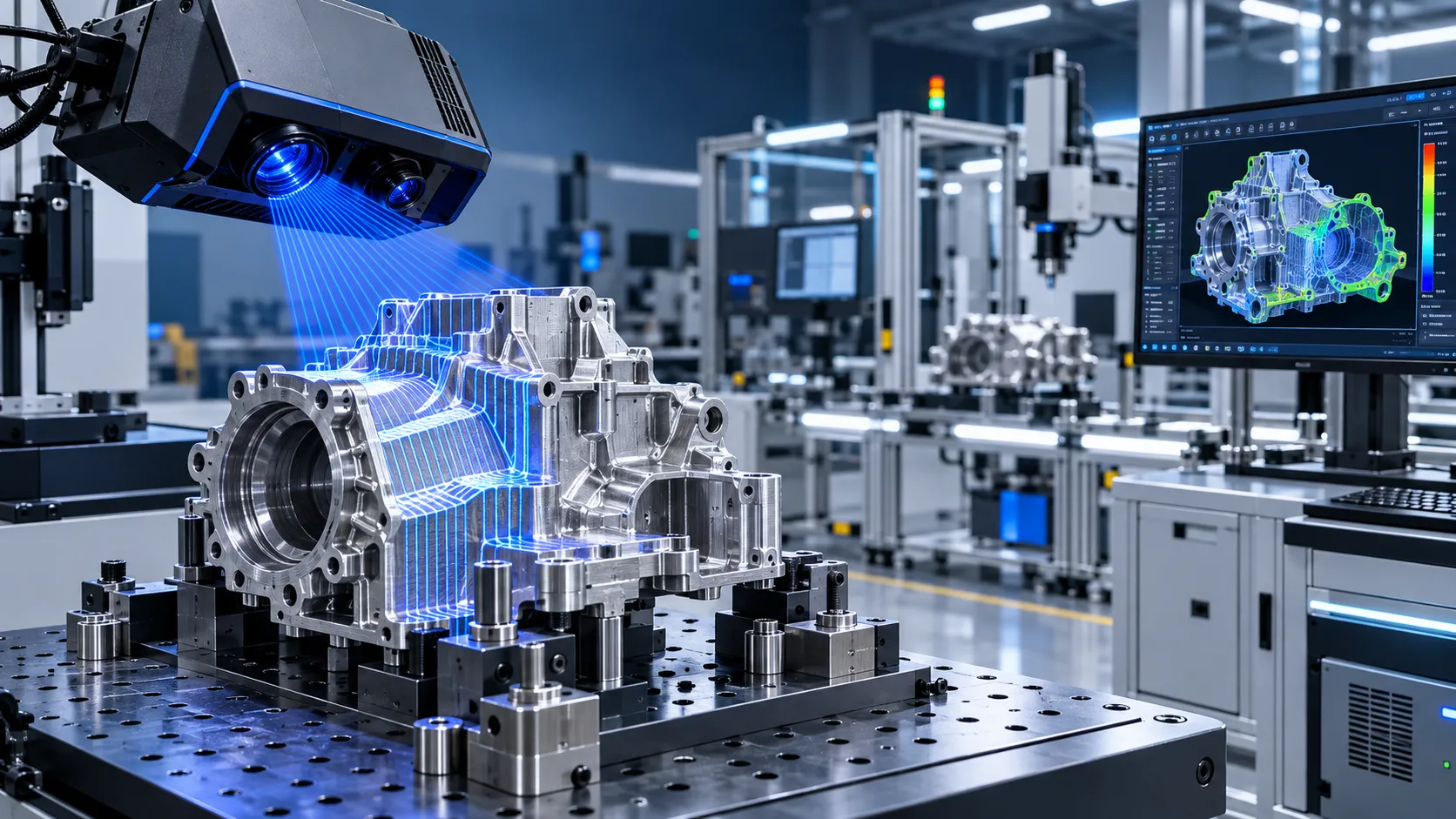
How to Select Optical Metrology Solutions for Tight-Tolerance Manufacturing
Optical industrial metrology solutions for tight-tolerance manufacturing: evaluate accuracy, surface compatibility, workflow, and traceability to select with confidence.
Related News
- 00
0000-00
How to Compare Industrial Tool Suppliers for Quality, Lead Time, and Total Cost - 00
0000-00
How to Evaluate a Technology Integration Service Provider for Complex Projects - 00
0000-00
Product Comparison Resources in Europe: How Buyers Can Verify Specs and Suppliers - 00
0000-00
How to Evaluate an Industrial Metrology Solution Manufacturer for Production Use - 00
0000-00
How to Evaluate a Metal Joining Solutions Factory for Quality, Capacity, and Delivery Risk
Dr. Alistair Vaughn
Weekly Insights
Stay ahead with our curated technology reports delivered every Monday.