
How to compare industrial solutions before scaling up





Before scaling operations, leaders must compare industrial solutions through a wider lens than price or speed. In modern production, the best option supports output targets, quality stability, compliance needs, and future expansion. A structured comparison process reduces costly rework, prevents integration failures, and improves long-term return. This guide explains how to compare industrial solutions with practical criteria, decision questions, and clear evaluation steps.
What does it really mean to compare industrial solutions before scaling up?
To compare industrial solutions properly means evaluating complete operating fit, not isolated features. The review should include process performance, equipment compatibility, labor impact, digital readiness, and lifecycle cost.
In industrial environments, one solution may look efficient during trials but fail under full production pressure. Another may seem expensive upfront but deliver lower downtime and higher precision later.
This is especially important in assembly, welding, inspection, and metrology workflows. GPTWM closely tracks how industrial tools and intelligent systems affect the last mile of manufacturing execution.
A useful comparison should answer four core questions:
- Can the solution maintain quality at higher output levels?
- Will it integrate with current machines, standards, and data systems?
- Does it support future automation or multi-site expansion?
- Is the business case still strong after hidden costs appear?
When teams compare industrial solutions this way, selection becomes more strategic. The process shifts from buying equipment to building production resilience.
Which criteria matter most when comparing industrial solutions?
A reliable framework starts with measurable criteria. Without agreed standards, decision-making becomes subjective and vulnerable to short-term bias.
1. Performance under real production conditions
Test cycle time, repeatability, thermal stability, throughput, and defect rate. In welding or precision metrology, lab performance may differ sharply from factory-floor reality.
2. Compatibility with existing infrastructure
Compare mechanical fit, electrical requirements, software protocols, and operator workflows. Industrial solutions that require major plant redesign may delay scaling and increase risk.
3. Compliance and safety alignment
Check local and export standards, safety controls, documentation quality, and audit readiness. This matters greatly for handheld laser welding, power tools, hydraulic systems, and measuring devices.
4. Total cost of ownership
Do not stop at purchase price. Include training, maintenance, calibration, energy use, consumables, spare parts, downtime exposure, and upgrade needs.
5. Scalability and intelligence potential
Industrial solutions should support future capacity growth. Assess modular design, sensor support, remote diagnostics, IoT connectivity, and control-system expandability.
How can you compare industrial solutions across different use cases?
Industrial solutions should be compared in context. A system that performs well in one application may underperform in another due to material, tolerance, operator, or environmental differences.
For example, metal joining solutions must be judged by seam quality, safety controls, material range, and operator learning curve. Inspection systems need accuracy, calibration stability, and data traceability.
Use scenario-based testing. Build comparison cases that reflect real production loads, not best-case vendor demonstrations.
- Normal production condition
- Peak shift or overtime condition
- Material variation condition
- Maintenance or staffing constraint condition
This method reveals whether industrial solutions are robust or only optimized for narrow test conditions. It also highlights which systems recover fastest when process variables change.
Use a weighted comparison score
Assign weights to quality, cost, speed, safety, and digital integration. Different applications need different priorities, and the score should reflect real production economics.
In high-precision sectors, repeatability may outweigh unit cost. In service-heavy environments, maintenance response and spare part access may carry more value.
What common mistakes happen when businesses compare industrial solutions?
Many failed scale-ups begin with a weak comparison process. The most common mistake is choosing based on visible cost while ignoring operational friction.
Mistake 1: Comparing products, not systems
Industrial solutions include hardware, software, service, calibration, training, and process support. A strong machine alone does not guarantee strong production results.
Mistake 2: Underestimating implementation time
A technically advanced option may require extra validation, operator retraining, data mapping, or facility changes. These delays affect revenue timing and internal confidence.
Mistake 3: Ignoring service ecosystem strength
If parts, field support, or calibration services are weak, equipment uptime will suffer. This is critical for precision tools and metrology-dependent processes.
Mistake 4: Failing to compare future flexibility
Some industrial solutions lock operations into a narrow process path. Others allow expansion into automation, data analytics, or wider material applications.
How should cost, timeline, and ROI be evaluated during comparison?
Financial comparison should balance speed-to-value with lifecycle stability. Fast deployment matters, but rushed selection can create expensive corrective action later.
Start with full investment mapping. Include acquisition, installation, validation, training, utilities, digital integration, maintenance contracts, and expected productivity impact.
Then estimate three timeline layers:
- Time to procure and install
- Time to achieve stable production
- Time to reach expected return
When you compare industrial solutions, model best-case, expected-case, and stress-case ROI. This exposes whether a solution remains viable when assumptions become less favorable.
GPTWM’s industry intelligence perspective supports this broader view. Market shifts, raw material volatility, export restrictions, and ergonomic standard changes can all influence final economics.
What is a practical step-by-step process to compare industrial solutions before scaling?
A structured method improves consistency and reduces bias. The following sequence works well across many industrial settings.
Step 1: Define the scaling objective
Clarify the target output, quality threshold, labor model, and timeline. Comparison becomes weak when the end goal is not precise.
Step 2: Set must-have and nice-to-have criteria
Must-haves may include tolerance accuracy, safety compliance, or protocol compatibility. Nice-to-haves may include dashboard features or remote monitoring extras.
Step 3: Run scenario-based trials
Compare industrial solutions using the same materials, operators, quality checks, and production conditions. Record deviations, not just average outcomes.
Step 4: Review service and support depth
Check documentation quality, spare part lead times, calibration support, and field response capability. Reliable service often determines actual scalability.
Step 5: Make a weighted final decision
Use a decision matrix with weighted scores. Combine technical, operational, financial, and compliance results into one comparable view.
The strongest industrial solutions are those that fit today’s process while preparing for tomorrow’s complexity. That is where long-term value is created.
Final takeaway: how can better comparison lead to stronger scaling?
To compare industrial solutions effectively, focus on operational reality, not marketing claims alone. Prioritize repeatable performance, integration fit, compliance confidence, and lifecycle economics.
A disciplined comparison process helps avoid expensive mismatches during expansion. It also supports smarter decisions in assembly, metal joining, metrology, and broader industrial transformation.
Use the framework above to build a short evaluation matrix, test under realistic conditions, and document hidden costs early. Better comparison creates safer scale-up decisions and stronger industrial resilience.
Related News
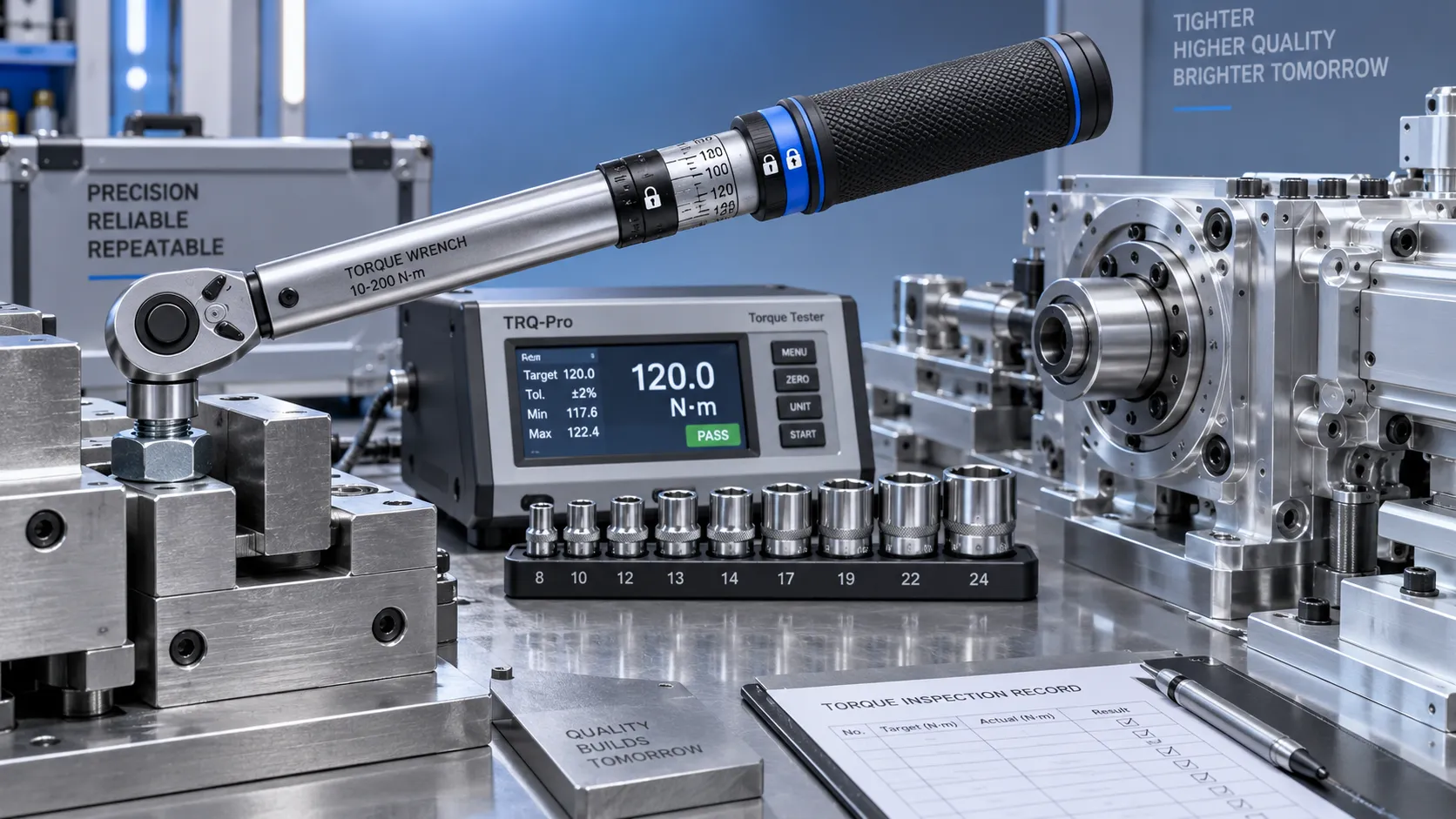
Selecting Adjustable Torque Tools for Repeatable Fastener Assembly
Adjustable torque tools: learn how to match range, accuracy, control methods, calibration, and ergonomics for repeatable, reliable fastener assembly.

How to Select Aerospace Inspection Tools for Aircraft Maintenance Tasks
Aerospace maintenance inspection tools: learn how to select reliable, traceable equipment for aircraft access, accuracy, calibration, and compliant maintenance decisions.

How to Select Wire Bonding Tools for Fine-Pitch Semiconductor Packaging
Explore semiconductor manufacturing tools for wire bonding and learn how to select precision solutions for fine-pitch packaging, reliable loops, accuracy, and yield.
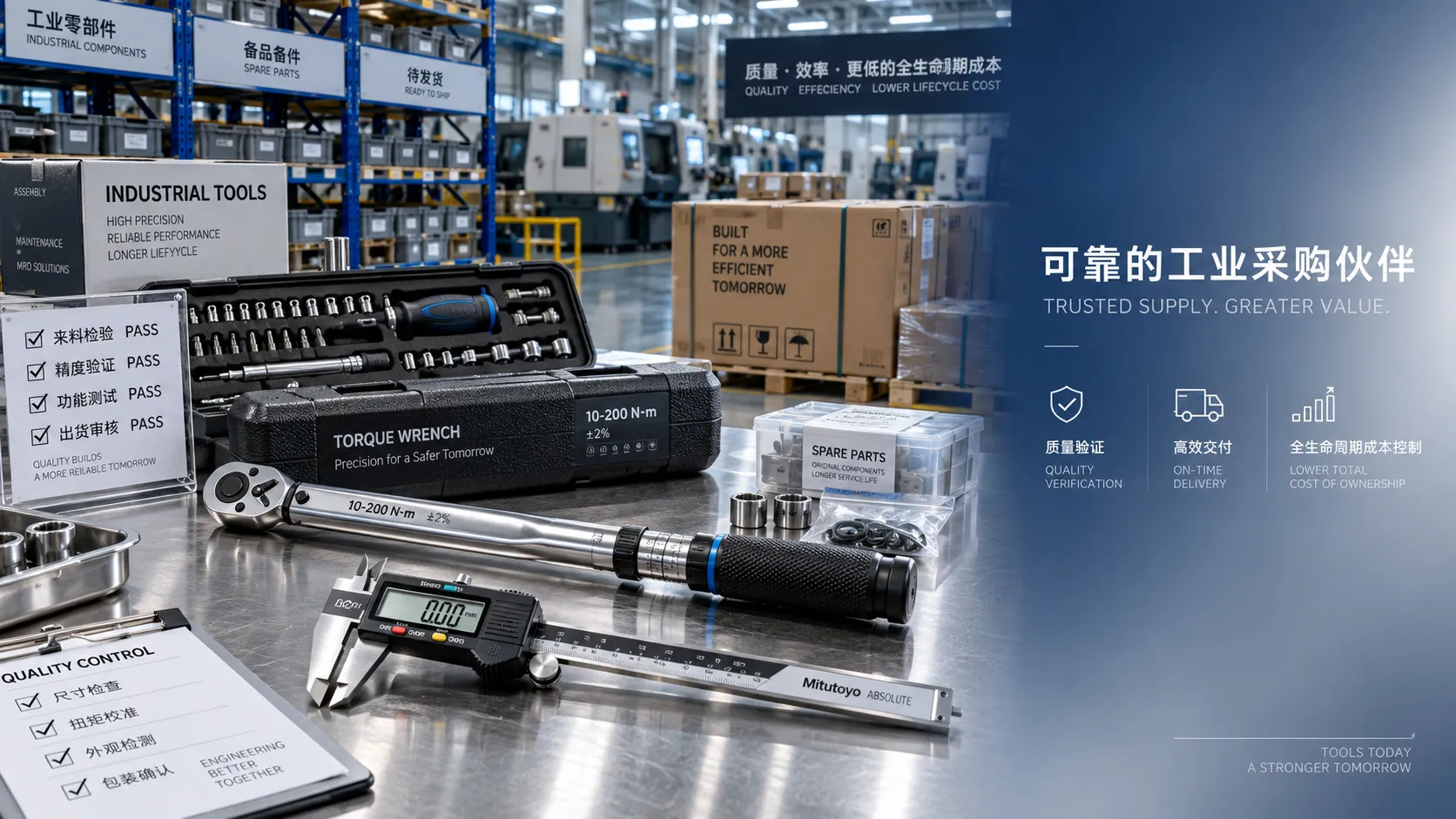
How to Compare Industrial Tool Suppliers for Quality, Lead Time, and Total Cost
Industrial tool selection supplier comparison made simple: evaluate quality, lead times, total cost, service, and supply resilience for confident sourcing decisions.
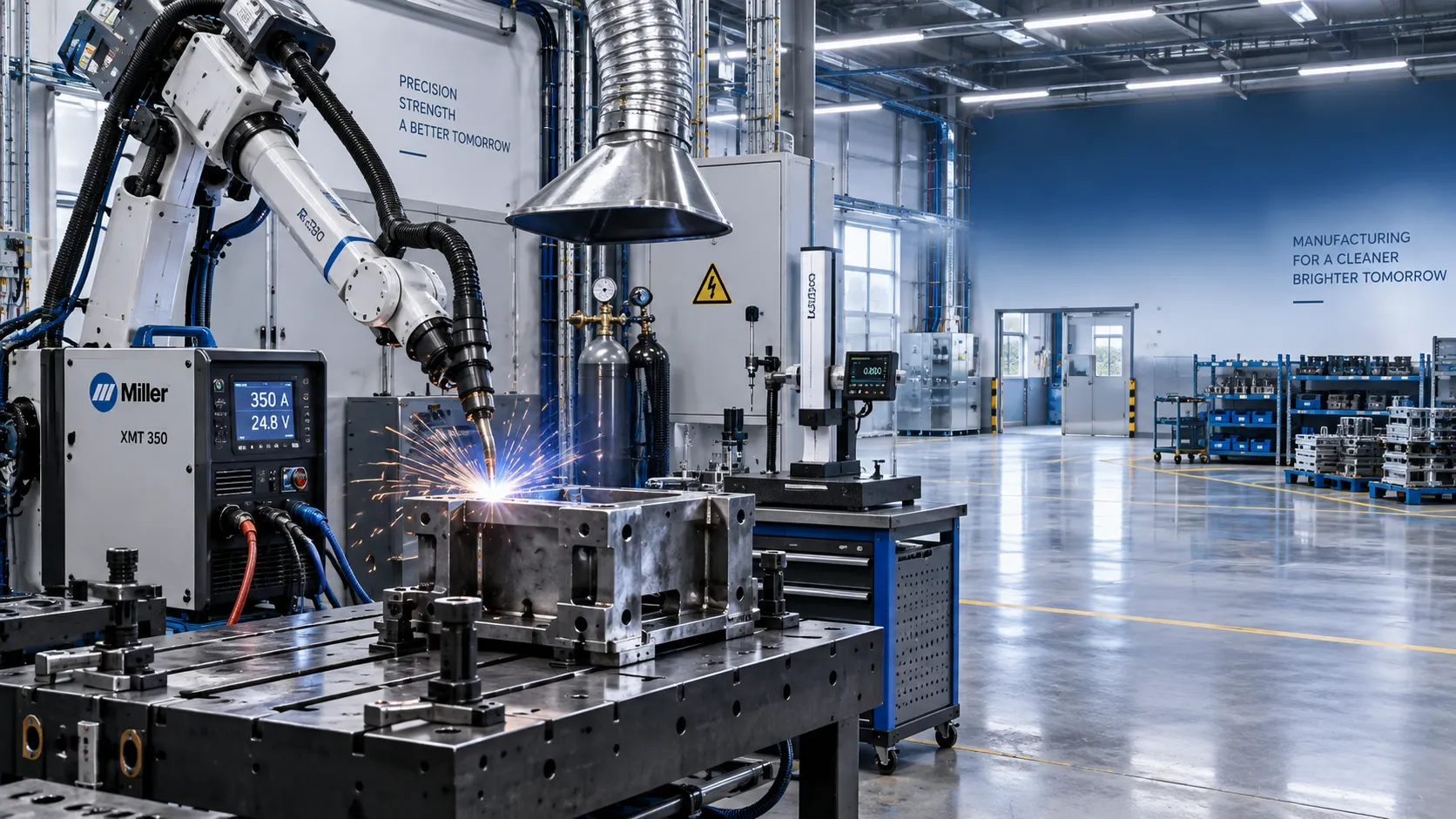
Industrial Equipment Application Guidance: Match Machines to Operating Conditions
Application guidance industrial equipment: match capacity, duty cycle, materials, site conditions, safety, and lifecycle cost to improve reliable output. Read the guide.
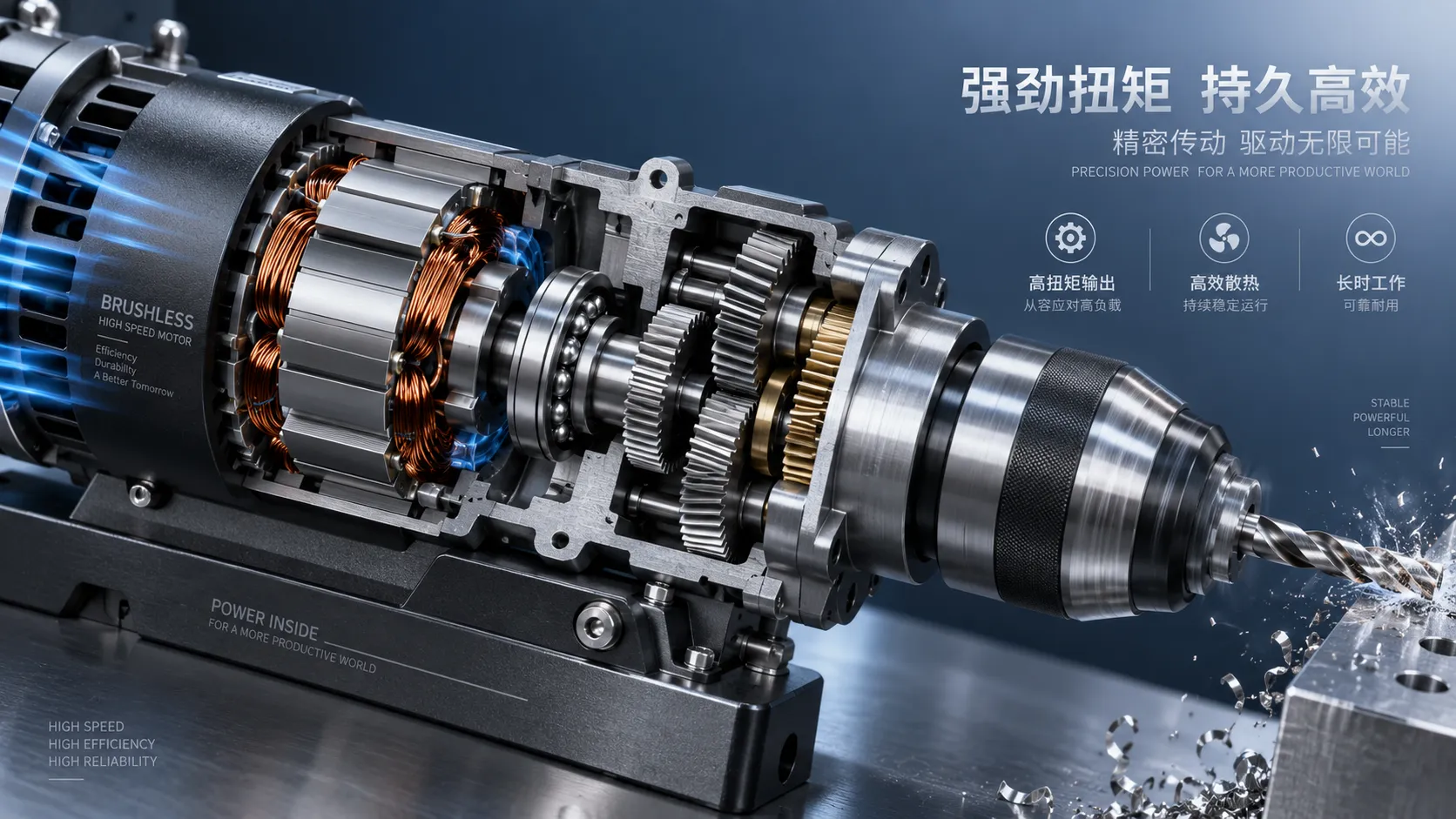
Selecting High-Speed Brushless Tool Motors for Torque, Heat, and Duty Cycle
High speed brushless tool motors: learn how to balance torque, heat, gearing, and duty cycle for reliable industrial tool performance and longer service life.
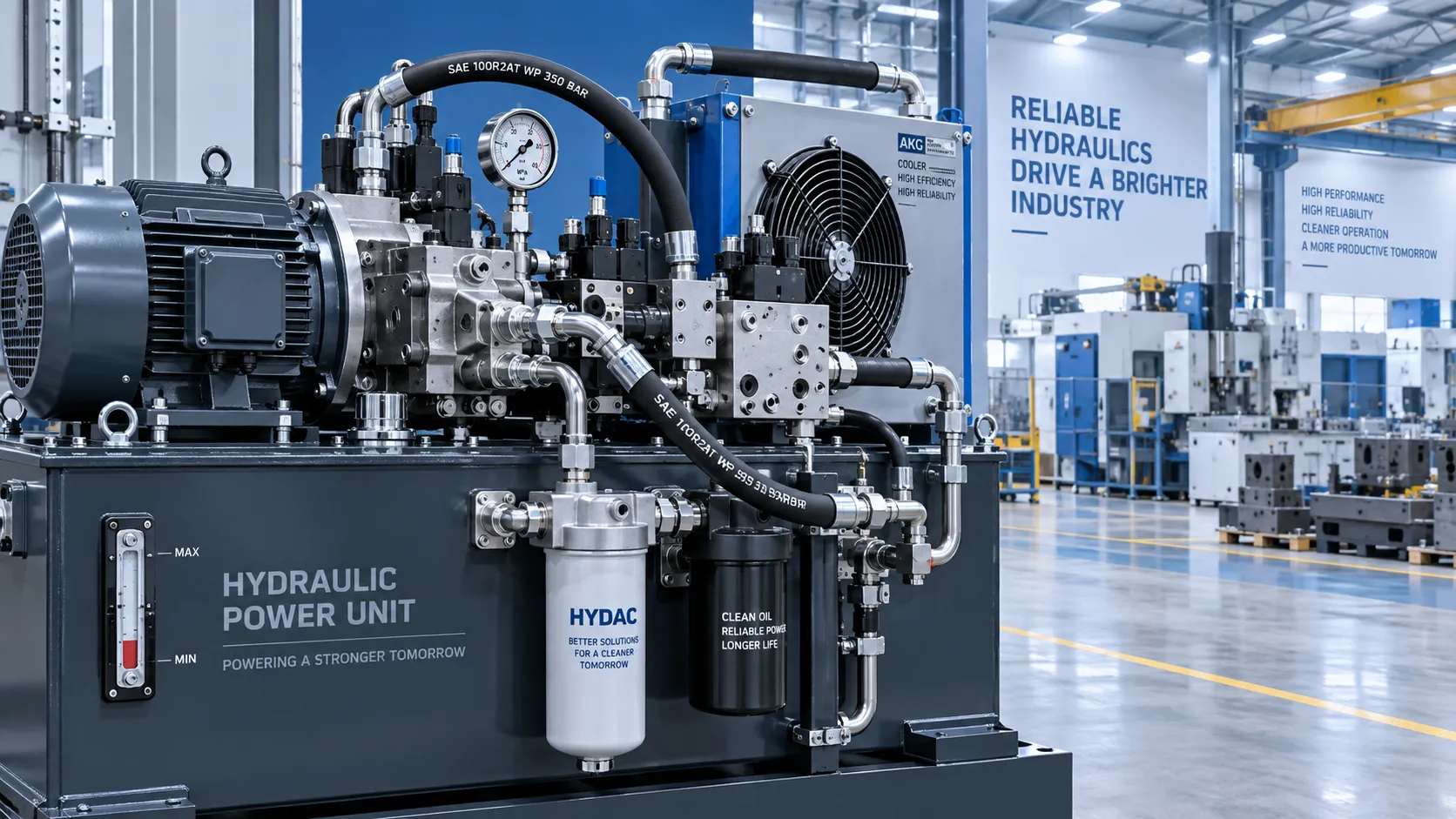
What Determines Industrial Hydraulic System Price for Heavy-Duty Equipment?
Industrial hydraulic system price depends on duty cycle, pressure, components, cooling, and integration. Compare quotes intelligently to secure reliable heavy-duty performance.
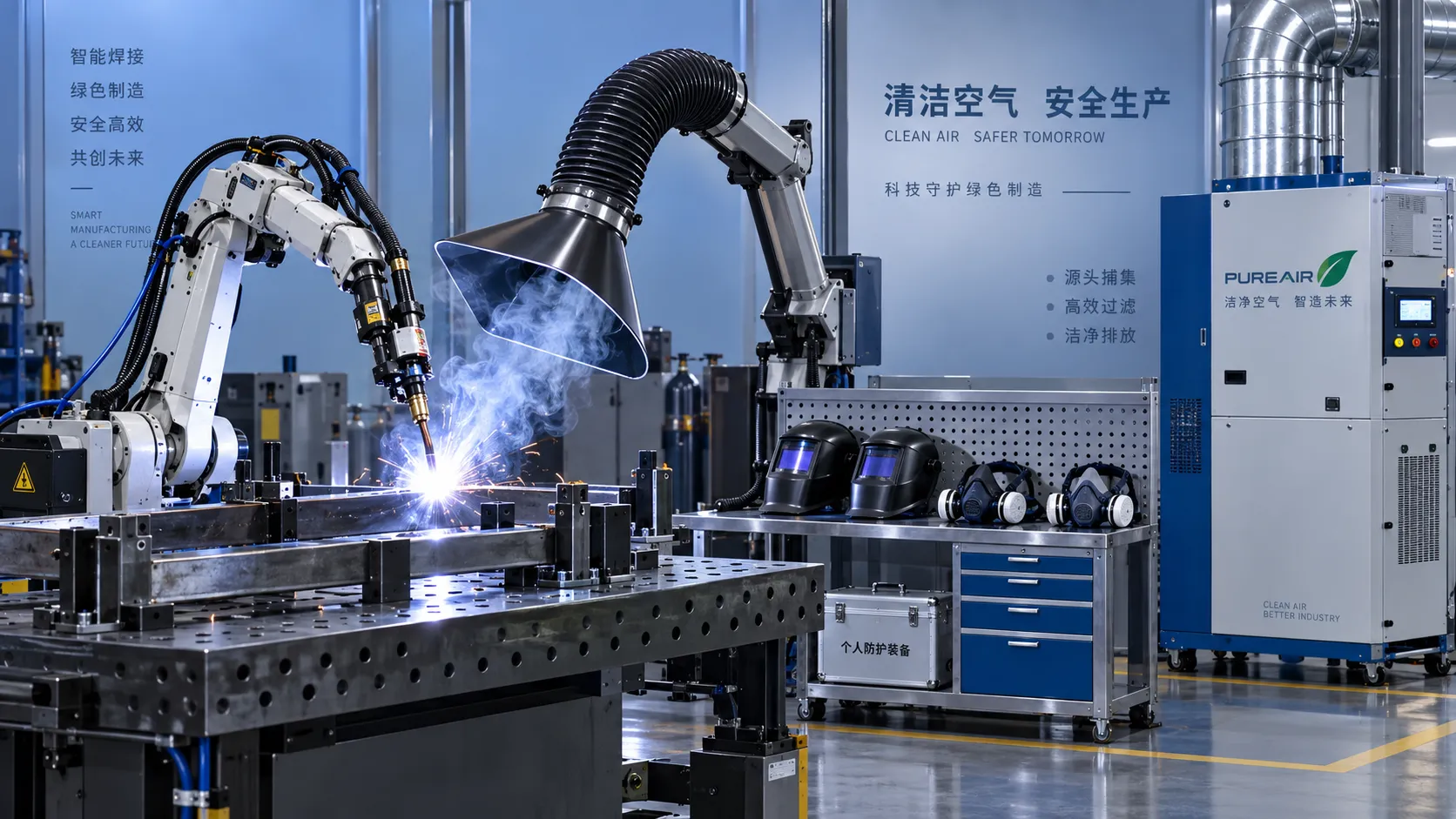
Welding Fume Extraction PPE: When Respirators Are Not Enough for Shop Safety
Welding fume extraction PPE: learn why respirators alone fall short and how source capture, ventilation, and layered controls improve shop safety.

How to Select Optical Metrology Solutions for Tight-Tolerance Manufacturing
Optical industrial metrology solutions for tight-tolerance manufacturing: evaluate accuracy, surface compatibility, workflow, and traceability to select with confidence.
Related News
- 00
0000-00
How to Compare Industrial Tool Suppliers for Quality, Lead Time, and Total Cost - 00
0000-00
How to Evaluate a Technology Integration Service Provider for Complex Projects - 00
0000-00
Product Comparison Resources in Europe: How Buyers Can Verify Specs and Suppliers - 00
0000-00
How to Evaluate an Industrial Metrology Solution Manufacturer for Production Use - 00
0000-00
How to Evaluate a Metal Joining Solutions Factory for Quality, Capacity, and Delivery Risk
Dr. Alistair Vaughn
Weekly Insights
Stay ahead with our curated technology reports delivered every Monday.