
Industrial research trends that signal market shifts





Industrial research is often the earliest indicator of market shifts, revealing how supply chains, technology adoption, and regulatory changes reshape competitive landscapes. For business evaluators, tracking these signals is essential to assess risk, identify growth windows, and support smarter decisions. This article explores the research trends that matter most and explains how they translate into actionable market insight across industrial sectors.
Why industrial research matters before market data catches up
For business evaluators, the main challenge is timing. Revenue reports, import statistics, and public announcements usually confirm a shift after margins, lead times, and customer demand have already moved. Industrial research helps close that gap.
In the broader industrial economy, early signals often appear in technical adoption curves, procurement behavior, component shortages, maintenance cycles, and compliance updates. These signals matter especially in assembly, welding, measurement, and industrial tool markets, where operational changes spread from the shop floor outward.
This is where structured intelligence becomes more useful than isolated news. GPTWM focuses on the last mile of industrial manufacturing, where product performance, operator safety, precision requirements, and purchasing reality meet. For evaluators, that perspective supports better market screening and better decision sequencing.
- It identifies whether demand is cyclical, structural, or driven by regulation.
- It shows whether a product category is moving toward premiumization, substitution, or commoditization.
- It reveals where distributors, OEMs, and maintenance buyers are changing specification priorities.
- It helps distinguish temporary disruption from long-term market repositioning.
Which industrial research signals usually point to a market shift?
Not every trend line deserves equal weight. Business evaluators need a practical framework for ranking industrial research signals by relevance, speed, and downstream commercial impact. The table below summarizes the indicators most likely to precede visible market change.
The key lesson is simple: industrial research becomes most valuable when it connects technical developments with business consequences. A safety standard by itself is not the story. The real story is how it changes approval time, equipment mix, service needs, and buyer hesitation.
Signals from the factory floor are often earlier than signals from financial reports
In many sectors, the first sign of a market shift is not sales growth. It is process redesign. When assembly plants increase demand for torque traceability, when maintenance teams request lighter ergonomic tools, or when calibration schedules become more frequent, industrial research can detect a change in operational priorities before broad market data confirms it.
GPTWM tracks these developments through sector news, evolutionary trend analysis, and commercial insight focused on precision tools, metal joining, and metrology. That makes it easier to interpret whether a shift is local, regional, or scalable across industries.
How supply chain research reveals structural demand changes
Many business evaluators still treat supply chain research as a logistics function. That is too narrow. In industrial markets, supply chain behavior can reveal changes in end-user demand quality, urgency, and specification discipline.
What to watch in sourcing and replenishment patterns
- Longer reorder cycles may indicate customer caution, project delays, or overstock correction rather than stable demand.
- Shorter reorder cycles for precision measuring tools often suggest stricter inspection routines or expanded quality requirements.
- Substitution from premium components to mid-tier alternatives can signal margin pressure in downstream sectors.
- Rising demand for spare parts and retrofit kits may show delayed capital expenditure but sustained operational output.
This is particularly relevant across construction, automotive servicing, aerospace maintenance, and general fabrication. In these markets, the buyer is rarely purchasing only a tool. The buyer is purchasing uptime, precision, operator safety, and compliance continuity.
Industrial research that links inventory behavior with use-case intensity gives evaluators a better basis for judging whether the market is expanding, consolidating, or simply rebalancing.
Technology adoption trends that should change your evaluation model
A common mistake in industrial research is to treat technology adoption as a linear innovation story. In reality, adoption becomes meaningful only when it changes labor requirements, inspection methods, training needs, service intervals, or procurement criteria.
Three high-impact adoption areas
- Handheld laser welding: adoption grows where users seek speed, visual finish, and lower post-processing, but safety controls and operator protocols remain critical.
- Brushless motor platforms in power tools: these support better efficiency and service life expectations, but the business signal lies in lifecycle economics, not in motor design alone.
- IoT-based intelligent torque control: this indicates a shift toward digital accountability, traceability, and defect prevention in assembly environments.
For business evaluators, the core question is not whether a technology is advanced. It is whether adoption changes the customer’s cost of failure. When a missed torque record can stop shipment approval, or a poor weld can trigger rework and liability, technical upgrades move from optional to strategic.
The following comparison table helps translate industrial research into practical assessment logic across several industrial technology themes.
This is why GPTWM places equal focus on engineering trends and commercial interpretation. The market shift is rarely in the technology alone. It is in the decision chain around adoption.
What business evaluators should check before making procurement or market judgments
Industrial research becomes actionable only when it supports a decision. For business evaluators reviewing suppliers, categories, or regional opportunities, a disciplined checklist is more useful than a large archive of disconnected findings.
A practical decision checklist
- Define the demand type: Is the market buying for expansion, replacement, compliance, or emergency maintenance?
- Check specification drift: Are buyers moving toward higher precision, lighter tools, better ergonomics, or digital traceability?
- Review supplier dependency: Which components, consumables, or calibration services create delivery bottlenecks?
- Estimate switching friction: How difficult is operator retraining, process validation, or system integration?
- Map compliance exposure: Which standards, safety practices, or documentation requirements could delay deployment?
These checks are especially important when evaluating distributors or cross-market expansion. A category may look attractive on volume, yet still underperform if training costs, calibration burdens, or documentation gaps are ignored.
Standards, compliance, and risk: why research quality matters
In industrial categories, compliance can accelerate demand or restrict it. This applies to electrical safety, operator protection, measurement traceability, export documentation, and process qualification. Business evaluators need industrial research that distinguishes mandatory requirements from market-preferred practices.
Common areas where compliance changes buying behavior
- Measurement tools may require calibration routines aligned with internal quality systems or recognized traceability practices.
- Welding equipment adoption may depend on operator safety procedures, local workplace rules, and suitable process documentation.
- Export-oriented buyers often need clearer product files, labeling consistency, and conformity evidence before approving suppliers.
When industrial research includes these details, evaluators can more accurately estimate delay risk, service needs, and hidden implementation costs. That is one reason GPTWM’s intelligence model is useful for commercial decisions, not only technical reading.
Common mistakes when interpreting industrial research
Even strong data can lead to weak decisions if the interpretation is shallow. Several recurring mistakes appear in industrial market assessment.
Frequent evaluation errors
- Confusing attention with adoption. A technology may receive industry coverage long before purchasing behavior scales.
- Using price movement alone as a demand indicator. In industrial channels, price can move because of freight, metals, compliance, or low-volume specialization.
- Ignoring the service layer. Many buyers choose suppliers based on training, application support, and documentation, not on equipment price only.
- Underestimating cross-sector spillover. A requirement emerging in aerospace maintenance may later influence automotive or general precision assembly.
The best industrial research therefore combines technical, economic, and operational viewpoints. That multi-angle view is particularly important in fragmented markets where standards, use conditions, and customer maturity differ across regions.
FAQ: industrial research questions business evaluators often ask
How can industrial research help with supplier evaluation?
It helps verify whether a supplier is aligned with real demand direction. You can assess if the supplier’s product mix matches growth categories, whether its offering supports compliance needs, and whether its service model fits the buyer’s operational environment.
Which sectors benefit most from early industrial research signals?
Sectors with high precision, safety sensitivity, or maintenance intensity benefit most. These include industrial assembly, metal joining, construction equipment support, automotive service, aerospace maintenance, and quality inspection workflows.
What should I prioritize if budgets are limited?
Prioritize research that changes decision timing or risk exposure. Focus first on compliance shifts, supply concentration, adoption barriers, and categories where failure costs are high. These areas usually have more financial impact than broad trend summaries.
How often should industrial research be updated?
Critical categories should be monitored continuously, while broader strategic reviews can be monthly or quarterly. Fast-moving topics include raw material fluctuations, export restrictions, safety requirements, and connected tool adoption. Slow-moving topics include ergonomic standard evolution and replacement cycle changes.
Why choose us for market-facing industrial intelligence
GPTWM is built for decision-makers who need more than scattered updates. Our coverage connects industrial research with the realities of assembly, welding, precision measurement, and tool selection across global manufacturing environments.
Through our Strategic Intelligence Center, we help business evaluators review raw material effects, export standard restrictions, technology adoption paths, and structural demand shifts in high-precision instruments and hydraulic-related equipment categories. That combination supports more grounded market judgments and better procurement planning.
If you are evaluating a category, supplier, or regional opportunity, contact us to discuss specific needs such as parameter confirmation, product selection logic, delivery cycle expectations, compliance considerations, sample support, or quotation communication. We can also help you interpret whether a trend is temporary noise or a meaningful market shift for your industrial segment.
- industrial assembly
- metal joining
- handheld laser welding
- precision tools
- industrial manufacturing
- sector news
- raw material fluctuations
- export standard restrictions
- aerospace maintenance
- industrial intelligence
- welding equipment
- precision instruments
- laser welding
- construction equipment
- industrial research
Related News
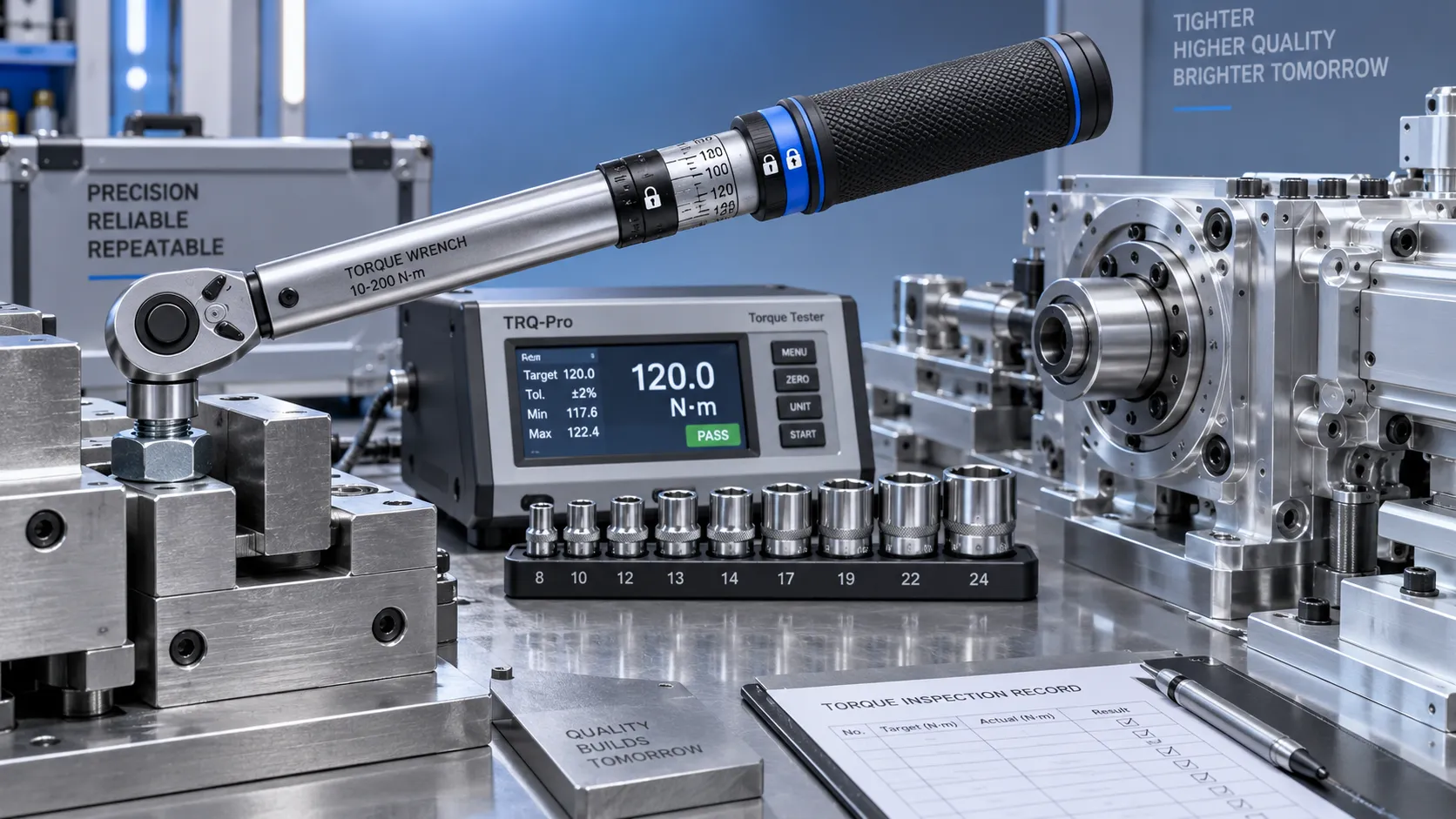
Selecting Adjustable Torque Tools for Repeatable Fastener Assembly
Adjustable torque tools: learn how to match range, accuracy, control methods, calibration, and ergonomics for repeatable, reliable fastener assembly.

How to Select Aerospace Inspection Tools for Aircraft Maintenance Tasks
Aerospace maintenance inspection tools: learn how to select reliable, traceable equipment for aircraft access, accuracy, calibration, and compliant maintenance decisions.

How to Select Wire Bonding Tools for Fine-Pitch Semiconductor Packaging
Explore semiconductor manufacturing tools for wire bonding and learn how to select precision solutions for fine-pitch packaging, reliable loops, accuracy, and yield.
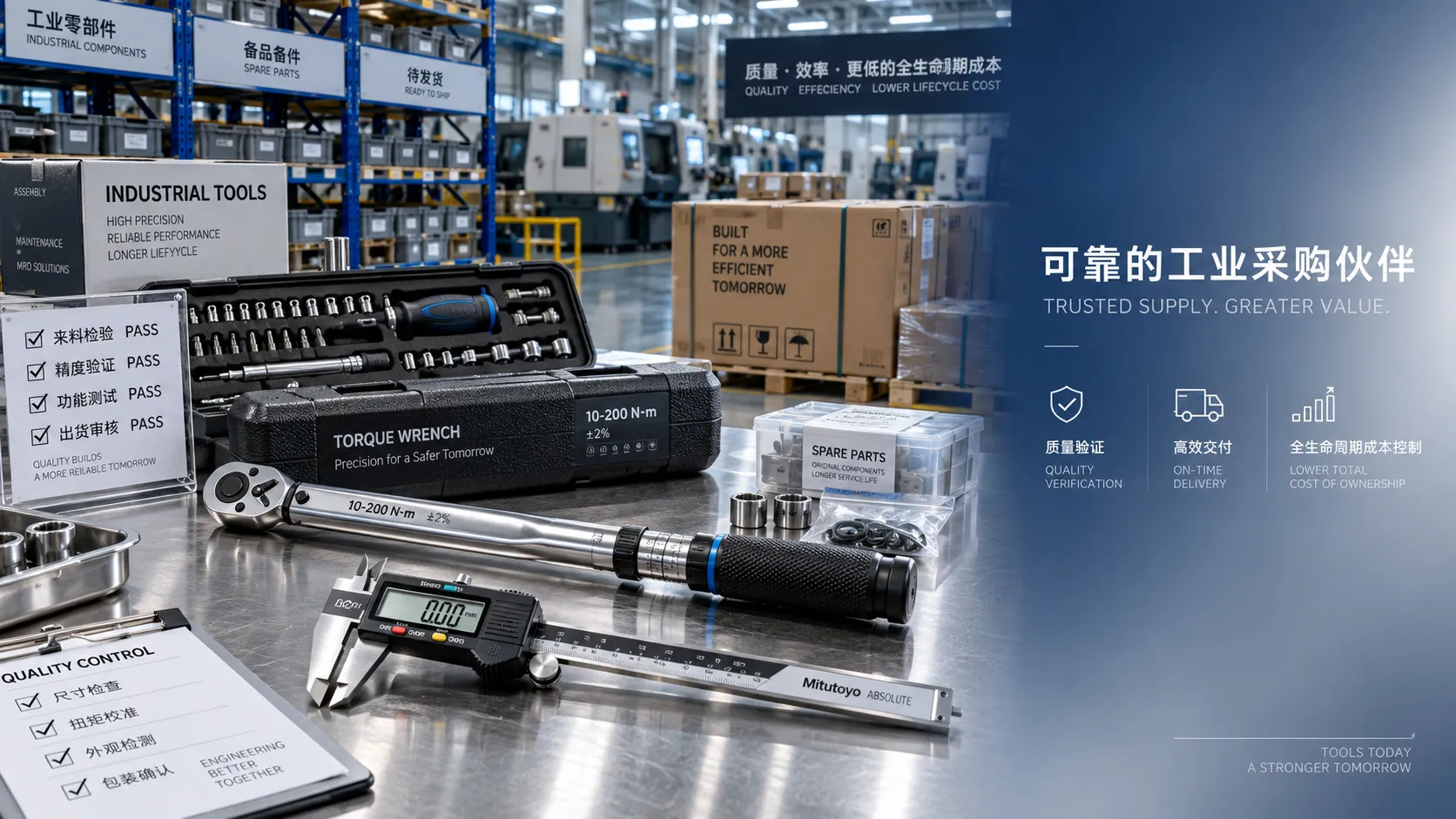
How to Compare Industrial Tool Suppliers for Quality, Lead Time, and Total Cost
Industrial tool selection supplier comparison made simple: evaluate quality, lead times, total cost, service, and supply resilience for confident sourcing decisions.

Industrial Equipment Application Guidance: Match Machines to Operating Conditions
Application guidance industrial equipment: match capacity, duty cycle, materials, site conditions, safety, and lifecycle cost to improve reliable output. Read the guide.
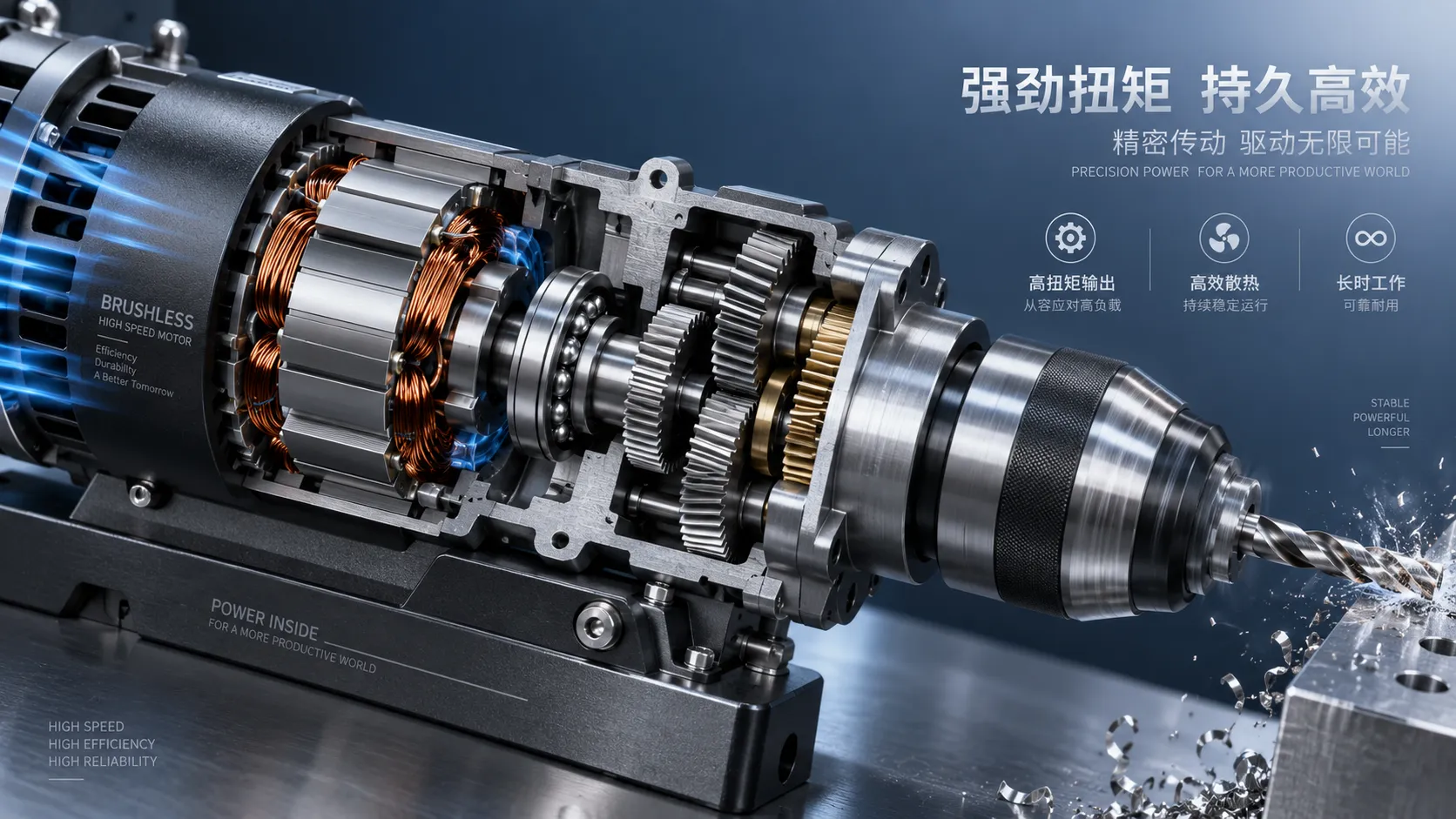
Selecting High-Speed Brushless Tool Motors for Torque, Heat, and Duty Cycle
High speed brushless tool motors: learn how to balance torque, heat, gearing, and duty cycle for reliable industrial tool performance and longer service life.
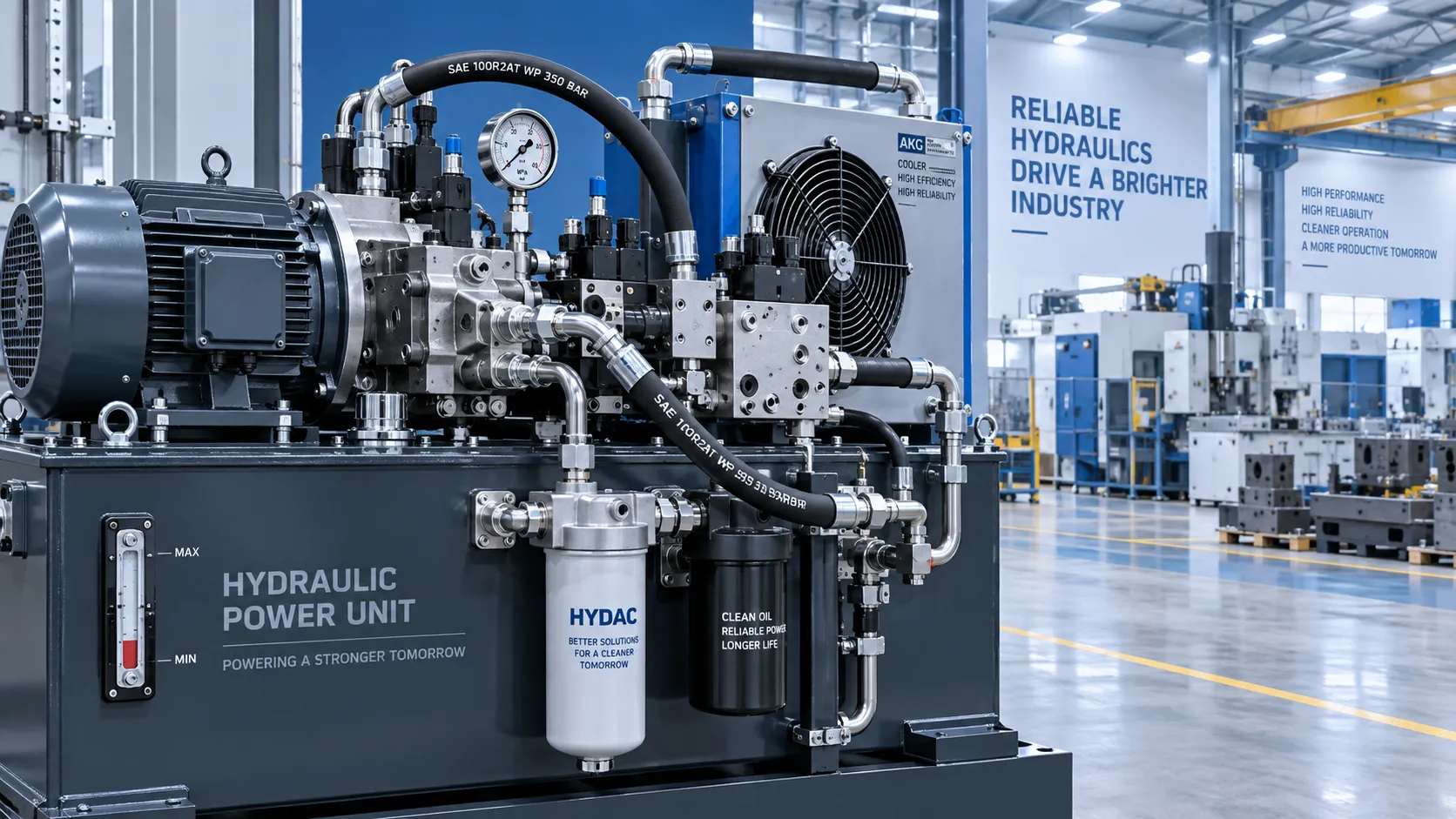
What Determines Industrial Hydraulic System Price for Heavy-Duty Equipment?
Industrial hydraulic system price depends on duty cycle, pressure, components, cooling, and integration. Compare quotes intelligently to secure reliable heavy-duty performance.

Welding Fume Extraction PPE: When Respirators Are Not Enough for Shop Safety
Welding fume extraction PPE: learn why respirators alone fall short and how source capture, ventilation, and layered controls improve shop safety.

How to Select Optical Metrology Solutions for Tight-Tolerance Manufacturing
Optical industrial metrology solutions for tight-tolerance manufacturing: evaluate accuracy, surface compatibility, workflow, and traceability to select with confidence.
Related News
- 00
0000-00
How Middle East Manufacturers Can Improve Production Efficiency Under Heat and Labor Constraints - 00
0000-00
Why Are Specification-Oriented Articles Gaining Traction in Europe’s B2B Markets? - 00
0000-00
Industrial Solutions in Latin America: Key Growth Sectors and Market Entry Risks - 00
0000-00
What Is Driving Manufacturing Efficiency in Europe’s Industrial Sectors? - 00
0000-00
Industrial Market Trends in 2025: What Buyers Should Watch Across Supply and Demand
Dr. Alistair Vaughn
Weekly Insights
Stay ahead with our curated technology reports delivered every Monday.