
Aerospace tools demand more than precision in 2026





In 2026, aerospace tools demand more than precision—they must deliver traceability, compliance, ergonomic efficiency, and digital integration across every maintenance and assembly task.
For technical evaluators, selecting the right solutions now means balancing performance data with safety standards, lifecycle cost, and smart manufacturing compatibility.
This article explores how aerospace tools are evolving to meet stricter industry expectations and more complex operational realities.
Why precision alone is no longer enough in aerospace tools
For technical evaluation teams, the central question is no longer whether a tool is accurate. The real issue is whether it can perform accurately within a controlled, auditable, safe, and digitally connected aerospace environment.
That shift matters because aerospace manufacturing and maintenance now operate under tighter documentation rules, stricter quality assurance expectations, and higher cost pressure from downtime, rework, and component traceability failures.
In practical terms, aerospace tools in 2026 are being judged across a wider matrix: calibration integrity, operator repeatability, material compatibility, data capture, ergonomic performance, and compliance with customer or regulatory requirements.
This means a technically impressive tool can still be a poor choice if it lacks digital records, creates operator fatigue, or cannot support validated process control in assembly or MRO workflows.
What technical evaluators are really looking for
When people search for aerospace tools today, they are usually not looking for a generic list of products. They want a framework for evaluating which tools are suitable for high-risk, high-value aerospace applications.
Technical evaluators typically care about five things first: process capability, standards compliance, traceability, total cost of ownership, and fit with existing maintenance or production systems.
Process capability comes first because aerospace tasks often involve narrow tolerances, sensitive materials, and critical joints. A tool must consistently produce acceptable outcomes across shifts, users, and environmental conditions.
Compliance follows closely. Whether the application involves fastening, welding, inspection, or material removal, the tool must align with internal quality procedures and external aerospace standards or customer requirements.
Traceability has moved from a useful feature to a baseline expectation. Evaluation teams increasingly prefer aerospace tools that can log torque events, calibration histories, usage cycles, and operator-linked process records.
Total cost of ownership is also under heavier scrutiny. A lower purchase price does not help if the tool creates frequent recalibration needs, consumable waste, unplanned maintenance, or inconsistent field results.
Finally, system fit matters. Even advanced aerospace tools may be rejected if they cannot integrate with MES, QMS, CMMS, or plant-wide data environments that support modern quality control.
Traceability is becoming a core specification, not an optional feature
One of the biggest changes in aerospace tool selection is the rise of mandatory digital accountability. Tools are now expected to provide evidence, not just performance claims.
In fastening operations, for example, intelligent torque tools are increasingly valued for recording torque, angle, timestamp, operator ID, and job association. That record supports audits, failure analysis, and process validation.
In metrology, connected gauges and measurement systems help reduce transcription errors and speed inspection reporting. For evaluators, this improves confidence that measurement data reflects real process conditions rather than manual documentation gaps.
In welding and thermal processes, traceability may include parameter logging, equipment status verification, and consumable tracking. These functions help technical teams connect tool behavior to part quality and operator practice.
The implication is clear: aerospace tools that cannot produce reliable digital records may still work mechanically, but they increasingly fail organizational requirements for accountability and quality assurance.
Compliance and certification pressures are reshaping selection criteria
Aerospace environments have always demanded disciplined tooling, but 2026 brings a stronger expectation that every critical tool supports documented compliance pathways rather than informal acceptance.
For evaluators, this means checking calibration certification, material suitability, ESD control where relevant, safety labeling, maintenance instructions, software validation status, and alignment with internal controlled procedures.
It also means reviewing whether the supplier can support audits. A tool vendor that cannot provide documentation packages, calibration protocols, revision control, or service records may create risk beyond the tool itself.
In many cases, the evaluation process now extends beyond technical specifications into quality system maturity. Supplier responsiveness, service traceability, and documentation discipline all influence approval decisions.
This is particularly important in multinational aerospace supply chains, where standards interpretation, export controls, and customer-specific quality clauses can complicate what once seemed like a simple tooling purchase.
Ergonomics now affect quality, safety, and throughput
Ergonomics used to be discussed mainly as a worker comfort issue. In aerospace settings, it is now directly linked to repeatability, inspection reliability, fatigue reduction, and long-cycle productivity.
Many aerospace assembly and maintenance tasks involve overhead work, confined spaces, awkward access points, or repetitive fastening sequences. Under those conditions, tool balance, grip geometry, weight distribution, and trigger force matter significantly.
A tool that is technically accurate on a bench may perform poorly in live conditions if it increases wrist strain, obstructs operator visibility, or becomes difficult to control over long shifts.
For technical evaluators, ergonomic validation should include field simulation, operator feedback, and observation of actual usage posture. Spec sheet claims alone rarely reveal the full performance picture.
Ergonomic efficiency also affects training time and error rates. Better-designed aerospace tools often produce more consistent outcomes because operators can maintain control and precision with less physical compensation.
Digital integration is now part of the value proposition
As aerospace factories and MRO facilities expand digital workflows, tools are increasingly expected to act as data-generating assets rather than isolated hardware devices.
That expectation applies across categories, from torque systems and laser measurement equipment to welding platforms and maintenance inspection devices. The priority is not connectivity for its own sake, but usable process intelligence.
Technical evaluators should ask whether a tool can export data in practical formats, connect securely to existing platforms, support user permissions, and maintain data integrity under real operating conditions.
Cybersecurity and software lifecycle support are becoming part of tooling decisions as well. A connected tool that lacks update governance or access control may introduce operational risk instead of solving it.
Strong digital integration can improve preventive maintenance planning, nonconformance analysis, and process optimization. It can also reduce the time needed to prove compliance during customer reviews or regulatory audits.
How aerospace tools are changing across major application areas
The category of aerospace tools is broad, so evaluation should be application-specific. The criteria for measuring instruments differ from those for welding systems, hydraulic tools, or powered fastening equipment.
In precision metrology, the trend is toward higher portability, wireless data capture, and easier calibration management. Evaluators look for stable measurement performance plus frictionless reporting into quality systems.
In fastening, smart torque and angle tools are becoming more important because aerospace structures require controlled clamping force, documented installation events, and reduced rework risk in critical assemblies.
In welding and joining, the focus is expanding beyond arc quality to include operator safety, process consistency, shielding control, and suitability for lightweight or heat-sensitive aerospace materials.
In hydraulic and specialty maintenance tools, reliability under field conditions remains crucial. However, technical teams also increasingly value condition monitoring, service interval predictability, and easier verification of operational readiness.
For inspection and MRO tooling, portability and access are especially important. Tools that support faster verification in confined or mobile settings can create major value even if their headline specifications appear similar to standard alternatives.
How to evaluate lifecycle cost instead of purchase price alone
One of the most common mistakes in tool selection is overemphasizing unit price. In aerospace operations, the true cost of a tool is shaped by its entire operating life.
Evaluators should consider calibration frequency, downtime impact, spare parts availability, software licensing, training needs, consumable efficiency, repair turnaround time, and expected service life under actual use conditions.
A relatively expensive tool may still be the better choice if it reduces scrap, shortens inspection cycles, lowers documentation effort, or avoids compliance-related disruptions.
Likewise, a low-cost tool can become expensive if it drives hidden labor, inconsistent results, or repeated process qualification effort. Aerospace environments amplify these hidden costs because errors are costly to investigate and correct.
A practical evaluation model often includes direct acquisition cost, operational support cost, quality risk cost, and integration cost. That broader view usually produces better long-term decisions than price comparison alone.
Questions technical evaluators should ask suppliers in 2026
Supplier discussions should go beyond catalog performance. The goal is to understand whether the vendor can support the complete aerospace use case, including documentation, service, integration, and risk control.
Useful questions include: How is calibration managed and documented? What digital outputs are available? How are software updates controlled? What evidence supports repeatability in comparable aerospace applications?
Evaluators should also ask about operator ergonomics, maintenance intervals, service network coverage, spare parts lead times, and failure modes observed in demanding field conditions.
If the tool is connected, ask about cybersecurity design, user access management, and system interoperability. If the tool is used in controlled processes, ask how revision changes are communicated and validated.
Strong suppliers will answer with documentation, case-based evidence, and clear support structures. Weak suppliers often respond with broad claims that do not reduce evaluation risk.
A practical evaluation framework for choosing aerospace tools
To make decisions more consistent, technical teams should use a weighted evaluation framework rather than relying on isolated demonstrations or vendor comparisons based only on specifications.
A useful framework starts with process criticality. Determine whether the tool affects flight-related quality, structural integrity, traceable assembly requirements, or regulated maintenance tasks.
Next, assess performance capability under realistic conditions. Test not only precision, but repeatability across users, environmental sensitivity, data accuracy, and integration with surrounding workflows.
Then review compliance support: calibration records, documentation quality, supplier quality maturity, and compatibility with internal procedures. This step often determines whether implementation will be smooth or disruptive.
After that, compare lifecycle economics and service resilience. Include support responsiveness and training burden, since these directly affect uptime and adoption quality.
Finally, validate operator acceptance. Aerospace tools that satisfy every engineering requirement can still underperform if technicians find them awkward, slow, or unreliable in real use scenarios.
Conclusion: the best aerospace tools now combine accuracy with operational intelligence
In 2026, the aerospace tools market is being shaped by a simple reality: precision is still essential, but it is no longer sufficient on its own.
For technical evaluators, the best choices are tools that combine accurate performance with traceability, compliance readiness, ergonomic control, digital integration, and manageable lifecycle cost.
That broader evaluation mindset helps organizations reduce risk, improve process confidence, and align tooling investments with the increasingly data-driven nature of aerospace manufacturing and maintenance.
In other words, the right aerospace tools are no longer just instruments of execution. They are part of the quality system, the productivity strategy, and the evidence chain that modern aerospace operations depend on.
Related News
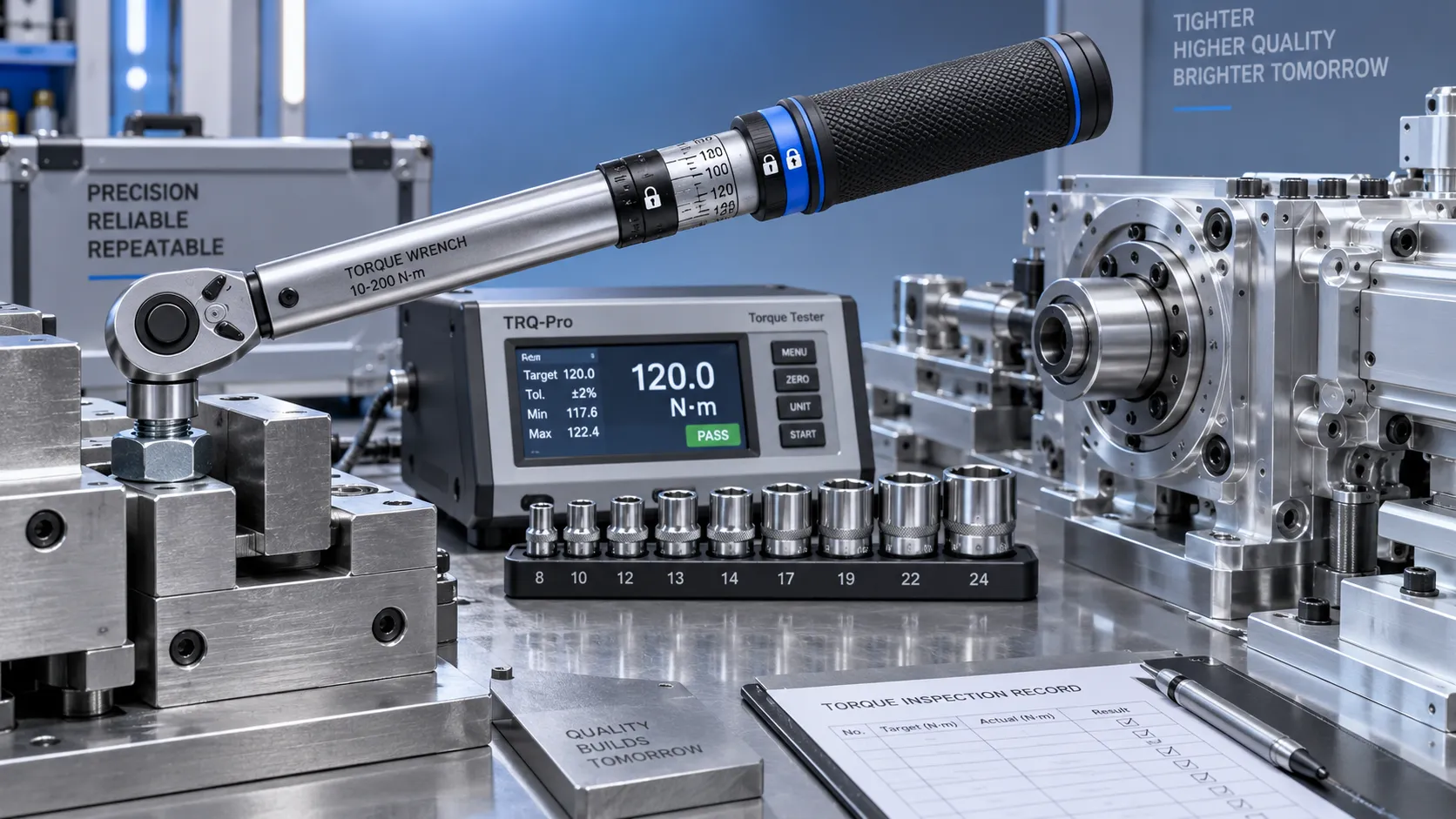
Selecting Adjustable Torque Tools for Repeatable Fastener Assembly
Adjustable torque tools: learn how to match range, accuracy, control methods, calibration, and ergonomics for repeatable, reliable fastener assembly.
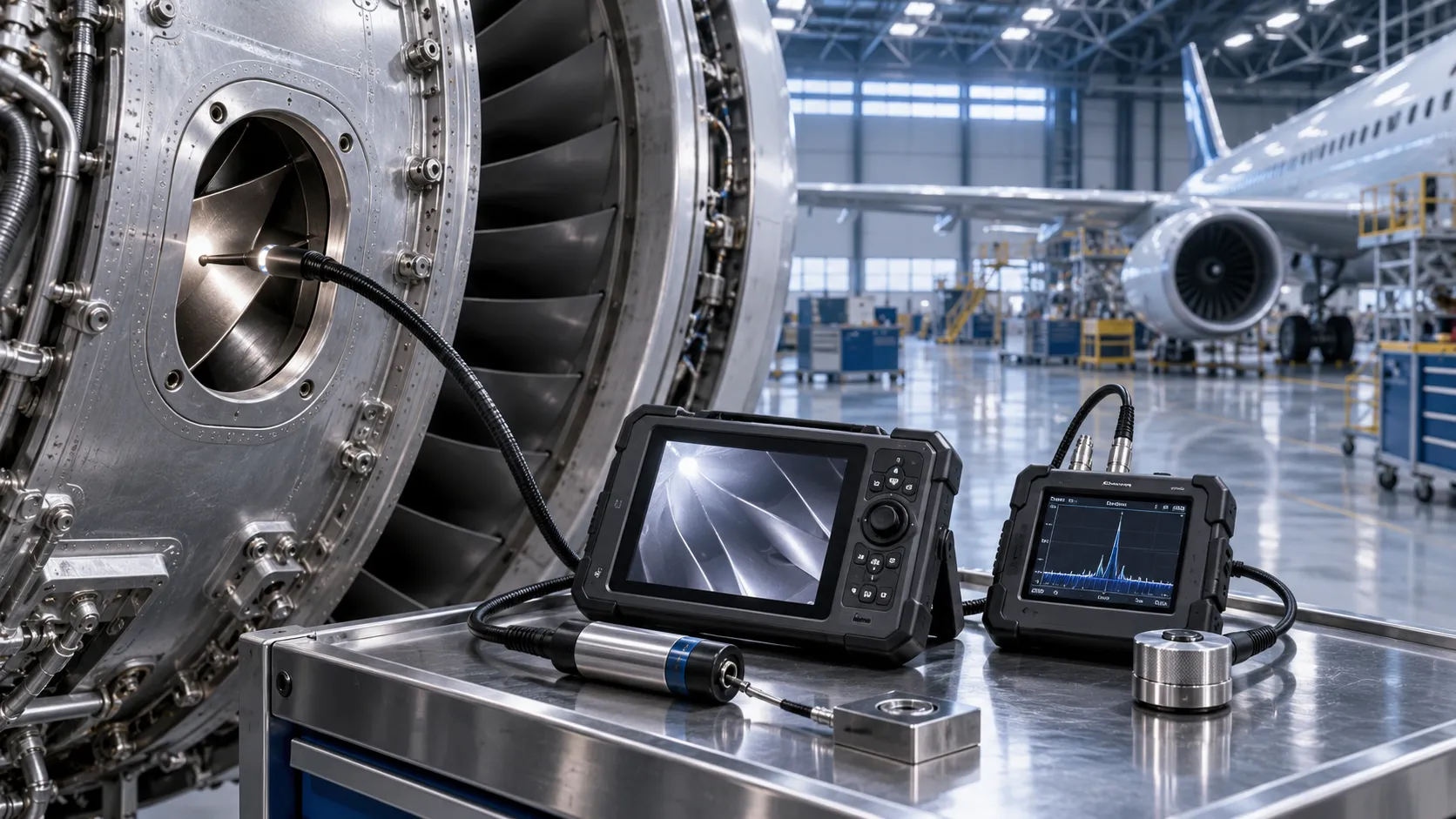
How to Select Aerospace Inspection Tools for Aircraft Maintenance Tasks
Aerospace maintenance inspection tools: learn how to select reliable, traceable equipment for aircraft access, accuracy, calibration, and compliant maintenance decisions.

How to Select Wire Bonding Tools for Fine-Pitch Semiconductor Packaging
Explore semiconductor manufacturing tools for wire bonding and learn how to select precision solutions for fine-pitch packaging, reliable loops, accuracy, and yield.
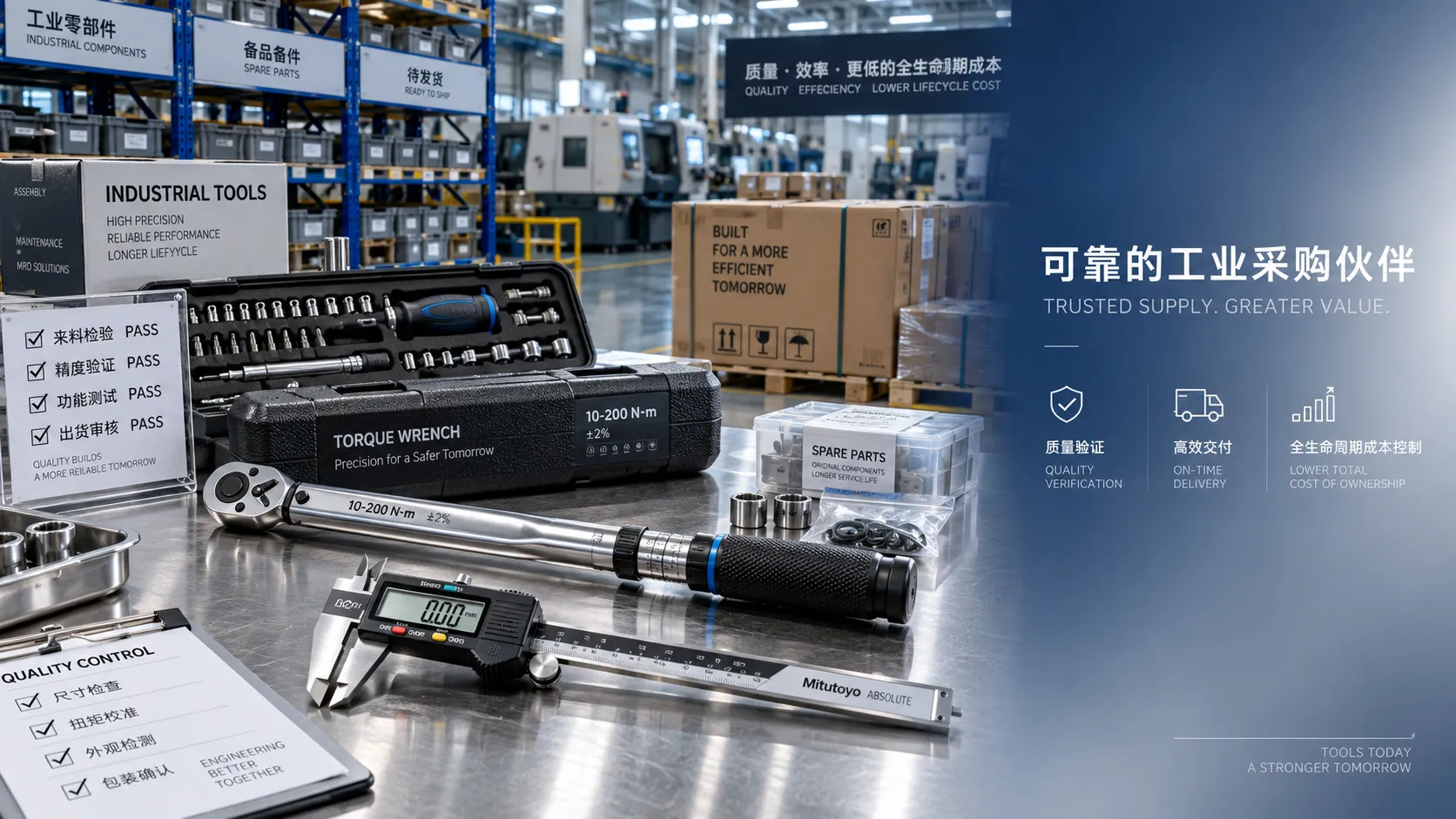
How to Compare Industrial Tool Suppliers for Quality, Lead Time, and Total Cost
Industrial tool selection supplier comparison made simple: evaluate quality, lead times, total cost, service, and supply resilience for confident sourcing decisions.

Industrial Equipment Application Guidance: Match Machines to Operating Conditions
Application guidance industrial equipment: match capacity, duty cycle, materials, site conditions, safety, and lifecycle cost to improve reliable output. Read the guide.
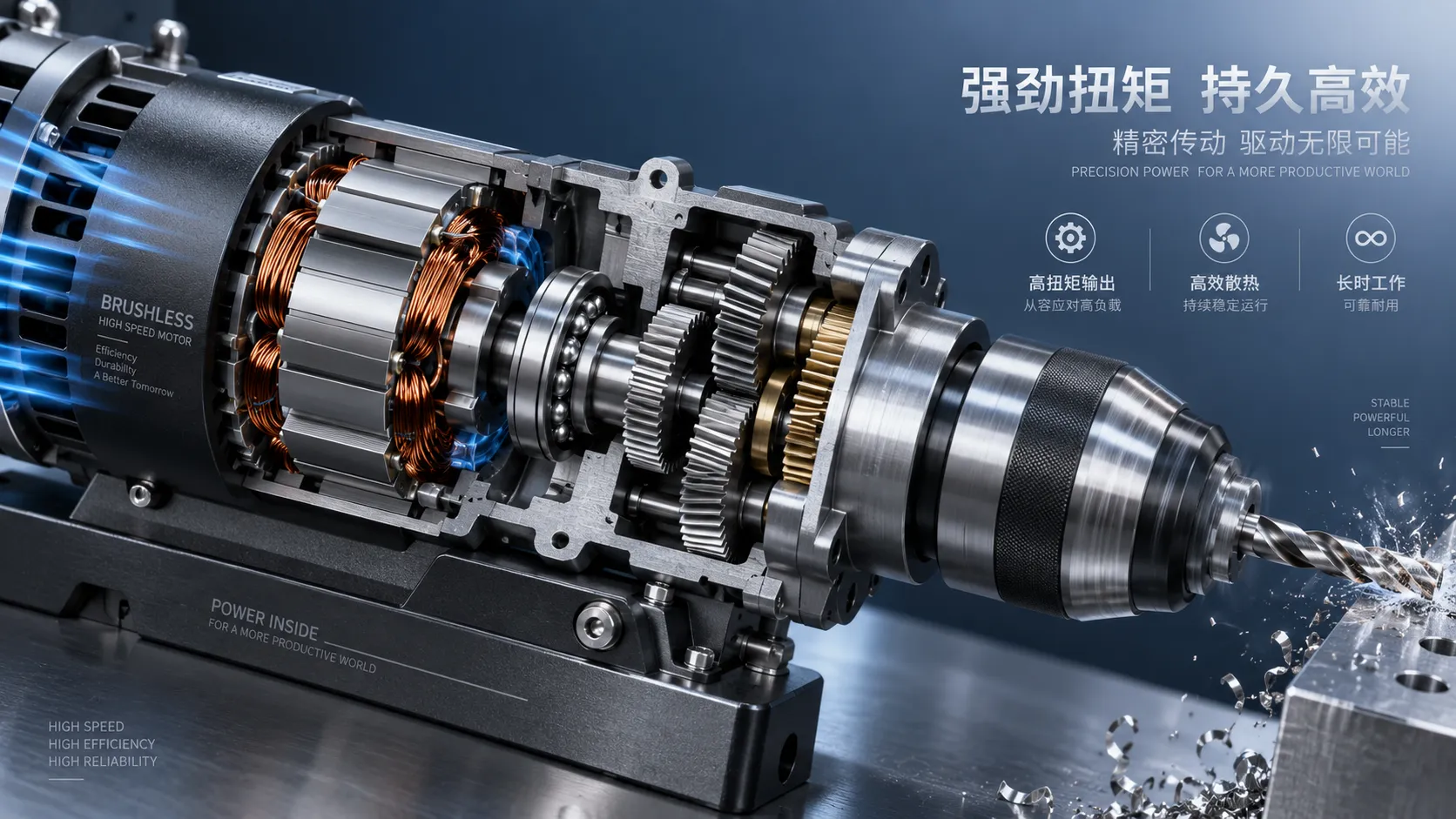
Selecting High-Speed Brushless Tool Motors for Torque, Heat, and Duty Cycle
High speed brushless tool motors: learn how to balance torque, heat, gearing, and duty cycle for reliable industrial tool performance and longer service life.
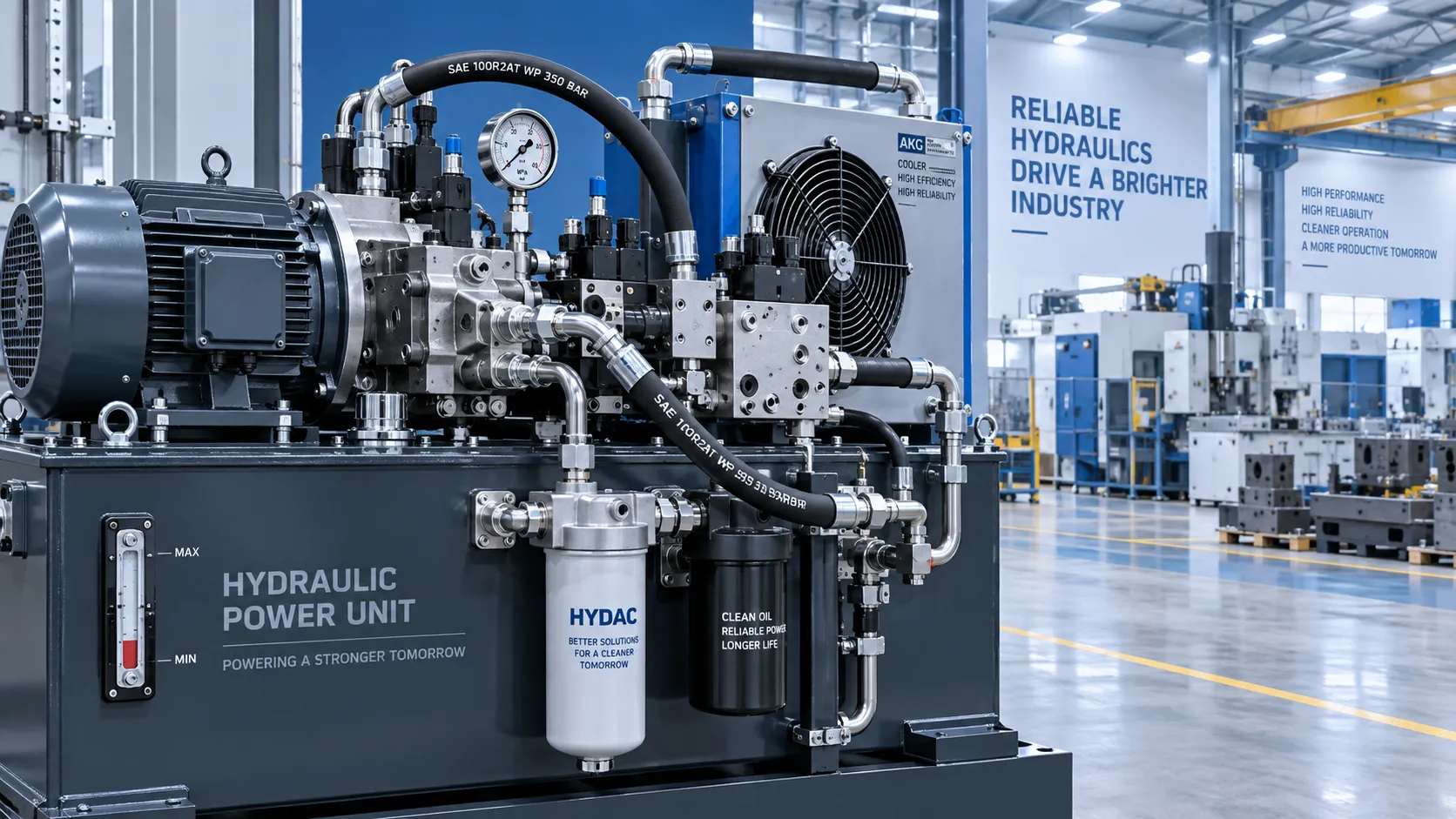
What Determines Industrial Hydraulic System Price for Heavy-Duty Equipment?
Industrial hydraulic system price depends on duty cycle, pressure, components, cooling, and integration. Compare quotes intelligently to secure reliable heavy-duty performance.

Welding Fume Extraction PPE: When Respirators Are Not Enough for Shop Safety
Welding fume extraction PPE: learn why respirators alone fall short and how source capture, ventilation, and layered controls improve shop safety.

How to Select Optical Metrology Solutions for Tight-Tolerance Manufacturing
Optical industrial metrology solutions for tight-tolerance manufacturing: evaluate accuracy, surface compatibility, workflow, and traceability to select with confidence.
Related News
- 00
0000-00
Selecting Adjustable Torque Tools for Repeatable Fastener Assembly - 00
0000-00
How to Select Aerospace Inspection Tools for Aircraft Maintenance Tasks - 00
0000-00
How to Select Wire Bonding Tools for Fine-Pitch Semiconductor Packaging - 00
0000-00
Industrial Equipment Application Guidance: Match Machines to Operating Conditions - 00
0000-00
Selecting High-Speed Brushless Tool Motors for Torque, Heat, and Duty Cycle
Prof. Marcus Chen
Weekly Insights
Stay ahead with our curated technology reports delivered every Monday.