
Why material science is reshaping product durability





From advanced alloys to smart polymers, material science is changing how products survive stress, heat, abrasion, and corrosion. Across the broader industrial landscape, durability is no longer judged only by design geometry or assembly quality.
It is increasingly defined by what products are made of, how those materials behave in service, and how they respond over time. This shift matters because lifecycle performance now affects efficiency, safety, warranty exposure, and replacement frequency.
For industrial intelligence platforms such as GPTWM, material science offers a practical lens for understanding why some tools, welded structures, measuring devices, and equipment components deliver longer service lives than others.
As supply chains become global and applications become more demanding, material science is also becoming a strategic driver of competitiveness. It links precision, cost control, and field reliability in a way few disciplines can match.
Material science as a foundation of product durability
Material science studies how metals, ceramics, polymers, composites, and hybrid materials are structured, processed, and used. In durability terms, it explains how a product resists damage from repeated use and harsh environments.
A durable product does not simply avoid breaking. It maintains dimensional stability, surface integrity, mechanical strength, and functional accuracy during long operating cycles.
This is especially relevant in precision tools, welding equipment, fixtures, hydraulic systems, and metrology devices. Small material failures in these categories can quickly create larger operational losses.
Key durability mechanisms explained by material science
- Wear resistance against friction, particles, and repeated contact.
- Fatigue resistance under cyclic loading and vibration.
- Corrosion resistance in humid, chemical, or marine conditions.
- Thermal stability under heat, cooling, and expansion cycles.
- Impact toughness when products face shock or accidental overload.
When these mechanisms are understood early, product teams can avoid premature failure. That is why material science now sits closer to business strategy, not only laboratory research.
Why current industry attention is moving toward material science
Several market signals explain the rising influence of material science. They reflect pressure from energy efficiency goals, stricter standards, tougher applications, and the demand for longer maintenance intervals.
In many sectors, traditional materials still work, but they no longer guarantee optimal value. Material science helps compare initial price with total operating cost, service life, and maintenance burden.
This matters in global construction, automotive service, aerospace maintenance, electronics assembly, and industrial repair. Durability now influences uptime, compliance, and brand trust at the same time.
How material science improves business value beyond technical performance
The commercial impact of material science extends well beyond strength data. Better materials can reduce warranty claims, improve product consistency, and support premium positioning in competitive markets.
In precision tools and metrology products, durability protects calibration stability and measurement confidence. In welding and joining systems, it improves thermal endurance, insulation reliability, and operator safety.
Material science also supports sustainability. Longer-lasting products consume fewer replacement parts, generate less scrap, and use maintenance resources more efficiently.
Practical business outcomes linked to material science
- Lower failure rates in demanding field conditions.
- Improved return on tooling and equipment investment.
- Reduced downtime caused by wear or overheating.
- Greater confidence in export compliance and product reputation.
- Better alignment between engineering intent and real-world use.
These outcomes explain why material science increasingly appears in sourcing discussions, product roadmaps, and industrial intelligence analysis. It influences value creation from development through after-sales service.
Representative material science pathways reshaping durability
Not every durability improvement comes from inventing a completely new material. In many cases, the biggest gains come from refining composition, treatment, or surface engineering.
Advanced alloys
High-performance steels, aluminum alloys, and nickel-based systems are helping components stay strong while resisting fatigue and heat. Material science makes these tradeoffs more predictable and application-specific.
Engineered polymers and smart polymers
Polymers now do more than reduce weight. They can resist chemicals, damp vibration, improve insulation, and even adapt to thermal conditions. Material science is broadening where polymers can replace heavier materials.
Ceramics and hard coatings
Ceramic inserts, protective films, and wear-resistant coatings extend life in abrasive environments. For cutting, measuring, and surface-contact applications, material science often improves durability through the outer layer.
Composites and hybrid material systems
Composites combine multiple material advantages in one structure. They help balance stiffness, corrosion resistance, and weight, especially where traditional metal-only solutions reach performance limits.
Typical application scenarios across the broader industrial market
Material science influences durability in many product categories. The most visible cases are often found where stress, precision, or thermal exposure remain high for long periods.
These examples show that material science is not isolated from manufacturing realities. It directly affects reliability in the last mile of industrial performance, where failure is most visible and costly.
Practical evaluation points when assessing durability claims
Durability claims should be tested against real operating conditions, not only brochure language. Material science provides a disciplined way to ask better questions before drawing conclusions.
- What failure mode is most likely: wear, fatigue, corrosion, or heat damage?
- Was the material chosen for actual service conditions or general-purpose use?
- How do heat treatment, coating, and joining methods affect durability?
- Is there lifecycle data, not only short-term lab performance?
- Does the material support repairability and consistent replacement quality?
Another important point is compatibility. Excellent materials can still underperform when paired with unsuitable fasteners, lubricants, welding processes, or environmental exposure.
Material science works best when integrated with process control, ergonomic design, and measurement discipline. Durability is rarely the result of one variable alone.
A grounded next step for tracking material science developments
A practical way forward is to monitor material science through application outcomes, not just material names. Focus on sectors where durability improvements are measurable and commercially meaningful.
Track signals such as reduced maintenance intervals, better thermal endurance, improved calibration stability, and fewer corrosion-related failures. These indicators show where material science is delivering real value.
For industrial intelligence work, material science should be read alongside tooling trends, joining technologies, and compliance changes. That integrated view helps explain product longevity with greater accuracy.
As GPTWM continues connecting precision tools with manufacturing intelligence, material science remains a core topic for understanding durability, lifecycle efficiency, and the next generation of resilient industrial products.
Related News
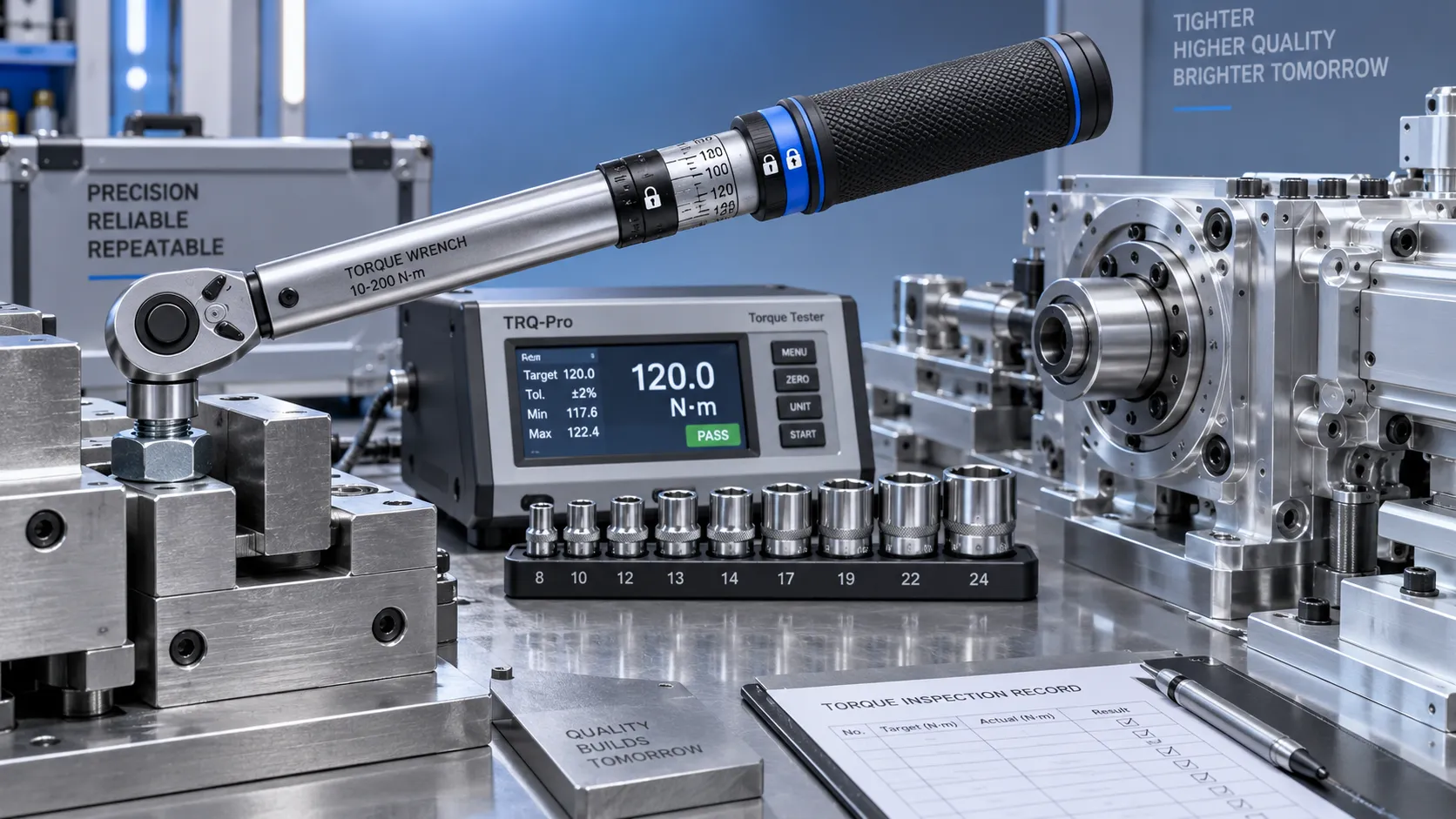
Selecting Adjustable Torque Tools for Repeatable Fastener Assembly
Adjustable torque tools: learn how to match range, accuracy, control methods, calibration, and ergonomics for repeatable, reliable fastener assembly.

How to Select Aerospace Inspection Tools for Aircraft Maintenance Tasks
Aerospace maintenance inspection tools: learn how to select reliable, traceable equipment for aircraft access, accuracy, calibration, and compliant maintenance decisions.

How to Select Wire Bonding Tools for Fine-Pitch Semiconductor Packaging
Explore semiconductor manufacturing tools for wire bonding and learn how to select precision solutions for fine-pitch packaging, reliable loops, accuracy, and yield.
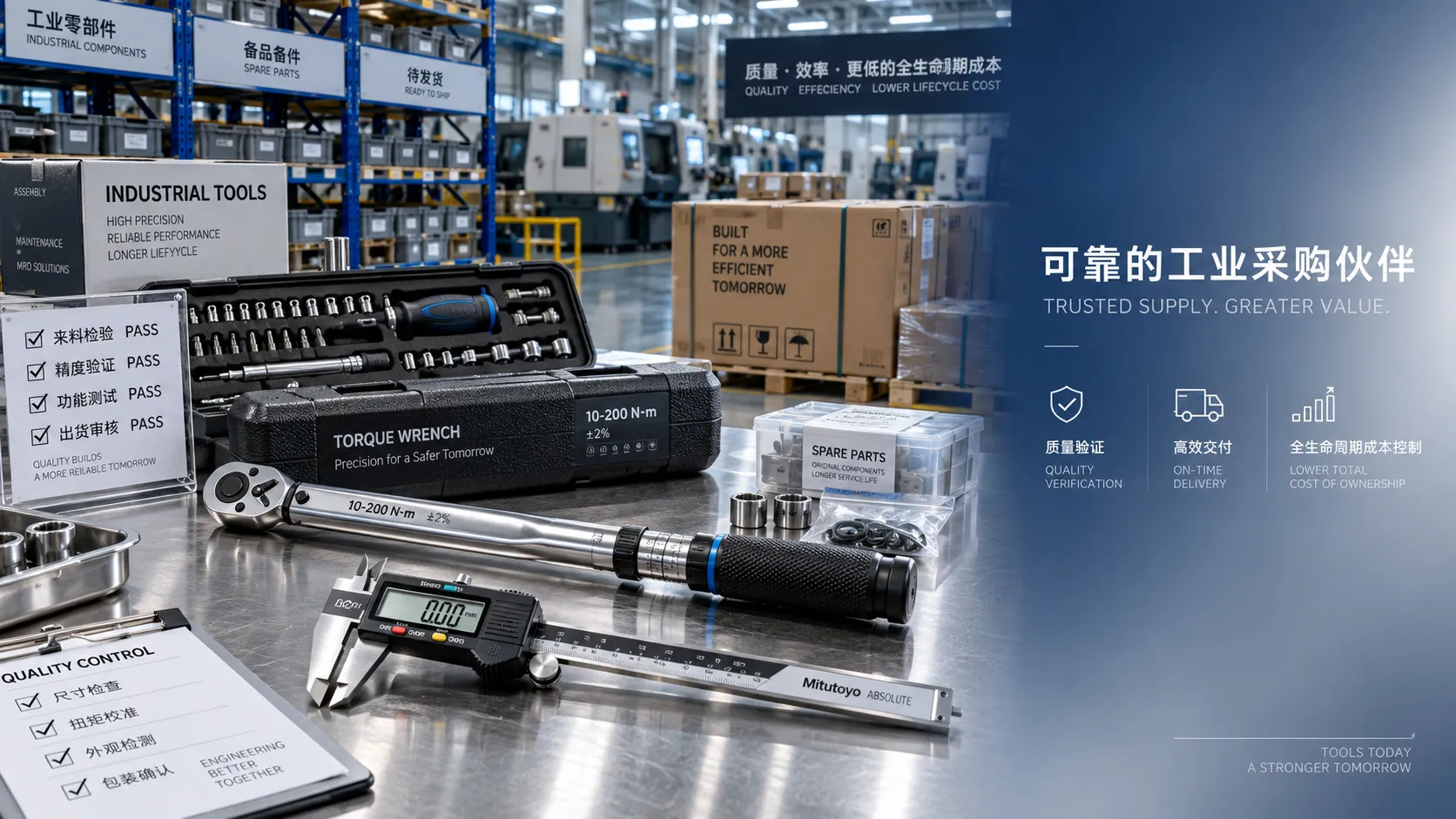
How to Compare Industrial Tool Suppliers for Quality, Lead Time, and Total Cost
Industrial tool selection supplier comparison made simple: evaluate quality, lead times, total cost, service, and supply resilience for confident sourcing decisions.
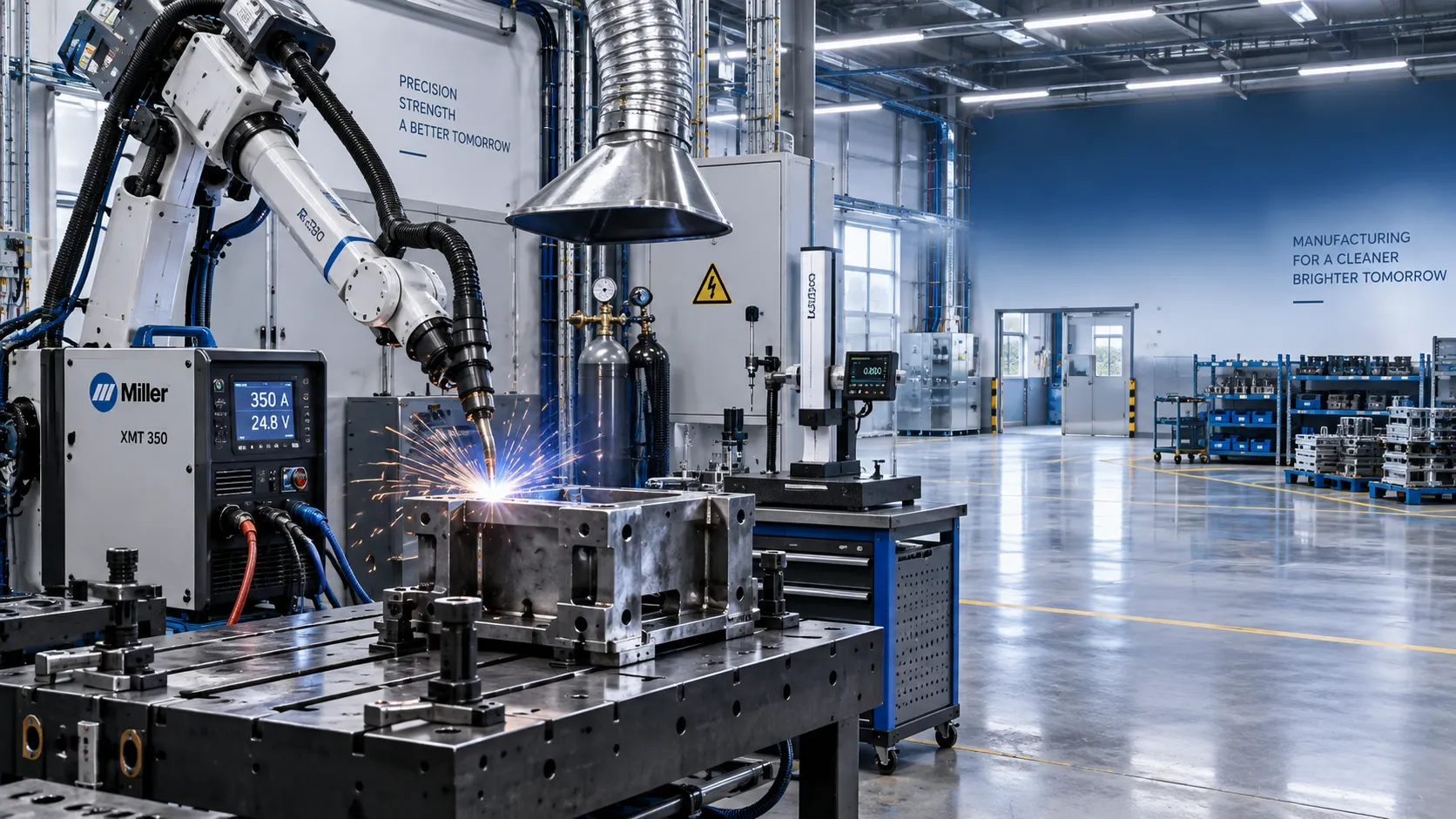
Industrial Equipment Application Guidance: Match Machines to Operating Conditions
Application guidance industrial equipment: match capacity, duty cycle, materials, site conditions, safety, and lifecycle cost to improve reliable output. Read the guide.
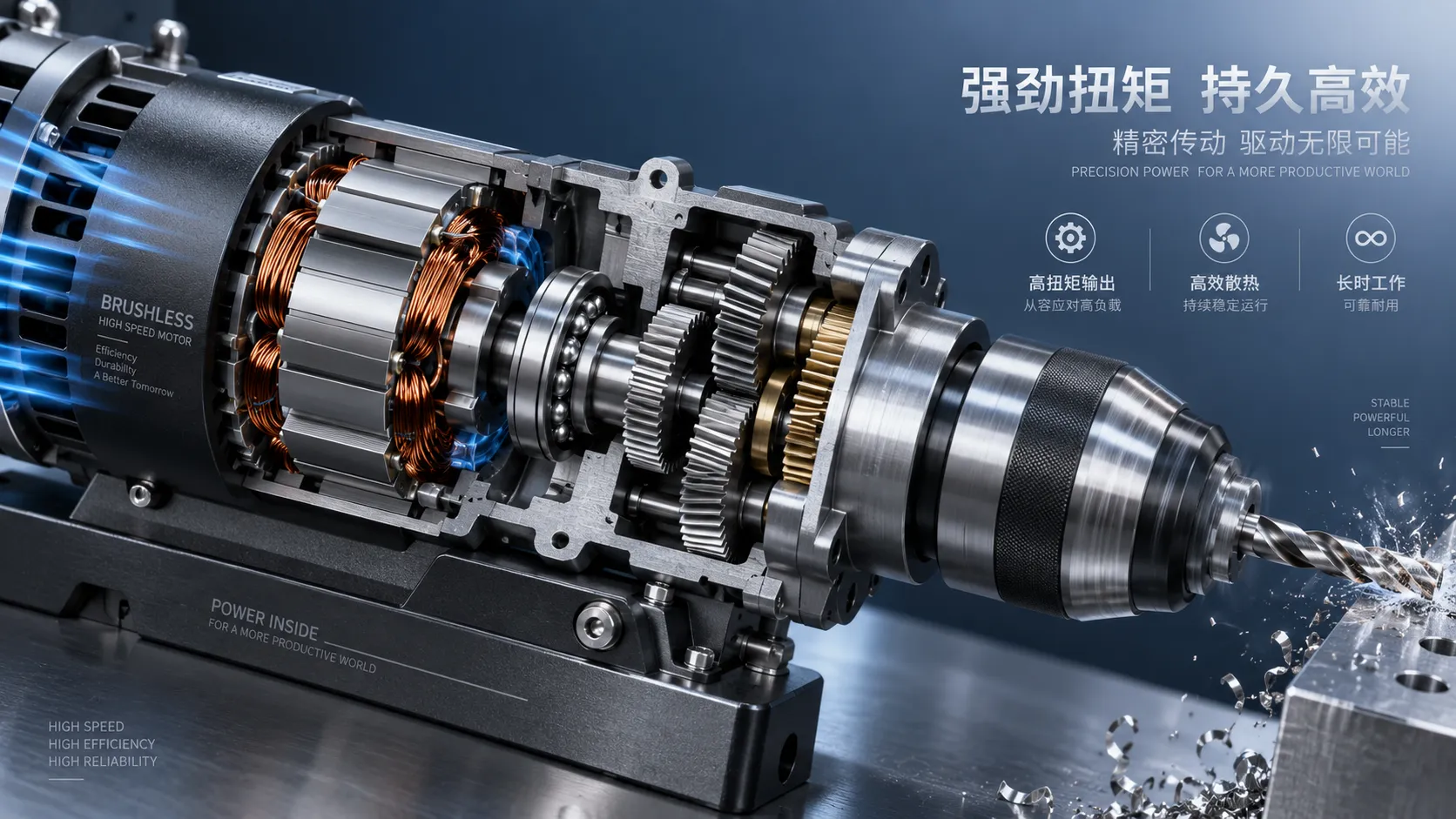
Selecting High-Speed Brushless Tool Motors for Torque, Heat, and Duty Cycle
High speed brushless tool motors: learn how to balance torque, heat, gearing, and duty cycle for reliable industrial tool performance and longer service life.
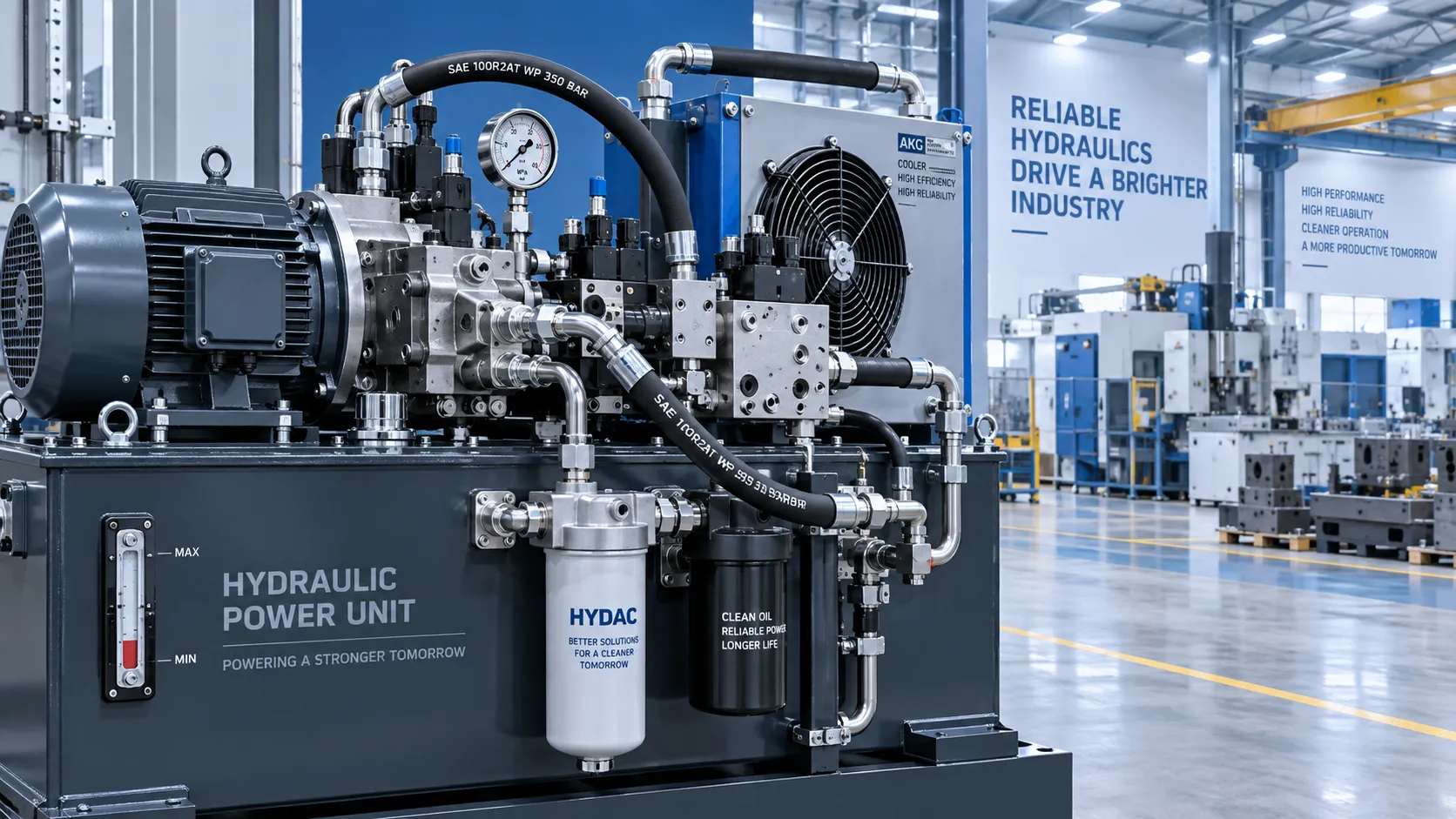
What Determines Industrial Hydraulic System Price for Heavy-Duty Equipment?
Industrial hydraulic system price depends on duty cycle, pressure, components, cooling, and integration. Compare quotes intelligently to secure reliable heavy-duty performance.
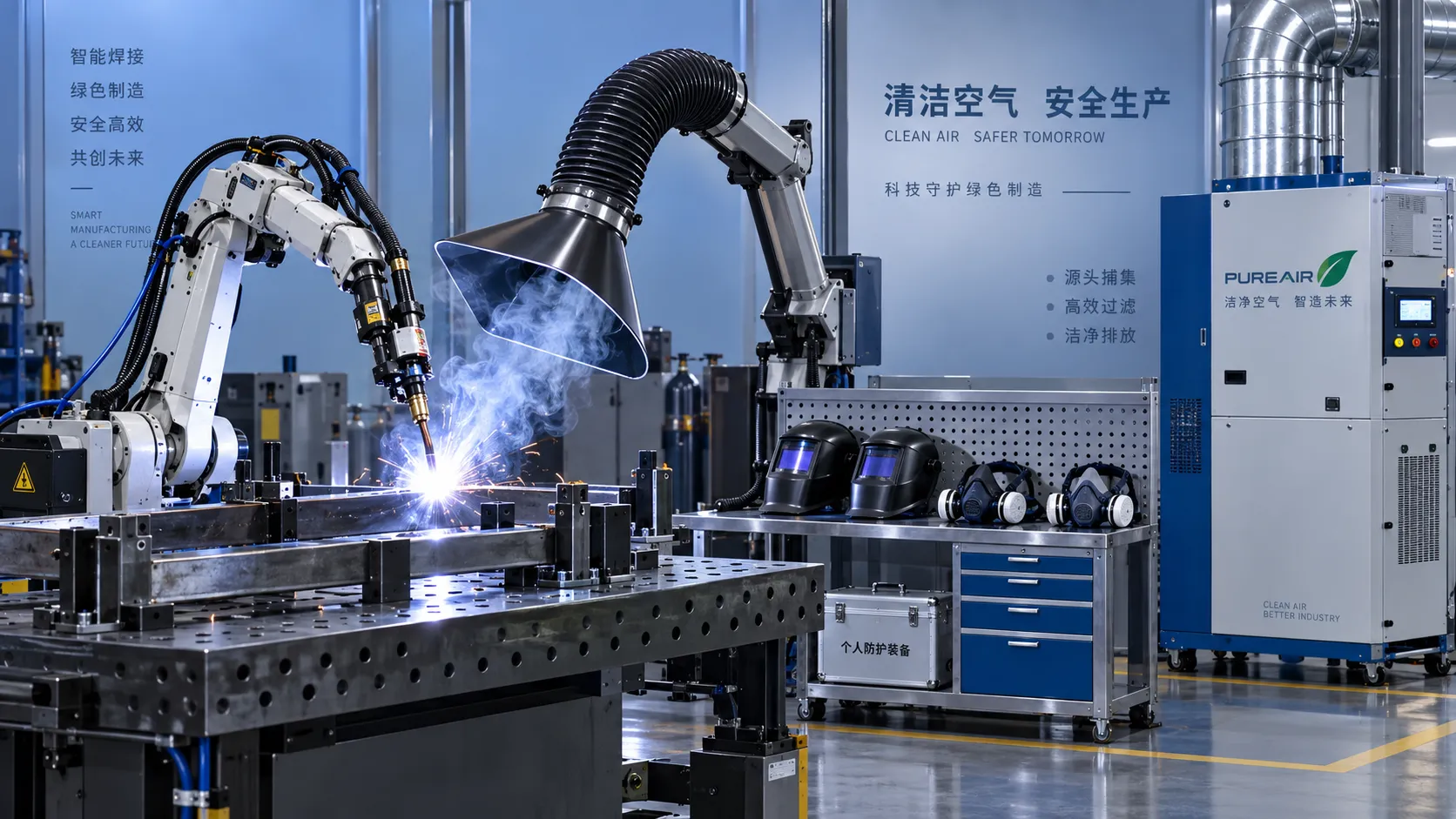
Welding Fume Extraction PPE: When Respirators Are Not Enough for Shop Safety
Welding fume extraction PPE: learn why respirators alone fall short and how source capture, ventilation, and layered controls improve shop safety.
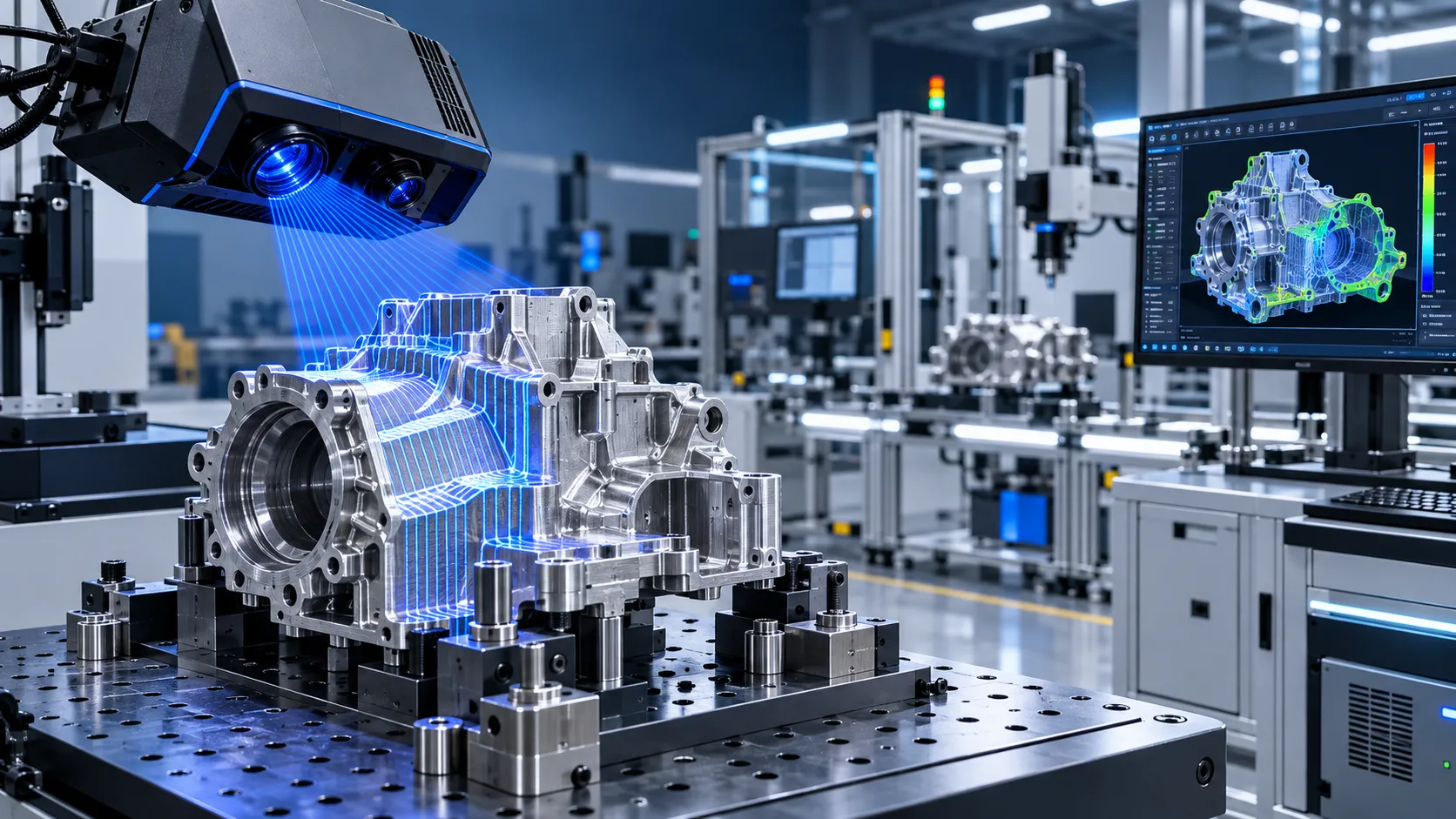
How to Select Optical Metrology Solutions for Tight-Tolerance Manufacturing
Optical industrial metrology solutions for tight-tolerance manufacturing: evaluate accuracy, surface compatibility, workflow, and traceability to select with confidence.
Related News
- 00
0000-00
Selecting Adjustable Torque Tools for Repeatable Fastener Assembly - 00
0000-00
How to Select Aerospace Inspection Tools for Aircraft Maintenance Tasks - 00
0000-00
How to Select Wire Bonding Tools for Fine-Pitch Semiconductor Packaging - 00
0000-00
Industrial Equipment Application Guidance: Match Machines to Operating Conditions - 00
0000-00
Selecting High-Speed Brushless Tool Motors for Torque, Heat, and Duty Cycle
Prof. Marcus Chen
Weekly Insights
Stay ahead with our curated technology reports delivered every Monday.