
What advanced manufacturing gets wrong about scaling





Advanced manufacturing promises speed, precision, and global reach, yet many scaling strategies still fail where execution matters most. For business decision-makers, the real challenge is not adding more automation, but understanding why advanced manufacturing often overlooks supply chain fragility, workforce adaptation, and process consistency. This article explores what advanced manufacturing gets wrong about scaling and how smarter industrial intelligence can turn growth into sustainable advantage.
Many leaders assume scaling advanced manufacturing is mainly a capital problem. In practice, it is a coordination problem across equipment, people, suppliers, standards, and operational visibility.
The companies that scale well do not simply buy more technology. They build repeatability, protect quality under volume pressure, and make decisions with sharper industrial intelligence.
What business leaders are really searching for when they question scaling in advanced manufacturing
When decision-makers search for what advanced manufacturing gets wrong about scaling, they are usually not looking for a theory of automation. They want to know why expensive transformation programs underperform.
They are asking practical questions. Why does output rise while margins shrink? Why do quality escapes increase after automation? Why do delivery risks grow even when plants appear more modern?
The core search intent is strategic diagnosis. Leaders want to identify hidden scaling barriers early enough to protect return on investment, customer confidence, and expansion plans.
That means the most useful discussion is not a broad celebration of Industry 4.0. It is a hard look at the operational assumptions that fail once production volume, product mix, and market complexity increase.
What advanced manufacturing often gets wrong about scaling
The most common mistake is treating scale as a technology multiplier. Many firms believe that if one automated line works, three lines will simply deliver three times the value.
In reality, scaling exposes weak links that were manageable at pilot size. Supplier inconsistency, calibration drift, operator variation, maintenance delays, and data fragmentation suddenly become business-critical constraints.
Advanced manufacturing also tends to overestimate the speed of standardization. A process that looks stable in one facility may behave differently across regions, shifts, customer requirements, or material sources.
Another blind spot is confusing local optimization with enterprise scalability. A cell may achieve excellent cycle time, yet create downstream inspection bottlenecks, rework costs, or planning instability across the plant network.
For executives, the lesson is clear. Scaling is not the act of extending a successful machine setup. It is the act of reproducing commercial performance under more demanding conditions.
Why adding automation alone does not solve the scaling problem
Automation is valuable, but it is often treated as a shortcut to scale. That assumption becomes dangerous when process design, tooling discipline, and measurement systems are still immature.
More automated assets can actually magnify instability. If input quality varies, if torque control is inconsistent, or if welding parameters drift, defects are produced faster and at greater cost.
This is especially relevant in industrial assembly, metal joining, and precision metrology. In these environments, small process deviations can create major warranty exposure, safety risk, or compliance failure.
Executives should therefore ask a tougher question before approving expansion. Are we automating a stable process, or are we accelerating a process that still depends on heroic intervention?
If the answer is the second one, scale will likely increase hidden costs rather than improve competitiveness. Capital spending then becomes a cosmetic response to a systems problem.
Supply chain fragility is still underestimated in advanced manufacturing growth plans
One of the biggest scaling failures in advanced manufacturing is assuming supply chains will mature at the same pace as internal production capability. That rarely happens smoothly.
A factory can install advanced equipment quickly, but supplier quality systems, material traceability, spare parts availability, and export compliance may lag far behind operational ambition.
For sectors dependent on precision tools, welding systems, motors, sensors, metrology devices, and hydraulic components, scaling risks are often concentrated in specialized upstream inputs rather than final assembly.
Even a small disruption matters. A delayed calibration component, a restricted electronics module, or a raw material shift can reduce throughput and destabilize delivery commitments across multiple customers.
Leaders should not view supply chain resilience as a procurement issue alone. It is a scaling architecture issue that determines whether advanced manufacturing can convert capacity into dependable revenue.
Workforce adaptation remains a strategic bottleneck, not an HR footnote
Another major misconception is that advanced manufacturing reduces dependence on people. It changes the type of dependence, but it does not remove it.
As operations become more digital and equipment more sophisticated, the need for process engineers, maintenance specialists, calibration experts, and cross-functional supervisors actually increases in strategic importance.
Scaling fails when companies invest in machines faster than they develop operator judgment, troubleshooting capability, and data literacy. Technology adoption then outpaces organizational absorption.
This gap becomes visible in subtle ways. Setup time rises between product variants. Preventive maintenance slips. Root-cause analysis slows down. Quality incidents take longer to isolate and contain.
For decision-makers, the workforce issue is not simply hiring more people. It is designing a production model that can maintain repeatability even as talent availability, shift experience, and regional practices vary.
Process consistency matters more than peak performance
Many advanced manufacturing programs are sold on best-case efficiency metrics. But scaling success depends less on peak output than on consistency across time, teams, and operating conditions.
A line that achieves exceptional performance during supervised launch conditions may still fail commercially if it cannot sustain tolerance control, first-pass yield, and maintenance discipline over months of volume production.
This is where precision metrology becomes central, not peripheral. Without reliable measurement systems, companies cannot distinguish between real process improvement and temporary statistical noise.
Consistency is also what customers buy, especially in automotive, aerospace, construction, and industrial maintenance ecosystems. They value predictable quality and reliable delivery more than occasional bursts of performance.
The executive implication is straightforward. Reward systems, dashboards, and investment reviews should prioritize repeatability metrics, not just headline throughput numbers.
Why fragmented data weakens scaling decisions
Advanced manufacturing generates more data than ever, yet many scaling decisions are still made with incomplete operational visibility. This creates confidence without clarity.
Machine data, supplier data, quality records, maintenance logs, and commercial forecasts often sit in disconnected systems. As a result, leaders cannot see which constraints are temporary and which are structural.
This fragmentation is especially costly during expansion. One site may report acceptable output while another experiences tool wear, inspection delays, or parameter drift that erodes enterprise-level performance.
Without integrated intelligence, companies tend to react too late. They notice margin compression, customer complaints, or delivery misses only after the scaling strategy is already under pressure.
Smarter industrial intelligence closes this gap. It connects process signals with supply risk, product quality, and market demand so leadership can make decisions before instability turns expensive.
How to evaluate whether your advanced manufacturing model is truly scalable
Executives need a practical evaluation framework. The first test is repeatability. Can the process deliver the same quality and cost performance across shifts, sites, and demand fluctuations?
The second test is dependency exposure. Which parts of performance still rely on scarce expertise, single-source suppliers, manual inspection, or undocumented workarounds?
The third test is quality under stress. What happens when throughput rises, product mix changes, or upstream material characteristics shift? A scalable system should degrade predictably, not collapse unexpectedly.
The fourth test is decision speed. Can leaders identify process drift, supply disruption, or cost inflation early enough to intervene without disrupting customer commitments?
The fifth test is economic resilience. Does scaling improve contribution margin after accounting for maintenance, training, scrap, calibration, spare parts, and compliance overhead?
What a smarter scaling strategy looks like
A smarter strategy starts with process discipline before capacity multiplication. Stabilize the workflow, lock critical parameters, validate measurement systems, and remove hidden dependence on expert improvisation.
Next, build supply resilience into the growth plan. That includes dual-source thinking where possible, visibility into material variability, spare parts planning, and close attention to regulatory or export constraints.
Then invest in workforce readiness as part of capital deployment, not after it. Training, maintenance capability, digital operating standards, and cross-functional escalation routines should scale with equipment complexity.
Leaders should also strengthen intelligence loops. Market shifts, raw material fluctuations, safety adoption trends, and performance limits in motors, torque systems, and joining processes all affect expansion quality.
This is where a portal like GPTWM becomes strategically relevant. High-authority industrial intelligence helps firms connect technical trends with business decisions, reducing blind spots between plant execution and market reality.
Questions executives should ask before approving the next scaling phase
Before funding the next expansion stage, leaders should ask whether process capability has been proven under normal operating variability, not just during supervised pilot conditions.
They should ask whether metrology, joining quality, tool performance, and maintenance readiness are strong enough to protect customer outcomes at higher volume and greater product complexity.
They should also examine whether suppliers can support consistency, not just initial launch. Many scaling failures begin when procurement assumptions prove more optimistic than operational reality.
Finally, they should ask whether success metrics reflect business value. Faster cycle times matter, but customer retention, margin stability, field reliability, and quality confidence matter more.
If these questions cannot be answered with evidence, the organization is not yet scaling advanced manufacturing. It is scaling risk with better branding.
Conclusion: scaling advanced manufacturing requires judgment, not just technology
What advanced manufacturing gets wrong about scaling is not a lack of innovation. It is the belief that innovation alone can overcome weak coordination, fragile supply networks, uneven skills, and inconsistent process control.
For business decision-makers, the path forward is more disciplined. Treat scale as an enterprise capability built on repeatability, measurement, supply resilience, and operational intelligence.
Companies that do this well gain more than output. They protect margins, improve delivery confidence, and create a stronger foundation for global expansion in increasingly demanding industrial markets.
In other words, successful scaling in advanced manufacturing does not come from adding more advanced systems. It comes from understanding the last-mile realities that determine whether growth becomes advantage.
Related News
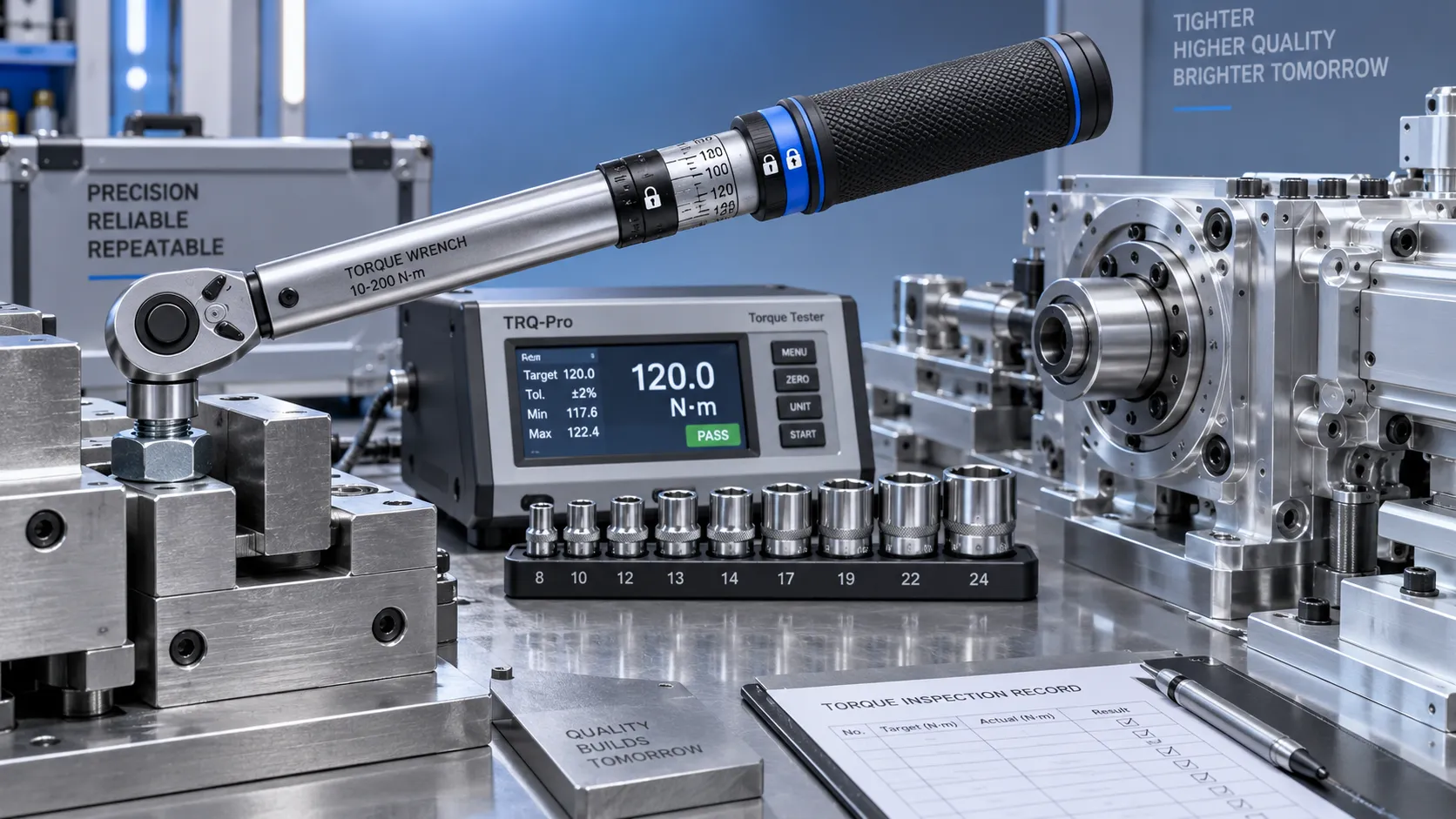
Selecting Adjustable Torque Tools for Repeatable Fastener Assembly
Adjustable torque tools: learn how to match range, accuracy, control methods, calibration, and ergonomics for repeatable, reliable fastener assembly.

How to Select Aerospace Inspection Tools for Aircraft Maintenance Tasks
Aerospace maintenance inspection tools: learn how to select reliable, traceable equipment for aircraft access, accuracy, calibration, and compliant maintenance decisions.

How to Select Wire Bonding Tools for Fine-Pitch Semiconductor Packaging
Explore semiconductor manufacturing tools for wire bonding and learn how to select precision solutions for fine-pitch packaging, reliable loops, accuracy, and yield.
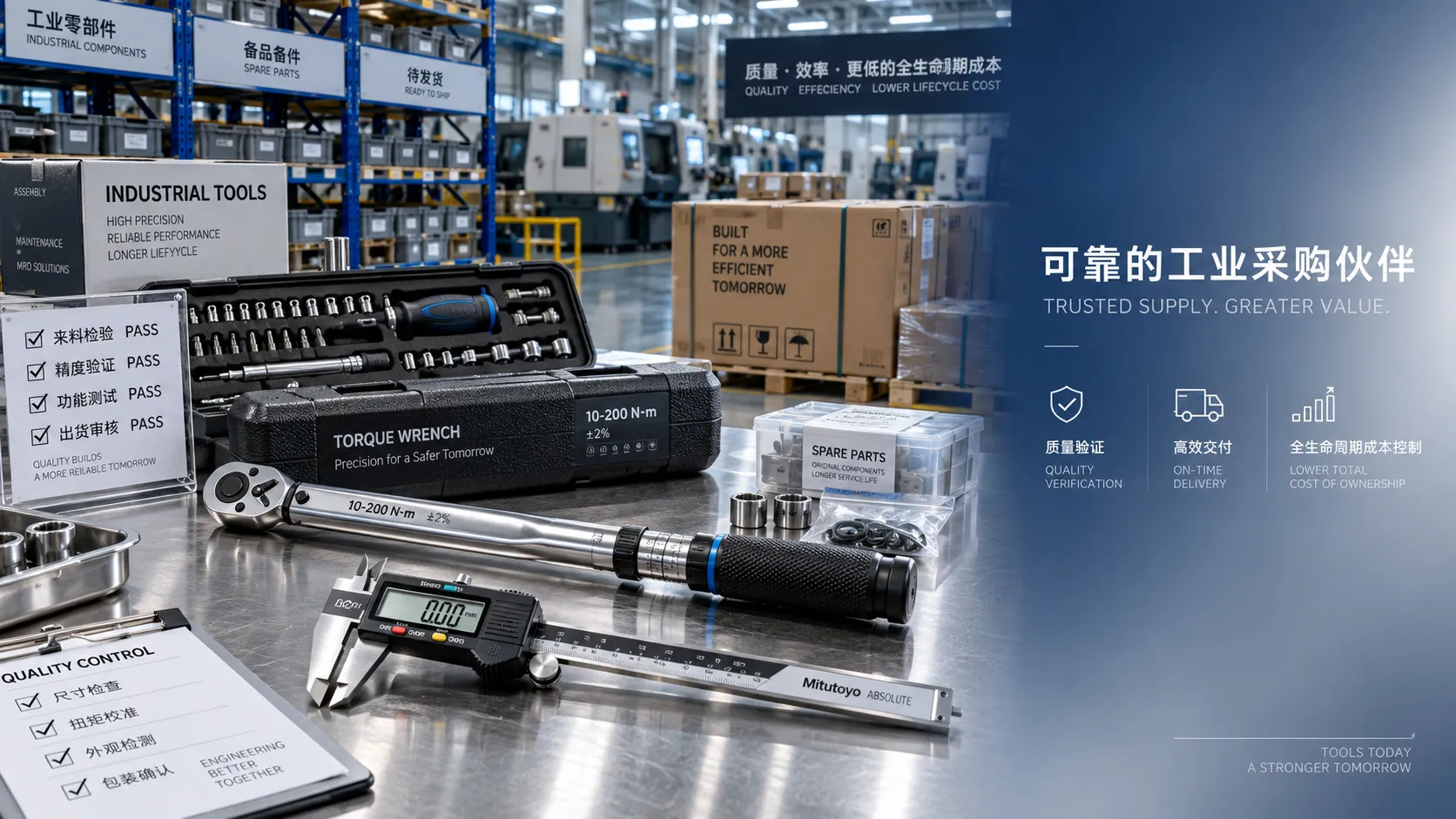
How to Compare Industrial Tool Suppliers for Quality, Lead Time, and Total Cost
Industrial tool selection supplier comparison made simple: evaluate quality, lead times, total cost, service, and supply resilience for confident sourcing decisions.
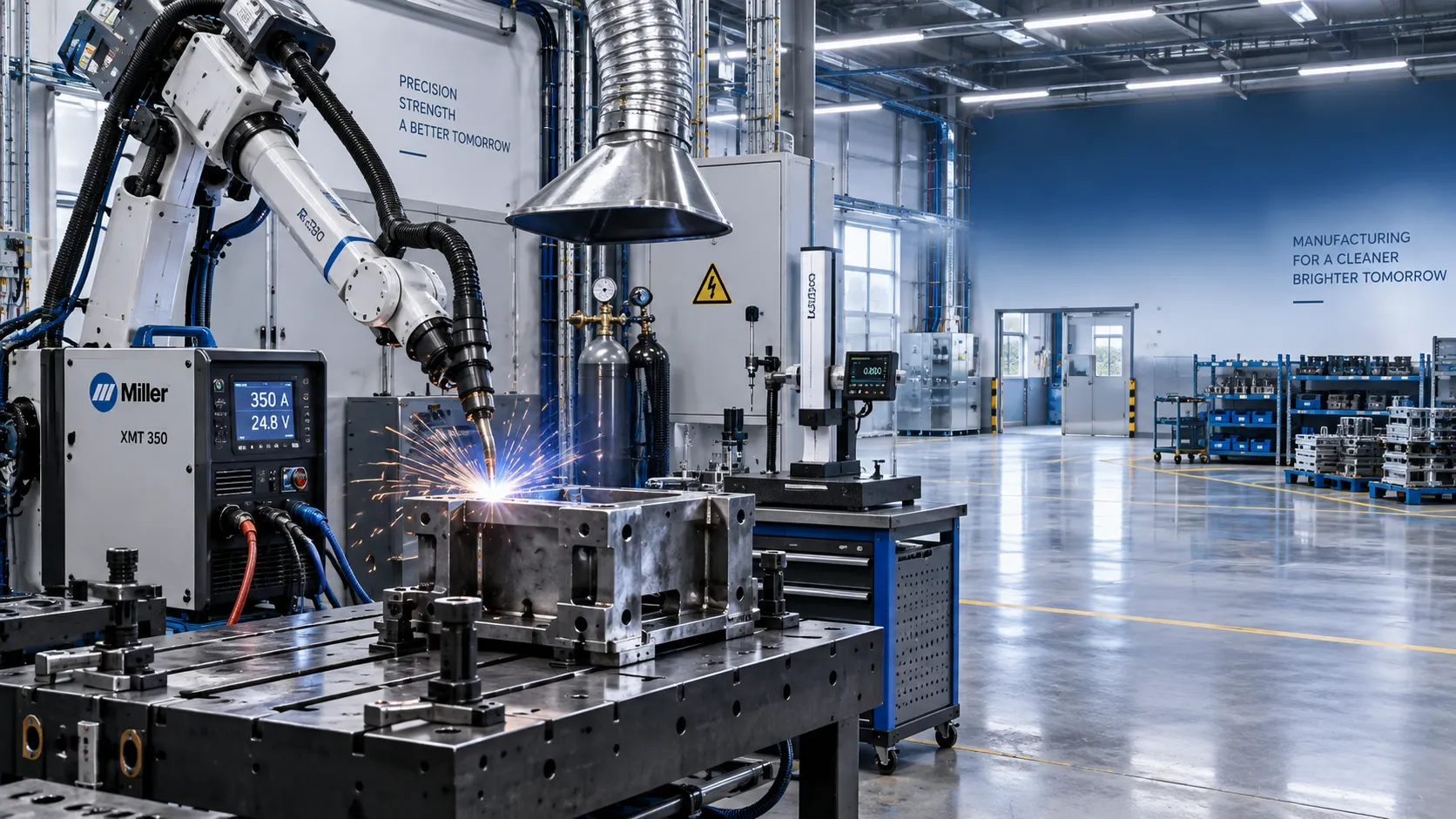
Industrial Equipment Application Guidance: Match Machines to Operating Conditions
Application guidance industrial equipment: match capacity, duty cycle, materials, site conditions, safety, and lifecycle cost to improve reliable output. Read the guide.
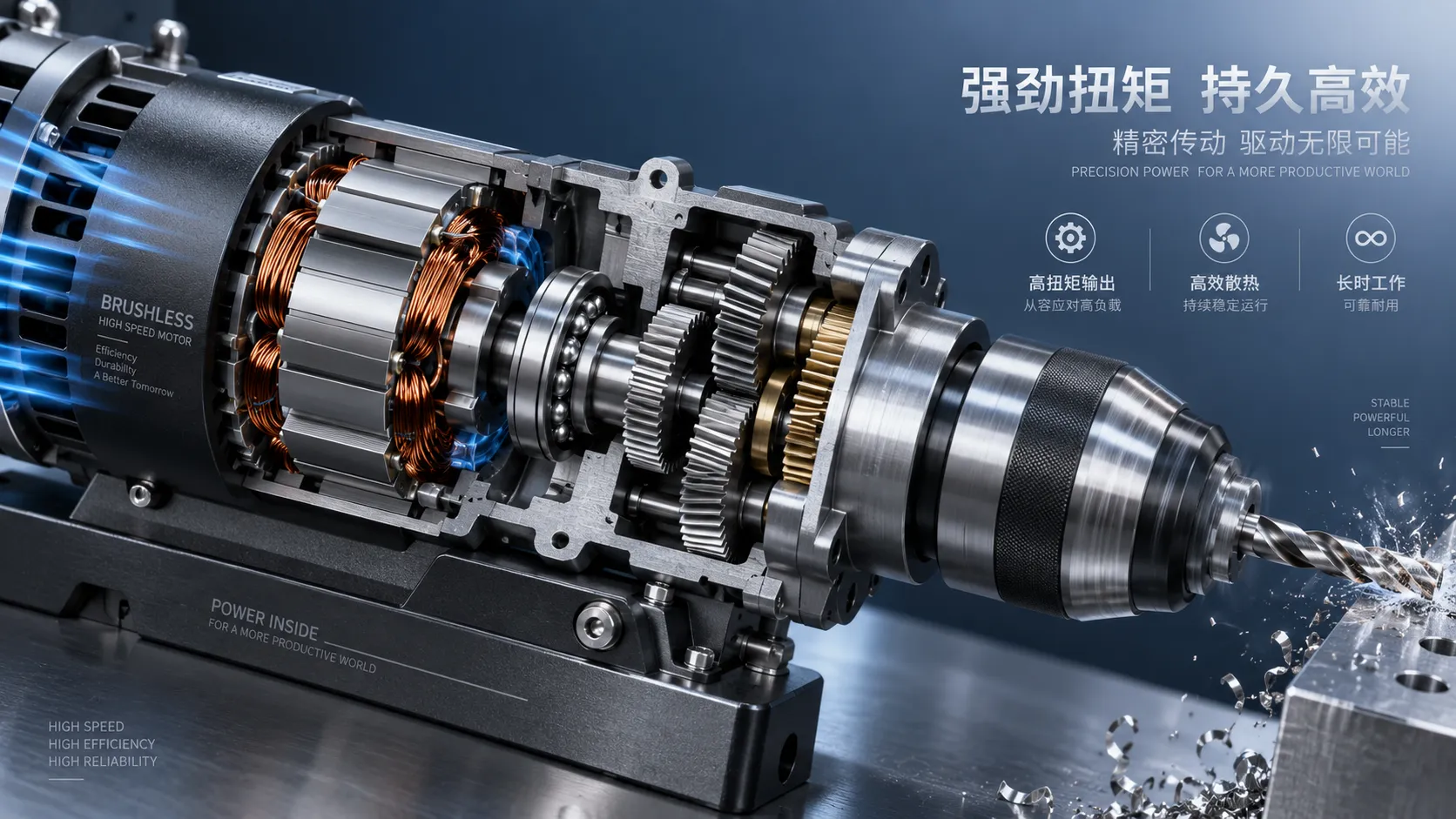
Selecting High-Speed Brushless Tool Motors for Torque, Heat, and Duty Cycle
High speed brushless tool motors: learn how to balance torque, heat, gearing, and duty cycle for reliable industrial tool performance and longer service life.
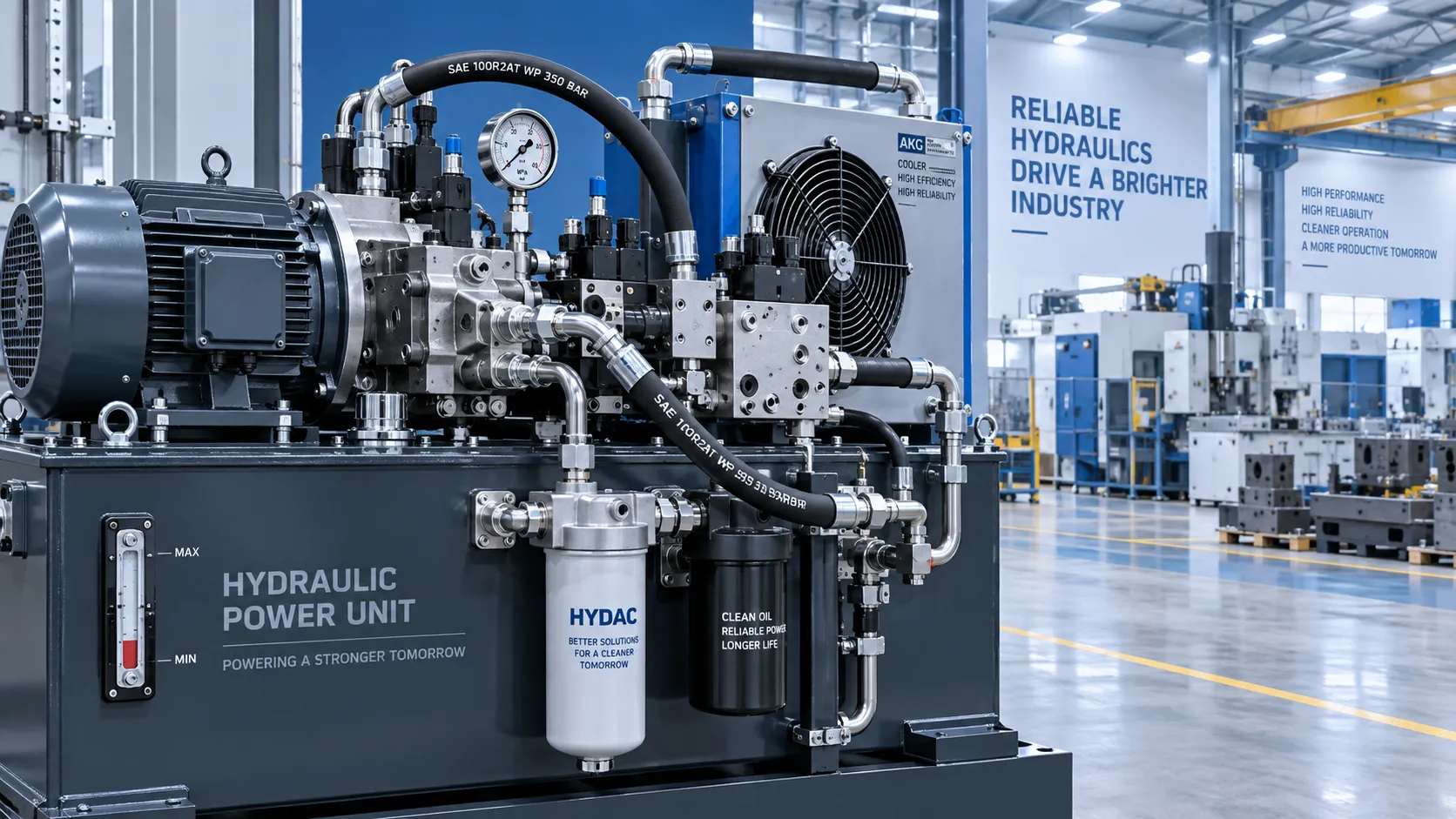
What Determines Industrial Hydraulic System Price for Heavy-Duty Equipment?
Industrial hydraulic system price depends on duty cycle, pressure, components, cooling, and integration. Compare quotes intelligently to secure reliable heavy-duty performance.
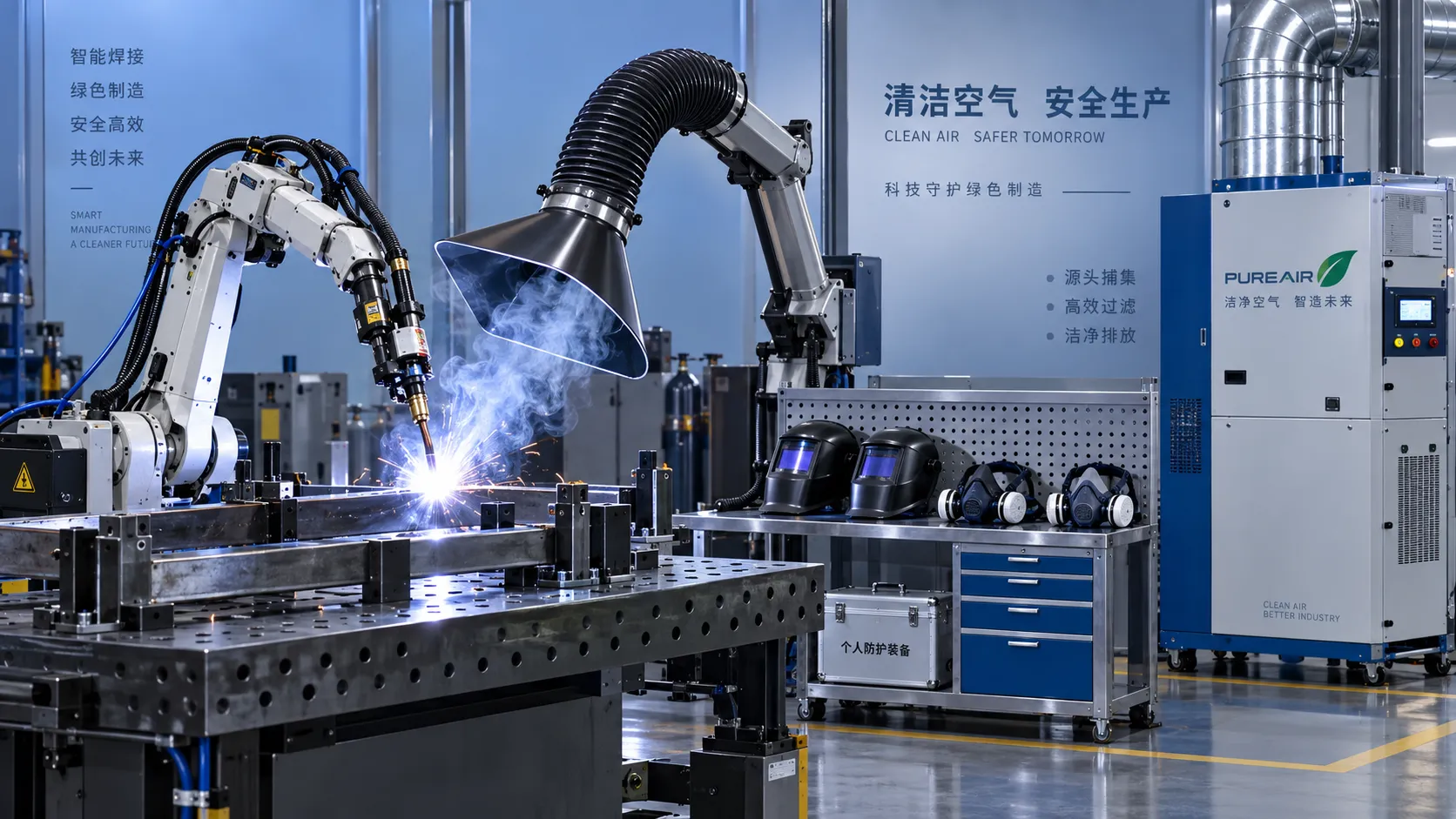
Welding Fume Extraction PPE: When Respirators Are Not Enough for Shop Safety
Welding fume extraction PPE: learn why respirators alone fall short and how source capture, ventilation, and layered controls improve shop safety.
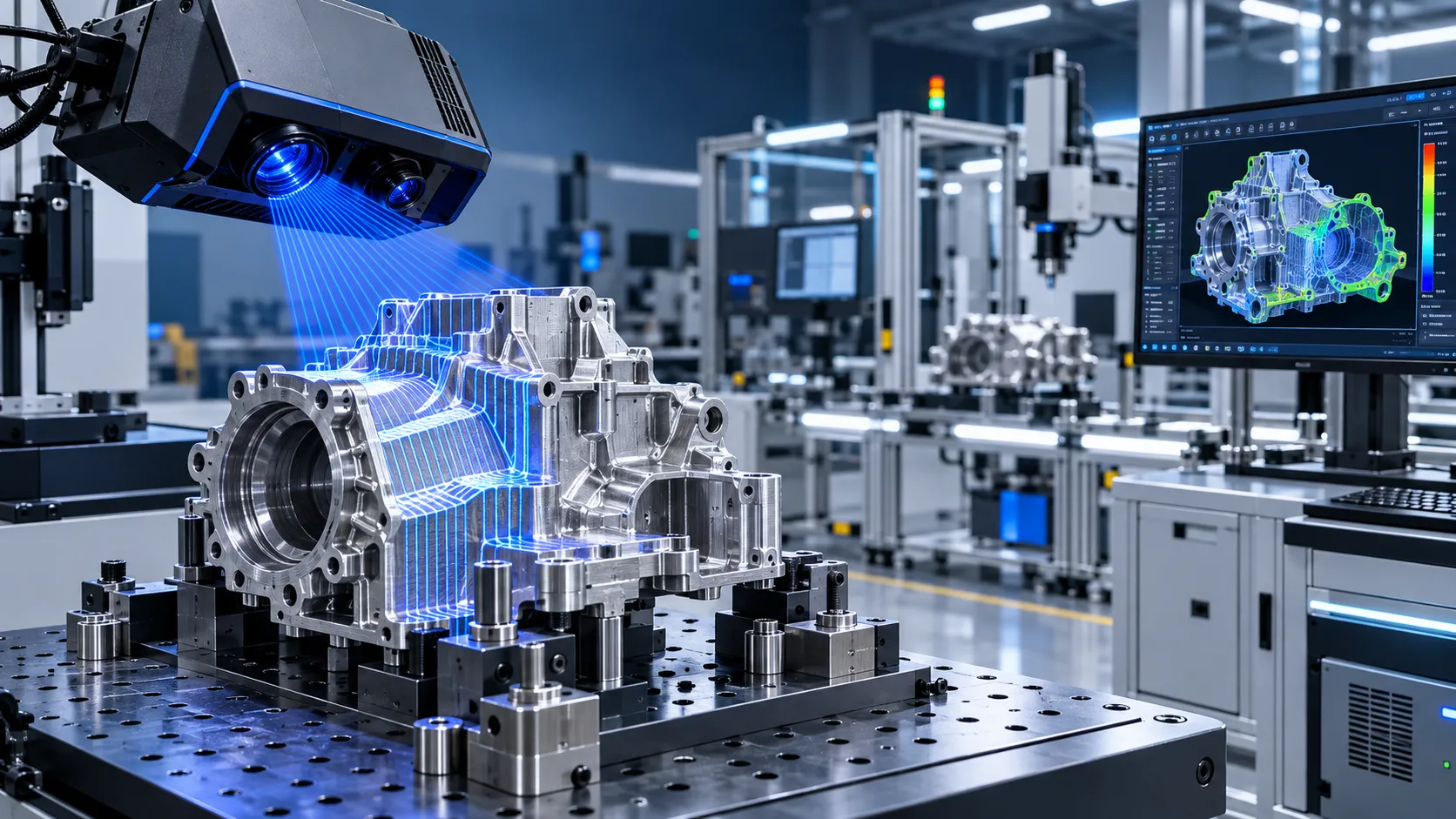
How to Select Optical Metrology Solutions for Tight-Tolerance Manufacturing
Optical industrial metrology solutions for tight-tolerance manufacturing: evaluate accuracy, surface compatibility, workflow, and traceability to select with confidence.
Related News
- 00
0000-00
How Middle East Manufacturers Can Improve Production Efficiency Under Heat and Labor Constraints - 00
0000-00
Why Are Specification-Oriented Articles Gaining Traction in Europe’s B2B Markets? - 00
0000-00
Industrial Solutions in Latin America: Key Growth Sectors and Market Entry Risks - 00
0000-00
What Is Driving Manufacturing Efficiency in Europe’s Industrial Sectors? - 00
0000-00
Industrial Market Trends in 2025: What Buyers Should Watch Across Supply and Demand
Dr. Alistair Vaughn
Weekly Insights
Stay ahead with our curated technology reports delivered every Monday.