
Which Product Specification Support Documents Should Buyers Request?





Buyers should request a document set that proves four things: the product is correctly identified, it can perform in the intended application, it meets the required market or site conditions, and the supplier will stand behind what is delivered. A polished catalogue or a one-page data sheet cannot establish all four.
For industrial tools, welding equipment, hydraulic products, and precision measuring instruments, product specification support documents are part of the purchasing decision itself. They turn a supplier claim into something that can be compared, approved, inspected at receipt, and used later if performance or warranty issues arise.
The right document package varies with the risk of the purchase. A common hand tool bought for general maintenance does not need the same evidence as a handheld laser welder, a torque-controlled assembly tool, or a caliper used for acceptance inspection. The practical goal is not to collect the largest possible file bundle. It is to request the documents that address the failure modes that matter in the planned use.
Start with the documents that define exactly what is being purchased
Every request should begin with a current technical data sheet and a clear product identification record. These may sound basic, but they prevent a frequent sourcing problem: quotations, samples, approvals, and delivered goods refer to similar-looking but materially different versions of a product.
A usable technical data sheet should state the manufacturer, model number, configuration, revision where relevant, core materials, dimensions, operating range, rated capacity, interfaces, accessories, and limitations. For a power tool, this may include power source, duty conditions, motor type, speed or torque range, and compatible consumables. For a measuring instrument, buyers usually need measuring range, resolution, accuracy statement, environmental limits, and data-output capability if it will connect to a quality system.
Ask the supplier to identify optional items separately. A welding power source may be quoted with a torch, wire feeder, cooling unit, remote control, or safety enclosure listed ambiguously. A measuring device may have a base instrument price while its calibration certificate, software, data cable, protective case, or mounting fixture are excluded. A specification is only useful when it describes the supplied configuration rather than the broader product family.
Request evidence of performance, not just stated ratings
Technical specifications describe intended capability. Test reports, inspection records, and calibration documents provide evidence that a particular design or supplied unit can meet relevant requirements. The level of evidence should match the consequence of failure.
The wording inside these documents deserves attention. A test report is useful only if it identifies the product or batch, states what was tested, records the applicable conditions, and shows a result rather than a generic “passed” statement. A calibration certificate should identify the instrument by serial number and state the measured points or applicable accuracy criteria. A certificate that cannot be connected to the specific item received has limited value during an audit or dispute.
For welding equipment, distinguish equipment verification from process qualification. A report showing that a power source operates correctly does not prove that a particular joint, material thickness, shielding gas, wire, and operator method will produce acceptable welds. Where welding quality is critical, request the applicable welding procedure documentation and clarify who owns process validation. This matters especially when the supplier presents a machine as suitable for a broad range of metals or fabrication work.
Compliance documents must match the destination and the use case
Buyers often ask for “all certificates,” then receive a stack of logos and declarations that do not answer the approval question. A better request identifies the destination market, installation location, intended application, and any customer or site rules before documentation is reviewed.
Relevant compliance evidence may include a declaration of conformity, safety documentation, electrical documentation, hazardous-substance information, or product-specific approvals. The correct set depends on what the product is, where it will be supplied, and how it will be used. A bench measuring tool, a battery-powered grinder, and a laser welding system create different documentation needs.
Check the connection between the document and the quoted model. A declaration covering a product series may be acceptable only if the exact configuration falls within its scope. Changes to power input, battery system, control software, enclosure, laser source, or accessories can affect the relevance of a prior document. Treat compliance paperwork as configuration-controlled evidence, not as a reusable marketing attachment.
Safety documentation should also be usable by the people receiving, installing, and operating the equipment. For powered industrial equipment, request the operating manual, safety instructions, maintenance requirements, and emergency or fault guidance in the language needed at the worksite. This is particularly important for equipment that introduces heat, rotating parts, hydraulic pressure, electrical exposure, or laser hazards. A short brochure is not a substitute for an operating manual.
Drawings matter when fit, replacement, or inspection matters
A buyer does not need a detailed engineering drawing for every commodity item. They become essential when a product must fit an existing assembly, connect to a fixture, replace an installed component, meet controlled dimensions, or be manufactured to a custom requirement.
Request a dimensional drawing with tolerances for interfaces that affect compatibility. For custom tooling, ask for an approved drawing that records material, finish, critical dimensions, revision status, and inspection points. The purchase order should reference that approved revision. Otherwise, a supplier may deliver an item that follows an earlier drawing or an interpretation of an email discussion.
For assemblies with electrical, pneumatic, hydraulic, or digital connections, interface information can be more important than overall dimensions. Buyers should confirm connector type, thread or coupling details, pressure or electrical requirements, pinout where applicable, communication protocol, and compatible consumables. Many field problems occur because a product is technically capable but cannot be integrated without adapters, rework, or a different control system.
Do not leave warranty, service, and spare parts outside the specification review
Warranty terms are often treated as commercial fine print, yet they reveal how a supplier defines normal use, misuse, maintenance responsibility, and available remedy. Request the written warranty statement before release of the order. Check its duration, start point, covered components, exclusions, claim procedure, repair location, replacement terms, and whether labor, transport, or consumable parts are included.
For equipment expected to remain in service, ask for a spare-parts list, exploded view where appropriate, recommended preventive-maintenance schedule, and service contact route. This is more valuable than a broad assurance that parts are “available.” A buyer needs to know which components are consumable, which are replaceable, and whether essential service information will be accessible after purchase.
Software-enabled torque tools, smart measuring devices, and connected welding systems need one additional check: documentation for software version, supported data formats, access permissions, update method, and data retention. Connectivity may improve traceability, but it can also create operational dependence on a supplier platform. Confirm how the tool functions when a network is unavailable and whether historical process data can be exported in a usable format.
Use a risk-based request list instead of one universal checklist
A practical purchasing workflow separates documents into three levels. This keeps routine orders efficient while applying stronger control to high-consequence equipment.
- Baseline for standard products: technical data sheet, exact model and configuration, operating manual where relevant, warranty terms, and country-of-origin or commercial documents needed for the transaction.
- Additional control for performance-sensitive products: inspection or functional test report, calibration evidence where measurement is involved, compatibility drawings, maintenance information, and relevant compliance declarations.
- Enhanced review for safety-critical, custom, or process-critical purchases: approved drawings, serial or batch traceability, application-specific test evidence, training requirements, spare-parts commitment, acceptance criteria, and a documented change-control process.
The third level is appropriate when product failure could stop production, create a safety exposure, invalidate inspection results, or lead to costly rework. It is also appropriate for first orders from a new supplier, even when the item itself appears familiar. Supplier capability and document discipline are often visible in the quality and consistency of the information provided.
Compare suppliers by document quality as well as product price
When two offers appear technically similar, compare how each supplier supports its claims. The strongest choice is not automatically the supplier with the most attachments. It is the one whose documents are current, product-specific, internally consistent, and easy to trace to the quotation and delivered item.
Look for mismatches: a quotation model that differs from the data sheet, an operating range that changes between documents, a certificate without a model reference, a drawing with no revision date, or a warranty that excludes the use case described during sales discussions. These inconsistencies do not always mean the product is unsuitable, but they should be resolved before approval rather than after installation.
For cross-border industrial sourcing, document quality also affects downstream work. Distributors may need technical content for sales teams, manuals for end users, declarations for customers, and reliable product data for catalogues. Resources such as the Global Precision Tools & Welding Matrix can help purchasers track changes in industrial tool technologies, welding safety expectations, and precision-metrology demand, but supplier-specific evidence should remain the basis for product approval.
Set acceptance criteria before the purchase order is issued
The most useful documents are those linked to a decision. Before placing the order, record which specifications are mandatory, which documents must be submitted, who approves them, and what happens if the delivered product differs from the approved configuration. Attach critical drawings, required certificates, and acceptance conditions to the purchase order or its referenced specification package.
This step prevents a common mistake: discovering at goods receipt that the instrument has no calibration evidence, the equipment uses the wrong plug or connector, the supplied accessories differ from the quotation, or the product revision is incompatible with existing tooling. Receipt inspection should verify identifiers, configuration, visible condition, required documents, and any agreed functional checks against the approved package.
The most effective document request is therefore concise but specific. Ask for evidence that answers the real purchasing risks: identity, suitability, compliance, verification, integration, and lifecycle support. When those points are documented before release, buyers can compare offers on more than price and make a defensible decision that remains useful long after the product arrives.
Related News
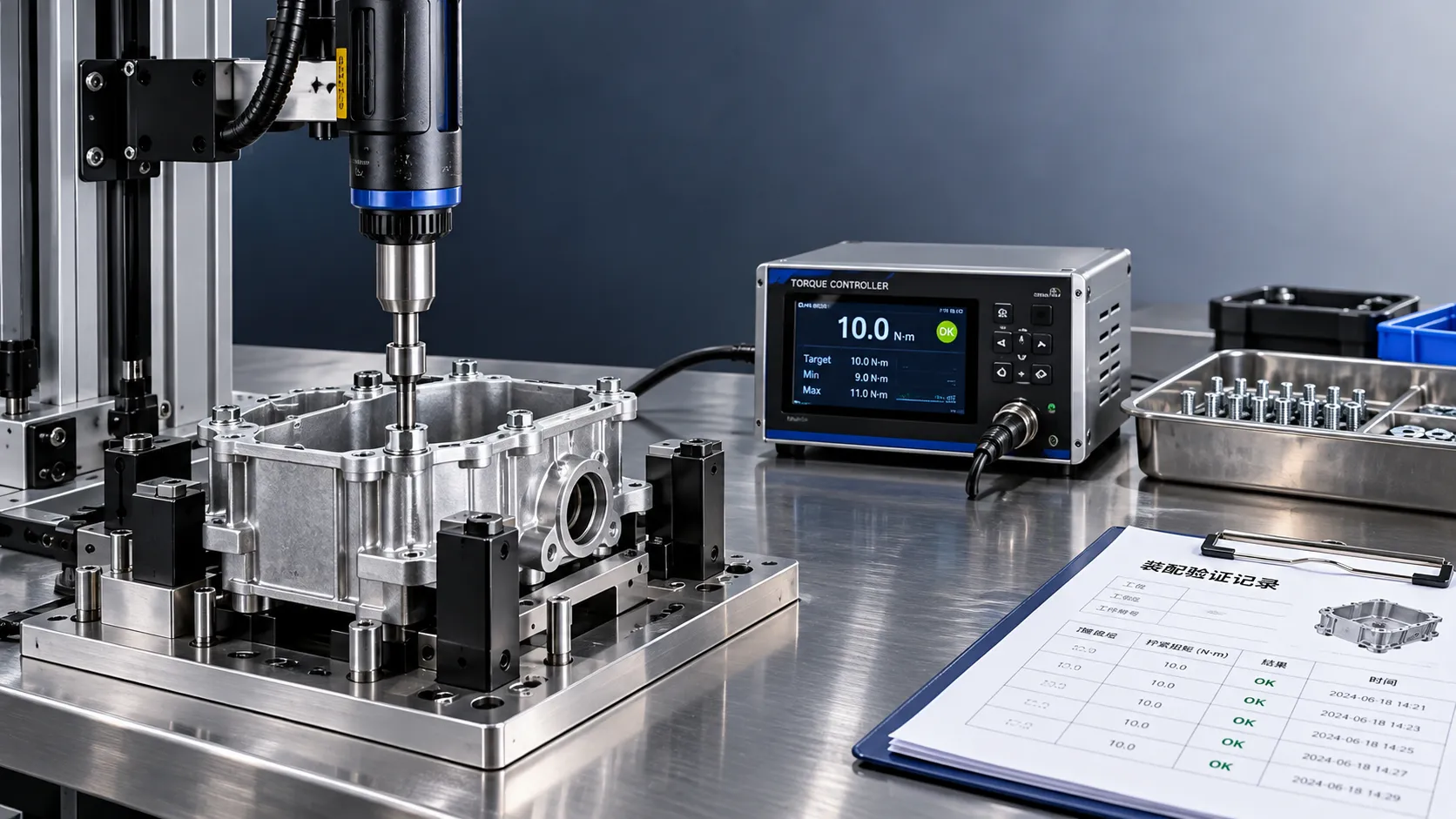
Torque System Suppliers: How to Assess References for Assembly Projects
Explore supplier and solution references torque systems buyers should verify. Assess assembly fit, traceability, and support to reduce risk and choose with confidence.

Equipment Application Guidance for the Middle East: Managing Heat and Dust
Explore application guidance Middle East teams can use to manage heat and dust, protect welding equipment, batteries and precision tools, and reduce downtime. Get practical tips.
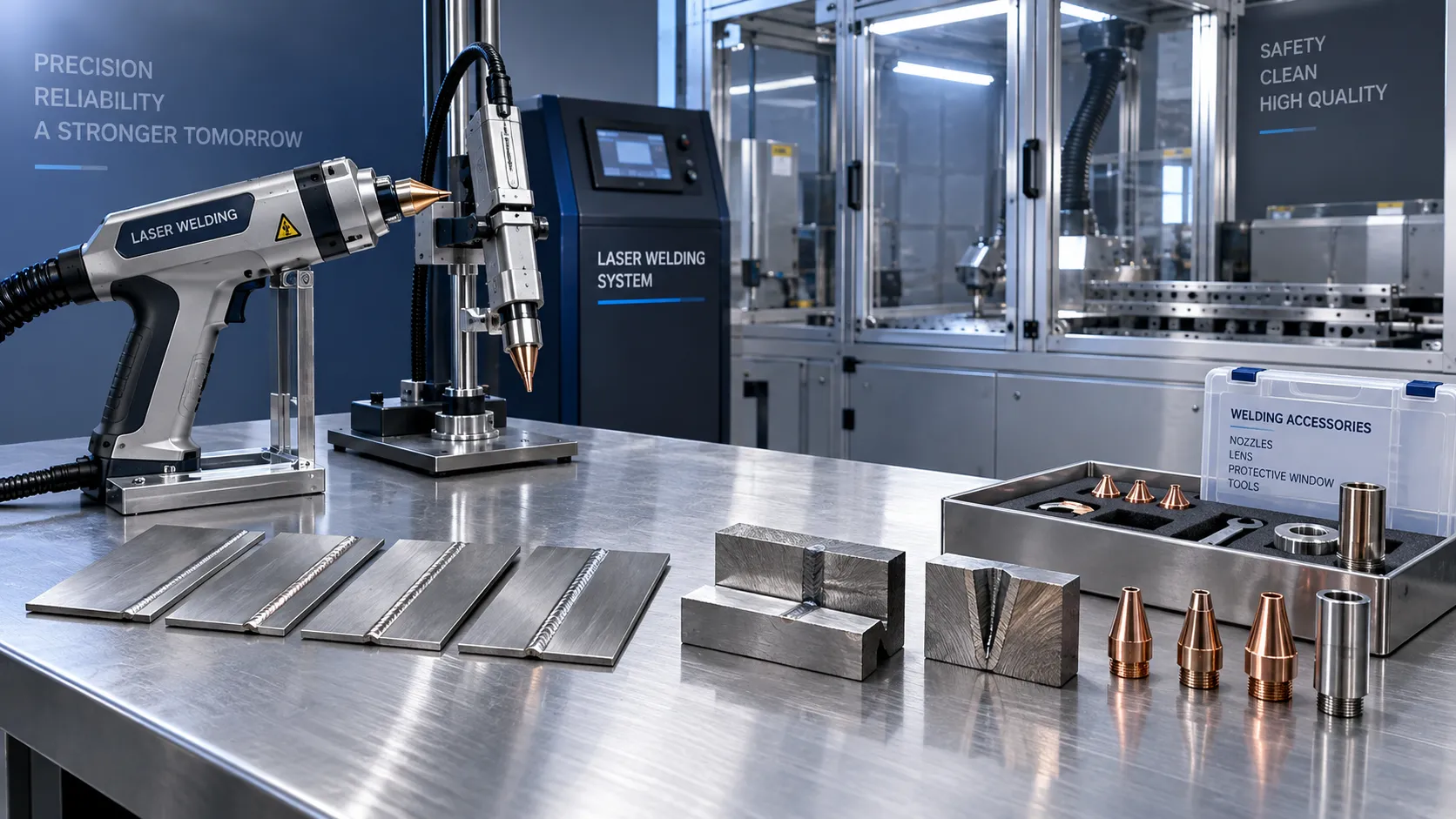
Choosing a Handheld Laser Welding Supplier: Weld Trials, Training, and Service
Choose a handheld laser welding supplier with proven weld trials, safety training, and reliable service. Learn what to verify before buying to reduce downtime and protect your investment.

Choosing an Industrial IoT Platform: Key Criteria for Legacy Equipment
Choose an industrial IoT platform for legacy equipment with confidence. Discover key checks for connectivity, data integrity, security, and lifecycle costs before investing.

In-House vs. Outsourced Aircraft Maintenance: Comparing Total Costs
Compare aerospace maintenance cost for in-house vs. outsourced aircraft upkeep. Discover hidden expenses, downtime impacts, and break-even factors to find the best fit for your fleet.

How to Select High-Precision Measuring Instruments for Tight-Tolerance Production?
High-precision measuring instruments are essential for tight-tolerance production. Learn how to evaluate accuracy, repeatability, environment, calibration, and data integration.

How Industrial Innovation Supplier Networks Reduce Sourcing Risk for Manufacturers
industrial innovation supplier network insights help manufacturers reduce sourcing risk, control lifecycle costs, and choose reliable tools, services, and suppliers with confidence.
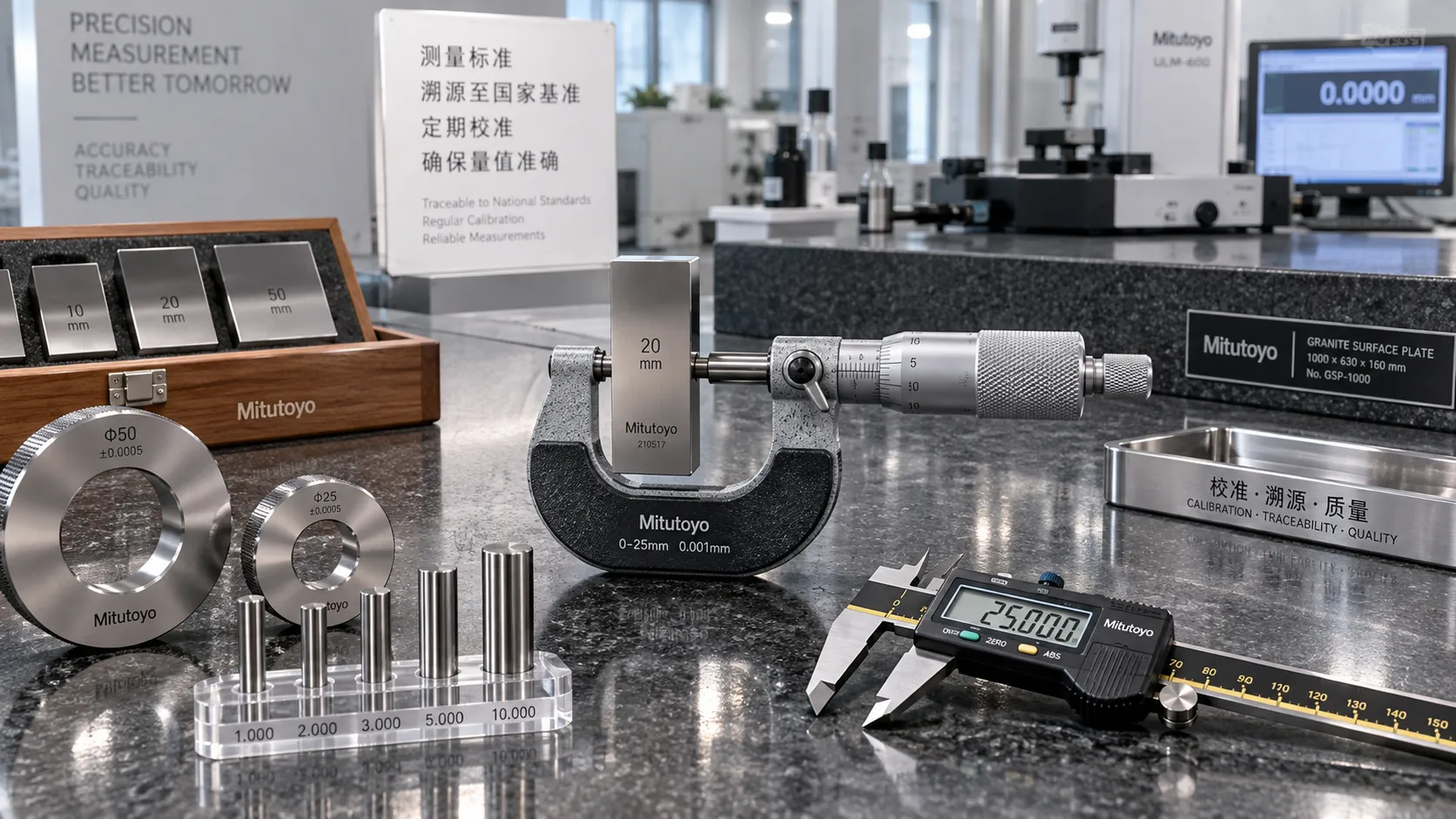
How Often Should Precision Measuring Instruments Be Calibrated?
How often should precision measuring instruments be calibrated? Learn how usage, tolerance, environment, and risk determine a reliable calibration schedule.
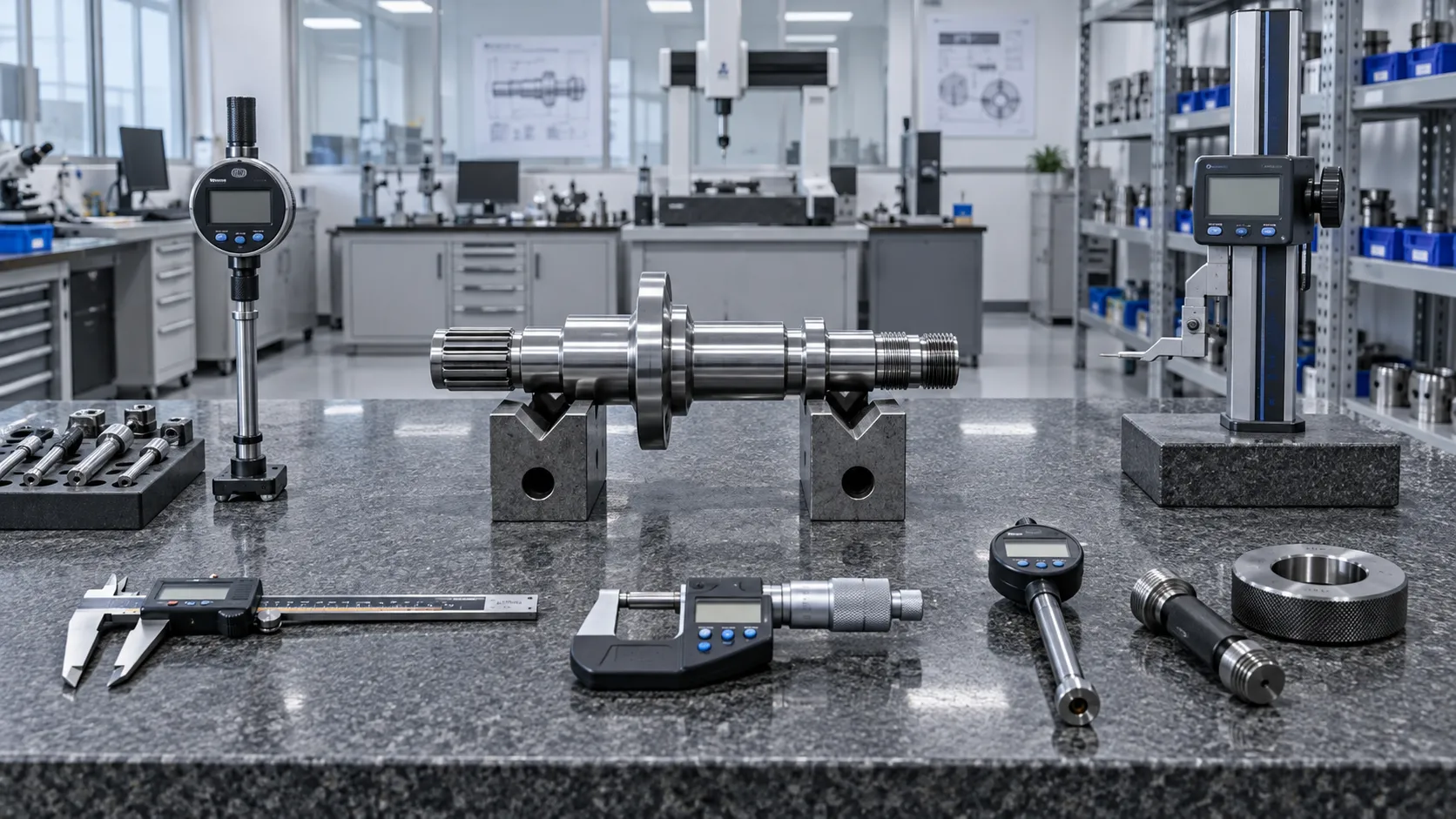
Which Precision Measuring Tools Are Best for Incoming Inspection?
Which precision measuring tools are best for incoming inspection? Explore calipers, micrometers, gauges, CMMs, and smarter strategies to prevent costly defects.
Related News
- 00
0000-00
Torque System Suppliers: How to Assess References for Assembly Projects - 00
0000-00
Choosing a Handheld Laser Welding Supplier: Weld Trials, Training, and Service - 00
0000-00
In-House vs. Outsourced Aircraft Maintenance: Comparing Total Costs - 00
0000-00
How to Compare Industrial Tool Suppliers for Quality, Lead Time, and Total Cost - 00
0000-00
How to Evaluate a Technology Integration Service Provider for Complex Projects
Dr. Alistair Vaughn
Weekly Insights
Stay ahead with our curated technology reports delivered every Monday.