
Industrial Value Chain Explained: How Costs, Lead Times, and Suppliers Affect Margin





Why does the industrial value chain decide margin before sales even begin?
In most industrial markets, profit is not created at the final invoice stage. It is shaped much earlier, inside sourcing, production planning, compliance, and delivery reliability.
That is why the industrial value chain matters so much. A small shift in raw material pricing, supplier discipline, or shipment timing can quietly compress margin long before demand weakens.
This is especially visible in assembly, welding, metrology, and tool-related sectors, where precision, safety, and repeatability influence both cost and customer trust.
A useful way to read the industrial value chain is to follow value link by link. Start with inputs, move through conversion efficiency, then review quality stability, fulfillment speed, and after-sales implications.
GPTWM often frames this as the “last mile” of manufacturing intelligence. That perspective is practical, because many hidden margin leaks appear where tools, tolerances, operators, and delivery commitments meet.
So the key question is not only whether a business can sell. It is whether its industrial value chain can protect contribution margin under pressure.
What should be included when people talk about the industrial value chain?
The term sounds broad, but in practice it is very concrete. It covers every linked activity that turns industrial inputs into delivered value.
For a general industrial business, the industrial value chain usually includes material sourcing, supplier qualification, inbound logistics, production flow, inspection, packaging, shipping, and service support.
In higher-precision categories, another layer matters. Calibration routines, welding consistency, ergonomic tool performance, and export standard compliance can all influence commercial outcomes.
More common misunderstandings come from viewing only factory conversion cost. That misses the fact that delays, scrap, warranty exposure, and compliance gaps also sit inside the industrial value chain.
A simple reading model helps:
- Input value: metals, components, energy, labor, and regulatory overhead.
- Process value: throughput, quality control, tool efficiency, and rework rates.
- Market value: lead-time reliability, serviceability, and brand confidence.
When those links stay aligned, margin is more resilient. When one link weakens, the whole industrial value chain becomes more expensive than it first appears.
How do costs, lead times, and suppliers interact in the real world?
They rarely move independently. In the industrial value chain, cost, time, and supplier capability usually reinforce one another, for better or worse.
Take material volatility first. If alloy prices rise, unit cost goes up immediately. But the bigger issue may be delayed replenishment, rushed substitutions, or lower lot consistency.
Lead time works the same way. A long lead time is not just a scheduling inconvenience. It increases inventory exposure, planning uncertainty, expediting risk, and missed delivery penalties.
Supplier reliability then becomes the stabilizer. A capable supplier may not always be the cheapest, but often lowers total landed cost by reducing disruption across the industrial value chain.
In sectors followed closely by GPTWM, this pattern appears often. Precision measuring instruments, welding systems, hydraulic equipment, and brushless power tool components all depend on repeatable supply and strict tolerances.
The table below helps separate surface signals from more meaningful indicators.
In other words, margin pressure usually starts as an operational signal. The industrial value chain translates that signal into financial performance.
Which parts of the chain usually hide the biggest risk?
The highest risks are often not the most visible ones. A stable purchase price can hide an unstable process.
One common blind spot is overreliance on a single qualified supplier. This can look efficient until export restrictions, certification issues, or labor disruptions reduce supply flexibility.
Another risk sits in technical mismatch. A lower-cost component may pass incoming inspection, yet still reduce cycle life, measurement repeatability, or welding consistency in final use.
That matters in industrial categories where performance is linked to safety and precision. Handheld laser welding protection, torque control systems, and calibrated inspection tools all carry downstream consequences.
More subtle risk comes from fragmented information. If market intelligence, engineering feedback, and commercial forecasts are disconnected, the industrial value chain responds too slowly.
This is where GPTWM’s intelligence model becomes relevant in a non-promotional sense. Cross-reading raw material signals, standards updates, and application trends helps reveal whether today’s margin is structurally durable.
- Watch rework rates, not just purchase price.
- Check on-time-in-full data, not supplier promises.
- Review compliance exposure before entering new export markets.
- Compare total cost of reliability against nominal unit savings.
How can value chain strength be judged without overcomplicating the analysis?
A practical review does not need dozens of metrics. It needs the right few, observed consistently across the industrial value chain.
Start with margin quality rather than headline margin. Ask whether current profitability depends on temporary pricing, delayed maintenance, or favorable inventory timing.
Then test resilience. If lead time extends by two weeks, or one supplier fails, does output continue with acceptable cost and quality?
A concise checklist is often enough:
- Supplier depth: one source, two sources, or regionally diversified supply.
- Input exposure: fixed contracts versus volatile spot dependence.
- Lead-time quality: predictable cadence versus recurring surprises.
- Process discipline: scrap, calibration drift, downtime, and rework frequency.
- Commercial pass-through: ability to adjust pricing when costs move.
If several of these are weak, the industrial value chain may look profitable on paper but remain fragile in execution.
A stronger business usually shows alignment between engineering choices, supplier capability, market timing, and operational data. That alignment is hard to fake over time.
What often gets misunderstood when comparing low-cost and high-control models?
The usual mistake is assuming that lower purchase cost automatically means a better industrial value chain. It often means only that one visible line item is cheaper.
A high-control model may carry higher direct cost, yet produce tighter forecasting, lower defect risk, smoother certification, and fewer emergency shipments.
That trade-off becomes sharper in industries tied to aerospace maintenance, automotive service equipment, construction tooling, and precision inspection. In these segments, inconsistency can be more expensive than a higher invoice price.
It helps to compare operating logic, not just unit economics:
- Low-cost models favor immediate savings but often need more buffers.
- High-control models favor predictability and protect service levels.
- The better choice depends on tolerance sensitivity and delivery commitments.
So the right question is not, “Which option is cheaper?” It is, “Which industrial value chain delivers dependable margin under normal and stressed conditions?”
What is the smartest next step after understanding the industrial value chain?
The best next move is to turn the concept into a review framework. Keep it focused on cost behavior, supplier reliability, lead-time variance, and quality repeatability.
In practical terms, map where margin is earned, where it leaks, and which disruptions create the largest financial swing. That makes the industrial value chain easier to judge objectively.
It also helps to monitor external signals with internal performance data. Intelligence on raw materials, export standards, welding safety, tool technology, and metrology demand can sharpen that view.
That is why platforms such as GPTWM are useful as reference points. They connect technical developments and commercial signals, which is exactly where many industrial value chain decisions become clearer.
A disciplined review usually starts with four actions:
- List the cost drivers that move margin most quickly.
- Rank suppliers by reliability, not only by quote level.
- Measure lead-time variability across critical categories.
- Test whether quality and compliance hold under substitution scenarios.
Once those basics are clear, the industrial value chain stops being an abstract term. It becomes a practical lens for judging resilience, efficiency, and sustainable margin.
Related News
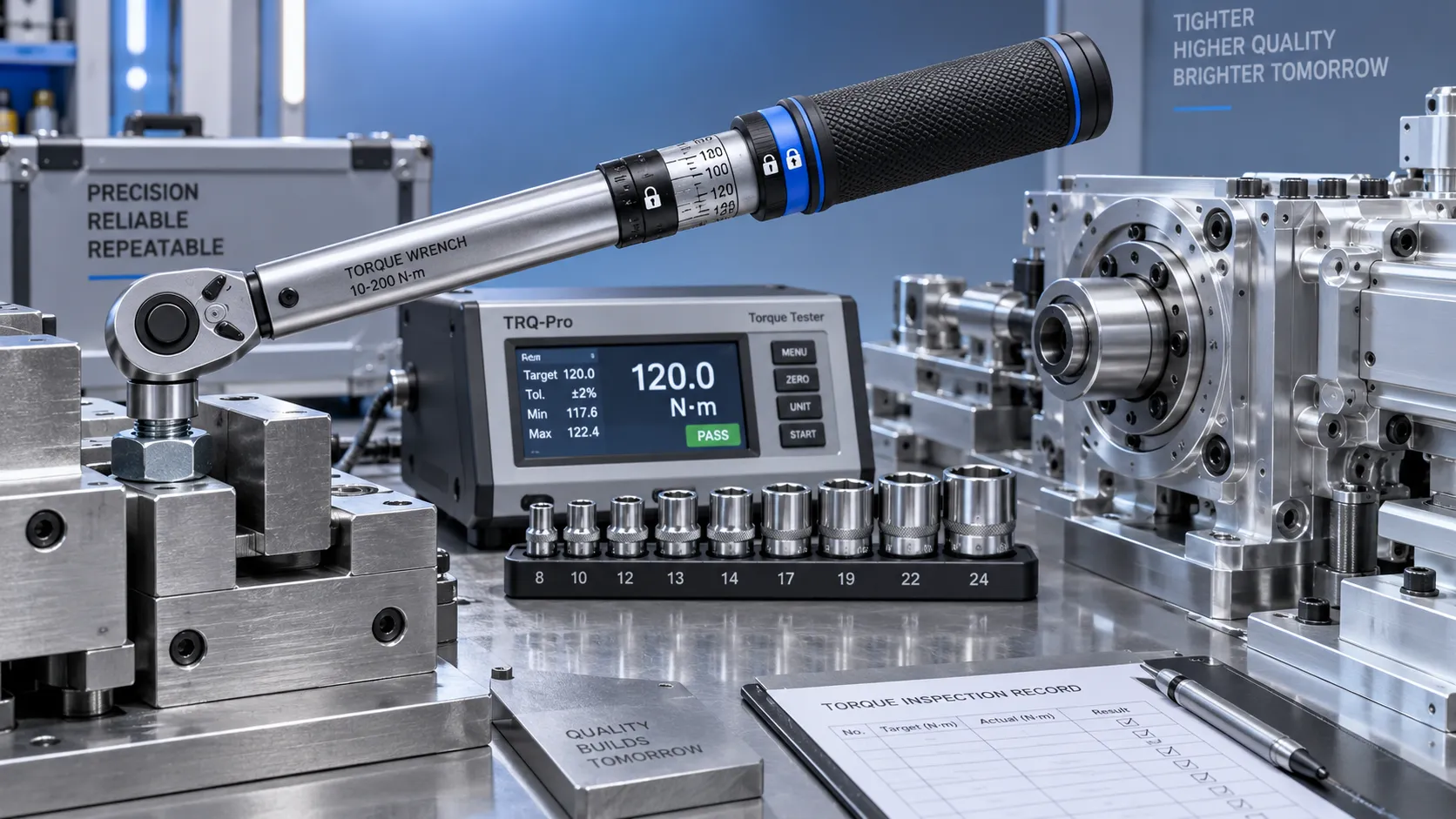
Selecting Adjustable Torque Tools for Repeatable Fastener Assembly
Adjustable torque tools: learn how to match range, accuracy, control methods, calibration, and ergonomics for repeatable, reliable fastener assembly.

How to Select Aerospace Inspection Tools for Aircraft Maintenance Tasks
Aerospace maintenance inspection tools: learn how to select reliable, traceable equipment for aircraft access, accuracy, calibration, and compliant maintenance decisions.

How to Select Wire Bonding Tools for Fine-Pitch Semiconductor Packaging
Explore semiconductor manufacturing tools for wire bonding and learn how to select precision solutions for fine-pitch packaging, reliable loops, accuracy, and yield.
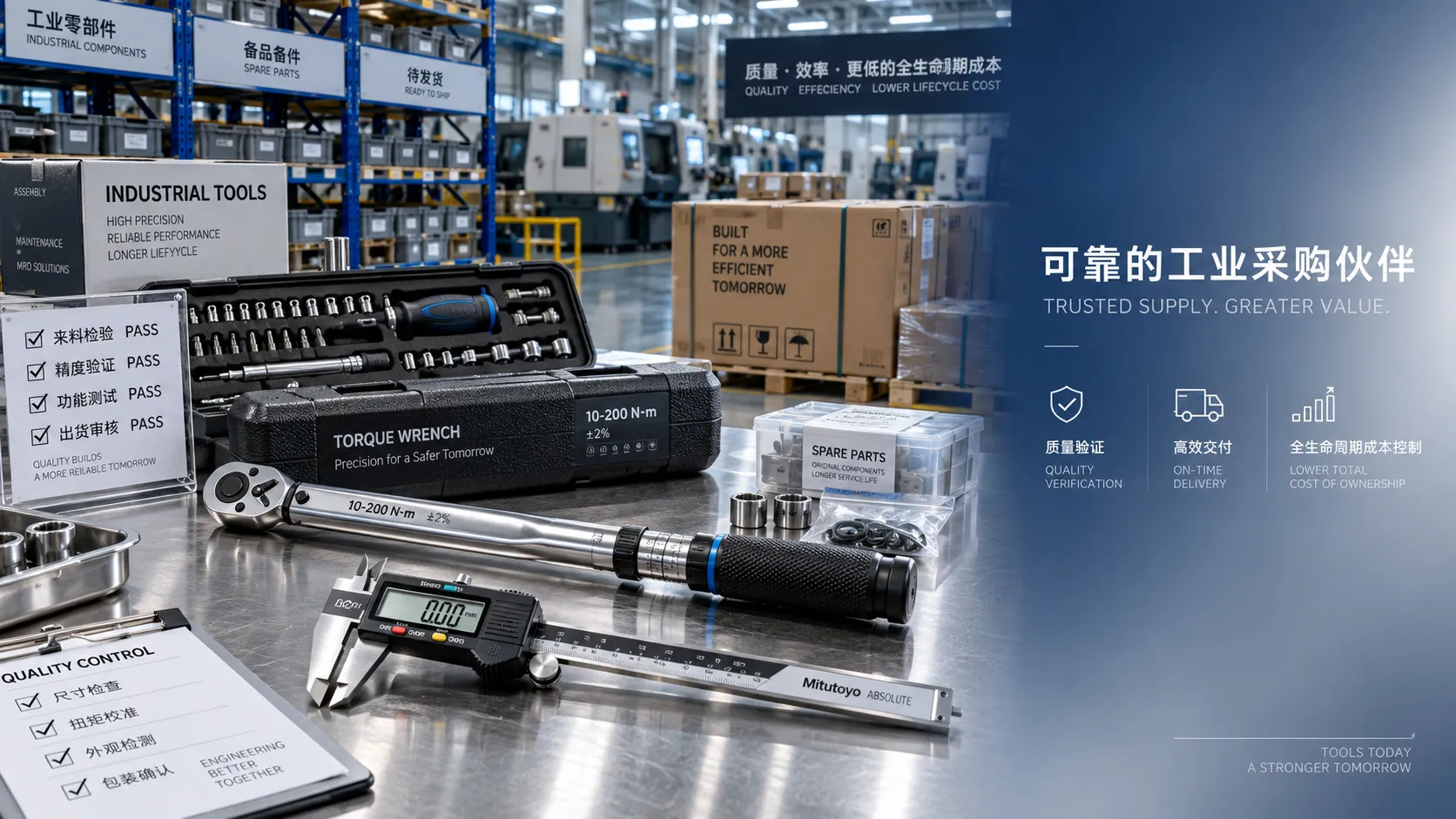
How to Compare Industrial Tool Suppliers for Quality, Lead Time, and Total Cost
Industrial tool selection supplier comparison made simple: evaluate quality, lead times, total cost, service, and supply resilience for confident sourcing decisions.
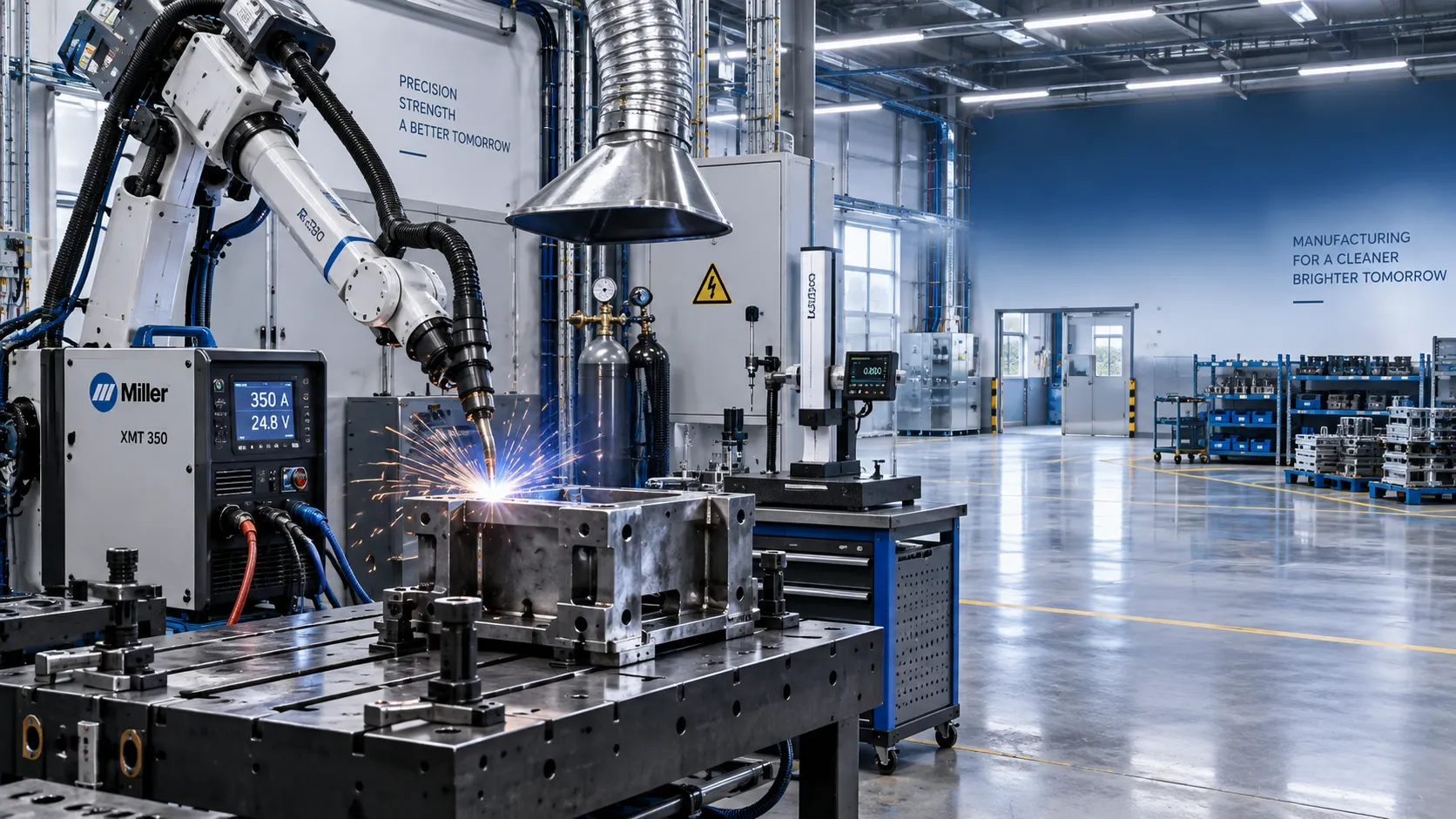
Industrial Equipment Application Guidance: Match Machines to Operating Conditions
Application guidance industrial equipment: match capacity, duty cycle, materials, site conditions, safety, and lifecycle cost to improve reliable output. Read the guide.
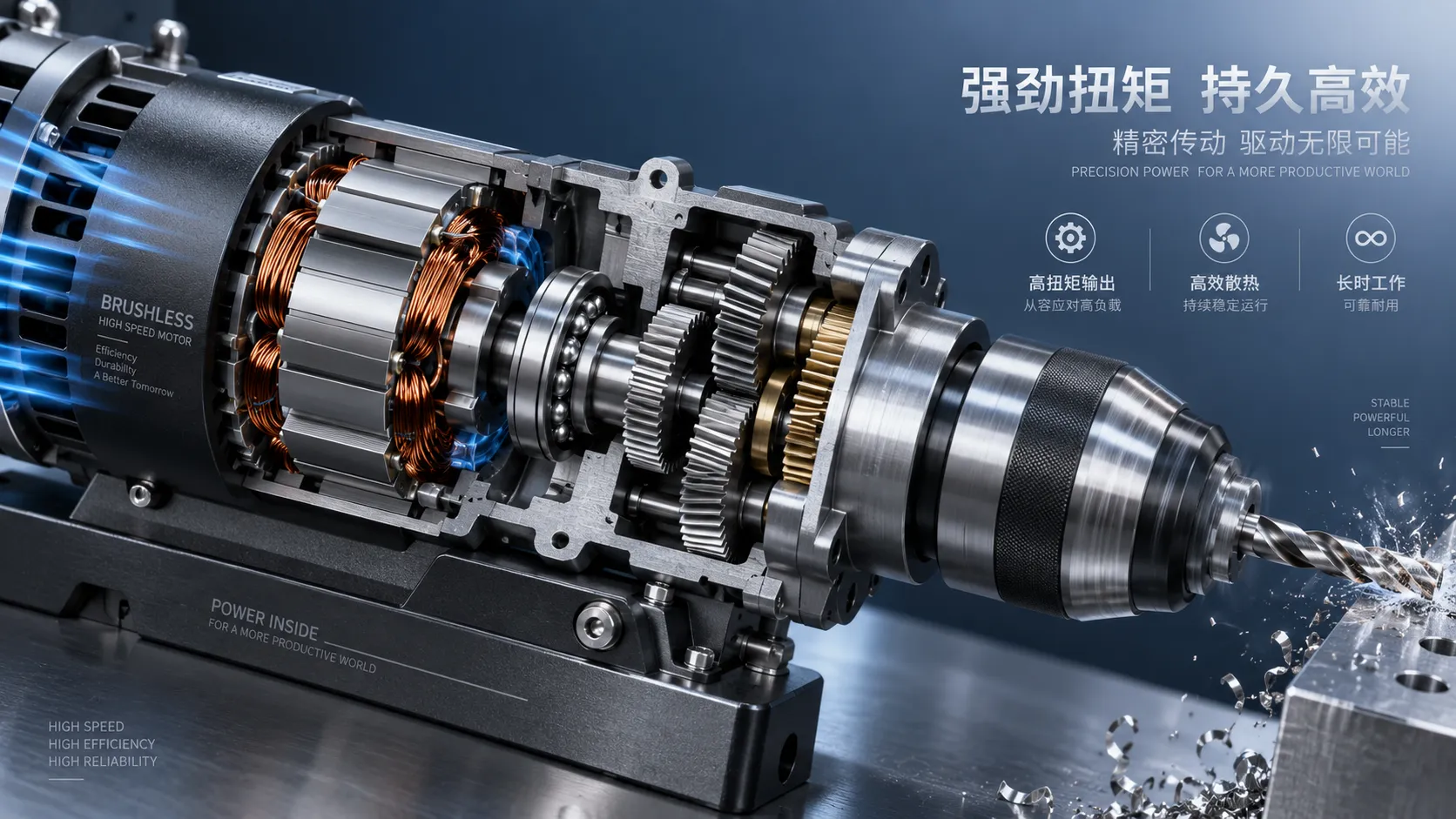
Selecting High-Speed Brushless Tool Motors for Torque, Heat, and Duty Cycle
High speed brushless tool motors: learn how to balance torque, heat, gearing, and duty cycle for reliable industrial tool performance and longer service life.
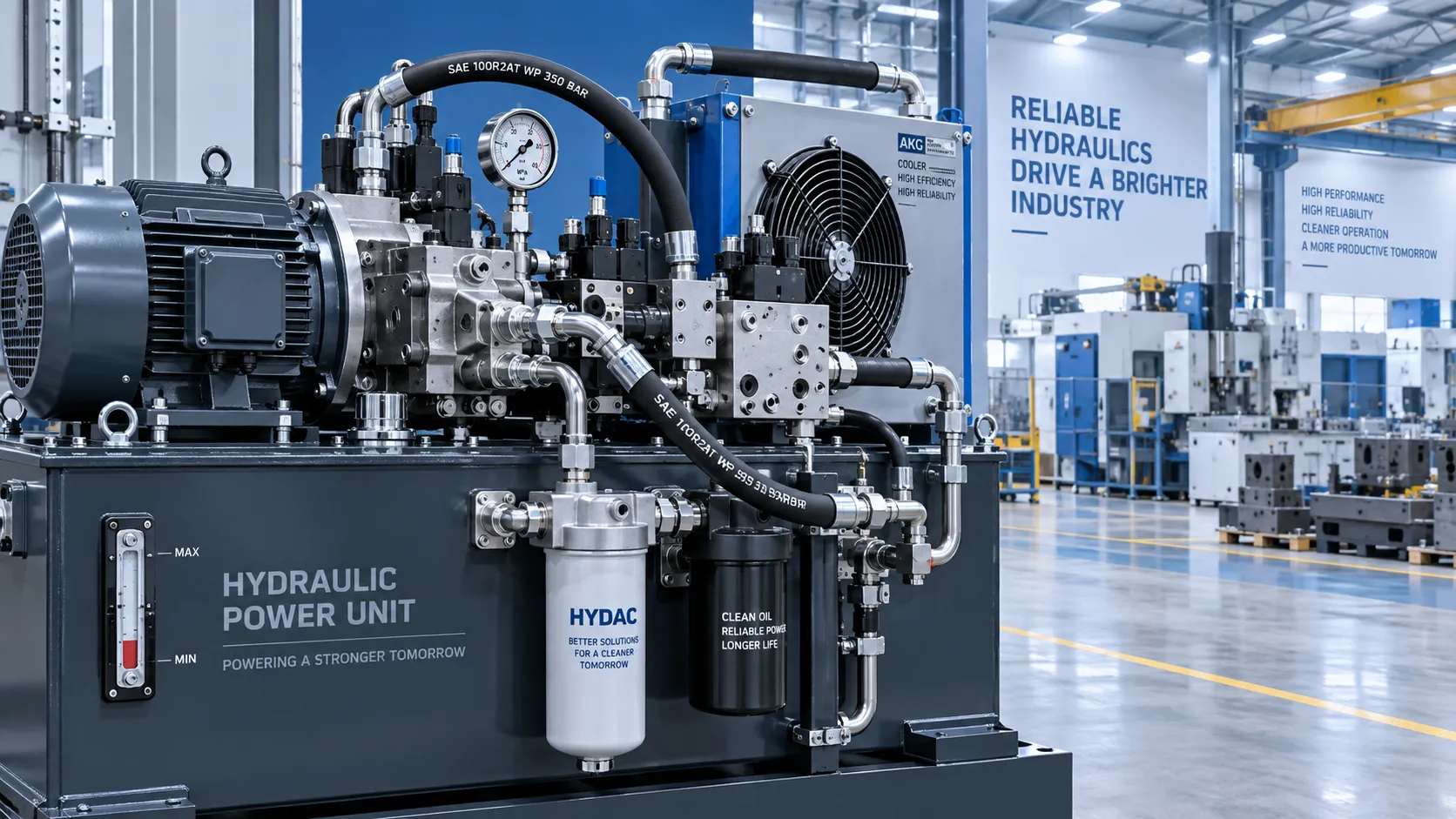
What Determines Industrial Hydraulic System Price for Heavy-Duty Equipment?
Industrial hydraulic system price depends on duty cycle, pressure, components, cooling, and integration. Compare quotes intelligently to secure reliable heavy-duty performance.
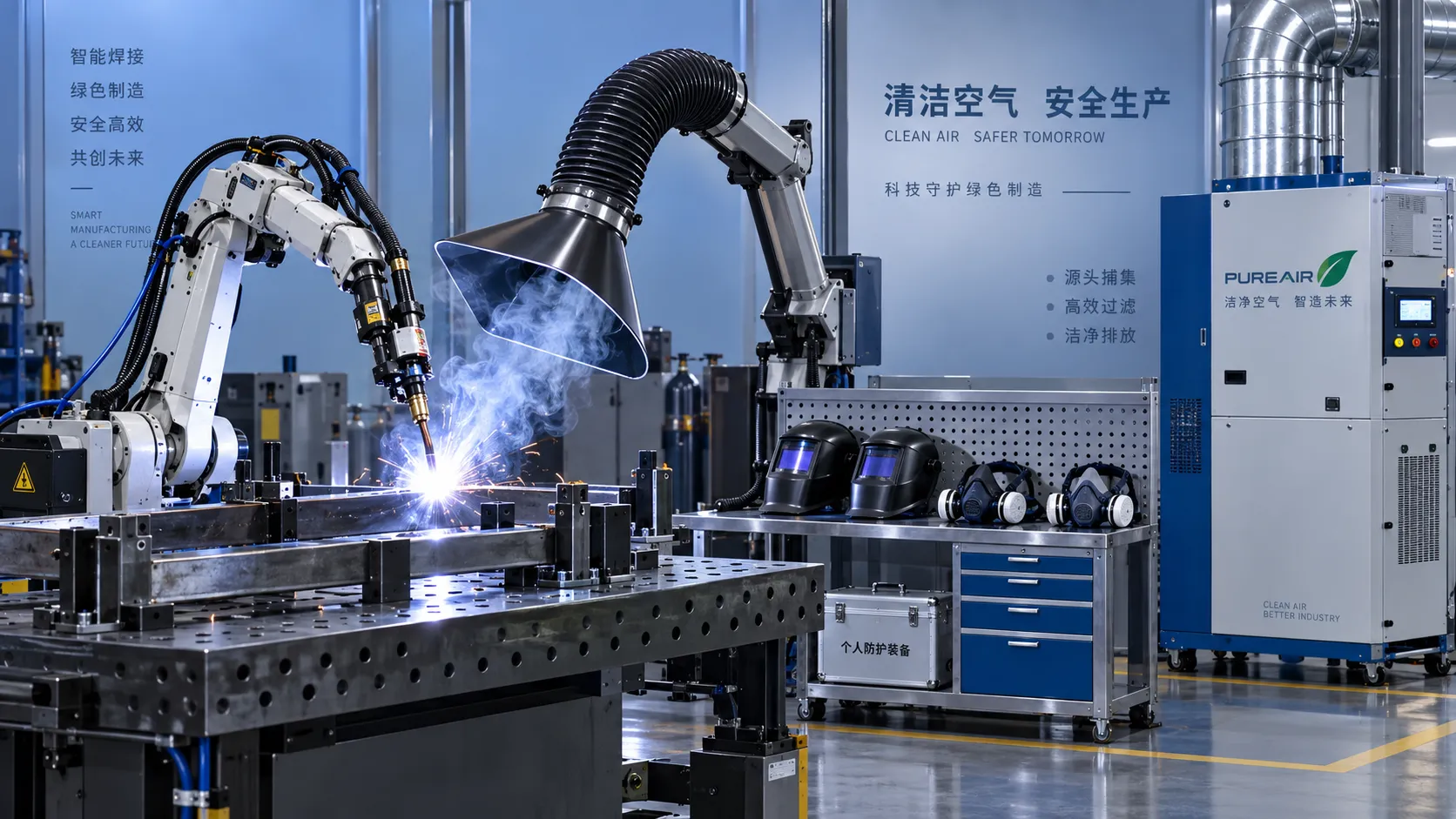
Welding Fume Extraction PPE: When Respirators Are Not Enough for Shop Safety
Welding fume extraction PPE: learn why respirators alone fall short and how source capture, ventilation, and layered controls improve shop safety.

How to Select Optical Metrology Solutions for Tight-Tolerance Manufacturing
Optical industrial metrology solutions for tight-tolerance manufacturing: evaluate accuracy, surface compatibility, workflow, and traceability to select with confidence.
Related News
- 00
0000-00
How Procurement Teams Can Map the Industrial Value Chain to Reduce Supply Risk - 00
0000-00
How Industry Category Guides Help Global Sourcing Teams Compare Suppliers Faster - 00
0000-00
Intelligent Tools in Southeast Asia: Key Market Trends, Buyers, and Supply Chain Shifts - 00
0000-00
Industrial Value Chain Europe: Where Sourcing Risks and Lead-Time Pressure Are Rising - 00
0000-00
North America's Industrial Value Chain: Key Shifts in Sourcing, Labor, and Logistics
Dr. Alistair Vaughn
Weekly Insights
Stay ahead with our curated technology reports delivered every Monday.