
Sector News That Matters to Industrial Buyers: Supply Chain, Pricing, and Demand Signals





Why sector news now shapes every sourcing conversation
Sector news has become a practical decision tool, not just a reading habit.
In industrial assembly, welding, and precision metrology, market conditions now shift faster than contract cycles.
Steel inputs move on energy costs. Copper reacts to grid investment. Electronics remain sensitive to logistics and policy friction.
That means sector news increasingly acts as an early warning layer for supply risk, price resets, and hidden demand changes.
The most useful signals are rarely dramatic on their own.
A revised export requirement, a delayed motor component, or a new safety expectation for handheld laser welding can quietly reshape sourcing priorities.
Across global manufacturing, the last mile of production is where these shifts become visible first.
This is why GPTWM follows sector news through the lens of tools, joining systems, and measurement technologies.
Its Strategic Intelligence Center connects raw market movement with real operating implications, which is where many general news sources stop short.
The clearest shifts are appearing in supply, pricing, and compliance together
Recent sector news does not point to one isolated disruption.
It points to a tighter overlap between material volatility, regional regulation, and uneven demand recovery.
That overlap matters because industrial tools and welding systems depend on a mixed bill of materials.
Frames, motors, batteries, sensors, optics, chips, and precision components rarely move in the same direction at the same time.
More noticeably, sector news from the past year shows that compliance is no longer a background issue.
In many categories, standards now influence lead time almost as much as factory capacity does.
- Raw material fluctuations are changing quoted prices faster than annual sourcing plans expect.
- Export control adjustments are affecting documentation, routing, and supplier eligibility.
- Safety requirements are raising attention on laser systems, power electronics, and operator protection.
- Freight normalization helps some categories, but not those tied to fragile electronic content.
This combination makes sector news especially valuable when comparing similar offers that appear equivalent on paper.
Why these signals are becoming more persistent
Several forces are reinforcing one another rather than fading out.
Energy transition investment supports metal demand, while industrial automation keeps pressure on sensors, controls, and brushless motor ecosystems.
At the same time, regional manufacturing policies are encouraging local assembly without fully localizing upstream parts.
That leaves many supply chains partly diversified, but not fully resilient.
Another driver comes from technology adoption itself.
As handheld laser welding, IoT torque control, and advanced metrology move into broader use, expectations rise for traceability, calibration integrity, and operator safety.
In practice, sector news around innovation now has immediate sourcing consequences.
A new application trend can tighten component availability before volume forecasts visibly change.
This is where structured intelligence becomes more useful than headline monitoring alone.
Demand signals are shifting from volume questions to application quality
Not every demand increase looks like a broad market boom.
In many segments, sector news suggests a more selective pattern.
Orders are concentrating around applications that require precision, safety documentation, lower rework, or digital process visibility.
That is especially visible in aerospace maintenance, automotive repair ecosystems, infrastructure projects, and industrial retrofits.
High-precision measuring instruments are benefiting from tighter tolerance demands and verification requirements.
Welding equipment demand is also evolving, with stronger attention on safety systems, usability, and process consistency.
The same pattern appears in power tools.
Brushless motor efficiency, ergonomics, and connected control features are moving from premium differentiators to expected specifications.
So sector news about demand should be read less as “more or less buying” and more as “what kind of performance is now being required.”
The impact does not stay in one department
One reason sector news matters is that its effects travel across several business layers at once.
A component delay can affect assembly schedules, spare parts strategy, warranty exposure, and customer delivery commitments.
A standards update can influence approved vendor lists, not just technical paperwork.
More importantly, demand shifts can distort familiar assumptions.
Products once considered interchangeable may begin to separate on certification readiness, calibration traceability, or field durability.
That changes negotiation leverage.
It also changes inventory logic, because the cost of a stockout rises when substitutes are no longer operationally equivalent.
GPTWM’s value in this context is its ability to connect sector news with these downstream realities.
Its intelligence stitching approach is useful because industrial disruption rarely announces itself in one clean metric.
Where pressure often appears first
- Quote validity shortens before list prices visibly change.
- Lead time promises become less consistent across model variants.
- Compliance documents start taking longer than physical production.
- After-sales parts availability becomes less predictable than finished goods supply.
What deserves closer attention over the next planning cycle
The next phase of sector news will likely be shaped by tighter links between industrial policy, technology migration, and end-market maintenance spending.
From recent demand patterns, three areas stand out.
First, repair and retrofit activity remains an important buffer where full capital expansion is delayed.
That supports ongoing demand for dependable welding, torque, hydraulic, and measurement tools.
Second, safety and ergonomic requirements are gaining commercial weight.
This is no longer a branding issue alone. It increasingly affects approval speed and usage suitability.
Third, digital verification is becoming harder to ignore.
Connected torque systems and metrology records matter because traceable performance reduces dispute risk and supports process discipline.
In this environment, sector news should be filtered for decision relevance.
Not every macro signal deserves a reaction, but repeated movement in standards, component availability, and application demand usually does.
A practical way to turn sector news into better decisions
The goal is not to chase every market headline.
The goal is to separate noise from signals that can change cost, timing, or operational fit.
A useful starting point is to monitor sector news through a small set of recurring questions.
- Which material or component categories are showing repeated volatility?
- Which standards or export rules may alter supplier viability?
- Which application segments are pulling demand toward higher specification products?
- Which items need backup options because substitutes are no longer equivalent?
This kind of review is where GPTWM is particularly relevant.
Its reporting combines latest sector news, evolutionary trend analysis, and commercial insight across precision tools, welding, and metrology.
That helps convert scattered information into a clearer market view.
The most resilient decisions in today’s industrial environment usually come from that discipline.
Keep watching sector news for repeated shifts, compare them against actual usage needs, and build a phased response before pressure reaches the order stage.
Related News
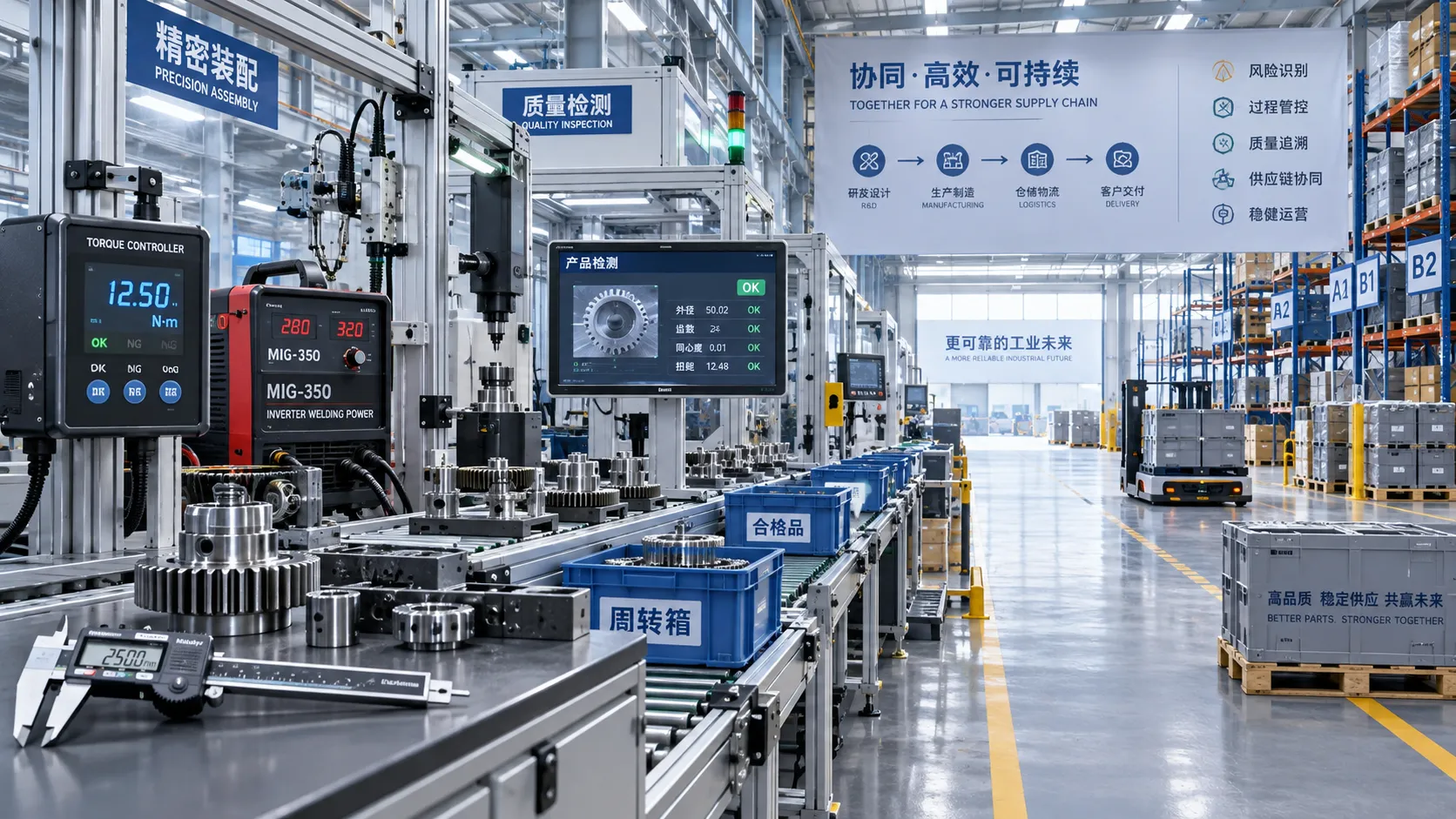
How Procurement Teams Can Map the Industrial Value Chain to Reduce Supply Risk
Industrial value chain procurement helps teams map hidden dependencies, qualify resilient sources, and reduce supply risk before disruptions stop production.

How Specification-Driven Articles Improve Precision Measurement System Selection
Specification-oriented articles precision measurement guidance helps teams compare accuracy, repeatability, environment, and data needs to select reliable systems with confidence.

How to Evaluate a Technology Integration Service Provider for Complex Projects
Technology integration service provider selection guide: evaluate interface ownership, delivery discipline, scalable architecture, and risk control for complex projects.
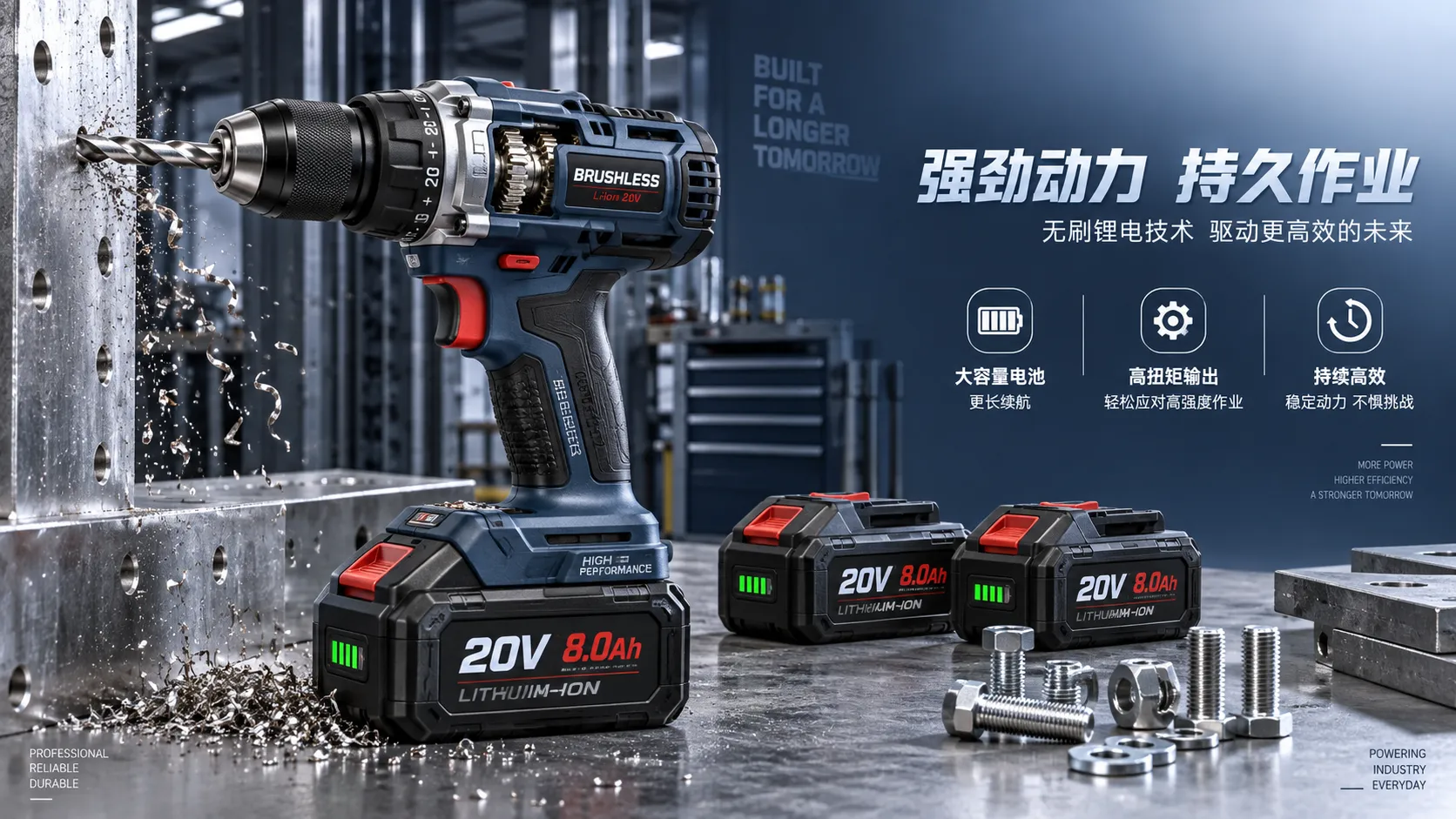
How Battery, Torque, and Duty Cycle Affect Cordless Power Tool Efficiency
Cordless power tool efficiency depends on battery output, torque, and duty cycle. Learn how to match tools to demanding jobs for stronger runtime and productivity.

Product Comparison Resources for Component Compatibility and Lifecycle Risk
Product comparison resources for components: evaluate compatibility, interfaces, service support, and lifecycle risk to reduce downtime, avoid redesigns, and make confident sourcing decisions.
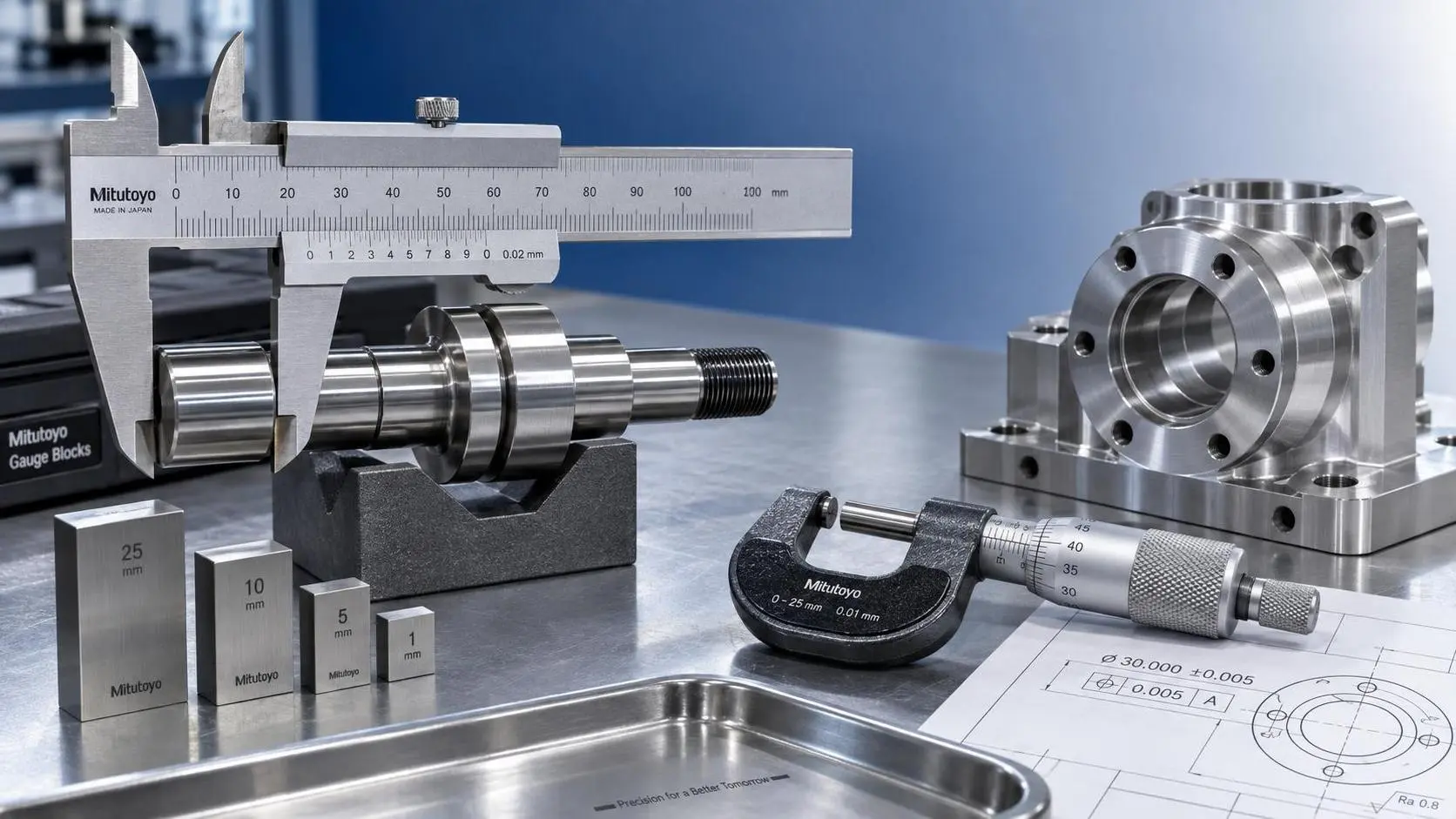
How to Select Vernier Precision Calipers for Tight-Tolerance Machining Inspection
Vernier precision calipers for tight-tolerance machining: learn how to select the right range, jaw design, accuracy, and verification process for reliable inspection.
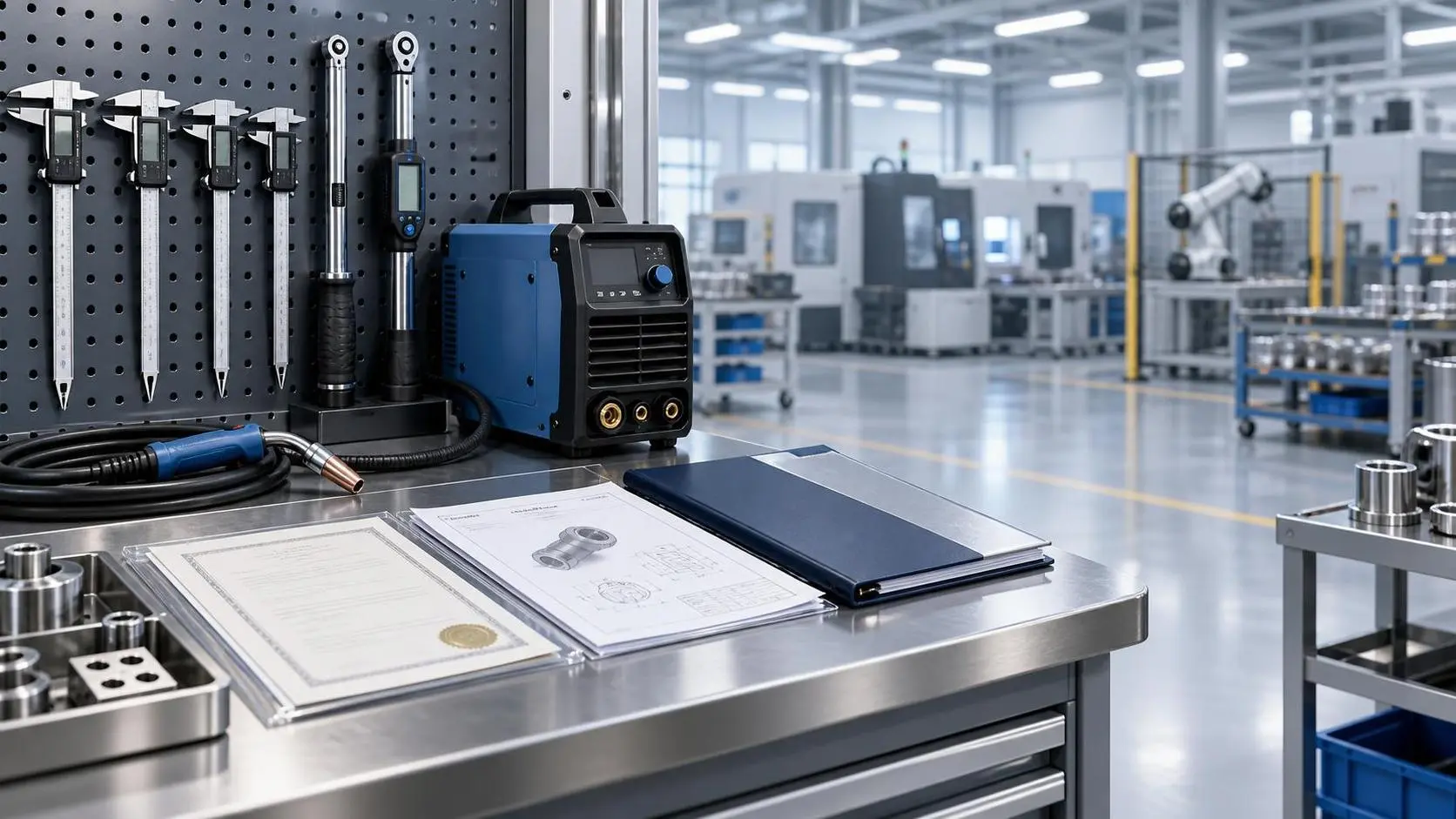
Product Comparison Resources in Europe: How Buyers Can Verify Specs and Suppliers
Product comparison resources Europe: learn how to verify industrial specs, compliance claims, supplier credibility, and delivery risk for smarter purchasing decisions.

How to Evaluate an Industrial Metrology Solution Manufacturer for Production Use
Industrial metrology solution manufacturer evaluation guide for production: compare accuracy, traceability, automation, software, service, and acceptance testing to reduce risk.

Which ISO Standards Matter Most for Precision Engineering Quality Control?
Precision engineering ISO standards explained: discover how ISO 9001, ISO/IEC 17025, ISO 10012, GPS, and ISO 3834 strengthen quality control, traceability, and compliance.
Related News
- 00
0000-00
How Procurement Teams Can Map the Industrial Value Chain to Reduce Supply Risk - 00
0000-00
How Industry Category Guides Help Global Sourcing Teams Compare Suppliers Faster - 00
0000-00
Intelligent Tools in Southeast Asia: Key Market Trends, Buyers, and Supply Chain Shifts - 00
0000-00
Industrial Value Chain Europe: Where Sourcing Risks and Lead-Time Pressure Are Rising - 00
0000-00
North America's Industrial Value Chain: Key Shifts in Sourcing, Labor, and Logistics
Dr. Alistair Vaughn
Weekly Insights
Stay ahead with our curated technology reports delivered every Monday.