
Torque Tools Selection Guide: Accuracy, Torque Range, and Traceability Explained





Torque Tools Selection Guide: Accuracy, Torque Range, and Traceability Explained
Selecting the right torque tools is not a minor purchasing task. It directly affects product quality, operator safety, compliance results, and field reliability.
When a fastening process fails, the root cause is often not the fastener itself. It is usually poor torque control, weak verification, or missing calibration evidence.
That is why torque tools selection should go beyond price, brand familiarity, or peak torque claims. The smarter approach starts with accuracy, usable torque range, and traceability.
In practical operations, these three factors determine whether a tightening process stays stable during audits, shift changes, maintenance cycles, and product variation.
This guide explains how to assess torque tools in a way that supports technical standards, reduces risk, and improves process consistency across demanding industrial environments.
Why torque tools selection matters more than ever
Recent manufacturing changes make torque tools more important than before. Assemblies are lighter, tolerances are tighter, and audit expectations are far more detailed.
A loose joint can create vibration, leakage, or fatigue failure. An over-torqued joint can damage threads, crush gaskets, or distort critical components.
This also means torque tools selection now sits at the intersection of quality assurance, safety management, and production efficiency.
For many organizations, torque tools are no longer simple hand tools. They are part of a controlled process requiring defined settings, calibration intervals, and usable records.
The strongest signal from current industrial practice is clear: if fastening quality matters, torque tools must be evaluated like process equipment, not accessories.
Start with torque accuracy, not marketing claims
Accuracy is the first checkpoint in torque tools selection because it defines how closely delivered torque matches the target requirement.
Manufacturers often publish accuracy as a percentage, such as ±3% or ±4%. However, the number means little without context.
The first question is simple. Is the accuracy based on the reading, full scale, or a specific test range?
A tool rated at ±4% of full scale may perform very differently from one rated at ±4% of reading, especially at lower operating values.
The second question concerns direction. Some torque tools are calibrated only for clockwise use. Others support bidirectional verification.
The third question is repeatability. A tool may hit the target once, yet drift over repeated cycles, temperature changes, or extended daily use.
For technical and standard-driven applications, published accuracy should be checked against recognized calibration practice, such as ISO 6789 for torque tools.
In short, good torque tools selection looks past the label and asks whether the accuracy is relevant to the real fastening window.
What to verify about accuracy
- Accuracy expression method and stated tolerance
- Calibration direction, clockwise only or bidirectional
- Repeatability across repeated tightening cycles
- Environmental sensitivity to temperature and handling
- Compatibility with internal control limits and customer specifications
Choose a usable torque range, not just a maximum rating
One of the most common mistakes in torque tools selection is choosing by maximum capacity alone. That seems safe, but it often reduces control.
Torque tools usually perform best within a defined portion of their operating range. Running too close to the lower end can hurt accuracy and feel.
For example, using a large wrench for very small fasteners may meet the nominal range on paper, yet still create poor repeatability in actual work.
A better method is to map the target torque values first. Then compare normal operating points, not just rare peak conditions.
In many applications, the ideal target sits around the middle section of the tool range. This often supports better control and easier operator feedback.
This is especially important for click wrenches, dial tools, digital torque tools, torque screwdrivers, and powered fastening systems.
The practical goal is simple: select torque tools that spend most of their working life in the range where performance is most stable.
Questions to ask about torque range
- What is the standard target torque for each joint?
- How often does the process operate near the lower limit?
- Does the tool support different product variants?
- Will extensions, adapters, or crowfoot heads affect applied torque?
- Does the chosen range still work after future design changes?
Traceability is not optional in controlled fastening
If accuracy tells you what a tool should do, traceability proves that the tool was verified, controlled, and suitable at the time of use.
This matters during customer audits, incident investigations, warranty analysis, and internal quality reviews.
In torque tools selection, traceability includes more than a calibration certificate in a folder. It covers identification, interval control, usage history, and record integrity.
A reliable system usually links each tool to a unique ID, calibration status, due date, and approved operating range.
For higher-risk environments, digital torque tools offer a clear advantage. They can store values, lock parameters, and support downloadable audit trails.
That does not mean manual torque tools are outdated. It means the control method around them must be stronger and more disciplined.
When fastening quality is linked to compliance, traceability becomes a selection criterion, not an administrative afterthought.
Core traceability elements
- Unique tool identification and status labeling
- Calibration certificates linked to recognized standards
- Defined recalibration intervals based on use and risk
- Protected settings for critical torque programs
- Records that support audit and failure investigation
Match torque tools to the real application environment
The right torque tools on paper may still fail in the field if the environment is ignored. Real conditions shape usability and control.
Consider access limitations first. Tight spaces may require low-profile heads, compact torque screwdrivers, or angle attachments.
Next, consider duty cycle. High-volume assembly may justify digital or powered torque tools with faster feedback and lower operator strain.
Then look at contamination risk. Oil, dust, moisture, or metal particles can affect grip, displays, and sensor stability.
Ergonomics also matters more than many teams expect. If a tool is awkward, heavy, or hard to read, misuse becomes more likely.
In safety-sensitive areas, tool selection should also support controlled release, clear signaling, and reduced overrun risk.
The best torque tools selection always reflects the real joint, the real operator, and the real production conditions.
A practical evaluation checklist for torque tools selection
If the goal is a stable decision, a short technical checklist works better than relying on supplier brochures alone.
- Define target torque, tolerance, joint type, and failure mode
- Confirm the effective operating range for daily production
- Review stated accuracy and the test basis behind it
- Check compliance with ISO 6789 or equivalent control practices
- Verify calibration, labeling, and recall interval management
- Assess ergonomics, access, visibility, and operator consistency
- Compare data capture needs with available traceability features
- Test sample tools under real application conditions
This approach keeps torque tools selection tied to process risk and measurable performance, which is exactly where it belongs.
Common selection mistakes that create hidden risk
Several mistakes appear again and again in fastening programs. Most are preventable with better torque tools selection discipline.
- Choosing one tool for every task, even when ranges differ too much
- Treating calibration as paperwork instead of process control
- Ignoring adapters that change effective torque output
- Using tools beyond their ideal duty cycle
- Assuming operator technique has no effect on results
- Buying digital tools without planning data governance
Each of these errors weakens confidence in the joint. Over time, they also increase rework, downtime, and audit exposure.
Final decision framework
A solid torque tools selection decision answers three questions clearly. Is the tool accurate enough, is the range truly usable, and can performance be traced?
If one of those answers is weak, the selection is incomplete. A low-cost tool with poor records can become expensive very quickly.
From a technical and standards perspective, the safest choice is rarely the most generic one. It is the one that matches the joint and the control plan.
That is also the broader lesson seen across modern manufacturing intelligence. Precision improves when tools, data, and process discipline work together.
For teams reviewing current inventories or preparing new sourcing decisions, start with the highest-risk fastening points first.
Then compare existing torque tools against actual tolerance needs, operating range, and traceability expectations. The gaps usually become visible very fast.
When torque tools selection is handled this way, quality improves, safety risk drops, and compliance becomes easier to defend with confidence.
Related News
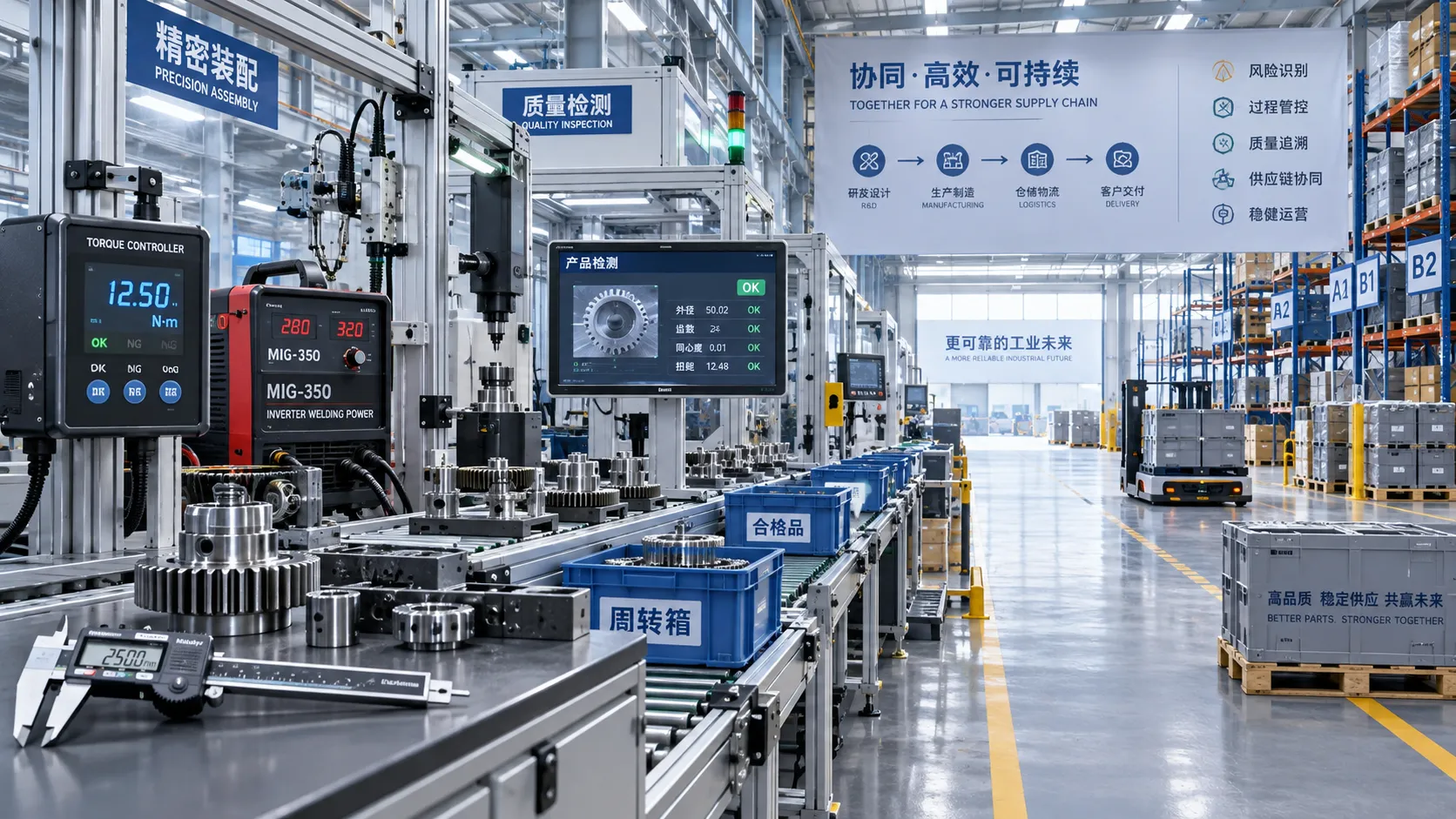
How Procurement Teams Can Map the Industrial Value Chain to Reduce Supply Risk
Industrial value chain procurement helps teams map hidden dependencies, qualify resilient sources, and reduce supply risk before disruptions stop production.
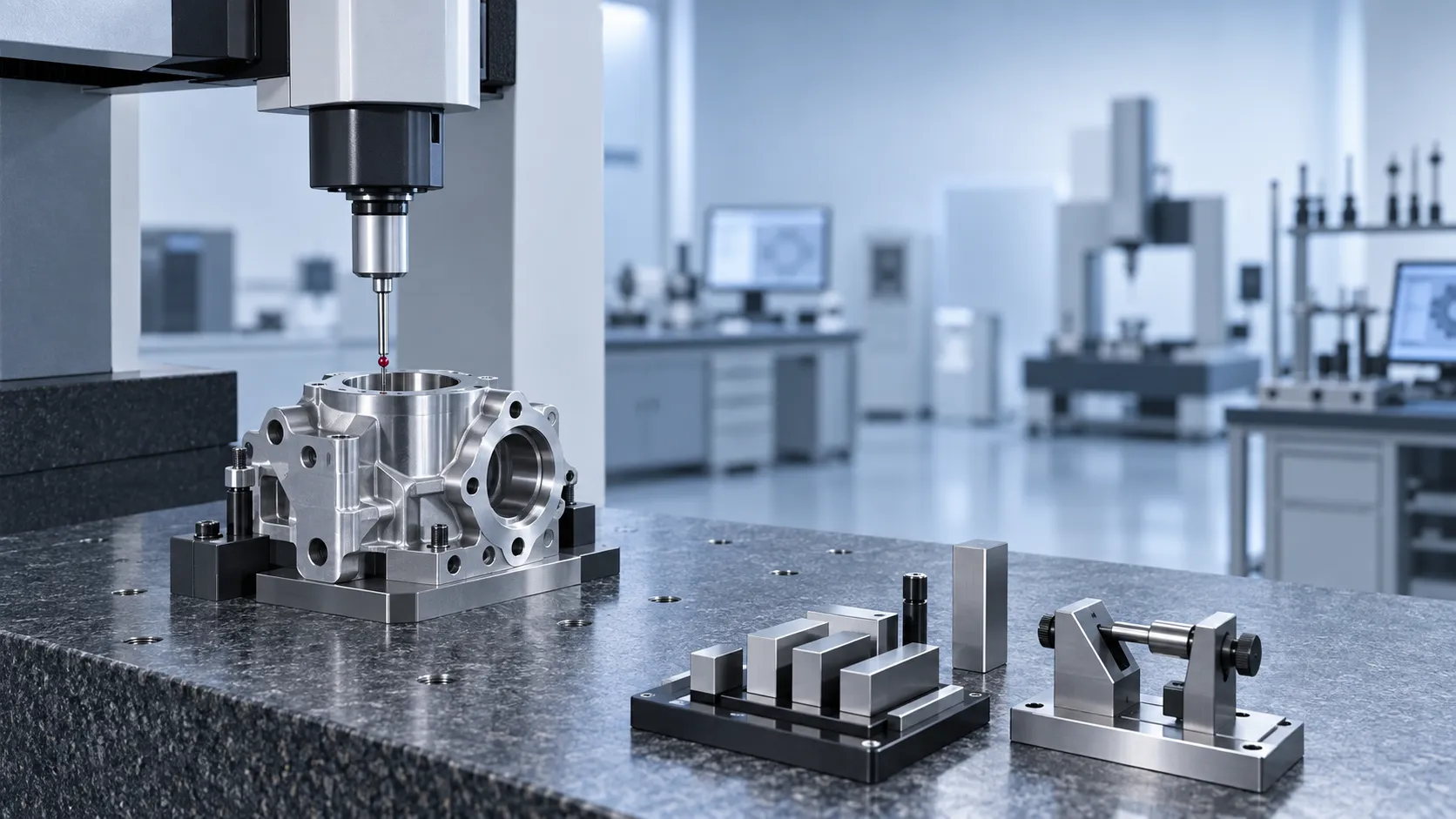
How Specification-Driven Articles Improve Precision Measurement System Selection
Specification-oriented articles precision measurement guidance helps teams compare accuracy, repeatability, environment, and data needs to select reliable systems with confidence.

How to Evaluate a Technology Integration Service Provider for Complex Projects
Technology integration service provider selection guide: evaluate interface ownership, delivery discipline, scalable architecture, and risk control for complex projects.
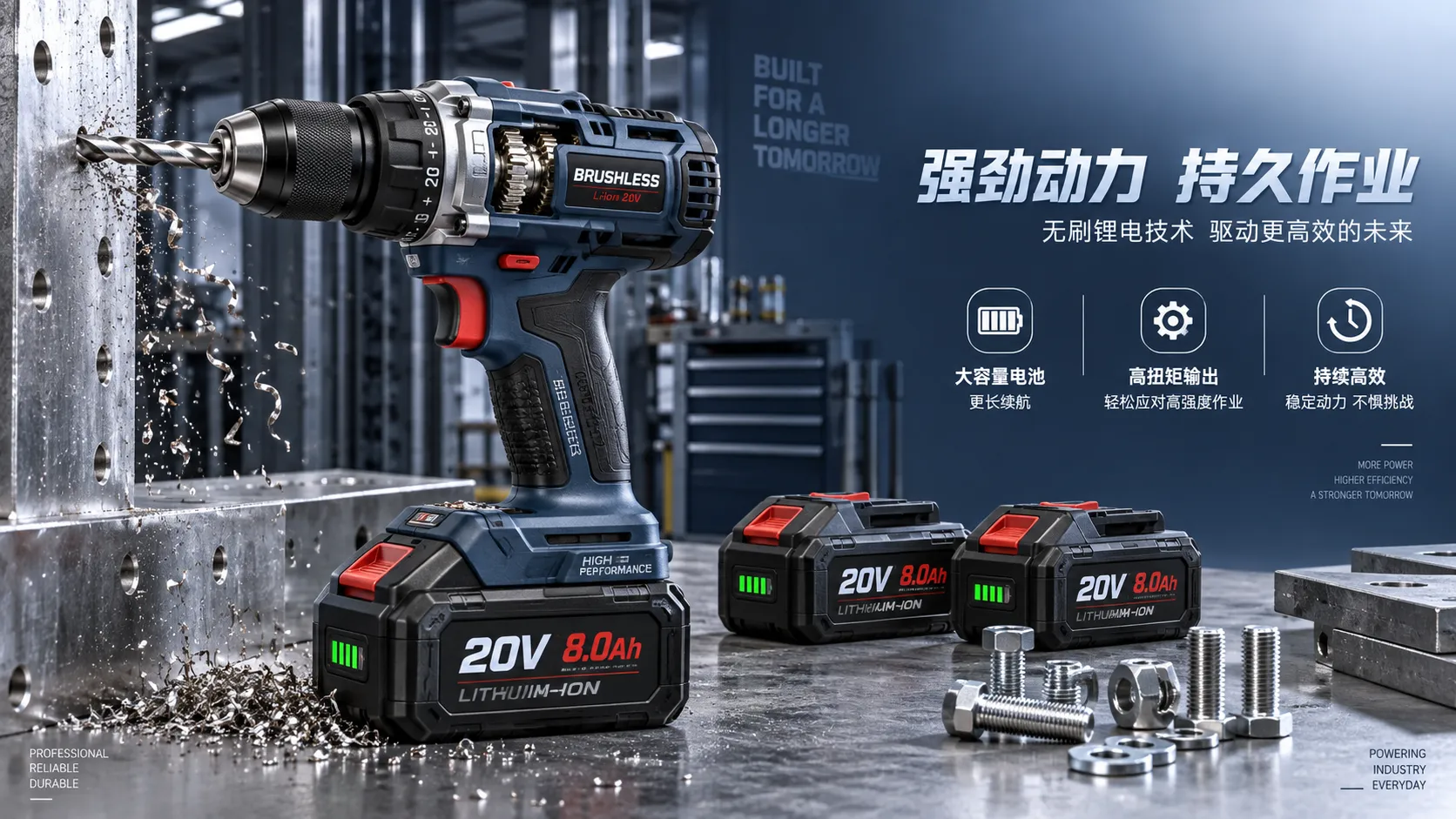
How Battery, Torque, and Duty Cycle Affect Cordless Power Tool Efficiency
Cordless power tool efficiency depends on battery output, torque, and duty cycle. Learn how to match tools to demanding jobs for stronger runtime and productivity.

Product Comparison Resources for Component Compatibility and Lifecycle Risk
Product comparison resources for components: evaluate compatibility, interfaces, service support, and lifecycle risk to reduce downtime, avoid redesigns, and make confident sourcing decisions.
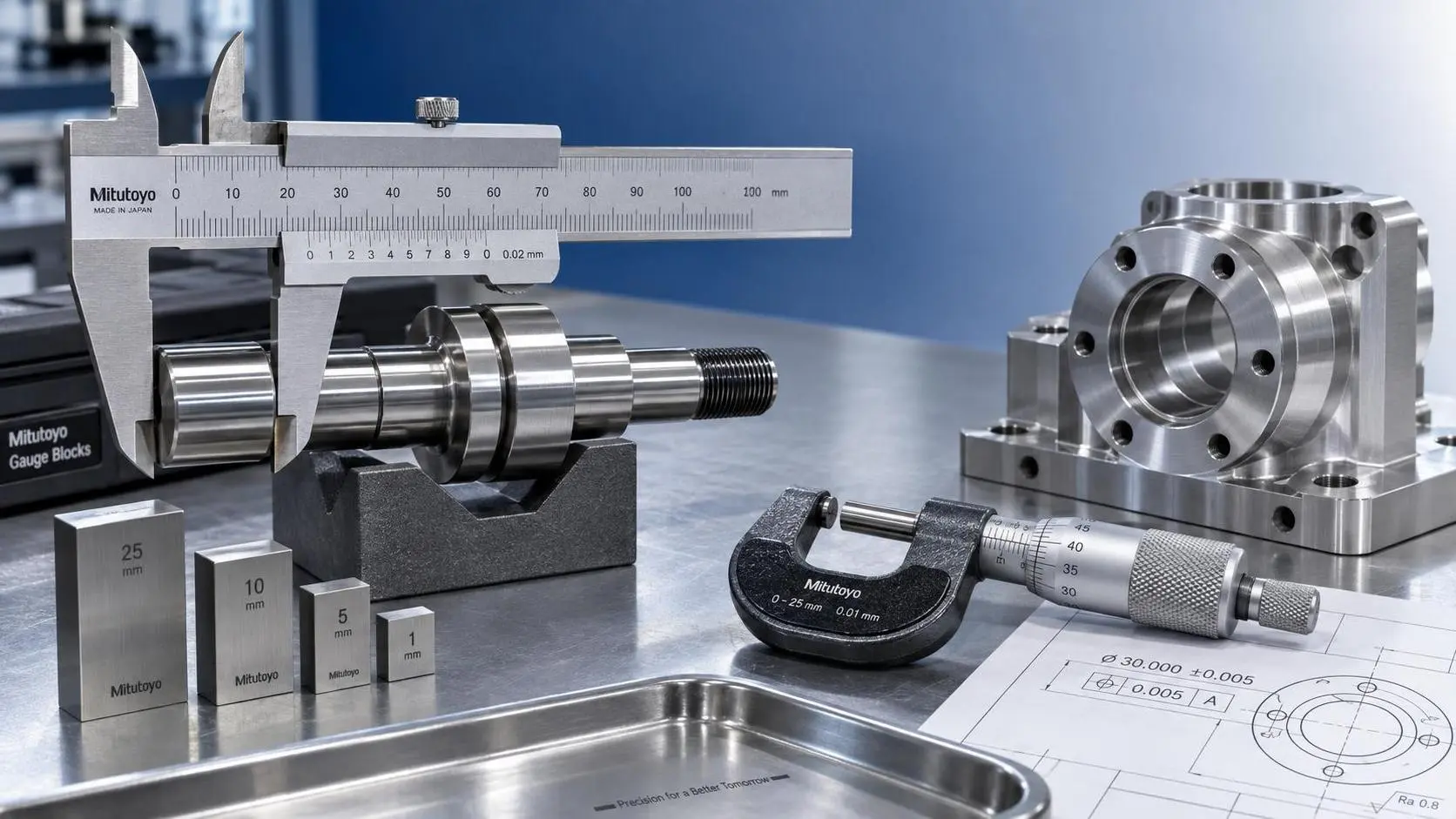
How to Select Vernier Precision Calipers for Tight-Tolerance Machining Inspection
Vernier precision calipers for tight-tolerance machining: learn how to select the right range, jaw design, accuracy, and verification process for reliable inspection.
Product Comparison Resources in Europe: How Buyers Can Verify Specs and Suppliers
Product comparison resources Europe: learn how to verify industrial specs, compliance claims, supplier credibility, and delivery risk for smarter purchasing decisions.

How to Evaluate an Industrial Metrology Solution Manufacturer for Production Use
Industrial metrology solution manufacturer evaluation guide for production: compare accuracy, traceability, automation, software, service, and acceptance testing to reduce risk.
Which ISO Standards Matter Most for Precision Engineering Quality Control?
Precision engineering ISO standards explained: discover how ISO 9001, ISO/IEC 17025, ISO 10012, GPS, and ISO 3834 strengthen quality control, traceability, and compliance.
Related News
- 00
0000-00
How Specification-Driven Articles Improve Precision Measurement System Selection - 00
0000-00
Product Comparison Resources for Component Compatibility and Lifecycle Risk - 00
0000-00
Which ISO Standards Matter Most for Precision Engineering Quality Control? - 00
0000-00
Selecting Metal Joining Methods for Aluminum-to-Steel Assemblies - 00
0000-00
How to Evaluate Industrial Manufacturing Systems for Throughput, Flexibility, and ROI
Prof. Marcus Chen
Weekly Insights
Stay ahead with our curated technology reports delivered every Monday.