
Is tool intellectualization worth the upgrade cost now?





As manufacturers weigh productivity gains against capital pressure, tool intellectualization is no longer a futuristic concept but a strategic decision point. For enterprise leaders, the real question is whether smarter tools can deliver measurable returns in safety, precision, labor efficiency, and lifecycle cost. This article examines if the upgrade cost is justified now, helping decision-makers align investment with operational value and long-term competitiveness.
In industrial assembly, metal joining, and precision metrology, the discussion is no longer about whether digital capability will reach the shop floor. It already has. The more practical issue is timing: should companies upgrade now, delay for 12–24 months, or invest only in selected tool categories? For decision-makers managing margins, delivery pressure, and workforce constraints, tool intellectualization must be judged by measurable business value, not by novelty.
From intelligent torque tools and connected welding systems to digitally assisted measuring devices, smart tools promise tighter process control, lower rework, and faster training. Yet the upgrade cost may include hardware, software, integration, calibration, cybersecurity review, and operator adoption. In many factories, the true investment envelope is 1.2x to 1.8x the purchase price of the tool itself once deployment is complete.
For B2B buyers, especially those operating across construction equipment, automotive service, aerospace maintenance, and general industrial manufacturing, the answer depends on process volatility, defect cost, labor structure, and traceability requirements. That is why the best investment decisions are rarely tool-by-tool decisions. They are process-by-process decisions.
Why tool intellectualization is moving from optional upgrade to operational requirement
Tool intellectualization refers to embedding sensing, connectivity, control logic, and data feedback into tools that were previously manual or standalone. In practical terms, it may mean a torque tool that records every fastening cycle, a welding unit that tracks parameter drift, or a measuring instrument that uploads inspection results directly into a quality system.
The business case has strengthened because the manufacturing environment has changed in at least 4 important ways: tighter quality tolerances, rising labor turnover, more complex compliance demands, and greater pressure to shorten delivery windows from 6 weeks to 3–4 weeks wherever possible.
The cost of process inconsistency is rising
In fastening, welding, and measurement workflows, small deviations can trigger expensive downstream consequences. A missed torque event, an unstable weld path, or a measurement error of even ±0.02 mm in a precision environment can cause rework, scrap, warranty claims, or shipment delays. When one defect affects a batch, the financial damage often exceeds the cost difference between conventional and intelligent tools.
This is especially relevant in sectors where documentation matters as much as physical execution. If a customer requests traceability by serial number, timestamp, or operator ID, tool intellectualization shifts from a productivity option to a compliance enabler.
Labor dynamics are changing the ROI equation
Many manufacturers face training gaps caused by retirements, high turnover, or rapid expansion. Smart tools reduce dependence on tacit knowledge by guiding sequence, locking incorrect settings, and generating instant pass/fail feedback. In some operations, this can reduce onboarding time from 6–8 weeks to 2–4 weeks for routine tasks.
That does not eliminate the need for skilled technicians. It does, however, reduce the performance gap between experienced and newly trained operators. For enterprise leaders, that consistency can be more valuable than pure speed.
Where the pressure is strongest
- High-mix, low-volume assembly lines with frequent parameter changes
- Welding stations where safety and repeatability must be documented
- Metrology processes requiring digital records and tolerance control
- Service networks managing distributed teams across 5, 10, or 20+ sites
The table below shows where tool intellectualization typically creates the fastest operational impact across common industrial processes.
The key takeaway is that upgrade urgency is highest where an error is expensive, frequent, or difficult to trace. In those environments, tool intellectualization often pays back through avoided loss rather than through direct labor reduction alone.
How to evaluate whether the upgrade cost is worth it now
The decision should not begin with the technology brochure. It should begin with a structured review of cost drivers and process failure points. Most companies can make a sound decision by scoring 5 dimensions: quality impact, labor dependence, traceability need, maintenance burden, and integration readiness.
1. Measure the hidden cost of current tools
Many purchasing teams compare only the acquisition price. That is too narrow. A conventional tool with a lower upfront cost may create recurring losses through scrap, retesting, paper-based records, extra supervision, and more frequent calibration drift. Over a 24–36 month period, these hidden costs can exceed the initial savings.
A useful baseline is to track 6 items for one quarter: defect rate, rework hours, unscheduled downtime, calibration exceptions, training hours, and audit preparation time. Even a 5%–10% improvement across these items can materially change the investment case.
2. Separate high-ROI processes from low-ROI processes
Not every tool needs to become intelligent at once. In many plants, 20%–30% of process steps generate 70%–80% of quality or traceability risk. These are the first candidates for upgrade. A staged investment often works better than a full replacement program.
Typical decision criteria
- Does the process require repeatable tolerance or parameter control?
- Is the cost of a single defect higher than the premium of the smart tool?
- Do customers, regulators, or OEMs request digital records?
- Is labor variability affecting output or quality?
- Can the factory absorb software and connectivity support within 30–90 days?
The following framework helps decision-makers compare whether tool intellectualization should be prioritized now, later, or selectively.
This matrix shows why the right answer is often selective investment. If traceability and defect costs are high, tool intellectualization deserves immediate budget attention. If integration readiness is weak, a pilot cell may be a smarter first step.
3. Calculate lifecycle value, not just purchase premium
A smart tool may cost 25%–80% more than a conventional equivalent depending on sensors, communication modules, software features, and accuracy class. But decision-makers should compare total cost of ownership across 3 years, including downtime, service intervals, replacement frequency, consumables, calibration management, and reporting labor.
For example, if a connected torque tool prevents two major quality escapes per year and saves 8–12 supervisor hours per month in record verification, the payback period may fall within 9–18 months. If a digital measuring system only replaces manual entry in a low-risk process, payback may exceed 24 months.
Where tool intellectualization delivers the strongest returns
Returns vary widely by application. The strongest business case usually appears where process precision, safety, or documentation is business-critical. In GPTWM-covered sectors, three categories stand out: fastening control, welding management, and metrology integration.
Intelligent fastening systems
In assembly environments, intelligent fastening tools can confirm sequence, capture torque and angle data, and prevent unauthorized setting changes. That matters when one missed fastener can stop an entire line or create a field failure. Typical value points include lower rework, faster quality review, and better operator consistency across 2 or 3 production shifts.
Connected welding tools and power sources
For welding, tool intellectualization supports parameter discipline, event logging, consumable monitoring, and safer usage in increasingly regulated environments. In handheld laser welding and advanced arc processes, the safety dimension alone can justify digital controls if they reduce improper setup and improve procedural compliance.
Where weld quality affects structural integrity or cosmetic finish, even small reductions in inconsistency can protect margin. A shop that reduces rework from 7% to 4% may see a larger bottom-line effect than a shop that simply increases raw welding speed.
Digitally integrated metrology tools
Precision measurement benefits from direct data capture more than many buyers expect. Manual recording is slow and introduces avoidable transcription errors. Intelligent calipers, indicators, and gauges that feed inspection systems directly can shorten reporting cycles, improve statistical process control, and reduce disputes over measurement history.
High-return use cases
- Multi-site operations seeking standard execution across 5+ facilities
- Aerospace and automotive maintenance where documentation cycles are strict
- Construction equipment assembly with high torque verification needs
- Export-oriented manufacturers facing customer audits and standard restrictions
The pattern is consistent: the greater the cost of inconsistency, the stronger the case for tool intellectualization. The lower the process risk, the more selective the upgrade should be.
Implementation risks, common mistakes, and how to avoid overspending
The technology itself is rarely the main reason a smart tool program underperforms. More often, the issue is poor scope definition, weak operator adoption, or missing data workflow design. Companies that invest without an implementation plan may pay the upgrade premium without capturing the operational return.
Common mistakes in tool intellectualization projects
- Buying connected tools before defining what data must actually be used
- Upgrading low-risk stations while ignoring the top 10% of defect sources
- Underestimating calibration, software onboarding, and cybersecurity review time
- Failing to train supervisors, not just operators
A practical 5-step rollout model
- Map the process and identify the top 3 loss points
- Run a 30–60 day pilot on one line, cell, or service team
- Measure baseline versus pilot on quality, cycle time, and traceability effort
- Confirm service, calibration, and spare support before scaling
- Expand in phases with clear acceptance criteria for each site
A disciplined rollout can reduce implementation friction and preserve budget flexibility. For many enterprises, the right path is not enterprise-wide deployment on day one, but a phased plan across 2–3 quarters with milestones tied to defect reduction, training time, and audit readiness.
What enterprise leaders should ask suppliers before approving budget
Before approving a smart tool upgrade, procurement and operations teams should ask direct questions about data ownership, calibration support, firmware updates, spare parts availability, and integration scope. A good supplier should define what is included in the first 90 days and what additional services may be required later.
In industrial buying, clarity beats broad claims. Decision-makers should expect a documented deployment path, expected maintenance intervals, and realistic operator training requirements. That is where market intelligence platforms such as GPTWM add value by connecting product decisions with wider trends in safety, metrology, motor efficiency, and process digitization.
So, is tool intellectualization worth the upgrade cost now?
For enterprises dealing with high defect cost, strict traceability, labor variability, or precision-sensitive operations, the answer is often yes. Tool intellectualization is most worth the upgrade cost now when it protects quality, shortens training, improves safety, and turns process data into actionable control. In these conditions, waiting may cost more than upgrading.
For lower-risk processes, the smarter answer may be a selective rollout rather than full conversion. The strongest strategy is to prioritize the stations where inconsistency is expensive, documentation matters, and process control drives customer confidence. That approach aligns capital spending with measurable operational return.
GPTWM follows this shift closely across industrial assembly, welding, and precision metrology because the future of manufacturing competitiveness will be decided at the last mile of execution. If your team is evaluating upgrade timing, supplier options, or rollout priorities, now is the right moment to compare lifecycle value instead of upfront price alone.
Contact us to discuss your application context, get a tailored evaluation framework, or explore more solutions for precision tools, welding systems, and intelligent industrial workflows.
Related News
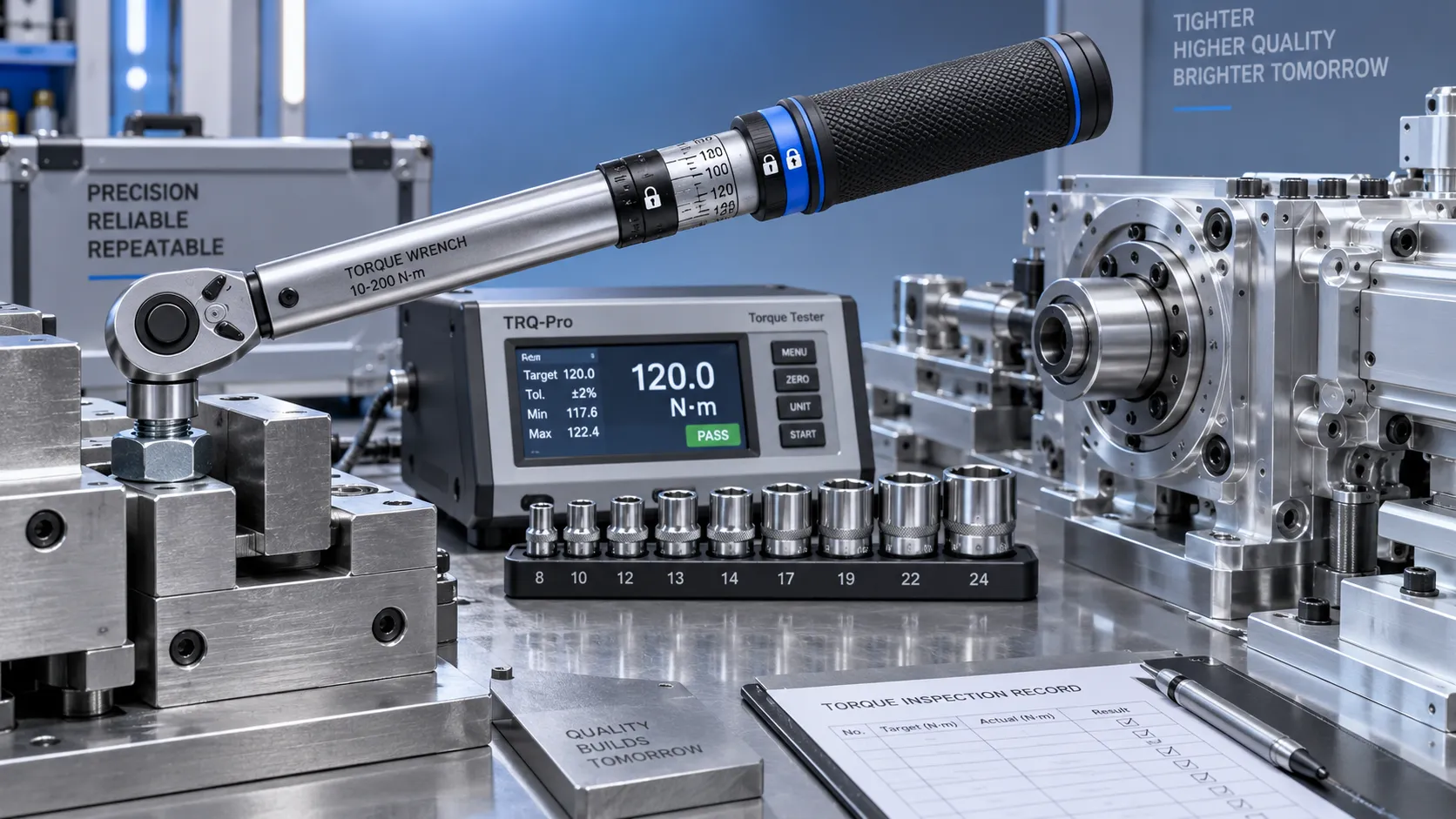
Selecting Adjustable Torque Tools for Repeatable Fastener Assembly
Adjustable torque tools: learn how to match range, accuracy, control methods, calibration, and ergonomics for repeatable, reliable fastener assembly.
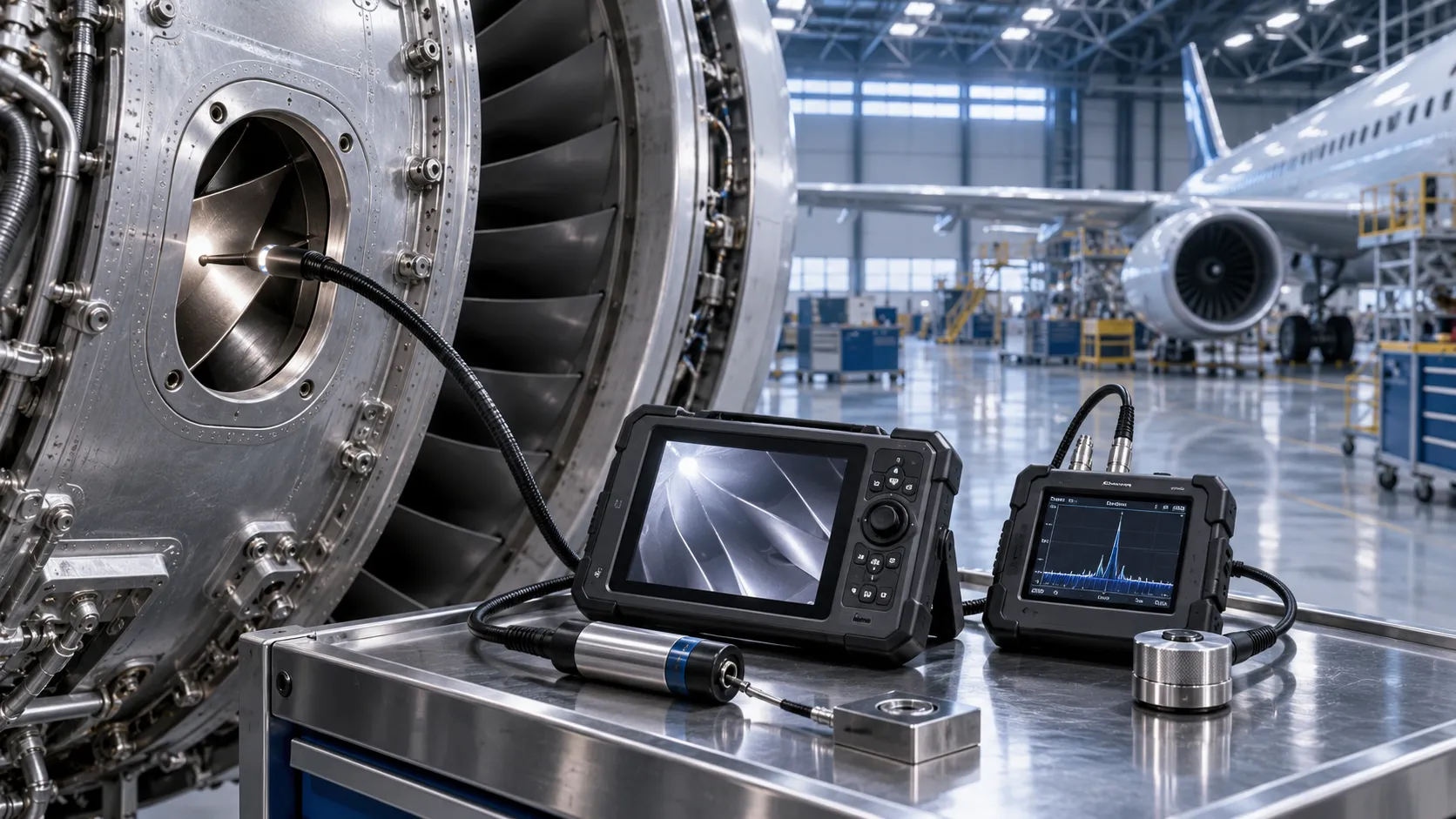
How to Select Aerospace Inspection Tools for Aircraft Maintenance Tasks
Aerospace maintenance inspection tools: learn how to select reliable, traceable equipment for aircraft access, accuracy, calibration, and compliant maintenance decisions.
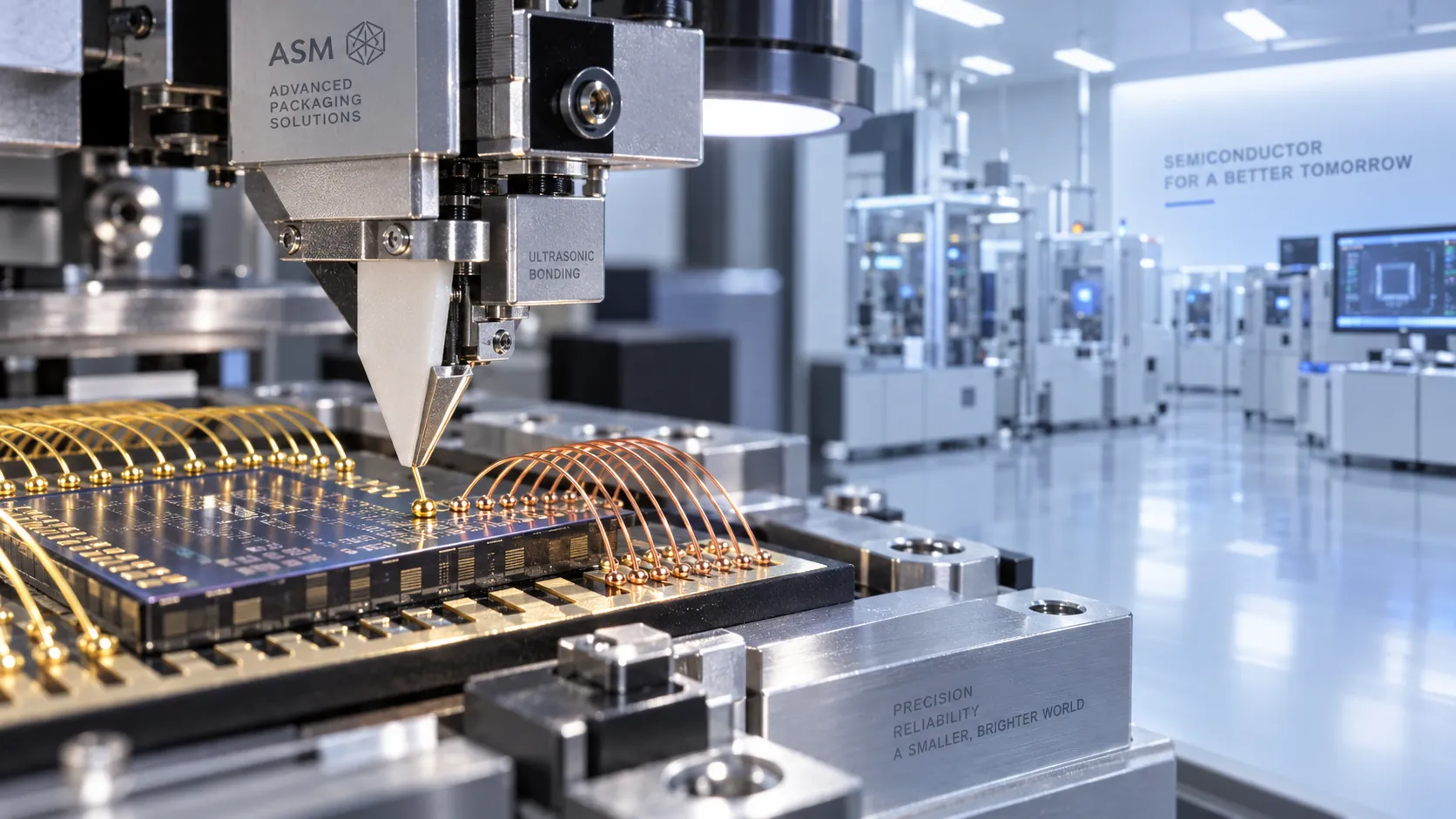
How to Select Wire Bonding Tools for Fine-Pitch Semiconductor Packaging
Explore semiconductor manufacturing tools for wire bonding and learn how to select precision solutions for fine-pitch packaging, reliable loops, accuracy, and yield.
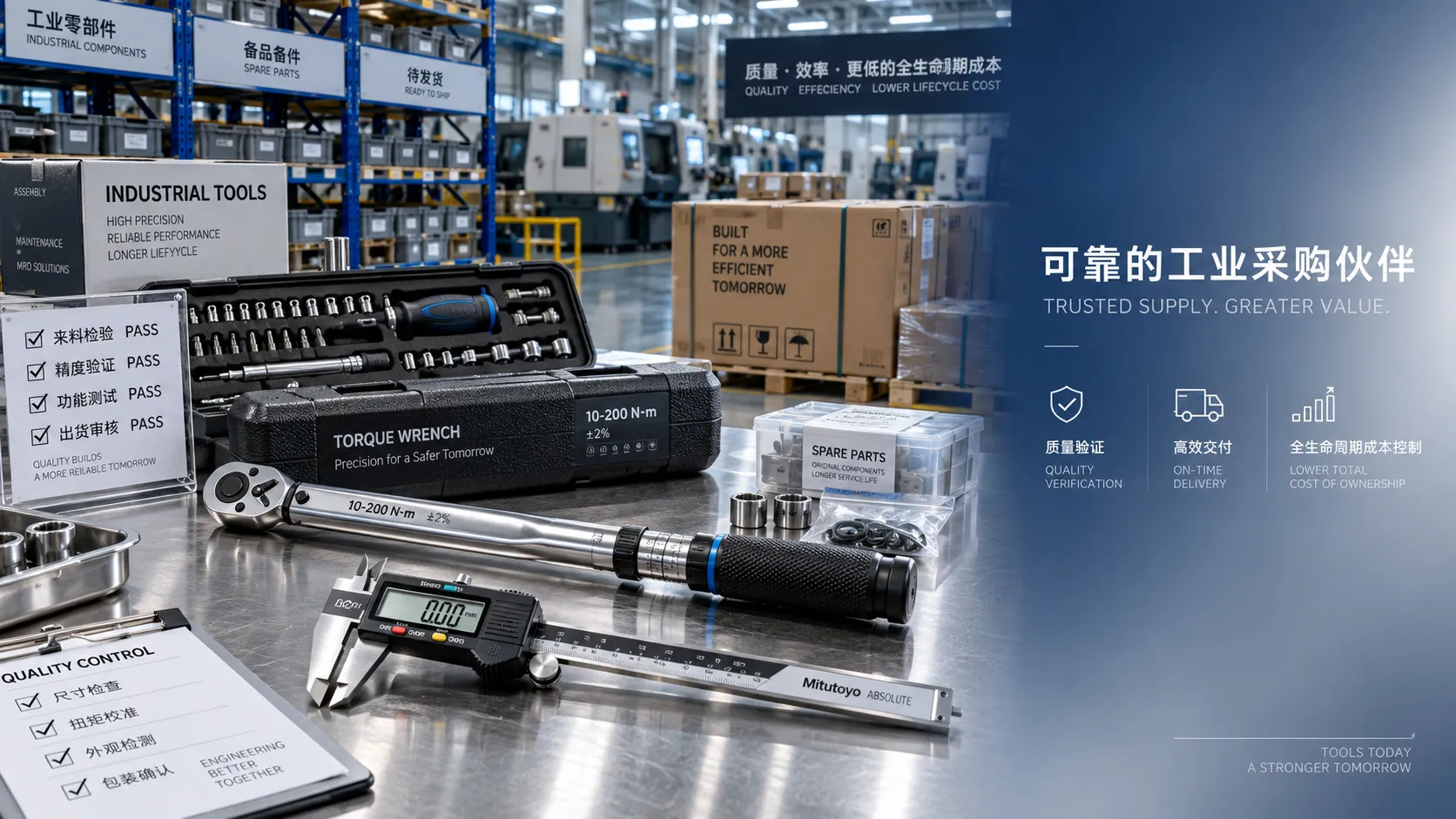
How to Compare Industrial Tool Suppliers for Quality, Lead Time, and Total Cost
Industrial tool selection supplier comparison made simple: evaluate quality, lead times, total cost, service, and supply resilience for confident sourcing decisions.
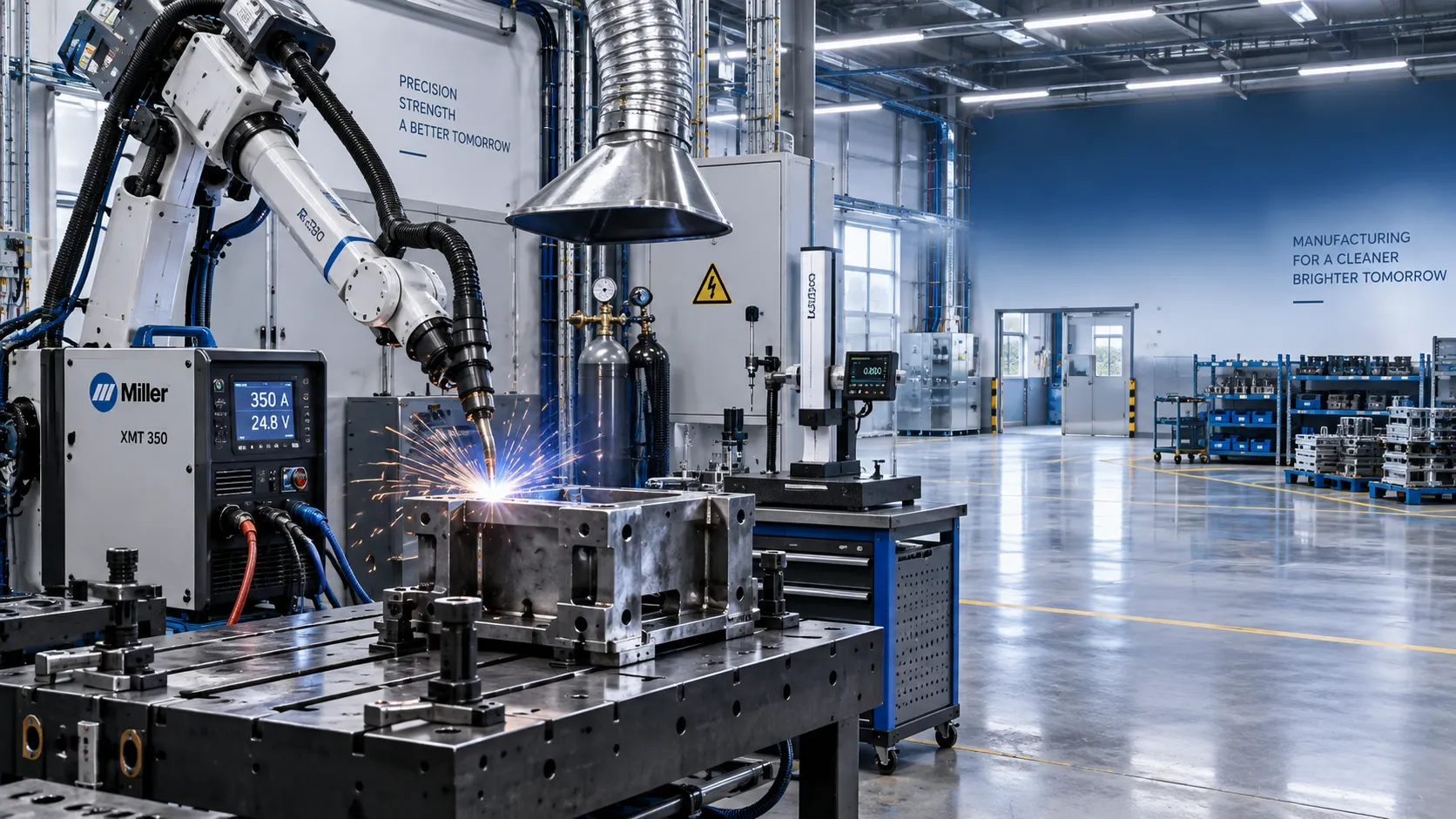
Industrial Equipment Application Guidance: Match Machines to Operating Conditions
Application guidance industrial equipment: match capacity, duty cycle, materials, site conditions, safety, and lifecycle cost to improve reliable output. Read the guide.
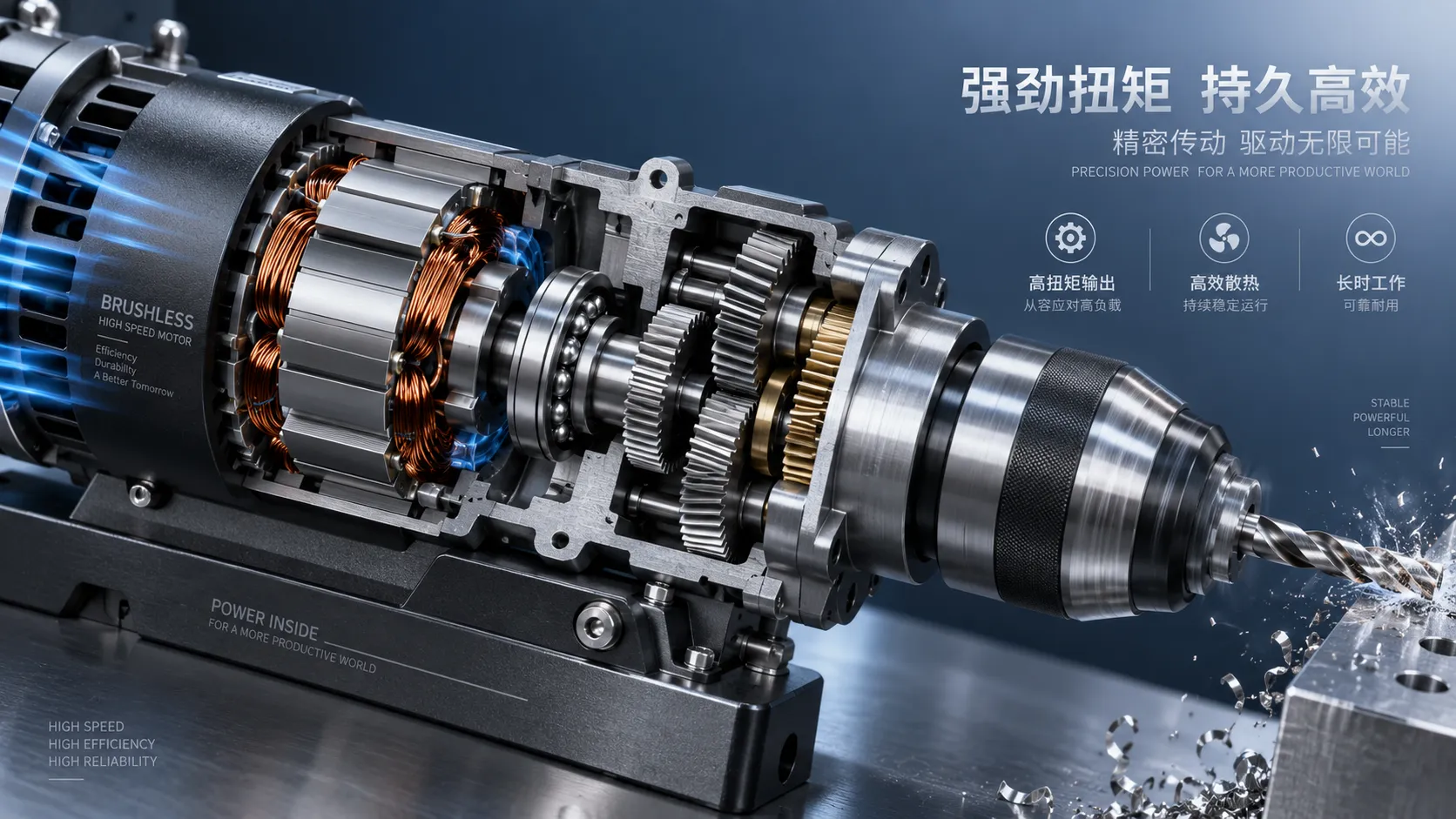
Selecting High-Speed Brushless Tool Motors for Torque, Heat, and Duty Cycle
High speed brushless tool motors: learn how to balance torque, heat, gearing, and duty cycle for reliable industrial tool performance and longer service life.
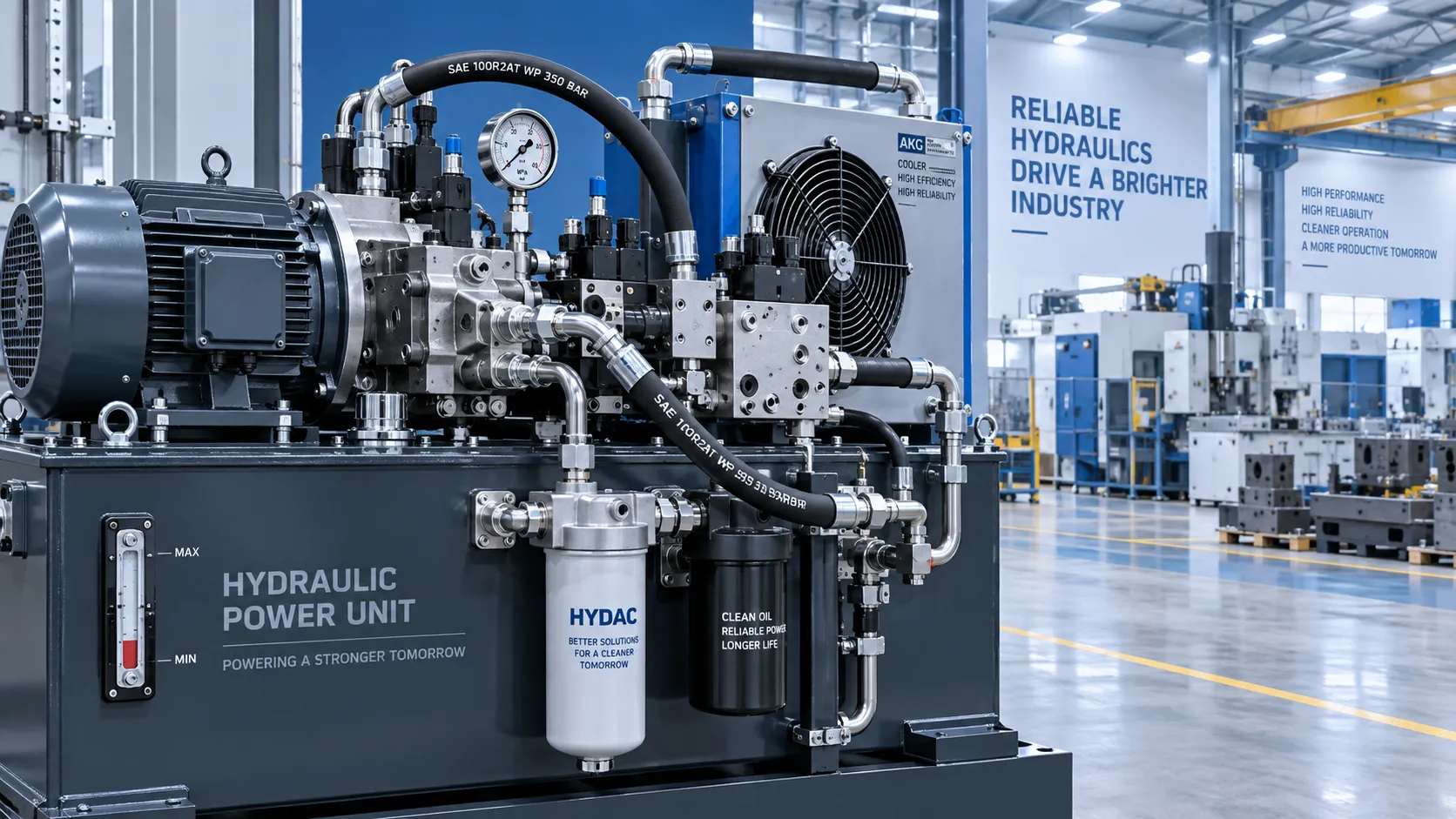
What Determines Industrial Hydraulic System Price for Heavy-Duty Equipment?
Industrial hydraulic system price depends on duty cycle, pressure, components, cooling, and integration. Compare quotes intelligently to secure reliable heavy-duty performance.
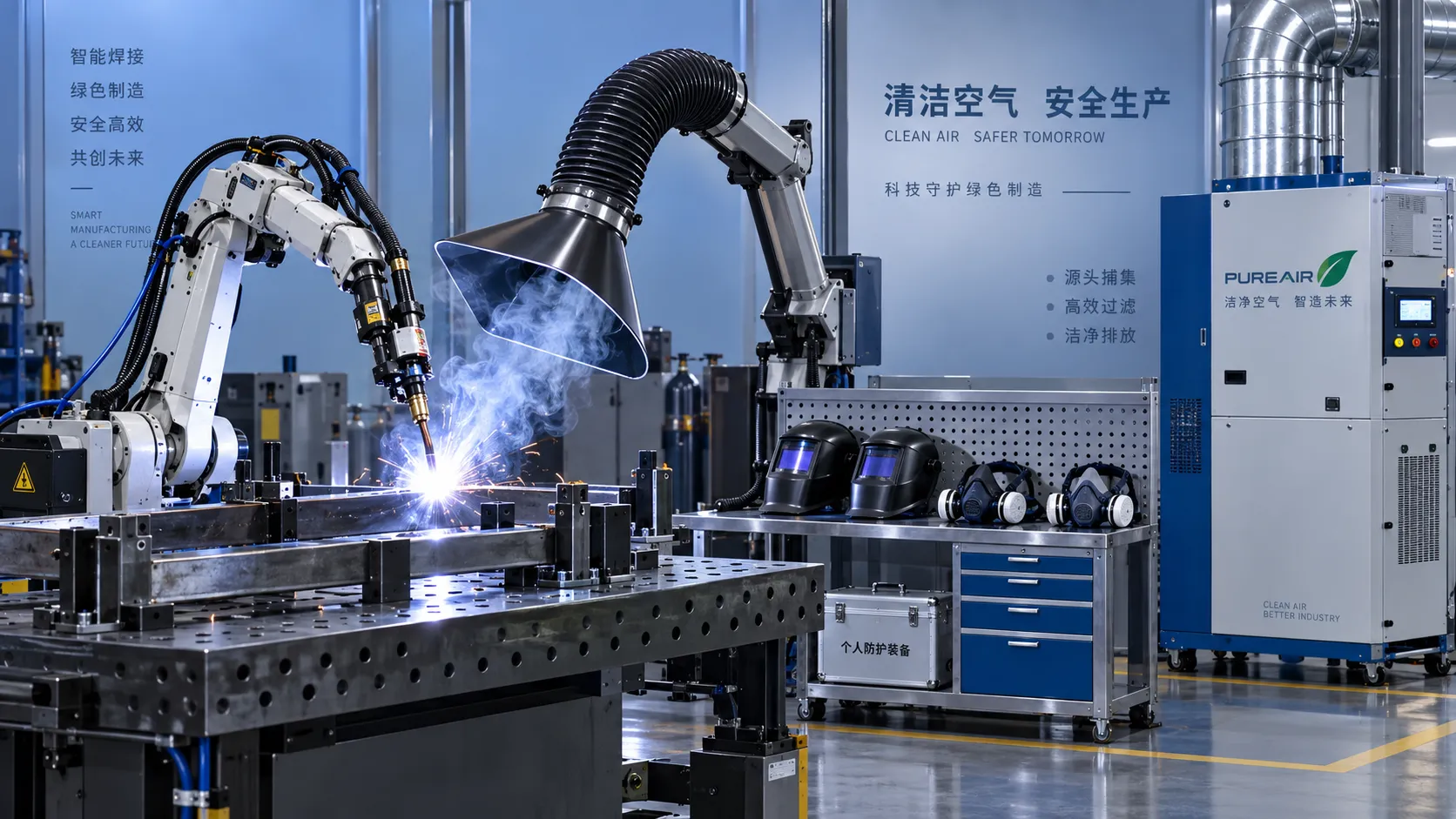
Welding Fume Extraction PPE: When Respirators Are Not Enough for Shop Safety
Welding fume extraction PPE: learn why respirators alone fall short and how source capture, ventilation, and layered controls improve shop safety.
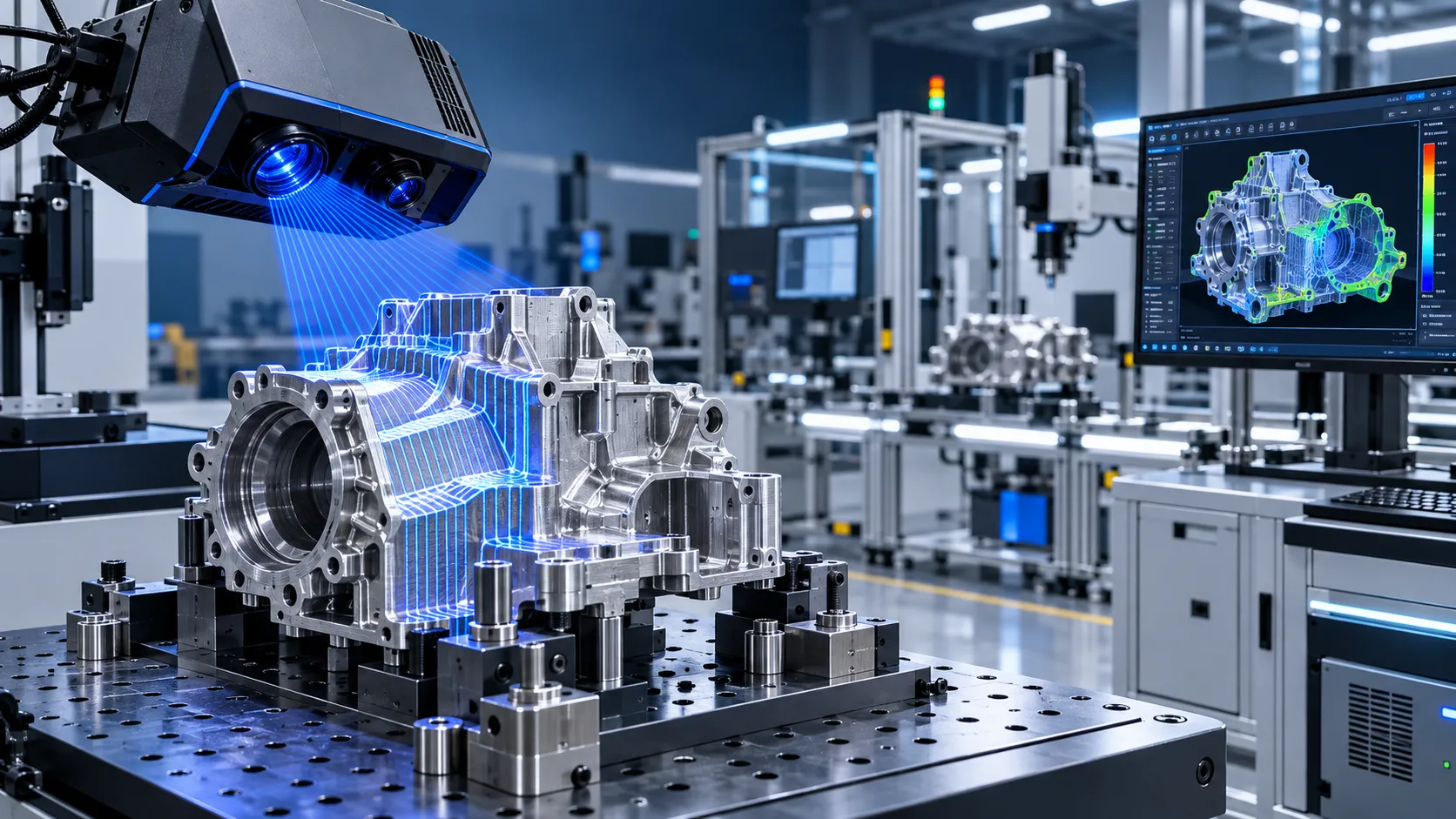
How to Select Optical Metrology Solutions for Tight-Tolerance Manufacturing
Optical industrial metrology solutions for tight-tolerance manufacturing: evaluate accuracy, surface compatibility, workflow, and traceability to select with confidence.
Related News
- 00
0000-00
Selecting Adjustable Torque Tools for Repeatable Fastener Assembly - 00
0000-00
How to Select Aerospace Inspection Tools for Aircraft Maintenance Tasks - 00
0000-00
How to Select Wire Bonding Tools for Fine-Pitch Semiconductor Packaging - 00
0000-00
Industrial Equipment Application Guidance: Match Machines to Operating Conditions - 00
0000-00
Selecting High-Speed Brushless Tool Motors for Torque, Heat, and Duty Cycle
Prof. Marcus Chen
Weekly Insights
Stay ahead with our curated technology reports delivered every Monday.