
Digital Factories Explained: Which Systems Improve Production Visibility and Control




Digital factories are changing how production is seen, measured, and managed. The biggest shift is simple: decisions no longer wait for yesterday’s reports.
For enterprises operating across assembly, welding, machining, inspection, and service, production visibility now depends on connected systems, not isolated machines or spreadsheets.
That matters even more in the last mile of manufacturing, where torque accuracy, weld quality, tool performance, and metrology discipline directly affect output, cost, and compliance.
At GPTWM, ongoing observation of industrial assembly, metal joining, and precision metrology shows a clear pattern: digital factories deliver value when data flows across planning, execution, quality, and maintenance.
What digital factories really mean in day-to-day production
A digital factory is not one software package. It is a practical operating model that connects machines, operators, inspection points, and business decisions in near real time.
The goal is better visibility and tighter control. That includes knowing what is running, what is delayed, what is drifting, and what needs action before output is affected.
In precision tooling and welding environments, this also means tracking process stability, safety conditions, calibration status, and performance across multiple production cells.
The systems that improve production visibility and control
1. MES connects plans with shop-floor execution
A Manufacturing Execution System sits at the center of many digital factories. It translates schedules into live production tasks and records what actually happens on the floor.
When MES is well configured, it shows order status, labor progress, work instructions, downtime causes, and rework loops without waiting for manual end-of-shift updates.
2. SCADA gives real-time equipment visibility
SCADA systems collect and visualize machine data. They help digital factories monitor temperatures, cycle counts, alarms, energy use, and process states as production unfolds.
This is especially useful where welding parameters, hydraulic pressure, or machine utilization need fast intervention before quality or throughput starts slipping.
3. IIoT platforms turn isolated assets into connected assets
Industrial IoT platforms pull data from tools, sensors, torque systems, handheld devices, and legacy equipment. They are often the fastest way to expand digital factory coverage.
This matters in mixed environments where new CNC lines operate beside manual assembly benches, portable metrology devices, and semi-automated welding stations.
4. QMS and SPC protect process stability
Production visibility is incomplete without quality visibility. Quality Management Systems and Statistical Process Control tools reveal drift, recurring defects, and weak control plans.
In digital factories, quality should not be reviewed only after nonconformance appears. It should be visible during production, at the exact point where deviation begins.
5. CMMS and predictive maintenance reduce hidden losses
A maintenance platform supports control by reducing unplanned stops. It tracks asset history, spare parts, service intervals, and condition-based triggers across critical equipment.
For digital factories, this is not only about uptime. It also protects weld consistency, measurement accuracy, and repeatable tool performance over time.
6. ERP provides business-level coordination
ERP is not a shop-floor control tool by itself, but digital factories still rely on it. It links materials, purchasing, inventory, costs, and customer commitments to production decisions.
Without that connection, visibility stays local. With it, the enterprise can see how production delays affect margins, delivery risk, and working capital.
Where to focus first if better control is the goal
Not every system deserves equal priority at the start. The right sequence depends on where blind spots create the most cost, delay, or compliance exposure.
- Start with the bottleneck process. In many digital factories, one unstable welding cell, torque station, or inspection gate causes most late orders and hidden rework.
- Map data ownership early. If machine data, quality records, and maintenance logs stay in separate silos, visibility improves slowly and control remains reactive.
- Define one version of the truth. Digital factories fail when uptime, scrap, and output are calculated differently across operations, engineering, and finance.
- Digitize operator response, not just machine status. Alerts without standard actions create noise, while clear escalation rules create control.
- Check metrology readiness before scaling. Measurement drift can make digital factories look stable on dashboards while actual product quality keeps moving.
- Review safety-linked processes as data systems expand. This is critical where handheld laser welding, high-torque tools, or hydraulic equipment are involved.
How this looks in real industrial settings
Assembly and torque-controlled operations
In assembly environments, digital factories often begin with traceability. The key question is whether every fastening step can be linked to a product, operator, and result.
If intelligent torque tools feed results into MES or an IIoT platform, supervisors can spot recurring misses, sequence errors, or station-level slowdowns before defects spread downstream.
Welding and metal joining
In welding, visibility should cover more than arc-on time. Useful digital factories track parameter windows, consumable usage, operator qualification, safety conditions, and post-weld inspection feedback.
GPTWM’s industry monitoring shows that as handheld laser welding expands, control systems must also capture safety compliance and process consistency, not only production speed.
Precision metrology and inspection-heavy production
Where output depends on tight tolerances, digital factories need direct links between production events and measurement data. Otherwise, defects are discovered too late to prevent cascading loss.
A strong setup connects gauges, CMM results, calibration records, and SPC trends. That makes process drift visible while there is still time to correct it.
Common gaps that limit digital factory results
Many digital factories underperform for predictable reasons. Usually, the problem is not technology shortage. It is weak integration, poor process discipline, or unclear decision rules.
- Collecting too much data without action thresholds. More dashboards do not improve control if no one knows when to intervene or what to change.
- Ignoring legacy equipment constraints. Digital factories often depend on older assets, so retrofitting strategy matters as much as new software selection.
- Treating quality as a separate island. If defect data is not tied to machine state or process history, root-cause analysis stays slow and incomplete.
- Overlooking operator usability. Complicated screens and manual inputs reduce adoption, especially where production pace is high.
- Failing to align with supply and compliance changes. Raw material volatility and export restrictions can alter production priorities faster than static digital rules expect.
A practical way to compare systems
Why intelligence matters beyond the software stack
Digital factories work best when internal data is combined with external market and technology intelligence. This is where GPTWM adds practical reference value.
Its Strategic Intelligence Center tracks shifts in raw materials, export standards, tool technology, welding safety, brushless motor efficiency, and IoT torque control evolution.
That broader context helps enterprises avoid narrow decisions. A digital factory may be technically connected but still poorly prepared for supply shocks, compliance changes, or process obsolescence.
What to do next
If production visibility is still fragmented, begin with one question: where does uncertainty most often damage cost, delivery, quality, or safety?
Then match that gap to the right system. MES improves execution visibility. SCADA sharpens equipment awareness. IIoT expands connectivity. QMS and SPC secure process stability. CMMS protects reliability.
The strongest digital factories are not built by buying everything at once. They are built by connecting the right systems, around the right bottlenecks, with clear response rules and trusted data.
For enterprises navigating precision tools, welding, assembly, and metrology, that approach creates something far more valuable than visibility alone: confident control.
Related News
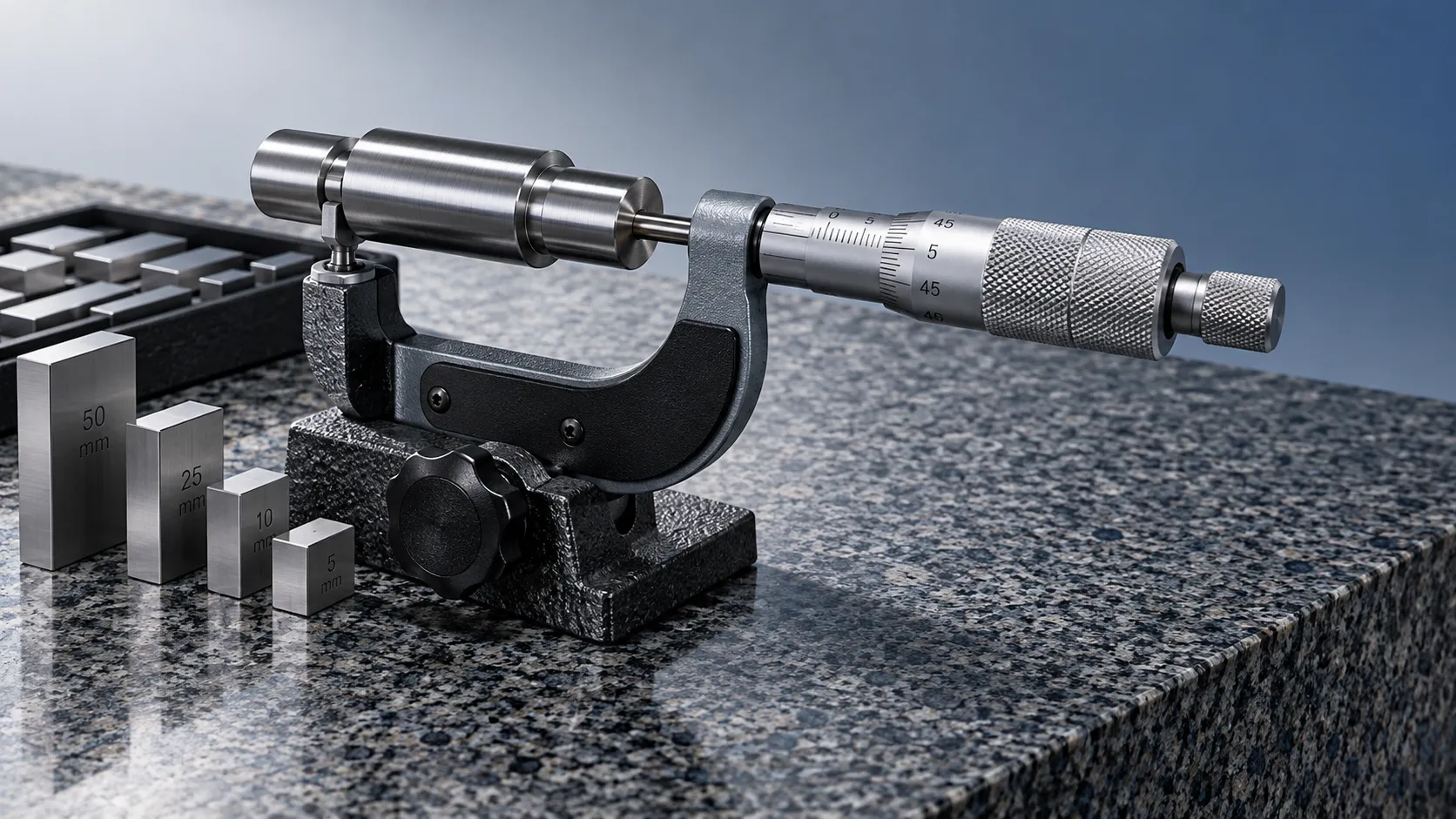
Choosing Industrial Metrology Tools: Matching Measurement Uncertainty to Tolerances
Improve industrial tool selection for metrology by matching measurement uncertainty to tolerances. Learn how to reduce inspection risk and choose equipment with confidence.
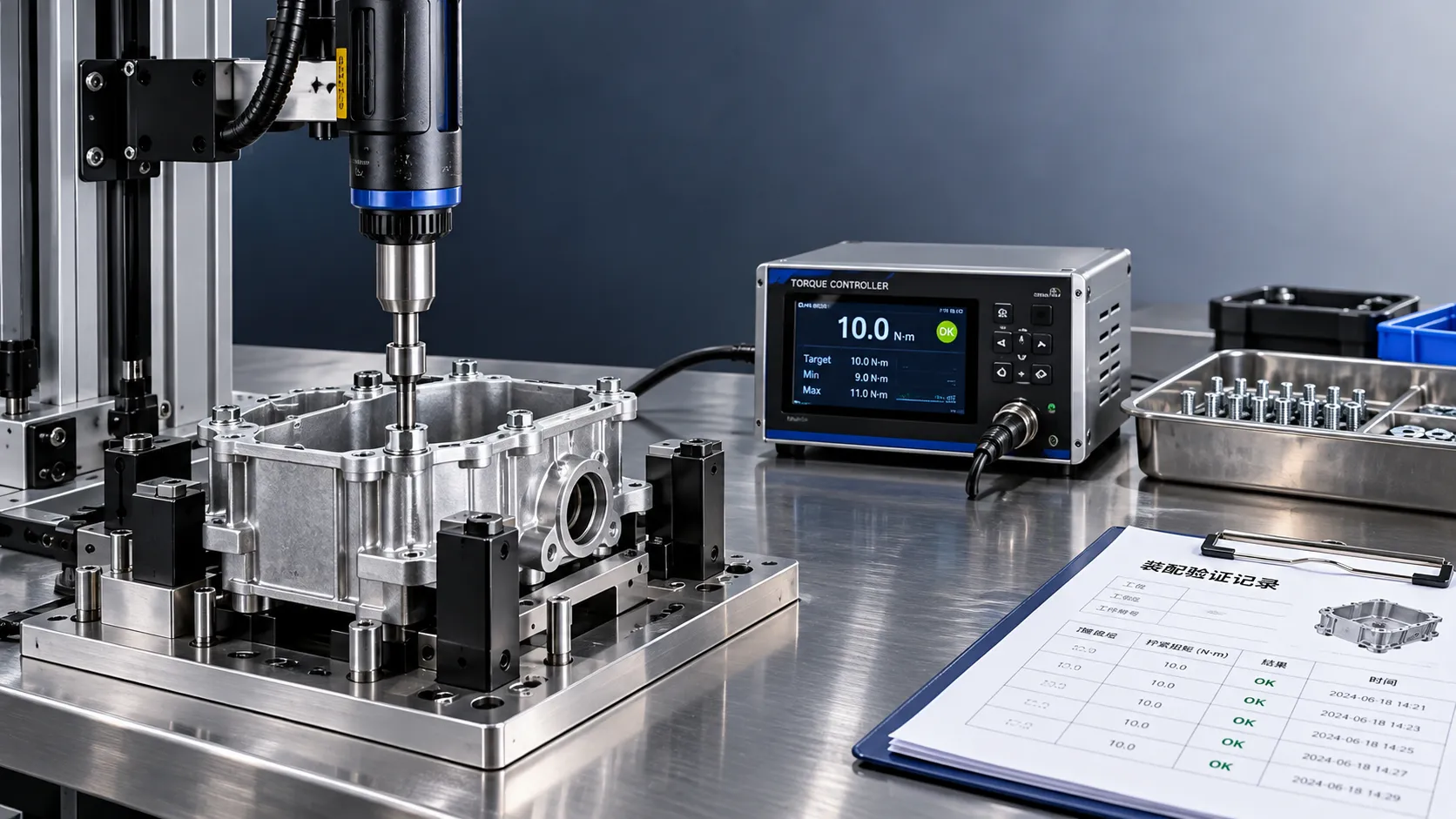
Torque System Suppliers: How to Assess References for Assembly Projects
Explore supplier and solution references torque systems buyers should verify. Assess assembly fit, traceability, and support to reduce risk and choose with confidence.

Equipment Application Guidance for the Middle East: Managing Heat and Dust
Explore application guidance Middle East teams can use to manage heat and dust, protect welding equipment, batteries and precision tools, and reduce downtime. Get practical tips.
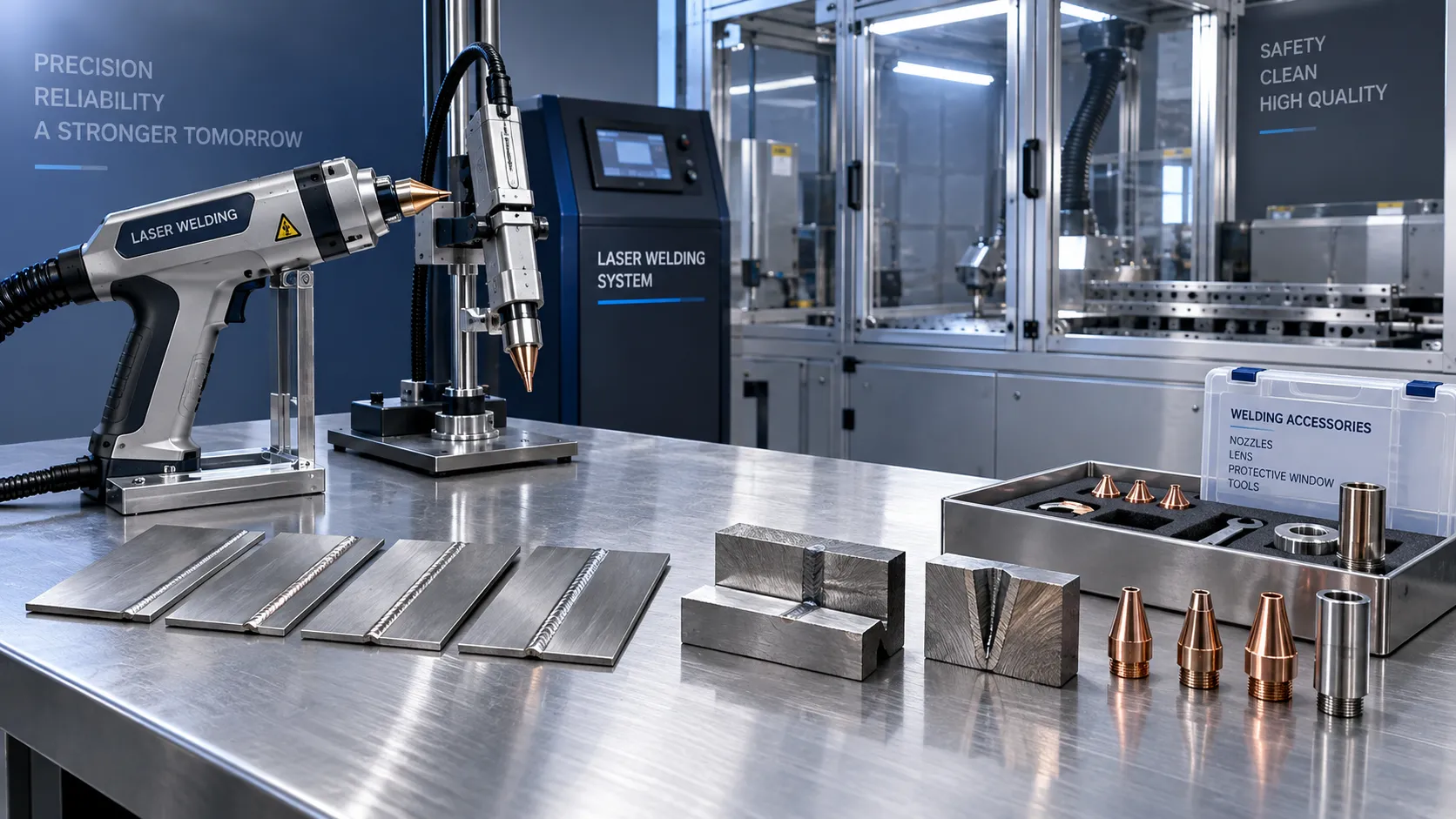
Choosing a Handheld Laser Welding Supplier: Weld Trials, Training, and Service
Choose a handheld laser welding supplier with proven weld trials, safety training, and reliable service. Learn what to verify before buying to reduce downtime and protect your investment.
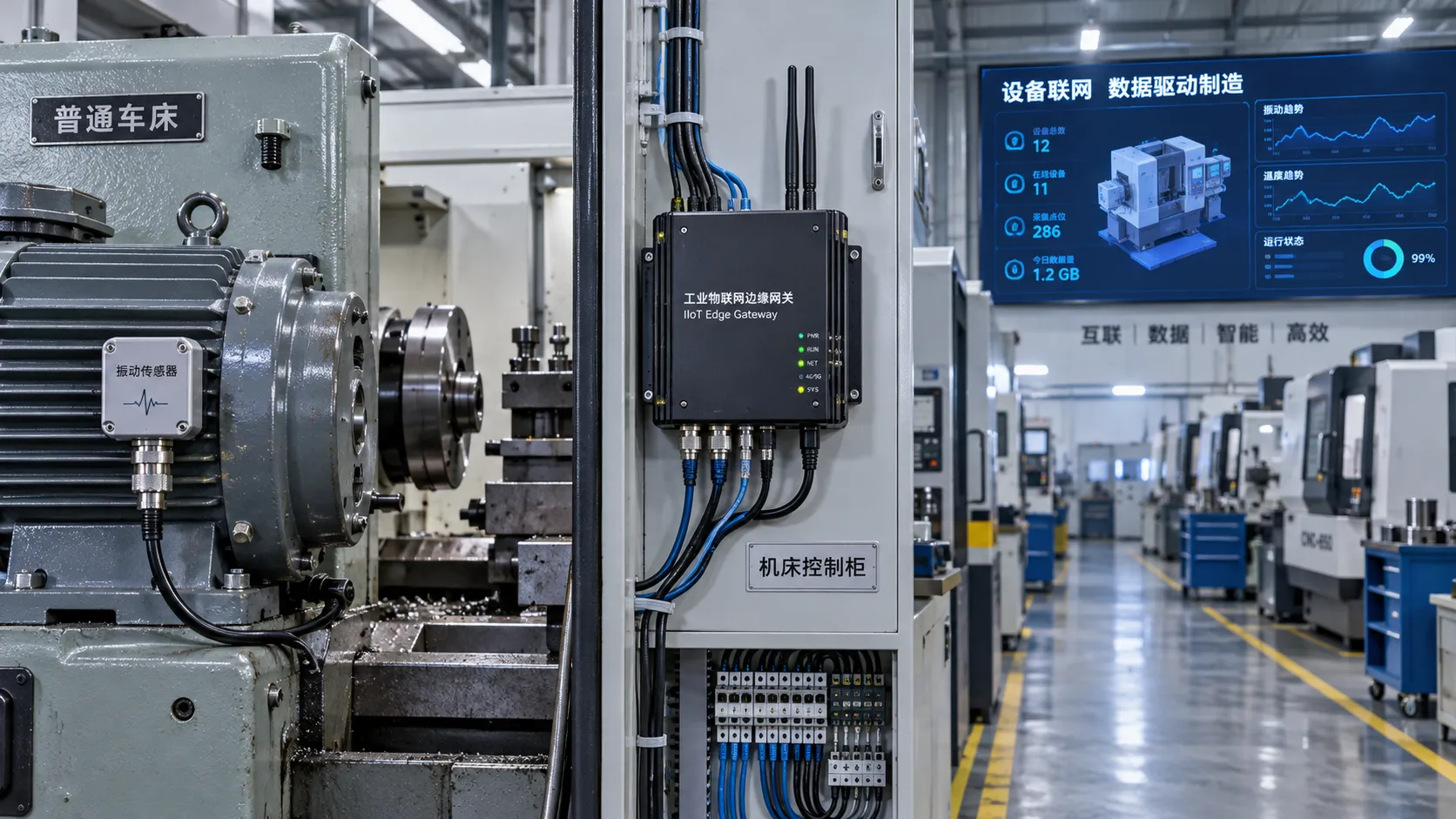
Choosing an Industrial IoT Platform: Key Criteria for Legacy Equipment
Choose an industrial IoT platform for legacy equipment with confidence. Discover key checks for connectivity, data integrity, security, and lifecycle costs before investing.

In-House vs. Outsourced Aircraft Maintenance: Comparing Total Costs
Compare aerospace maintenance cost for in-house vs. outsourced aircraft upkeep. Discover hidden expenses, downtime impacts, and break-even factors to find the best fit for your fleet.
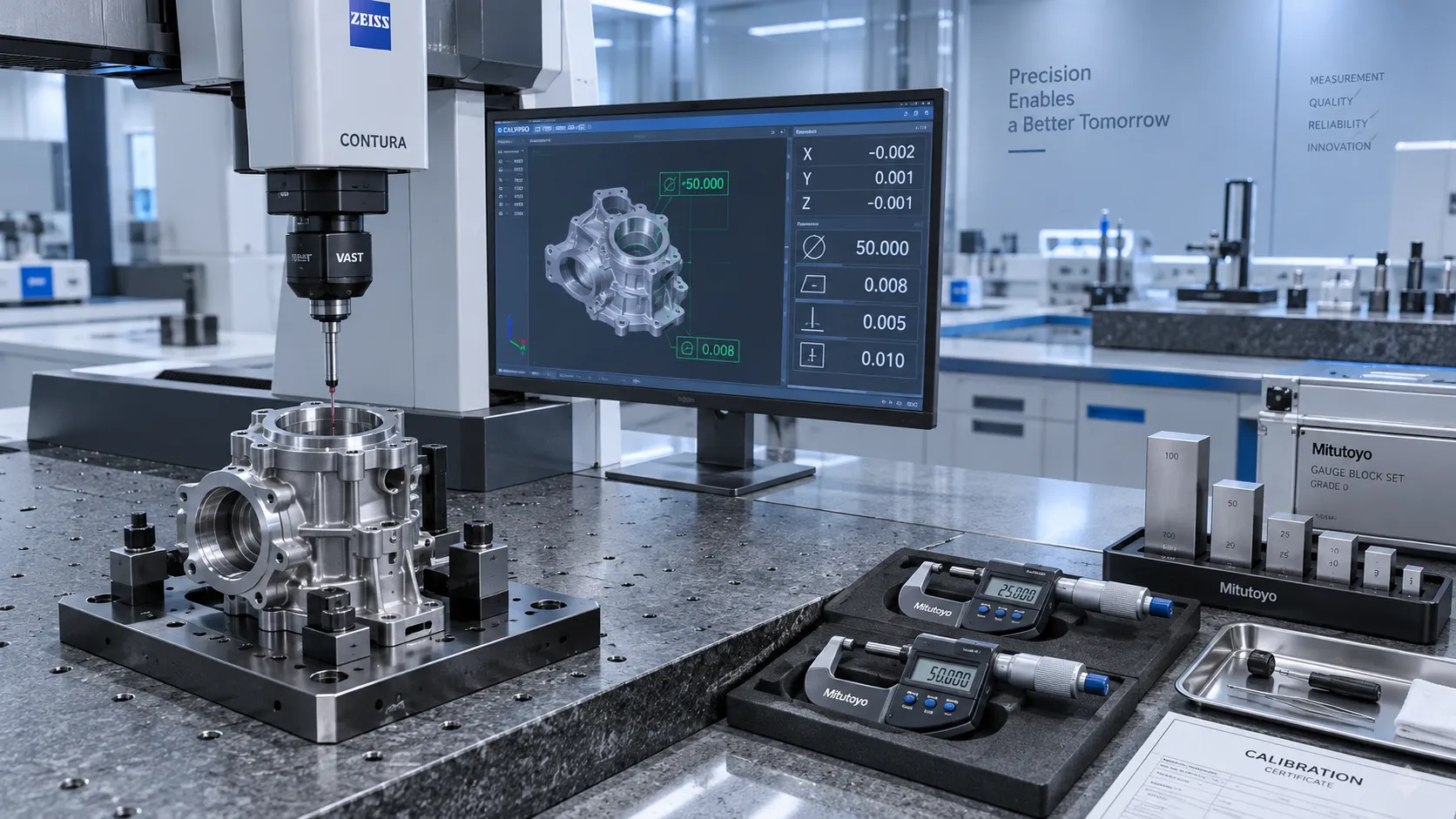
How to Select High-Precision Measuring Instruments for Tight-Tolerance Production?
High-precision measuring instruments are essential for tight-tolerance production. Learn how to evaluate accuracy, repeatability, environment, calibration, and data integration.
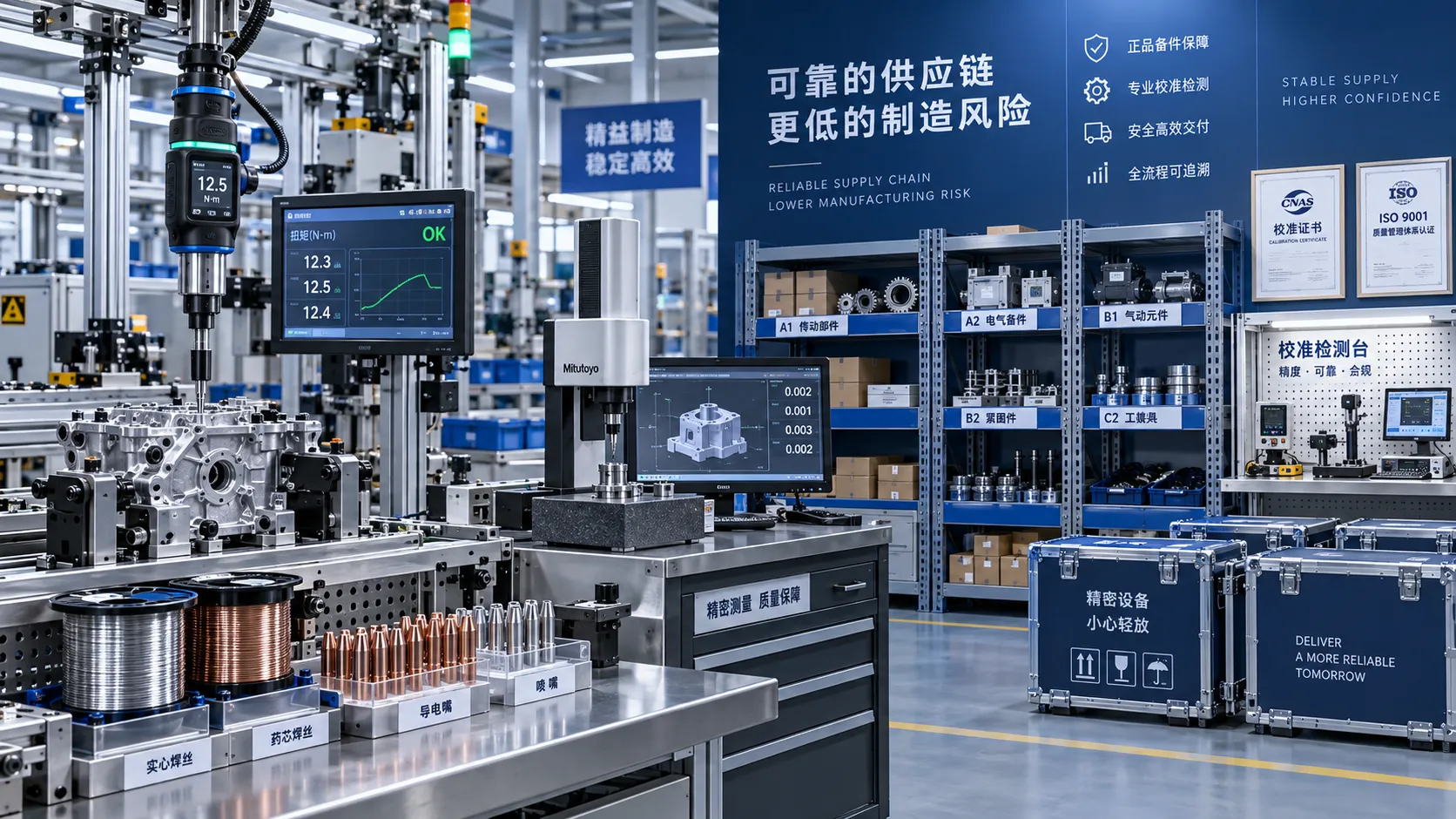
How Industrial Innovation Supplier Networks Reduce Sourcing Risk for Manufacturers
industrial innovation supplier network insights help manufacturers reduce sourcing risk, control lifecycle costs, and choose reliable tools, services, and suppliers with confidence.
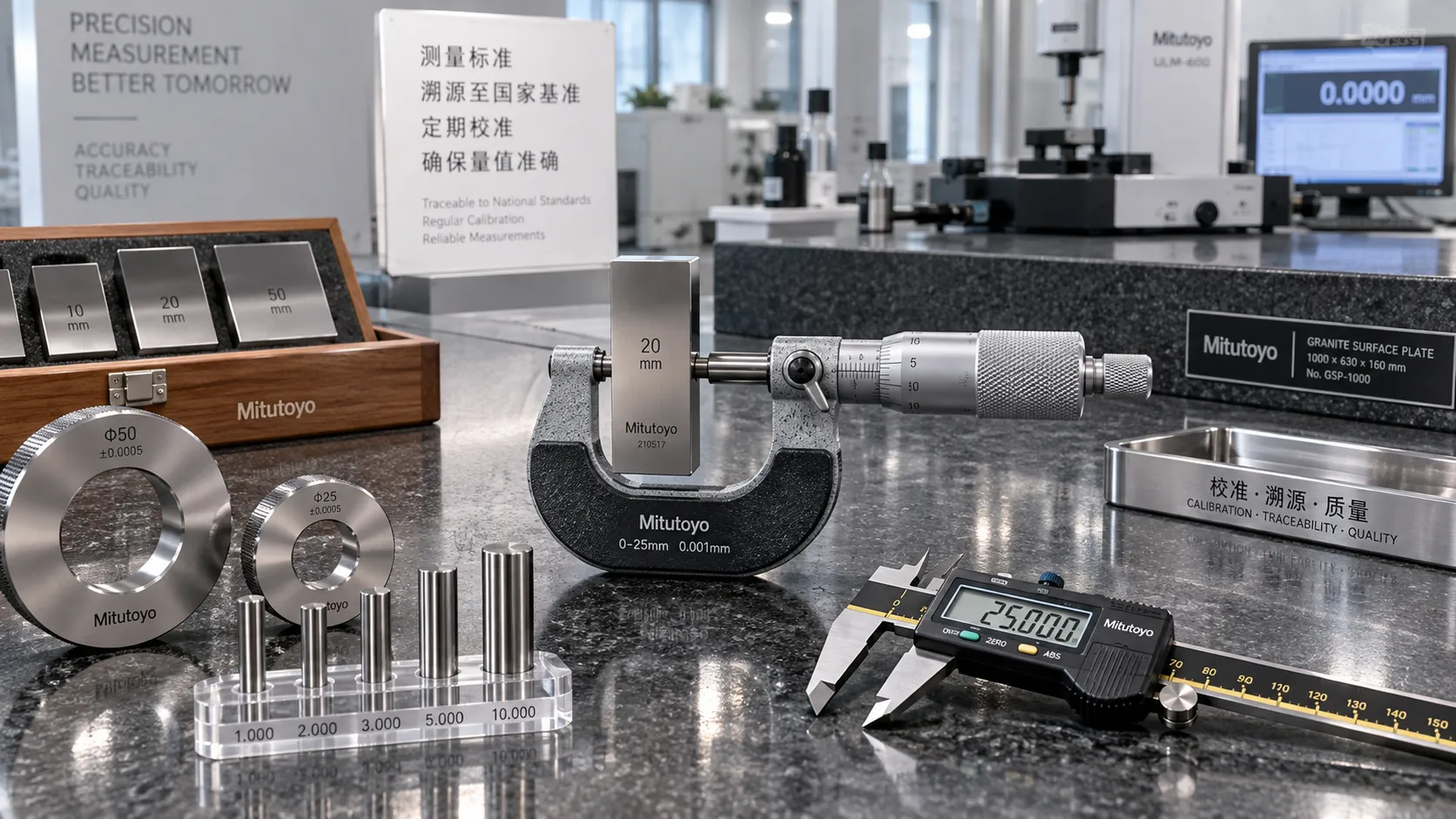
How Often Should Precision Measuring Instruments Be Calibrated?
How often should precision measuring instruments be calibrated? Learn how usage, tolerance, environment, and risk determine a reliable calibration schedule.
Related News
- 00
0000-00
Equipment Application Guidance for the Middle East: Managing Heat and Dust - 00
0000-00
Choosing an Industrial IoT Platform: Key Criteria for Legacy Equipment - 00
0000-00
How to Select High-Precision Measuring Instruments for Tight-Tolerance Production? - 00
0000-00
How Do Advanced Manufacturing Methods Improve Batch Consistency? - 00
0000-00
Precision Positioning in Electronics Manufacturing: A Practical Route to Higher Yield
Prof. Marcus Chen
Weekly Insights
Stay ahead with our curated technology reports delivered every Monday.