
How to Choose Torque Tools for Assembly Lines: Torque Range, Accuracy, and Joint Type





Choosing the right torque tools for an assembly line directly affects product quality, process stability, and compliance. For technical evaluators, the key is not just matching torque range, but also balancing accuracy, joint type, cycle demands, and traceability requirements. This guide outlines the essential criteria for selecting torque tools that improve fastening consistency and support smarter manufacturing decisions.
Why torque tool selection is a technical decision, not a simple purchase
In modern assembly, torque tools do more than tighten fasteners. They control clamp load, reduce variation, support quality records, and influence rework rates. A poor match between tool capability and joint behavior often causes stripped threads, loose assemblies, cosmetic damage, or hidden reliability risks.
For technical evaluation teams, the challenge is sharper in mixed-industry environments. Automotive subassemblies, industrial equipment, electronics enclosures, maintenance cells, and metal-joining workstations may all require different fastening strategies. One torque range or one tool family rarely fits every station.
This is where structured evaluation matters. GPTWM follows the last mile of industrial manufacturing and focuses on the link between precision tools, metrology, and intelligent assembly. That perspective helps evaluators compare torque tools not only by catalog data, but by process relevance.
- Does the torque output actually cover the working window with enough safety margin?
- Is the required accuracy stable across the application, or only at one point in the range?
- Does the joint behave as a hard joint, soft joint, or variable friction joint?
- Will takt time, operator ergonomics, and data traceability change the tool choice?
How to choose torque tools by torque range
Torque range is the first filter, but it should never be the only one. Many selection errors happen because buyers choose tools based only on the target torque value, ignoring where that value sits within the usable output band. Torque tools usually perform best in a central working region rather than at the extreme low or high end.
What evaluators should verify
If a station requires 12 Nm, a tool with a range of 2 to 15 Nm may look acceptable. In practice, however, frequent operation near the top end may shorten service intervals, reduce process comfort, or increase variation under fluctuating line pressure or battery condition.
A better approach is to place the target torque within a stable operating band, while also checking transients such as prevailing torque, breakaway effects, and rundown characteristics. This matters especially in joints with thread-locking compounds, coated fasteners, or gasket compression.
The table below helps technical evaluators map torque tools to practical assembly windows instead of relying only on nominal values.
The main takeaway is simple: torque tools should be selected around the real fastening process, not just the final torque number. A line with frequent product changeovers may need broader flexibility, while a dedicated high-volume station may benefit from a narrower but more optimized tool configuration.
How much accuracy do your assembly lines actually need?
Accuracy is often discussed in percentage terms, but evaluators need to translate it into process consequences. A stated accuracy of ±3% or ±5% means little without understanding the joint tolerance, safety function, sealing requirement, and downstream quality exposure.
Accuracy should match application criticality
For non-critical covers or brackets, moderate accuracy may be sufficient if the joint design is forgiving. For structural, pressure-retaining, or vibration-sensitive assemblies, tighter control and better data capture are usually justified. In regulated sectors or export-driven production, this also supports audit readiness.
Technical evaluators should also look beyond static calibration. Real performance can shift with operator technique, pulse behavior, air supply variation, battery state, socket wear, temperature, and maintenance intervals. A tool that looks accurate in a lab may drift in daily production.
Questions that prevent under-specification or over-specification
- What is the acceptable clamp load window for this joint?
- Is torque alone enough, or is torque-plus-angle monitoring needed?
- Does the customer require fastening records linked to serial number or batch number?
- How often can the site realistically recalibrate or verify the torque tools?
In many assembly lines, the best decision is not the most accurate tool on paper. It is the torque tool that delivers repeatable performance under actual production conditions with manageable maintenance, verification, and operator training demands.
Why joint type changes the best torque tools for the job
Joint type has a direct effect on tool behavior. Hard joints reach final torque quickly, with a steep rise near the end of rundown. Soft joints take more rotation after seating and can absorb energy through gaskets, coatings, or elastic components. Mixed joints add more complexity because friction is less predictable.
If torque tools are selected without joint analysis, even a properly calibrated system may produce unstable clamp load. That is why technical evaluation should include actual fastening tests, not just datasheet review.
This comparison table shows how joint type influences torque tool choice and process control strategy.
For evaluators, the practical point is this: a soft or variable joint often justifies more advanced torque tools than a rigid, forgiving joint at the same nominal torque. Joint behavior drives control strategy, verification method, and data requirements.
Which torque tool technologies fit different assembly scenarios?
Manual torque tools
Manual torque wrenches and screwdrivers remain useful for low-volume production, maintenance, rework, and final verification. They are flexible and relatively simple to deploy, but they depend more on operator technique and provide limited line-speed support.
Clutch-type power torque tools
These are common in repetitive assembly where speed matters and the joint is reasonably stable. They can be cost-effective, but evaluators should test consistency under changing friction, operator approach angle, and station utilization rate.
Transducerized torque tools
These tools are better suited to critical assembly, traceability requirements, and digital quality systems. They can capture torque curves, angle, error conditions, and process records. In smart manufacturing environments, they often support stronger root-cause analysis and line integration.
Pneumatic, electric, or battery platforms
- Pneumatic torque tools may suit robust, high-cycle stations, but require stable air quality and pressure management.
- Electric torque tools support better control, cleaner integration, and often easier parameter management.
- Battery torque tools help in flexible cells, field assembly, and mobile maintenance where cables or air lines are restrictive.
GPTWM tracks industry shifts in brushless motors, intelligent torque control, and industrial ergonomics. That broader view helps evaluators judge whether a lower-cost platform is enough today or whether process demands are moving toward connected torque tools with richer diagnostics.
Procurement checklist: what technical evaluators should compare before approval
A strong evaluation framework prevents costly mismatches. It also shortens internal approval cycles because engineering, quality, production, and sourcing can review the same decision criteria.
Use the following checklist when comparing torque tools across suppliers or solution types.
This checklist also helps when budget is limited. Instead of buying the most advanced torque tools everywhere, evaluators can assign higher specification only to critical joints and use simpler solutions where process risk is lower.
Common mistakes when selecting torque tools for assembly lines
- Choosing by target torque only, without checking prevailing torque, seating behavior, or cycle profile.
- Assuming catalog accuracy equals in-line process capability under actual operator and environmental conditions.
- Ignoring joint type and friction variation, especially with coated fasteners, aluminum parts, or gasketed joints.
- Overlooking ergonomics, reaction control, and fatigue in high-cycle fastening stations.
- Buying traceability features too late, after customer documentation or compliance demands increase.
Many of these issues are avoidable through front-end analysis. GPTWM’s intelligence model is useful here because it combines tool technology, metrology logic, and market application signals. That helps technical evaluators make decisions that remain valid as production complexity grows.
Standards, verification, and compliance points worth checking
Not every assembly line requires the same compliance depth, but most industrial buyers should review calibration traceability, verification frequency, and documentation format before final approval. For export-oriented production, customer-specific requirements may be as important as general industrial norms.
Typical compliance focus areas
- Calibration traceability through recognized measurement practices and documented intervals.
- Routine verification at the station level using torque testers or audit procedures.
- Recorded fastening results for critical joints, particularly where warranty exposure is significant.
- Change control for parameter updates, software settings, and maintenance actions.
Technical evaluators should ask early whether the torque tools must support digital records, operator lockout, barcode linking, or controlled parameter download. These functions may be unnecessary for simple stations, but essential in quality-sensitive production.
FAQ: practical questions technical evaluators often ask about torque tools
How do I know if a torque tool is oversized for the application?
If the target torque sits too low in the tool range, control resolution and repeatability may suffer. Oversized torque tools can also increase reaction force and reduce operator feel. Review the actual working point, joint sensitivity, and test data rather than relying only on maximum capacity.
Are transducerized torque tools always necessary?
No. They are most valuable where joints are critical, friction varies, traceability is required, or quality failures are expensive. For stable, low-risk joints, simpler torque tools may be sufficient if verification and operator control are strong.
What matters more: torque accuracy or joint analysis?
Both matter, but joint analysis often comes first. A highly accurate tool can still deliver poor clamp load if the joint is soft, lubricated, or inconsistent and the control strategy is wrong. Good selection starts with understanding the fastener, material stack, friction conditions, and seating behavior.
When should traceability be included in the torque tool project?
As early as possible. Retrofitting data capture later is often more expensive and disruptive. If customers, auditors, or internal quality teams may request fastening records, it is wise to evaluate communication capability and data architecture during initial selection.
Why work with GPTWM when evaluating torque tools?
Torque tool selection now sits at the intersection of fastening physics, metrology discipline, digital integration, and procurement timing. GPTWM supports that decision process through industrial intelligence centered on assembly, metal joining, and precision measurement technologies.
Our Strategic Intelligence Center tracks practical developments that matter to technical evaluators: intelligent torque control systems, brushless power tool limits, safety expectations in adjacent joining processes, and demand shifts across construction, automotive, aerospace maintenance, and industrial distribution.
If your team is comparing torque tools for new lines, product transfer, quality upgrades, or export-driven assembly programs, you can consult GPTWM for focused support on:
- Torque range and joint-type parameter confirmation for specific fastening stations
- Selection logic between manual, clutch, electric, battery, and transducerized torque tools
- Traceability, verification, and digital integration considerations for assembly lines
- Delivery-cycle planning, sample evaluation scope, and phased deployment suggestions
- Certification-related documentation expectations and cross-market procurement insights
- Quotation communication based on application risk, station volume, and process complexity
For technical evaluators, the goal is not simply to buy torque tools. It is to choose a fastening solution that matches torque range, accuracy, joint behavior, production rhythm, and future quality requirements. GPTWM helps turn that choice into a more informed and scalable manufacturing decision.
Related News
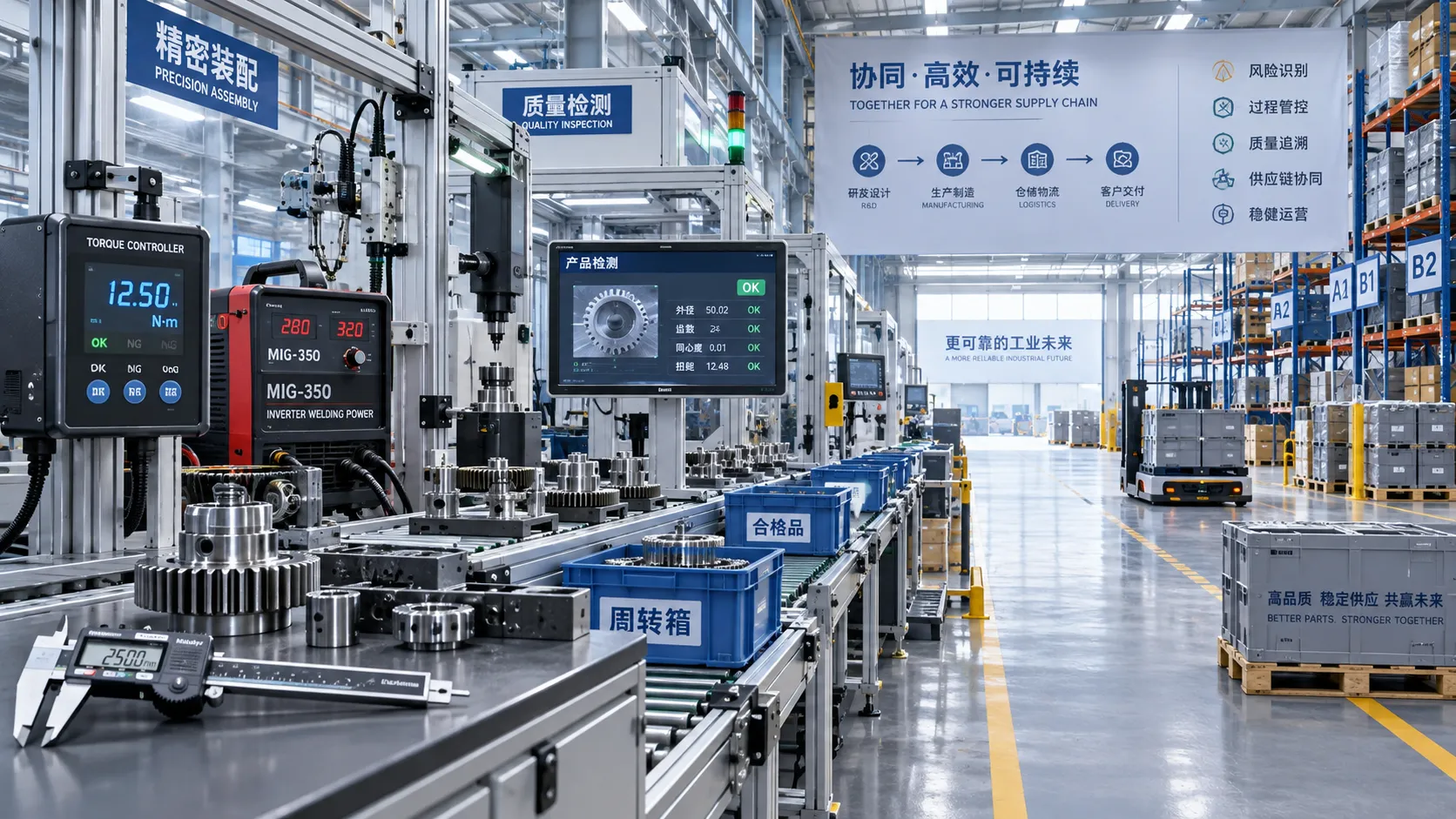
How Procurement Teams Can Map the Industrial Value Chain to Reduce Supply Risk
Industrial value chain procurement helps teams map hidden dependencies, qualify resilient sources, and reduce supply risk before disruptions stop production.
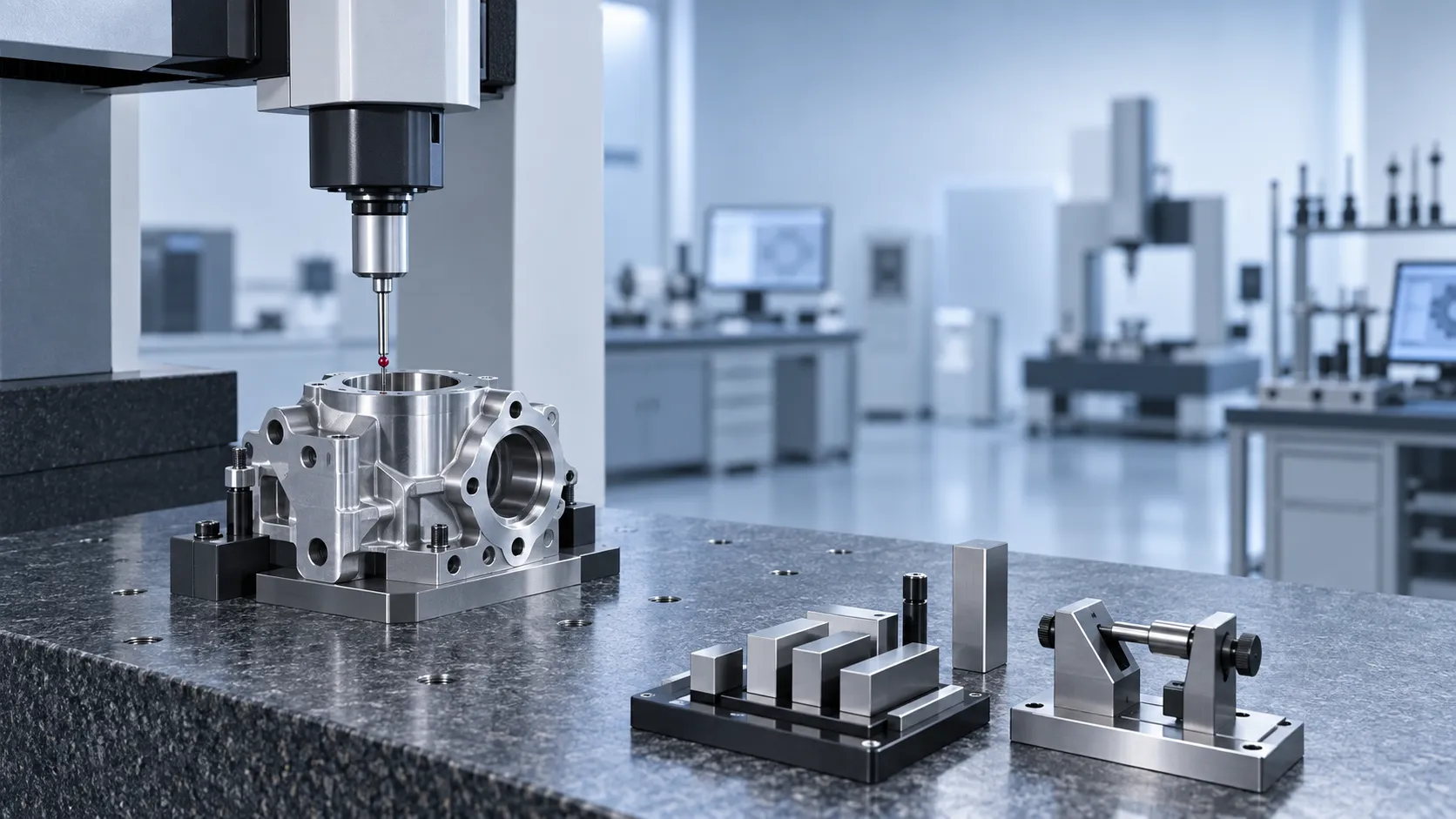
How Specification-Driven Articles Improve Precision Measurement System Selection
Specification-oriented articles precision measurement guidance helps teams compare accuracy, repeatability, environment, and data needs to select reliable systems with confidence.
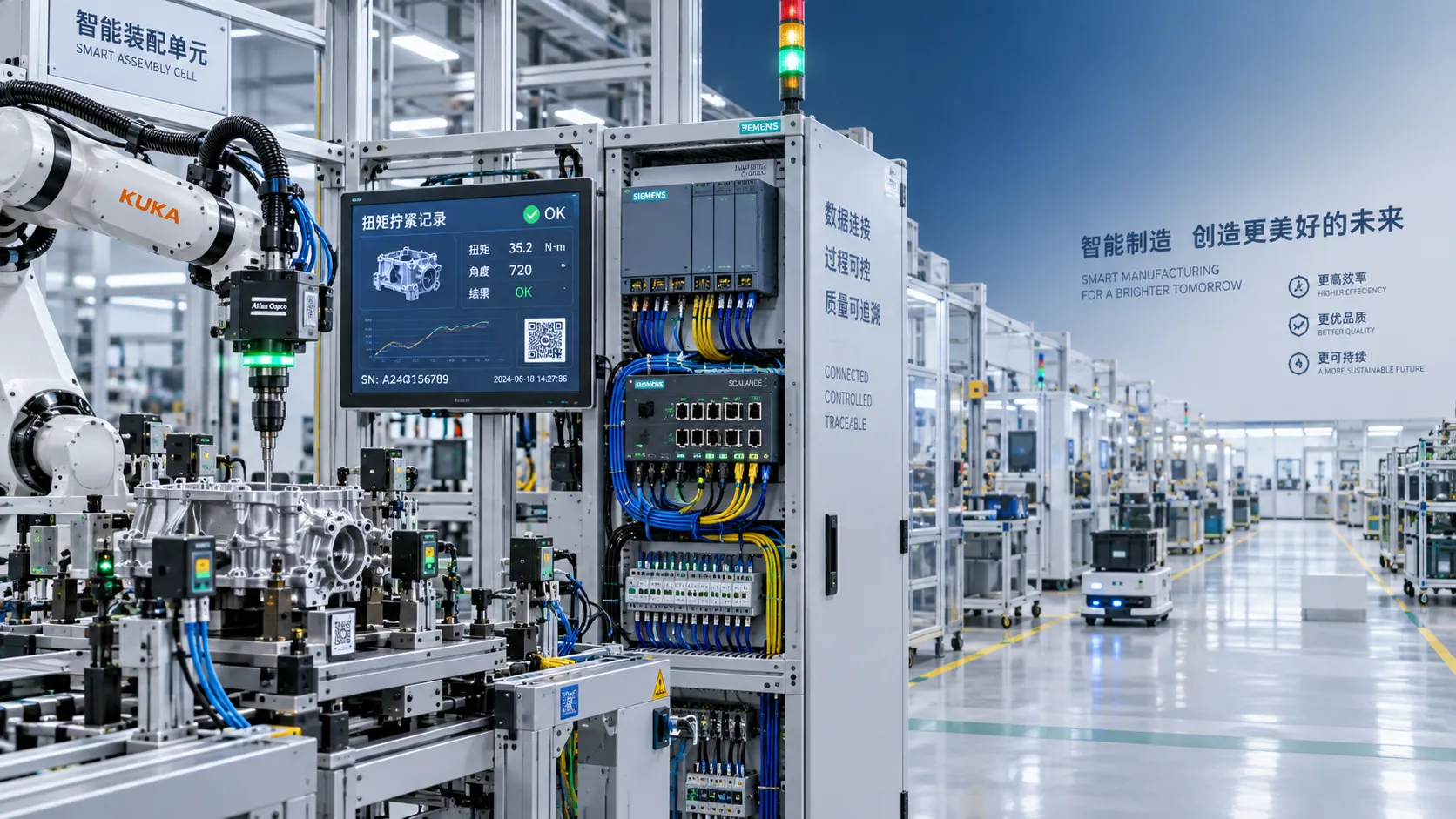
How to Evaluate a Technology Integration Service Provider for Complex Projects
Technology integration service provider selection guide: evaluate interface ownership, delivery discipline, scalable architecture, and risk control for complex projects.
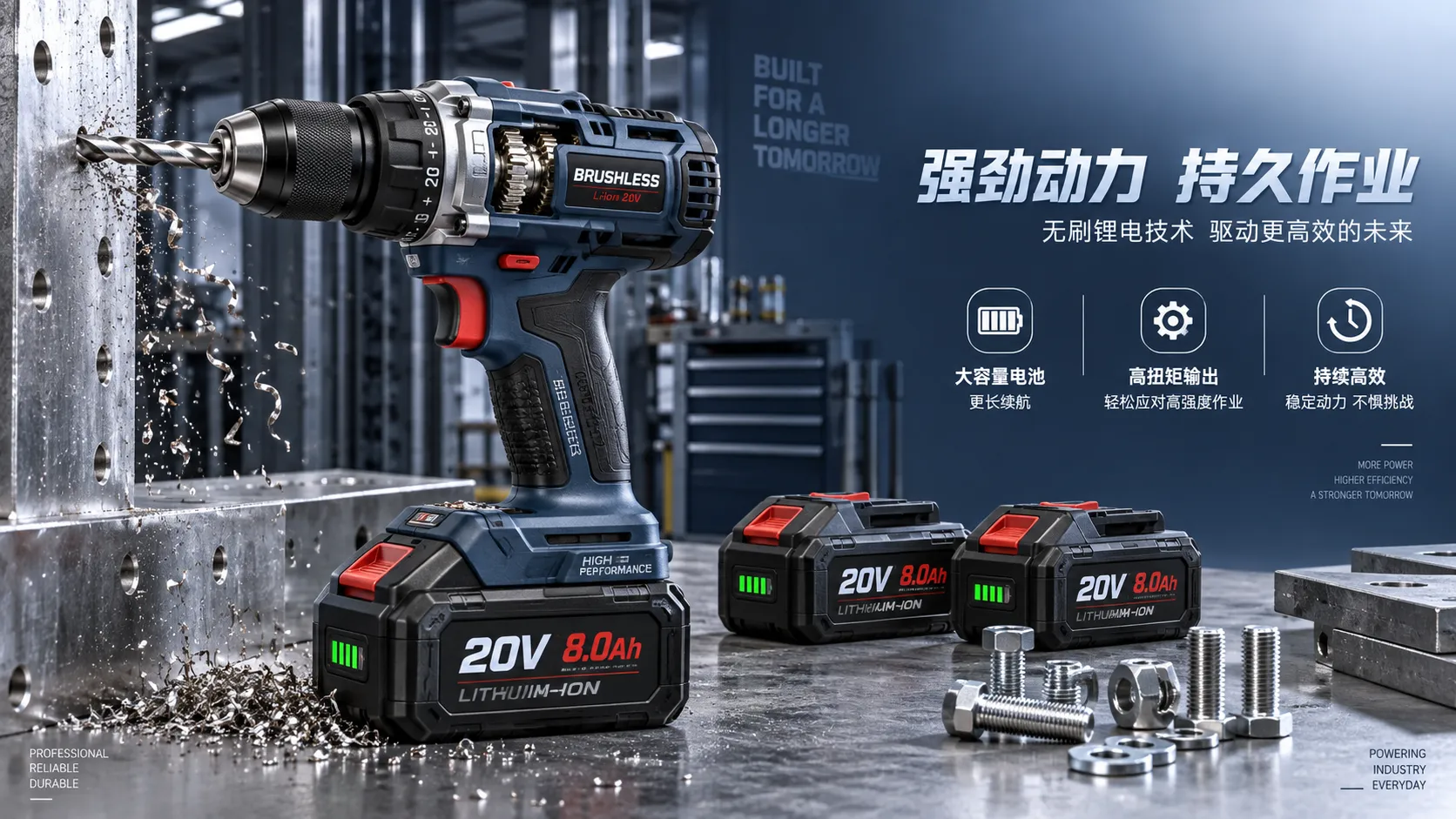
How Battery, Torque, and Duty Cycle Affect Cordless Power Tool Efficiency
Cordless power tool efficiency depends on battery output, torque, and duty cycle. Learn how to match tools to demanding jobs for stronger runtime and productivity.
Product Comparison Resources for Component Compatibility and Lifecycle Risk
Product comparison resources for components: evaluate compatibility, interfaces, service support, and lifecycle risk to reduce downtime, avoid redesigns, and make confident sourcing decisions.
How to Select Vernier Precision Calipers for Tight-Tolerance Machining Inspection
Vernier precision calipers for tight-tolerance machining: learn how to select the right range, jaw design, accuracy, and verification process for reliable inspection.
Product Comparison Resources in Europe: How Buyers Can Verify Specs and Suppliers
Product comparison resources Europe: learn how to verify industrial specs, compliance claims, supplier credibility, and delivery risk for smarter purchasing decisions.

How to Evaluate an Industrial Metrology Solution Manufacturer for Production Use
Industrial metrology solution manufacturer evaluation guide for production: compare accuracy, traceability, automation, software, service, and acceptance testing to reduce risk.
Which ISO Standards Matter Most for Precision Engineering Quality Control?
Precision engineering ISO standards explained: discover how ISO 9001, ISO/IEC 17025, ISO 10012, GPS, and ISO 3834 strengthen quality control, traceability, and compliance.
Related News
- 00
0000-00
How Specification-Driven Articles Improve Precision Measurement System Selection - 00
0000-00
Product Comparison Resources for Component Compatibility and Lifecycle Risk - 00
0000-00
Which ISO Standards Matter Most for Precision Engineering Quality Control? - 00
0000-00
Selecting Metal Joining Methods for Aluminum-to-Steel Assemblies - 00
0000-00
How to Evaluate Industrial Manufacturing Systems for Throughput, Flexibility, and ROI
Prof. Marcus Chen
Weekly Insights
Stay ahead with our curated technology reports delivered every Monday.