
Industrial Automation vs Manual Production: How to Compare ROI, Output, and Labor Needs





Why does industrial automation deserve a business case, not just a technical review?
Industrial automation changes more than machines. It changes cost structure, delivery reliability, labor planning, and the speed of future expansion.
That is why the real comparison with manual production starts with economics, not with engineering preference.
In practical terms, the question is simple: which model creates stronger output with lower operational friction over time?
Manual production can still be efficient in mixed-volume work, custom assembly, repair tasks, and craftsmanship-led operations.
Industrial automation becomes attractive when repeatability, takt consistency, traceability, and scaling pressure start to dominate decision-making.
A useful way to frame the choice is to compare three dimensions together: ROI, output behavior, and labor dependency.
At GPTWM, this kind of evaluation is increasingly linked to broader signals, including raw material volatility, export compliance, metrology demands, and tool intelligence trends.
That wider view matters because a production model that looks cheaper today may become fragile under future quality, safety, or throughput requirements.
When does manual production still make more sense?
Not every line should be automated. That is one of the most expensive assumptions in manufacturing planning.
Manual production often wins where product variation is high and process windows change frequently.
It is also useful when order volumes are uncertain, engineering changes are frequent, or setup time matters more than cycle time.
In metal joining, small-batch fabrication, rework, inspection-led assembly, and field-adapted tasks often remain labor-heavy for good reason.
The hidden advantage is flexibility. Skilled operators can adjust faster than rigid systems when drawings, materials, or tolerances shift unexpectedly.
The hidden risk is inconsistency. Output may depend too heavily on individual experience, shift quality, and training depth.
A balanced decision should ask whether the process is variable by nature, or only variable because it has never been standardized.
That distinction is critical. Many operations appear unsuitable for industrial automation until fixtures, tolerances, and measurement checkpoints are redesigned.
How should ROI be compared without oversimplifying the numbers?
The most common mistake is treating ROI as equipment price divided by labor savings. That number is too shallow.
A stronger industrial automation business case includes direct and indirect gains.
- Direct effects include cycle time reduction, scrap reduction, lower overtime, and improved throughput per square meter.
- Indirect effects include fewer warranty incidents, more predictable delivery, easier compliance reporting, and lower dependency on scarce skills.
- Transition costs include integration, training, spare parts, programming, safety upgrades, and temporary production disruption.
It also helps to compare payback under three demand scenarios: conservative, expected, and peak.
That approach shows whether industrial automation remains viable when volume softens or if returns only exist under ideal utilization.
For precision assembly or welding, measurement quality should be built into ROI. Better torque control or tighter metrology can reduce expensive downstream failure.
This is where intelligence sources like GPTWM become useful. Cost models improve when they reflect real trends in tooling efficiency, safety standards, and demand structure.
A quick decision table for ROI, output, and labor needs
The comparison below works well as a first-pass screening tool before deeper line modeling.
Is higher output from industrial automation always real?
Only if output is defined correctly.
Nameplate speed is not the same as usable output. Real output means good parts shipped on time, at the required quality level.
Industrial automation usually improves output stability more than headline speed. That can be more valuable than a dramatic cycle-time claim.
In actual plants, bottlenecks often move. A faster robot cell may simply push delays into inspection, packaging, material supply, or maintenance response.
That is why overall equipment effectiveness, first-pass yield, and unplanned stoppage time should be reviewed together.
Manual production can still outperform poorly integrated industrial automation when upstream feeding, fixture precision, or digital instructions are weak.
More often, the best result comes from selective automation. Repetitive, high-risk, or precision-critical steps are automated, while adaptive steps remain manual.
This hybrid model is increasingly relevant in assembly, welding preparation, torque verification, and dimensional control.
What happens to labor needs after automation is introduced?
Labor does not simply disappear. It changes shape.
Industrial automation usually reduces repetitive manual effort, but increases demand for setup discipline, maintenance capability, data review, and process control.
That shift can improve resilience if planned early. If ignored, it creates a new skills gap around programming, troubleshooting, and calibration.
For operations involving precision tools or metrology, labor planning should include people who can interpret measurement drift, not just run equipment.
In many cases, the smarter question is not “How many heads can be removed?”
It is “Which human tasks should move from repetitive execution to quality, safety, and optimization?”
That mindset aligns with the broader manufacturing shift highlighted by GPTWM, where intelligent tools and standardized ergonomics support better productivity rather than simple labor subtraction.
- Map current labor by task, not by department title.
- Separate repetitive motion, inspection, setup, rework, and exception handling.
- Estimate retraining needs before capital approval, not after installation.
- Check whether safety procedures and maintenance routines can support the new system.
Where do companies misjudge industrial automation most often?
The first mistake is automating instability. If the process is not repeatable manually, industrial automation usually magnifies the problem.
The second is underestimating data quality. Poor drawings, unclear tolerances, or weak work instructions create expensive commissioning delays.
Another common issue is ignoring support infrastructure. Spare parts, calibration routines, tool condition monitoring, and supplier response times affect real ROI.
There is also a timing risk. Investing too early can trap capital in underutilized assets. Waiting too long can lock the operation into chronic labor shortages and inconsistent quality.
A more reliable judgment process usually includes these checkpoints:
- Is the process stable enough to standardize?
- Are volume assumptions backed by credible demand visibility?
- Will quality requirements become tighter within two years?
- Can the plant support maintenance, metrology, and operator transition?
- Does the automation scope remove a real bottleneck or only a visible one?
So how should the final decision be made?
The best decisions rarely come from choosing between two extremes.
They come from identifying which steps need precision, consistency, safety control, and scalable throughput right now.
Industrial automation is usually justified when demand is repeatable, quality costs are measurable, and labor dependency creates strategic risk.
Manual production remains the stronger option when flexibility is the main source of value and the process still changes faster than systems can be stabilized.
A practical next step is to build a comparison sheet for one product family, not the entire factory.
Track actual cycle time, rework, training burden, downtime causes, and inspection effort for both models.
Then test whether industrial automation improves shipped quality, not just machine speed.
Used this way, the decision becomes clearer, more measurable, and easier to defend as markets, compliance rules, and production expectations evolve.
That is also where intelligence-led evaluation matters most: connecting craftsmanship, tools, metrology, and digital production into one realistic investment judgment.
Related News
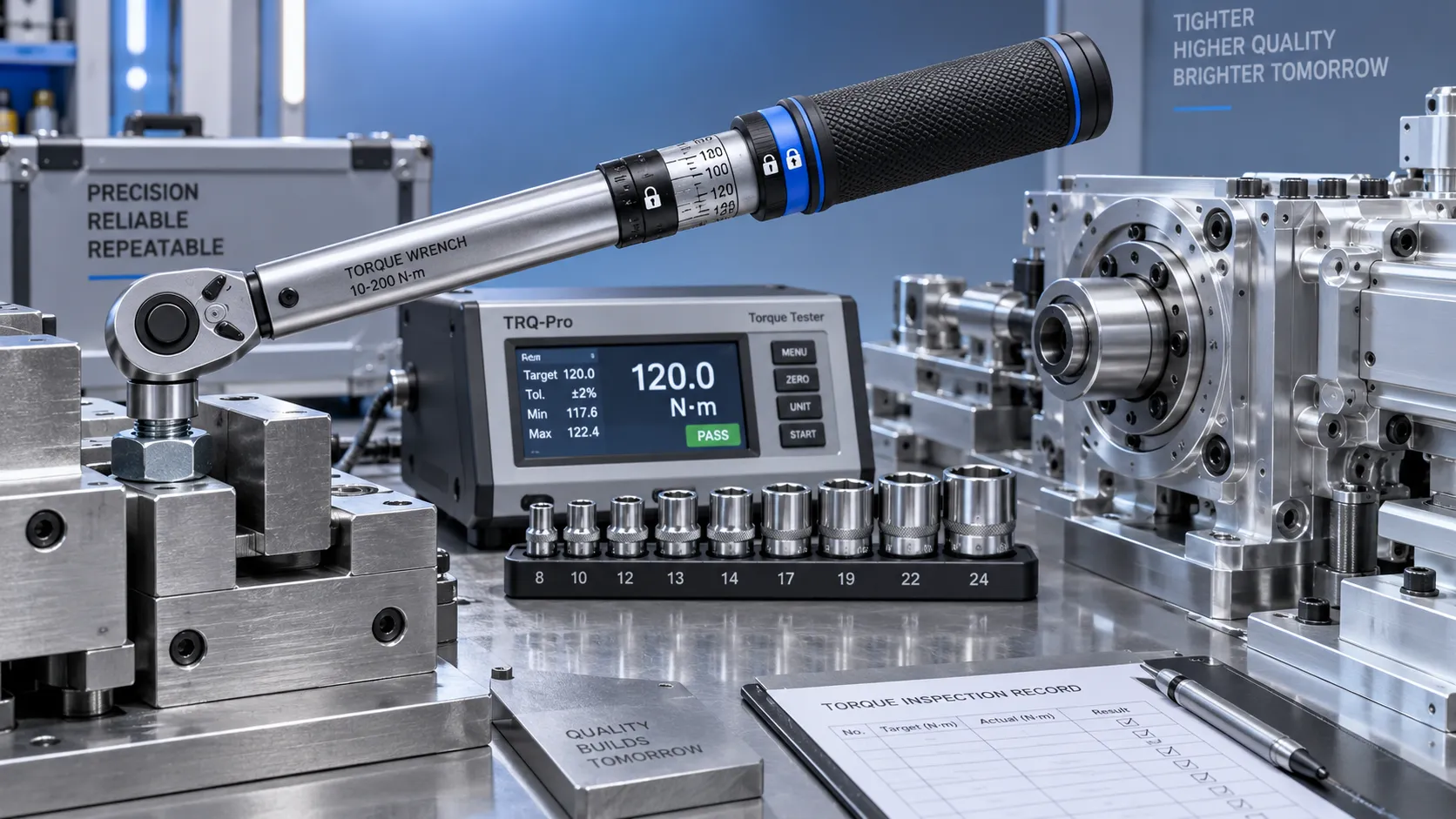
Selecting Adjustable Torque Tools for Repeatable Fastener Assembly
Adjustable torque tools: learn how to match range, accuracy, control methods, calibration, and ergonomics for repeatable, reliable fastener assembly.

How to Select Aerospace Inspection Tools for Aircraft Maintenance Tasks
Aerospace maintenance inspection tools: learn how to select reliable, traceable equipment for aircraft access, accuracy, calibration, and compliant maintenance decisions.
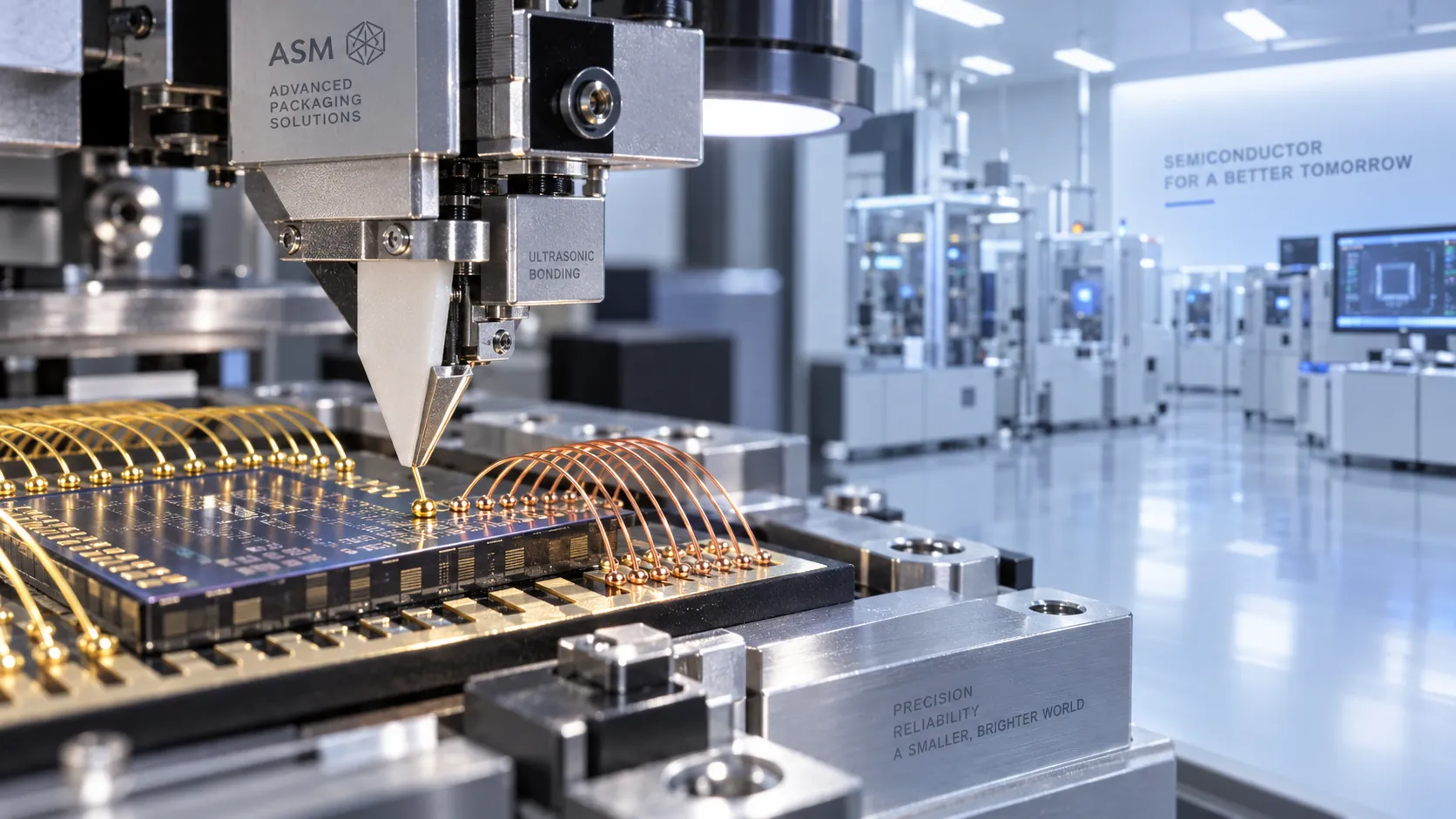
How to Select Wire Bonding Tools for Fine-Pitch Semiconductor Packaging
Explore semiconductor manufacturing tools for wire bonding and learn how to select precision solutions for fine-pitch packaging, reliable loops, accuracy, and yield.
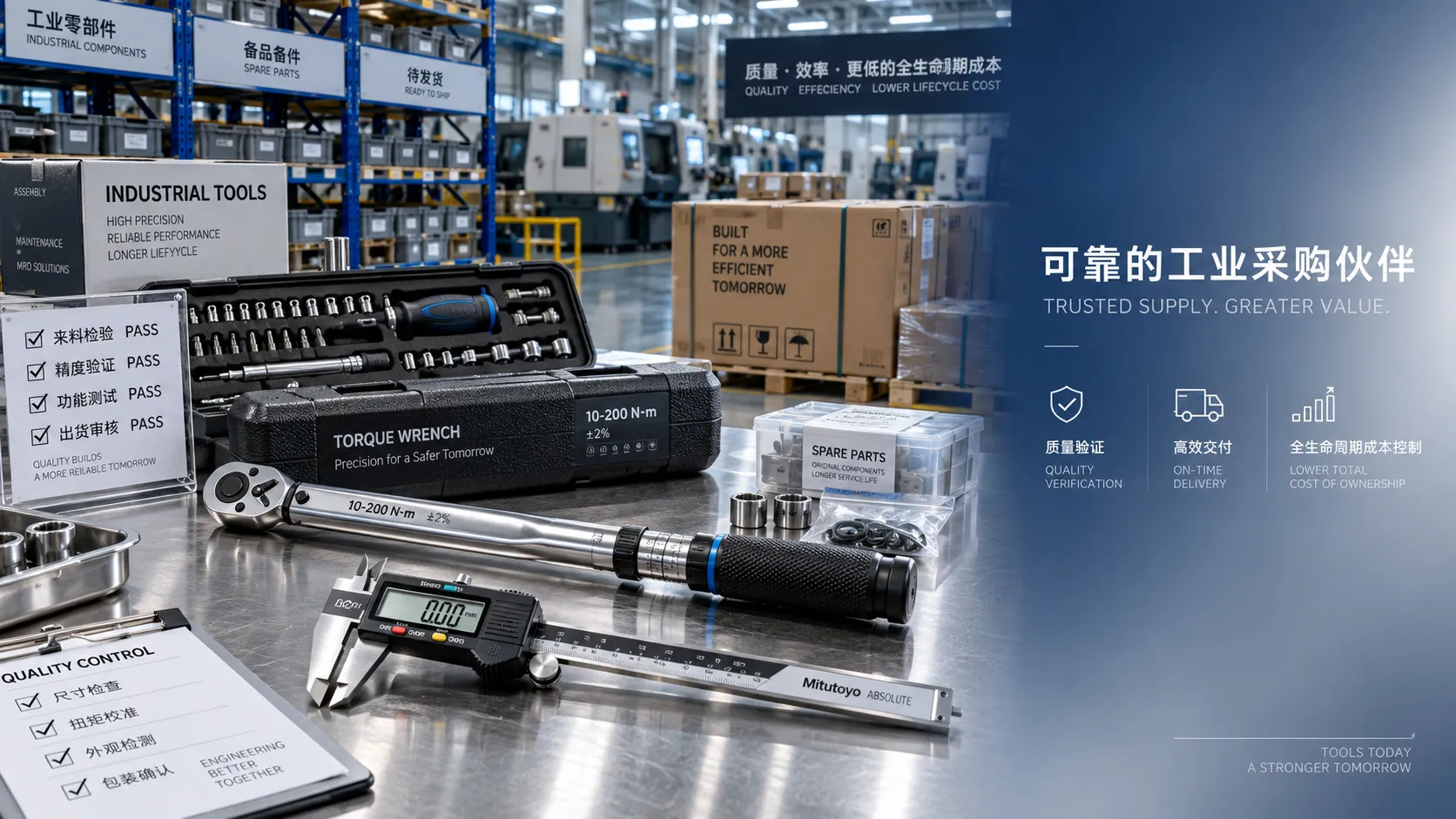
How to Compare Industrial Tool Suppliers for Quality, Lead Time, and Total Cost
Industrial tool selection supplier comparison made simple: evaluate quality, lead times, total cost, service, and supply resilience for confident sourcing decisions.
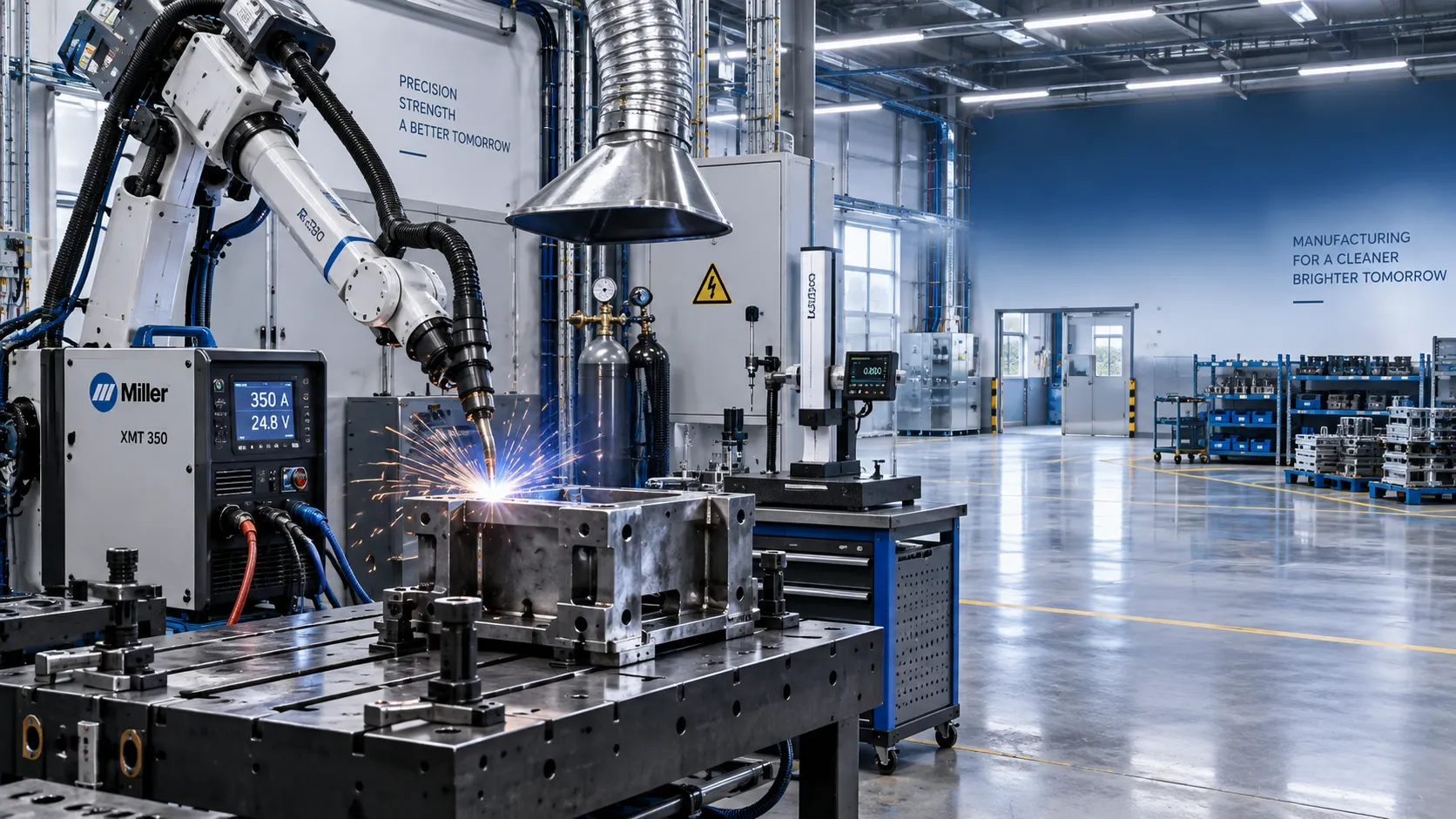
Industrial Equipment Application Guidance: Match Machines to Operating Conditions
Application guidance industrial equipment: match capacity, duty cycle, materials, site conditions, safety, and lifecycle cost to improve reliable output. Read the guide.
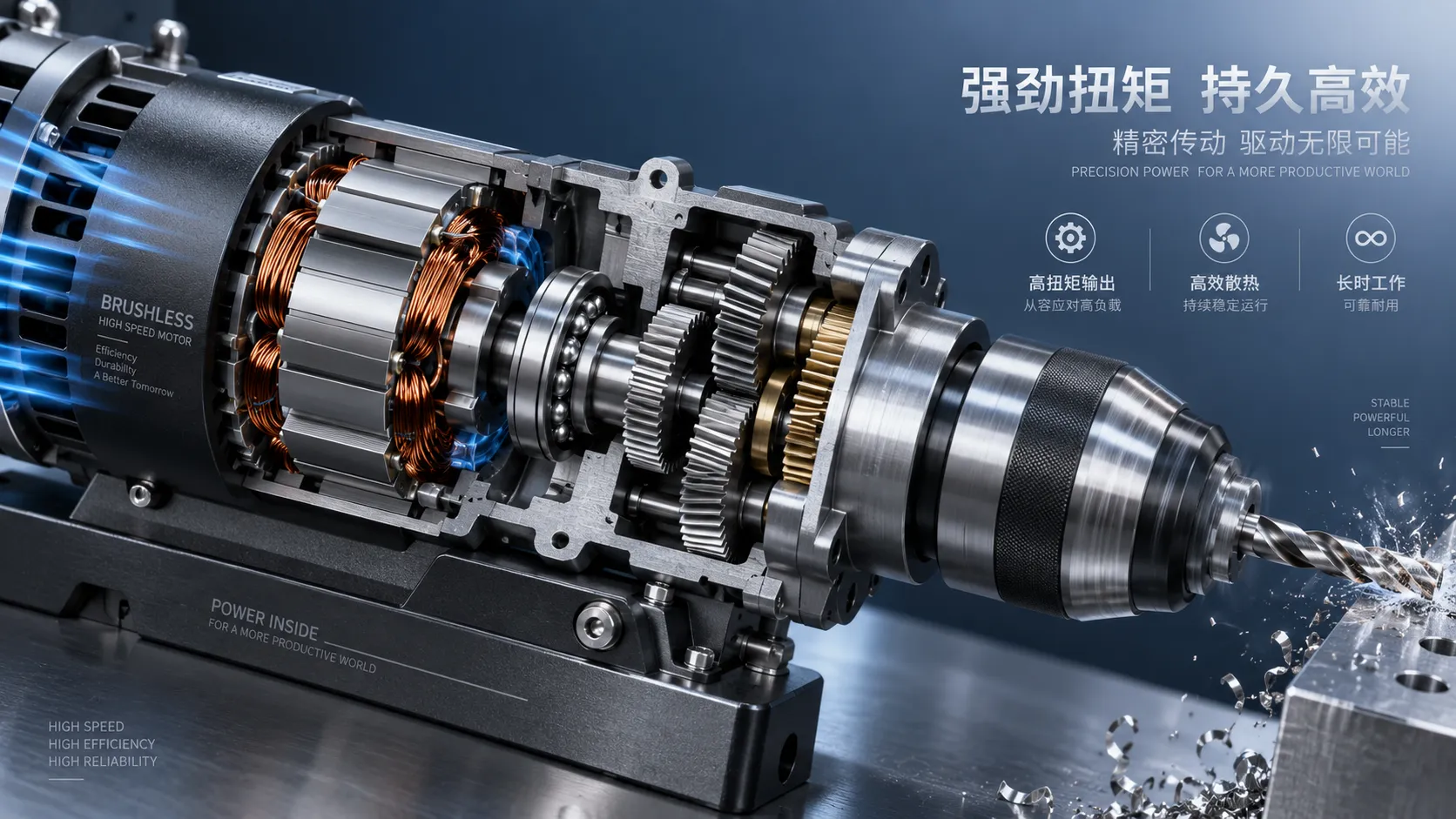
Selecting High-Speed Brushless Tool Motors for Torque, Heat, and Duty Cycle
High speed brushless tool motors: learn how to balance torque, heat, gearing, and duty cycle for reliable industrial tool performance and longer service life.
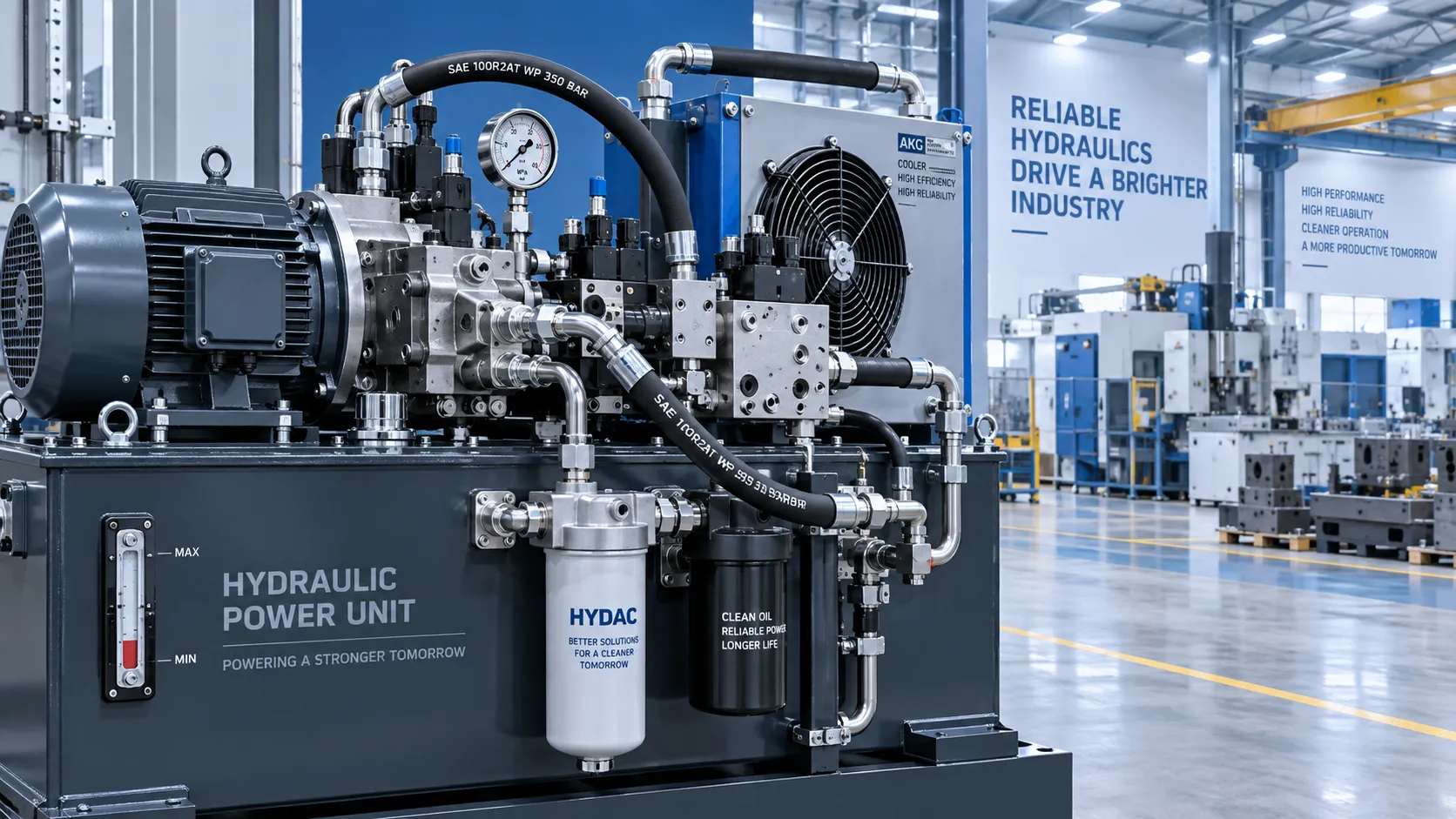
What Determines Industrial Hydraulic System Price for Heavy-Duty Equipment?
Industrial hydraulic system price depends on duty cycle, pressure, components, cooling, and integration. Compare quotes intelligently to secure reliable heavy-duty performance.
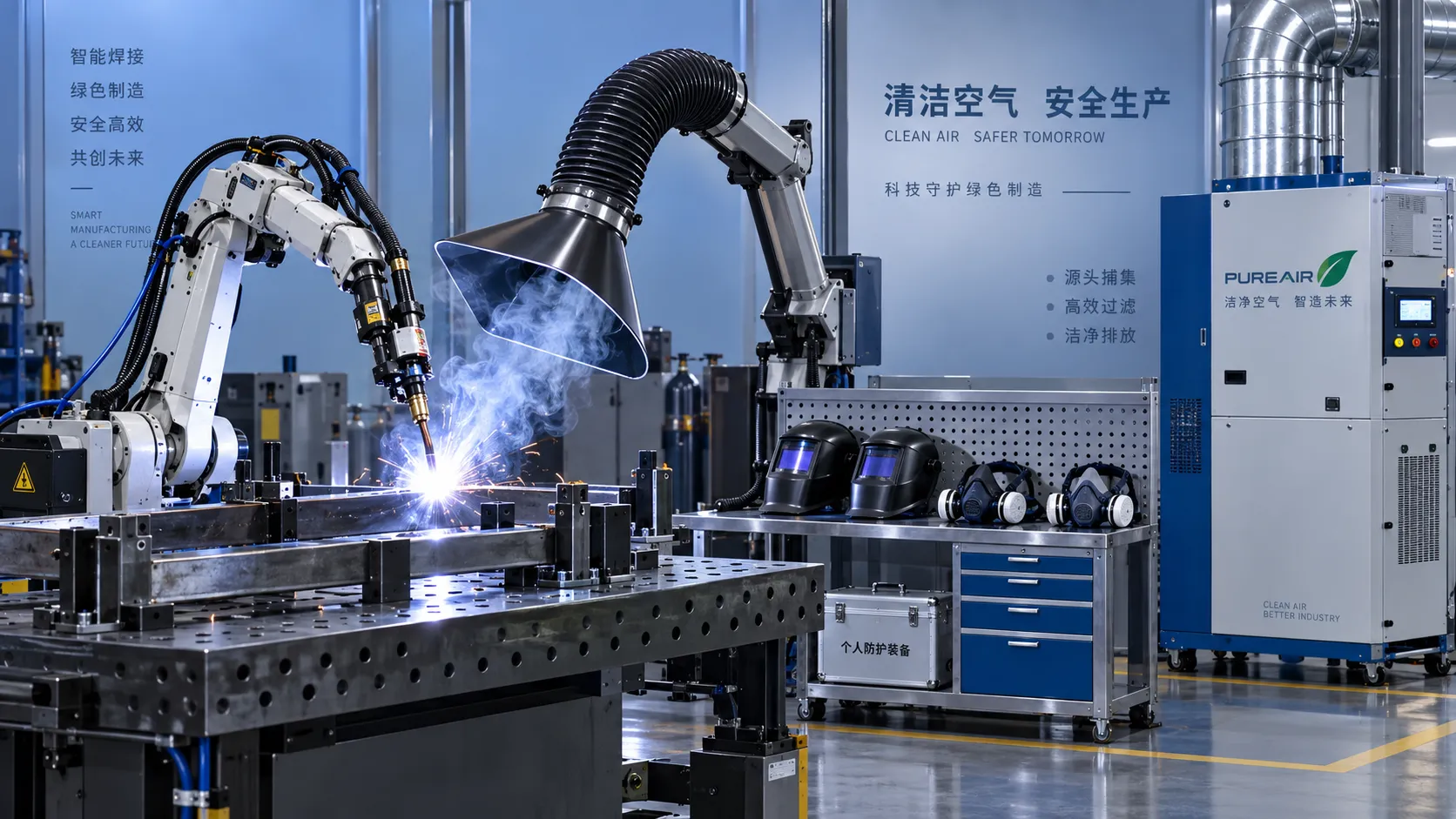
Welding Fume Extraction PPE: When Respirators Are Not Enough for Shop Safety
Welding fume extraction PPE: learn why respirators alone fall short and how source capture, ventilation, and layered controls improve shop safety.
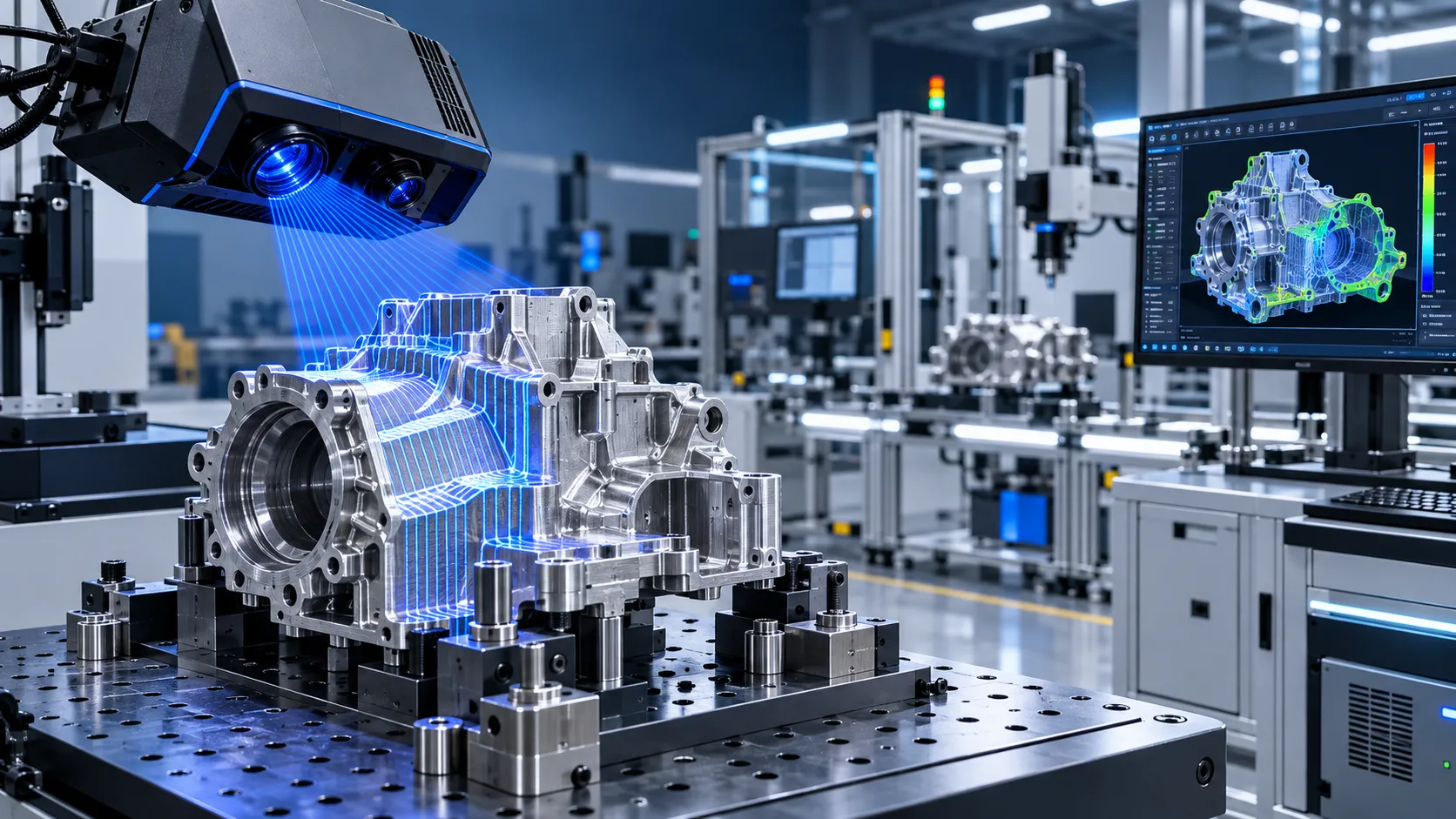
How to Select Optical Metrology Solutions for Tight-Tolerance Manufacturing
Optical industrial metrology solutions for tight-tolerance manufacturing: evaluate accuracy, surface compatibility, workflow, and traceability to select with confidence.
Related News
- 00
0000-00
Selecting Adjustable Torque Tools for Repeatable Fastener Assembly - 00
0000-00
How to Select Aerospace Inspection Tools for Aircraft Maintenance Tasks - 00
0000-00
How to Select Wire Bonding Tools for Fine-Pitch Semiconductor Packaging - 00
0000-00
Industrial Equipment Application Guidance: Match Machines to Operating Conditions - 00
0000-00
Selecting High-Speed Brushless Tool Motors for Torque, Heat, and Duty Cycle
Prof. Marcus Chen
Weekly Insights
Stay ahead with our curated technology reports delivered every Monday.