
What Is Data-Driven Intelligence in Manufacturing and Which KPIs Matter Most?





Why is data-driven intelligence now central to manufacturing?
In manufacturing, speed alone no longer creates an advantage. Decisions also need context, timing, and measurable proof.
That is where data-driven intelligence becomes essential. It turns machine signals, quality records, labor patterns, and supply inputs into usable guidance.
On the factory floor, this means fewer guesses. It also means better response to downtime, defects, delivery pressure, and cost variation.
The idea is not limited to large automated plants. It also matters in assembly, metal joining, inspection, maintenance, and mixed production environments.
A practical view of data-driven intelligence starts with one question: which data actually helps improve output, precision, and stability?
That question is especially relevant in sectors followed by GPTWM, where welding quality, torque control, metrology accuracy, and equipment reliability shape final performance.
In real operations, intelligence is valuable only when it connects traditional process knowledge with digital evidence. Otherwise, dashboards become decoration.
So what does data-driven intelligence actually mean on the shop floor?
Simply put, data-driven intelligence means making operating decisions from verified data instead of habit, isolated experience, or delayed reports.
That data may come from CNC machines, welding systems, torque tools, inspection stations, ERP records, or maintenance logs.
The intelligence part is more important than the data part. Raw numbers matter less than patterns, causes, and next-step recommendations.
For example, a welding line may show stable output. Yet rework data could reveal hidden inconsistency linked to operator shifts or material batches.
A metrology cell may appear efficient. But if calibration drift increases inspection delays, the real bottleneck sits in measurement reliability, not labor speed.
This is why data-driven intelligence usually combines four layers:
- Data capture from machines, tools, systems, and manual checkpoints.
- Context linking by batch, product type, shift, supplier, and process step.
- Analysis that identifies variation, correlation, and abnormal movement.
- Action loops that change settings, schedules, inspections, or maintenance priorities.
Without the final action loop, data-driven intelligence stays descriptive. With it, operations become adaptive and more resilient.
Which KPIs matter most, and why do some metrics mislead?
The most useful KPIs are not always the easiest to display. Good metrics show operational truth, not just attractive performance snapshots.
A common mistake is tracking output volume alone. High throughput can hide scrap, overtime, unstable cycle time, or costly machine stress.
A stronger KPI set balances efficiency, quality, reliability, and response capability. That is the foundation of reliable data-driven intelligence.
The table below shows which indicators usually deserve the closest attention.
In more advanced settings, energy per unit, calibration compliance, torque traceability, and changeover duration also become important.
The right mix depends on process risk. Precision assembly and metrology often need different emphasis than heavy fabrication or batch welding.
Where does data-driven intelligence create the clearest value?
The clearest value appears where variation is costly, hidden, or difficult to trace. Those are the places where intuition usually falls short.
In industrial assembly, data-driven intelligence helps compare torque compliance, line balance, and repeatability across stations.
In metal joining, it can connect weld parameters, filler material changes, safety incidents, and downstream defect rates.
In precision metrology, it highlights drift, calibration gaps, environmental influence, and measurement turnaround delays.
This cross-process value explains why platforms such as GPTWM place strong attention on the last mile of manufacturing execution.
Signals from handheld laser welding safety, brushless motor efficiency, and IoT-based torque control are not isolated trends.
They are examples of how operating data becomes strategic intelligence when paired with sector news, technical analysis, and commercial demand shifts.
More broadly, data-driven intelligence supports decisions in:
- Capacity planning during demand swings.
- Supplier evaluation when material quality changes.
- Maintenance timing before failure disrupts output.
- Quality containment when export standards tighten.
- Investment prioritization for tools, sensors, and inspection systems.
Why do some implementation efforts stall even when the data exists?
Because collecting data is easier than trusting it. Many initiatives fail at the interpretation stage, not the hardware stage.
One issue is fragmented systems. Machine data, quality records, and maintenance notes often sit in separate tools with different definitions.
Another issue is KPI overload. When every metric looks urgent, nothing guides action clearly.
There is also a common timing problem. Weekly summaries may describe losses accurately, but too late for corrective action.
More subtle failures come from weak process discipline. If operators record causes differently, comparisons become unreliable.
A practical way to avoid these traps is to test each KPI against three questions:
- Is the data captured consistently across shifts and product types?
- Can the result trigger a clear action within hours or days?
- Does the metric explain business impact, not just technical movement?
If the answer is no, the metric may still be interesting, but it is not yet strong operational intelligence.
How should you decide which KPIs to start with?
A good starting point is not the dashboard. It is the most expensive recurring problem in the process.
If delays hurt performance most, focus first on cycle time, downtime causes, and schedule adherence.
If quality losses are higher, begin with first pass yield, defect codes, rework hours, and measurement repeatability.
If equipment instability drives cost, reliability and maintenance indicators should lead the discussion.
This simple comparison can help narrow priorities.
In practice, fewer KPIs often work better at the beginning. A tight set creates focus and improves adoption.
What is a realistic next step if you want better data-driven intelligence?
Start by mapping one process that already causes visible cost, delay, or quality exposure. Keep the scope narrow enough to learn quickly.
Then define which decisions need faster evidence. That usually reveals which KPIs deserve attention and which data sources are missing.
The most reliable path is not to digitize everything at once. It is to build one clean measurement loop and prove its value.
That is also where industry intelligence becomes useful. Broader signals on tooling trends, metrology demand, safety standards, and export shifts add context to local data.
Seen this way, data-driven intelligence is both operational and strategic. It improves today’s output while sharpening tomorrow’s decisions.
If the goal is stronger manufacturing performance, focus on KPIs that explain cause, support action, and reflect real process behavior.
From there, review definitions, compare results by process step, and refine standards before expanding to other lines or sites.
That disciplined approach makes data-driven intelligence practical, credible, and much more valuable than a larger dashboard with weaker meaning.
Related News
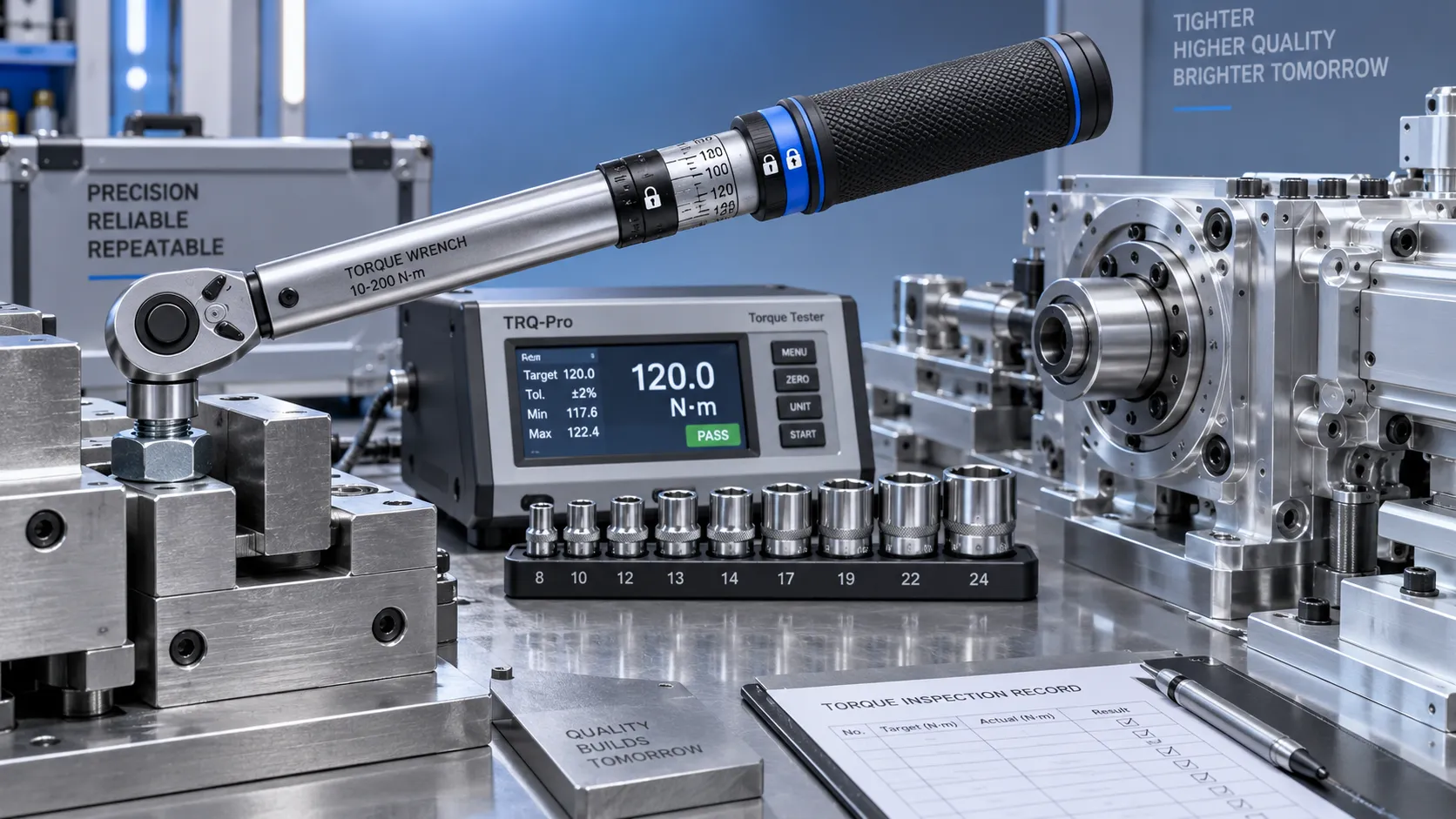
Selecting Adjustable Torque Tools for Repeatable Fastener Assembly
Adjustable torque tools: learn how to match range, accuracy, control methods, calibration, and ergonomics for repeatable, reliable fastener assembly.

How to Select Aerospace Inspection Tools for Aircraft Maintenance Tasks
Aerospace maintenance inspection tools: learn how to select reliable, traceable equipment for aircraft access, accuracy, calibration, and compliant maintenance decisions.

How to Select Wire Bonding Tools for Fine-Pitch Semiconductor Packaging
Explore semiconductor manufacturing tools for wire bonding and learn how to select precision solutions for fine-pitch packaging, reliable loops, accuracy, and yield.
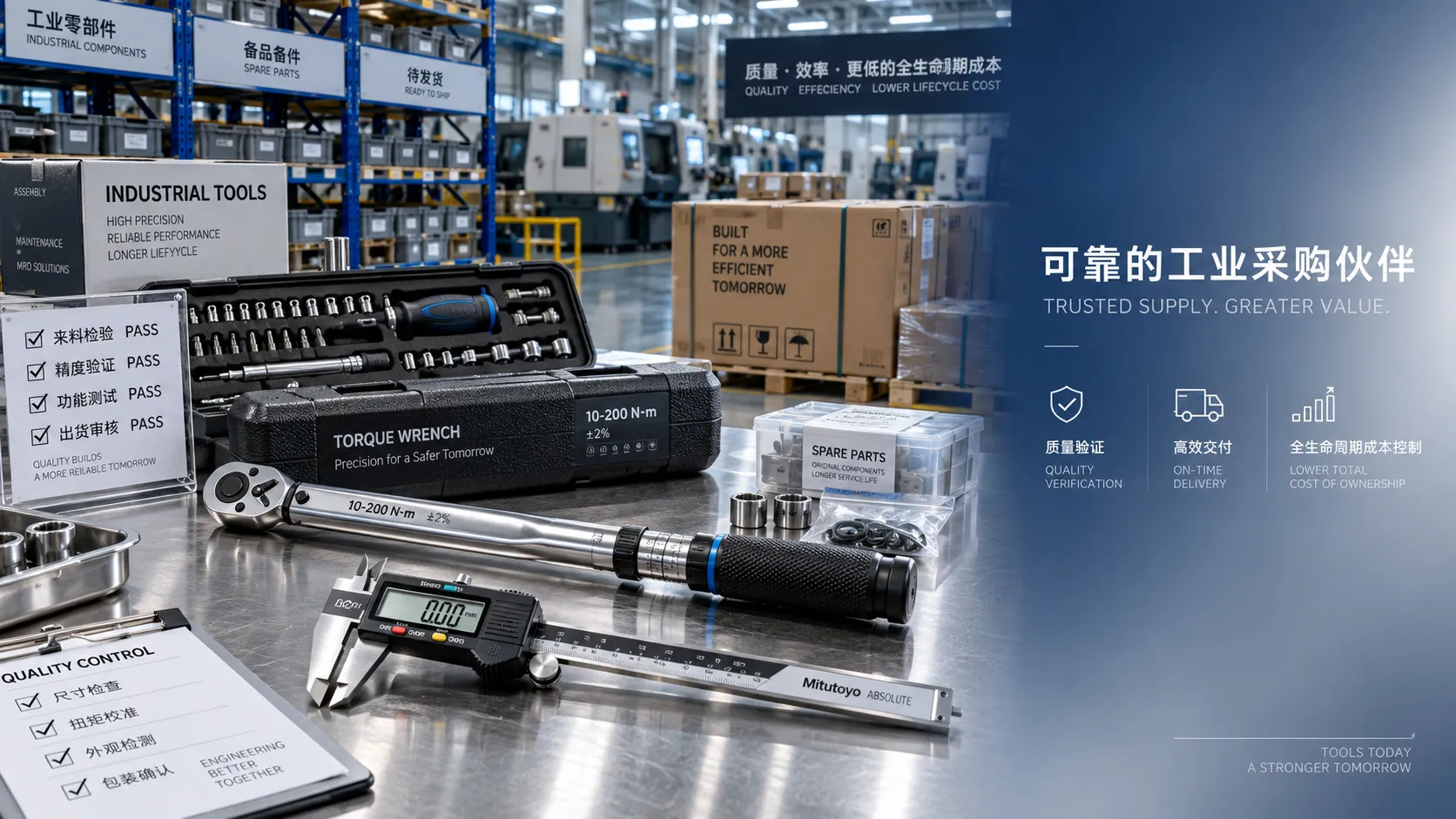
How to Compare Industrial Tool Suppliers for Quality, Lead Time, and Total Cost
Industrial tool selection supplier comparison made simple: evaluate quality, lead times, total cost, service, and supply resilience for confident sourcing decisions.
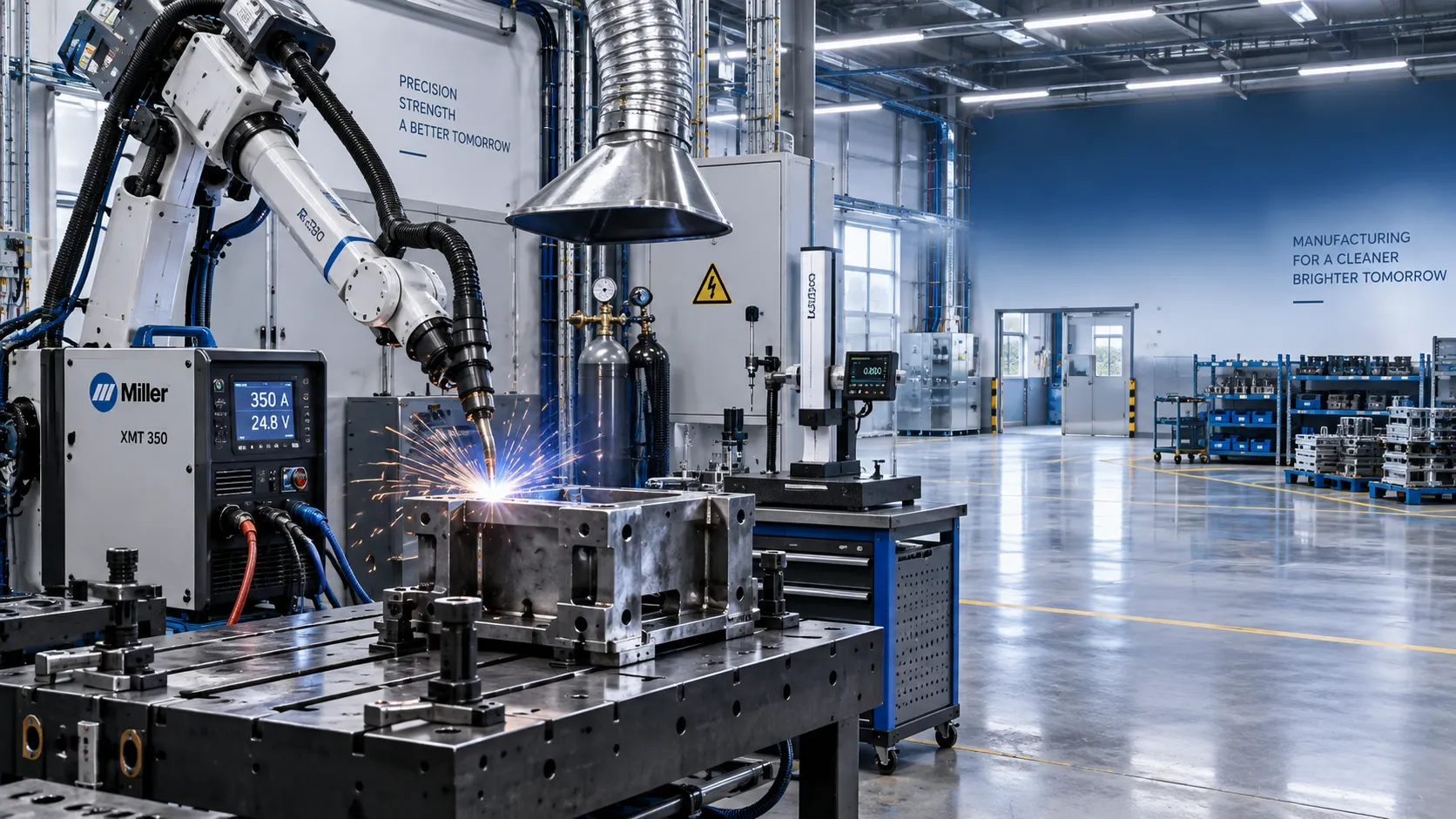
Industrial Equipment Application Guidance: Match Machines to Operating Conditions
Application guidance industrial equipment: match capacity, duty cycle, materials, site conditions, safety, and lifecycle cost to improve reliable output. Read the guide.
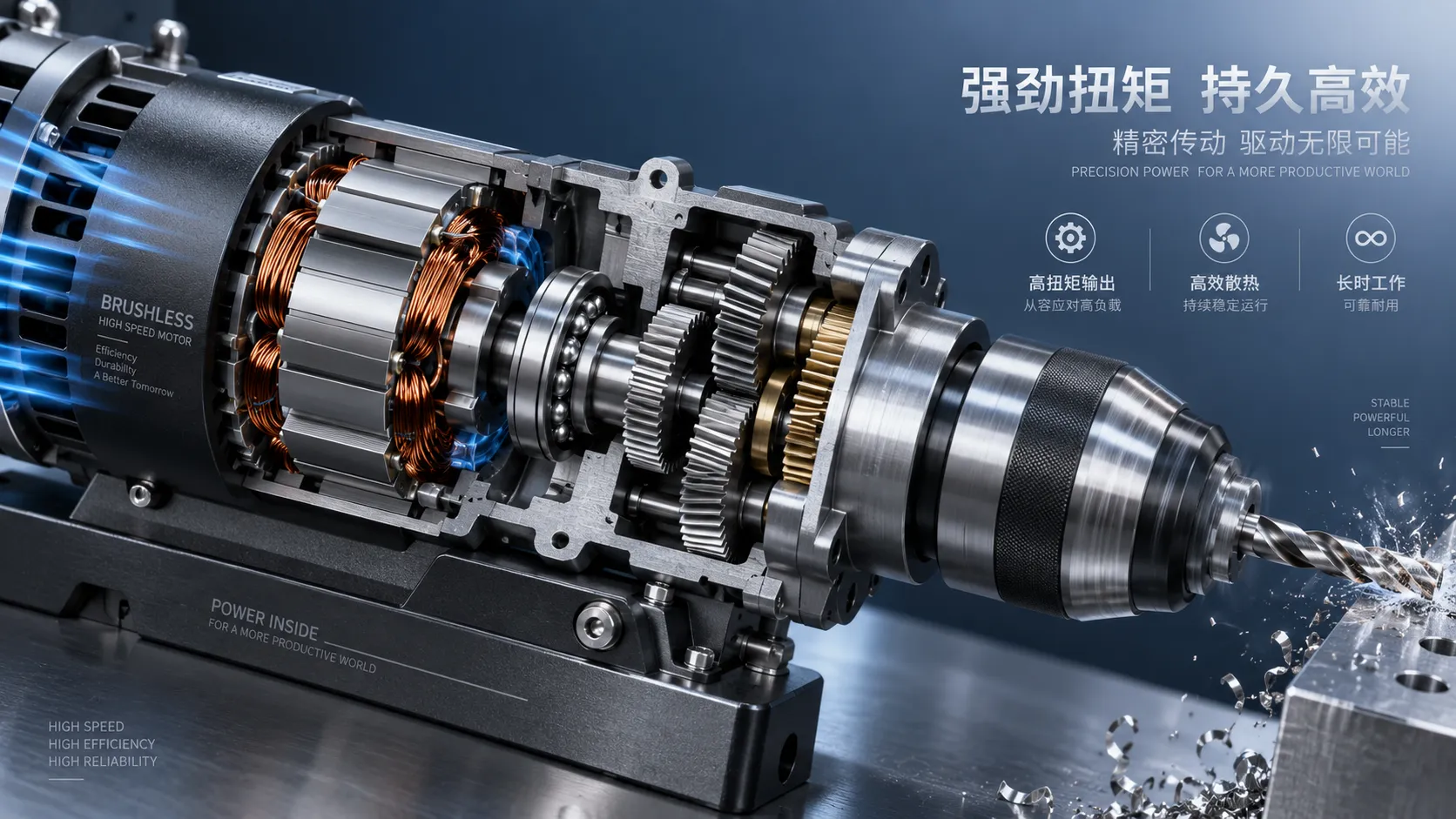
Selecting High-Speed Brushless Tool Motors for Torque, Heat, and Duty Cycle
High speed brushless tool motors: learn how to balance torque, heat, gearing, and duty cycle for reliable industrial tool performance and longer service life.
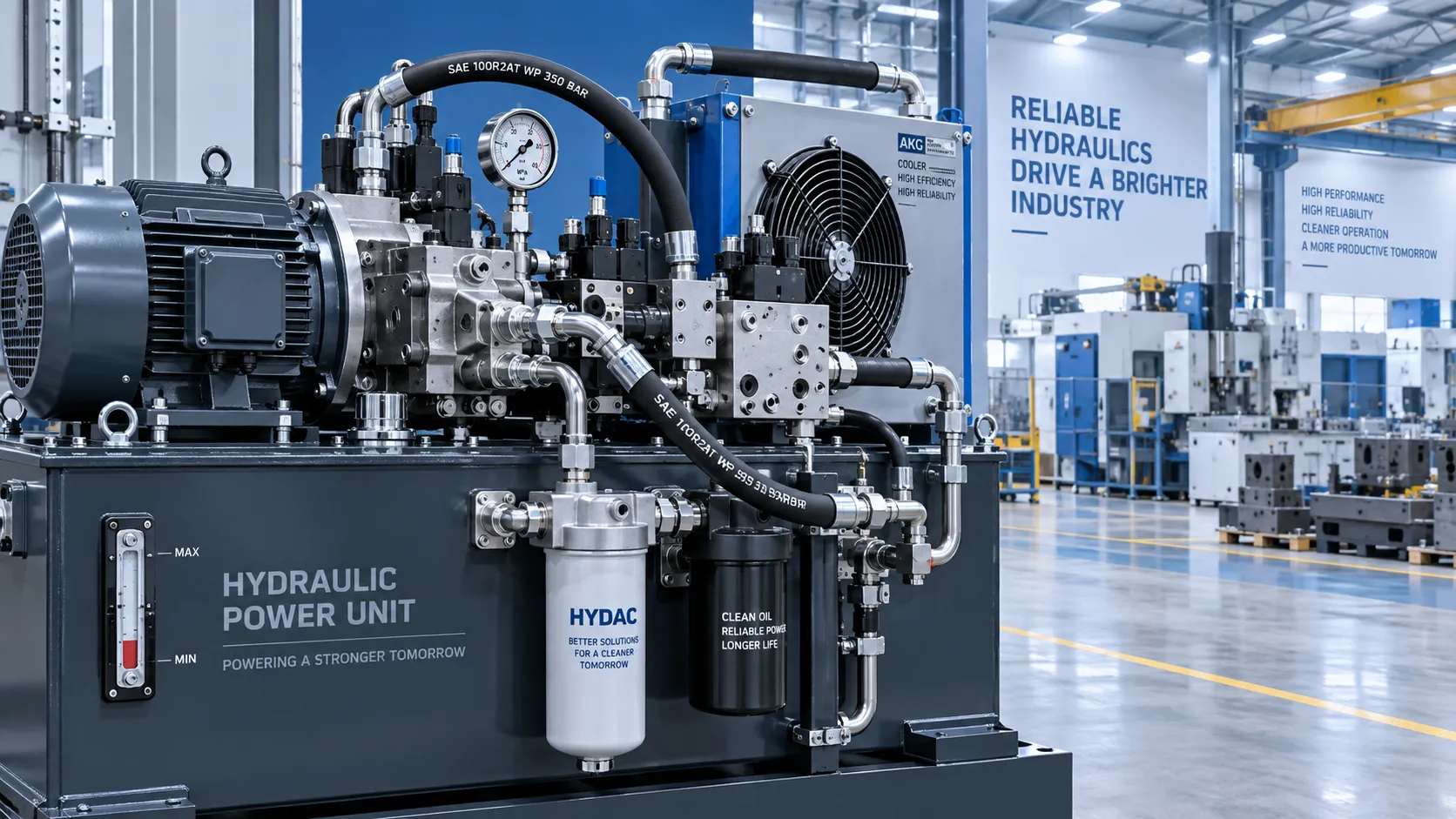
What Determines Industrial Hydraulic System Price for Heavy-Duty Equipment?
Industrial hydraulic system price depends on duty cycle, pressure, components, cooling, and integration. Compare quotes intelligently to secure reliable heavy-duty performance.
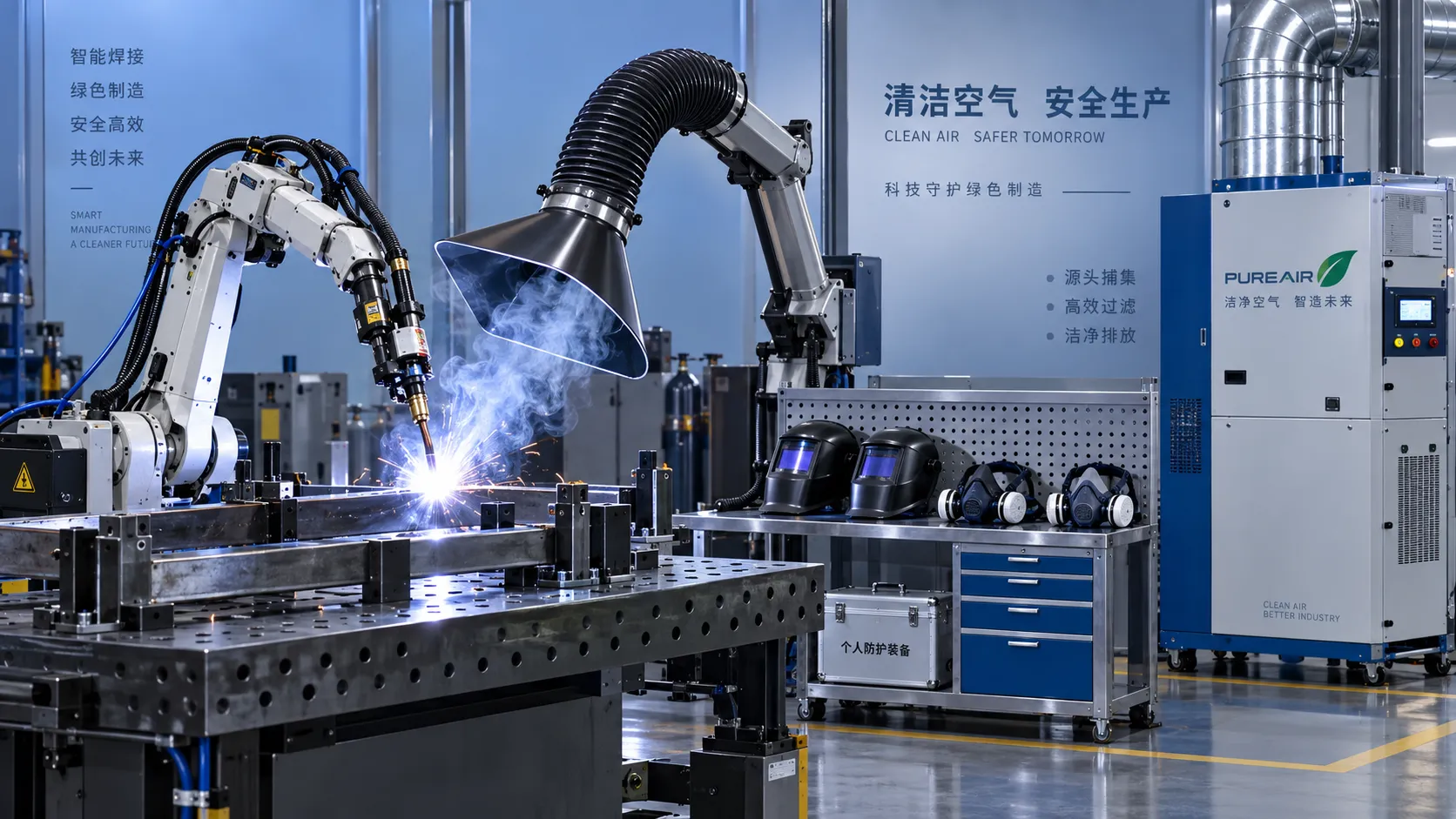
Welding Fume Extraction PPE: When Respirators Are Not Enough for Shop Safety
Welding fume extraction PPE: learn why respirators alone fall short and how source capture, ventilation, and layered controls improve shop safety.
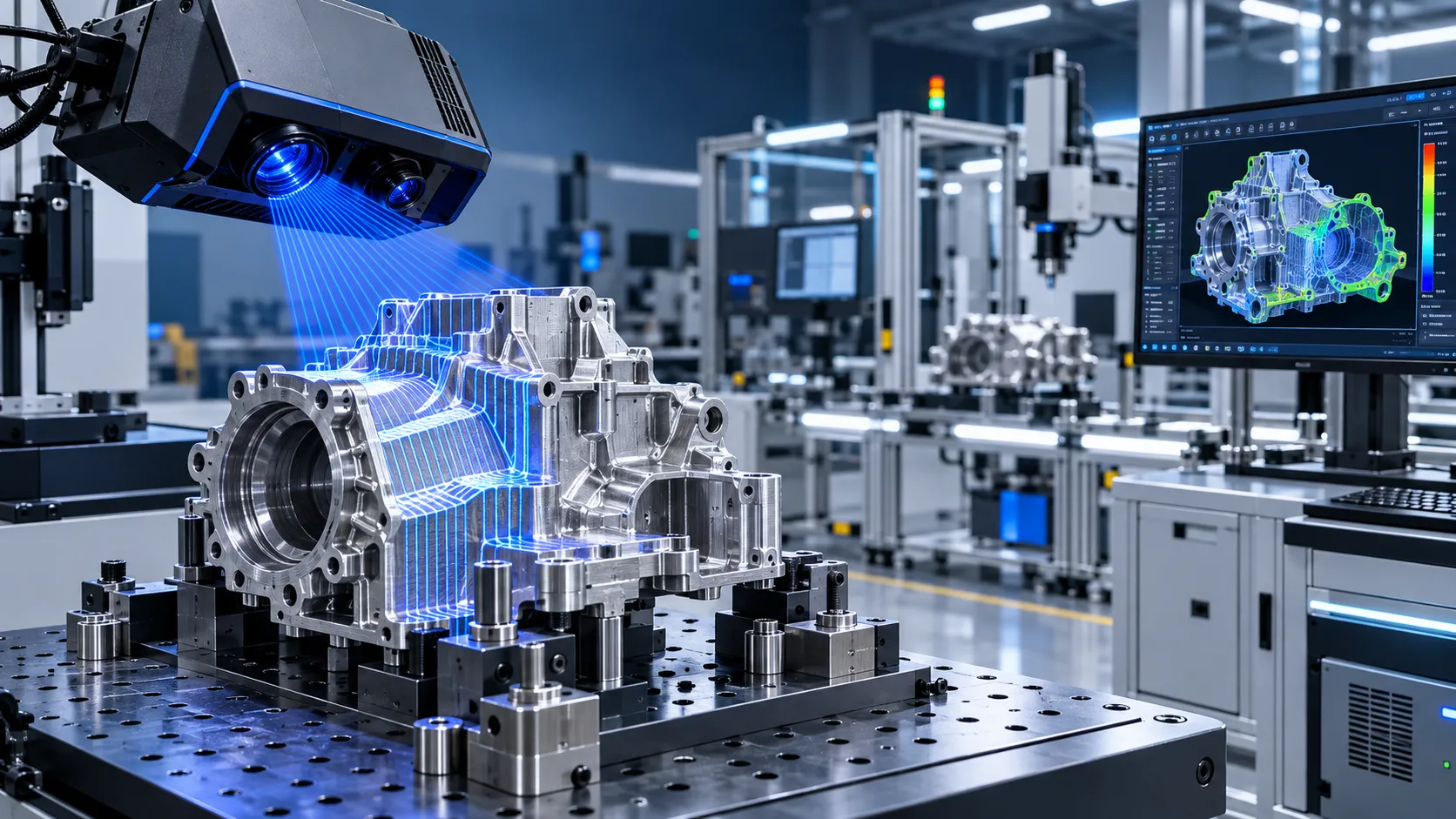
How to Select Optical Metrology Solutions for Tight-Tolerance Manufacturing
Optical industrial metrology solutions for tight-tolerance manufacturing: evaluate accuracy, surface compatibility, workflow, and traceability to select with confidence.
Related News
- 00
0000-00
Selecting Adjustable Torque Tools for Repeatable Fastener Assembly - 00
0000-00
How to Select Aerospace Inspection Tools for Aircraft Maintenance Tasks - 00
0000-00
How to Select Wire Bonding Tools for Fine-Pitch Semiconductor Packaging - 00
0000-00
Industrial Equipment Application Guidance: Match Machines to Operating Conditions - 00
0000-00
Selecting High-Speed Brushless Tool Motors for Torque, Heat, and Duty Cycle
Prof. Marcus Chen
Weekly Insights
Stay ahead with our curated technology reports delivered every Monday.