
How industrial research helps spot the next market shift





In fast-moving industrial markets, industrial research is often the first signal that a major shift is taking shape. For business evaluators, tracking changes in tools, welding, metrology, and global demand patterns is no longer optional—it is a strategic advantage. This article explores how structured intelligence helps identify emerging opportunities, reduce uncertainty, and support smarter decisions before the market fully moves.
Why business evaluators rely on industrial research before markets visibly change
When a market shift becomes obvious, the best margins are usually already gone. Business evaluators need earlier signals, and industrial research provides that advantage by revealing changes before they fully appear in sales reports.
The core search intent behind industrial research is practical, not academic. Readers want to know how research helps them detect demand changes, assess commercial risk, and make better timing decisions in industrial sectors.
For evaluators in manufacturing-related businesses, the main concern is simple: which signals matter, which are noise, and how early intelligence can support investment, sourcing, product, and channel decisions.
That is why effective industrial research must go beyond broad trend commentary. It should connect technical developments, procurement behavior, regulation, pricing pressure, and sector demand into a usable decision framework.
What actually signals the next market shift in industrial sectors
Major shifts in industrial markets rarely start with one dramatic event. More often, they emerge through small but consistent changes across orders, standards, component availability, user requirements, and competitor positioning.
In tools, welding, and metrology, these signals can appear as increased inquiries for safer handheld laser welding systems, stronger preference for brushless motor efficiency, or growing demand for connected torque control.
They may also show up in less visible areas. For example, raw material price volatility, export compliance adjustments, and maintenance spending patterns often indicate future changes before end-market demand is fully confirmed.
Business evaluators should pay close attention to repeat patterns across regions. One isolated signal may mean little, but aligned changes across distributors, buyers, standards bodies, and industrial users often reveal a genuine transition.
Industrial research is valuable because it turns these scattered signs into a coherent market narrative. That allows decision-makers to distinguish short-term disruption from structural movement with more confidence.
How industrial research turns fragmented data into usable commercial insight
Most companies already have access to data. The problem is not data scarcity but interpretation failure. Industrial research creates value by organizing scattered information into a commercial view of what is changing and why.
That process usually starts with signal collection. Relevant inputs include sector news, distributor feedback, regional infrastructure trends, import-export restrictions, equipment replacement cycles, and adoption rates of new industrial technologies.
Next comes contextual analysis. A rise in demand for precision measuring instruments means different things in automotive maintenance, aerospace servicing, and construction equipment support. Research helps define that context accurately.
Then evaluators need prioritization. Not every trend deserves action. Industrial research ranks signals by speed, scale, profitability, entry barrier, and strategic fit, which is essential when resources are limited.
Finally, strong research translates findings into business implications. Instead of simply saying that intelligent tools are growing, it explains where margins may improve, where distributor behavior may shift, and where risks may rise.
Which questions matter most when evaluating a possible market shift
Business evaluators usually do not ask whether change is happening. They ask whether the change is meaningful enough to affect revenue, cost, competitiveness, or strategic timing. That is where research must be especially useful.
The first question is whether the shift is cyclical or structural. A cyclical rebound may support short-term sales, but a structural shift can alter product relevance, channel economics, certification needs, and long-term positioning.
The second question is where the shift begins. Some changes start with OEMs, others with maintenance providers, regulators, contractors, or distributors. Knowing the origin helps evaluators estimate spread and speed.
The third question is whether the organization can respond in time. A good opportunity on paper may still be unattractive if supply chains, technical support, compliance capability, or channel coverage cannot scale fast enough.
The fourth question is whether competitors are already adapting. Industrial research becomes especially powerful when it reveals not just market movement, but relative positioning and whether hesitation could become a competitive disadvantage.
High-value indicators in tools, welding, and metrology markets
In industrial assembly and precision tool sectors, some indicators have stronger predictive value than others. Business evaluators should focus on signals tied directly to operational behavior, not just promotional market language.
One strong indicator is specification change. If buyers begin requesting higher precision tolerances, digital traceability, ergonomic compliance, or enhanced safety features, this often signals a deeper shift in procurement priorities.
Another useful indicator is service demand. Rising maintenance requests for automated systems, calibration requirements, or welding safety upgrades can indicate broader installed-base transformation and upcoming replacement demand.
Regional capex patterns also matter. Infrastructure growth, reshoring activity, defense maintenance, renewable energy deployment, and industrial retrofitting can all create new demand clusters for hydraulic tools and metrology equipment.
Channel feedback is equally important. Distributors often detect product mix changes early, especially when customers shift from low-cost buying toward lifecycle value, reliability, compliance, and productivity-linked tool selection.
Finally, watch standards and regulation carefully. In many industrial categories, compliance shifts move slower than technology headlines but have longer-lasting effects on market access, pricing, and brand preference.
How early research reduces risk, not just uncertainty
Many people describe industrial research as a way to reduce uncertainty, but for business evaluators, its bigger value is risk control. Better timing and better interpretation directly protect capital and strategic focus.
Without structured research, companies may enter markets too early, scale inventory around weak signals, or overestimate demand based on isolated customer interest. These mistakes are expensive, especially in technical industrial categories.
Research also helps prevent the opposite problem: moving too late. By the time adoption appears in broad market statistics, distributors may already be aligned, supplier relationships may be tighter, and pricing power may be weaker.
In sectors like welding equipment or precision measurement, wrong assumptions can also create hidden costs through certification delays, service gaps, training burdens, or technology mismatches with user workflows.
Industrial research lowers these risks by testing assumptions against a broader pattern. It supports more disciplined evaluation, especially when a trend looks promising but operational readiness remains uncertain.
How to build a practical evaluation framework for emerging industrial opportunities
Useful industrial research should end in action, not just awareness. For business evaluators, that means converting findings into a repeatable assessment framework that can be used across categories and regions.
Start with signal strength. Ask whether evidence comes from multiple sources, whether it appears repeatedly over time, and whether it connects to actual purchasing or usage behavior rather than vague market sentiment.
Then assess commercial relevance. Estimate market size, buyer urgency, margin potential, replacement frequency, value-added service needs, and the likelihood that the shift will influence procurement specifications.
Next, review execution feasibility. Consider sourcing stability, regulatory barriers, technical support requirements, sales enablement needs, and whether current channels can credibly sell the new value proposition.
After that, compare strategic fit. A trend may be real but still unsuitable if it distracts from stronger opportunities, weakens brand coherence, or demands capabilities the company does not yet have.
Finally, assign timing scenarios. Instead of making one fixed forecast, evaluators should define early-entry, staged-entry, and watchlist pathways. This creates flexibility while preserving strategic discipline.
Why cross-functional intelligence matters more than isolated market data
One common weakness in industrial decision-making is evaluating market shifts through only one lens. Sales teams see demand, engineers see specifications, and procurement sees cost pressure, but no one combines them fully.
Industrial research becomes far more valuable when it integrates commercial, technical, operational, and regulatory viewpoints. This is especially important in manufacturing markets where adoption depends on more than customer interest.
For example, a promising increase in laser welding demand may look attractive commercially. But without safety training infrastructure, service support, and regional compliance understanding, that opportunity may remain difficult to monetize.
Likewise, growth in smart torque systems may reflect more than technology enthusiasm. It may be linked to traceability requirements, labor quality variability, and the need to reduce rework in digital factory environments.
For business evaluators, cross-functional intelligence improves judgment because it tests whether a trend is commercially desirable, technically viable, and operationally scalable at the same time.
What stronger industrial research looks like in practice
Not all research is equally useful. Strong industrial research is specific, comparative, and decision-oriented. It explains what is shifting, why it matters, where it is moving first, and what action should follow.
It should connect latest sector news with evolutionary trends and commercial implications. For example, raw material movement alone is not enough; evaluators need to know which categories face margin compression or substitution risk.
It should also compare adoption maturity across segments. Demand for high-precision measuring instruments may rise globally, but the buying logic differs greatly between construction, aerospace maintenance, and automotive service networks.
Good research also highlights thresholds. At what point does a safety feature become mandatory rather than differentiating? When does export restriction pressure create sourcing diversification? When does efficiency become a procurement standard?
These are the kinds of questions that support real evaluation. They move the discussion from general awareness to strategic readiness, which is exactly where industrial research creates business value.
Conclusion: market shifts favor the companies that interpret signals earliest
Industrial markets rarely reward companies for simply noticing change. They reward those that recognize meaningful change early, test it intelligently, and act before the shift becomes crowded and obvious.
For business evaluators, industrial research is therefore not a background function. It is a decision tool for identifying opportunity, controlling downside risk, and improving timing across products, channels, and regional strategies.
In sectors shaped by evolving standards, technical performance, and global demand variation, structured intelligence makes the difference between reacting to the market and positioning ahead of it.
The next market shift is usually visible before it is widely accepted. Companies that build disciplined industrial research into evaluation processes are better equipped to see that shift, understand its value, and respond with confidence.
Related News
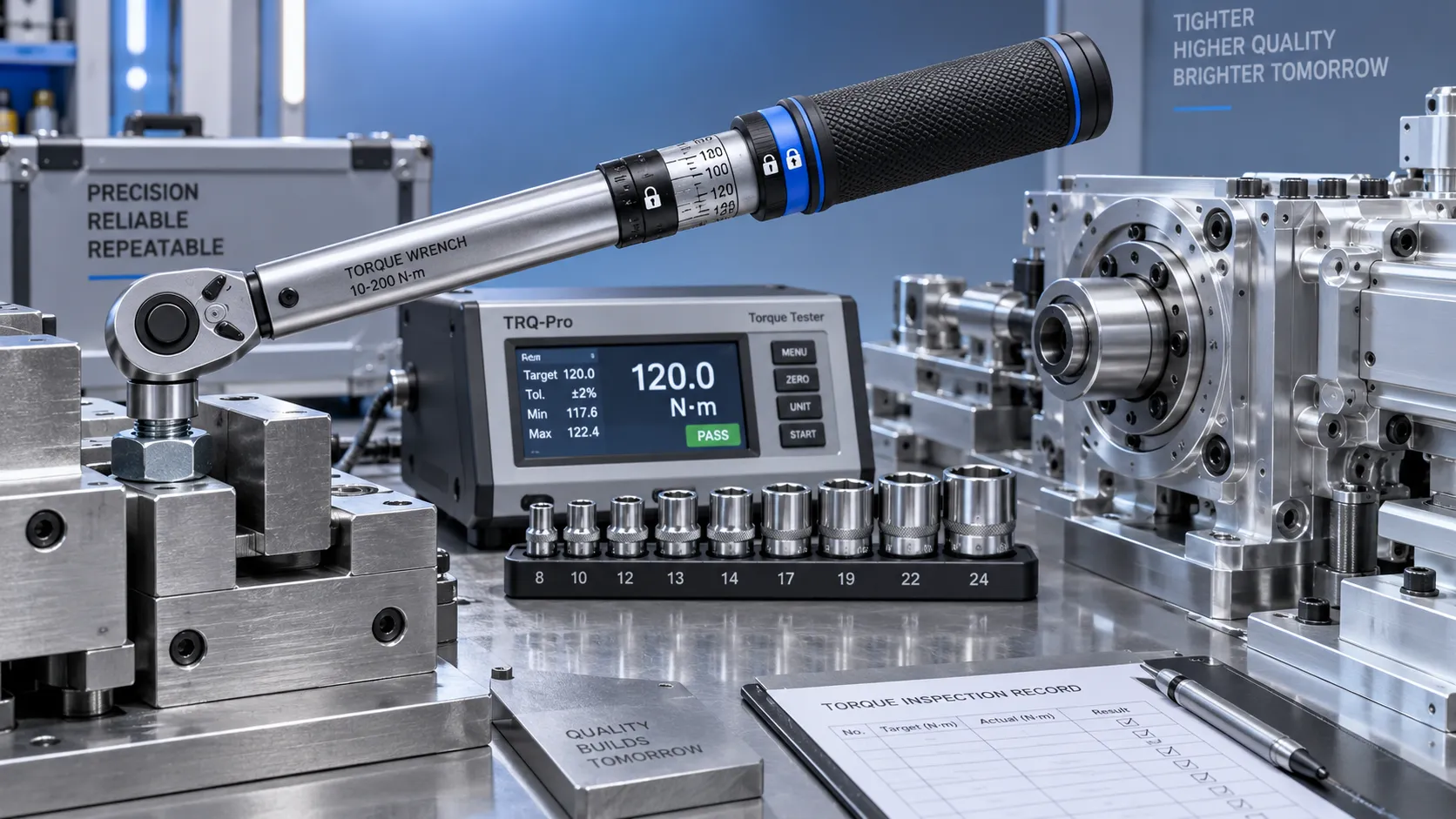
Selecting Adjustable Torque Tools for Repeatable Fastener Assembly
Adjustable torque tools: learn how to match range, accuracy, control methods, calibration, and ergonomics for repeatable, reliable fastener assembly.

How to Select Aerospace Inspection Tools for Aircraft Maintenance Tasks
Aerospace maintenance inspection tools: learn how to select reliable, traceable equipment for aircraft access, accuracy, calibration, and compliant maintenance decisions.

How to Select Wire Bonding Tools for Fine-Pitch Semiconductor Packaging
Explore semiconductor manufacturing tools for wire bonding and learn how to select precision solutions for fine-pitch packaging, reliable loops, accuracy, and yield.
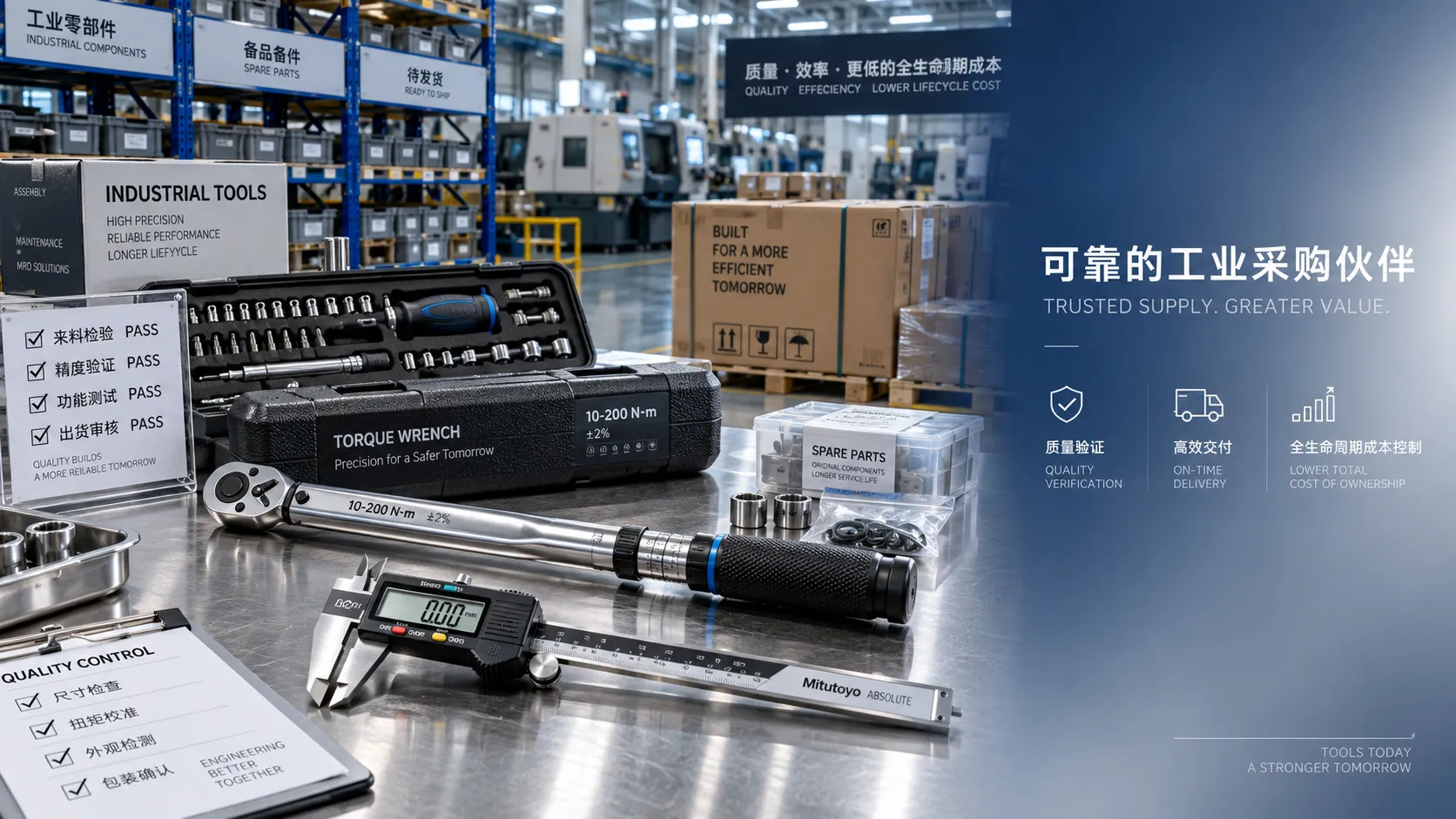
How to Compare Industrial Tool Suppliers for Quality, Lead Time, and Total Cost
Industrial tool selection supplier comparison made simple: evaluate quality, lead times, total cost, service, and supply resilience for confident sourcing decisions.
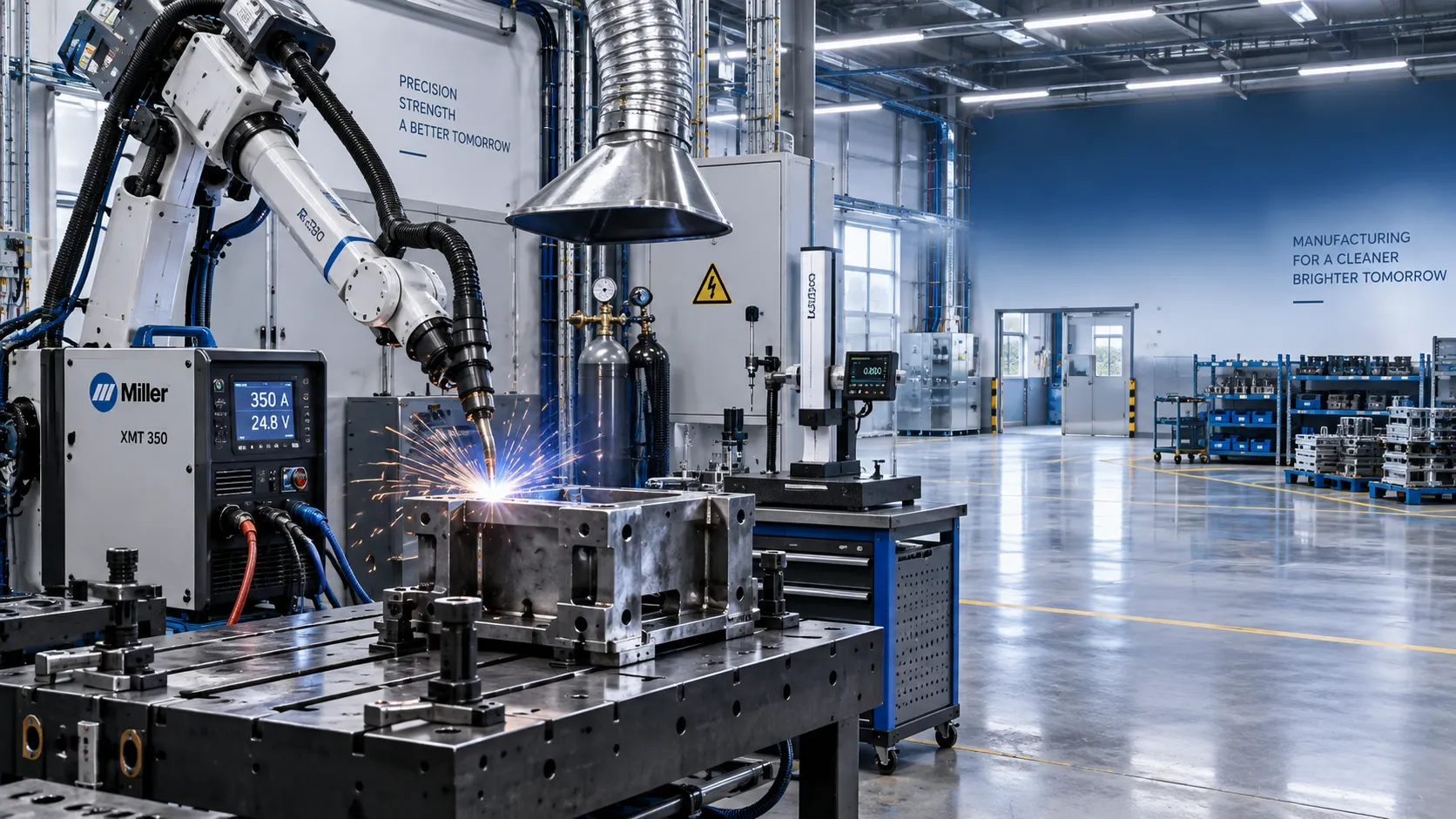
Industrial Equipment Application Guidance: Match Machines to Operating Conditions
Application guidance industrial equipment: match capacity, duty cycle, materials, site conditions, safety, and lifecycle cost to improve reliable output. Read the guide.
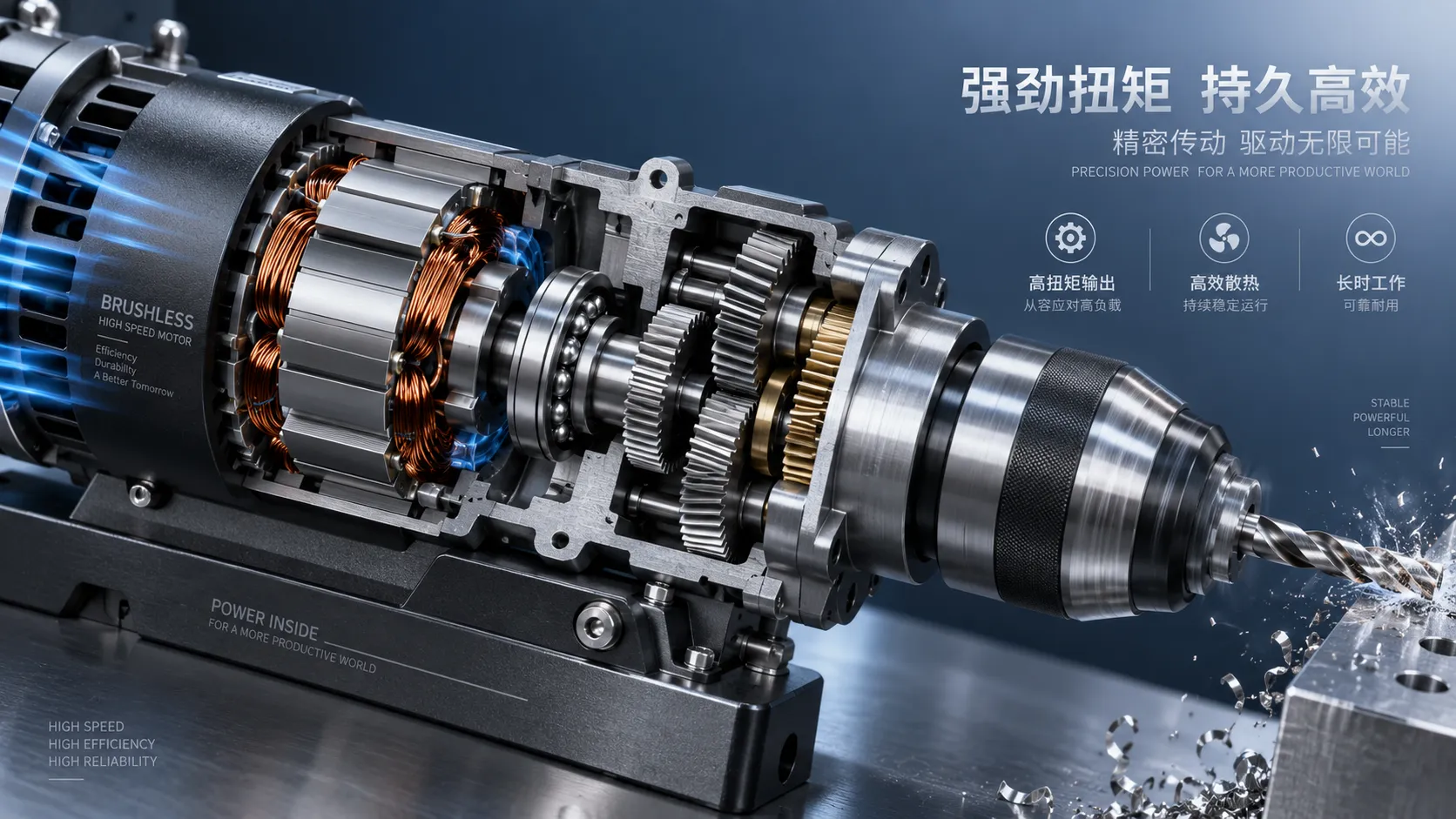
Selecting High-Speed Brushless Tool Motors for Torque, Heat, and Duty Cycle
High speed brushless tool motors: learn how to balance torque, heat, gearing, and duty cycle for reliable industrial tool performance and longer service life.
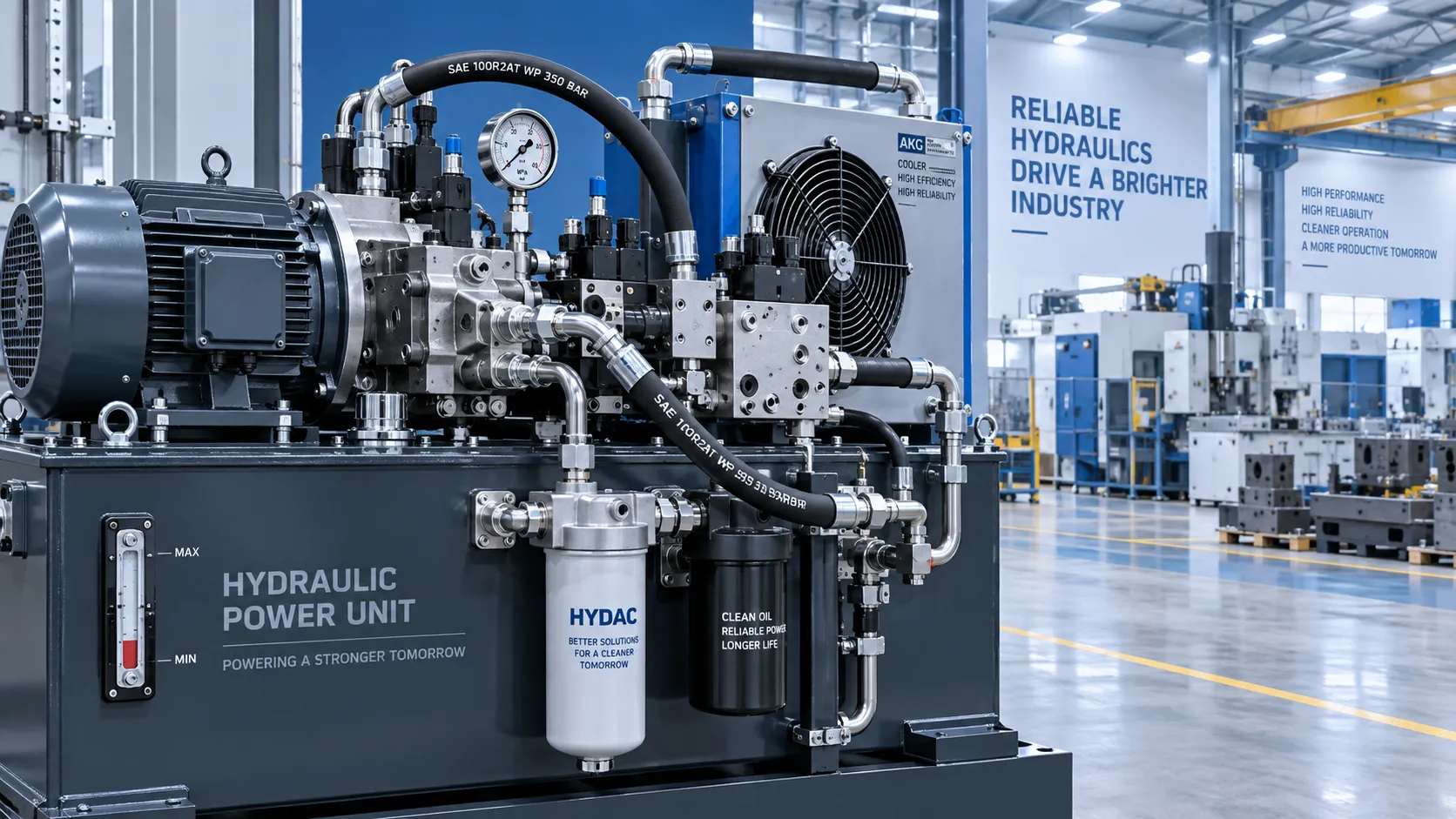
What Determines Industrial Hydraulic System Price for Heavy-Duty Equipment?
Industrial hydraulic system price depends on duty cycle, pressure, components, cooling, and integration. Compare quotes intelligently to secure reliable heavy-duty performance.
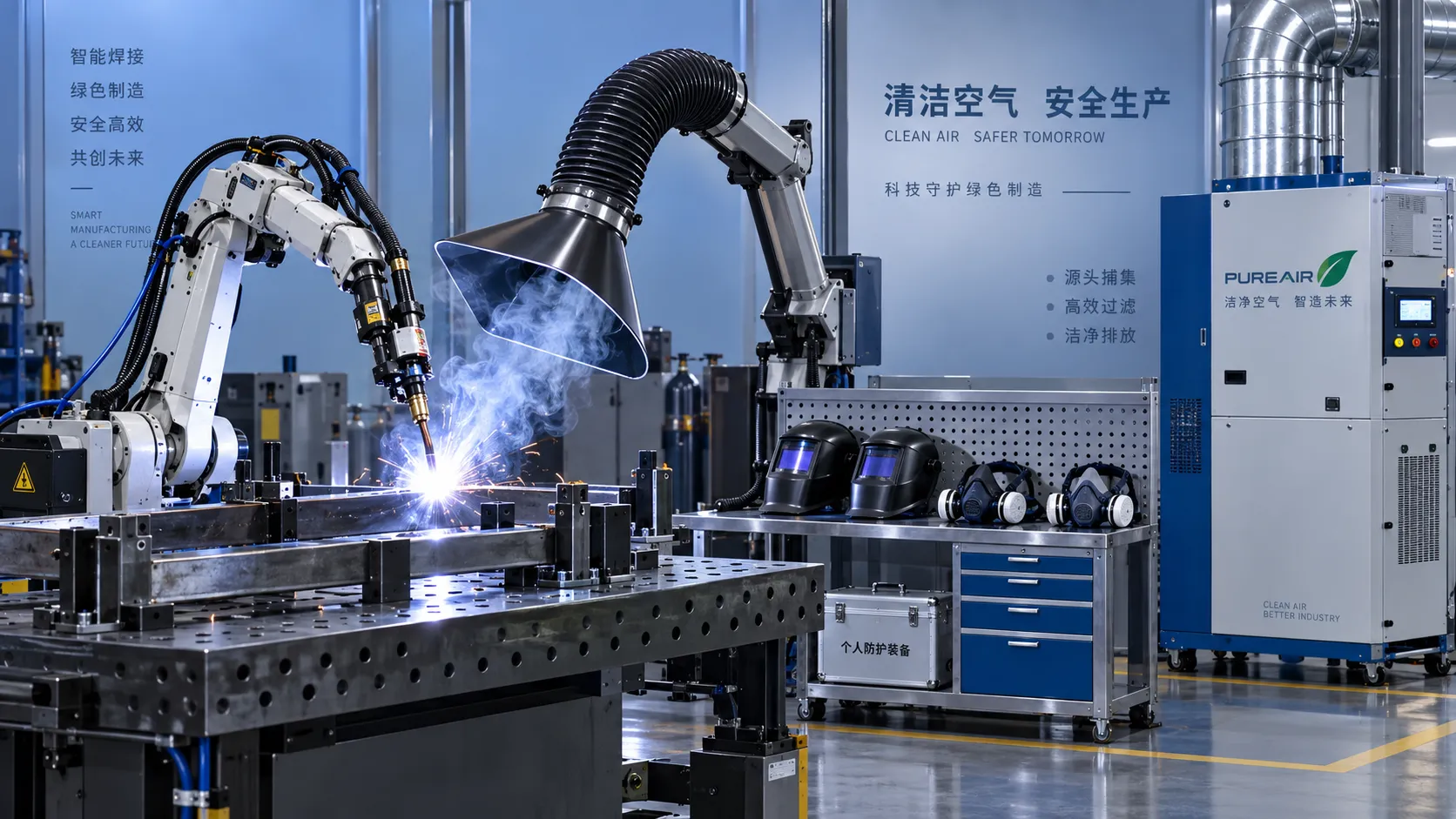
Welding Fume Extraction PPE: When Respirators Are Not Enough for Shop Safety
Welding fume extraction PPE: learn why respirators alone fall short and how source capture, ventilation, and layered controls improve shop safety.

How to Select Optical Metrology Solutions for Tight-Tolerance Manufacturing
Optical industrial metrology solutions for tight-tolerance manufacturing: evaluate accuracy, surface compatibility, workflow, and traceability to select with confidence.
Related News
- 00
0000-00
How Middle East Manufacturers Can Improve Production Efficiency Under Heat and Labor Constraints - 00
0000-00
Why Are Specification-Oriented Articles Gaining Traction in Europe’s B2B Markets? - 00
0000-00
Industrial Solutions in Latin America: Key Growth Sectors and Market Entry Risks - 00
0000-00
What Is Driving Manufacturing Efficiency in Europe’s Industrial Sectors? - 00
0000-00
Industrial Market Trends in 2025: What Buyers Should Watch Across Supply and Demand
Dr. Alistair Vaughn
Weekly Insights
Stay ahead with our curated technology reports delivered every Monday.