
Where industrial innovation is creating demand in 2026





In 2026, industrial innovation is creating demand across assembly, welding, and precision measurement markets, opening new opportunities for distributors, agents, and channel partners. From intelligent torque systems and handheld laser welding to high-accuracy metrology and efficient power tools, buyers are prioritizing productivity, safety, and digital integration. Understanding where this demand is forming will help industrial businesses align inventory, strengthen positioning, and capture higher-value growth.
Where is industrial innovation creating demand first?
For distributors, the most important question is not whether industrial innovation will reshape demand, but where that demand becomes commercially actionable first. In 2026, the answer is concentrated in the last mile of manufacturing: fastening, joining, inspection, maintenance, and process control.
These are not abstract technology themes. They are buying triggers linked to labor shortages, tighter tolerances, energy cost pressure, safety compliance, and the need for traceable production data. Industrial buyers are no longer evaluating tools only by purchase price. They are comparing uptime, repeatability, operator safety, digital compatibility, and support responsiveness.
This shift matters especially for channel partners. A distributor that understands where industrial innovation creates structural demand can avoid slow-moving stock, improve account targeting, and move upstream from price-based selling to solution-led selling.
- Assembly lines are adopting intelligent torque systems to reduce rework and create auditable fastening records.
- Metal joining operations are evaluating handheld laser welding for speed, lower finishing work, and operator flexibility.
- Precision measurement buyers are prioritizing metrology tools that support higher accuracy, easier calibration control, and workflow integration.
- Maintenance teams are seeking brushless power tools and hydraulic equipment that can improve duty cycles while lowering servicing interruptions.
GPTWM tracks these changes through its Strategic Intelligence Center, where manufacturing efficiency, export restrictions, raw material movement, and technology adoption are analyzed together. For agents and distributors, that kind of intelligence matters because demand does not rise evenly across categories or regions. It forms where application pressure, compliance requirements, and margin opportunity intersect.
Why channel partners should watch the last-mile manufacturing segment
The last-mile segment is where production quality becomes visible and where failure becomes expensive. A fastening inconsistency, welding defect, or measurement deviation can delay delivery, trigger warranty claims, or compromise export acceptance. That is why industrial innovation in these areas is creating measurable purchasing urgency.
Which product categories are gaining the strongest demand in 2026?
The table below summarizes where industrial innovation is creating demand most clearly for distributors serving construction, automotive, aerospace maintenance, metal fabrication, and industrial assembly buyers.
The common thread is not novelty alone. Buyers want output stability. Industrial innovation creates demand when it removes bottlenecks that cost time, labor, or compliance confidence. That is why these categories are expanding faster than generic, low-differentiation supply lines.
What makes these categories commercially attractive?
For channel partners, these categories often support better margin logic than standard commodity tools. They involve consultation, specification matching, onboarding, and after-sales support. That creates room to defend pricing and deepen customer dependence on the distributor’s expertise rather than on one-time discounting.
How industrial innovation is changing buying criteria
One of the biggest shifts in 2026 is that industrial buyers are using broader scorecards. In the past, distributors could win business with availability and acceptable performance. Today, industrial innovation is raising expectations around measurable process outcomes.
The new procurement checklist
- Can the solution reduce defects, rework, or adjustment time in actual use?
- Does it support operator safety and meet local workplace control expectations?
- Can it integrate with digital systems, audit records, or plant-level quality processes?
- What is the maintenance model, and are parts, training, or calibration resources available?
- Will the supplier support product validation, documentation review, and rollout timing?
This is where many distributors struggle. They may carry relevant products, but without comparative intelligence they cannot translate features into plant-level value. GPTWM’s sector reporting helps bridge that gap by connecting engineering trends with channel-level commercial decisions.
From product selling to operational selling
A torque tool is no longer just a torque tool. A welding source is no longer just a joining device. The buyer wants to know how the tool affects throughput, training, scrap rate, documentation, and ergonomic burden. Distributors who adapt to this language are more likely to win specification-driven accounts.
Which application scenarios deserve the most attention?
Industrial innovation does not create the same demand in every field. The table below helps distributors evaluate where to prioritize inventory, sales training, and account development.
Scenario-based selling is increasingly important because industrial innovation becomes valuable only when matched to a real operating pain point. A distributor that can explain application fit will usually outperform one that only presents catalog breadth.
A practical rule for channel prioritization
Focus first on accounts with visible quality cost, labor constraints, or compliance pressure. These buyers are more likely to justify premium tooling, digital features, and documented process control. They also tend to value intelligence-led recommendation rather than simple lowest-price bidding.
How should distributors evaluate new solutions before stocking them?
Stocking decisions in 2026 require more discipline than trend-following. Industrial innovation can create real demand, but not every new product becomes a fast mover. Distributors should screen new solutions through a commercial and technical filter.
Five evaluation dimensions
- Application clarity: Is there a defined use case with enough customer concentration in your territory?
- Training burden: Can your sales and service teams explain operation, safety, and value without excessive ramp-up time?
- Support ecosystem: Are spare parts, consumables, calibration, or maintenance channels realistic?
- Commercial defensibility: Does the product support consultative selling and margin protection?
- Regulatory and export fit: Are documentation, labeling, and relevant compliance expectations manageable in target markets?
GPTWM’s intelligence model is useful here because it does not isolate the product from its market context. It tracks how export standards, raw material movement, technology adoption, and user-side productivity goals interact. That helps channel partners make better stocking decisions, not just better technical guesses.
Common stocking mistakes
A frequent mistake is overcommitting to products that look innovative but lack local application maturity. Another is underestimating service expectations for advanced systems such as handheld laser welding or connected torque equipment. Industrial innovation creates demand fastest where onboarding friction is low and measurable value is easy to demonstrate.
What risks and compliance issues should buyers not ignore?
As industrial innovation spreads, compliance and implementation discipline become more important. This is particularly true in welding safety, metrology accuracy management, and digital documentation environments.
Key areas to review
- For handheld laser welding, review operator protection measures, local safety procedures, shielding practices, and training requirements before deployment.
- For precision measurement tools, confirm calibration routines, environmental sensitivity, traceability needs, and record retention expectations.
- For intelligent torque systems, assess software compatibility, data integrity, and how tightening records will be stored and audited.
- For export-driven buyers, verify that documentation, labeling, and test or inspection requirements align with destination-market expectations.
It is rarely enough to promise performance. Distributors and agents should be prepared to discuss implementation boundaries, operator readiness, and documentation workflows. Buyers increasingly view that guidance as part of the product value.
FAQ: how to respond to fast-changing industrial innovation demand
How can distributors identify whether industrial innovation demand is temporary or structural?
Look for repeatable drivers rather than one-off enthusiasm. Structural demand usually connects to labor savings, safety regulation, quality traceability, or lower lifecycle cost. If a customer can link the tool to recurring process improvement, the demand is more likely to persist.
Which buyers are most likely to invest first in intelligent assembly and metrology?
Manufacturers with warranty sensitivity, export obligations, or documented quality systems tend to move first. Automotive suppliers, aerospace maintenance providers, and precision fabrication operations often have the strongest need for auditable fastening and reliable inspection control.
What should channel partners ask before recommending handheld laser welding?
Ask about material type, thickness range, seam quality expectations, operator experience, ventilation and safety controls, and whether the customer needs portability or high duty-cycle use. Also confirm how the buyer will handle training, protective procedures, and service support after installation.
Is lower purchase price still the main decision factor in 2026?
In many industrial categories, no. Buyers increasingly compare total operating value. A lower-priced tool may lose if it causes more downtime, less traceability, higher rework, or frequent servicing. Industrial innovation shifts evaluation toward process economics, not only procurement economics.
Why choose us when industrial innovation is changing faster?
GPTWM is built for distributors, agents, and channel partners that need more than product news. Our strength is connecting industrial innovation to practical demand signals in assembly, welding, metal joining, and precision metrology. We monitor the last mile of manufacturing where buying urgency becomes visible and where category decisions directly affect margin, inventory, and customer retention.
Through our Strategic Intelligence Center, we help partners evaluate evolving demand in handheld laser welding safety, brushless power tool performance limits, IoT-based torque control systems, and the structural need for high-precision measuring instruments and hydraulic equipment across construction, automotive, and aerospace maintenance markets.
What you can contact us about
- Parameter confirmation for torque systems, welding solutions, metrology tools, and service equipment.
- Product selection guidance based on application scenario, target industry, and customer process goals.
- Delivery cycle planning for market entry, replenishment strategy, and urgent project support.
- Customized solution discussion for distributors building higher-value portfolios in precision tools and welding technologies.
- Certification and documentation review for export-facing projects and regulated industrial environments.
- Sample support and quotation communication for account validation, pilot rollout, and comparative evaluation.
If your team is deciding where industrial innovation will create the next profitable demand pocket, contact GPTWM with your target market, application category, and sourcing objectives. We can help you narrow priority segments, refine solution positioning, and make more confident stocking and commercialization decisions.
- industrial assembly
- metal joining
- precision metrology
- handheld laser welding
- high-precision measuring instruments
- hydraulic equipment
- precision tools
- manufacturing efficiency
- aerospace maintenance
- welding equipment
- metal fabrication
- torque tools
- laser welding
- construction equipment
- industrial innovation
Related News
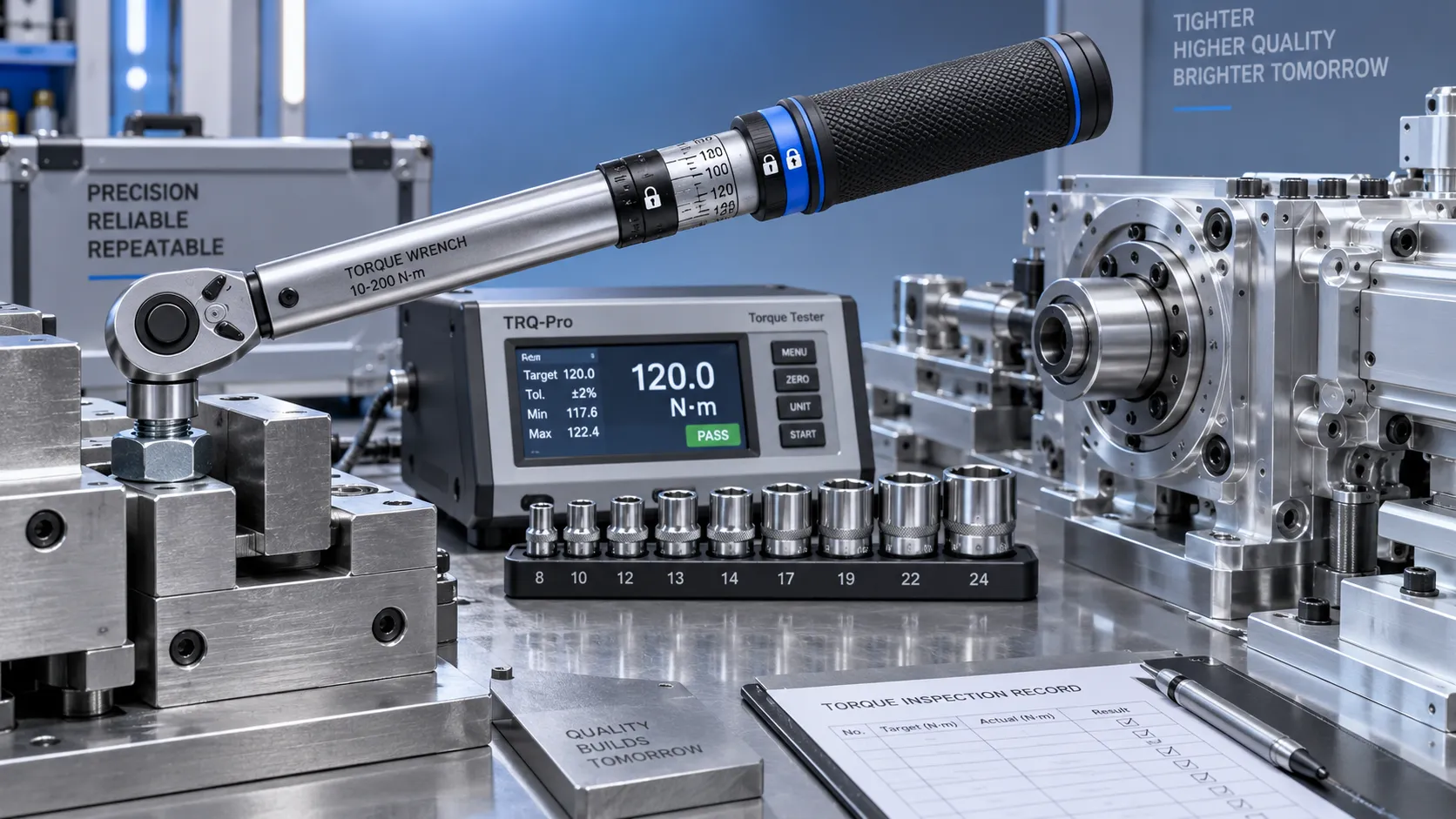
Selecting Adjustable Torque Tools for Repeatable Fastener Assembly
Adjustable torque tools: learn how to match range, accuracy, control methods, calibration, and ergonomics for repeatable, reliable fastener assembly.

How to Select Aerospace Inspection Tools for Aircraft Maintenance Tasks
Aerospace maintenance inspection tools: learn how to select reliable, traceable equipment for aircraft access, accuracy, calibration, and compliant maintenance decisions.

How to Select Wire Bonding Tools for Fine-Pitch Semiconductor Packaging
Explore semiconductor manufacturing tools for wire bonding and learn how to select precision solutions for fine-pitch packaging, reliable loops, accuracy, and yield.
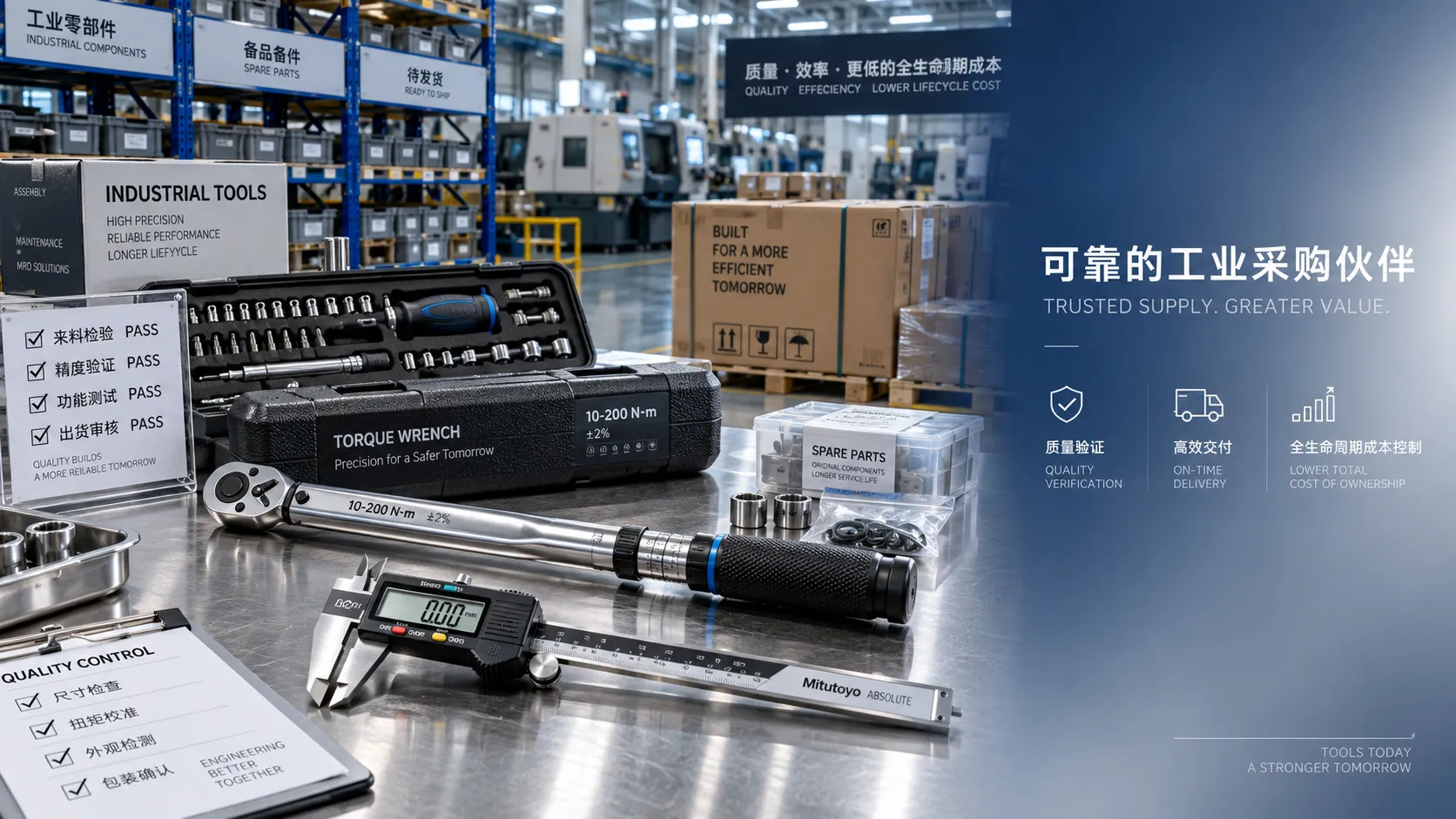
How to Compare Industrial Tool Suppliers for Quality, Lead Time, and Total Cost
Industrial tool selection supplier comparison made simple: evaluate quality, lead times, total cost, service, and supply resilience for confident sourcing decisions.
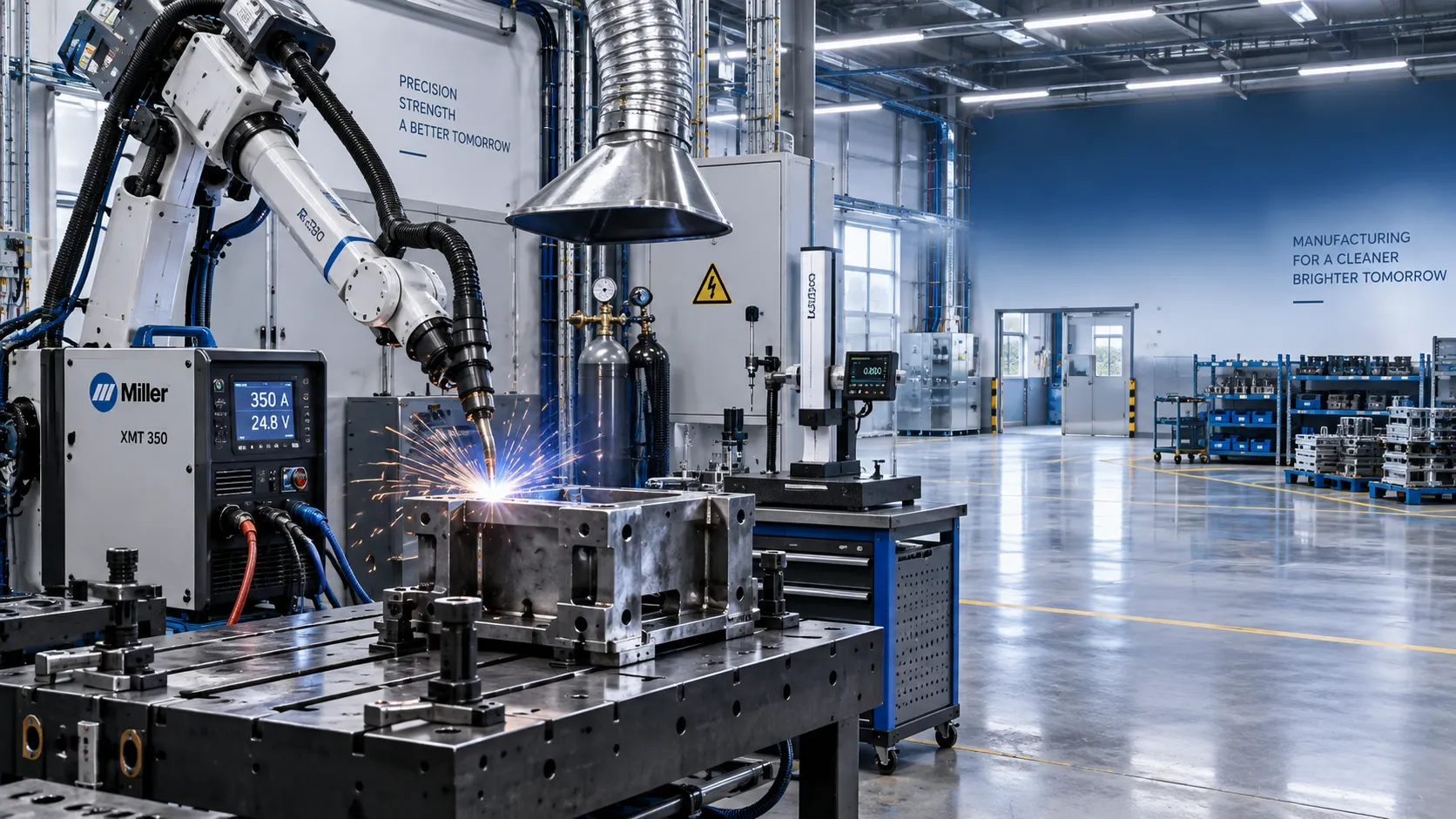
Industrial Equipment Application Guidance: Match Machines to Operating Conditions
Application guidance industrial equipment: match capacity, duty cycle, materials, site conditions, safety, and lifecycle cost to improve reliable output. Read the guide.
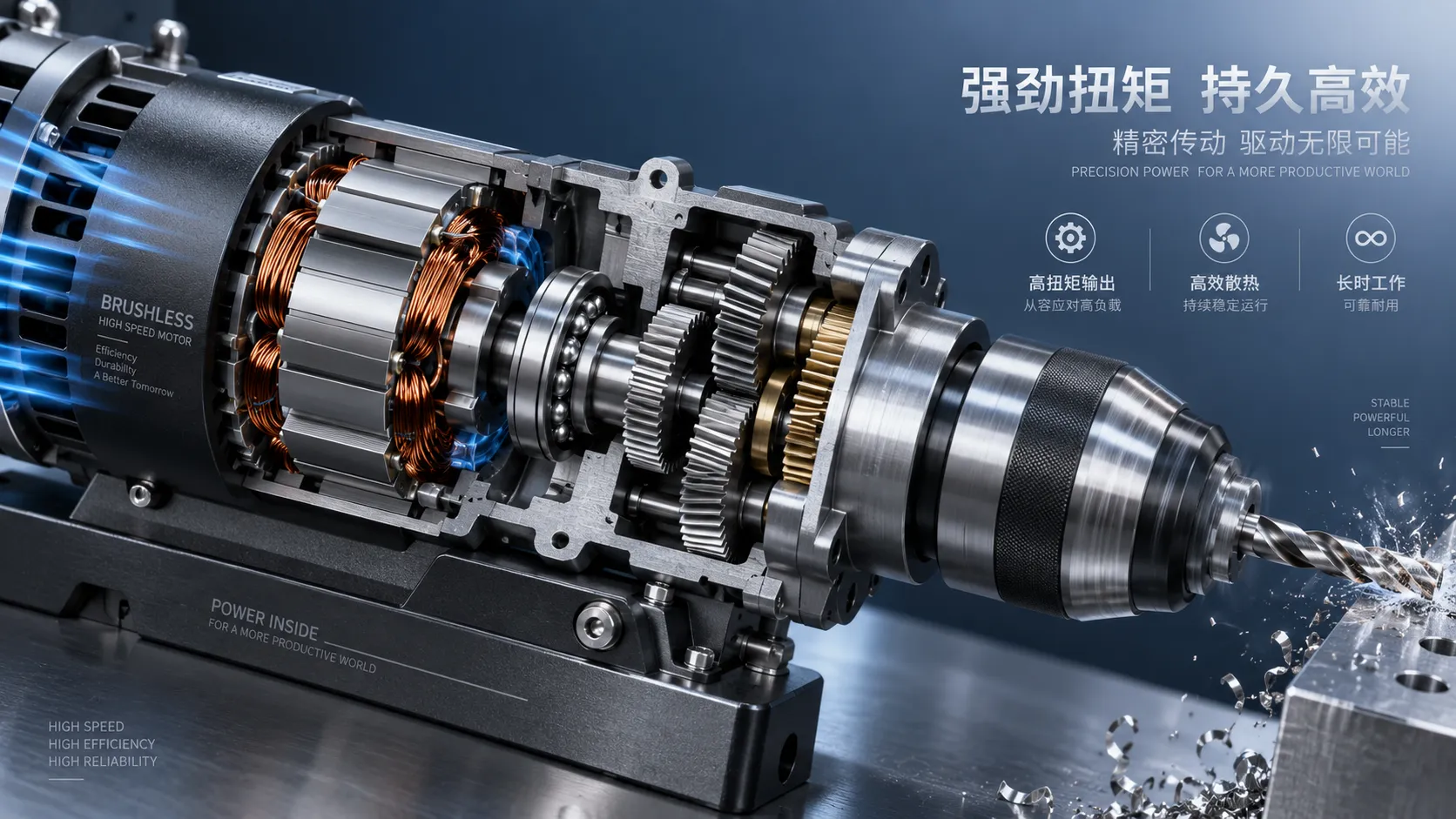
Selecting High-Speed Brushless Tool Motors for Torque, Heat, and Duty Cycle
High speed brushless tool motors: learn how to balance torque, heat, gearing, and duty cycle for reliable industrial tool performance and longer service life.
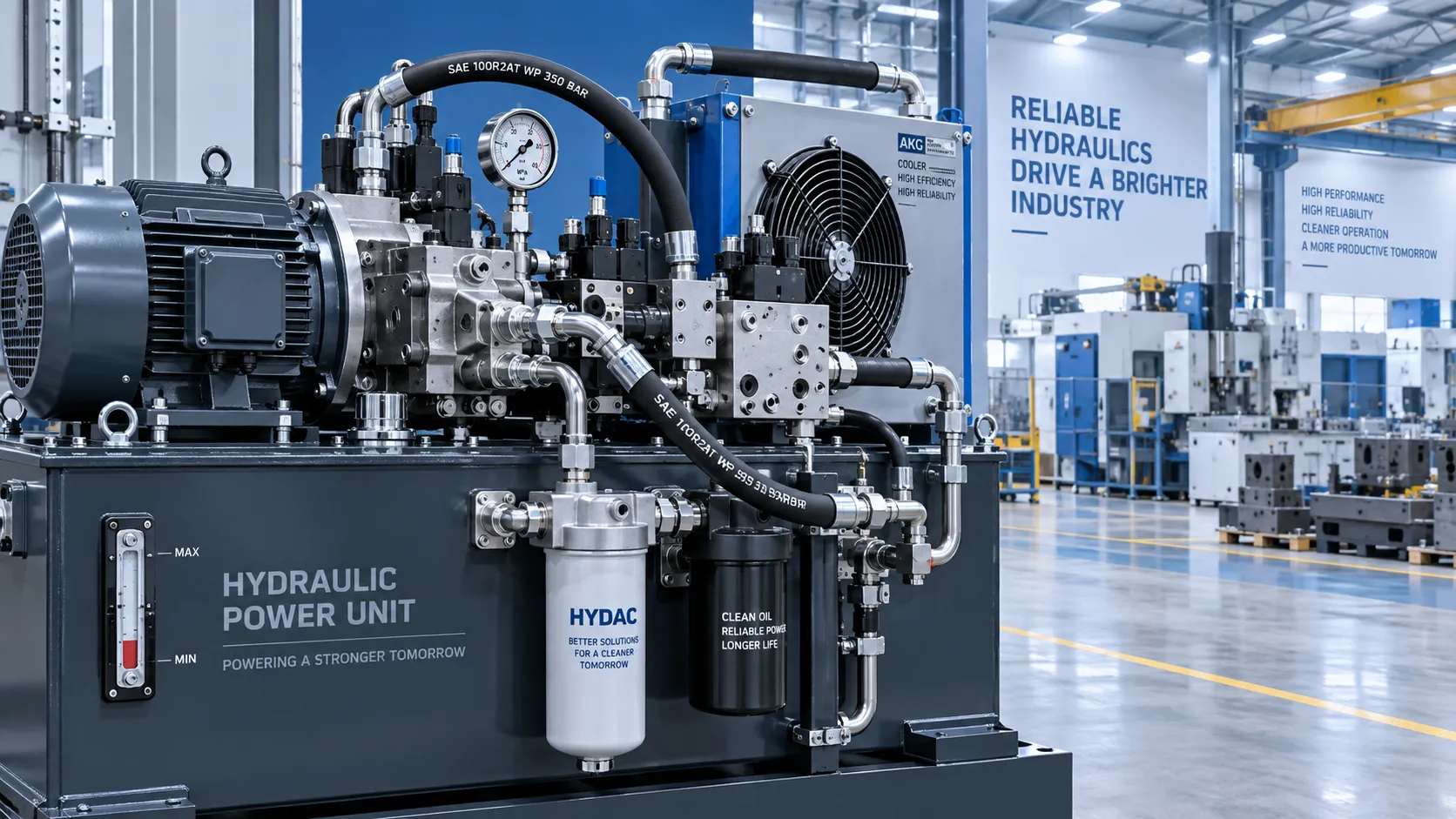
What Determines Industrial Hydraulic System Price for Heavy-Duty Equipment?
Industrial hydraulic system price depends on duty cycle, pressure, components, cooling, and integration. Compare quotes intelligently to secure reliable heavy-duty performance.
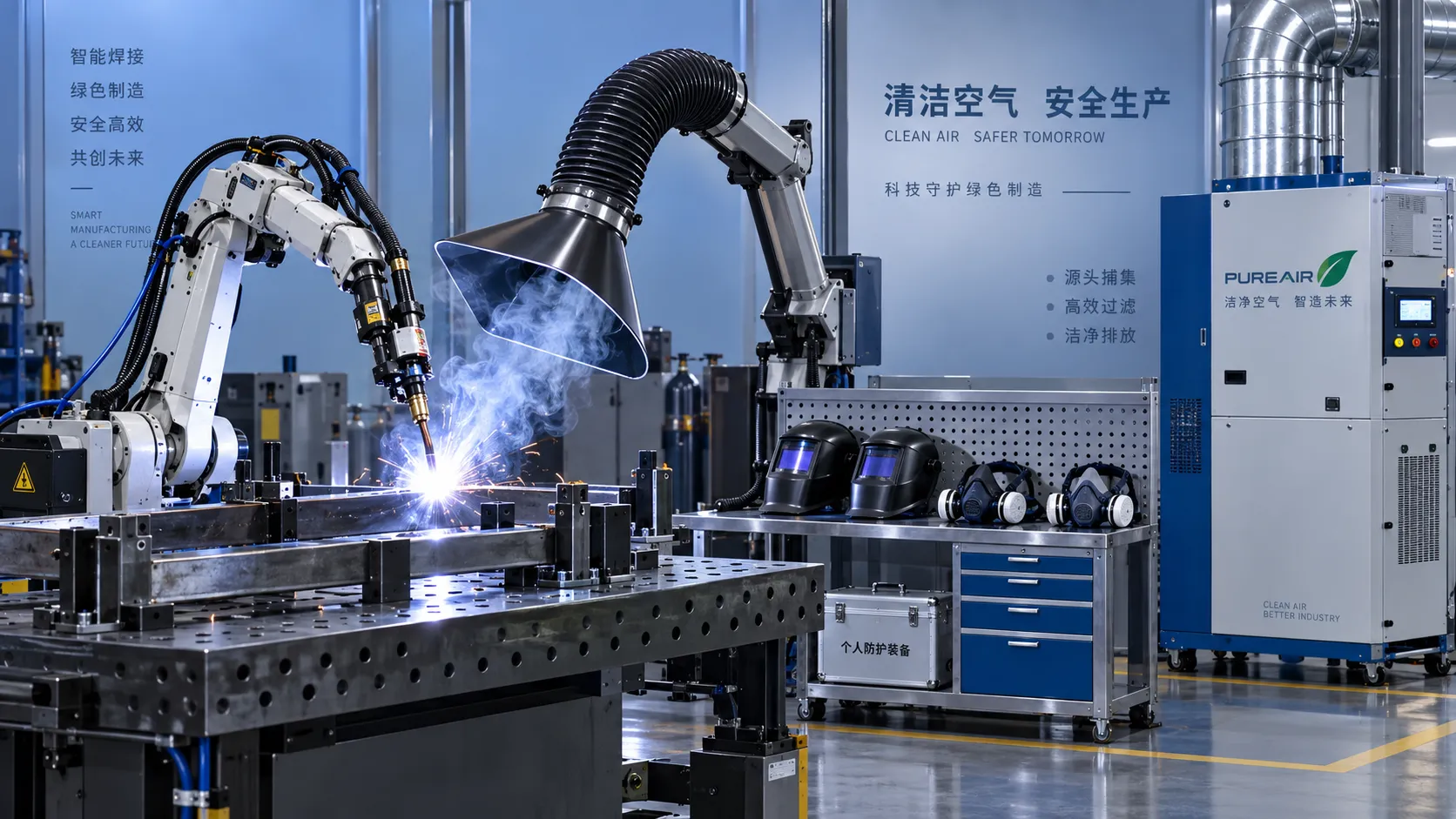
Welding Fume Extraction PPE: When Respirators Are Not Enough for Shop Safety
Welding fume extraction PPE: learn why respirators alone fall short and how source capture, ventilation, and layered controls improve shop safety.

How to Select Optical Metrology Solutions for Tight-Tolerance Manufacturing
Optical industrial metrology solutions for tight-tolerance manufacturing: evaluate accuracy, surface compatibility, workflow, and traceability to select with confidence.
Related News
- 00
0000-00
How Middle East Manufacturers Can Improve Production Efficiency Under Heat and Labor Constraints - 00
0000-00
Why Are Specification-Oriented Articles Gaining Traction in Europe’s B2B Markets? - 00
0000-00
Industrial Solutions in Latin America: Key Growth Sectors and Market Entry Risks - 00
0000-00
What Is Driving Manufacturing Efficiency in Europe’s Industrial Sectors? - 00
0000-00
Industrial Market Trends in 2025: What Buyers Should Watch Across Supply and Demand
Dr. Alistair Vaughn
Weekly Insights
Stay ahead with our curated technology reports delivered every Monday.