
Why production efficiency gains stall after early wins





Early improvements in production efficiency often come quickly, but many manufacturers struggle to sustain momentum once the obvious fixes are made. For business decision-makers, this plateau is more than an operational issue—it affects cost control, competitiveness, and long-term growth. Understanding why efficiency gains stall after early wins is essential to uncovering the deeper process, technology, and management barriers that limit scalable performance.
In industrial assembly, metal joining, and precision metrology, the first 5% to 15% gain is often unlocked through visible corrections: layout cleanup, downtime reduction, rework control, or better scheduling. The harder challenge begins after those quick wins, when hidden constraints inside tooling, data accuracy, workforce capability, and cross-functional governance start limiting further progress.
For enterprise leaders, this is not simply a plant-floor issue. A stalled efficiency curve can delay capacity expansion by 6 to 12 months, weaken margin resilience during raw material volatility, and slow response to customers in automotive, aerospace maintenance, construction equipment, and industrial distribution. That is why the discussion around production efficiency must move beyond isolated improvement projects toward a more structured operating model.
Why early production efficiency gains are easier than later-stage improvements
Most factories achieve early progress because the initial losses are obvious, measurable, and relatively low-cost to fix. Examples include machine idle time above 20%, long tool changeovers exceeding 30 minutes, duplicate inspection steps, and poor material flow between adjacent workstations. These are surface-level frictions, and their removal usually delivers fast returns.
Once these issues are addressed, the remaining inefficiencies are more systemic. They may involve tolerance variation between parts, uneven operator skill across 3 shifts, inconsistent torque application, unstable welding parameters, or measurement errors that trigger unnecessary scrap. These factors are harder to isolate because they interact with each other and often sit across departments rather than inside one production cell.
The low-hanging fruit effect
Early gains are typically driven by straightforward interventions that require limited capital. A line balance adjustment, preventive maintenance routine every 2 weeks, or standard work update can produce visible change in 30 to 60 days. However, each successive efficiency gain becomes more expensive, more technical, and more dependent on organizational discipline.
That is why some plants move from 68% to 78% effective utilization quickly, but then remain stuck between 78% and 82% for several quarters. At that stage, the issue is rarely effort alone. It is usually a sign that the next gains depend on metrology quality, digital feedback loops, tooling consistency, and management alignment.
What changes after the first wave of improvement
As improvement maturity rises, the dominant loss categories change. Instead of obvious stoppages, factories face micro-stoppages of 20 to 90 seconds, subtle dimensional drift of ±0.02 mm to ±0.10 mm, small but frequent welding defects, and hidden delays in tool replacement approvals. These problems are less visible but can still erode production efficiency over a full month or quarter.
The shift from visible waste to hidden variability is where many organizations underestimate the problem. They keep applying the same methods that worked in phase one, even though phase two requires better instrumentation, tighter process control, and stronger decision governance.
Common reasons leaders misread the plateau
- They measure output volume but not variation, rework loops, or first-pass yield stability.
- They assume equipment utilization equals production efficiency, even when quality losses remain high.
- They focus on one workshop while bottlenecks have shifted upstream or downstream.
- They continue monthly reviews when the process now needs daily or shift-level intervention.
The table below shows how the nature of improvement typically changes between the early and later stages of operational maturity.
The key takeaway is that later-stage production efficiency gains depend less on basic cleanup and more on precision, coordination, and repeatability. This is especially true where welding quality, fastening accuracy, and dimensional control directly affect throughput and warranty risk.
The deeper barriers that stall production efficiency
After the obvious corrections are complete, manufacturers usually encounter four deeper barriers. These include process complexity, technology mismatch, fragmented data, and management behaviors that reward short-term output over system reliability. Each one can reduce the scalability of production efficiency even when local teams appear busy and committed.
1. Process variation hides inside acceptable averages
Average performance can look healthy while true variation remains dangerous. A welding station may average 42 units per hour, but if output swings between 35 and 49 across shifts, planning accuracy, labor deployment, and delivery confidence all suffer. The same pattern appears in tightening processes when target torque is achieved on average but outliers create downstream failures.
In precision assembly and metrology-driven operations, small inconsistencies can consume a large share of margin. A measurement drift that adds only 1% more false rejects may seem minor, yet over 10,000 parts per month it can create meaningful reinspection labor, line congestion, and inventory distortion.
2. Tools and equipment are upgraded without system integration
Many organizations invest in faster tools, smarter welding units, or digital torque systems, but fail to redesign surrounding workflows. A brushless power tool may cut cycle time by 8%, yet the gain disappears if calibration checks are delayed, consumables are poorly managed, or data is not linked to quality records. Technology alone does not guarantee sustained production efficiency.
This mismatch is common when capital purchasing and operations improvement are managed separately. Decision-makers may approve a new asset based on technical specifications, while the real bottleneck sits in fixture design, inspection lead time, or operator retraining. The result is underused equipment and disappointing payback.
3. Data exists, but not in decision-ready form
A modern plant may collect data from torque tools, laser welding units, coordinate measuring systems, maintenance logs, and ERP schedules. Yet if the data sits in separate systems with different timestamps, naming rules, and reporting cycles, leaders cannot identify the true drivers of stalled production efficiency. Volume of data is not the same as decision clarity.
In practice, many factories still review performance weekly or monthly, even when the relevant signals emerge every shift or every batch. By the time a trend is visible in the report, the root cause may already have moved to another workstation, product family, or supplier lot.
4. Management routines favor local optimization
An assembly line can improve its own hourly output while creating overload in inspection, packaging, or repair. A welding team can raise arc-on time while increasing heat distortion that slows final fit-up. These are classic local wins that weaken system performance. Production efficiency stalls when metrics reward departmental success instead of end-to-end flow.
Senior leaders often need to reset the operating cadence. That means reviewing not only output, but also first-pass yield, queue time, changeover adherence, measurement reliability, and maintenance response within one shared performance framework. Without that discipline, improvement efforts drift into isolated initiatives.
Symptoms that the barrier is structural, not temporary
- Efficiency rises for 4 to 6 weeks, then falls back to the previous baseline.
- Different shifts show a gap of more than 10% in output or defect rates.
- New tools are installed, but utilization remains below 70% after 90 days.
- Managers cannot link scrap, downtime, and quality events to one traceable cause chain.
How decision-makers can restart the next wave of efficiency gains
To break the plateau, leaders need to move from project-based improvement to capability-based improvement. That means building repeatable mechanisms for process stability, tooling control, data visibility, and cross-functional response. In many industrial settings, the next 3% to 7% gain comes not from one large investment, but from several coordinated changes executed over 90 to 180 days.
Start with a precision-led diagnostic
A useful diagnostic should examine the full path from input to finished output. In assembly and joining operations, this means reviewing part variation, fixture repeatability, tool calibration intervals, consumable stability, inspection criteria, and operator decision points. The aim is to find where hidden variation accumulates rather than where output merely looks slow.
For many manufacturers, a 4-step diagnostic works well: map the bottleneck, measure variability at 3 to 5 critical points, compare actual practice with standard work, and quantify the cost of instability. This approach often reveals whether the real constraint is mechanical, procedural, digital, or organizational.
Prioritize metrology and process feedback loops
Where tolerances are tight and downstream rework is expensive, metrology quality becomes a growth lever rather than a compliance function. If gauges, calipers, torque traces, or dimensional checks are inconsistent, the business will either overcorrect or miss drift until it becomes costly. Reliable feedback can shorten response time from several days to a single shift.
This is particularly relevant for companies managing handheld laser welding, precision fastening, or high-mix maintenance work. The more product variation there is, the more important it becomes to connect measurement signals with operator action in near real time.
The following table outlines practical levers that decision-makers can use to recover stalled production efficiency without relying on unrealistic promises or disruptive overhauls.
These levers work best when they are combined. Better tools without calibration discipline will not sustain production efficiency. Better dashboards without decision routines will not change operator behavior. The plateau breaks when technical control and management rhythm reinforce each other.
Build a cross-functional review rhythm
A practical governance model usually includes daily shift reviews, weekly exception analysis, and monthly capacity decisions. Daily reviews should focus on signal detection, such as defect spikes, tool drift, or missed takt windows. Weekly reviews should prioritize root causes and countermeasures. Monthly reviews should decide whether capital, supplier action, or engineering changes are required.
This rhythm matters because stalled production efficiency is rarely solved by one function alone. Operations, quality, maintenance, engineering, procurement, and plant leadership each control a piece of the system. Without synchronized review points, action slows and lessons stay local.
A practical implementation sequence
- Identify the top 1 or 2 value streams where margin impact is highest.
- Track 4 to 6 operational signals, not 20 disconnected indicators.
- Stabilize measurement, tooling, and standard work before adding more automation.
- Test improvements for 2 to 4 weeks, then scale only what proves repeatable.
- Review whether gains hold across all shifts, product variants, and operator groups.
What this means for procurement, technology selection, and strategic planning
For business decision-makers, stalled production efficiency should shape not only operations policy but also purchasing logic. A lower-cost tool, welding unit, or measuring instrument may look attractive at the point of purchase, yet total operating value depends on consistency, maintainability, calibration burden, training requirements, and data compatibility over 12 to 36 months.
This is where intelligence-led sourcing becomes valuable. In sectors influenced by export standards, raw material price movements, ergonomic expectations, and digital factory upgrades, buying decisions need stronger context than simple unit price comparisons. A solution that improves traceability, shortens inspection time, or reduces skill sensitivity may outperform a cheaper alternative over the full asset life cycle.
Questions leaders should ask before the next investment
- Will this purchase reduce variation, or only increase nominal speed?
- Can the data be integrated into existing quality and maintenance workflows within 30 to 60 days?
- What operator training time is required: 4 hours, 2 days, or more?
- How often will calibration, consumables, or service intervention be needed?
- Does the solution fit high-mix, low-volume work as well as repeat production?
Why market intelligence matters in the last mile of manufacturing
In the last mile of industrial manufacturing, small operational details determine whether efficiency gains scale or stall. Changes in handheld laser welding safety practices, the practical limits of brushless motor output, or the adoption of IoT-based torque control all affect how organizations plan future investments. Leaders who monitor these shifts are better prepared to avoid dead-end spending.
That is the role of specialist intelligence platforms such as GPTWM: helping executives connect process realities with technology trends, commercial implications, and sourcing decisions. For firms seeking stronger production efficiency, that combination is increasingly important because the next competitive edge often comes from informed integration rather than isolated equipment upgrades.
When production efficiency stalls after early wins, the problem is usually deeper than effort, discipline, or machine speed alone. The real barriers often sit in hidden variation, weak measurement systems, disconnected technology, and management routines that optimize one department instead of the whole value stream. Leaders who recognize this shift can move from short-term fixes to a more durable operating model.
For manufacturers working across assembly, metal joining, and precision metrology, the next stage of performance improvement depends on better diagnostics, stronger process feedback, and more strategic equipment decisions. If your team is evaluating how to recover stalled production efficiency, refine tooling strategy, or align technology investments with measurable plant outcomes, now is the right time to act.
Contact GPTWM to explore tailored intelligence, compare solution paths, and get a more practical roadmap for sustainable efficiency gains. Learn more solutions, request a customized assessment, or discuss the operational details that matter most to your business decision cycle.
Related News
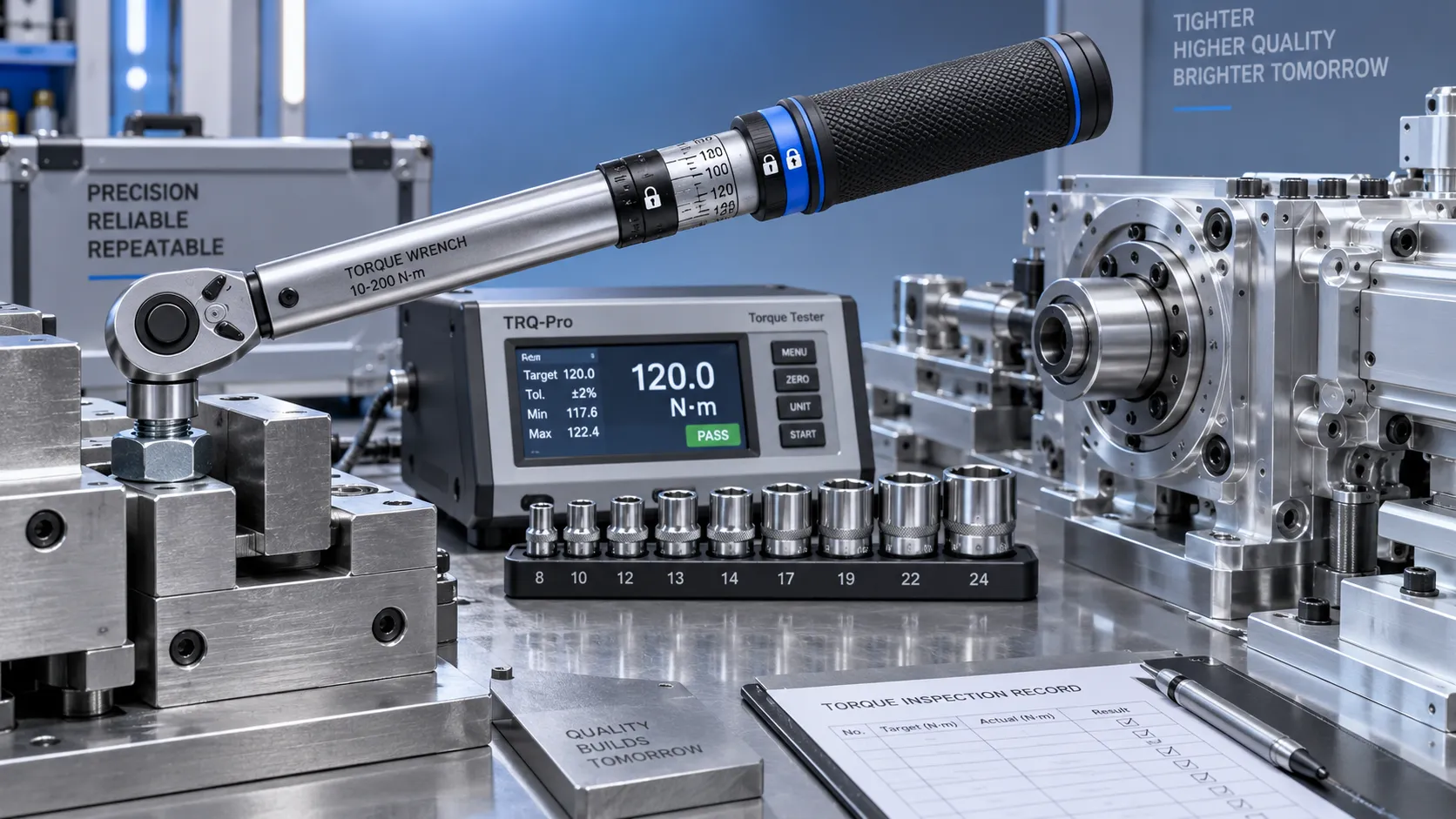
Selecting Adjustable Torque Tools for Repeatable Fastener Assembly
Adjustable torque tools: learn how to match range, accuracy, control methods, calibration, and ergonomics for repeatable, reliable fastener assembly.

How to Select Aerospace Inspection Tools for Aircraft Maintenance Tasks
Aerospace maintenance inspection tools: learn how to select reliable, traceable equipment for aircraft access, accuracy, calibration, and compliant maintenance decisions.

How to Select Wire Bonding Tools for Fine-Pitch Semiconductor Packaging
Explore semiconductor manufacturing tools for wire bonding and learn how to select precision solutions for fine-pitch packaging, reliable loops, accuracy, and yield.
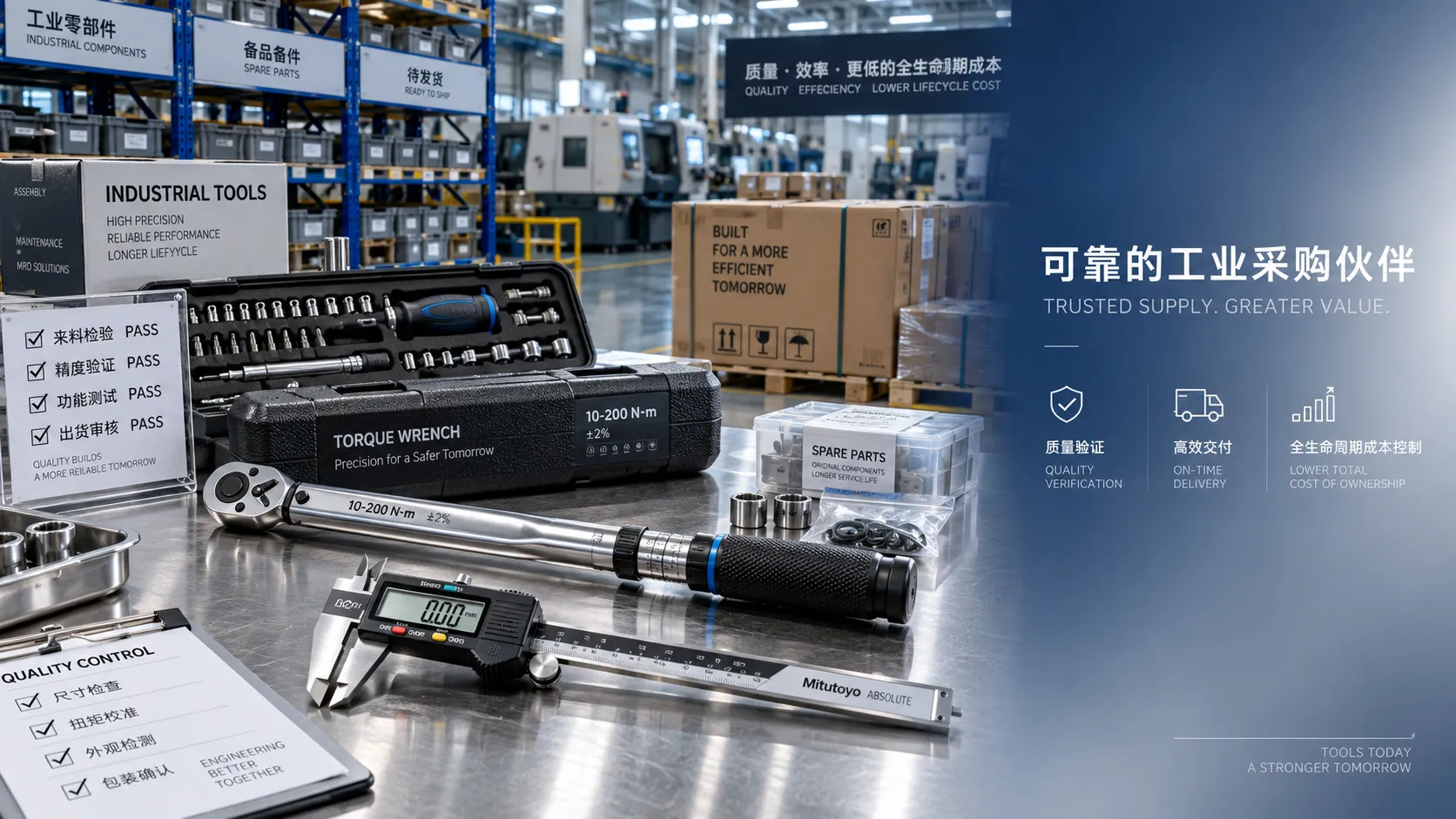
How to Compare Industrial Tool Suppliers for Quality, Lead Time, and Total Cost
Industrial tool selection supplier comparison made simple: evaluate quality, lead times, total cost, service, and supply resilience for confident sourcing decisions.
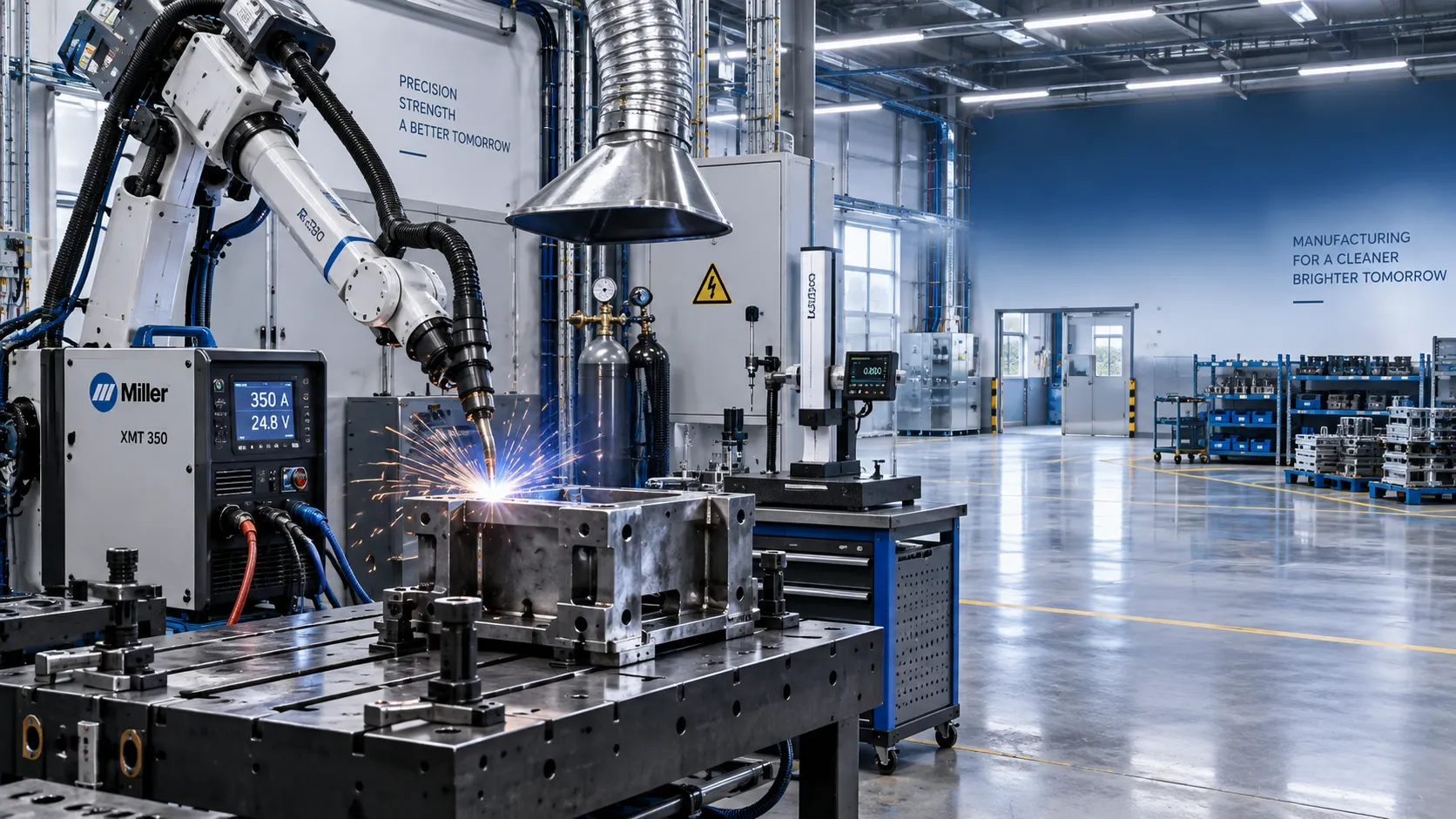
Industrial Equipment Application Guidance: Match Machines to Operating Conditions
Application guidance industrial equipment: match capacity, duty cycle, materials, site conditions, safety, and lifecycle cost to improve reliable output. Read the guide.
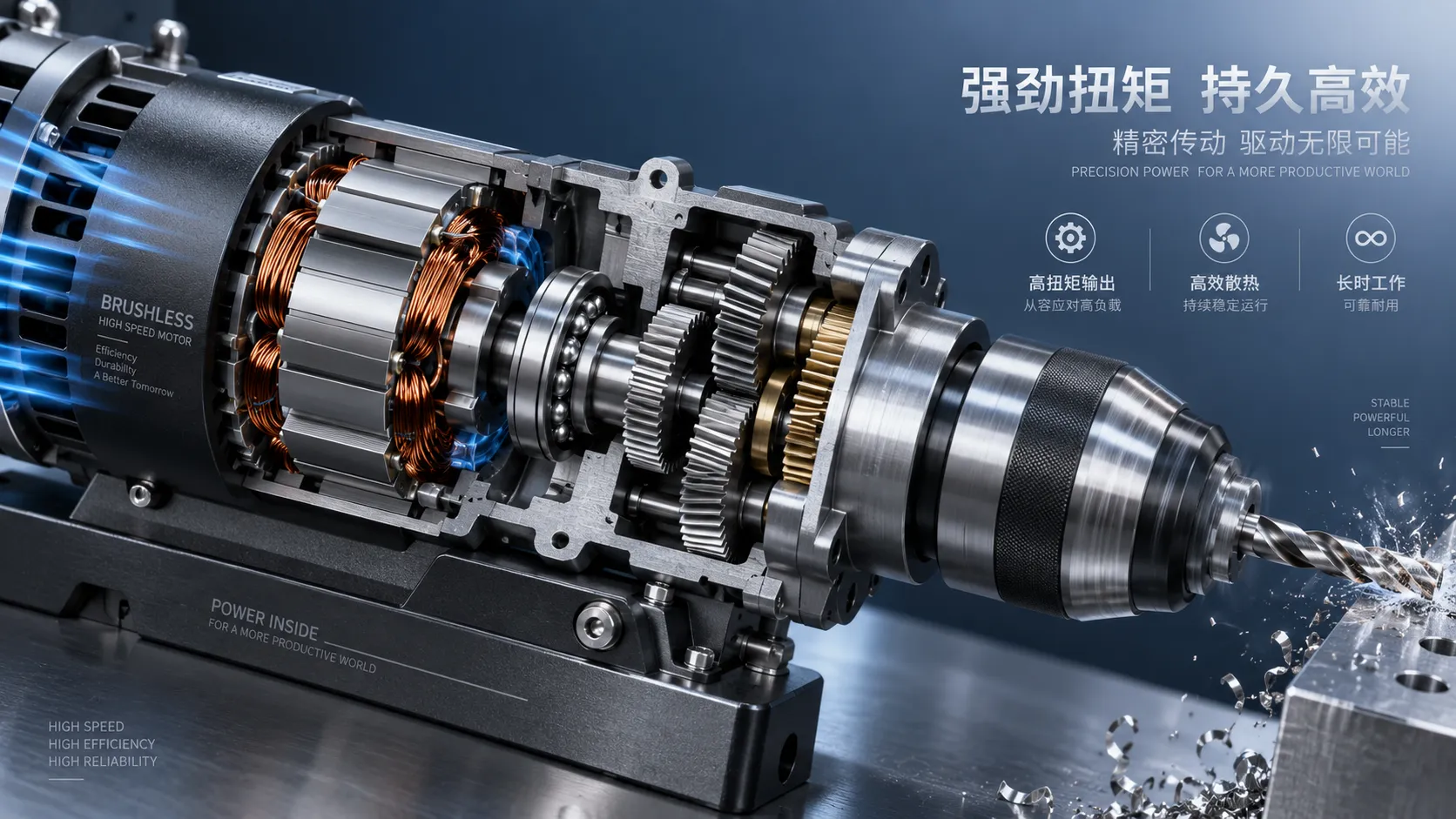
Selecting High-Speed Brushless Tool Motors for Torque, Heat, and Duty Cycle
High speed brushless tool motors: learn how to balance torque, heat, gearing, and duty cycle for reliable industrial tool performance and longer service life.
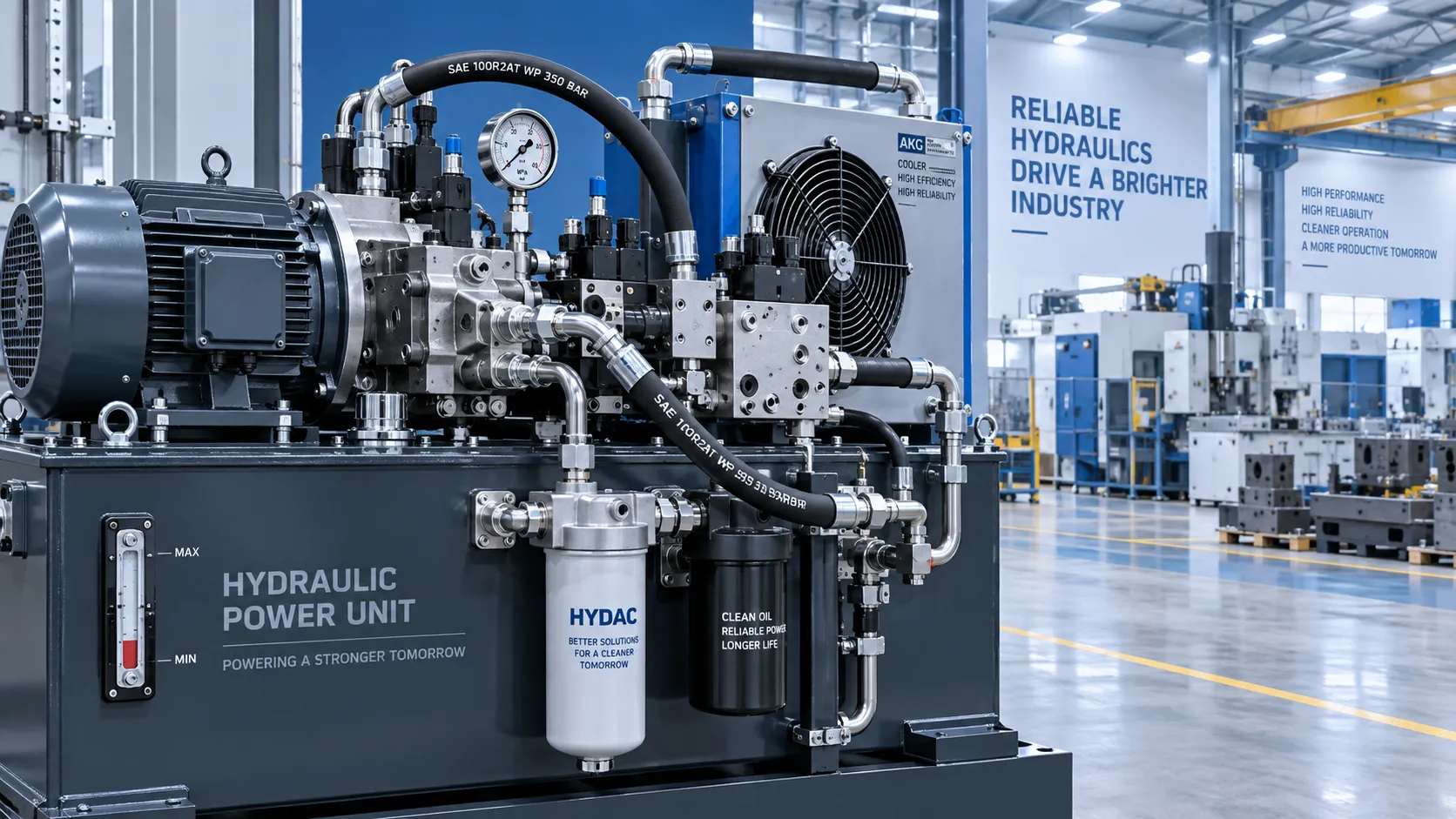
What Determines Industrial Hydraulic System Price for Heavy-Duty Equipment?
Industrial hydraulic system price depends on duty cycle, pressure, components, cooling, and integration. Compare quotes intelligently to secure reliable heavy-duty performance.
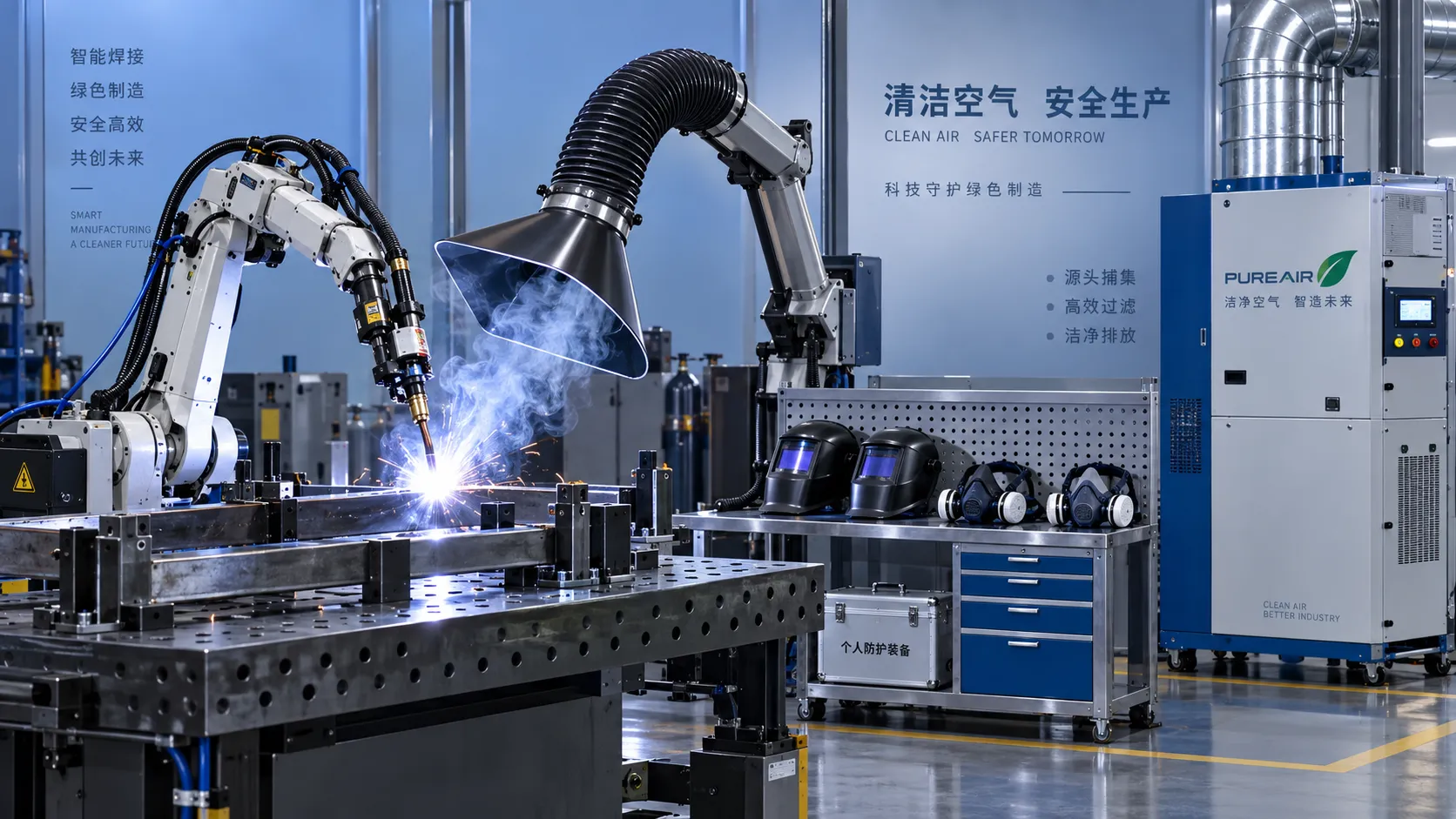
Welding Fume Extraction PPE: When Respirators Are Not Enough for Shop Safety
Welding fume extraction PPE: learn why respirators alone fall short and how source capture, ventilation, and layered controls improve shop safety.

How to Select Optical Metrology Solutions for Tight-Tolerance Manufacturing
Optical industrial metrology solutions for tight-tolerance manufacturing: evaluate accuracy, surface compatibility, workflow, and traceability to select with confidence.
Related News
- 00
0000-00
How Middle East Manufacturers Can Improve Production Efficiency Under Heat and Labor Constraints - 00
0000-00
Why Are Specification-Oriented Articles Gaining Traction in Europe’s B2B Markets? - 00
0000-00
Industrial Solutions in Latin America: Key Growth Sectors and Market Entry Risks - 00
0000-00
What Is Driving Manufacturing Efficiency in Europe’s Industrial Sectors? - 00
0000-00
Industrial Market Trends in 2025: What Buyers Should Watch Across Supply and Demand
Dr. Alistair Vaughn
Weekly Insights
Stay ahead with our curated technology reports delivered every Monday.