
What industrial automation changes first on the shop floor?





On the shop floor, industrial automation rarely starts with robots replacing people—it begins with visibility, repeatability, and safer daily tasks. For operators, the first changes often appear in tool control, quality checks, material flow, and real-time feedback that reduce manual guesswork. Understanding these early shifts helps frontline teams adapt faster, work smarter, and see how automation supports productivity instead of disrupting practical manufacturing routines.
What changes first when industrial automation reaches daily operations?
For most factories, industrial automation does not begin with a fully autonomous line. It starts with tasks that already create friction: inconsistent tightening, missed measurements, unclear work instructions, manual traceability, and delayed defect detection.
Operators notice the shift through simple but meaningful upgrades. A torque tool starts recording every cycle. A gauge sends inspection results to a screen. Material bins trigger replenishment signals. A welding station adds interlocks and status alerts.
These are early-stage industrial automation changes because they solve recurring shop floor problems without forcing teams to rebuild the entire process. In mixed manufacturing environments, this practical starting point usually delivers faster acceptance.
- Manual judgment is reduced through digital setpoints, alerts, and work sequence guidance.
- Repeatability improves because the process becomes less dependent on memory and shift-to-shift habits.
- Safety improves when motion, heat, current, torque, and access conditions are monitored in real time.
- Supervisors gain visibility into stoppages, rework, and bottlenecks instead of relying only on end-of-shift reports.
Why operators usually experience automation before management sees the full impact
Frontline users interact with the process every minute. They feel whether tools are easier to control, whether part identification is clearer, and whether quality decisions require less guesswork. That is why the first measurable impact of industrial automation is often operational confidence.
For GPTWM, this “last mile” view matters. Industrial assembly, metal joining, and precision metrology do not improve through abstract software alone. They improve when intelligence reaches the torch, the fastener, the caliper, the fixture, and the operator’s decision point.
Which shop floor areas change first in industrial automation?
The first industrial automation investments usually target areas where errors are frequent, quality costs are visible, and training gaps slow output. The table below shows common early-change zones and what operators typically experience first.
This progression explains why industrial automation feels incremental at first. Operators do not suddenly see a fully lights-out factory. They see a more controlled workstation, fewer preventable mistakes, and better feedback during each cycle.
Assembly and fastening often lead the change
In many sectors, fastening is one of the fastest ways to introduce industrial automation because the process is repetitive, measurable, and directly linked to quality escapes. Intelligent torque control systems can verify each fastening event and connect it to a serial number or work order.
For users, this means fewer arguments about whether a joint was completed correctly. For quality teams, it means evidence instead of assumption. GPTWM closely tracks these shifts because tool intelligence increasingly defines the real efficiency of assembly operations.
Metrology changes early because hidden variation is expensive
When measurement remains manual and disconnected, process drift may go unnoticed until scrap, fit issues, or warranty problems appear. Early industrial automation often connects calipers, gauges, and inspection points to digital records so nonconformance is detected sooner.
That matters in fabrication, maintenance, aerospace support, automotive service parts, and construction equipment assembly, where dimensional accuracy influences safety, interchangeability, and downstream labor time.
How does industrial automation affect operators rather than replace them?
A common misconception is that industrial automation removes the need for operator judgment. In practice, early automation shifts operator work from repetitive checking toward controlled execution, exception handling, and process awareness.
The role becomes less about remembering settings and more about responding to validated information. That is especially true in mixed-model production, repair environments, and manual-intensive joining tasks where skilled labor remains essential.
- Operators spend less time rechecking routine steps because the system confirms parameters automatically.
- Training becomes more structured when work instructions, alarms, and acceptable ranges are built into the workflow.
- Physical strain can decline when ergonomic tools, lighter systems, or assisted handling are introduced.
- Attention shifts toward abnormal conditions, which improves problem reporting and continuous improvement.
Where frustration can increase if implementation is poor
Not every industrial automation rollout feels helpful at first. If alarms are excessive, interfaces are unclear, or cycle logic does not match real workflow, operators may see the system as a barrier. Poorly matched automation creates waiting, bypass behavior, and distrust.
That is why process design must be grounded in shop floor reality. GPTWM’s intelligence model is valuable here because it connects tooling, metrology, safety, and economic practicality instead of treating automation as software only.
What should teams compare before choosing an industrial automation starting point?
If budget is limited, the best first move is not always the most advanced machine. It is usually the process with the clearest combination of repeatability risk, labor burden, safety concern, and traceability gap. The comparison below helps operators and supervisors discuss priorities in practical terms.
This comparison shows why many companies start industrial automation with connected tools, digital inspection, or monitored stations instead of large-scale robotics. The lower barrier often creates faster returns and stronger operator acceptance.
A simple selection logic for frontline teams
- Identify the station where rework, waiting, or safety interventions happen most often.
- Check whether the task has measurable parameters such as torque, time, temperature, current, position, or dimension.
- Confirm whether digital confirmation would prevent downstream defects or missing records.
- Estimate whether the new control method fits the operator’s real takt time and movement pattern.
This approach keeps industrial automation tied to practical use, not technology fashion. It also supports better procurement decisions because the target problem is clearly defined before equipment is discussed.
Which technical details matter most in early industrial automation?
Operators do not need to evaluate every control architecture detail, but they do need to understand the parameters that affect daily reliability. In early industrial automation, a few technical elements decide whether a system becomes helpful or disruptive.
Core factors to review
- Feedback method: visual stack lights, screen prompts, audible alarms, or haptic confirmation must be clear in noisy industrial settings.
- Data capture depth: decide whether only pass/fail is needed or whether full measurement, torque curve, or process history is required.
- Interoperability: tools and stations should exchange useful data with MES, PLC, or quality systems without creating manual re-entry work.
- Ergonomics: added sensors, cables, scanners, or interfaces should not create awkward handling or fatigue.
- Serviceability: maintenance staff must be able to calibrate, troubleshoot, and replace key components without excessive downtime.
GPTWM pays particular attention to these details because industrial intelligence has real value only when it improves tool behavior, workstation usability, and metrology discipline under production conditions.
Safety and compliance are often part of the first change
In welding, powered tooling, and assisted motion systems, early industrial automation frequently introduces safety interlocks, guarded start conditions, and monitored process limits. This is not an optional extra. It is often the fastest route to stabilizing output while reducing avoidable incidents.
Depending on the equipment and region, teams may need to review common frameworks such as ISO, IEC, machine safety practices, electrical requirements, calibration procedures, and documented operator instructions. The exact standard set varies, but the principle is constant: control must be verifiable.
What mistakes slow down industrial automation on the shop floor?
Many delays come from treating industrial automation as a hardware purchase instead of a workflow redesign. If the process remains unclear, even good equipment will underperform.
- Automating unstable processes before root causes are understood.
- Choosing interfaces that engineers understand but operators find confusing during peak production.
- Ignoring calibration, preventive maintenance, and spare part availability during selection.
- Focusing on machine capability while overlooking consumables, fixture condition, and material variation.
- Adding digital records without deciding who will review the data and how exceptions will be handled.
In practical terms, the first success in industrial automation usually comes from one controlled station with clear metrics, trained operators, and a realistic support plan. Expansion should follow proof, not enthusiasm alone.
FAQ: what operators and buyers ask about industrial automation first
Is industrial automation only useful for large factories?
No. Smaller workshops and mixed-production sites often benefit quickly from targeted automation in torque control, digital inspection, welding safety, or material tracking. The key is choosing a repeat problem with measurable impact, not copying a large-plant model.
What is the best first project if budget is limited?
Start where defects, rework, or missing traceability cause the highest daily cost. In many environments, that means intelligent assembly tools, connected metrology, or workstation-level monitoring. These options usually require less disruption than full line automation and provide visible results faster.
Will industrial automation make operator skills less important?
No. It changes how skills are used. Manual memory and repetitive checking become less central, while process judgment, abnormality response, setup discipline, and quality awareness become more important. Skilled operators remain critical, especially in assembly, joining, maintenance, and inspection.
How should teams evaluate suppliers or information sources?
Look for practical guidance on tool behavior, metrology integrity, safety implications, serviceability, and application fit. GPTWM supports this need through strategic intelligence that links sector changes, process evolution, and implementation reality across industrial assembly, welding, and precision measurement.
Why choose us for industrial automation insight and next-step decisions?
GPTWM focuses on the part of industrial automation that operators and production teams feel first: the tool, the station, the inspection point, the joining process, and the data that proves work was done correctly. That makes our perspective especially useful when you need decisions grounded in actual manufacturing conditions.
Our Strategic Intelligence Center tracks sector news, process evolution, and commercial demand signals across industrial assembly, metal joining, precision metrology, and related maintenance applications. This helps buyers and users connect technical options with real operating priorities.
- Ask us to clarify which industrial automation upgrades fit your current station layout and operator workflow.
- Consult us on parameter confirmation for fastening, inspection, welding safety, or tool intelligence deployment.
- Discuss product selection logic, delivery timing, sample evaluation, and practical integration priorities.
- Request support on comparing alternatives when budget, compliance expectations, or training constraints limit your options.
If your team is deciding where industrial automation should begin, the most useful conversation is rarely about technology alone. It is about which process needs visibility first, which task needs repeatability first, and which operator pain point is costing the most today. That is where we can help you move with more clarity.
Related News
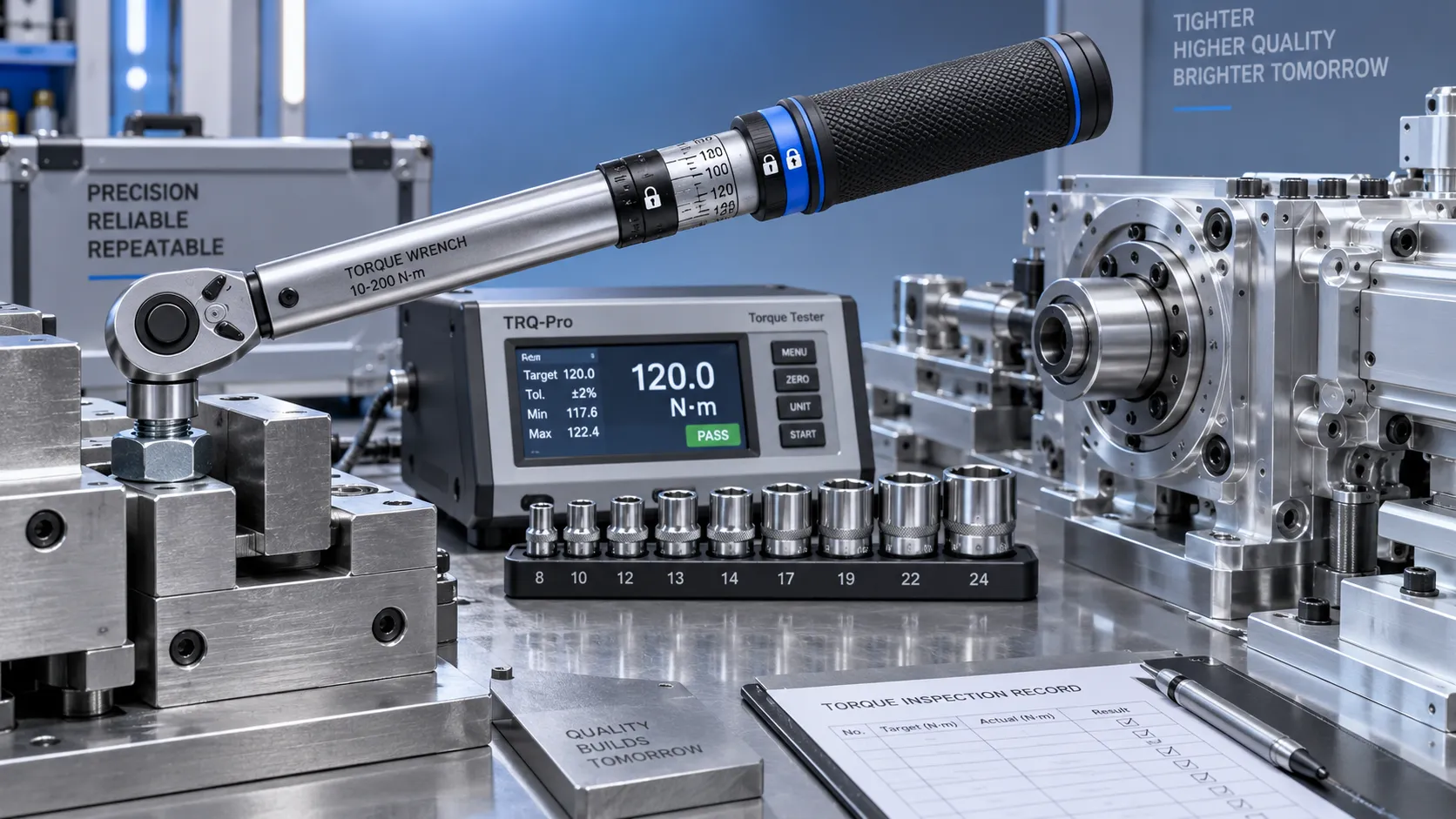
Selecting Adjustable Torque Tools for Repeatable Fastener Assembly
Adjustable torque tools: learn how to match range, accuracy, control methods, calibration, and ergonomics for repeatable, reliable fastener assembly.
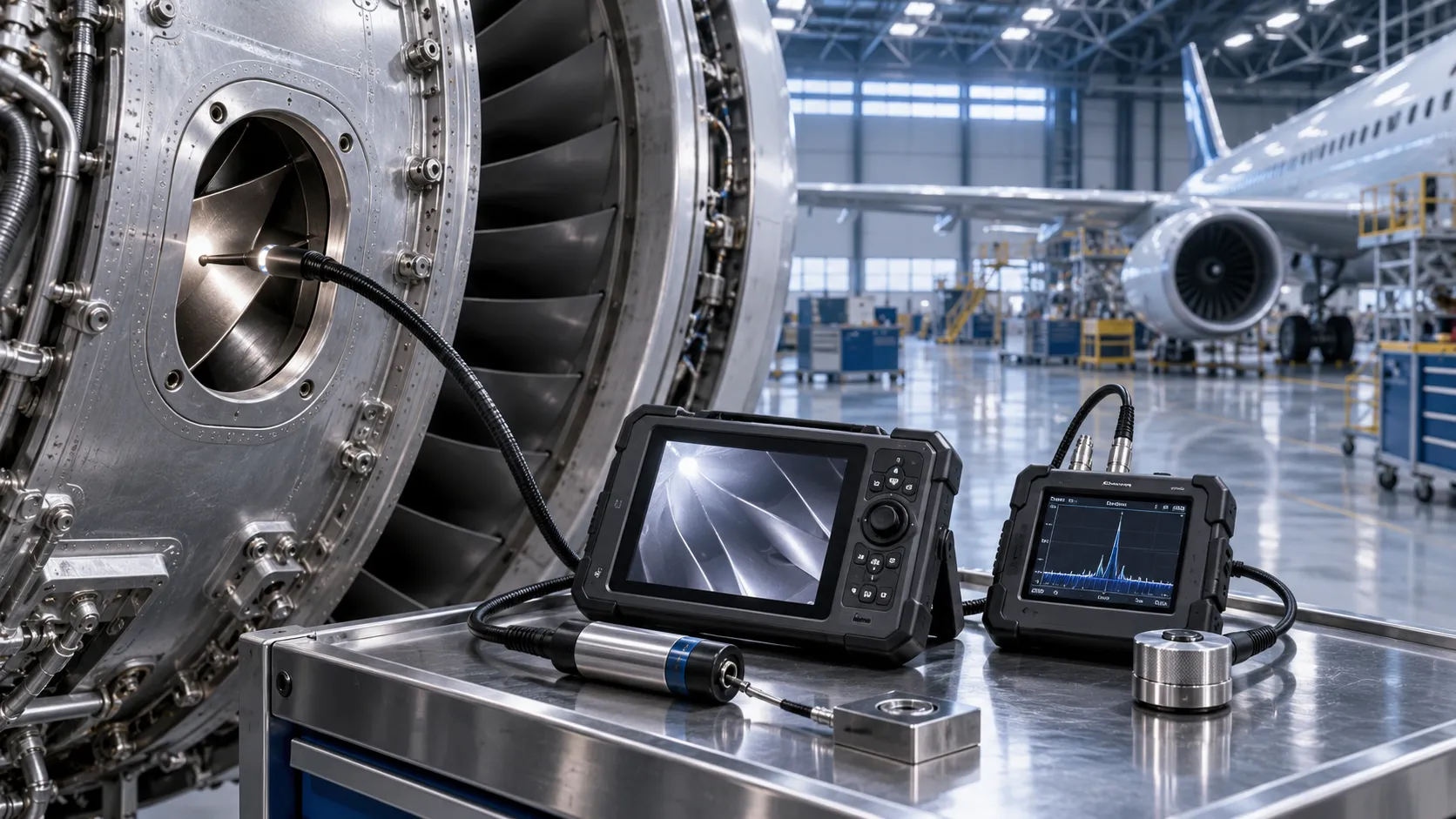
How to Select Aerospace Inspection Tools for Aircraft Maintenance Tasks
Aerospace maintenance inspection tools: learn how to select reliable, traceable equipment for aircraft access, accuracy, calibration, and compliant maintenance decisions.
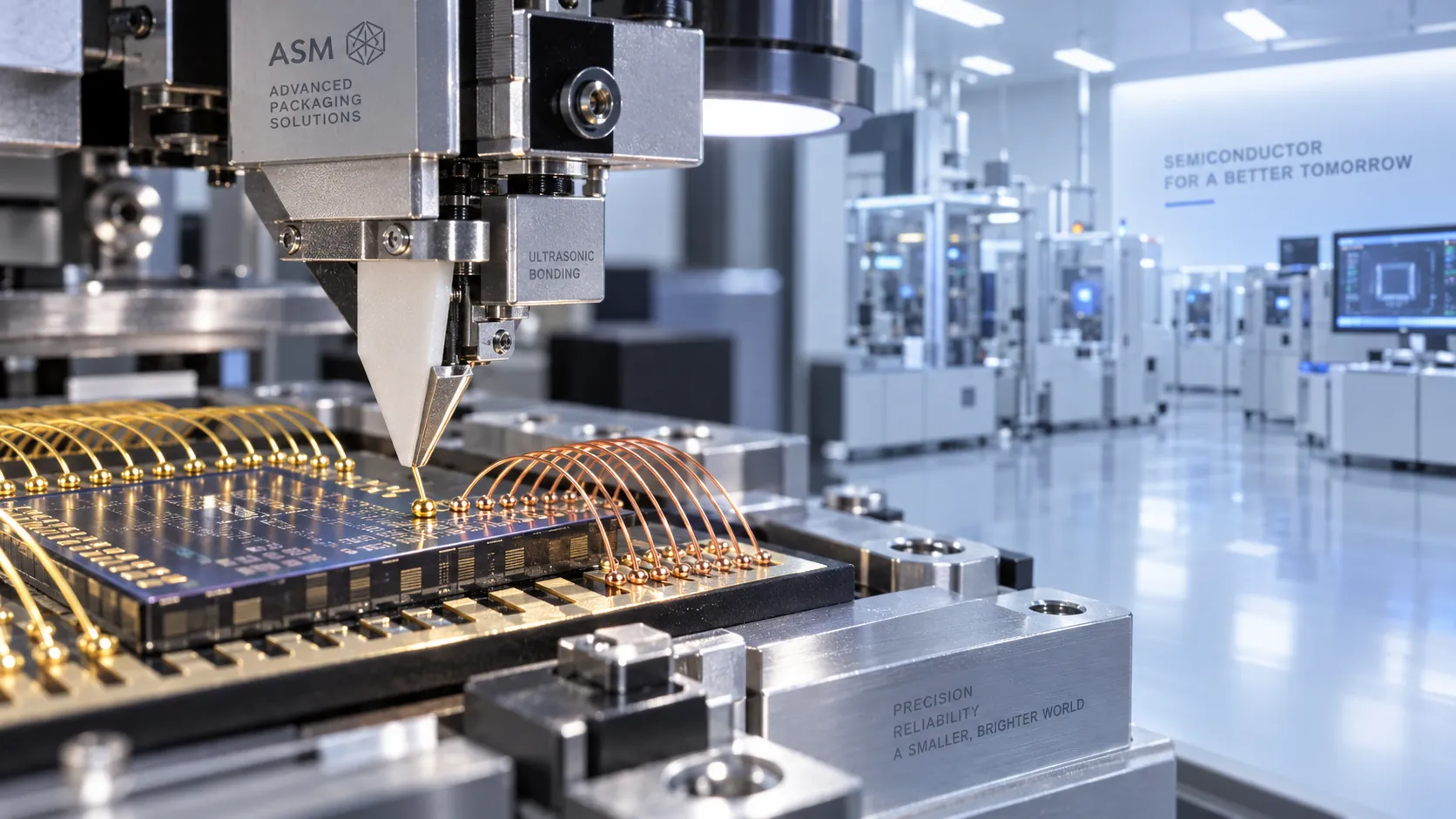
How to Select Wire Bonding Tools for Fine-Pitch Semiconductor Packaging
Explore semiconductor manufacturing tools for wire bonding and learn how to select precision solutions for fine-pitch packaging, reliable loops, accuracy, and yield.
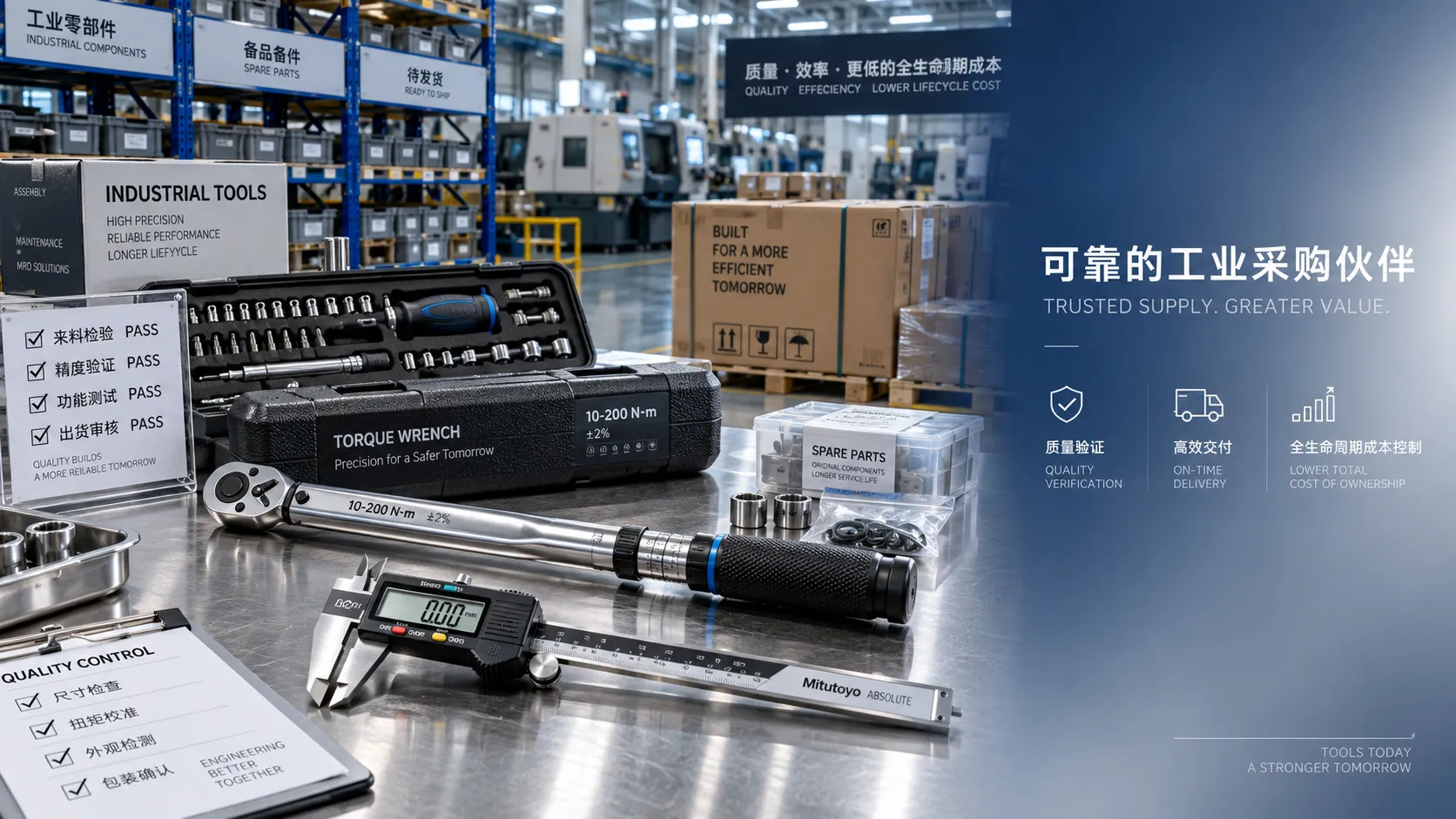
How to Compare Industrial Tool Suppliers for Quality, Lead Time, and Total Cost
Industrial tool selection supplier comparison made simple: evaluate quality, lead times, total cost, service, and supply resilience for confident sourcing decisions.
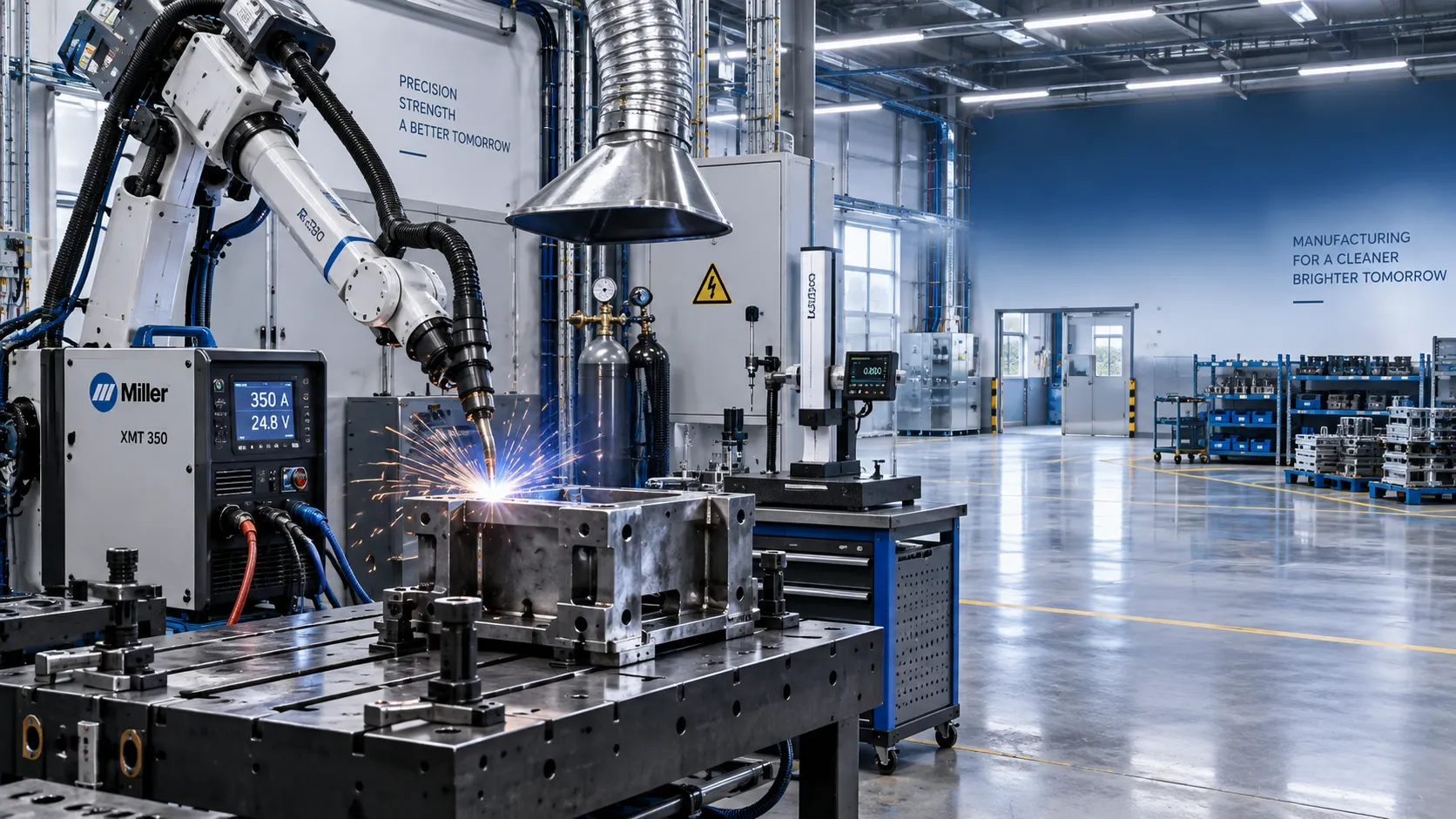
Industrial Equipment Application Guidance: Match Machines to Operating Conditions
Application guidance industrial equipment: match capacity, duty cycle, materials, site conditions, safety, and lifecycle cost to improve reliable output. Read the guide.
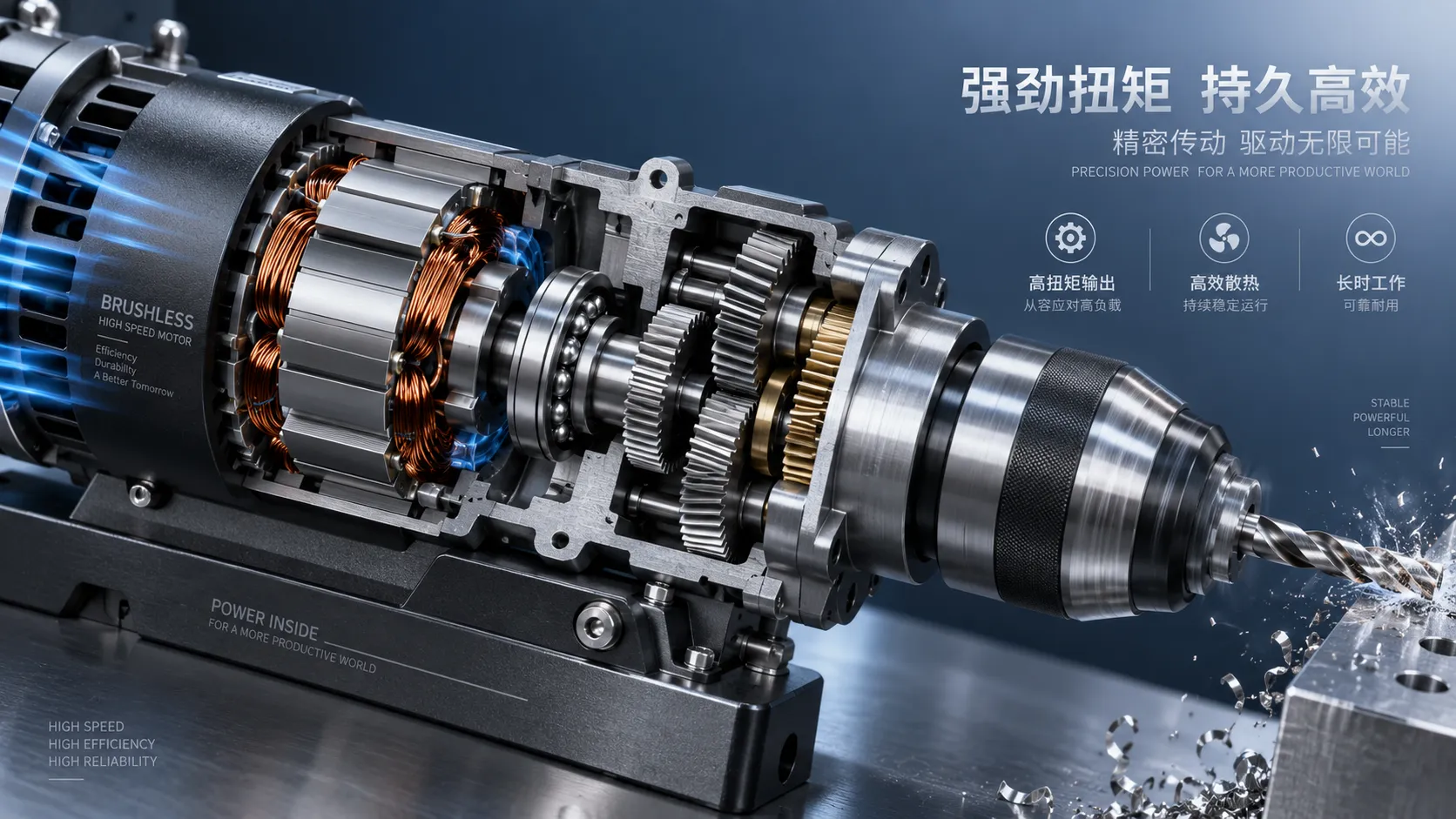
Selecting High-Speed Brushless Tool Motors for Torque, Heat, and Duty Cycle
High speed brushless tool motors: learn how to balance torque, heat, gearing, and duty cycle for reliable industrial tool performance and longer service life.
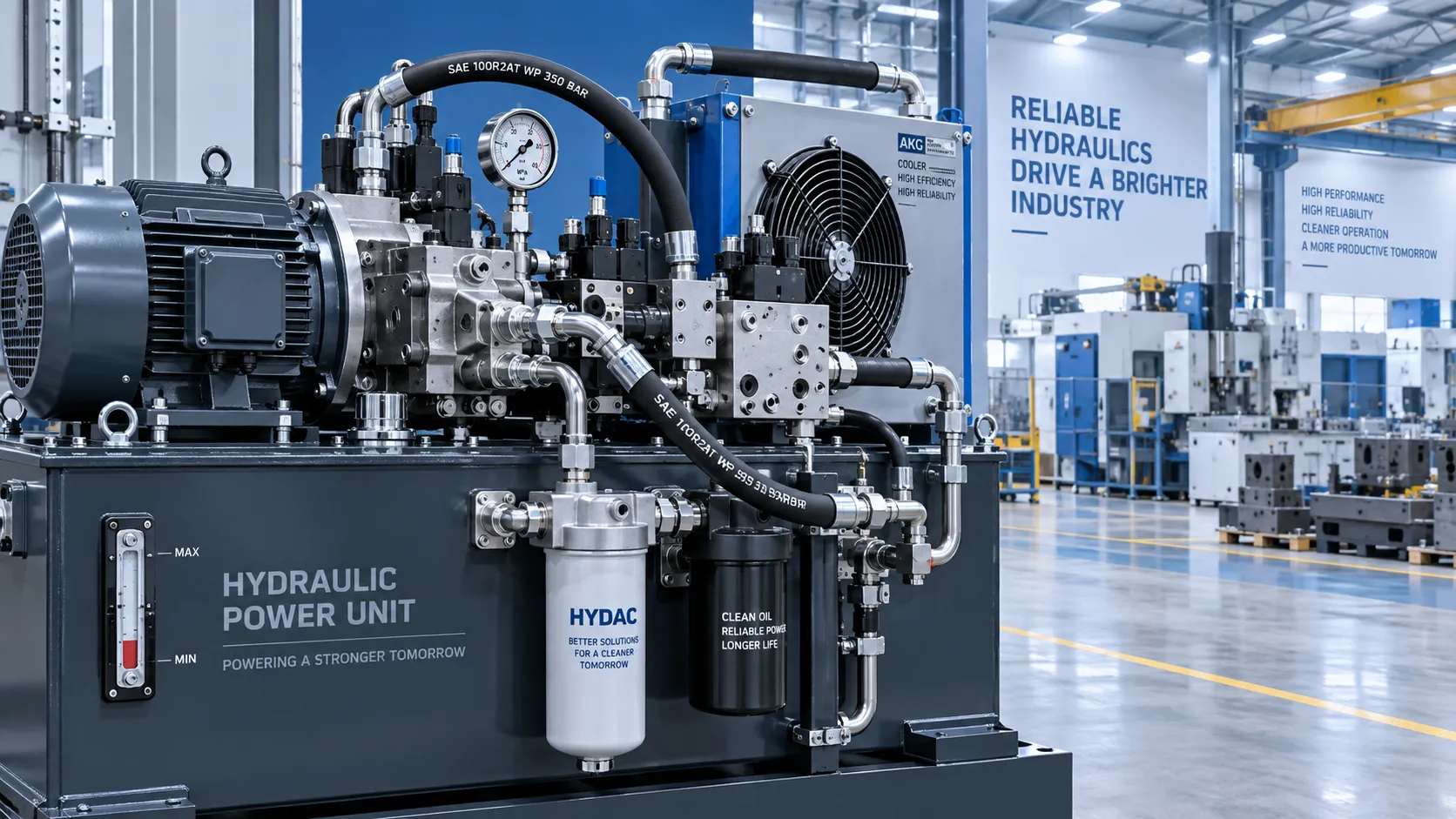
What Determines Industrial Hydraulic System Price for Heavy-Duty Equipment?
Industrial hydraulic system price depends on duty cycle, pressure, components, cooling, and integration. Compare quotes intelligently to secure reliable heavy-duty performance.
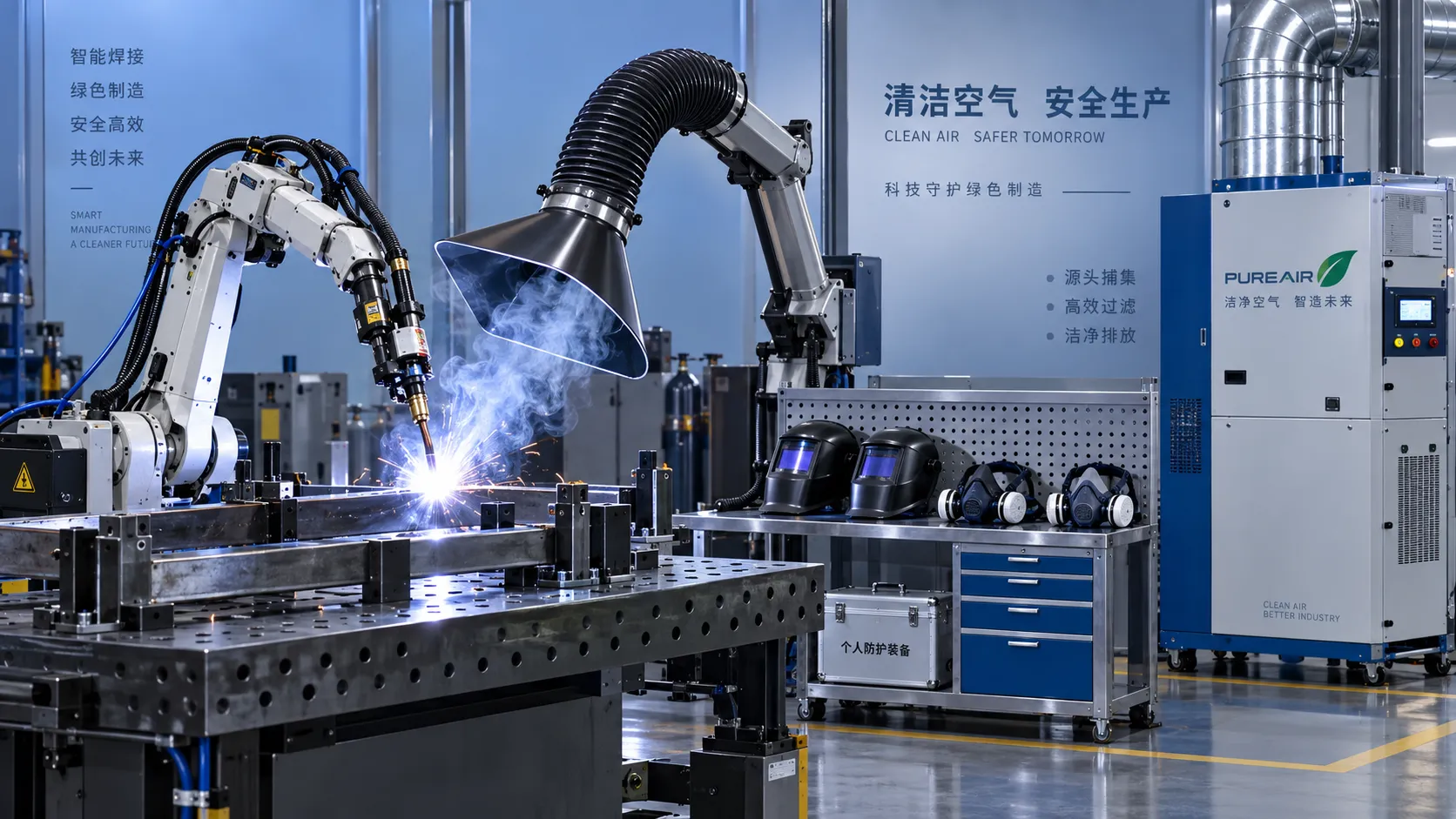
Welding Fume Extraction PPE: When Respirators Are Not Enough for Shop Safety
Welding fume extraction PPE: learn why respirators alone fall short and how source capture, ventilation, and layered controls improve shop safety.
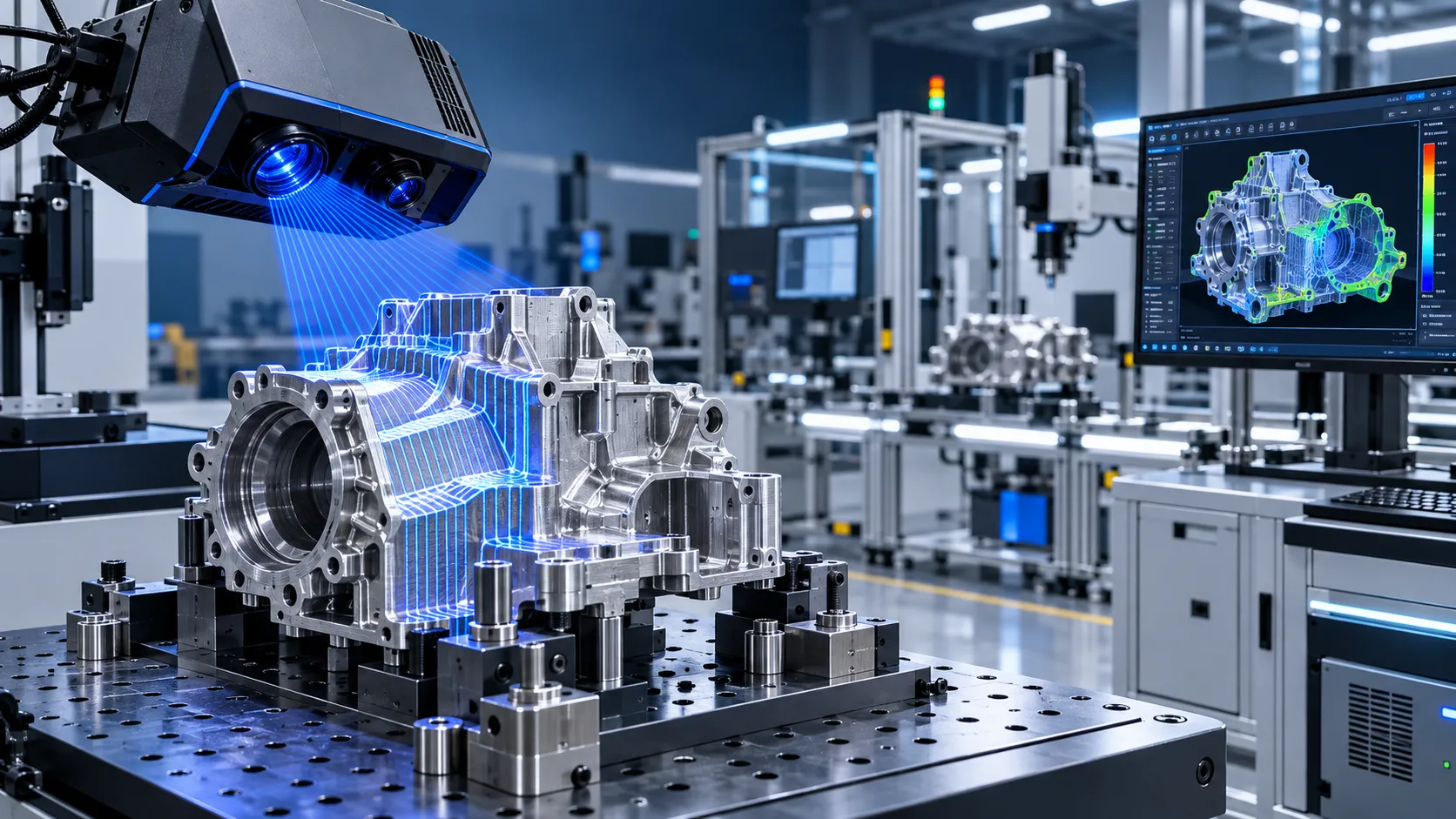
How to Select Optical Metrology Solutions for Tight-Tolerance Manufacturing
Optical industrial metrology solutions for tight-tolerance manufacturing: evaluate accuracy, surface compatibility, workflow, and traceability to select with confidence.
Related News
- 00
0000-00
How Middle East Manufacturers Can Improve Production Efficiency Under Heat and Labor Constraints - 00
0000-00
Why Are Specification-Oriented Articles Gaining Traction in Europe’s B2B Markets? - 00
0000-00
Industrial Solutions in Latin America: Key Growth Sectors and Market Entry Risks - 00
0000-00
What Is Driving Manufacturing Efficiency in Europe’s Industrial Sectors? - 00
0000-00
Industrial Market Trends in 2025: What Buyers Should Watch Across Supply and Demand
Dr. Alistair Vaughn
Weekly Insights
Stay ahead with our curated technology reports delivered every Monday.