
How Middle East Manufacturers Can Improve Production Efficiency Under Heat and Labor Constraints





In a Gulf workshop or a manufacturing plant operating through long hot seasons, production losses rarely begin with one dramatic equipment failure. They appear as slower cycle times after midday, higher rework on welded assemblies, inconsistent torque on fastened joints, more frequent operator breaks, and inspection queues that grow near the end of a shift. When skilled labor is limited, these small interruptions can quickly become a capacity problem.
Improving production efficiency Middle East operations is therefore not mainly a matter of buying faster machines. The practical route is to reduce the work that heat, fatigue, inconsistent manual methods, and delayed quality feedback add to each unit produced. Leaders should first stabilize working conditions and process standards, then target the stations where labor time, defect risk, and physical strain overlap. Automation can help, but it delivers the best return after the process itself is made repeatable.
Start with the losses hidden inside a normal shift
Daily output reports can be misleading when they show only finished quantity. A line may reach its target on some days by extending working hours, moving experienced people between stations, or accepting a larger inspection backlog. Those measures mask the underlying constraints. Before changing equipment or staffing, separate the major losses into observable events: waiting for material, repeated tightening, welding touch-up, tool change, cooling breaks, inspection holds, and unplanned maintenance.
A useful review does not require complex software at the beginning. Supervisors can observe a representative shift and record where each process pauses, who is needed to restart it, and whether the pause is caused by people, tools, materials, or quality approval. The goal is to identify the constraint that repeats most often, not simply the operation that appears busiest.
- Heat-related slowdown: pace declines, grip control weakens, and more short interruptions occur later in the shift.
- Skill-dependent variation: output changes sharply when a particular welder, fitter, or inspector is absent.
- Tool inconsistency: the same fastening or cutting task takes different times across operators or shifts.
- Late defect discovery: a dimensional or weld issue is found after downstream assembly has already added value.
- Material handling friction: operators walk, search, lift, or wait instead of performing the value-adding task.
Each category calls for a different response. Adding labor to a station with poor fixture design may increase congestion. Buying a faster welding unit will not solve rework caused by contaminated joints or unstable fit-up. A decision should follow evidence from the actual work sequence rather than a general assumption that output is low because the workforce is too small.
Design work around heat exposure, not around ideal cycle times
High ambient temperatures affect more than comfort. They can change operator concentration, hand steadiness, hydration needs, protective-equipment tolerance, battery performance, material handling behavior, and the stability of some finishing or joining processes. The operational mistake is to treat heat as an external condition that cannot be managed. It should be treated as a production variable, similar to material availability or machine uptime.
Begin by mapping which tasks require sustained physical effort, fine manual control, enclosed protective equipment, or work near heat-generating processes. Welding, grinding, heavy fastening, and repetitive measuring are often more exposed than packaging or machine monitoring. The most demanding operations should not be scheduled as if performance will remain flat throughout the day.
Adjust the sequence before increasing headcount
Where scheduling permits, place precision-critical, high-exertion work during the more tolerable part of the shift and move lower-risk preparation work to periods when fatigue is more likely. Pre-kitting components, preparing fixtures, staging consumables, and completing noncritical documentation can keep the line moving without forcing workers to perform the most sensitive tasks under the worst conditions.
Rotation can also be effective, but only when it is planned. Moving people randomly between stations creates new variation and training gaps. Define a small number of compatible roles, establish the required competency for each, and rotate only trained employees between them. A welder should not be moved away from a process that depends on their qualification merely to fill a general labor gap; instead, use rotation to distribute repetitive strain and heat exposure among workers who can maintain the same standard.
Engineering controls deserve priority over reminders to “work carefully.” Shade, local ventilation, insulated handles, better workstation layout, and reduced walking distances make performance less dependent on individual endurance. Work-rest arrangements and hydration access remain important, but they should support a better-designed process rather than compensate for an unnecessarily difficult one.
Remove unnecessary hand work from fastening and assembly
Fastening operations often appear simple, yet they can consume significant labor time when workers search for the right fastener, change sockets, judge torque by feel, or repeat a task after a later inspection failure. In structural, mechanical, and maintenance assembly, manual inconsistency also creates a traceability issue: a joint may look complete without meeting the required tightening condition.
Standardizing tools, bit interfaces, fastener presentation, and torque settings is usually a more immediate improvement than replacing every hand-operated station. Brushless power tools can reduce maintenance needs associated with wear components and offer more stable performance under repetitive use, but tool selection should be tied to the joint requirement. Speed alone is not a suitable criterion for a safety-critical or high-value assembly.
For joints with specified tightening values, intelligent torque control can help supervisors prevent under-tightening, over-tightening, and undocumented rework. The value is greatest where the same joint is repeated frequently, an assembly moves through several stages, or a later failure would be expensive to isolate. At the same time, controlled torque does not correct poor thread condition, damaged fasteners, misalignment, or an incorrect tightening sequence. Those conditions must be addressed through work instructions and fixture design.
Make welding productivity a quality-control issue
When labor is constrained, welding throughput is often protected by pushing for faster deposition or longer arcs. That approach can create a larger bottleneck downstream if fit-up, heat input, consumable condition, or shielding gas coverage is not stable. The useful measure is not arc-on time alone; it is the number of acceptable joints completed without repair, delay, or additional inspection effort.
Start at the joint before reviewing the welding machine. Inconsistent gap, poor edge preparation, surface contamination, and unstable clamping force the operator to compensate continuously. A skilled welder may produce an acceptable result despite these conditions, but the process remains difficult to transfer to less experienced personnel. Better fixtures and defined preparation criteria often improve output more reliably than asking operators to work faster.
Handheld laser welding may be considered for suitable materials, joint designs, and production environments where its characteristics match the application. Its adoption should never be treated as a shortcut around process engineering. Laser-related work requires a controlled safety approach, appropriate protection, trained operators, and validation of weld quality for the intended service condition. The question for management is whether the process reduces a genuine source of rework or labor intensity without introducing a safety or qualification burden that the facility is not prepared to manage.
For conventional welding, preserve consistency through clear parameters, accessible consumable storage, maintained torches and cables, and a simple escalation route when fit-up falls outside the accepted range. Rework should be coded by cause. A record that only says “weld repair” cannot show whether the issue originated in preparation, welding technique, material condition, or inspection criteria.
Move measurement closer to the point where variation begins
Inspection departments are often asked to protect quality after production has already moved on. In a constrained factory, that model creates waiting and hides the origin of variation. Precision metrology should be used to make decisions earlier: at incoming material checks, fixture setup, first-piece approval, and the process steps where a small dimensional error becomes expensive to correct.
The right measuring instrument is the one that can be used consistently in the actual environment. A highly precise device that remains in a cabinet because it is slow to set up or difficult to interpret will not improve the process. Consider the measurement range, required tolerance, surface condition, access to the feature, operator handling, and calibration control. Calipers, micrometers, gauges, indicators, and digital systems each have a place, but the method must match the critical characteristic.
First-piece verification is especially important after changeovers, fixture adjustments, maintenance work, or material batch changes. It should confirm the dimensions and assembly conditions most likely to create downstream loss, rather than becoming a long inspection ritual that delays startup. Where repeatable measurements are essential, use clear reference points and simple acceptance criteria so that a trained operator can recognize drift before a full batch is affected.
Build labor flexibility without lowering process discipline
A limited labor market makes cross-training necessary, but broad training alone does not guarantee usable flexibility. Plants often discover that several people are “trained” on a station, while only one can solve minor setup problems, identify abnormal output, or complete the work at full quality. The difference is that the process knowledge remains informal.
Convert critical know-how into short, station-level standards. These should show the part orientation, correct tool or parameter setting, key quality points, normal cycle sequence, common abnormal conditions, and the point at which the operator must stop and call for support. Visual work instructions are valuable when they clarify a decision; they are less useful when they become dense manuals that nobody can consult during production.
Pair cross-training with a skill matrix that distinguishes between assisted operation, independent operation, and setup or troubleshooting capability. This prevents managers from planning a shift around skills that are not actually available. It also shows where one experienced person is creating operational risk because no alternate can maintain the process.
Choose automation where it protects the constraint
Automation is most useful when it relieves a repetitive, physically demanding, or consistency-sensitive task that limits the rest of the operation. It is less useful when applied to a process with unstable incoming parts, frequent engineering changes, or poor material flow. Before approving an automated cell, confirm that the workpiece presentation, fixture repeatability, consumable supply, and maintenance capability are already under control.
A semi-automated approach may be more suitable than full automation where product mix is high or volumes vary. Examples include assisted lifting, torque-controlled fastening, guided welding fixtures, digital parameter verification, or automated measurement at a critical checkpoint. These measures can reduce dependence on scarce specialist labor while preserving the human judgment needed for variable work.
The business case should include more than direct labor savings. Examine reduced rework, fewer stoppages, lower physical strain, faster training, improved traceability, and the effect on energy use during hot operating periods. Also include the cost of downtime when the new system needs adjustment. A technically capable solution that cannot be maintained promptly may increase, rather than reduce, production risk.
Review performance by shift, condition, and failure mode
Monthly averages are too slow to reveal whether an improvement works under heat and labor constraints. Track a small set of measures by shift and by process condition: completed good units, rework reason, waiting time, tool downtime, first-pass inspection outcome, and absenteeism or skill coverage where appropriate. The purpose is not to create more reporting; it is to see whether performance changes when staffing, temperature exposure, material supply, or equipment condition changes.
When one measure worsens, avoid reacting with a blanket instruction to increase output. Trace the event back through the process. A rise in rejected assemblies after a tool change may indicate setup control. Longer cycle times in the afternoon may point to workstation exposure or an ergonomics issue. More weld repairs after a material delivery may require incoming checks rather than retraining. This discipline turns production efficiency from a broad objective into a series of manageable operational decisions.
The strongest improvements come from making normal work easier to perform correctly: stable fixtures, available tools, controlled fastening, early measurement, workable heat management, and standards that allow trained employees to act without waiting for one expert. Those foundations make each labor hour more productive while reducing the quality and safety compromises that often accompany attempts to raise output quickly.
Related News
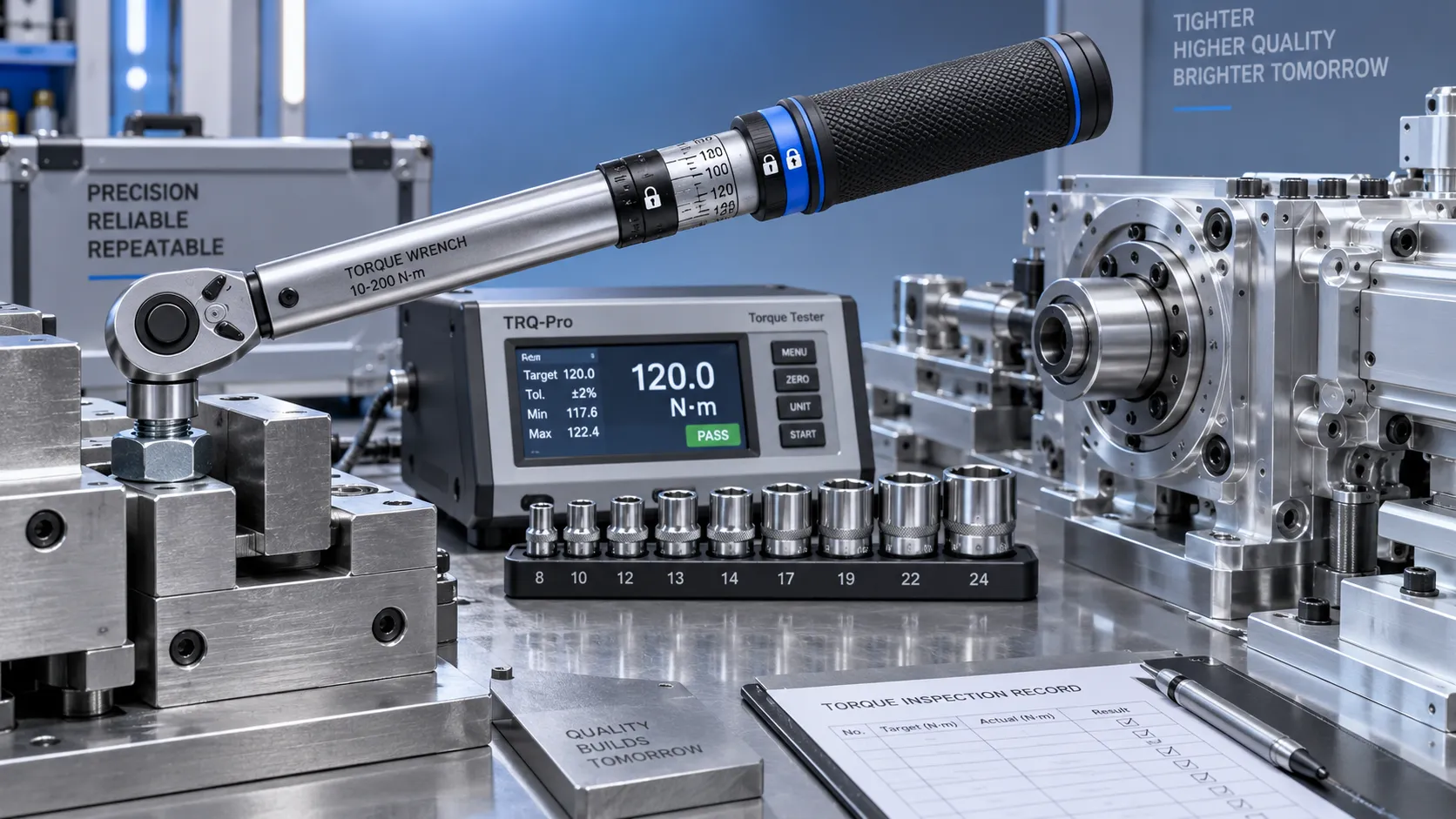
Selecting Adjustable Torque Tools for Repeatable Fastener Assembly
Adjustable torque tools: learn how to match range, accuracy, control methods, calibration, and ergonomics for repeatable, reliable fastener assembly.
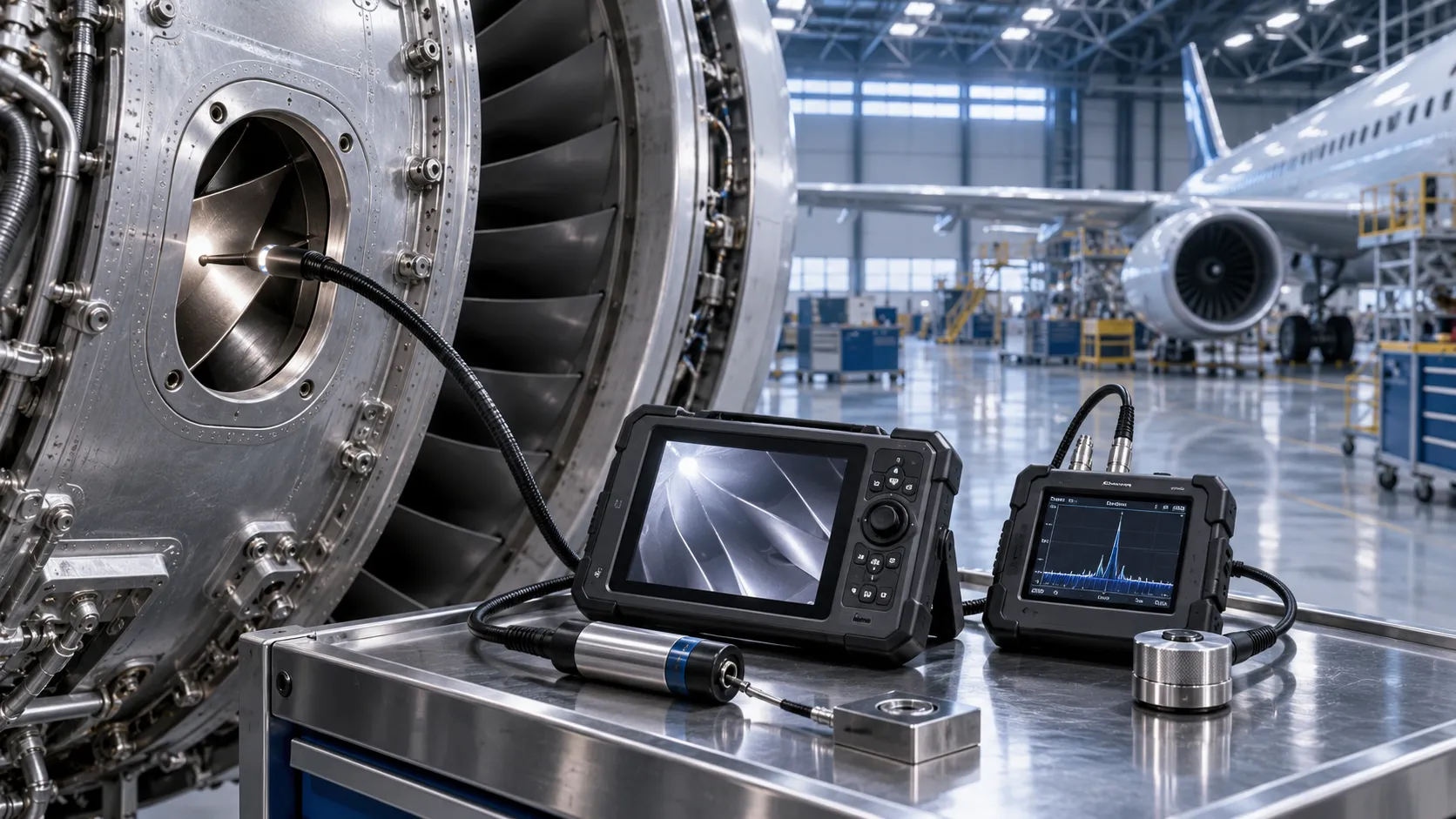
How to Select Aerospace Inspection Tools for Aircraft Maintenance Tasks
Aerospace maintenance inspection tools: learn how to select reliable, traceable equipment for aircraft access, accuracy, calibration, and compliant maintenance decisions.
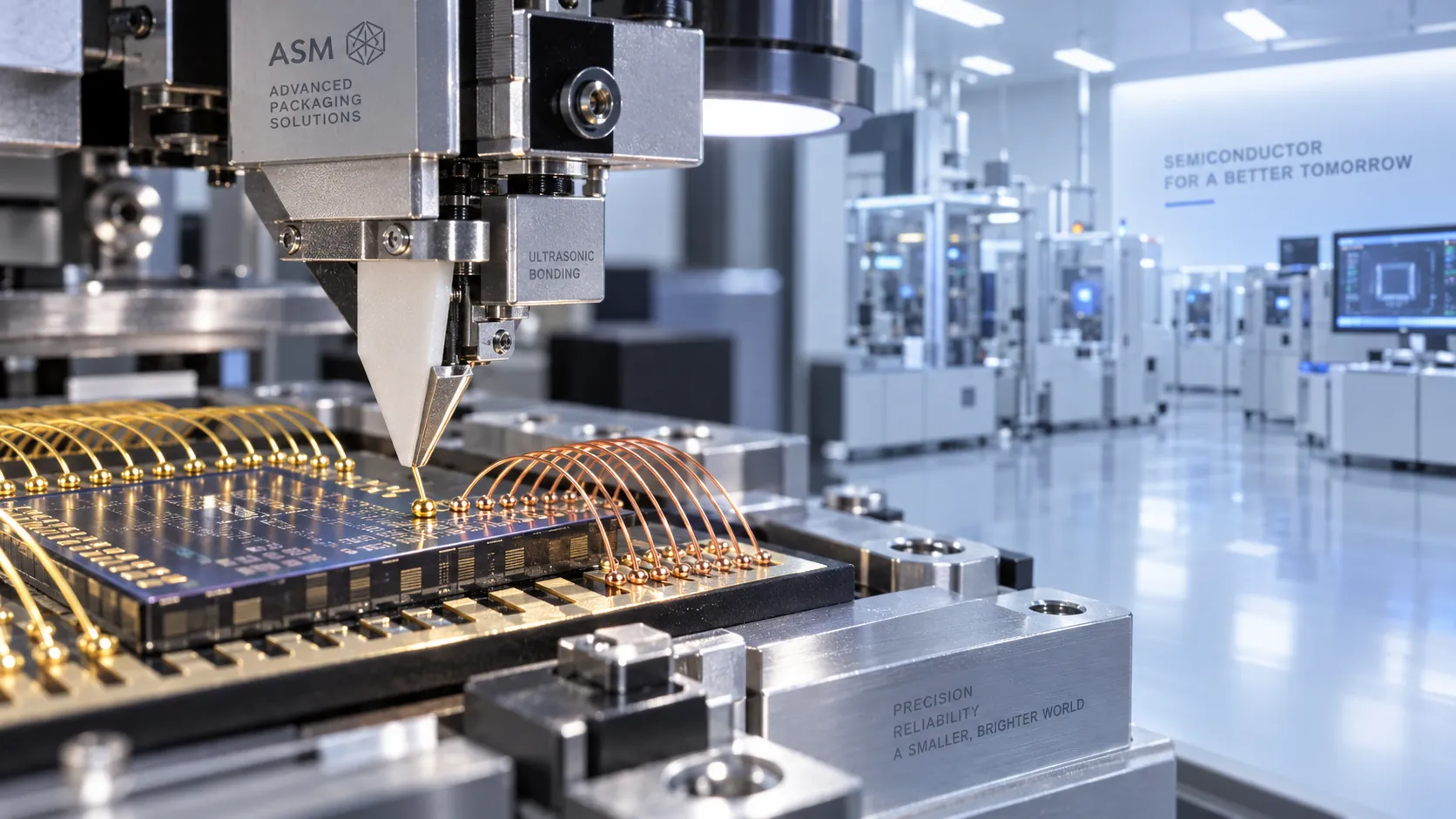
How to Select Wire Bonding Tools for Fine-Pitch Semiconductor Packaging
Explore semiconductor manufacturing tools for wire bonding and learn how to select precision solutions for fine-pitch packaging, reliable loops, accuracy, and yield.
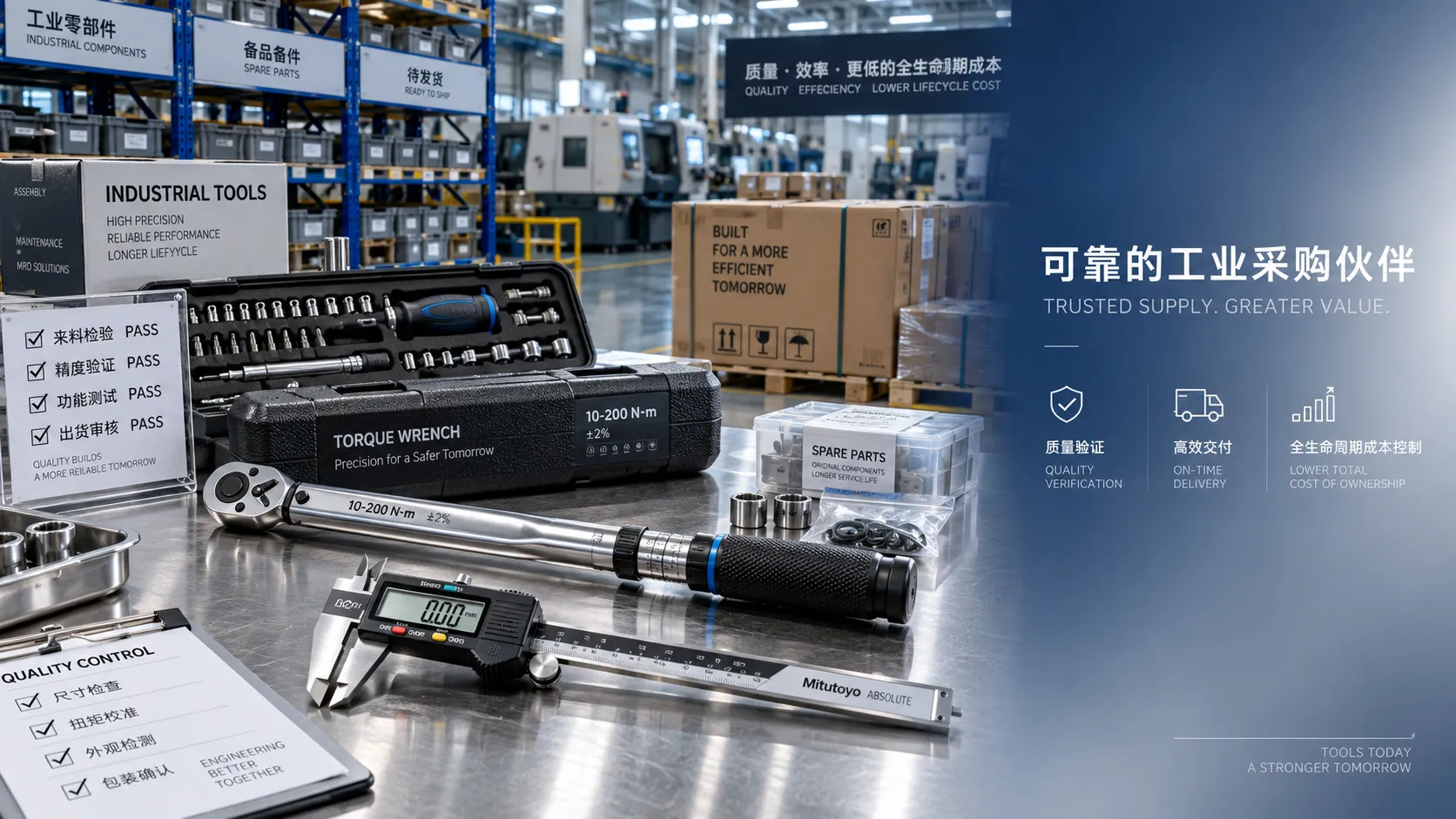
How to Compare Industrial Tool Suppliers for Quality, Lead Time, and Total Cost
Industrial tool selection supplier comparison made simple: evaluate quality, lead times, total cost, service, and supply resilience for confident sourcing decisions.
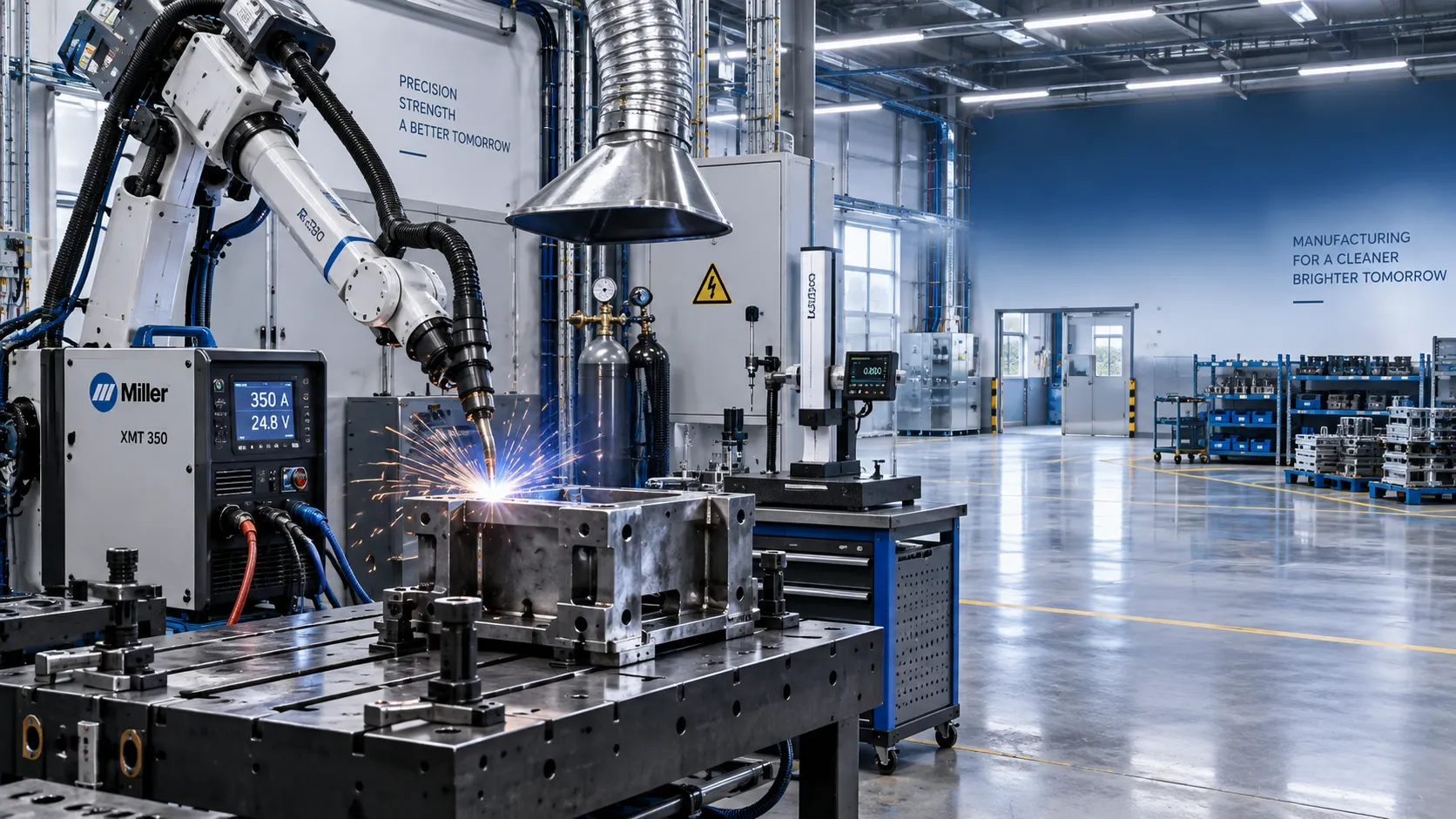
Industrial Equipment Application Guidance: Match Machines to Operating Conditions
Application guidance industrial equipment: match capacity, duty cycle, materials, site conditions, safety, and lifecycle cost to improve reliable output. Read the guide.
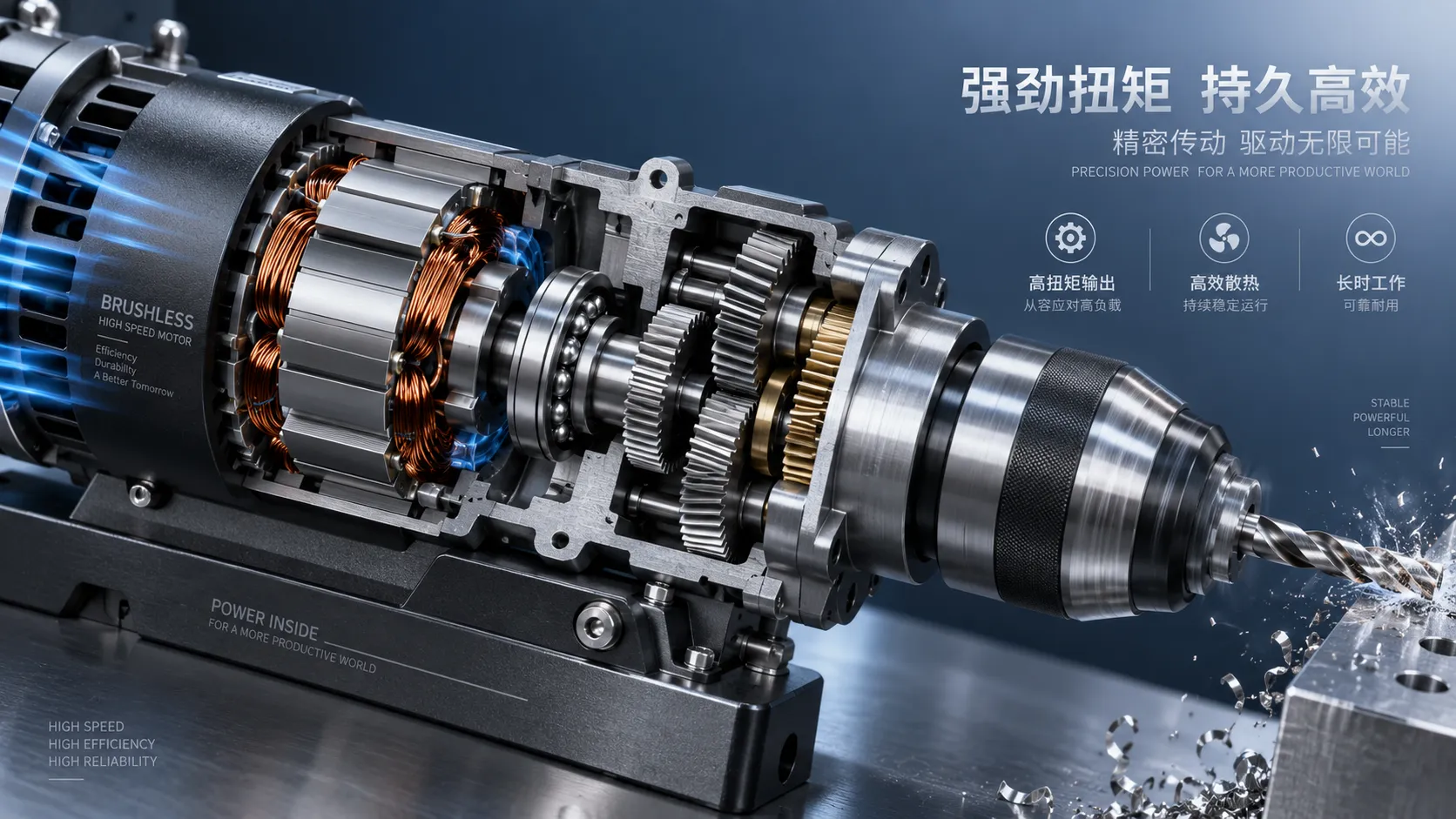
Selecting High-Speed Brushless Tool Motors for Torque, Heat, and Duty Cycle
High speed brushless tool motors: learn how to balance torque, heat, gearing, and duty cycle for reliable industrial tool performance and longer service life.
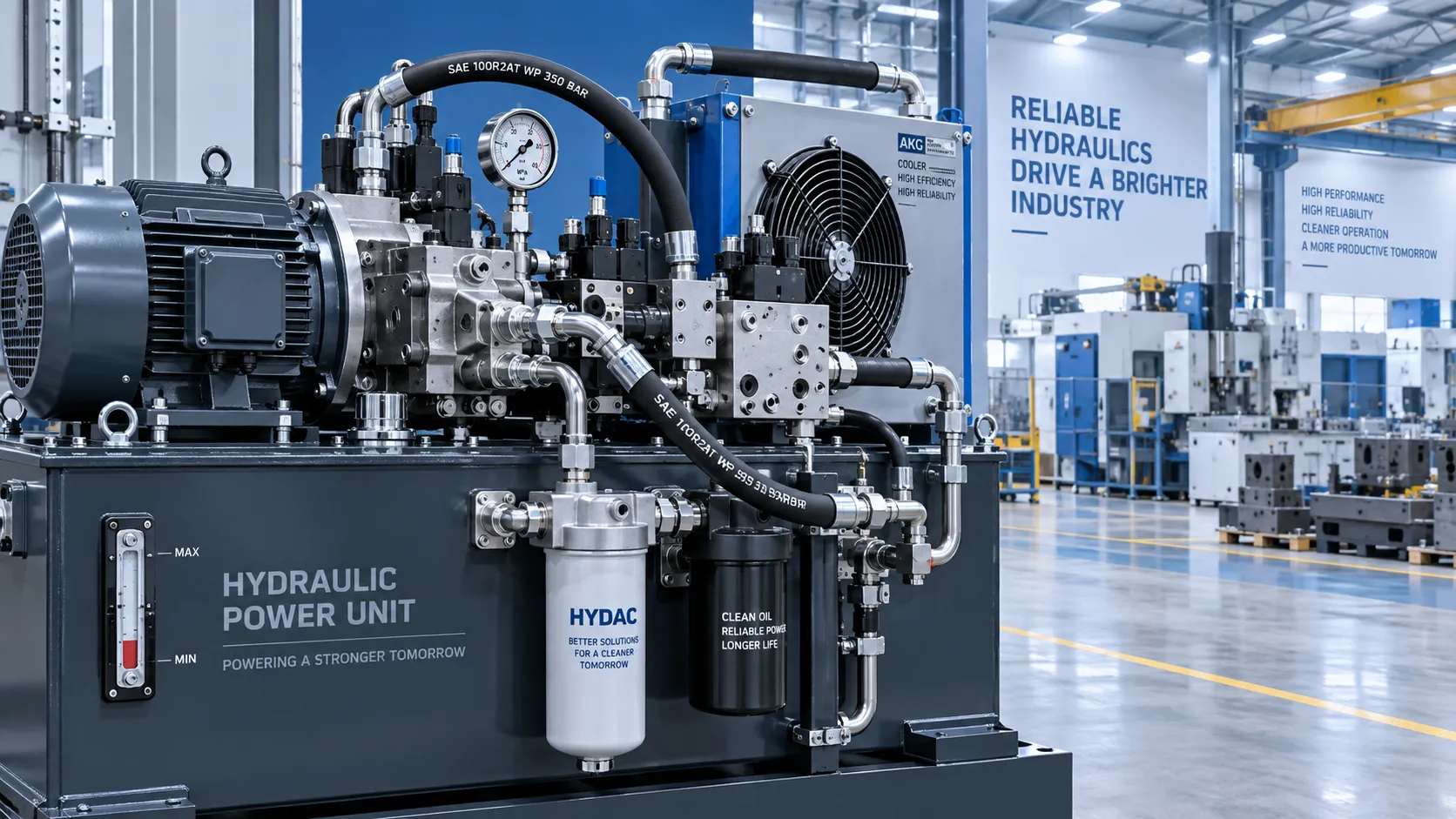
What Determines Industrial Hydraulic System Price for Heavy-Duty Equipment?
Industrial hydraulic system price depends on duty cycle, pressure, components, cooling, and integration. Compare quotes intelligently to secure reliable heavy-duty performance.
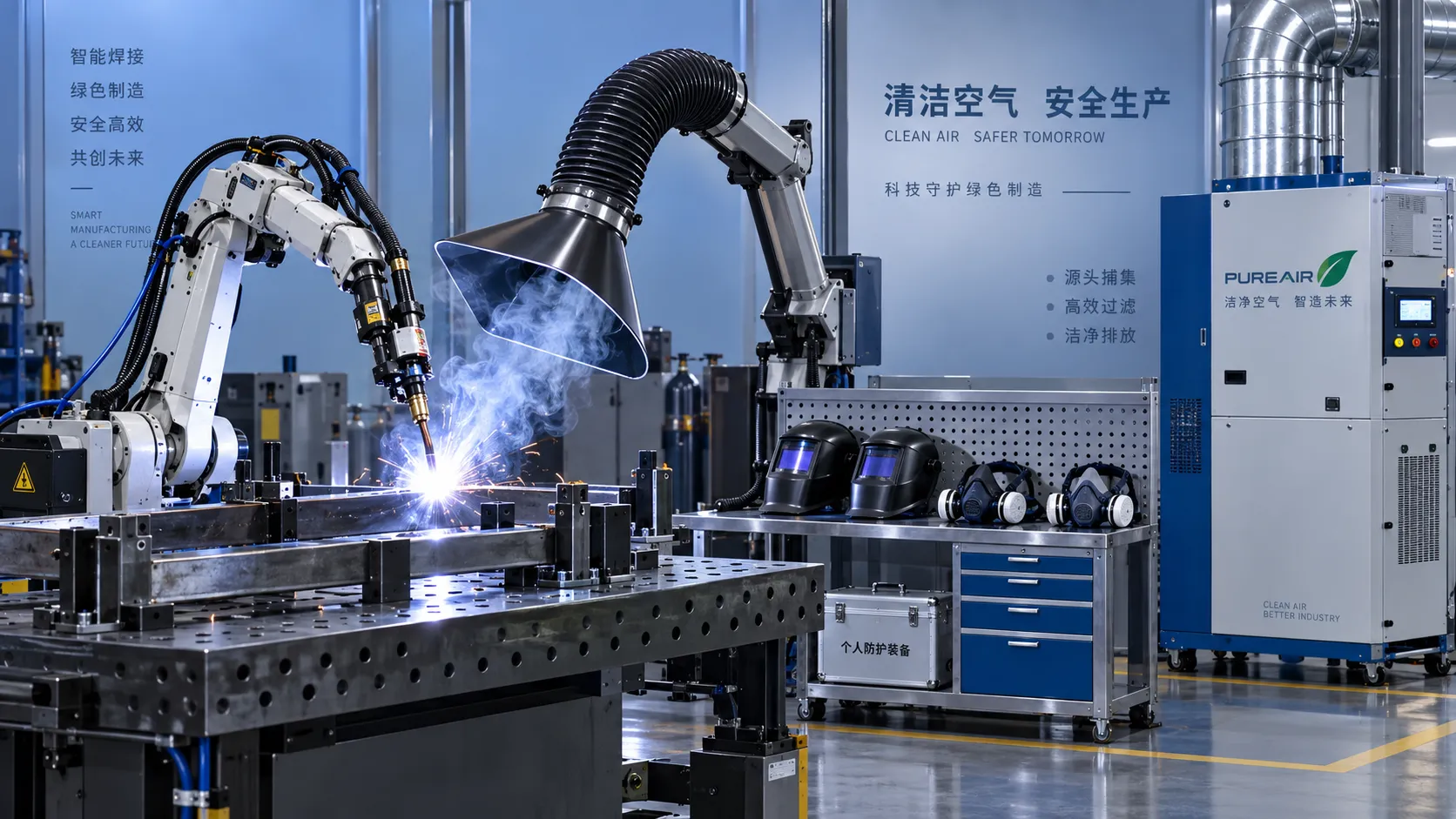
Welding Fume Extraction PPE: When Respirators Are Not Enough for Shop Safety
Welding fume extraction PPE: learn why respirators alone fall short and how source capture, ventilation, and layered controls improve shop safety.
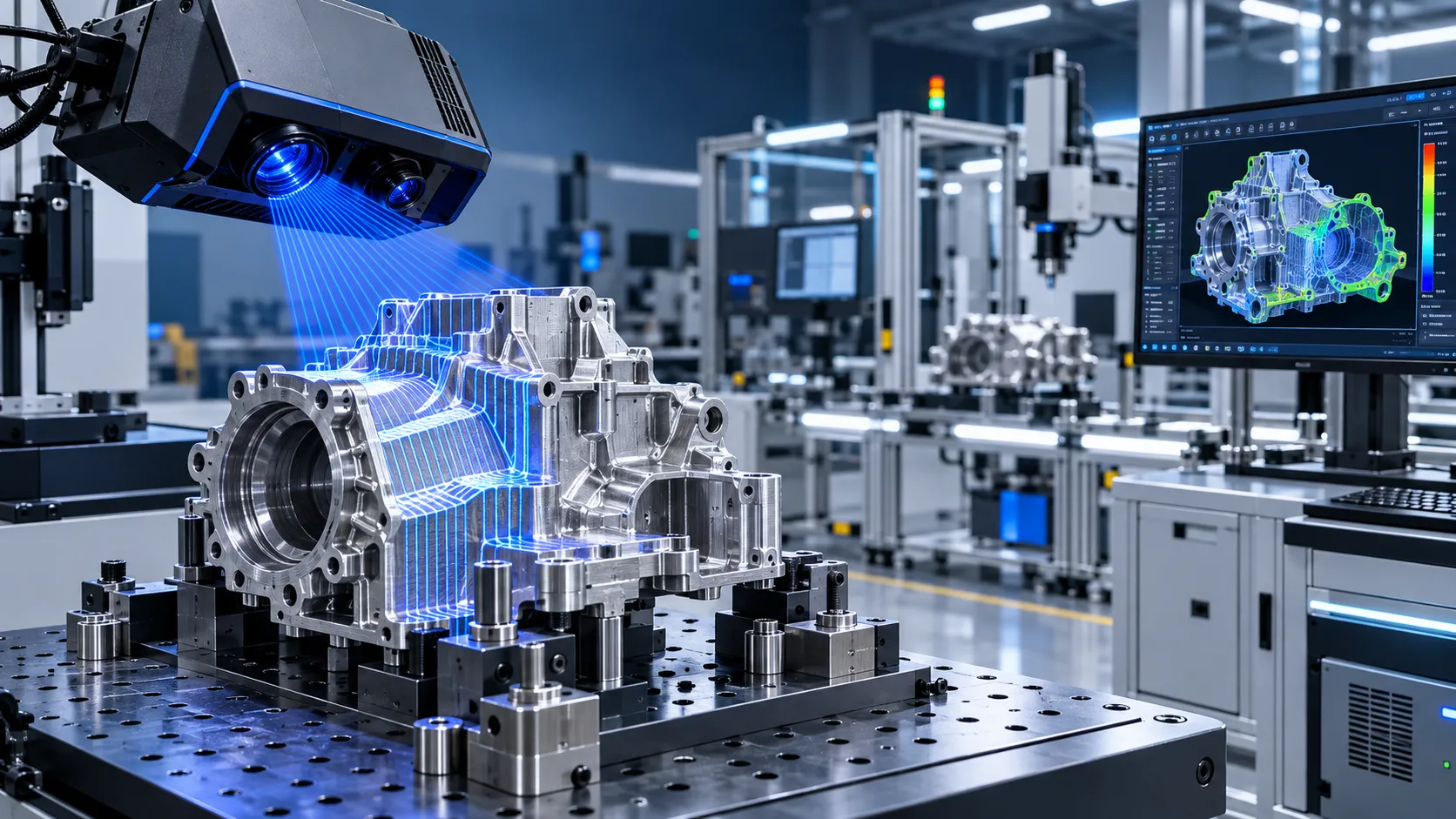
How to Select Optical Metrology Solutions for Tight-Tolerance Manufacturing
Optical industrial metrology solutions for tight-tolerance manufacturing: evaluate accuracy, surface compatibility, workflow, and traceability to select with confidence.
Related News
- 00
0000-00
How Middle East Manufacturers Can Improve Production Efficiency Under Heat and Labor Constraints - 00
0000-00
Why Are Specification-Oriented Articles Gaining Traction in Europe’s B2B Markets? - 00
0000-00
Industrial Solutions in Latin America: Key Growth Sectors and Market Entry Risks - 00
0000-00
What Is Driving Manufacturing Efficiency in Europe’s Industrial Sectors? - 00
0000-00
Industrial Market Trends in 2025: What Buyers Should Watch Across Supply and Demand
Dr. Alistair Vaughn
Weekly Insights
Stay ahead with our curated technology reports delivered every Monday.