
What Is the Industrial Value Chain and Where Do Cost and Quality Risks Usually Appear?





Why the Industrial Value Chain Matters Now
The industrial value chain is the path that turns raw materials, components, labor, process control, and inspection into usable products and commercial return.
It sounds straightforward, yet most cost pressure and quality loss do not begin at the final product stage.
They appear earlier, often where information changes hands, tolerances tighten, suppliers shift, or process conditions stop matching the original intent.
That is why the industrial value chain has become a practical lens for evaluating manufacturing resilience across construction, automotive, aerospace maintenance, metal fabrication, and precision assembly.
It is also why intelligence platforms such as GPTWM focus so heavily on the “last mile” of industrial manufacturing.
In assembly, welding, and metrology, small decisions made late in the chain can erase value created upstream.
Understanding where that erosion happens helps turn scattered operational data into more reliable judgment.
A Clear View of the Industrial Value Chain
In practical terms, the industrial value chain is not only a supply chain.
It includes sourcing, design interpretation, process planning, production execution, joining, measurement, packaging, delivery, service feedback, and continuous improvement.
Each link adds value when it improves function, reliability, speed, compliance, or cost efficiency.
Each link destroys value when it introduces variation, delay, waste, or hidden rework.
This is especially visible in industrial sectors where dimensional accuracy, weld integrity, tool stability, and ergonomic performance directly affect output.
A measuring instrument with unstable calibration, for example, can distort decisions across multiple downstream stages.
A low-cost component can also become expensive if it increases scrap, downtime, or field failure.
Value is created in layers
Material quality is one layer.
Process capability is another.
Measurement credibility, operator consistency, equipment maintenance, and standards compliance add more layers.
The industrial value chain works well only when those layers support one another rather than contradict one another.
Where Cost Risks Usually Appear
Cost overruns rarely come from one dramatic mistake.
More often, they build through small mismatches that repeat across the industrial value chain.
Several points deserve closer attention.
Sourcing without full process context
A lower purchase price may hide higher processing cost.
Materials with inconsistent hardness, coatings, or dimensional stability can slow machining, weaken weld quality, or increase inspection rejection.
Handoffs between design and production
Drawings may be complete, yet still hard to execute.
Tolerance stacking, unclear weld symbols, or incomplete joining instructions often trigger trial runs, engineering changes, and unplanned labor hours.
Process transitions on the shop floor
Cutting, forming, welding, grinding, coating, and final assembly do not operate in isolation.
If one stage creates distortion or heat damage, the next stage absorbs the cost through correction or slower throughput.
Weak maintenance and tool management
Brushless motors, torque tools, hydraulic units, and precision gauges all lose economic value when maintenance data is poor.
Unexpected stoppage is visible.
Gradual performance drift is harder to see, but usually more expensive over time.
- Freight volatility raises landed cost after sourcing decisions are locked.
- Export restrictions can force rapid supplier substitutions.
- Delayed calibration increases false acceptance and false rejection.
- Unstable digital records make root-cause analysis slower and less reliable.
Where Quality Risks Usually Concentrate
Quality risk in the industrial value chain tends to cluster at interfaces.
These are the points where one condition must translate correctly into the next.
If the translation fails, the defect may remain hidden until the end.
The industrial value chain becomes fragile when measurement and process control are treated as separate disciplines.
In reality, they need to inform each other continuously.
Why Precision, Joining, and Intelligence Matter More
Industrial competition is no longer shaped only by production volume.
It is increasingly shaped by control quality across the industrial value chain.
That is where precision tools, welding systems, and metrology technologies gain strategic weight.
Handheld laser welding safety, for instance, is not just a compliance topic.
It affects adoption speed, operator confidence, training burden, and defect exposure.
Brushless motor efficiency in power tools is also more than a technical detail.
It influences durability, thermal stability, energy use, and maintenance intervals.
IoT-based torque control adds another layer by turning assembly into a traceable data event rather than a manual assumption.
This is the type of cross-functional intelligence GPTWM tracks.
Its value lies less in promotion and more in connecting technology shifts with operational consequences.
How to Read Risk Across Different Industrial Scenarios
The same industrial value chain logic appears in very different sectors, but the risk pattern changes by use case.
Construction equipment and infrastructure
Durability, hydraulic reliability, field repairability, and supply continuity usually dominate the cost-quality balance.
Weak weld repeatability or poor seal integrity can create long-cycle service costs.
Automotive and mobility systems
Tolerance consistency, torque traceability, lightweight materials, and high-throughput joining become central.
A small deviation multiplies fast when output volume is high.
Aerospace maintenance and high-spec repair
The industrial value chain here depends on documentation discipline, inspection credibility, and strict process restoration.
In these environments, low-cost shortcuts usually create premium-cost consequences.
Useful Signals for Better Judgment
When evaluating the industrial value chain, broad claims about efficiency are rarely enough.
More useful signals tend to be specific, comparable, and connected to failure points.
- Check whether material data and process parameters stay linked from receipt to final inspection.
- Look for recurring rework around welding, torque application, surface treatment, or fit-up.
- Compare calibration intervals with actual usage intensity, not with static calendar routines.
- Review whether supplier substitutions change downstream inspection burden.
- Track where digital records stop being actionable and become only archival.
These signals help separate visible cost from total cost.
They also reveal whether the industrial value chain is improving structurally or only appearing efficient on paper.
Turning Overview into Action
A strong industrial value chain is not built by optimizing one stage in isolation.
It is built by identifying where value leaks between stages and then tightening those interfaces.
For that reason, the next useful step is usually not a large transformation project.
It is a sharper map of handoff points, inspection credibility, tooling stability, and process-data continuity.
From there, it becomes easier to compare sourcing options, evaluate joining technologies, or judge whether a metrology upgrade will prevent larger downstream loss.
The industrial value chain becomes more useful as a decision framework when each cost or quality event is traced back to its actual origin.
That is often where better questions begin, and where better industrial decisions usually follow.
Related News
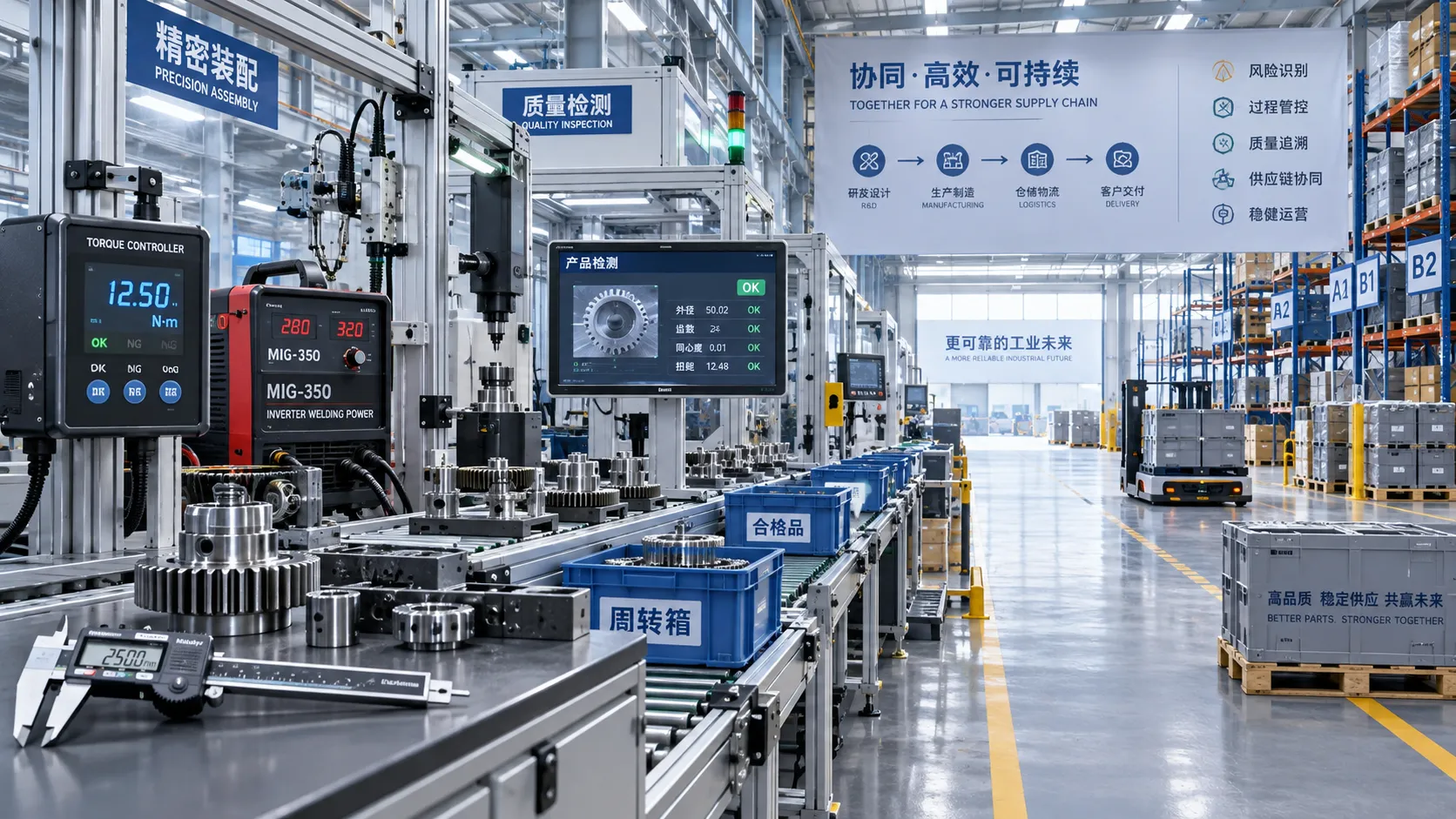
How Procurement Teams Can Map the Industrial Value Chain to Reduce Supply Risk
Industrial value chain procurement helps teams map hidden dependencies, qualify resilient sources, and reduce supply risk before disruptions stop production.
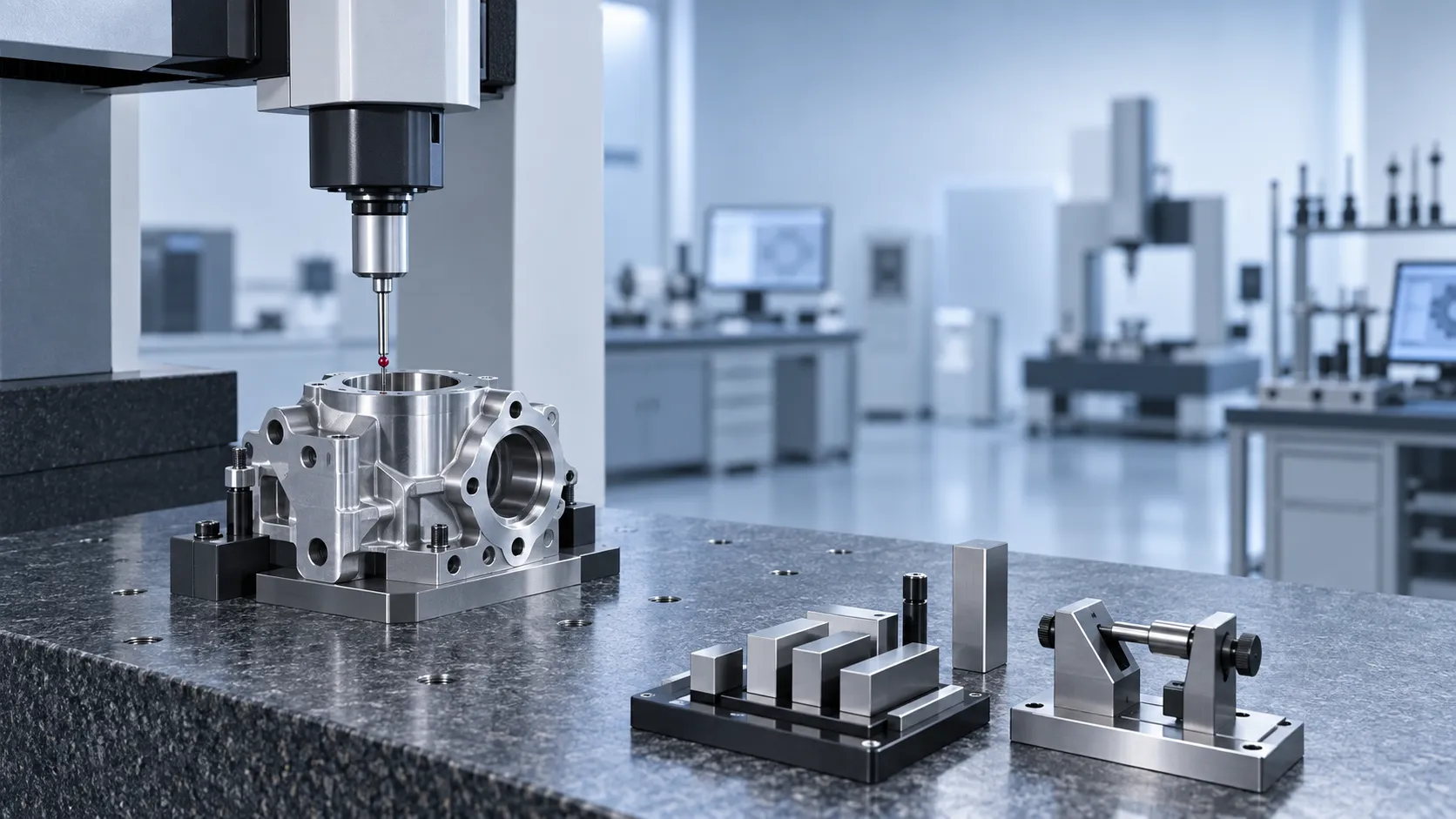
How Specification-Driven Articles Improve Precision Measurement System Selection
Specification-oriented articles precision measurement guidance helps teams compare accuracy, repeatability, environment, and data needs to select reliable systems with confidence.
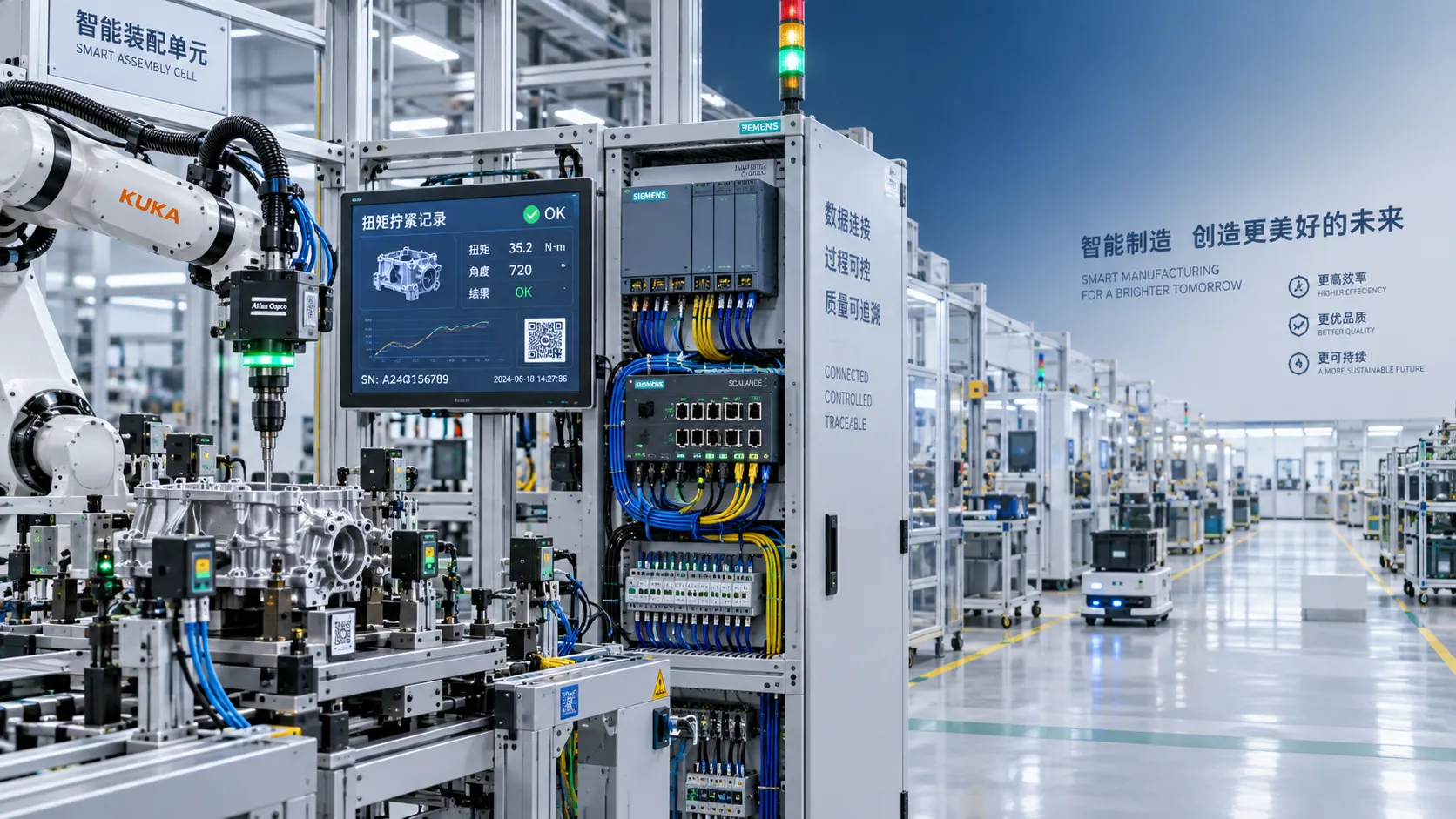
How to Evaluate a Technology Integration Service Provider for Complex Projects
Technology integration service provider selection guide: evaluate interface ownership, delivery discipline, scalable architecture, and risk control for complex projects.
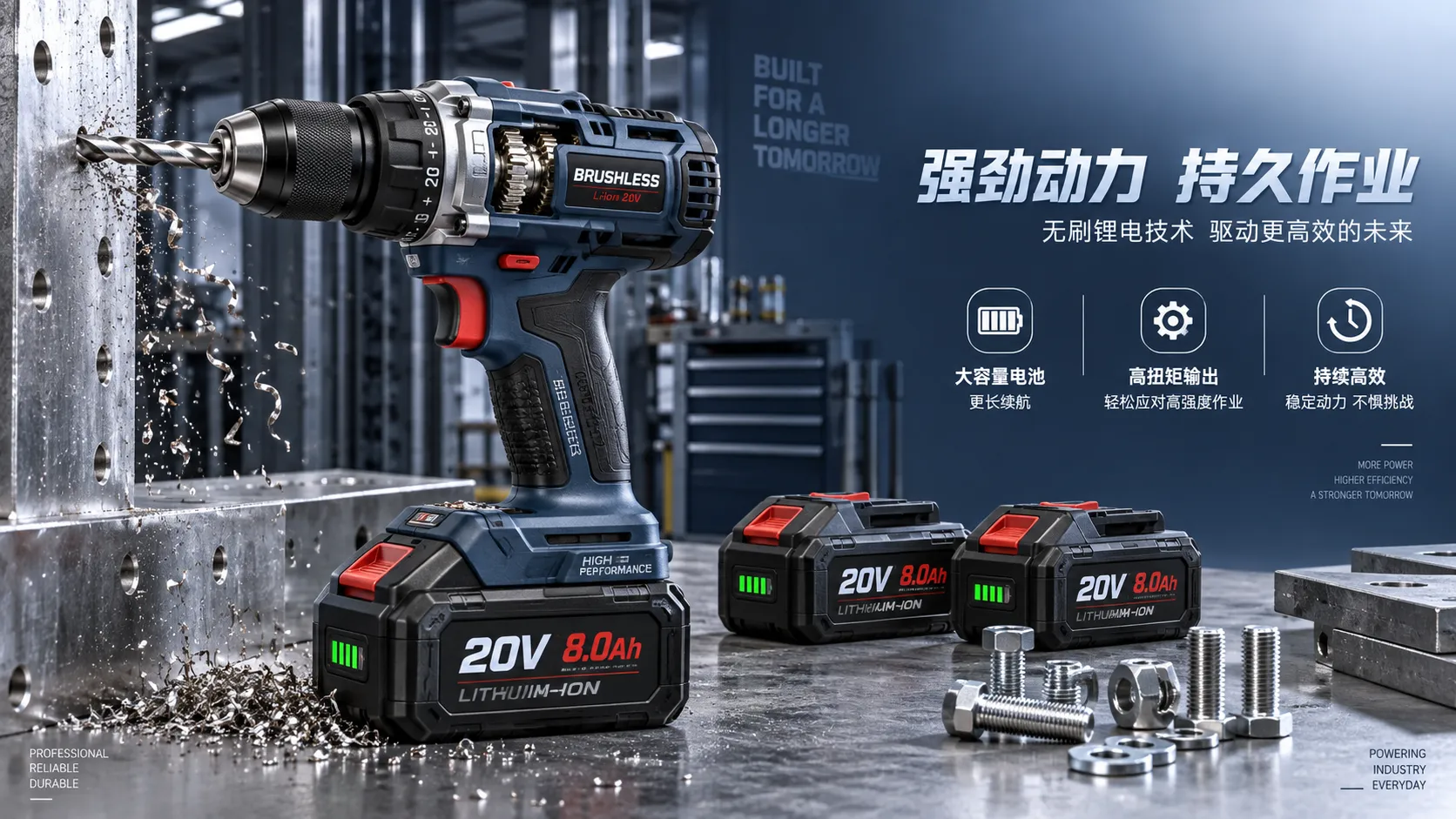
How Battery, Torque, and Duty Cycle Affect Cordless Power Tool Efficiency
Cordless power tool efficiency depends on battery output, torque, and duty cycle. Learn how to match tools to demanding jobs for stronger runtime and productivity.
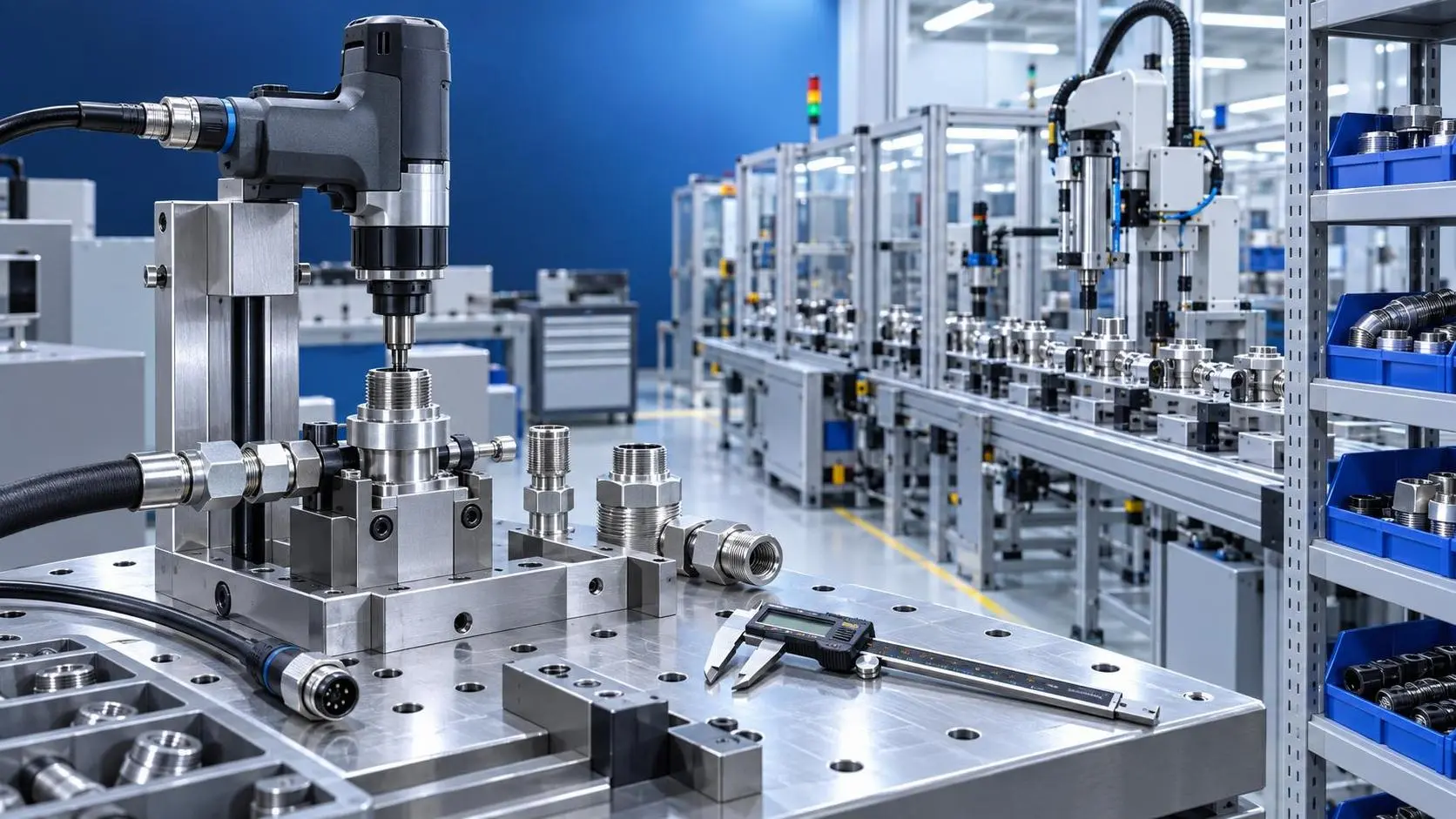
Product Comparison Resources for Component Compatibility and Lifecycle Risk
Product comparison resources for components: evaluate compatibility, interfaces, service support, and lifecycle risk to reduce downtime, avoid redesigns, and make confident sourcing decisions.
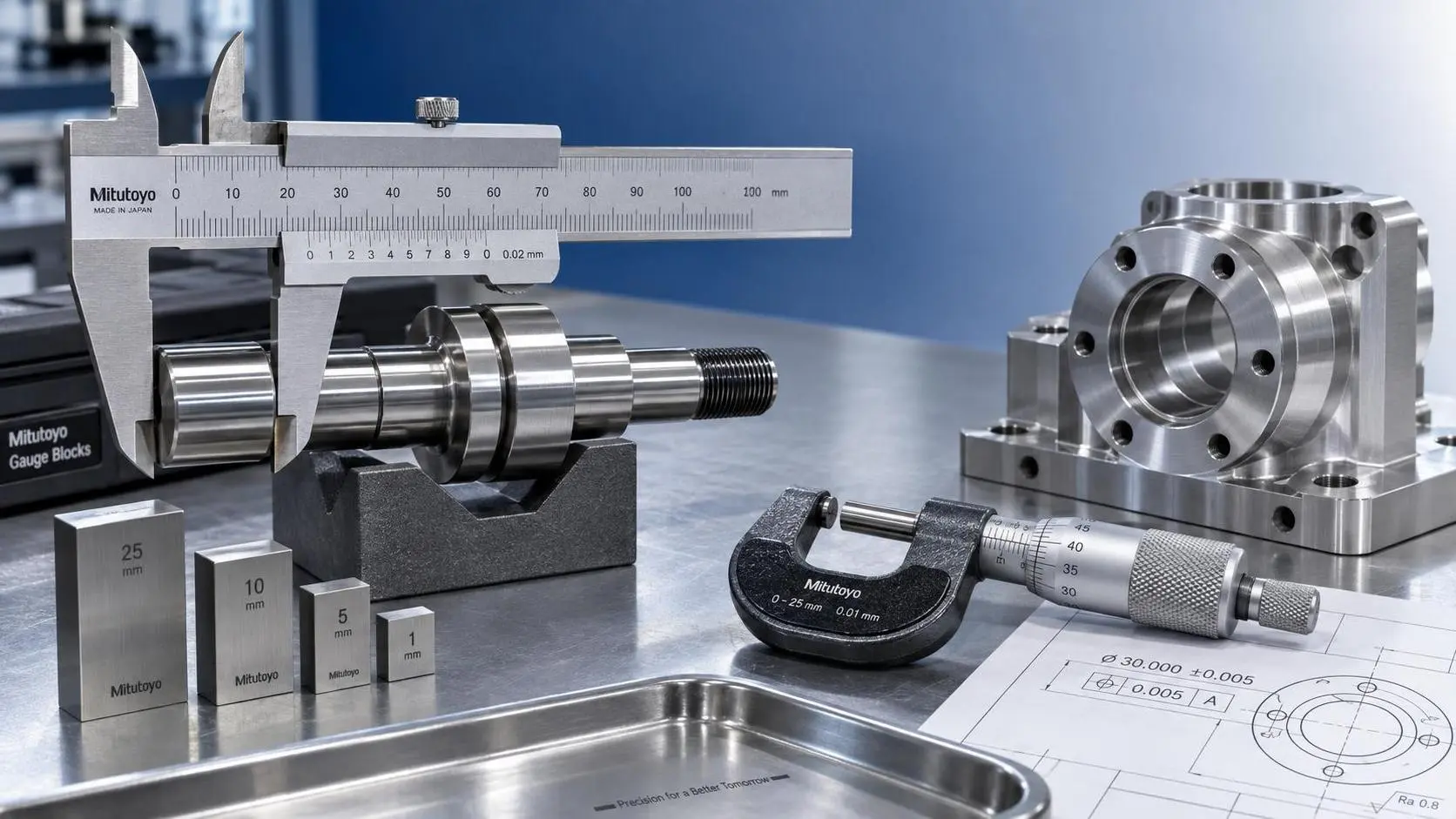
How to Select Vernier Precision Calipers for Tight-Tolerance Machining Inspection
Vernier precision calipers for tight-tolerance machining: learn how to select the right range, jaw design, accuracy, and verification process for reliable inspection.
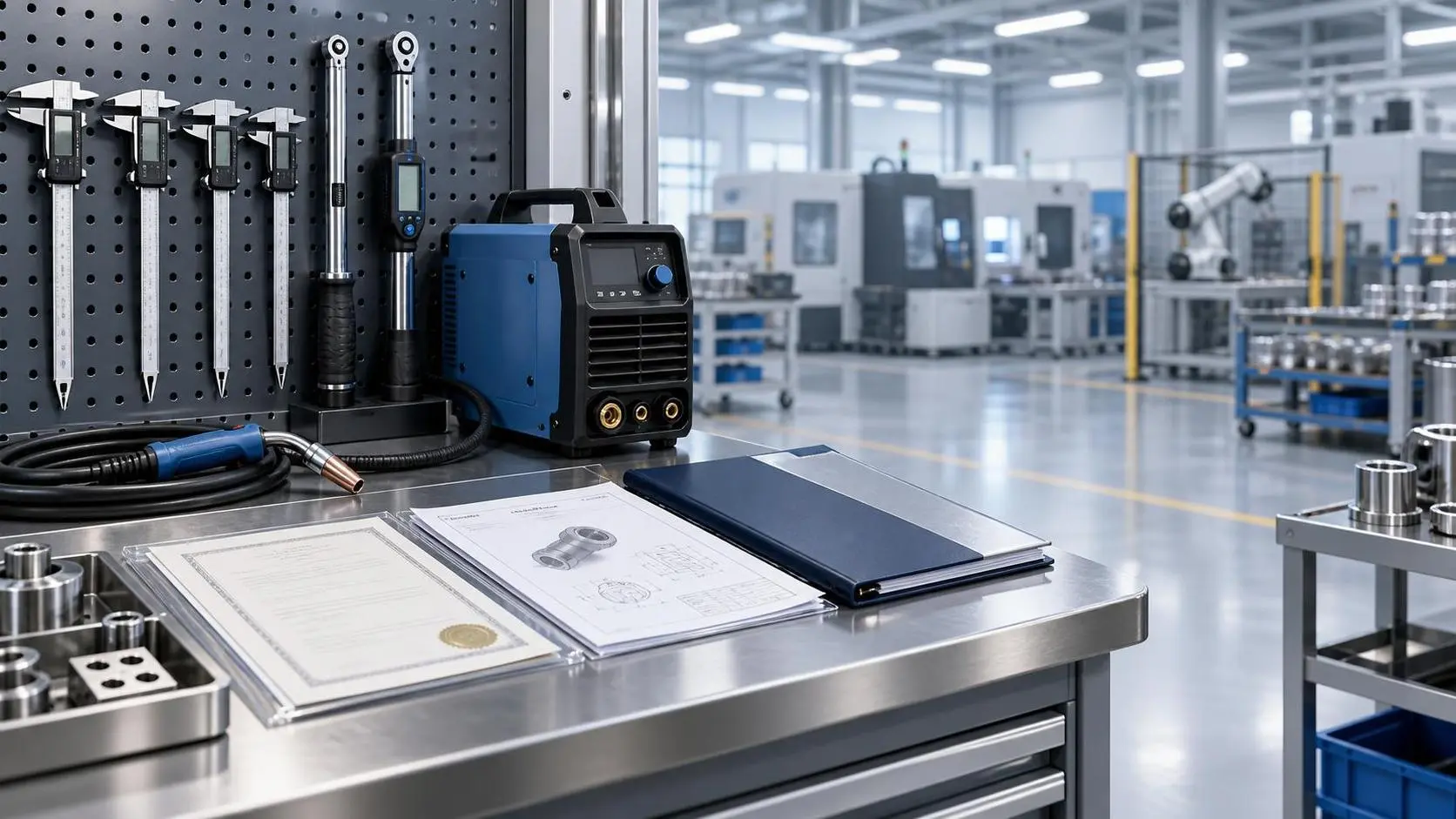
Product Comparison Resources in Europe: How Buyers Can Verify Specs and Suppliers
Product comparison resources Europe: learn how to verify industrial specs, compliance claims, supplier credibility, and delivery risk for smarter purchasing decisions.
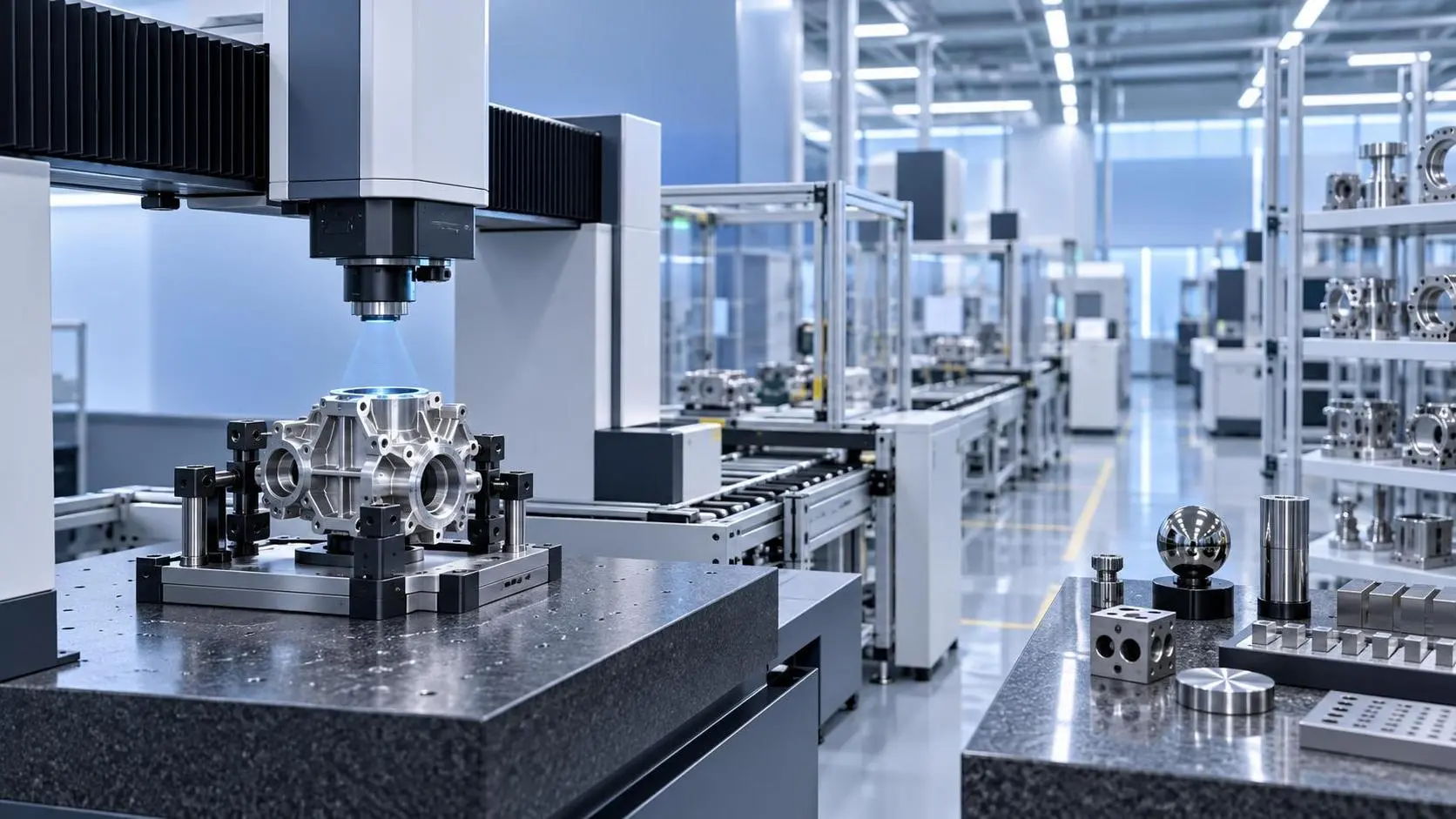
How to Evaluate an Industrial Metrology Solution Manufacturer for Production Use
Industrial metrology solution manufacturer evaluation guide for production: compare accuracy, traceability, automation, software, service, and acceptance testing to reduce risk.
Which ISO Standards Matter Most for Precision Engineering Quality Control?
Precision engineering ISO standards explained: discover how ISO 9001, ISO/IEC 17025, ISO 10012, GPS, and ISO 3834 strengthen quality control, traceability, and compliance.
Related News
- 00
0000-00
Why Are Specification-Oriented Articles Gaining Traction in Europe’s B2B Markets? - 00
0000-00
Industrial Solutions in Latin America: Key Growth Sectors and Market Entry Risks - 00
0000-00
What Is Driving Manufacturing Efficiency in Europe’s Industrial Sectors? - 00
0000-00
Industrial Market Trends in 2025: What Buyers Should Watch Across Supply and Demand - 00
0000-00
Production Efficiency in North America: What Is Changing for Manufacturers in 2025?
Dr. Alistair Vaughn
Weekly Insights
Stay ahead with our curated technology reports delivered every Monday.