
Which industrial trends are reshaping factory planning in 2026





In 2026, industrial trends are changing factory planning from a static construction task into a dynamic strategic decision. Layout, equipment choices, digital architecture, and workforce design now need alignment from day one.
Factories can no longer be planned only for current output. They must support automation growth, faster changeovers, traceable quality, lower energy intensity, and more resilient sourcing models.
This shift matters across the comprehensive industrial landscape. From metal joining and precision metrology to assembly systems and maintenance operations, planning assumptions are being rewritten by new industrial trends.
For intelligence platforms such as GPTWM, the signal is clear. Precision tools, welding systems, measurement workflows, and connected assets are becoming central inputs in early factory planning decisions.
Why industrial trends are accelerating the redesign of factory planning
The strongest signal in 2026 is convergence. Digital tools, energy systems, machine connectivity, and production engineering are no longer separate planning streams. They are now interdependent design layers.
A factory planned without data visibility quickly loses efficiency. A site designed without flexible utilities limits automation expansion. A line built without measurement integration creates quality bottlenecks later.
These industrial trends are also shaped by external volatility. Raw material fluctuations, export restrictions, ergonomic standards, and regional supply shifts are influencing building footprints and equipment strategies.
As a result, factory planning has moved upstream. It starts earlier, involves more disciplines, and depends more heavily on predictive intelligence than traditional capacity calculations.
The strongest trend signals shaping factories in 2026
Several industrial trends stand out because they influence both capital design and operating performance. They affect how facilities are built, how lines are sequenced, and how expansion paths remain open.
1. Automation is becoming modular, not monolithic
Instead of one-time full automation, many plants are adopting scalable cells. This allows phased investment, easier debugging, and faster adaptation to product mix changes.
2. Quality control is moving closer to the process
Inline metrology, digital torque verification, and connected inspection tools reduce rework loops. Factory planning now reserves space, network access, and workflow logic for embedded quality systems.
3. Energy efficiency is becoming a layout issue
Compressed air losses, peak-load exposure, and thermal waste are influencing machine placement. Energy-aware planning is now tied to utilities routing, ventilation design, and equipment scheduling.
4. Supply chain resilience is changing site assumptions
Plants need larger flexibility buffers for inventory, alternative materials, and regional supplier substitution. This affects warehouse ratios, receiving flows, and tool standardization across multiple sources.
5. Human factors remain critical despite digitalization
Industrial trends do not eliminate labor design. They raise the value of ergonomic workstations, digital instructions, safety zoning, and training-friendly equipment interfaces.
What is driving these industrial trends
The forces behind factory transformation are practical, measurable, and increasingly global. They are not abstract ideas. They directly affect planning cost, ramp-up speed, and long-term competitiveness.
How industrial trends affect key business and operational links
The impact of industrial trends reaches beyond the factory floor. Planning decisions now influence procurement logic, maintenance models, quality assurance speed, and even market responsiveness.
In assembly-intensive environments, connected torque tools and digital fastening records improve traceability. In welding applications, safety integration and process monitoring shape booth layout and ventilation design.
For precision metrology operations, inspection can no longer sit at the end of the process. Measurement checkpoints increasingly define line rhythm, buffer sizes, and root-cause response speed.
- Facility design must support digital infrastructure, not add it later.
- Maintenance areas need access to connected diagnostics and spare part visibility.
- Material handling flows must support both efficiency and disruption recovery.
- Safety systems should match new tools, robotics, and handheld high-energy equipment.
These realities explain why industrial trends are now discussed alongside capital budgeting. They are no longer future topics. They define planning quality in the present.
The priorities that deserve close attention in 2026
Not every trend has equal urgency. Some have immediate design consequences and should be evaluated before facility specifications are locked.
- Plan for scalable automation rather than maximum initial automation.
- Treat metrology, torque control, and process data as core infrastructure.
- Model energy demand by line, shift, and equipment cluster.
- Evaluate ergonomic standards alongside throughput targets.
- Build sourcing flexibility into fixtures, tools, and material specifications.
- Use digital twins or simulation tools before layout approval.
These priorities reflect the broader direction of industrial trends. The common theme is adaptability. Factories that cannot adapt cheaply will struggle, even if initial output looks strong.
A practical framework for responding to industrial trends
A useful response starts with structured assessment. The goal is not to follow every industrial trend equally. It is to identify which ones materially affect performance, risk, and investment payback.
What smart next steps look like
The best next step is a planning audit built around real constraints. Review layout flexibility, data capture points, utility strategy, safety integration, and tool standardization together rather than separately.
Industrial trends should then be ranked by impact. Focus first on changes that reduce rework, improve adaptability, and lower exposure to energy or supply disruption.
It is also useful to compare planned capabilities with sector intelligence. GPTWM’s perspective on welding safety, brushless tool efficiency, metrology demand, and intelligent torque systems supports stronger planning assumptions.
In 2026, factory planning excellence depends on reading industrial trends early and translating them into physical, digital, and operational decisions. Facilities built with that mindset will be more productive, resilient, and future-ready.
Related News
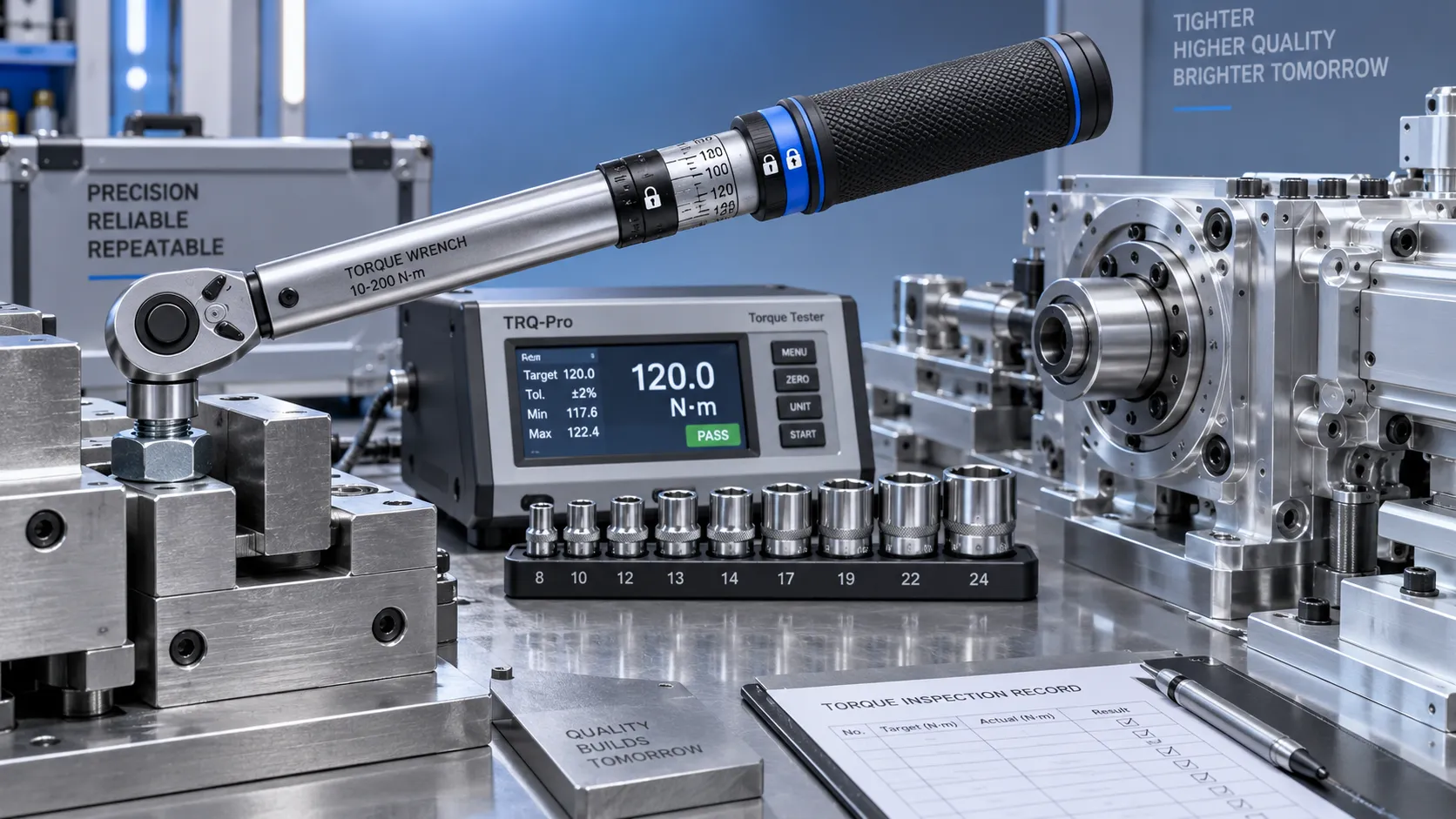
Selecting Adjustable Torque Tools for Repeatable Fastener Assembly
Adjustable torque tools: learn how to match range, accuracy, control methods, calibration, and ergonomics for repeatable, reliable fastener assembly.

How to Select Aerospace Inspection Tools for Aircraft Maintenance Tasks
Aerospace maintenance inspection tools: learn how to select reliable, traceable equipment for aircraft access, accuracy, calibration, and compliant maintenance decisions.

How to Select Wire Bonding Tools for Fine-Pitch Semiconductor Packaging
Explore semiconductor manufacturing tools for wire bonding and learn how to select precision solutions for fine-pitch packaging, reliable loops, accuracy, and yield.
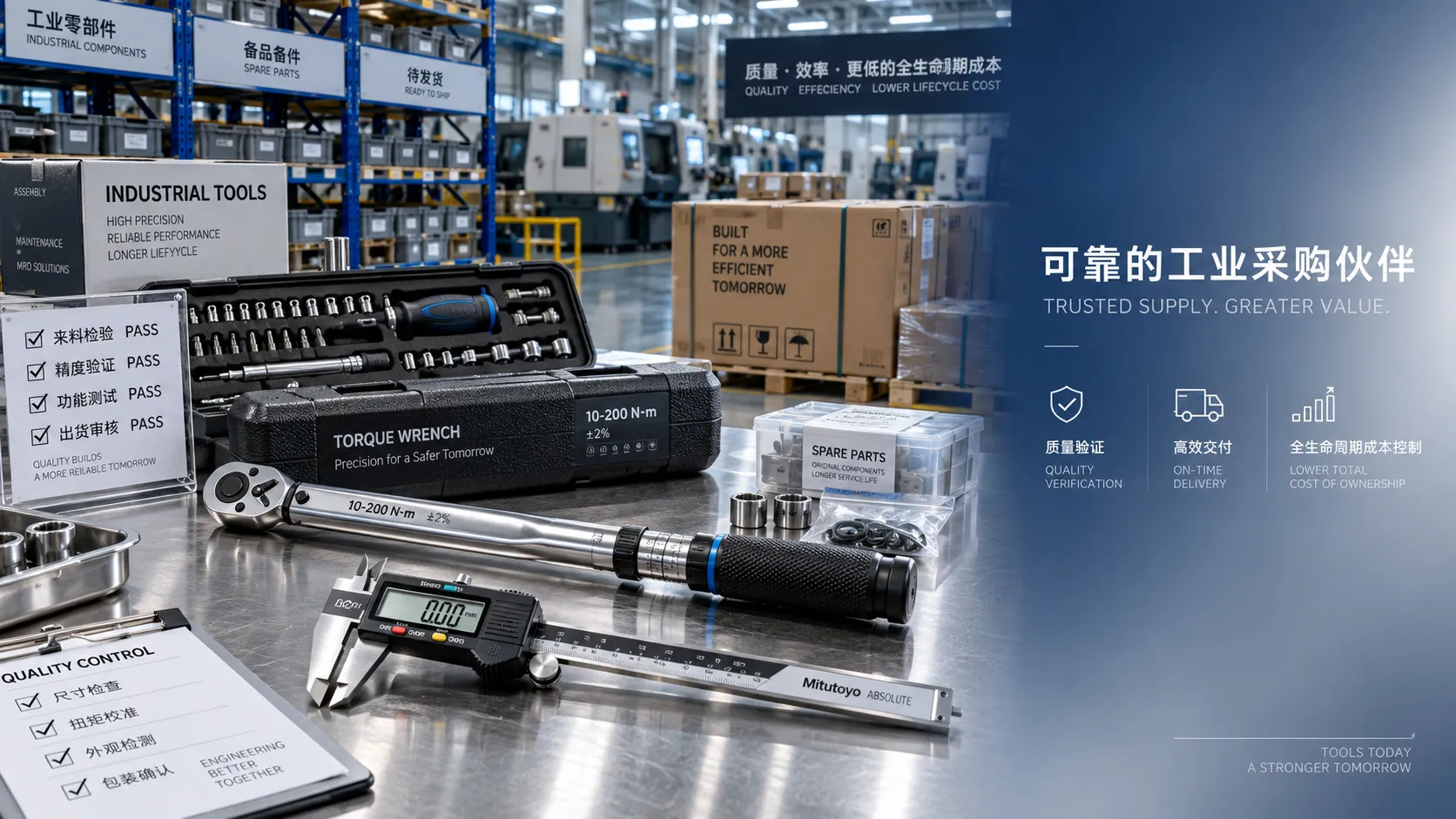
How to Compare Industrial Tool Suppliers for Quality, Lead Time, and Total Cost
Industrial tool selection supplier comparison made simple: evaluate quality, lead times, total cost, service, and supply resilience for confident sourcing decisions.
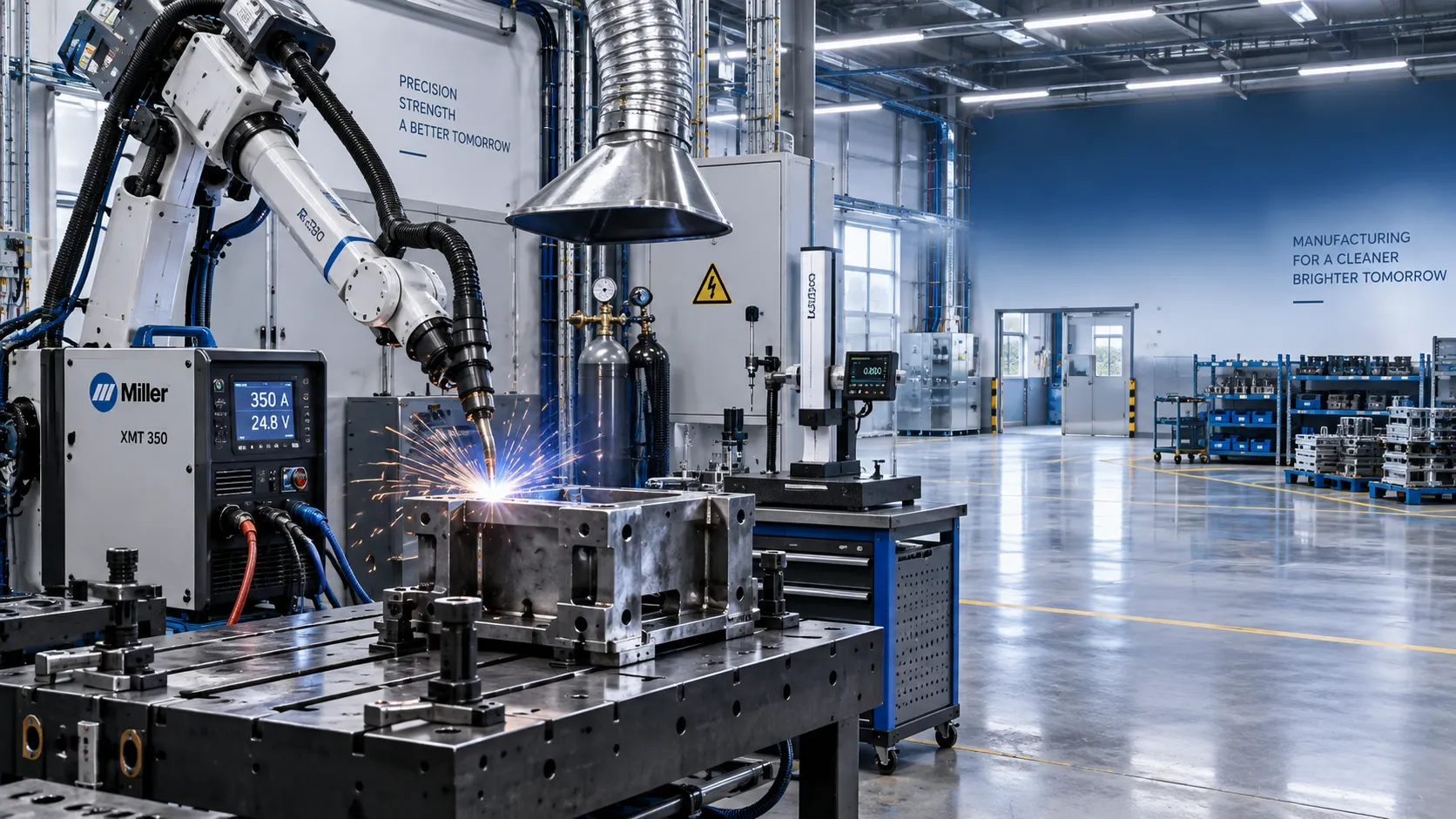
Industrial Equipment Application Guidance: Match Machines to Operating Conditions
Application guidance industrial equipment: match capacity, duty cycle, materials, site conditions, safety, and lifecycle cost to improve reliable output. Read the guide.
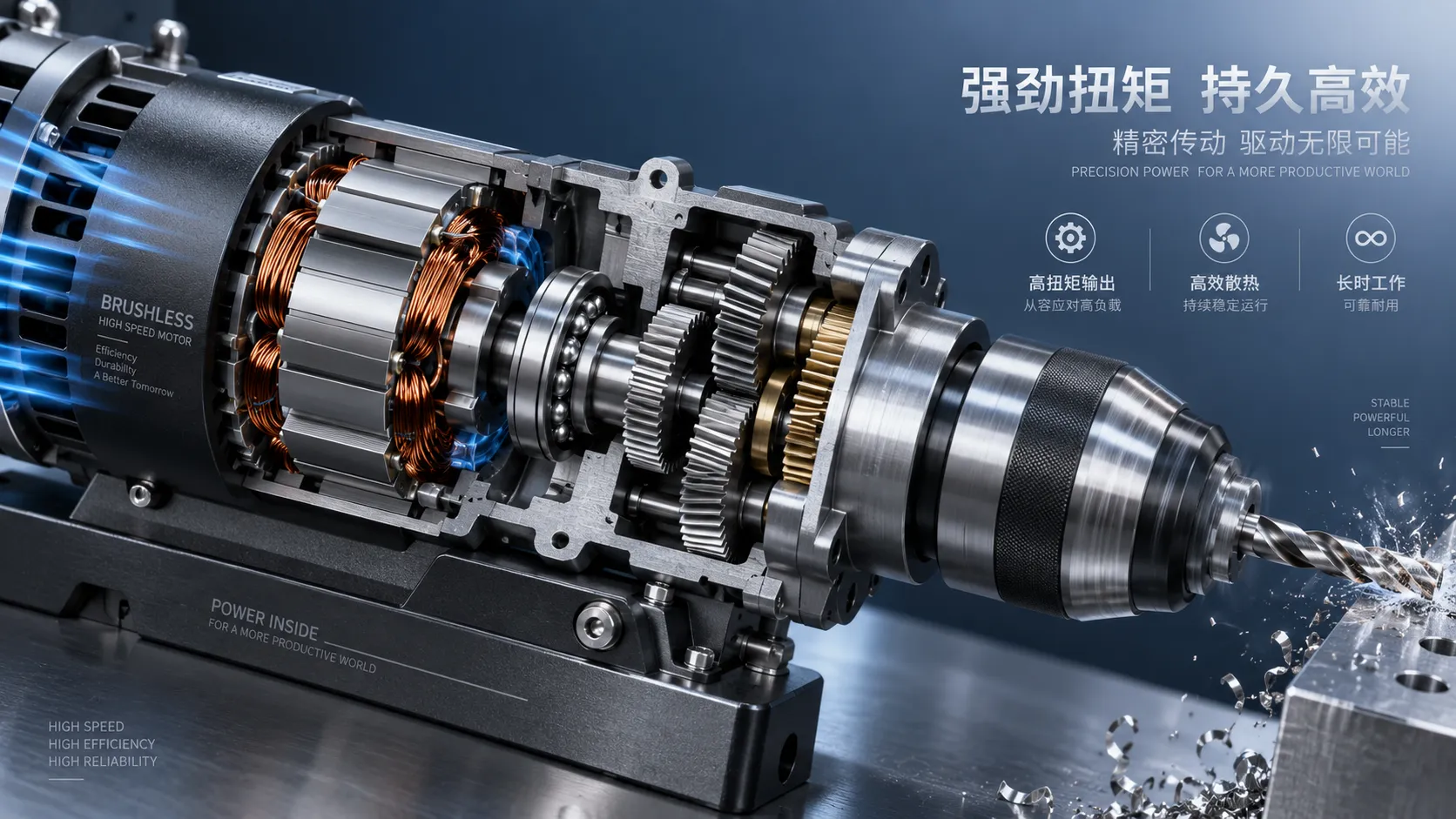
Selecting High-Speed Brushless Tool Motors for Torque, Heat, and Duty Cycle
High speed brushless tool motors: learn how to balance torque, heat, gearing, and duty cycle for reliable industrial tool performance and longer service life.
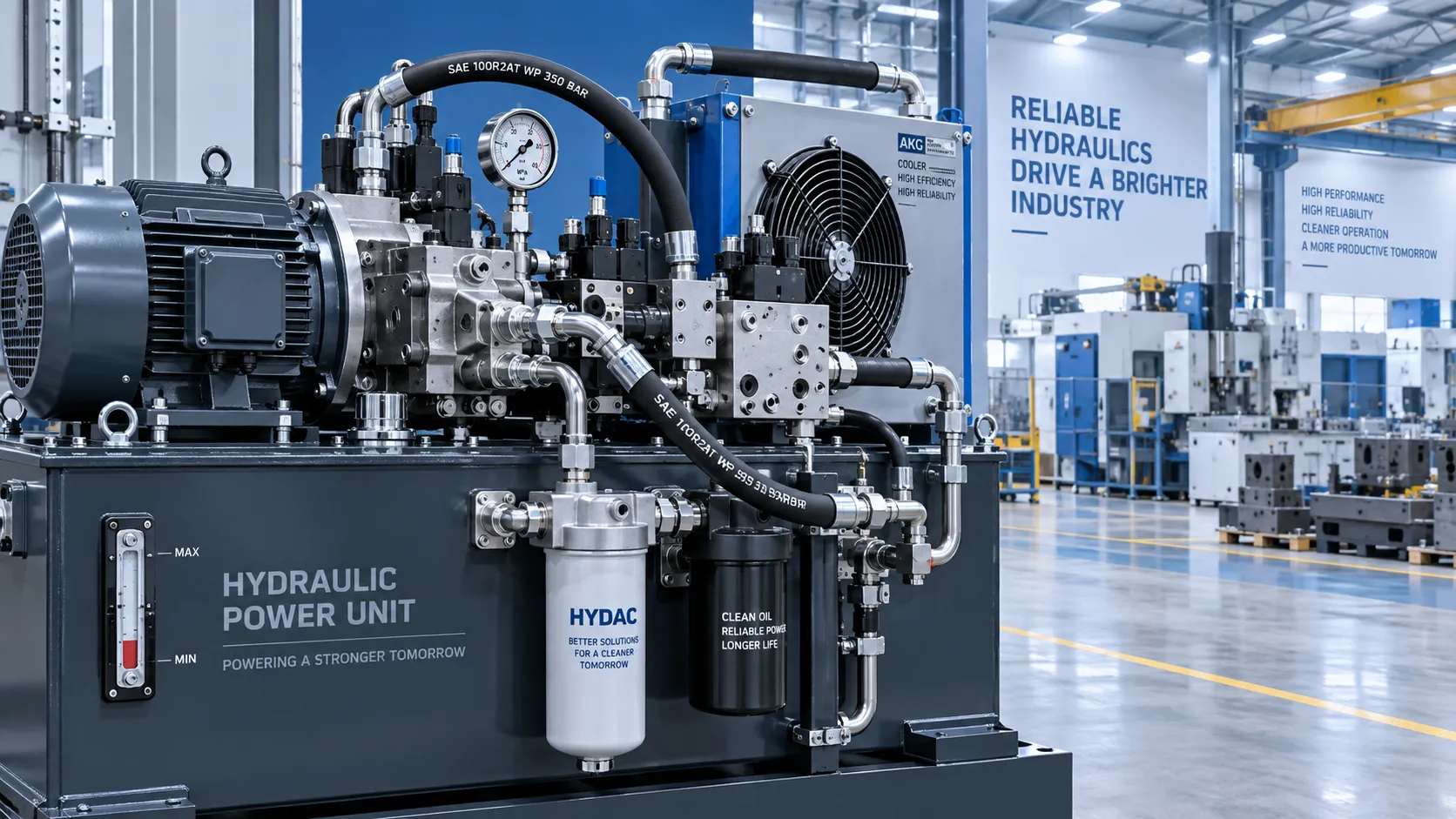
What Determines Industrial Hydraulic System Price for Heavy-Duty Equipment?
Industrial hydraulic system price depends on duty cycle, pressure, components, cooling, and integration. Compare quotes intelligently to secure reliable heavy-duty performance.
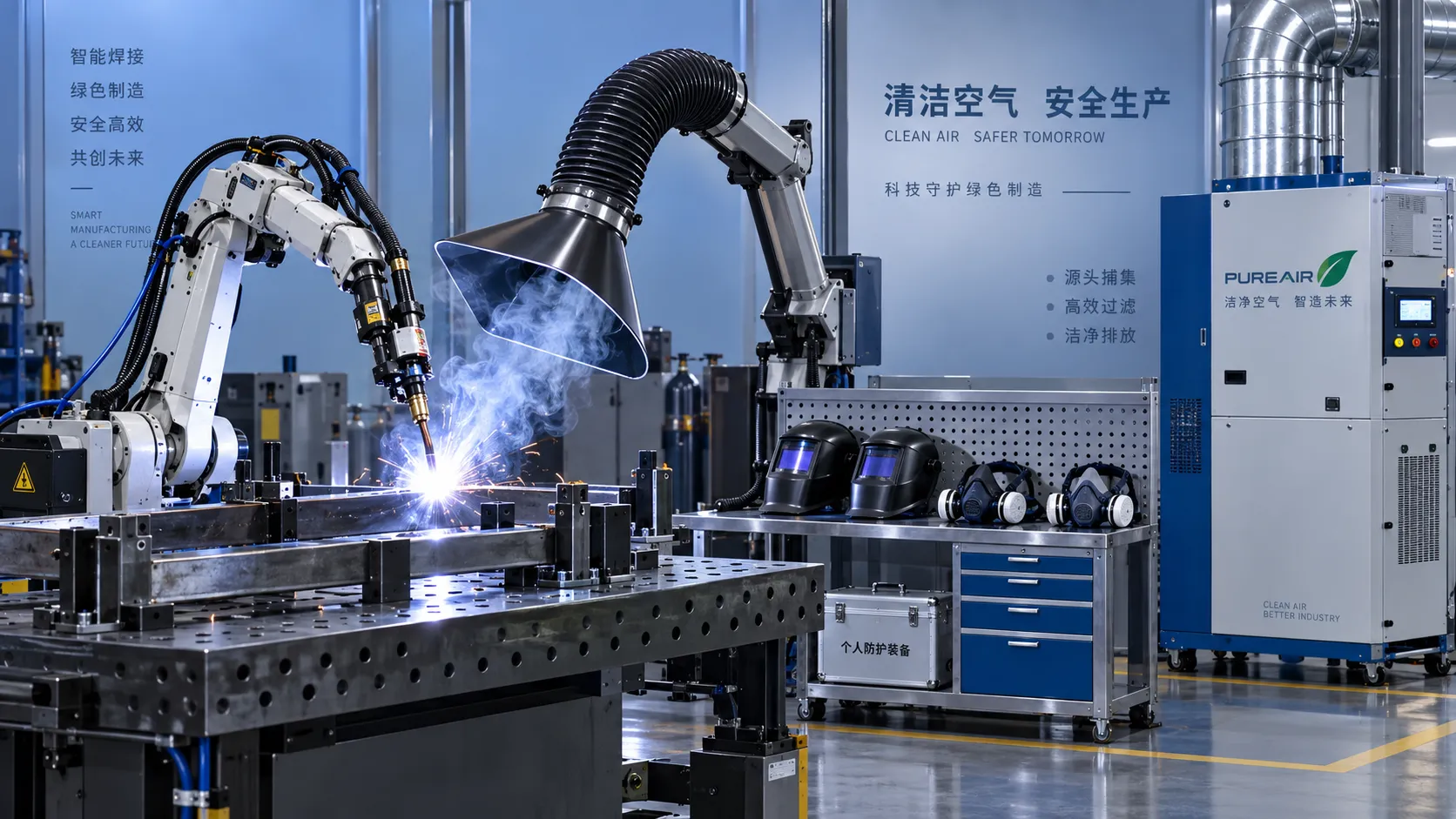
Welding Fume Extraction PPE: When Respirators Are Not Enough for Shop Safety
Welding fume extraction PPE: learn why respirators alone fall short and how source capture, ventilation, and layered controls improve shop safety.
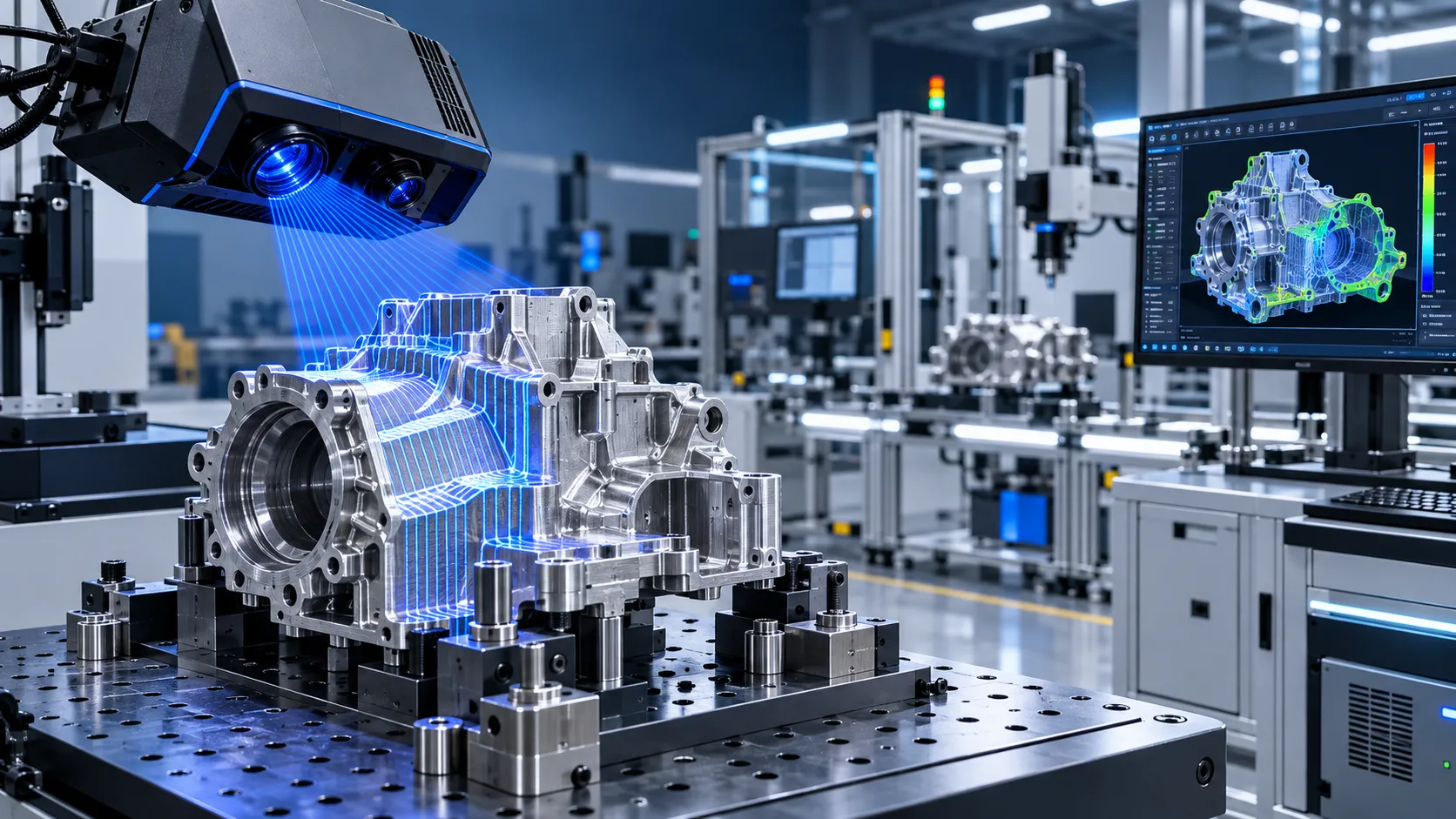
How to Select Optical Metrology Solutions for Tight-Tolerance Manufacturing
Optical industrial metrology solutions for tight-tolerance manufacturing: evaluate accuracy, surface compatibility, workflow, and traceability to select with confidence.
Related News
- 00
0000-00
How Middle East Manufacturers Can Improve Production Efficiency Under Heat and Labor Constraints - 00
0000-00
Why Are Specification-Oriented Articles Gaining Traction in Europe’s B2B Markets? - 00
0000-00
Industrial Solutions in Latin America: Key Growth Sectors and Market Entry Risks - 00
0000-00
What Is Driving Manufacturing Efficiency in Europe’s Industrial Sectors? - 00
0000-00
Industrial Market Trends in 2025: What Buyers Should Watch Across Supply and Demand
Dr. Alistair Vaughn
Weekly Insights
Stay ahead with our curated technology reports delivered every Monday.