
What industrial automation fixes before labor costs rise





Before labor costs climb further, industrial automation helps fix hidden losses in assembly, welding, inspection, and material flow. Its value goes beyond reducing manual dependence. It improves repeatability, stabilizes throughput, cuts rework, and protects operations from labor shortages, absenteeism, and demand volatility.
For industrial operations, timing matters. The best automation decisions are usually made before wage pressure peaks, not after margins are already damaged. Early action allows process mapping, pilot validation, and capital planning without crisis-driven shortcuts.
Why a checklist matters before labor costs rise
Many facilities know they need industrial automation, yet they start with equipment shopping instead of process diagnosis. That often creates isolated upgrades that look modern but fail to remove bottlenecks.
A checklist approach keeps the focus on measurable production pain. It clarifies where automation creates fast payback, where manual work still makes sense, and where quality risk is quietly consuming profit.
This matters across mixed industrial environments, especially where assembly, metal joining, precision measurement, packaging, and internal logistics overlap. In those settings, labor cost is only one variable. Scrap, downtime, variation, and slow changeovers often cost more.
Core industrial automation checklist for early gains
- Map repetitive tasks first, then rank them by cycle time, injury exposure, training burden, defect frequency, and the cost of delayed output.
- Measure true bottlenecks using shift data, not assumptions, and separate labor shortages from machine starvation, poor layout, or unstable upstream supply.
- Target quality-critical steps where torque, weld path, placement accuracy, or inspection consistency directly affect warranty claims and customer acceptance.
- Automate material handling where operators spend more time walking, lifting, or staging parts than performing value-adding process work.
- Standardize work instructions before introducing robots, cobots, conveyors, or vision systems, because unstable methods produce unstable automation results.
- Check data readiness by confirming part traceability, takt time records, reject codes, maintenance history, and the availability of digital production signals.
- Compare flexible automation with fixed automation, especially where product mix changes often and changeover time limits line efficiency.
- Audit welding and joining steps for fume control, operator fatigue, heat variation, and skill dependency before deciding on semi-automatic or robotic cells.
- Review inspection stations for missed defects, subjective pass-fail decisions, and calibration drift that machine vision or automated gauging could reduce.
- Model total return using scrap reduction, throughput gain, utility demand, maintenance cost, and staffing redeployment, not labor savings alone.
- Pilot one contained process first, then expand only after uptime, quality, safety, and operator interaction meet practical production targets.
- Plan integration early by checking tooling, guarding, PLC compatibility, compressed air capacity, floor space, and downstream process synchronization.
Where industrial automation usually fixes problems first
Assembly operations
Assembly lines often hide expensive variability. Manual fastening, pick-and-place motion, adhesive dispensing, and repetitive subassembly tasks create uneven cycle times and inconsistent output. These are common entry points for industrial automation.
Smart torque tools, feeder systems, poka-yoke devices, and collaborative robots can reduce misbuilds while preserving flexibility. The biggest win is often not headcount reduction. It is the removal of rework loops, missed components, and line balancing problems.
Welding and metal joining
Welding suffers when output depends too heavily on operator endurance and scarce skill. Variations in torch angle, travel speed, heat input, and fit-up control can quickly turn labor pressure into scrap, repairs, and delayed shipments.
Robotic welding, seam tracking, programmable fixtures, and monitored parameters improve consistency in repeat jobs. In lower-volume environments, semi-automated welding cells may deliver better returns than full robotic deployment.
Inspection and metrology
Inspection is frequently understaffed, yet it protects every downstream cost. Manual gauges, visual checks, and paper records become weak points when production speeds increase. This is where industrial automation supports both quality and traceability.
Automated vision, laser measurement, torque verification, and digital gauge data collection reduce subjective decisions. They also create usable production intelligence for trend analysis, preventive maintenance, and customer documentation.
Material handling and intralogistics
Some of the fastest payback comes from moving parts better, not processing them faster. If labor hours disappear into lifting, cart pushing, pallet staging, and searching for components, throughput will remain unstable even with advanced machines.
Conveyors, AGVs, AMRs, lift assists, vertical storage, and barcode-driven replenishment reduce non-value-added motion. They also make staffing more resilient because operations rely less on tribal knowledge and physical strain.
Commonly overlooked risks before investing in industrial automation
Automating a broken process
If part variation, fixture wear, late engineering changes, or poor incoming quality remain unresolved, industrial automation may simply repeat defects faster. Stable inputs must come before sophisticated outputs.
Ignoring maintenance capability
A system that cannot be maintained internally becomes a new bottleneck. Spare parts strategy, technician training, preventive schedules, and remote support terms should be defined before installation.
Overestimating labor elimination
Most successful projects redeploy labor instead of removing it entirely. Operators shift toward setup, quality checks, exception handling, and line support. Financial models should reflect that reality.
Underestimating change management
Even technically strong automation can stall if work instructions, safety routines, and accountability are unclear. Adoption improves when daily operating rules are updated along with equipment.
Choosing technology without expansion logic
A low-cost standalone cell may solve one issue but block future scaling. Interface standards, data export, modular fixturing, and multi-product compatibility deserve attention from the start.
Practical execution steps
- Run a two-week baseline study covering output, labor hours, scrap, rework, downtime, and queue time by process step.
- Select one pilot area with high repetition, visible defects, and limited product variation to reduce implementation risk.
- Define success metrics in advance, including first-pass yield, uptime, cycle time stability, and labor redeployment value.
- Use phased integration so tooling, controls, safety validation, and operator training can be corrected before full expansion.
- Review supplier proposals against process realities, not brochure claims, and require proof using sample parts or real line data.
Conclusion and next action
The strongest case for industrial automation is rarely about replacing people at the lowest possible cost. It is about fixing process instability before rising labor costs, quality drift, and delivery pressure erode competitiveness.
Start with the tasks that are repetitive, quality-sensitive, and difficult to staff. Validate them with data, pilot carefully, and build around maintainability and traceability. In most industrial settings, that sequence delivers faster returns than waiting for labor costs to force rushed decisions.
A practical next step is simple: audit one assembly, welding, inspection, or handling process this week using the checklist above. The first useful automation opportunity is usually already visible in the current line.
Related News
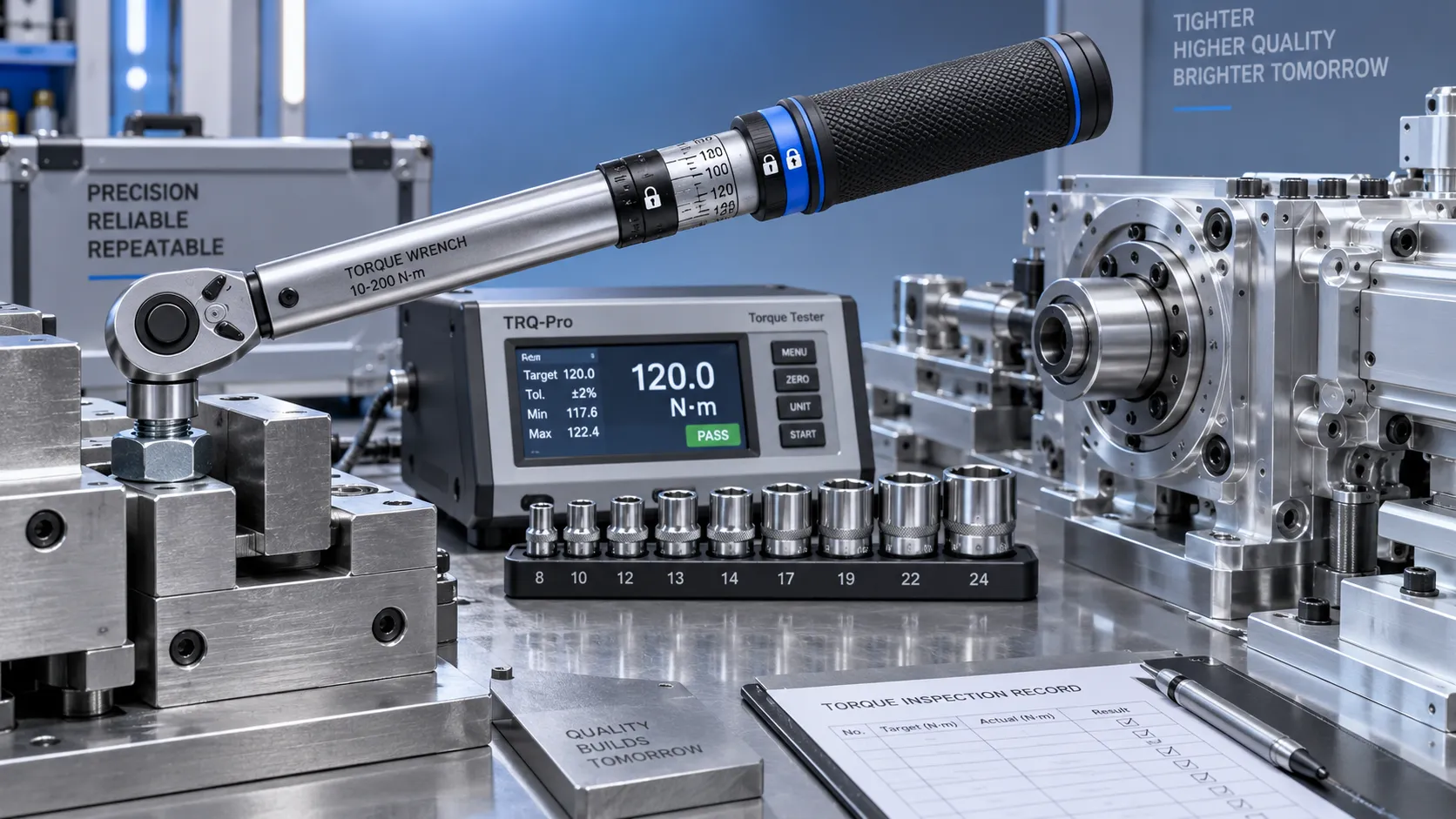
Selecting Adjustable Torque Tools for Repeatable Fastener Assembly
Adjustable torque tools: learn how to match range, accuracy, control methods, calibration, and ergonomics for repeatable, reliable fastener assembly.

How to Select Aerospace Inspection Tools for Aircraft Maintenance Tasks
Aerospace maintenance inspection tools: learn how to select reliable, traceable equipment for aircraft access, accuracy, calibration, and compliant maintenance decisions.
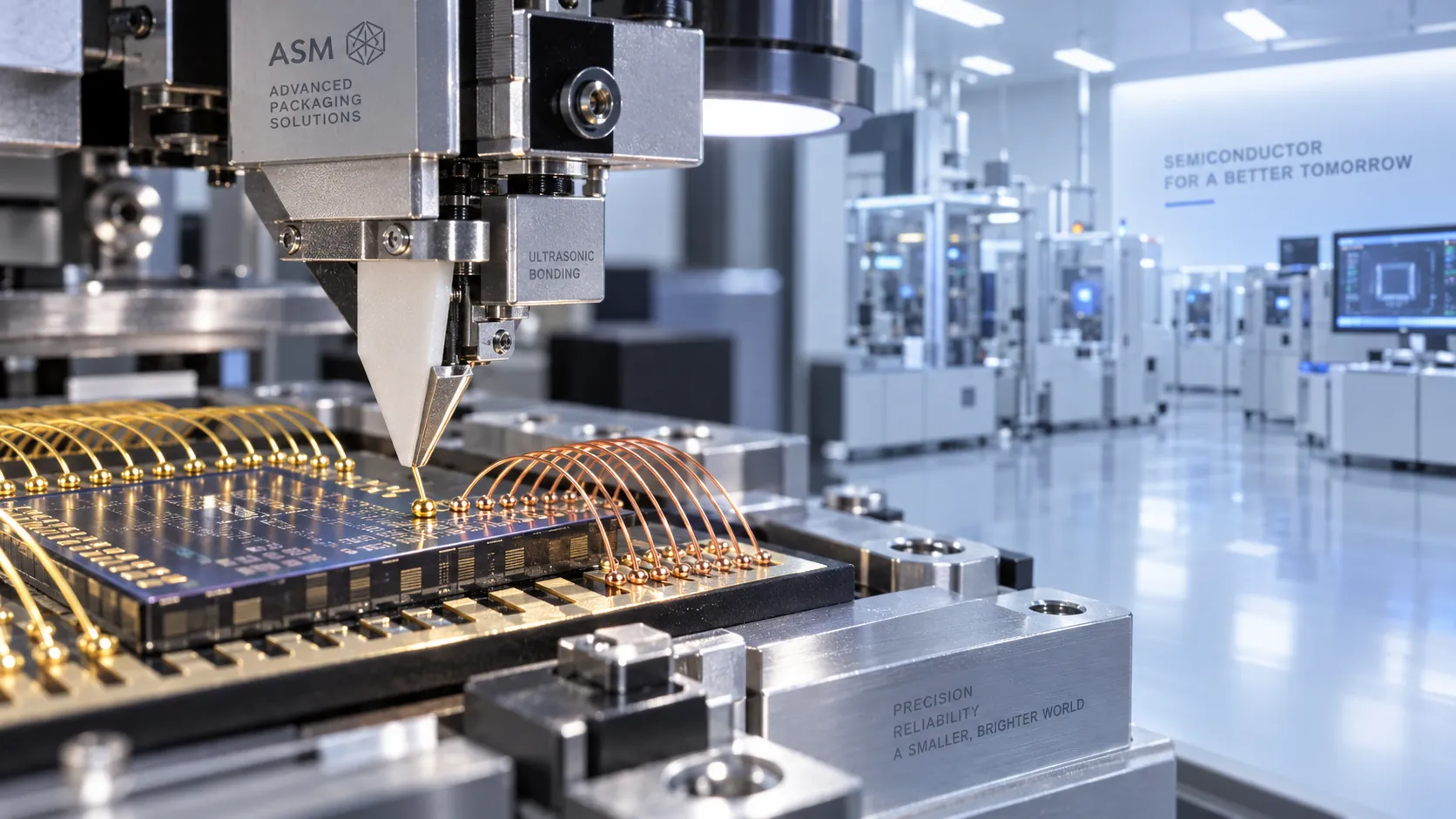
How to Select Wire Bonding Tools for Fine-Pitch Semiconductor Packaging
Explore semiconductor manufacturing tools for wire bonding and learn how to select precision solutions for fine-pitch packaging, reliable loops, accuracy, and yield.
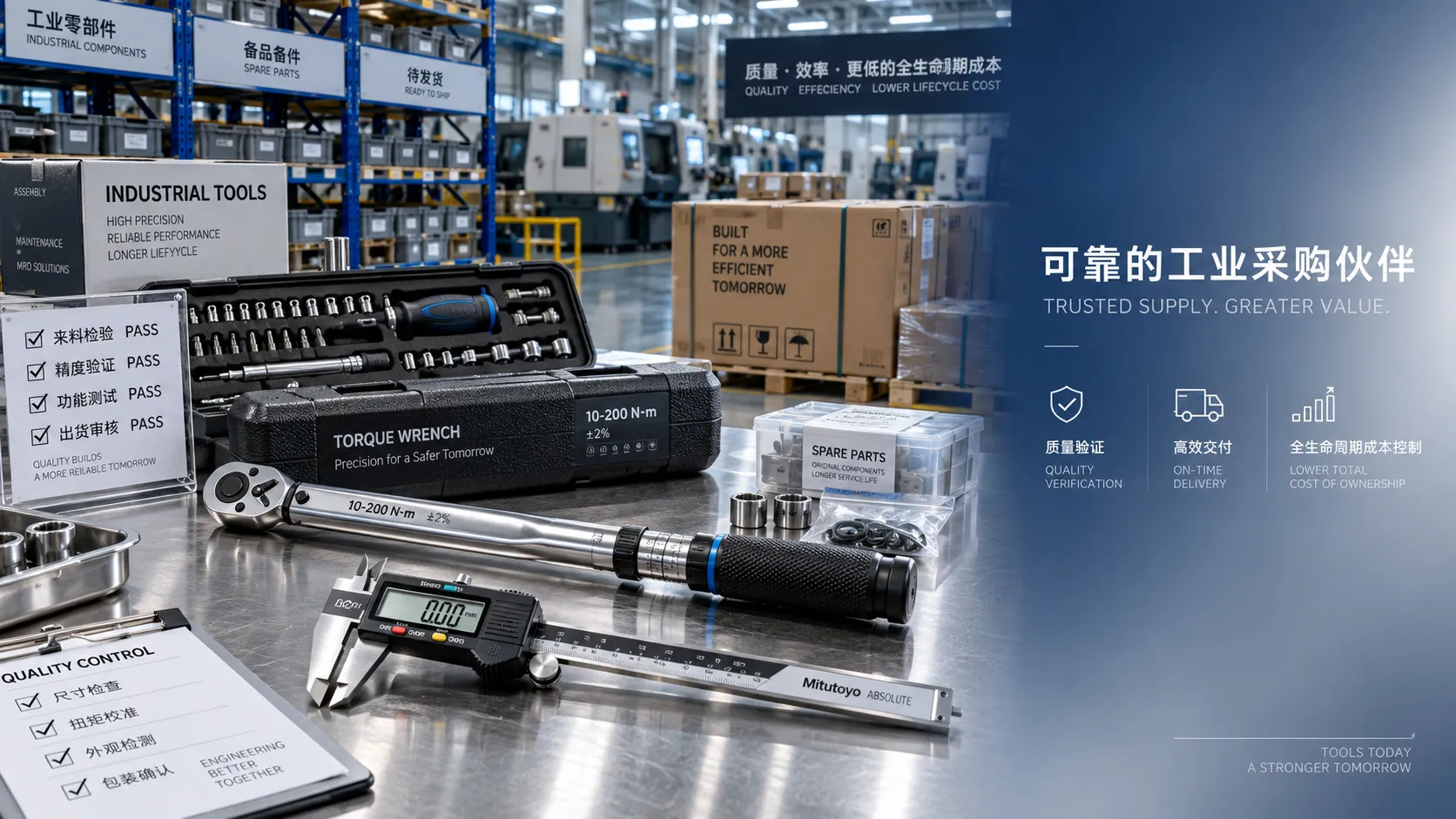
How to Compare Industrial Tool Suppliers for Quality, Lead Time, and Total Cost
Industrial tool selection supplier comparison made simple: evaluate quality, lead times, total cost, service, and supply resilience for confident sourcing decisions.
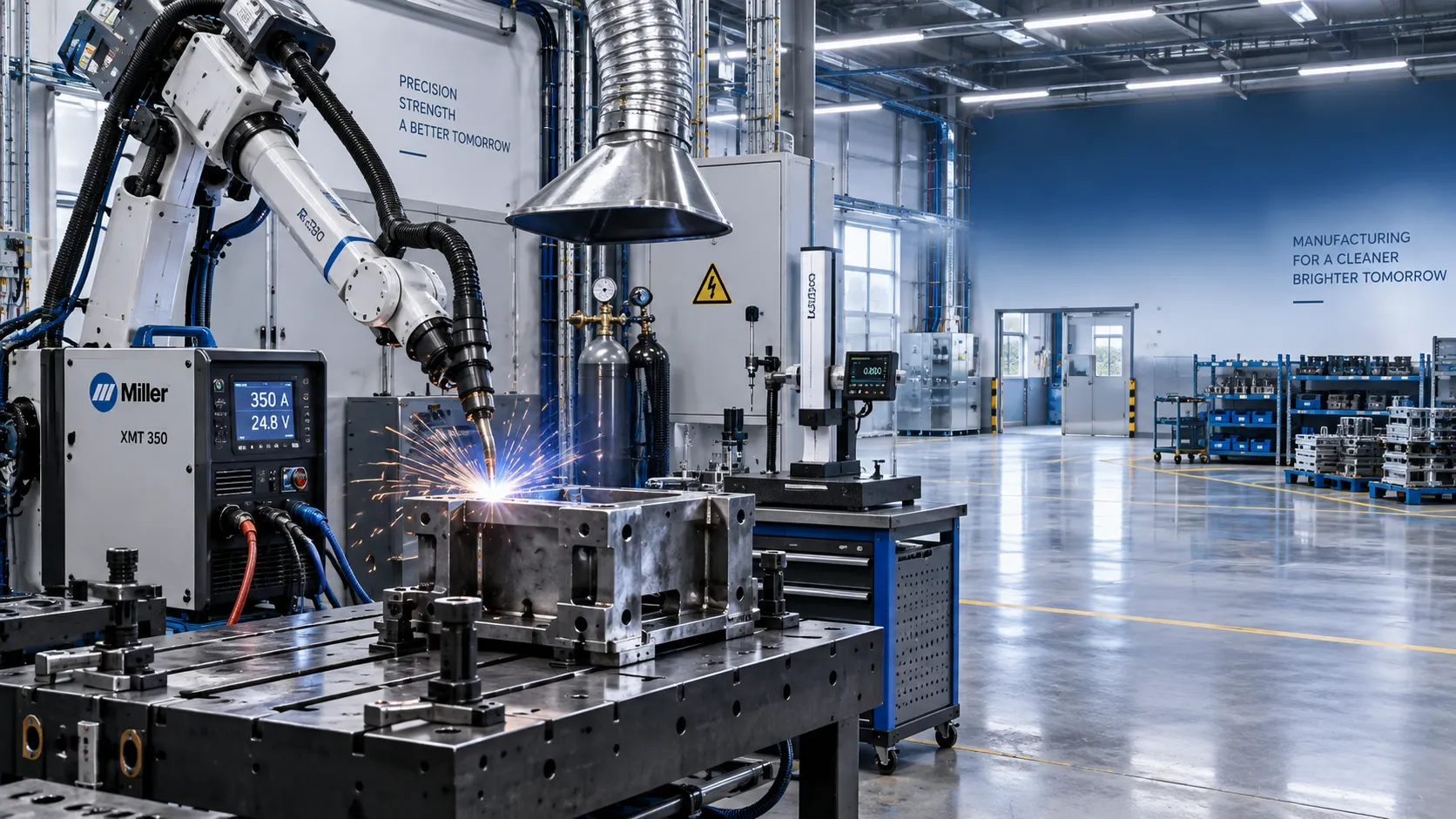
Industrial Equipment Application Guidance: Match Machines to Operating Conditions
Application guidance industrial equipment: match capacity, duty cycle, materials, site conditions, safety, and lifecycle cost to improve reliable output. Read the guide.
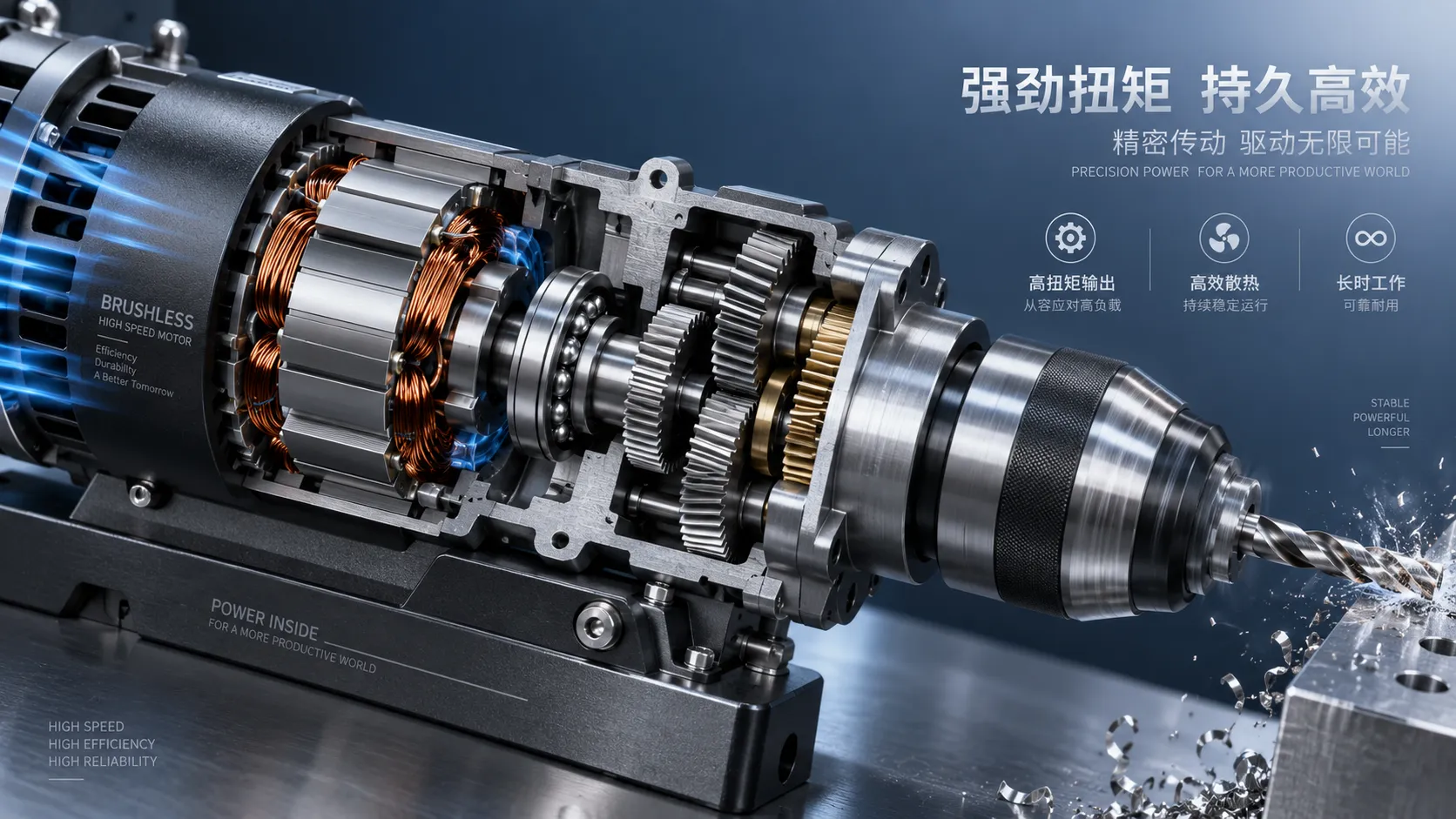
Selecting High-Speed Brushless Tool Motors for Torque, Heat, and Duty Cycle
High speed brushless tool motors: learn how to balance torque, heat, gearing, and duty cycle for reliable industrial tool performance and longer service life.
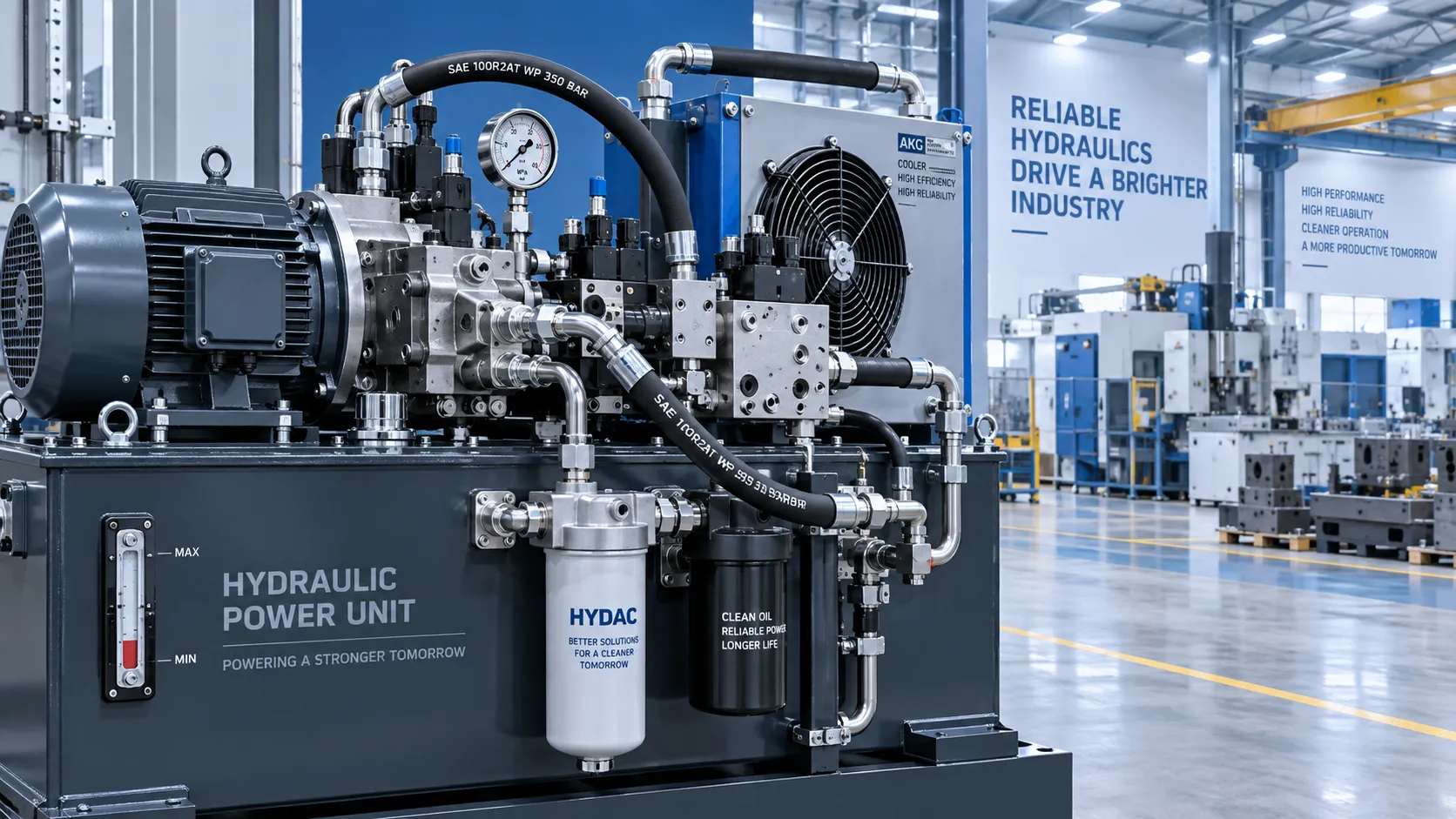
What Determines Industrial Hydraulic System Price for Heavy-Duty Equipment?
Industrial hydraulic system price depends on duty cycle, pressure, components, cooling, and integration. Compare quotes intelligently to secure reliable heavy-duty performance.
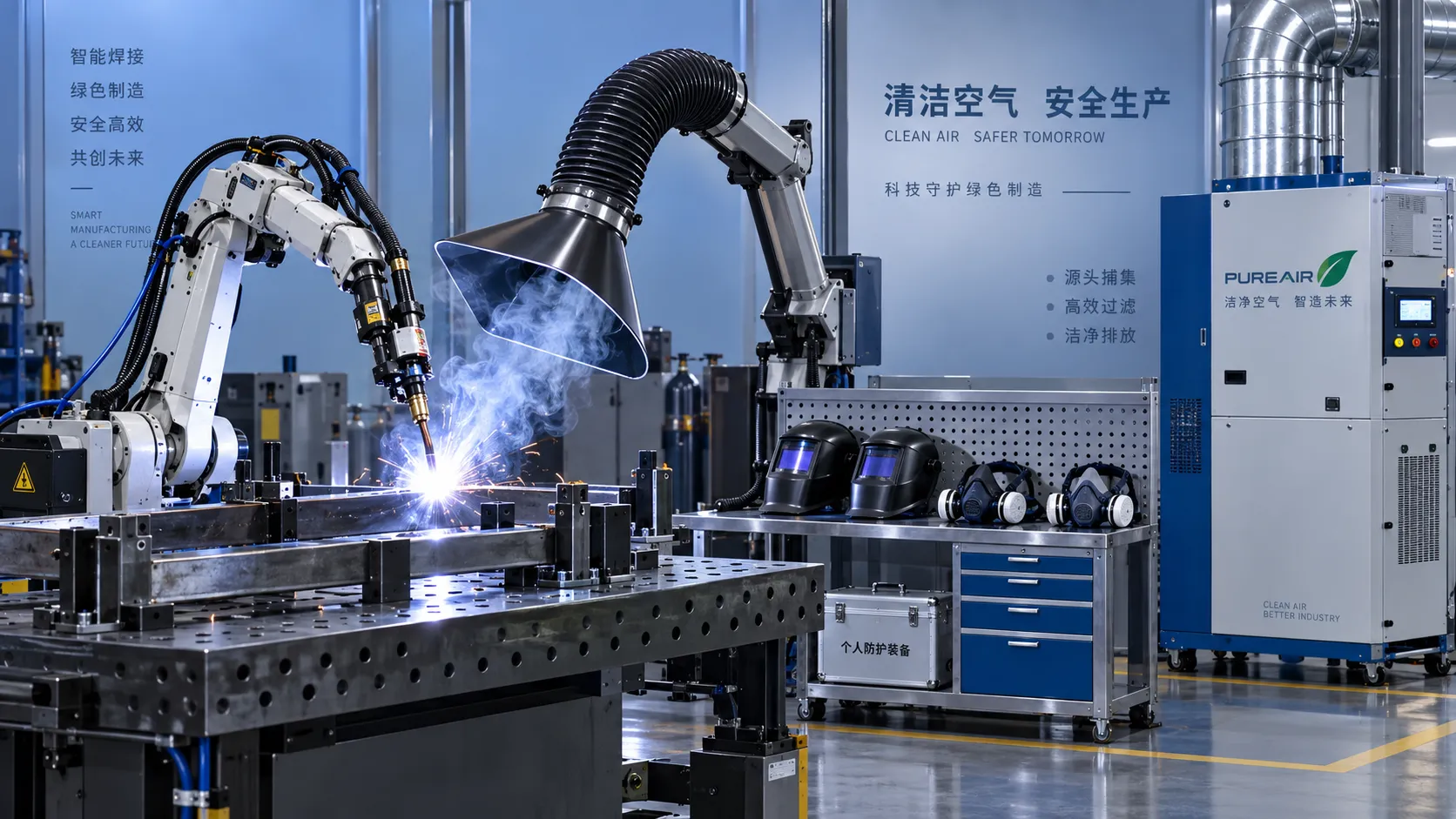
Welding Fume Extraction PPE: When Respirators Are Not Enough for Shop Safety
Welding fume extraction PPE: learn why respirators alone fall short and how source capture, ventilation, and layered controls improve shop safety.
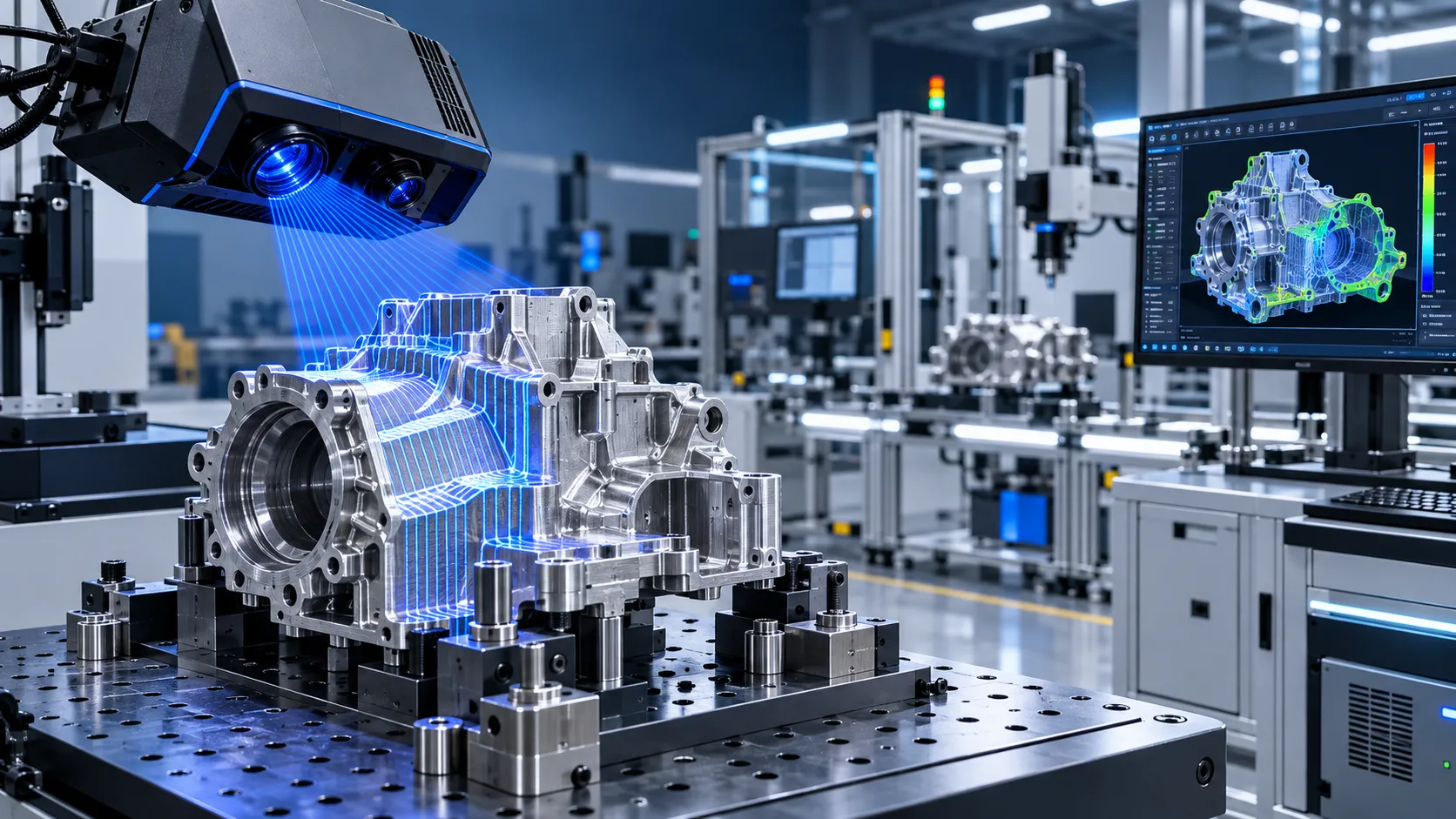
How to Select Optical Metrology Solutions for Tight-Tolerance Manufacturing
Optical industrial metrology solutions for tight-tolerance manufacturing: evaluate accuracy, surface compatibility, workflow, and traceability to select with confidence.
Related News
- 00
0000-00
How Middle East Manufacturers Can Improve Production Efficiency Under Heat and Labor Constraints - 00
0000-00
Why Are Specification-Oriented Articles Gaining Traction in Europe’s B2B Markets? - 00
0000-00
Industrial Solutions in Latin America: Key Growth Sectors and Market Entry Risks - 00
0000-00
What Is Driving Manufacturing Efficiency in Europe’s Industrial Sectors? - 00
0000-00
Industrial Market Trends in 2025: What Buyers Should Watch Across Supply and Demand
Dr. Alistair Vaughn
Weekly Insights
Stay ahead with our curated technology reports delivered every Monday.