
Is tool intellectualization worth the upgrade now?





As procurement teams face rising labor costs, tighter quality demands, and faster production cycles, the question is no longer whether digital upgrades matter, but whether tool intellectualization delivers measurable value today.
From intelligent torque control to data-enabled precision tools, investment decisions now depend on proven ROI, system compatibility, operator acceptance, and long-term maintenance value.
In the broader industrial landscape, tool intellectualization is shifting from pilot concept to practical capability, especially where accuracy, traceability, and uptime directly affect competitiveness.
Tool intellectualization is moving from optional upgrade to selective necessity
The current market does not reward digitalization for appearance alone. It rewards tool intellectualization when it solves visible production pain points.
Across assembly, welding, inspection, and maintenance, intelligent tools are being evaluated by output stability, error reduction, and decision support rather than novelty.
This matters in a comprehensive industry environment, where businesses often run mixed equipment fleets, varied product lines, and uneven digital maturity.
As a result, the real question becomes narrower and more useful: where does tool intellectualization create immediate operational advantage now?
Clear trend signals show stronger demand for smart, connected, precision-driven tools
Several signals indicate that tool intellectualization has entered a stronger adoption phase across industrial and service applications.
First, quality systems increasingly require recorded data instead of manual judgment. Intelligent tools support that shift with automatic capture and repeatable settings.
Second, labor volatility is changing tool expectations. Faster onboarding and guided workflows now matter almost as much as mechanical performance.
Third, energy efficiency and safety standards are becoming investment filters. Tool intellectualization helps monitor use patterns, overload conditions, and maintenance timing.
Fourth, cross-border operations need common process visibility. Connected torque tools, welding systems, and metrology devices improve standardization across sites.
Where adoption is becoming more visible
- Assembly lines using intelligent torque control for traceable fastening quality.
- Welding stations using parameter monitoring for safer and more stable joining results.
- Precision inspection tasks using connected measuring tools for instant data transfer.
- Field maintenance operations using smart diagnostics to reduce downtime and guesswork.
Why tool intellectualization is accelerating now
The rise of tool intellectualization is not driven by one technology alone. It is being pushed by cost pressure, quality demand, and process complexity together.
The impact is different across business functions and industrial scenarios
Tool intellectualization does not create the same value everywhere. Its effect depends on whether the process is repetitive, safety-critical, tolerance-sensitive, or geographically distributed.
In high-volume assembly, the strongest benefit often comes from reduced fastening errors and easier audit readiness.
In welding, value often appears through parameter consistency, safer operation, and lower rework rates.
In metrology and inspection, tool intellectualization improves speed of reporting, data reliability, and process feedback for upstream corrections.
In maintenance and service, smart tools help identify wear patterns earlier and reduce dependency on informal experience alone.
Likely effects by operational area
- Production: better process repeatability and lower defect escape risk.
- Quality: easier traceability and faster nonconformance investigation.
- Maintenance: more predictable service intervals and lower emergency repair frequency.
- Training: shorter learning curves through guided settings and digital prompts.
- Management: improved visibility into actual tool usage and process bottlenecks.
When tool intellectualization is worth the upgrade now
The upgrade is usually justified when one or more measurable pain points already exist and the cost of inaction is visible.
That includes recurring rework, difficult traceability audits, unstable operator output, rising downtime, or frequent setting mistakes.
If a process already runs with low variation, low compliance pressure, and minimal reporting need, the business case may be weaker today.
In that case, selective deployment may outperform full replacement.
Strong signals that the upgrade can pay back faster
- Frequent human error in fastening, joining, or measurement steps.
- Repeated quality claims linked to process inconsistency.
- Manual data recording that slows throughput or causes missing records.
- Multiple sites needing common standards and centralized visibility.
- High-value products where one mistake carries major downstream cost.
What deserves closer attention before investing in tool intellectualization
A smart tool can underperform if the surrounding process is not ready. Investment quality depends on deployment discipline as much as technical specification.
- Compatibility: Check whether the tool connects cleanly with existing MES, QA, or maintenance systems.
- Data usefulness: Confirm that captured data supports decisions, not just storage.
- Operator usability: Interfaces must be simple, fast, and durable in real industrial conditions.
- Calibration and validation: Precision remains critical, even when intelligence layers are added.
- Cyber and access control: Connected tools require clear authority management and update policies.
- Total lifecycle cost: Include software support, battery life, replacement parts, and service responsiveness.
A practical judgment framework for the next phase
Rather than treating tool intellectualization as a single buying event, it is more useful to evaluate it as a staged capability upgrade.
The smarter move is targeted adoption, not blind expansion
For most organizations, tool intellectualization is worth the upgrade now when it is tied to a defined operational bottleneck.
The strongest results usually come from focused deployment in precision-sensitive, documentation-heavy, or labor-variable tasks.
That approach reduces risk, improves internal acceptance, and creates evidence for broader scaling later.
A practical next step is to identify one process where tool intellectualization can reduce defects, improve traceability, or shorten recovery time within one reporting cycle.
With reliable benchmarks, phased rollout becomes a strategic decision rather than a technology gamble.
For sectors tracked by GPTWM, that disciplined path best connects craftsmanship, precision, and digital execution in today’s industrial environment.
Related News
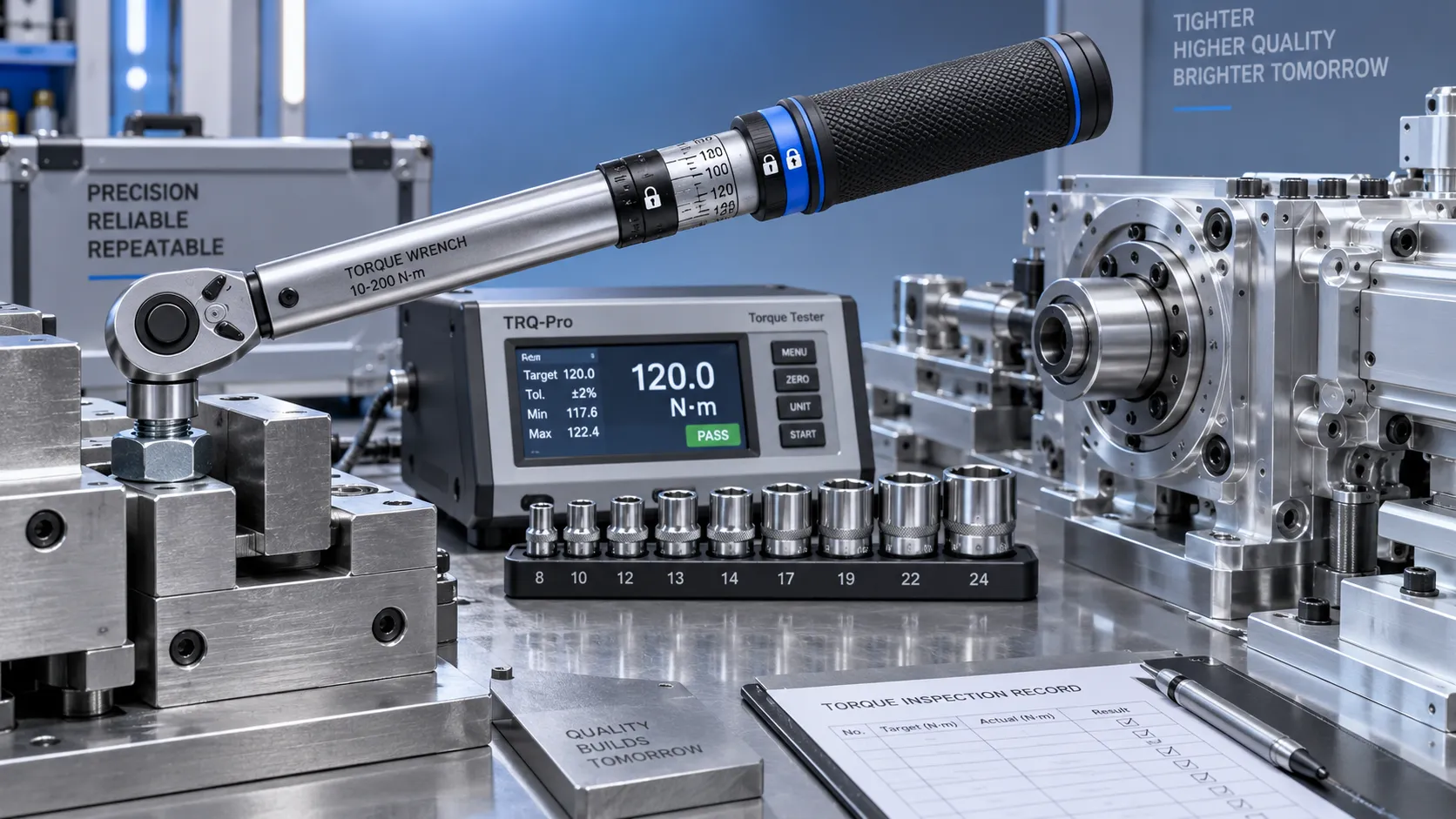
Selecting Adjustable Torque Tools for Repeatable Fastener Assembly
Adjustable torque tools: learn how to match range, accuracy, control methods, calibration, and ergonomics for repeatable, reliable fastener assembly.
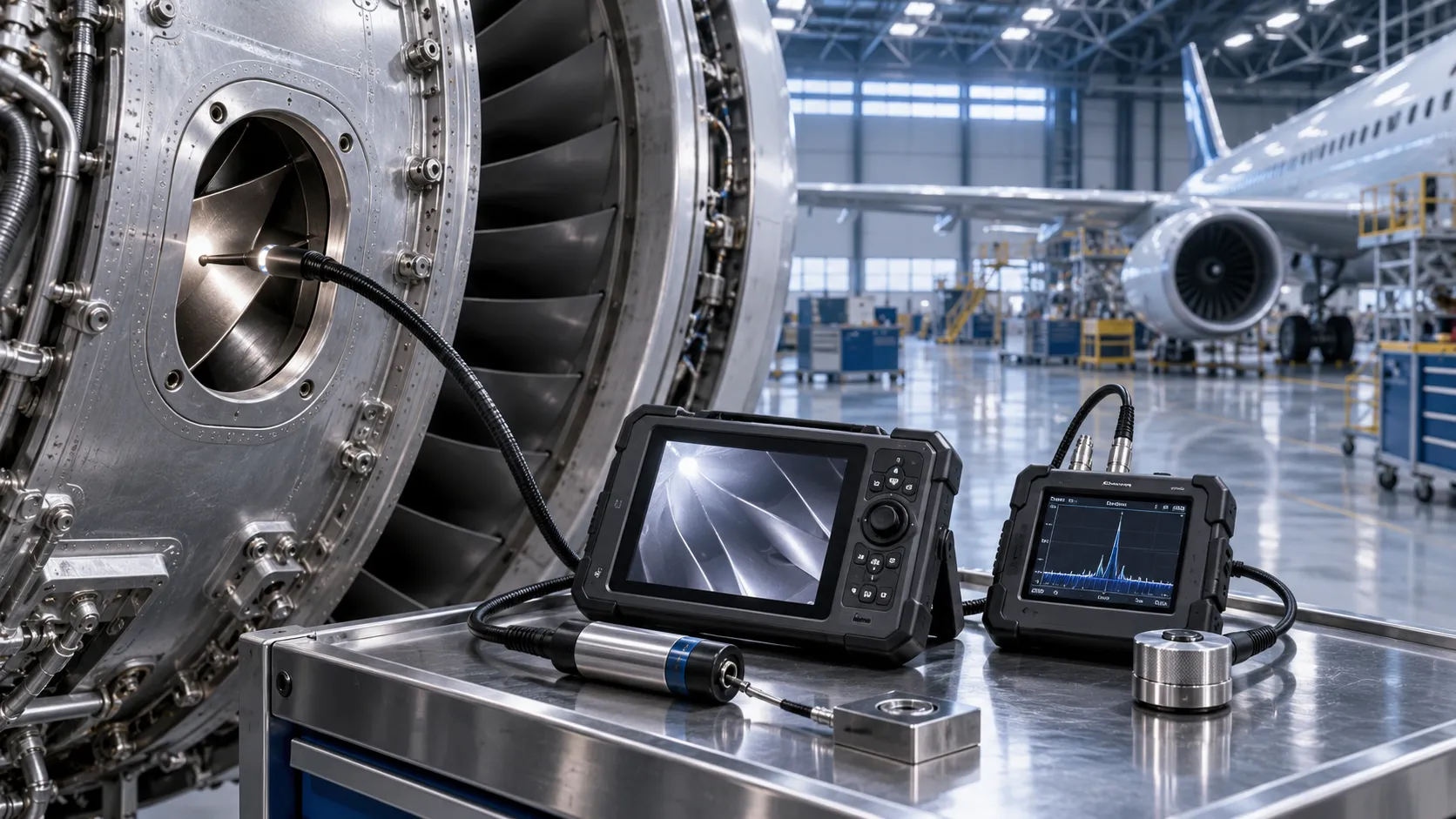
How to Select Aerospace Inspection Tools for Aircraft Maintenance Tasks
Aerospace maintenance inspection tools: learn how to select reliable, traceable equipment for aircraft access, accuracy, calibration, and compliant maintenance decisions.

How to Select Wire Bonding Tools for Fine-Pitch Semiconductor Packaging
Explore semiconductor manufacturing tools for wire bonding and learn how to select precision solutions for fine-pitch packaging, reliable loops, accuracy, and yield.
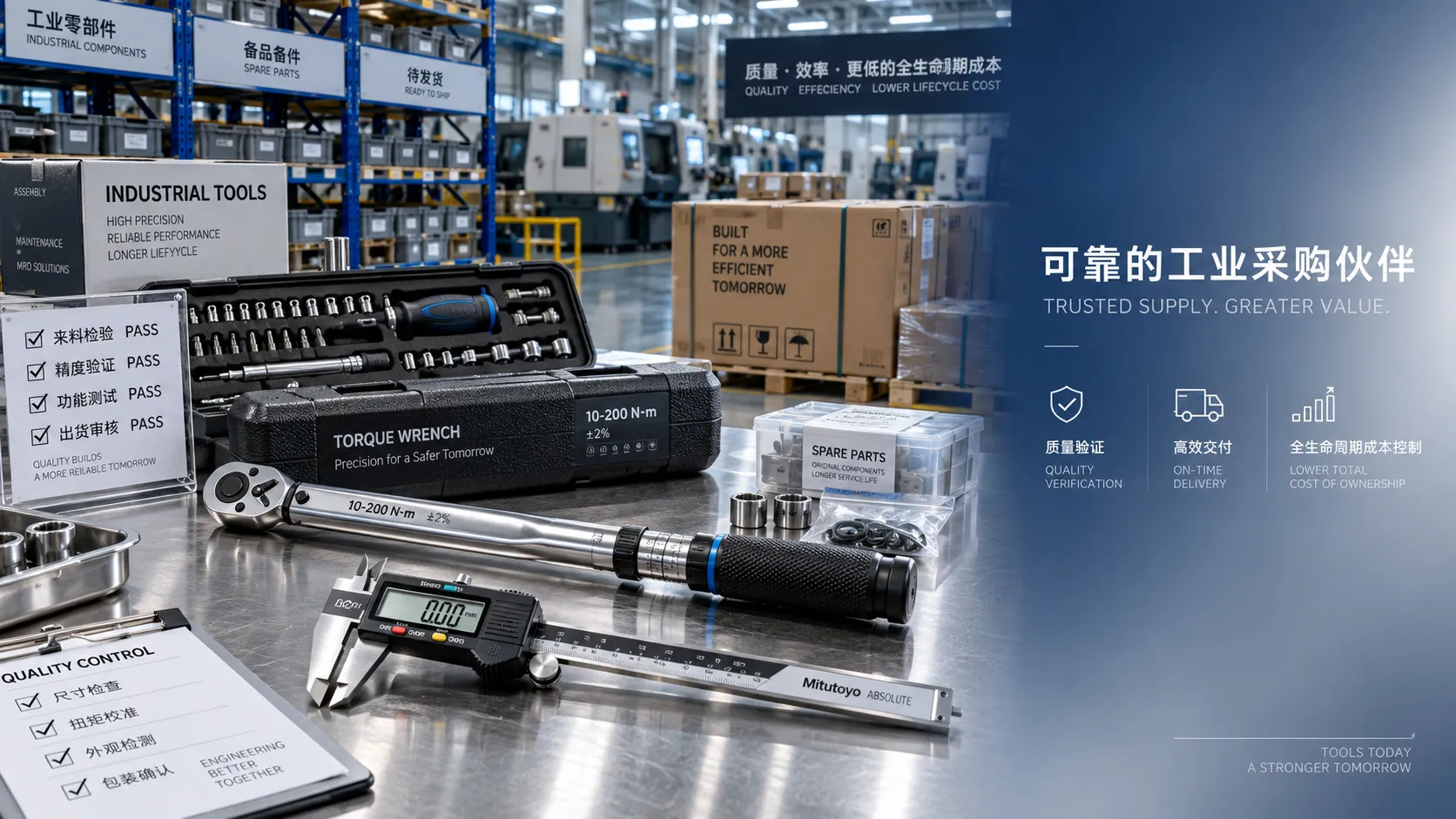
How to Compare Industrial Tool Suppliers for Quality, Lead Time, and Total Cost
Industrial tool selection supplier comparison made simple: evaluate quality, lead times, total cost, service, and supply resilience for confident sourcing decisions.
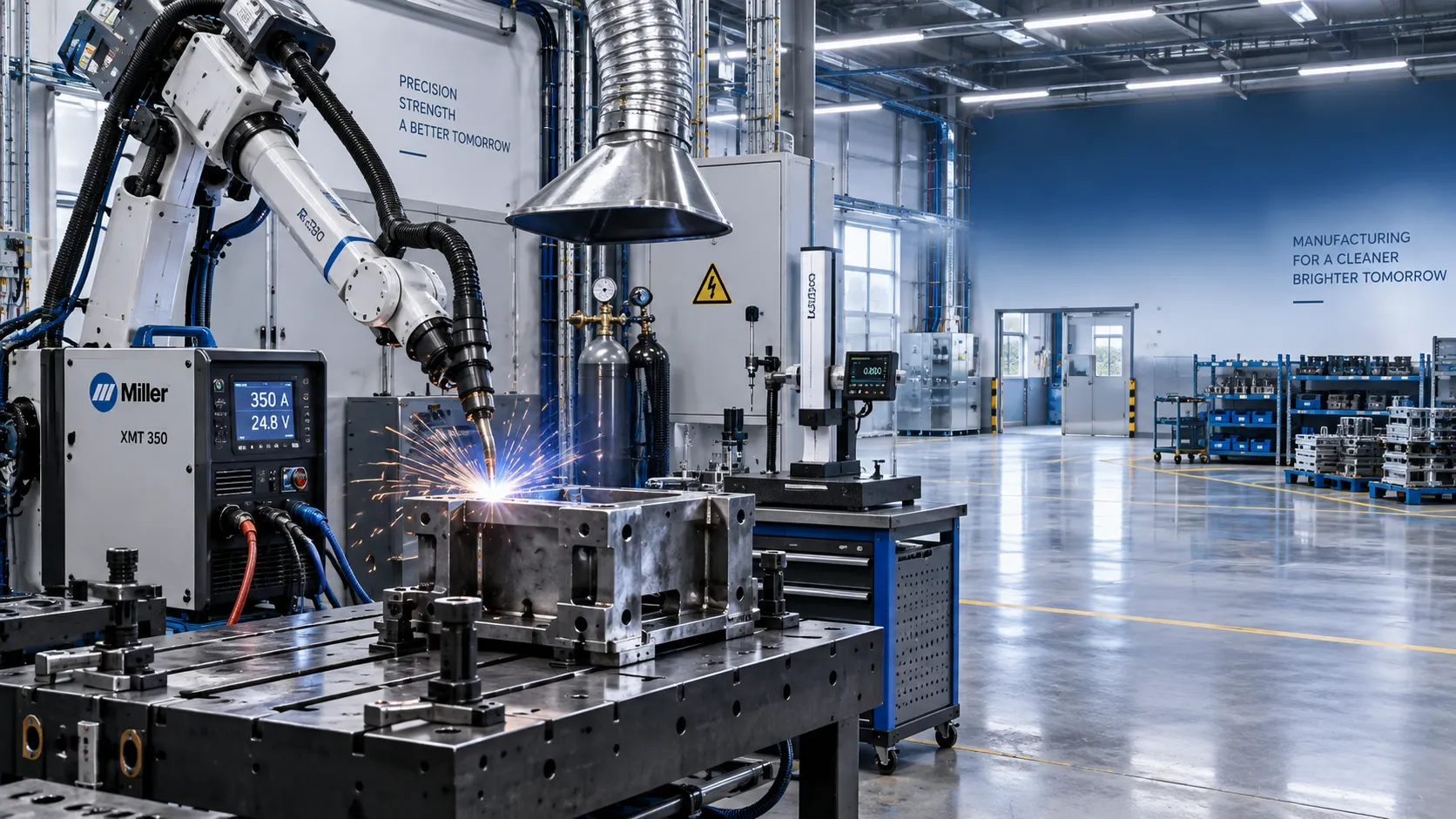
Industrial Equipment Application Guidance: Match Machines to Operating Conditions
Application guidance industrial equipment: match capacity, duty cycle, materials, site conditions, safety, and lifecycle cost to improve reliable output. Read the guide.
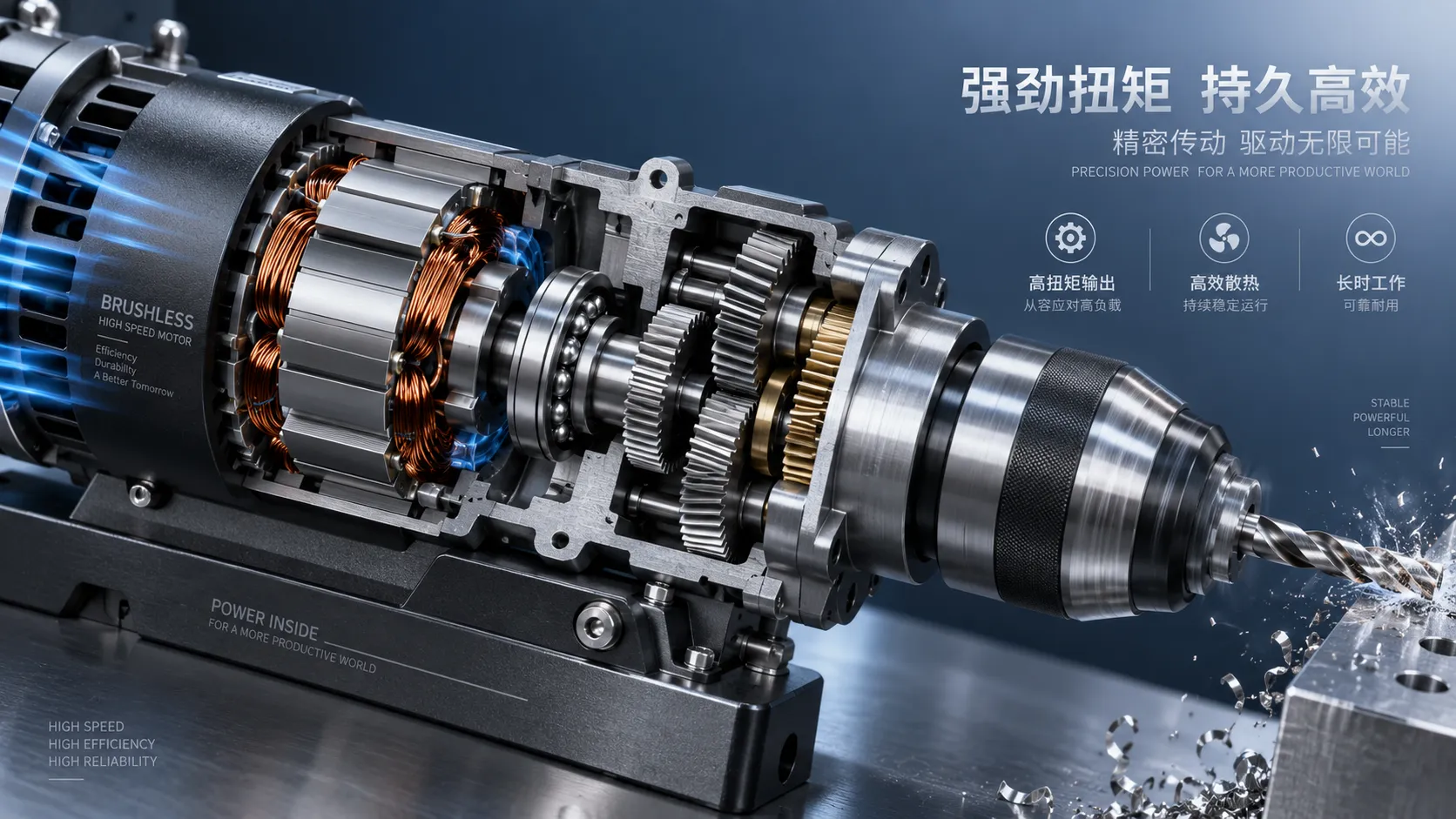
Selecting High-Speed Brushless Tool Motors for Torque, Heat, and Duty Cycle
High speed brushless tool motors: learn how to balance torque, heat, gearing, and duty cycle for reliable industrial tool performance and longer service life.
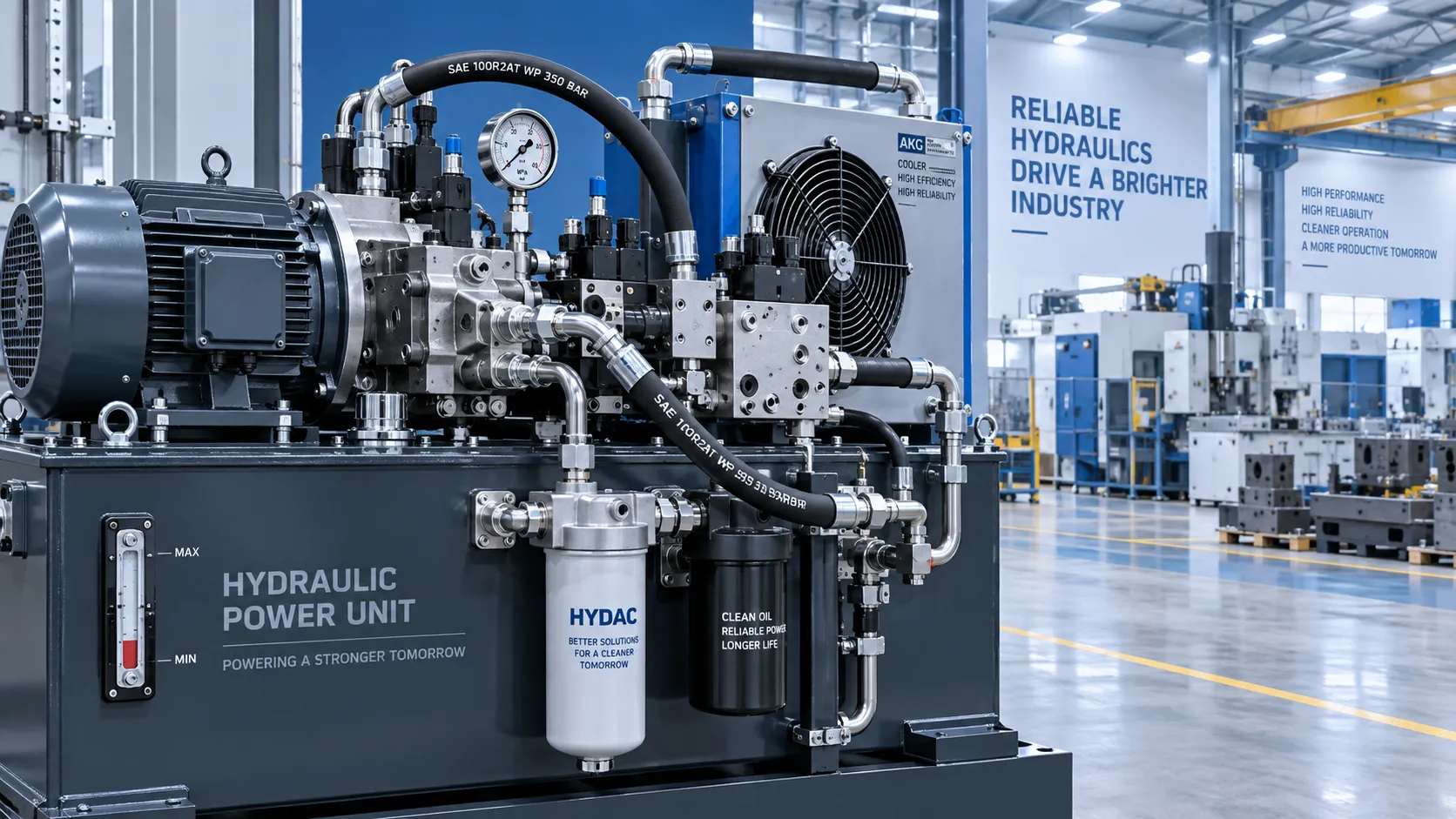
What Determines Industrial Hydraulic System Price for Heavy-Duty Equipment?
Industrial hydraulic system price depends on duty cycle, pressure, components, cooling, and integration. Compare quotes intelligently to secure reliable heavy-duty performance.
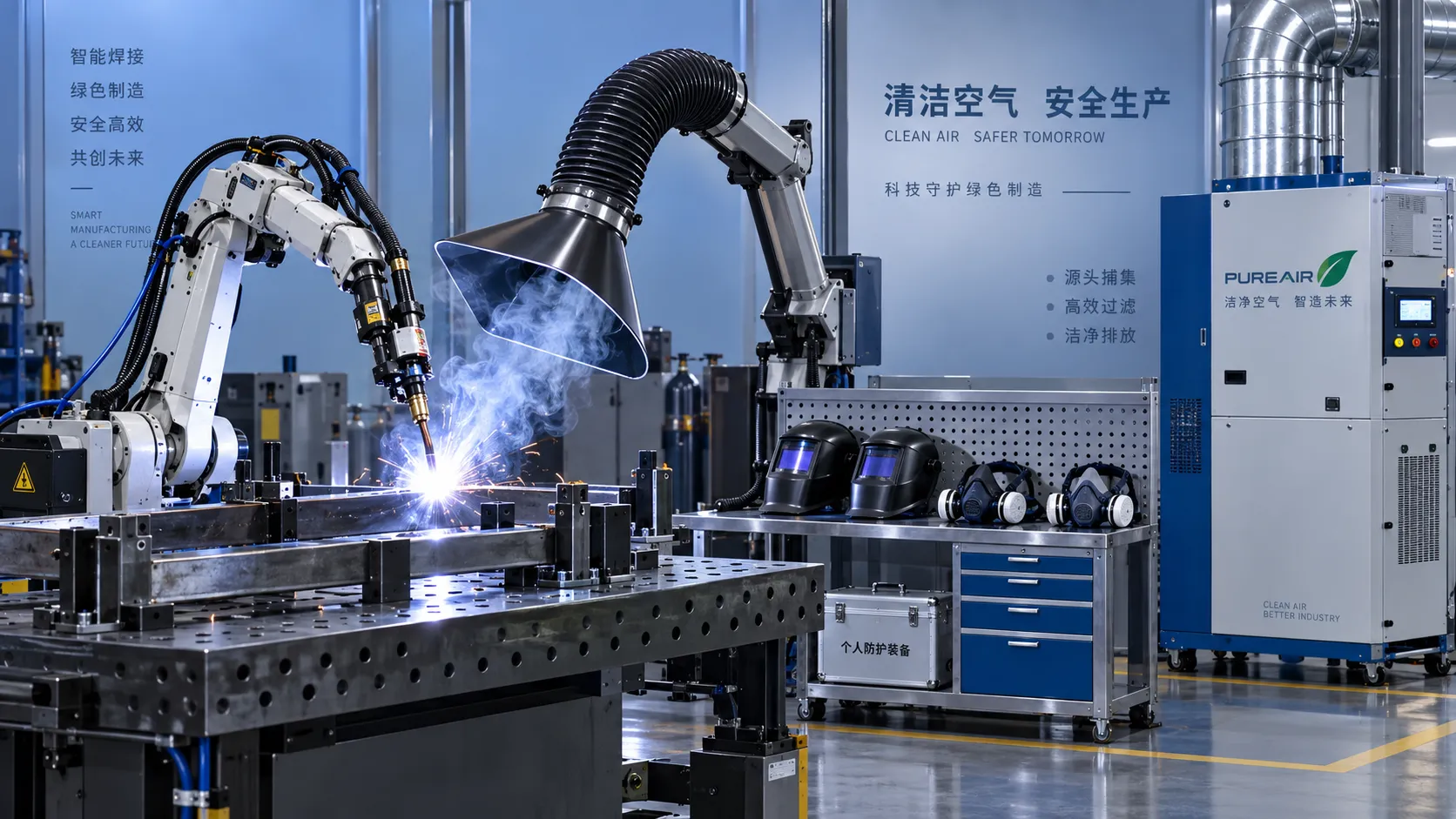
Welding Fume Extraction PPE: When Respirators Are Not Enough for Shop Safety
Welding fume extraction PPE: learn why respirators alone fall short and how source capture, ventilation, and layered controls improve shop safety.
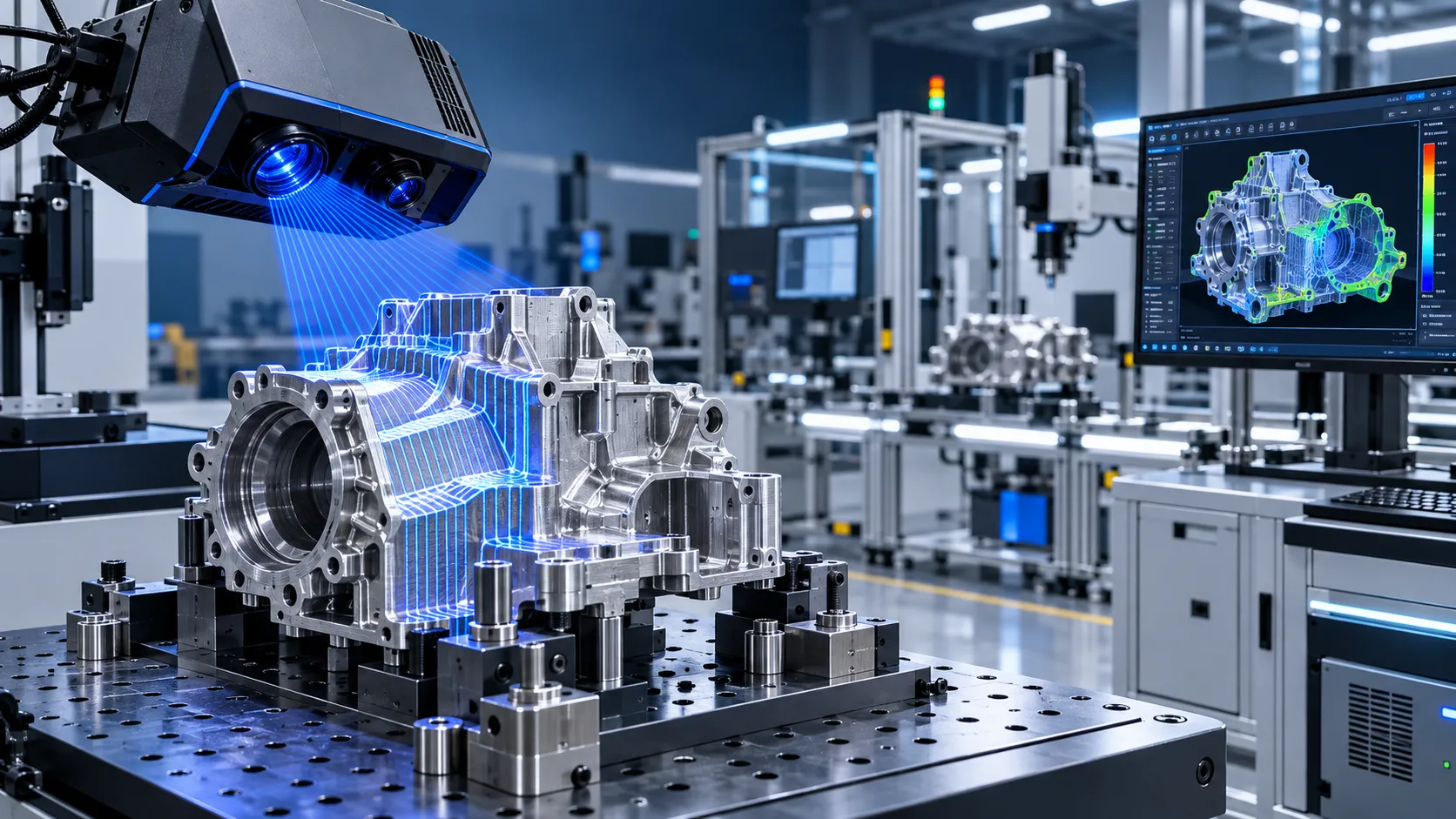
How to Select Optical Metrology Solutions for Tight-Tolerance Manufacturing
Optical industrial metrology solutions for tight-tolerance manufacturing: evaluate accuracy, surface compatibility, workflow, and traceability to select with confidence.
Related News
- 00
0000-00
How to Select Battery Assembly Tools for Torque Control and High-Volume Production - 00
0000-00
How Battery, Torque, and Duty Cycle Affect Cordless Power Tool Efficiency - 00
0000-00
How to Size High-Torque Tool Motors for Continuous-Duty Assembly Lines - 00
0000-00
How to Choose 24V Brushless Tool Motors for Torque, Runtime, and Duty Cycle? - 00
0000-00
Automotive Repair Tools List: What Every Workshop Needs for Daily Service Jobs
Electro-Mech Tool Designer
Weekly Insights
Stay ahead with our curated technology reports delivered every Monday.