
How to choose automotive tools without overspending





Choosing automotive tools on a tight budget is not about chasing the cheapest offer. It is about understanding where price, reliability, and workshop efficiency meet.
Across the broader industrial landscape, buying habits are changing. Buyers now compare lifecycle cost, safety compliance, repair frequency, and compatibility before selecting automotive tools.
This shift matters because poor tool choices create hidden losses. Downtime, rework, inaccurate fastening, and early replacement often cost far more than the original purchase price.
For sectors connected to assembly, maintenance, and precision service, smarter automotive tools selection supports stable operations without unnecessary overspending.
Budget pressure is changing how automotive tools are evaluated
The market for automotive tools is no longer driven only by brand reputation. Practical performance data now has greater influence on purchasing decisions.
Rising labor costs, tighter repair timelines, and higher expectations for accuracy push workshops to demand more value from every tool category.
At the same time, digital sales channels make price comparison easier. This transparency helps reduce waste, but it also increases the risk of buying tools that look similar yet perform differently.
In related industrial segments observed by GPTWM, this pattern is visible beyond vehicle service. Precision, ergonomics, and equipment uptime now shape buying logic across maintenance environments.
Key trend signals behind this shift
- More attention to total cost of ownership instead of sticker price.
- Greater demand for torque accuracy and repeatable performance.
- Faster replacement cycles for low-grade power and hand tools.
- Stronger preference for multi-use automotive tools that reduce inventory.
- Growing interest in battery platform compatibility and serviceability.
The main drivers behind smarter automotive tools spending
Overspending often starts with incomplete evaluation. A low initial quote can hide future costs in failures, delays, calibration issues, or operator fatigue.
The most important drivers can be understood clearly through a structured view.
Where overspending usually happens
- Buying full sets when only several automotive tools are used regularly.
- Paying premium pricing for features with little real workshop value.
- Ignoring maintenance and calibration needs.
- Mixing incompatible battery systems and accessories.
- Replacing durable tools too early due to poor tracking.
Tool demand is shifting from quantity to fit-for-purpose value
The strongest trend in automotive tools is not bigger inventories. It is better alignment between tool capability and actual maintenance tasks.
This means a smaller, better-chosen toolkit can outperform a larger, inconsistent collection. The right mix improves workflow, storage, and replacement planning.
How different business functions are affected
Operations benefit when automotive tools match task frequency. High-use items should receive stronger quality focus than occasional specialty tools.
Finance benefits from clearer category control. Spending becomes easier to forecast when tools are ranked by usage, criticality, and replacement cycle.
Technical teams benefit from standardization. Shared drive sizes, torque ranges, and charging platforms reduce confusion and lower accessory duplication.
Quality control benefits from dependable automotive tools in measurement and fastening. More consistent outcomes mean fewer errors, claims, and avoidable repairs.
Categories that deserve deeper evaluation
- Torque wrenches and torque-limiting tools
- Impact wrenches and cordless ratchets
- Jacks, stands, and lifting support equipment
- Diagnostic and electrical testing automotive tools
- Calipers, gauges, and precision measuring instruments
A practical framework helps choose automotive tools without waste
A clear decision framework prevents emotional buying. It also keeps premium spending focused on tools that truly influence efficiency or safety.
Step 1: separate essential tools from occasional tools
List every automotive tools category by weekly use. Daily-use tools usually deserve better materials, stronger warranties, and proven ergonomic design.
Low-frequency tools can often be bought at a mid-range level, provided safety and dimensional accuracy remain acceptable.
Step 2: compare lifecycle cost, not unit price
Ask how long the tool lasts, how often it fails, and whether spare parts are available. True value comes from years of dependable use.
Step 3: verify standards and construction quality
Check material grade, finish quality, torque tolerance, electrical protection, and relevant standards. Reliable automotive tools should have specifications that are measurable, not vague.
Step 4: test compatibility before expanding inventory
One battery family, one socket ecosystem, and one storage logic can cut hidden costs. Standardized automotive tools often save more than isolated bargains.
Step 5: track failure and replacement data
A simple log reveals which automotive tools justify an upgrade and which ones were overbought. Data improves future decisions quickly.
What deserves the most attention in the next buying cycle
Several priorities stand out as market conditions continue to change. These areas help control spending while supporting stable repair and maintenance performance.
- Prioritize automotive tools linked to safety, torque accuracy, and lifting stability.
- Reduce duplicate SKUs across hand tools and cordless systems.
- Review whether premium features actually shorten service time.
- Favor suppliers with transparent technical data and service support.
- Build a replacement plan based on usage intensity, not impulse buying.
The most effective response is disciplined selection, not extreme cost cutting
The best automotive tools strategy is selective investment. Spend more where failure is costly, and spend carefully where usage is limited.
This balanced approach reflects a wider industrial trend. Precision, service life, and interoperability are becoming more important than headline discounts.
To move forward, review current automotive tools by frequency, risk, and replacement history. Then remove duplication, standardize platforms, and upgrade only the categories that drive real operational value.
A disciplined tool review today can protect budgets, improve consistency, and create a more resilient maintenance operation tomorrow.
Related News
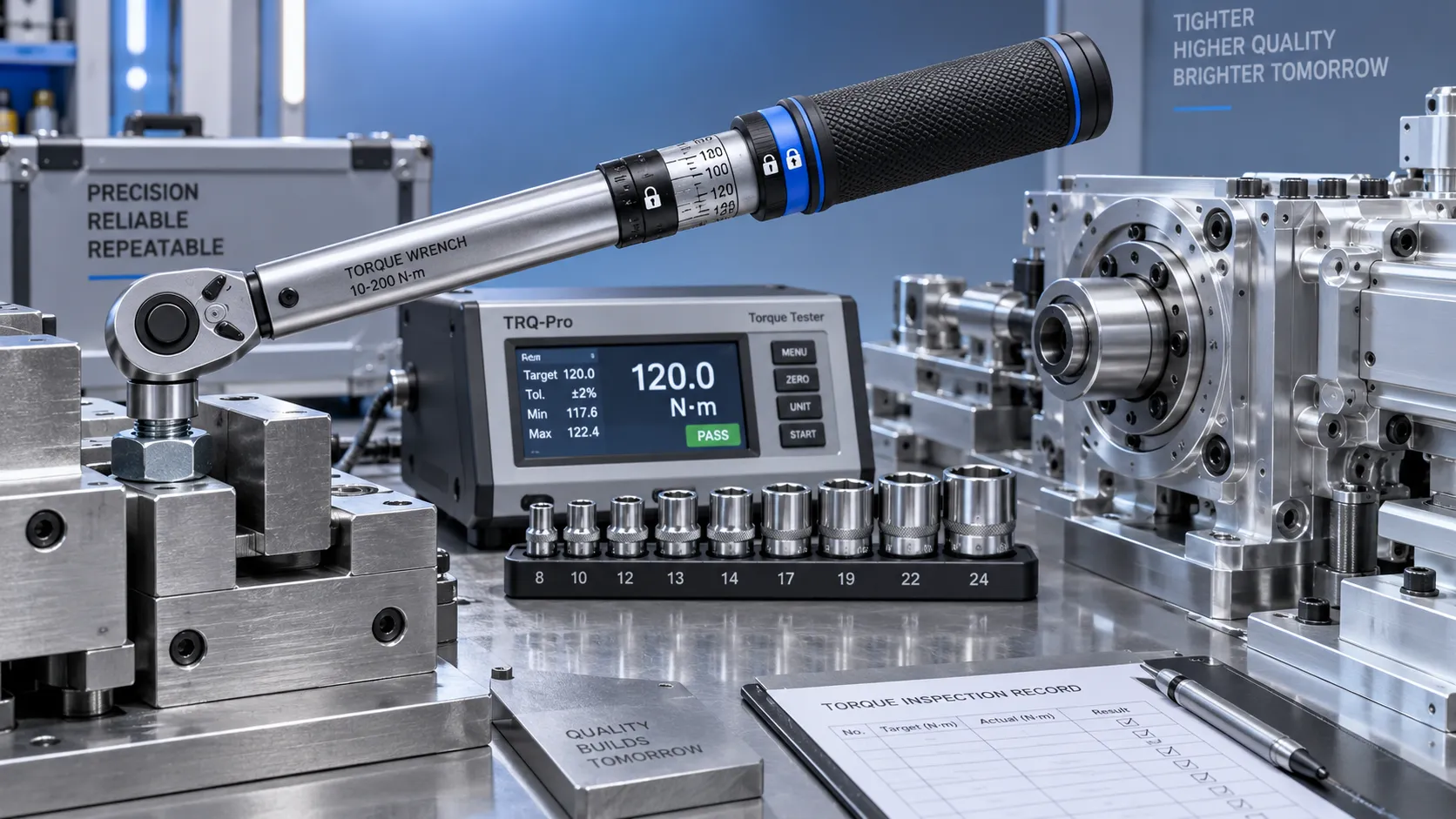
Selecting Adjustable Torque Tools for Repeatable Fastener Assembly
Adjustable torque tools: learn how to match range, accuracy, control methods, calibration, and ergonomics for repeatable, reliable fastener assembly.

How to Select Aerospace Inspection Tools for Aircraft Maintenance Tasks
Aerospace maintenance inspection tools: learn how to select reliable, traceable equipment for aircraft access, accuracy, calibration, and compliant maintenance decisions.

How to Select Wire Bonding Tools for Fine-Pitch Semiconductor Packaging
Explore semiconductor manufacturing tools for wire bonding and learn how to select precision solutions for fine-pitch packaging, reliable loops, accuracy, and yield.
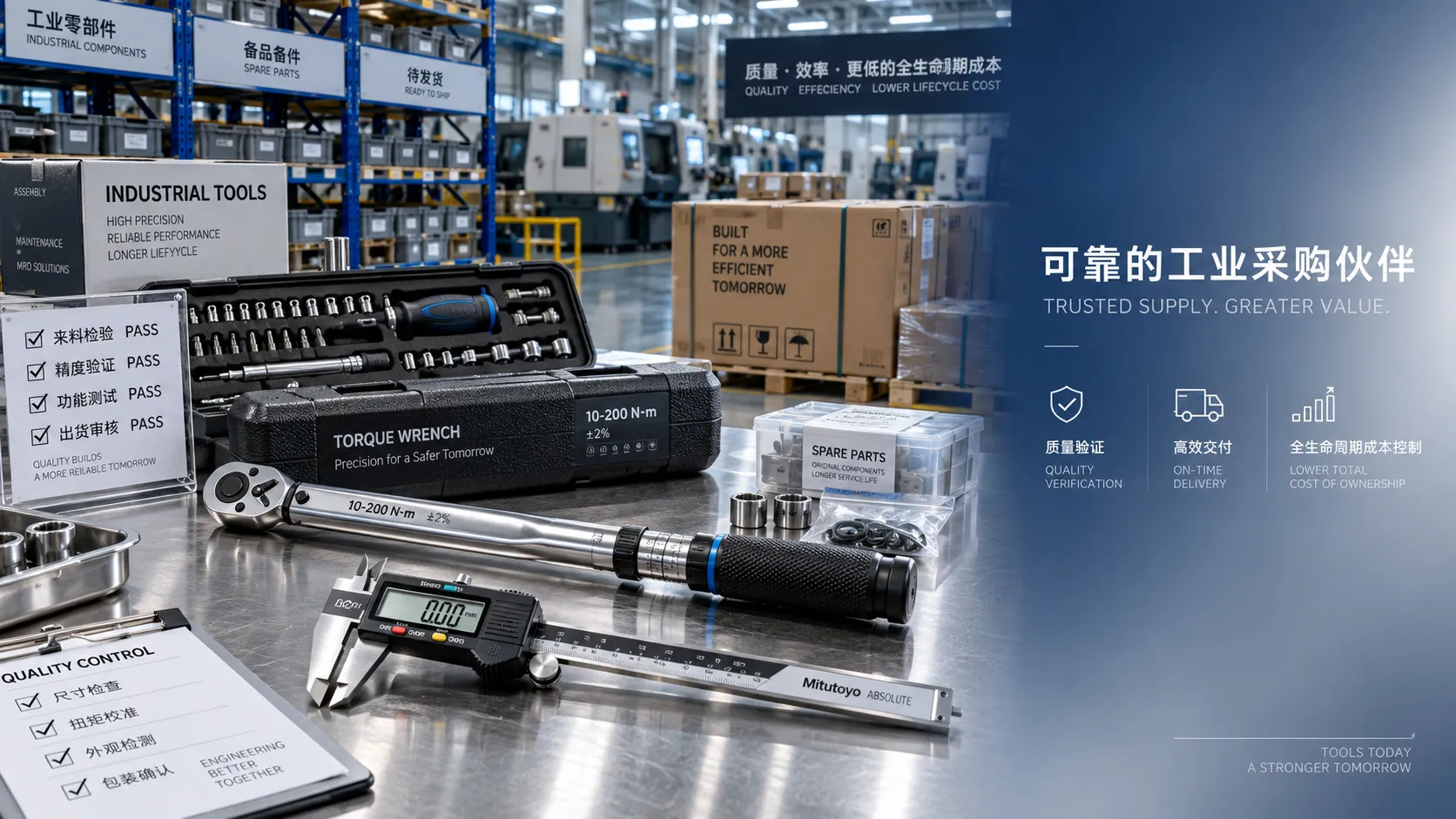
How to Compare Industrial Tool Suppliers for Quality, Lead Time, and Total Cost
Industrial tool selection supplier comparison made simple: evaluate quality, lead times, total cost, service, and supply resilience for confident sourcing decisions.
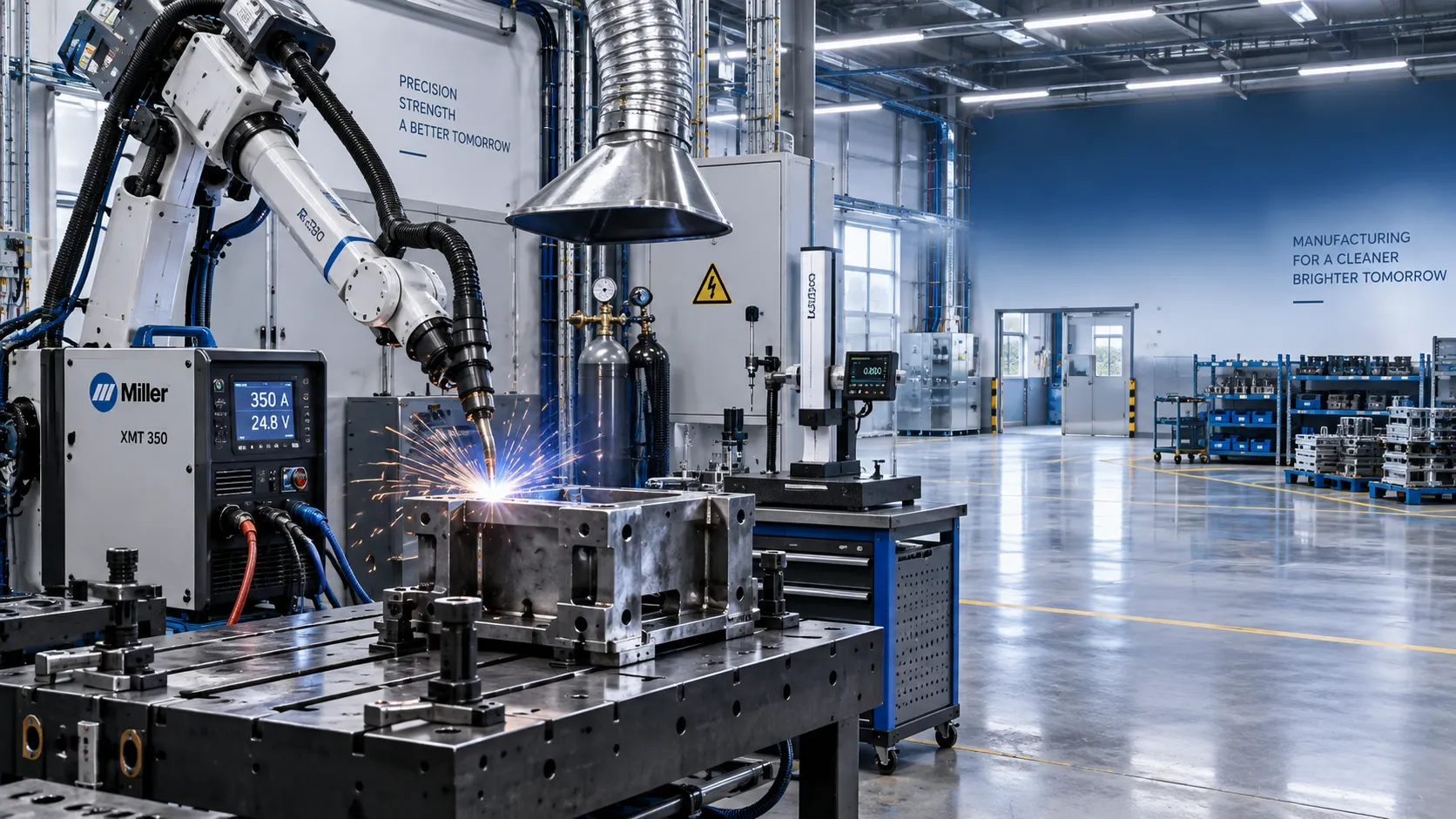
Industrial Equipment Application Guidance: Match Machines to Operating Conditions
Application guidance industrial equipment: match capacity, duty cycle, materials, site conditions, safety, and lifecycle cost to improve reliable output. Read the guide.
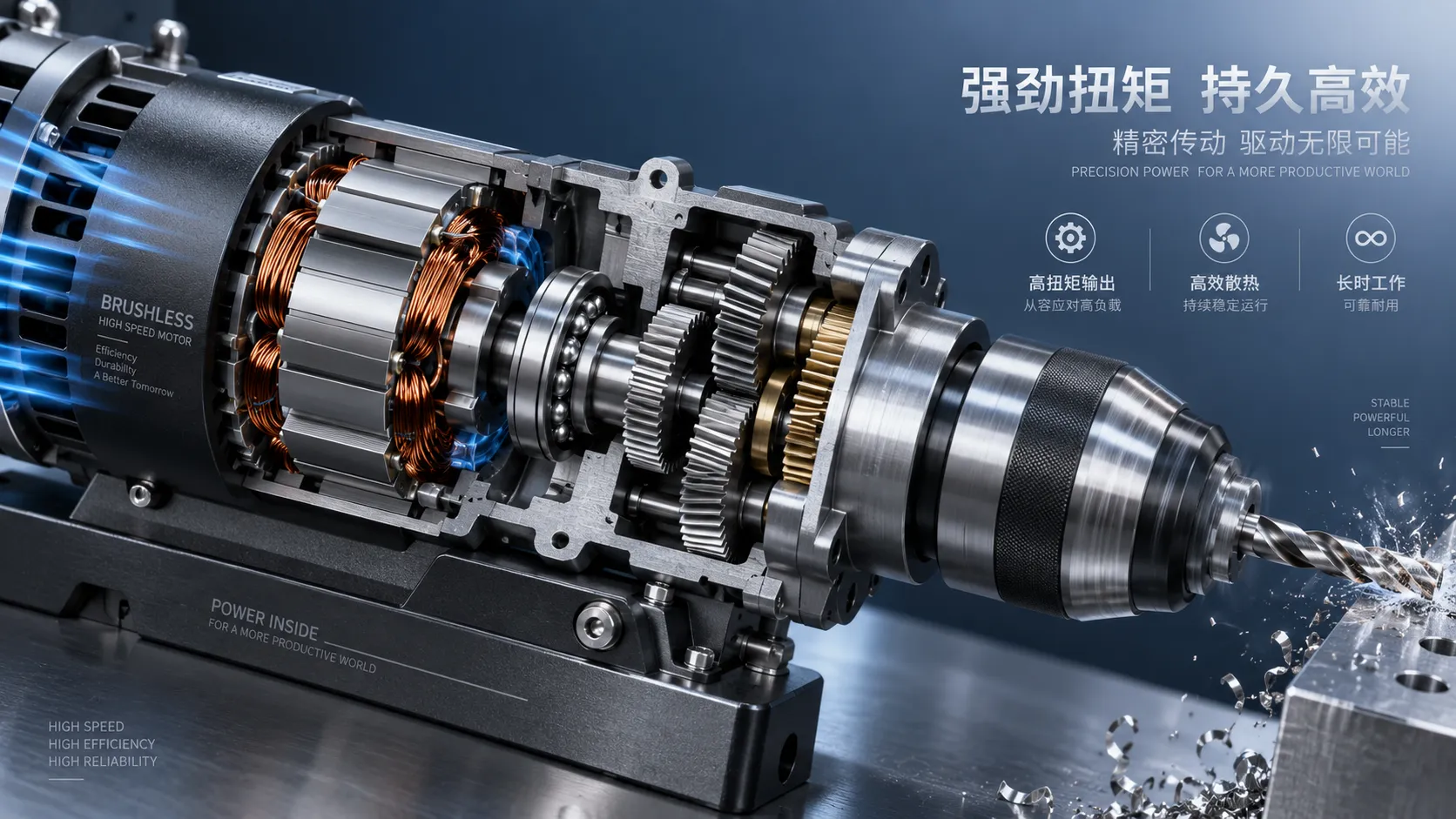
Selecting High-Speed Brushless Tool Motors for Torque, Heat, and Duty Cycle
High speed brushless tool motors: learn how to balance torque, heat, gearing, and duty cycle for reliable industrial tool performance and longer service life.
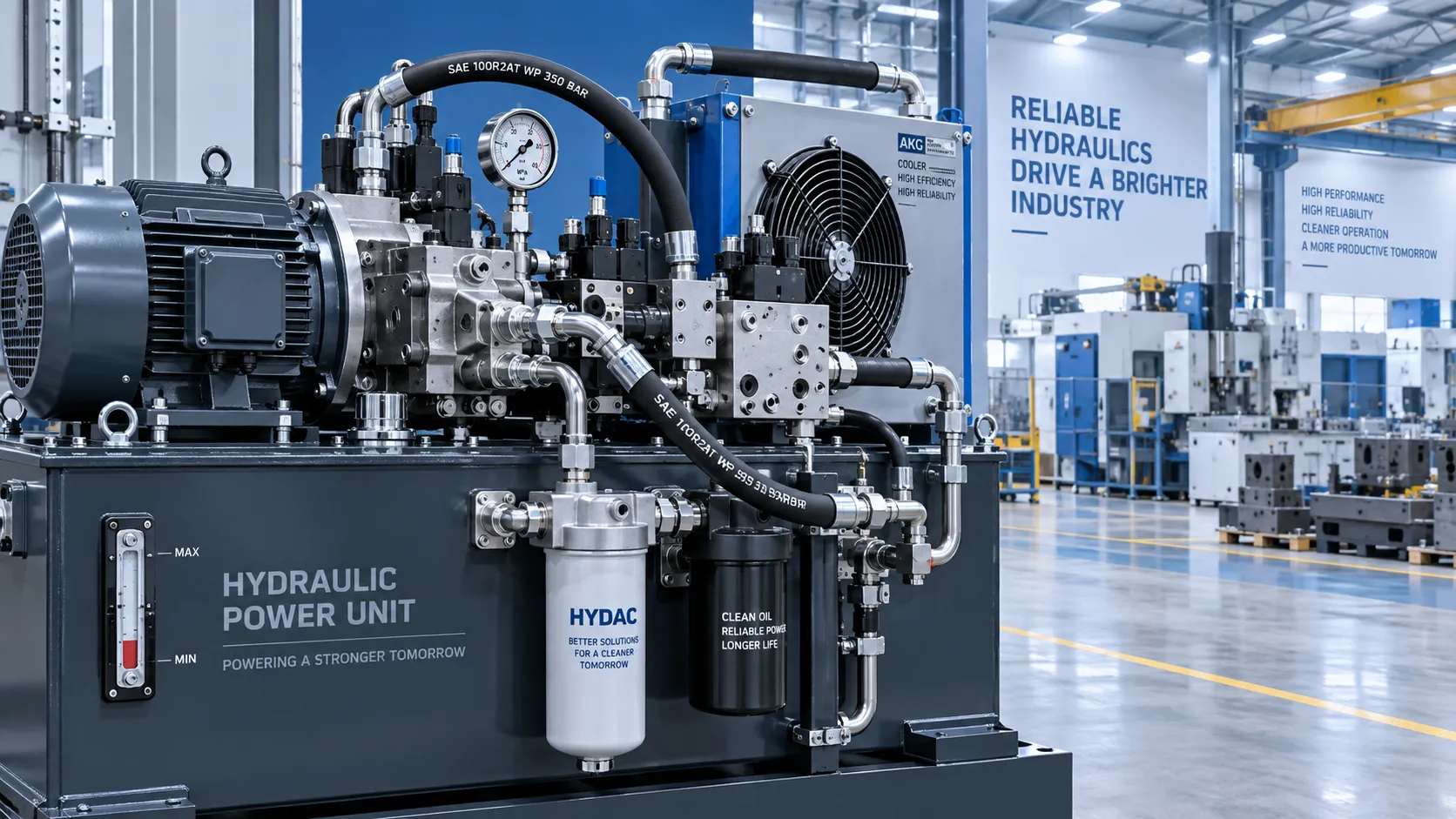
What Determines Industrial Hydraulic System Price for Heavy-Duty Equipment?
Industrial hydraulic system price depends on duty cycle, pressure, components, cooling, and integration. Compare quotes intelligently to secure reliable heavy-duty performance.

Welding Fume Extraction PPE: When Respirators Are Not Enough for Shop Safety
Welding fume extraction PPE: learn why respirators alone fall short and how source capture, ventilation, and layered controls improve shop safety.

How to Select Optical Metrology Solutions for Tight-Tolerance Manufacturing
Optical industrial metrology solutions for tight-tolerance manufacturing: evaluate accuracy, surface compatibility, workflow, and traceability to select with confidence.
Related News
- 00
0000-00
How to Select Battery Assembly Tools for Torque Control and High-Volume Production - 00
0000-00
How Battery, Torque, and Duty Cycle Affect Cordless Power Tool Efficiency - 00
0000-00
How to Size High-Torque Tool Motors for Continuous-Duty Assembly Lines - 00
0000-00
How to Choose 24V Brushless Tool Motors for Torque, Runtime, and Duty Cycle? - 00
0000-00
Automotive Repair Tools List: What Every Workshop Needs for Daily Service Jobs
Electro-Mech Tool Designer
Weekly Insights
Stay ahead with our curated technology reports delivered every Monday.