
Automotive Tools Buying Guide: Must-Have Categories for Repair Shops and Fleet Service





Automotive Tools Buying Guide: Must-Have Categories for Repair Shops and Fleet Service
Choosing the right automotive tools shapes workshop speed, repair quality, and long-term operating cost.
For repair shops and fleet service teams, every tool category affects uptime, safety, and labor efficiency.
That is why an automotive tools buying guide should focus on practical selection logic, not just product catalogs.
In real operations, the best automotive tools are not always the most expensive.
They are the tools that match vehicle mix, service volume, technician workflow, and compliance requirements.
Start With Workload, Vehicle Mix, and Service Scope
Before comparing brands, define what the shop actually services every week.
A passenger car workshop needs different automotive tools than a fleet center handling vans, pickups, and medium-duty trucks.
This also changes lifting capacity, diagnostic coverage, torque ranges, and storage demands.
A useful first step is to map jobs by frequency, revenue impact, and downtime risk.
- Routine maintenance: oil service, brakes, batteries, tire rotation, inspection.
- Mechanical repair: suspension, driveline, engine, cooling, steering.
- Electrical work: charging systems, sensors, wiring, starting faults.
- Fleet priorities: preventive service, quick turnaround, standardized procedures.
Once that picture is clear, automotive tools sourcing becomes more disciplined and easier to defend internally.
Core Automotive Tools Categories That Deserve Priority
1. Diagnostic Tools
Modern service begins with accurate fault detection.
Diagnostic automotive tools should cover OBD-II, OEM-level data, live stream analysis, and service reset functions.
For mixed fleets, software update support matters as much as hardware quality.
Pay attention to subscription costs, language support, and training availability.
Cheap scan tools often create hidden costs through misdiagnosis and repeat labor.
2. Lifting and Support Equipment
Vehicle access determines job speed.
A serious automotive tools plan should include two-post lifts, jacks, stands, transmission jacks, and wheel service support.
Capacity ratings must match the heaviest serviced units, with margin for future workload changes.
Certification, maintenance intervals, and spare parts access are critical buying factors here.
3. Torque Tools
Torque control is no longer optional.
Wheel fasteners, engine components, and suspension assemblies all depend on consistent tightening accuracy.
Good automotive tools in this category include click torque wrenches, digital torque devices, and torque angle systems.
Calibration intervals and traceability should be reviewed before supplier approval.
4. Hand Tools and Power Tools
This is still the daily backbone of workshop productivity.
Sockets, ratchets, pliers, pullers, impact wrenches, grinders, and cordless tools should be chosen as a system.
Battery platform compatibility can reduce charging clutter and lower replacement cost.
In high-volume bays, ergonomic grip design also matters more than many buyers expect.
5. Precision Measuring Tools
As vehicles become tighter in tolerances, measuring accuracy becomes a profit issue.
Essential automotive tools here include calipers, micrometers, dial indicators, feeler gauges, and alignment measuring devices.
These tools support reliable inspection, parts verification, and better warranty control.
6. Fluid Service and Specialty Equipment
Fluid handling often decides whether service lanes move smoothly or stall.
Brake bleeders, oil evacuation units, coolant exchangers, A/C service machines, and fuel pressure kits are high-value automotive tools.
If the business handles fleets, these categories usually deliver fast payback through repeat service volume.
How to Compare Suppliers Without Missing Hidden Risk
Buying automotive tools is also a supplier evaluation exercise.
The product may look competitive, but service gaps can erase value very quickly.
A practical supplier review should cover five areas.
- Technical fit: supported vehicle types, working ranges, and job compatibility.
- Durability: materials, motor quality, cycle life, and workshop resistance.
- After-sales support: warranty terms, spare parts, calibration, and repair response.
- Compliance: CE, ANSI, ISO references, safety documentation, and traceability.
- Total cost: purchase price, consumables, software fees, downtime risk, and replacement frequency.
From recent market shifts, spare parts lead time has become a much stronger decision factor.
That is especially true for automotive tools tied to electronics, lifting systems, and digital torque control.
Look Beyond Price and Focus on Total Cost of Ownership
Price pressure is real, but unit cost alone gives a weak picture.
When comparing automotive tools, total cost of ownership usually reveals the better decision.
A lower-priced impact wrench that fails early is more expensive than a durable mid-range option.
The same applies to diagnostics with recurring license fees or torque tools needing frequent recalibration.
This framework helps automotive tools buyers explain decisions using operational logic instead of price alone.
Standardization Improves Speed Across Multi-Bay and Fleet Operations
A more visible trend is tool standardization across technicians and locations.
Standard automotive tools reduce training time, simplify inventory, and improve repair consistency.
Fleet service teams benefit even more because job procedures repeat at scale.
In practice, standardization works best when buyers define approved tool lists by task category.
- Tier 1: mandatory automotive tools for every technician bay.
- Tier 2: shared specialty tools for diagnostics and complex repair.
- Tier 3: advanced tools reserved for high-skill or low-frequency jobs.
That structure keeps capital spending under control while maintaining service readiness.
Questions to Ask Before Final Approval
A short approval checklist can prevent expensive mistakes.
- Will these automotive tools support current jobs and expected vehicle changes?
- Can technicians use them quickly without major retraining?
- Are calibration, software, and spare parts support clearly defined?
- Do warranty terms match real workshop usage intensity?
- Can the supplier provide references from similar repair or fleet environments?
- What failure mode would create the highest downtime risk?
These questions keep automotive tools evaluation practical and tied to business performance.
They also make supplier discussions more transparent and easier to compare across bids.
Final Takeaway
The right automotive tools portfolio should support fast diagnostics, safe lifting, precise torque, dependable measurement, and repeatable service quality.
For repair shops and fleet service operations, the smartest buying decisions come from matching tool categories to actual workflow risk.
That means balancing price with uptime, support, calibration, and long-term usability.
A disciplined automotive tools buying guide is really a framework for better service capacity.
Use that framework to shortlist suppliers, standardize key categories, and invest where efficiency gains are easiest to capture.
Related News
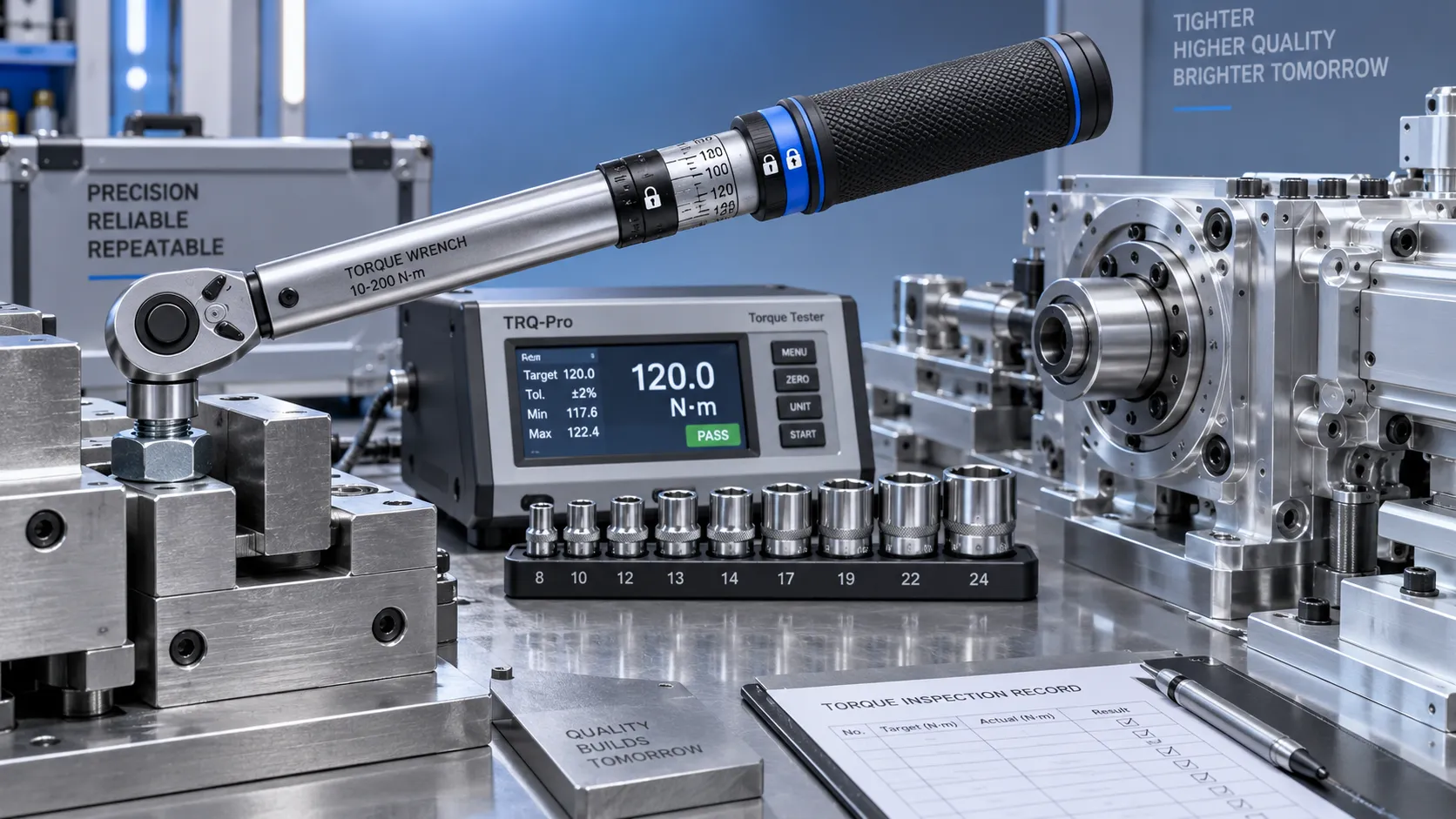
Selecting Adjustable Torque Tools for Repeatable Fastener Assembly
Adjustable torque tools: learn how to match range, accuracy, control methods, calibration, and ergonomics for repeatable, reliable fastener assembly.

How to Select Aerospace Inspection Tools for Aircraft Maintenance Tasks
Aerospace maintenance inspection tools: learn how to select reliable, traceable equipment for aircraft access, accuracy, calibration, and compliant maintenance decisions.

How to Select Wire Bonding Tools for Fine-Pitch Semiconductor Packaging
Explore semiconductor manufacturing tools for wire bonding and learn how to select precision solutions for fine-pitch packaging, reliable loops, accuracy, and yield.
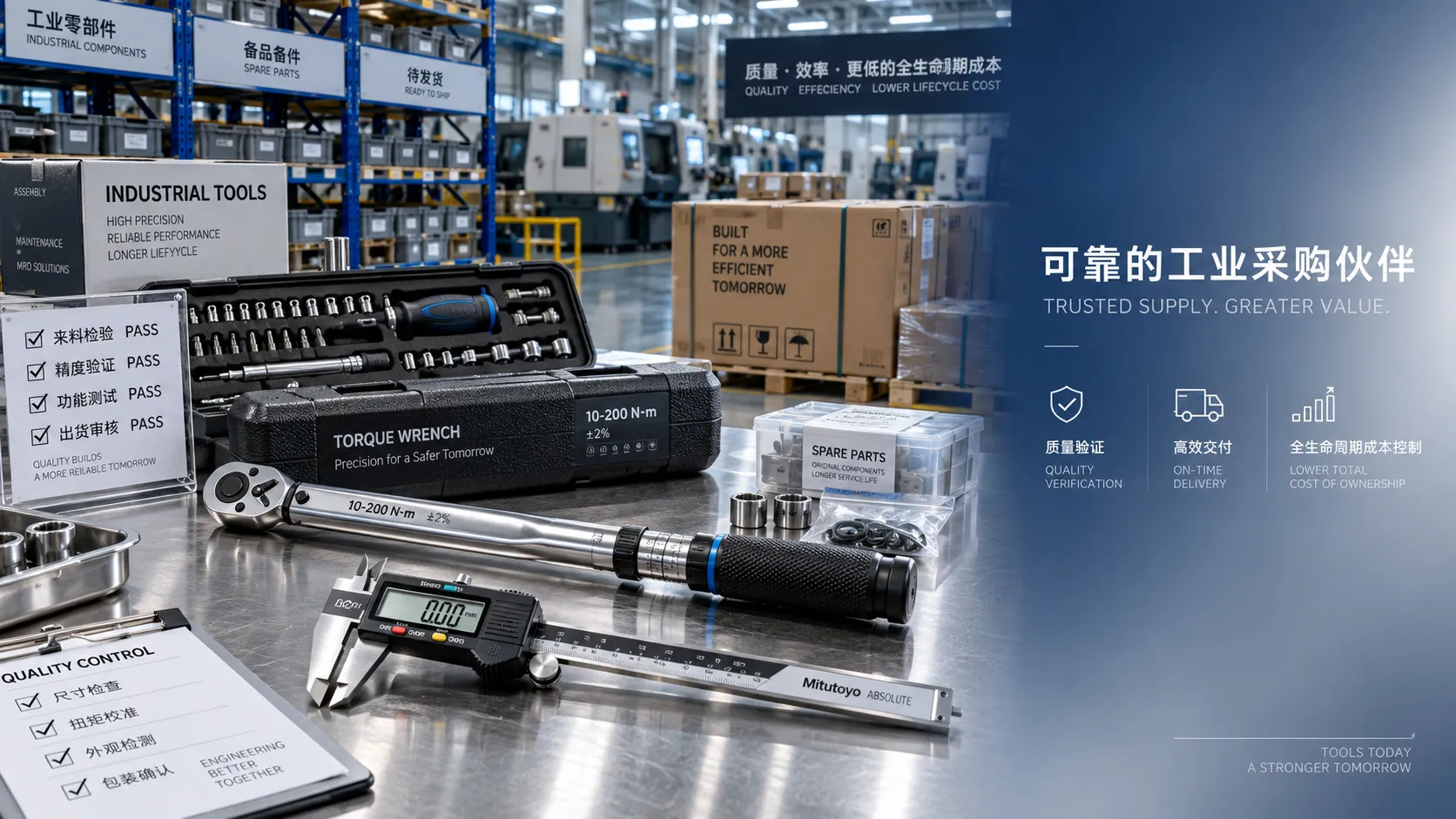
How to Compare Industrial Tool Suppliers for Quality, Lead Time, and Total Cost
Industrial tool selection supplier comparison made simple: evaluate quality, lead times, total cost, service, and supply resilience for confident sourcing decisions.

Industrial Equipment Application Guidance: Match Machines to Operating Conditions
Application guidance industrial equipment: match capacity, duty cycle, materials, site conditions, safety, and lifecycle cost to improve reliable output. Read the guide.
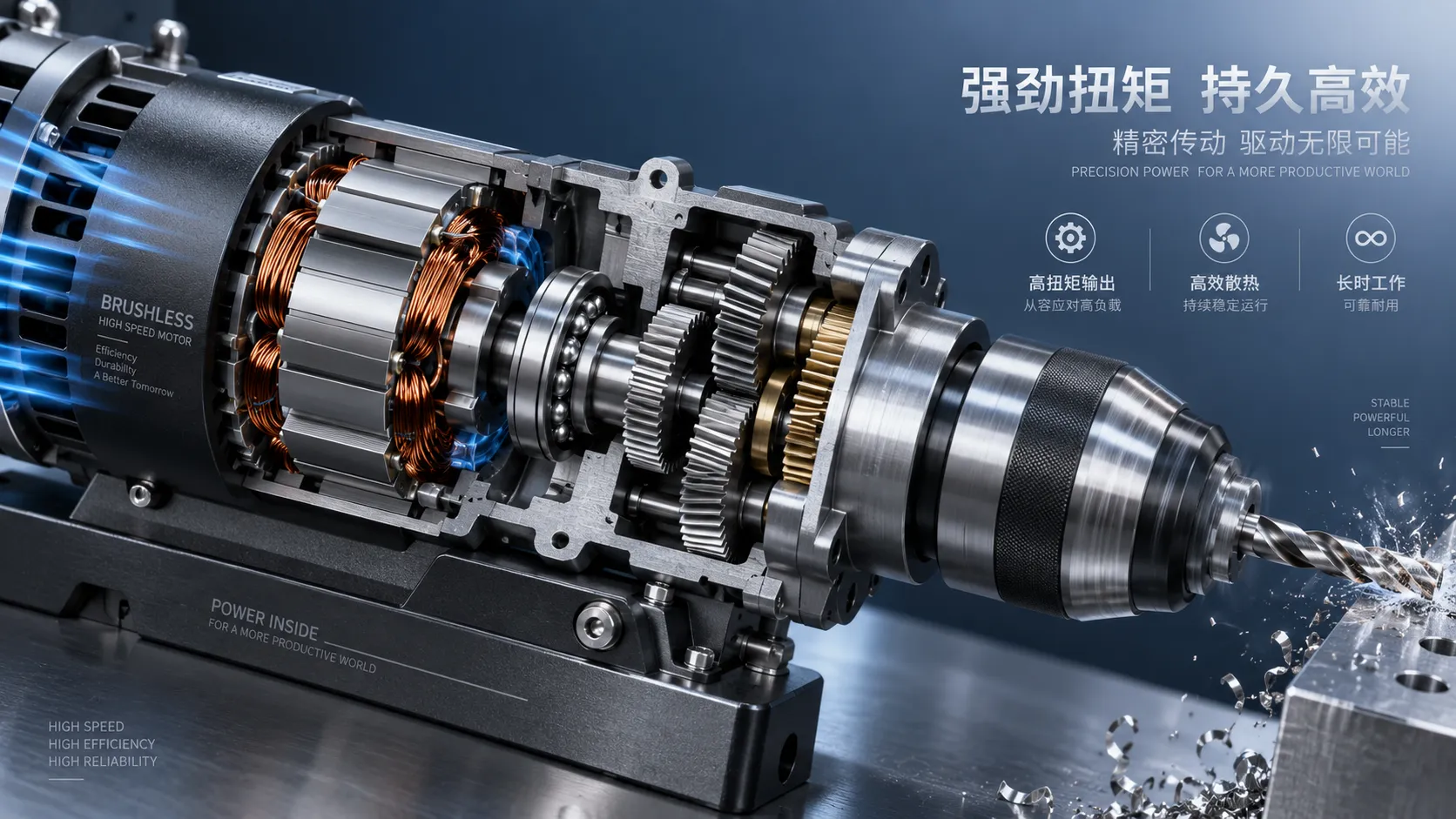
Selecting High-Speed Brushless Tool Motors for Torque, Heat, and Duty Cycle
High speed brushless tool motors: learn how to balance torque, heat, gearing, and duty cycle for reliable industrial tool performance and longer service life.
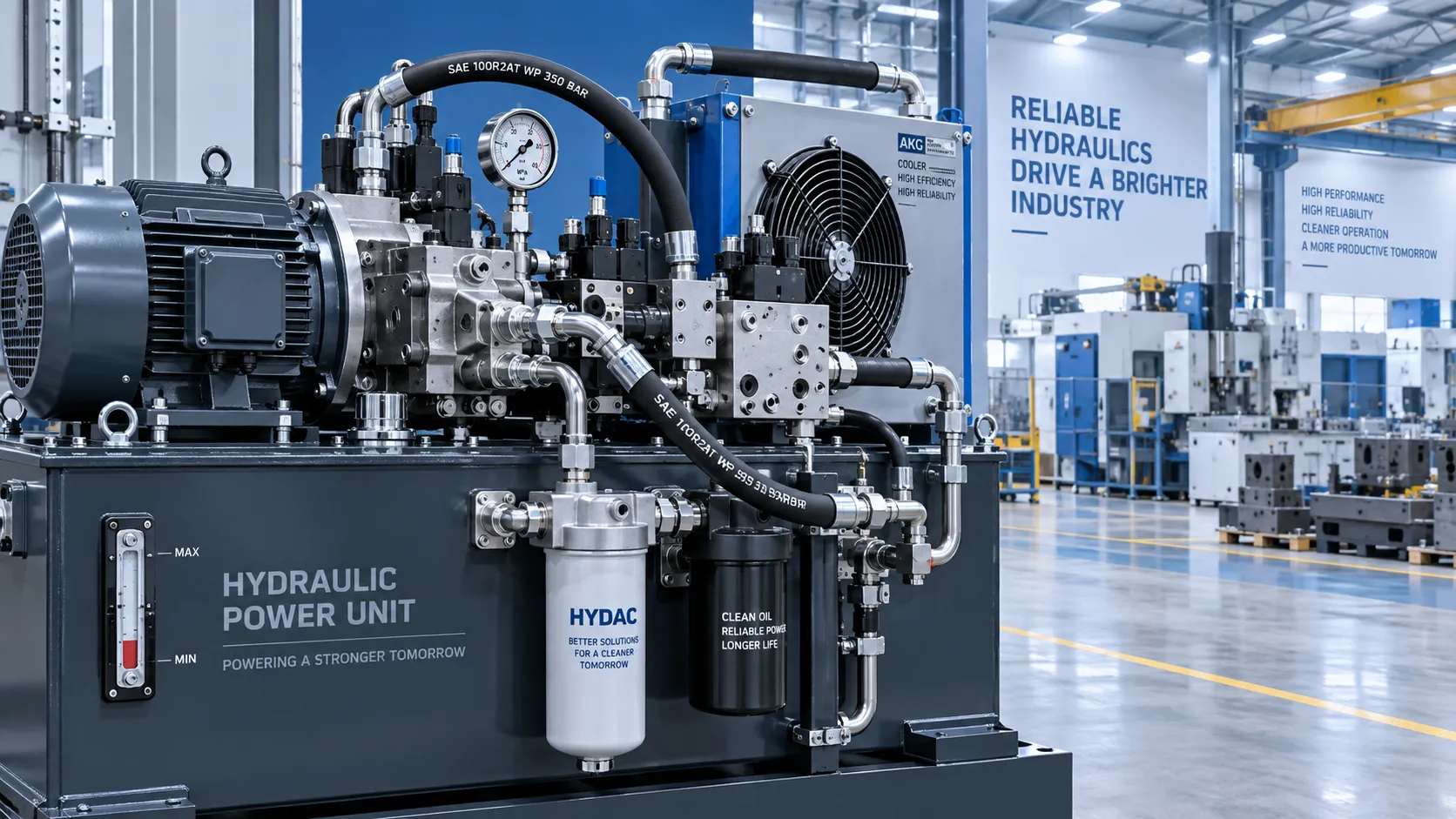
What Determines Industrial Hydraulic System Price for Heavy-Duty Equipment?
Industrial hydraulic system price depends on duty cycle, pressure, components, cooling, and integration. Compare quotes intelligently to secure reliable heavy-duty performance.

Welding Fume Extraction PPE: When Respirators Are Not Enough for Shop Safety
Welding fume extraction PPE: learn why respirators alone fall short and how source capture, ventilation, and layered controls improve shop safety.

How to Select Optical Metrology Solutions for Tight-Tolerance Manufacturing
Optical industrial metrology solutions for tight-tolerance manufacturing: evaluate accuracy, surface compatibility, workflow, and traceability to select with confidence.
Related News
- 00
0000-00
Planning Access, Material Flow, and Clearance Around a 3200mm Sliding Saw - 00
0000-00
How to Select Vernier Precision Calipers for Tight-Tolerance Machining Inspection - 00
0000-00
How to Choose Metalworking Tools for Sheet Metal by Thickness and Forming Tasks - 00
0000-00
Metrology Technology Europe: Which Systems Improve Inspection Accuracy on the Line? - 00
0000-00
How to Choose Precision Measuring Instruments in North America for Tighter Tolerance Work
Metrology Fellow
Weekly Insights
Stay ahead with our curated technology reports delivered every Monday.