
Precision Metrology Solutions for Quality Control: Key Criteria for Accuracy, Repeatability, and ROI





Precision Metrology Solutions for Quality Control: Key Criteria for Accuracy, Repeatability, and ROI
In modern manufacturing, precision metrology solutions quality control depends on more than tight tolerances alone. It requires dependable accuracy, repeatability, traceable data, and a clear business case.
When inspection systems are selected poorly, problems spread fast. Scrap rises, audits become stressful, operators lose confidence, and process drift stays hidden until costs are already high.
That is why precision metrology solutions quality control has become a strategic decision, not just a tooling purchase. The right system protects product performance, production stability, and long-term profitability.
Across automotive, aerospace, fabrication, electronics, and heavy equipment, the same question keeps coming up: which metrology setup delivers reliable results without slowing operations or inflating costs?
Why Precision Metrology Matters More Than Ever
Recent manufacturing shifts make this issue more urgent. Tolerances are getting tighter, product designs are lighter, and customer expectations around traceability are rising.
At the same time, many plants face workforce turnover and mixed automation levels. That combination increases variation unless measurement systems are stable, simple, and well controlled.
For quality control, precision metrology solutions quality control supports three linked goals:
- Detect defects before they move downstream.
- Confirm compliance with drawings, standards, and customer requirements.
- Provide process data that helps reduce variation over time.
For safety and operational management, strong metrology also lowers hidden risk. Bad measurements can trigger incorrect adjustments, unnecessary rework, or acceptance of unsafe parts.
Start With the Core Performance Criteria
Not every measuring device is a precision metrology system. A useful evaluation starts with the performance traits that directly affect production decisions.
1. Accuracy
Accuracy is how close the measured value is to the true value. It matters most when inspection results drive acceptance, rejection, or machine correction.
Ask practical questions. What is the stated measurement uncertainty? Was it validated under real operating conditions? Is it traceable to recognized calibration standards?
A device can look precise on paper yet fail in a warm, vibrating, dusty production area. That is where true precision metrology solutions quality control must prove itself.
2. Repeatability
Repeatability shows whether the same part measured several times gives the same result. Without repeatability, trend analysis and process control become unreliable.
This is especially important with handheld systems, manual gauges, and multi-shift operations. Operator skill, fixturing quality, and surface condition can all affect repeatability.
Gauge R&R studies remain essential here. If the measurement system consumes too much of the tolerance band, inspection decisions will always be vulnerable.
3. Resolution and Sensitivity
Resolution is not the same as accuracy, but it still matters. A system must detect meaningful variation early enough to support corrective action.
For example, if the process drifts by a few microns, the instrument must show that shift clearly. Otherwise, quality control reacts too late.
Match the Technology to the Actual Inspection Task
One common mistake is buying advanced equipment without checking process fit. Precision metrology solutions quality control works best when technology matches the part, environment, and inspection objective.
In practical terms, selection usually comes down to several categories:
- Calipers and micrometers for quick dimensional checks and routine shop-floor verification.
- Height gauges and comparators for controlled bench inspection.
- CMM systems for complex geometry and high-accuracy dimensional analysis.
- Optical and vision systems for fast, non-contact measurement.
- Laser scanners and portable arms for large parts and field applications.
Each option has strengths and tradeoffs. Contact systems can deliver high confidence but may be slower. Non-contact tools are faster but can be sensitive to reflectivity or surface finish.
The better signal is simple: choose the least complicated system that still meets capability, speed, and traceability requirements.
Environmental Stability Is a Quality Variable
Many measurement errors do not come from the instrument alone. They come from temperature swings, vibration, contamination, poor lighting, or unstable part positioning.
That means precision metrology solutions quality control must be reviewed as a system, not as a device. The surrounding conditions are part of the measurement result.
A sound evaluation includes:
- Ambient temperature control and compensation methods.
- Vibration isolation for sensitive equipment.
- Cleanliness standards for probes, optics, and work surfaces.
- Reliable fixturing that minimizes operator influence.
- Maintenance schedules that prevent unnoticed drift.
In real operations, these factors often explain more variation than the instrument brand itself. That is why setup discipline matters so much.
Standards, Calibration, and Data Integrity
Technical performance is only part of the picture. Precision metrology solutions quality control must also support audits, customer documentation, and internal quality systems.
Calibration traceability is the first checkpoint. Instruments should link to recognized standards, with intervals based on risk, usage, and environmental exposure.
The second checkpoint is data integrity. Manual transcription creates avoidable errors. Digital capture, automated reporting, and secure record storage reduce that risk significantly.
This is where connected systems are gaining ground. Metrology platforms linked to SPC, MES, or quality software make trend visibility much stronger.
Useful compliance references may include ISO 9001, ISO 17025, IATF 16949, AS9100, and customer-specific inspection protocols, depending on the sector.
The broader point is clear: a measurement result must be trusted technically and documented properly. One without the other is not enough.
How to Evaluate ROI Without Oversimplifying
Many buying decisions fail because ROI is calculated too narrowly. Price matters, but the real economics of precision metrology solutions quality control are broader.
A better ROI review includes direct and indirect gains:
More advanced systems can cost more upfront, yet still return value faster. That usually happens when defect risk, part complexity, or customer scrutiny is already high.
On the other hand, overspecifying the system can weaken ROI. Buying laboratory capability for a simple in-process check often creates cost without equivalent value.
A Practical Selection Framework
In day-to-day decision-making, a structured review helps separate useful features from marketing noise. The following sequence keeps the process grounded.
- Define the critical characteristics that affect product function, safety, or compliance.
- Map tolerance ranges and required uncertainty levels.
- Review the production environment, including temperature, vibration, and contamination.
- Test repeatability with real operators and real parts.
- Confirm calibration support, software compatibility, and reporting needs.
- Estimate ROI using defect cost, cycle time, labor, and audit risk.
This kind of framework makes precision metrology solutions quality control easier to justify internally. It also reduces the chance of solving the wrong problem with expensive equipment.
Where the Market Is Moving
The stronger signal in the market is not just higher accuracy. It is smarter integration. Buyers increasingly want systems that combine metrology, analytics, and process feedback.
Portable devices are improving quickly, especially for mixed production and field maintenance. At the same time, automated inspection cells are expanding where volume and repeatability justify the investment.
This also changes expectations around reporting. Precision metrology solutions quality control is now expected to provide faster decisions, clearer trends, and stronger digital traceability.
For industrial decision-makers, that means the best metrology choice is increasingly the one that improves both measurement confidence and operational visibility.
Conclusion
Precision metrology solutions quality control is ultimately about decision quality. Accurate data, repeatable methods, controlled environments, and traceable records create that foundation.
The most effective systems are not always the most complex. They are the ones that fit the process, support standards, and reveal variation early enough to act.
For organizations evaluating their next inspection upgrade, the right path is straightforward: verify accuracy, test repeatability, check environmental fit, and calculate ROI with operational reality in mind.
That approach turns precision metrology from a cost center into a measurable driver of quality control performance, compliance confidence, and long-term manufacturing resilience.
Related News
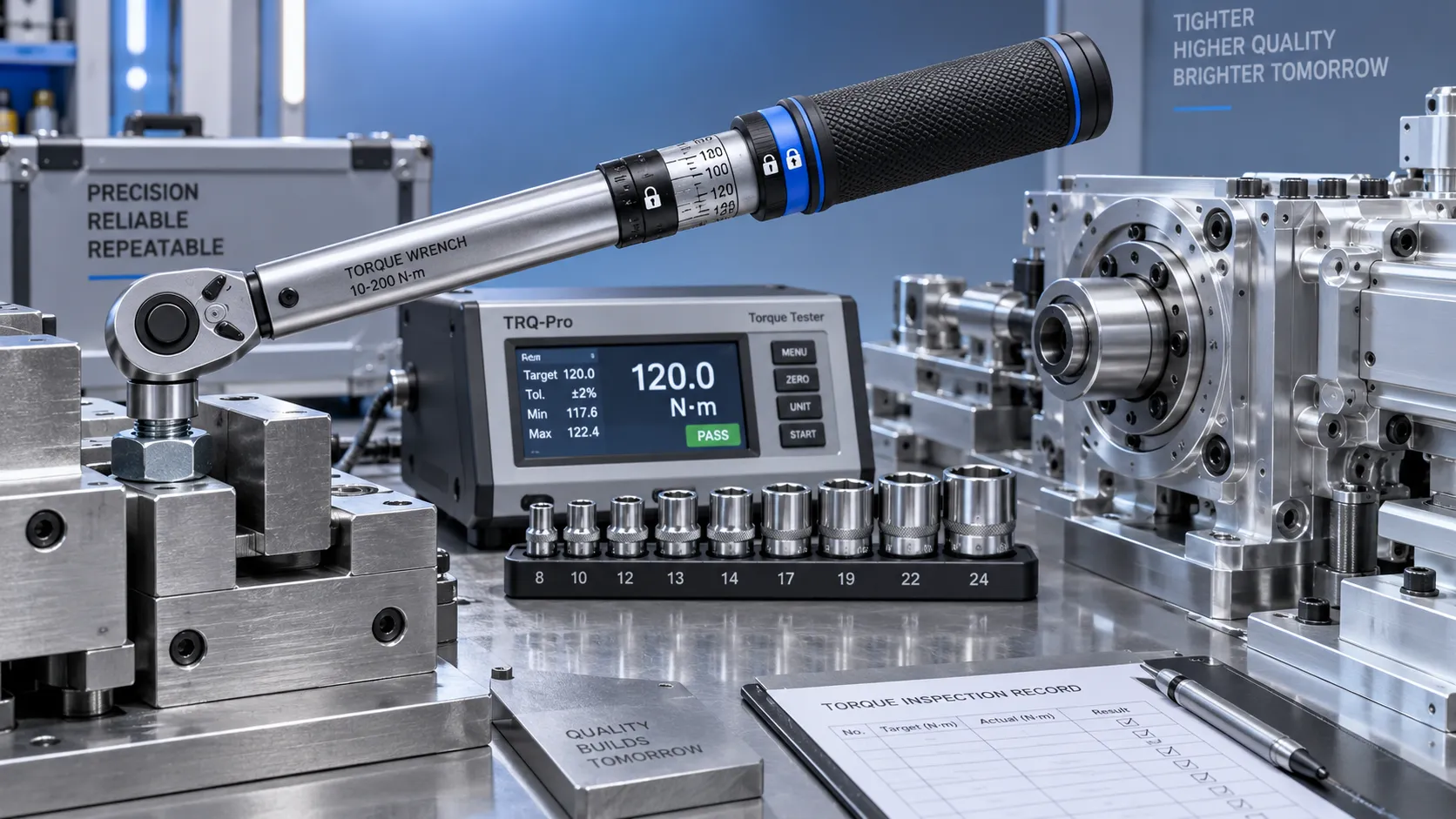
Selecting Adjustable Torque Tools for Repeatable Fastener Assembly
Adjustable torque tools: learn how to match range, accuracy, control methods, calibration, and ergonomics for repeatable, reliable fastener assembly.

How to Select Aerospace Inspection Tools for Aircraft Maintenance Tasks
Aerospace maintenance inspection tools: learn how to select reliable, traceable equipment for aircraft access, accuracy, calibration, and compliant maintenance decisions.

How to Select Wire Bonding Tools for Fine-Pitch Semiconductor Packaging
Explore semiconductor manufacturing tools for wire bonding and learn how to select precision solutions for fine-pitch packaging, reliable loops, accuracy, and yield.
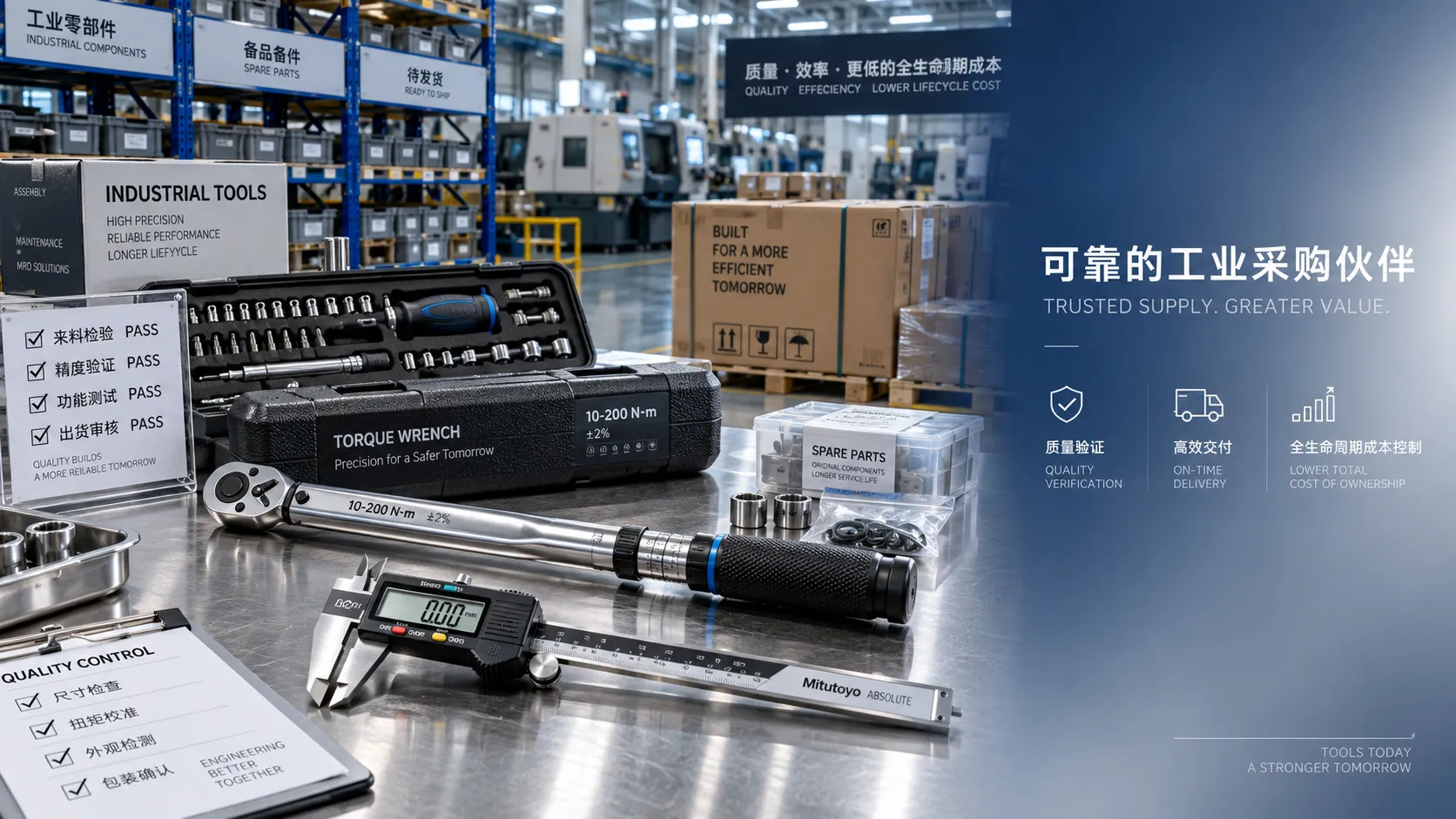
How to Compare Industrial Tool Suppliers for Quality, Lead Time, and Total Cost
Industrial tool selection supplier comparison made simple: evaluate quality, lead times, total cost, service, and supply resilience for confident sourcing decisions.
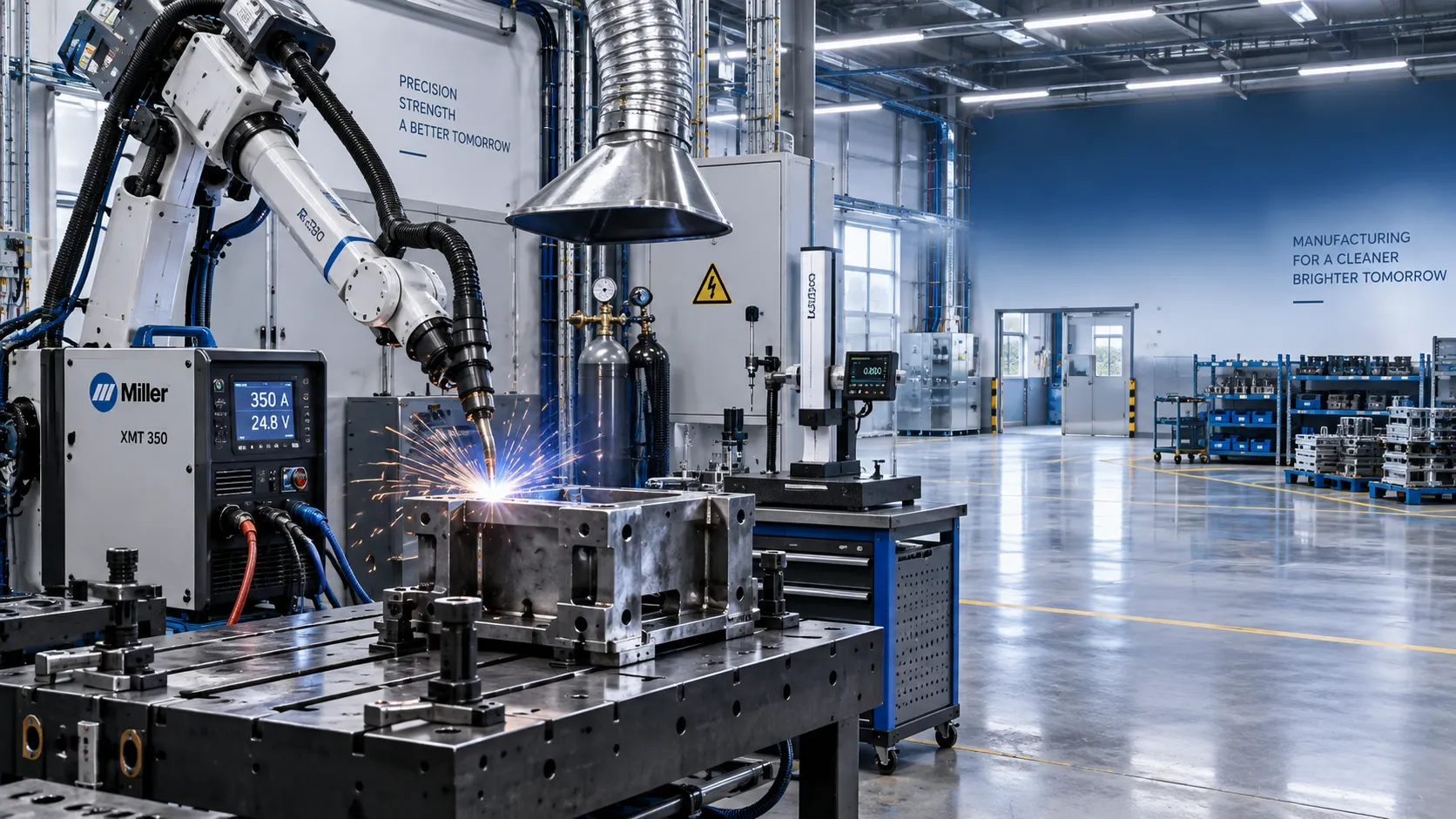
Industrial Equipment Application Guidance: Match Machines to Operating Conditions
Application guidance industrial equipment: match capacity, duty cycle, materials, site conditions, safety, and lifecycle cost to improve reliable output. Read the guide.
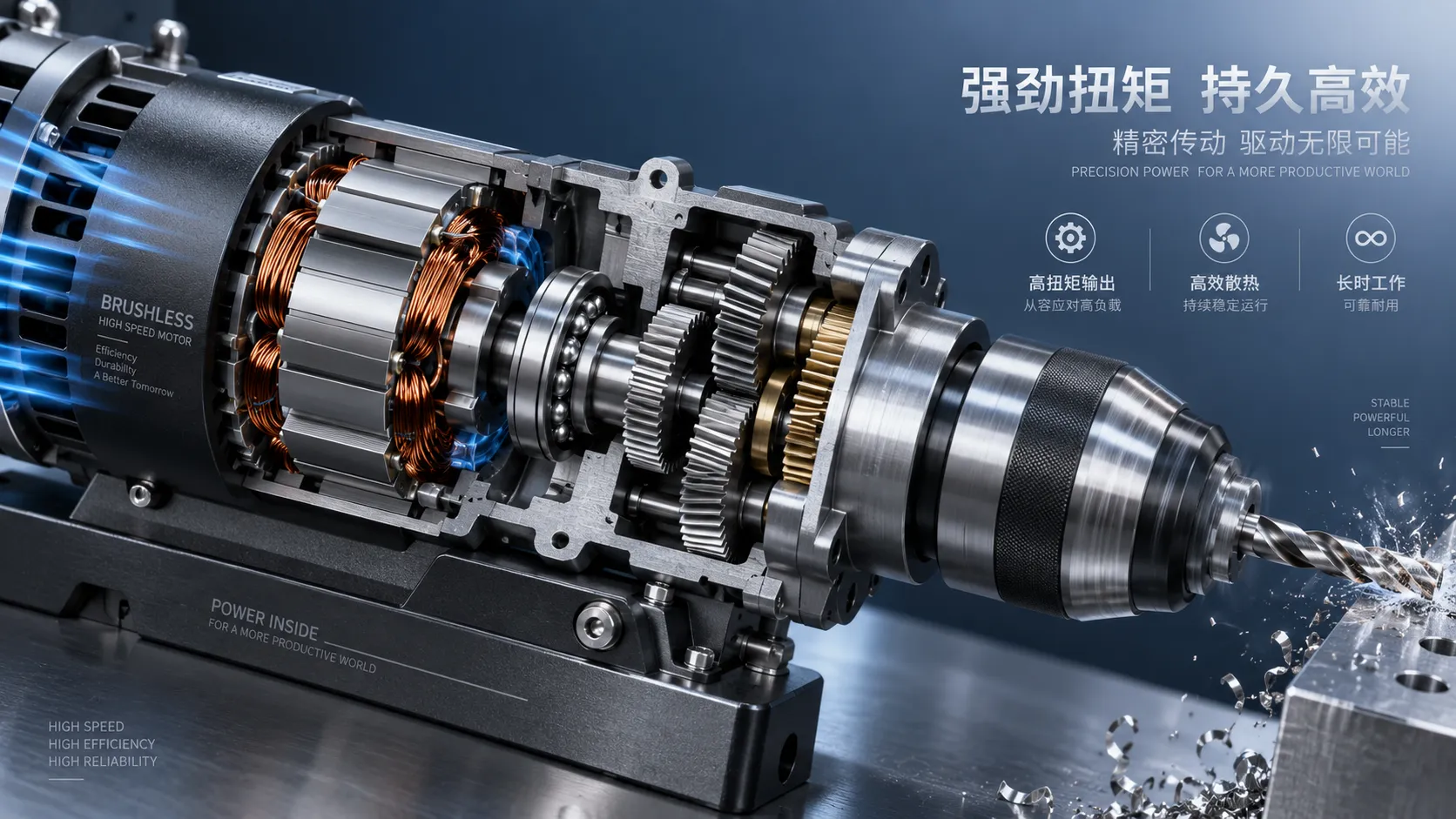
Selecting High-Speed Brushless Tool Motors for Torque, Heat, and Duty Cycle
High speed brushless tool motors: learn how to balance torque, heat, gearing, and duty cycle for reliable industrial tool performance and longer service life.
What Determines Industrial Hydraulic System Price for Heavy-Duty Equipment?
Industrial hydraulic system price depends on duty cycle, pressure, components, cooling, and integration. Compare quotes intelligently to secure reliable heavy-duty performance.
Welding Fume Extraction PPE: When Respirators Are Not Enough for Shop Safety
Welding fume extraction PPE: learn why respirators alone fall short and how source capture, ventilation, and layered controls improve shop safety.

How to Select Optical Metrology Solutions for Tight-Tolerance Manufacturing
Optical industrial metrology solutions for tight-tolerance manufacturing: evaluate accuracy, surface compatibility, workflow, and traceability to select with confidence.
Related News
- 00
0000-00
Planning Access, Material Flow, and Clearance Around a 3200mm Sliding Saw - 00
0000-00
How to Select Vernier Precision Calipers for Tight-Tolerance Machining Inspection - 00
0000-00
How to Choose Metalworking Tools for Sheet Metal by Thickness and Forming Tasks - 00
0000-00
Metrology Technology Europe: Which Systems Improve Inspection Accuracy on the Line? - 00
0000-00
How to Choose Precision Measuring Instruments in North America for Tighter Tolerance Work
Metrology Fellow
Weekly Insights
Stay ahead with our curated technology reports delivered every Monday.