
How to Choose Precision Measuring Tools for Tight-Tolerance Inspection





Tight-tolerance inspection leaves little room for assumption. When a few microns can affect fit, fatigue life, leak risk, or operator safety, choosing precision measuring tools becomes a process decision, not a purchasing formality.
That is why the discussion reaches beyond metrology labs. In machining, fabrication, assembly, maintenance, and welded structures, tool selection influences scrap rates, rework, traceability, and compliance.
For industrial organizations tracking the last mile of manufacturing, the real question is practical: which instrument can deliver reliable data under actual shop conditions, across materials, surfaces, and inspection routines?
From the perspective of GPTWM, where industrial assembly, metal joining, and precision metrology trends are analyzed together, the answer depends on matching capability with context rather than chasing the highest stated resolution.
What tight-tolerance inspection really demands
Many teams start with accuracy numbers on a catalog page. That is necessary, but incomplete. Tight-tolerance inspection also depends on repeatability, stability, operator consistency, calibration status, and environmental control.
A digital micrometer with excellent resolution may still produce weak decisions if parts are oily, warm from machining, or difficult to access. In practice, measurement quality is always part tool, part method, and part environment.
This is why precision measuring tools should be evaluated by measurement system performance. The goal is not only to read dimensions, but to support confident accept or reject decisions without creating hidden process risk.
Start with the inspection objective, not the instrument
A sensible selection process begins with the feature being inspected. External diameter, internal bore, depth, flatness, runout, surface profile, and weld preparation dimensions do not require the same measuring approach.
The tolerance window matters just as much. A tool suitable for general dimensional checks may be inadequate when capability studies or customer audits require stronger uncertainty control.
It helps to define three things early: the feature, the tolerance, and the decision impact of a wrong reading. Once those are clear, the shortlist of precision measuring tools becomes much easier to justify.
Questions worth answering before selection
- Is the measurement for in-process adjustment or final release?
- Will the part be measured at room temperature or near production heat?
- Does the surface finish support contact measurement?
- How often will the instrument be used per shift?
- Is the result needed for traceable records or quick screening?
Common precision measuring tools and where they fit
Not every inspection problem needs a complex solution. Some of the most effective precision measuring tools remain simple, provided they match the geometry and tolerance requirement.
In mixed production settings, the strongest approach is often layered. Handheld precision measuring tools support quick control on the floor, while higher-level systems confirm critical features and trend process drift.
Why environment changes the right choice
A tool that performs well in a controlled room may struggle beside coolant splash, grinding dust, vibration, or large temperature shifts. Tight tolerances expose these differences quickly.
Contact tools can be sensitive to dirt film, burrs, and operator force. Optical systems can be affected by surface reflectivity, ambient light, and fixture stability. Wireless models may add data convenience but require battery discipline and cybersecurity awareness.
This broader view is increasingly important in sectors tracked by GPTWM, including construction equipment, automotive systems, aerospace maintenance, and metal joining applications where dimensional control and safety documentation intersect.
Environmental factors that often change tool selection
- Part temperature after machining or welding
- Humidity, coolant residue, and metal dust
- Access limits around fixtures or installed assemblies
- Need for gloves, PPE, or one-handed use
- Digital record capture requirements
Accuracy is not the same as usable confidence
One of the most common mistakes is overvaluing resolution. A display showing more decimal places does not guarantee better measurement decisions. What matters is whether the full measurement system can distinguish good parts from marginal parts consistently.
For that reason, precision measuring tools should be checked against repeatability, reproducibility, calibration intervals, master standards, and operator training. A modest instrument used under disciplined conditions can outperform a more advanced device used casually.
In regulated supply chains, usable confidence also includes documentation. Traceable calibration, audit-ready records, and clear acceptance criteria reduce disputes between production, quality, and customers.
How selection differs across typical industrial scenarios
Different production realities lead to different tool priorities. The best precision measuring tools for a machining cell may not be ideal for fabricated assemblies or field maintenance.
The underlying lesson is straightforward. Selection should follow the risk profile of the work, not only the nominal tolerance on the drawing.
Practical checkpoints before standardizing a tool
Before adding new precision measuring tools into routine inspection, a short validation step saves time later. This is especially helpful when facilities are comparing digital upgrades, connected instruments, or imported models with different standards backgrounds.
- Test the tool on real parts, not only gauge blocks.
- Compare readings across more than one operator.
- Check whether fixtures or part handling add error.
- Review calibration support and service availability.
- Confirm compatibility with data collection systems.
- Verify compliance with customer or export requirements.
This is also where market intelligence matters. GPTWM regularly highlights shifts in standards, technology adoption, and industrial demand, which can influence tool availability, specification choices, and long-term support decisions.
A better way to make the final decision
The strongest choice usually comes from a matrix, not a single specification sheet. Rank candidate precision measuring tools by tolerance fit, ease of use, environment suitability, calibration burden, data integration, and cost of poor measurement.
That approach makes trade-offs visible. It also helps explain why one tool is approved for process control while another is reserved for final verification or audit-sensitive work.
For teams refining inspection strategy, the next step is simple and useful: map the most critical dimensions, identify where current readings are least stable, and compare whether different precision measuring tools solve a measurement problem or merely add complexity.
When selection is tied to real process conditions, tight-tolerance inspection becomes more predictable, documentation becomes cleaner, and quality decisions become easier to defend.
Related News
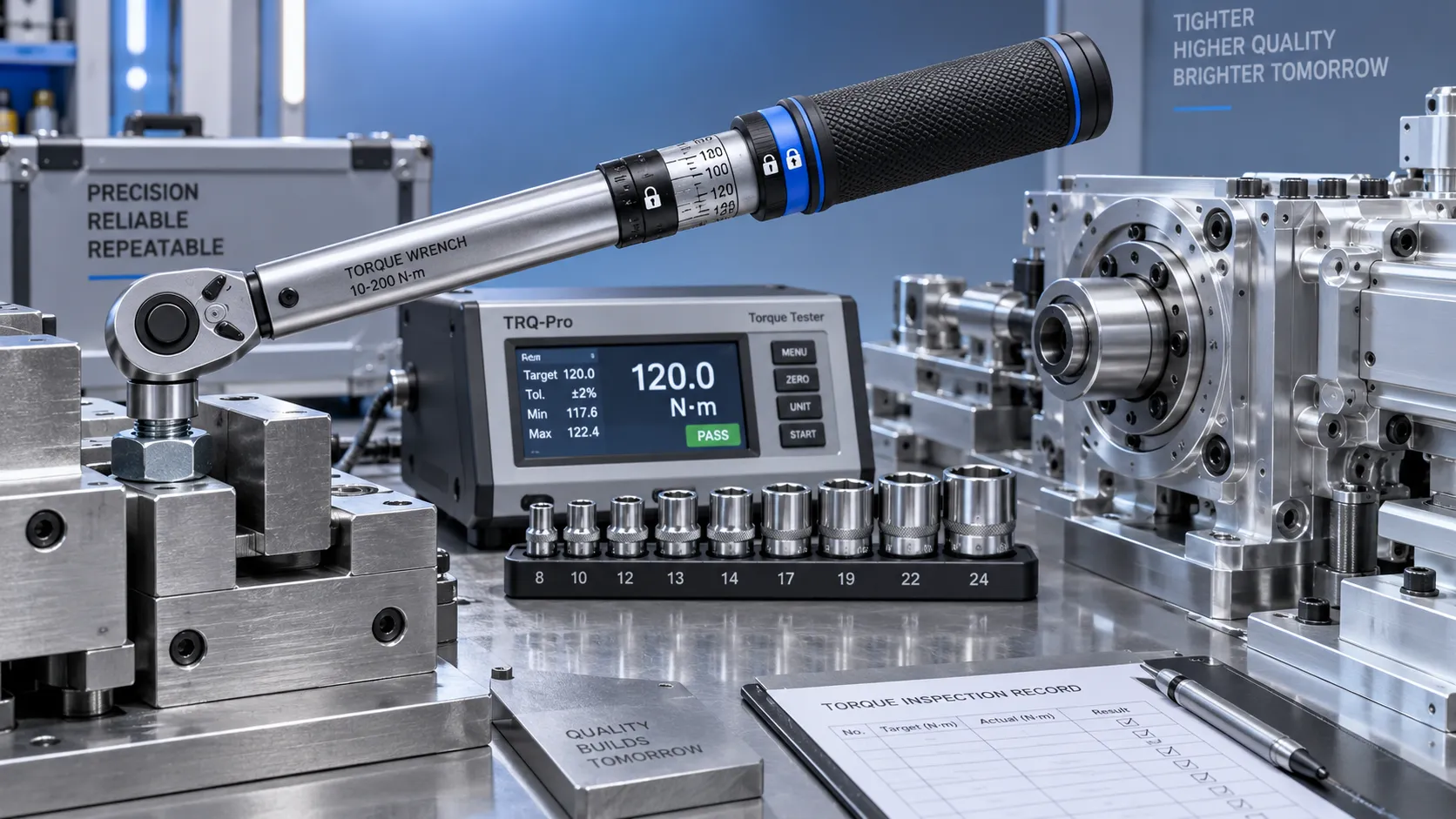
Selecting Adjustable Torque Tools for Repeatable Fastener Assembly
Adjustable torque tools: learn how to match range, accuracy, control methods, calibration, and ergonomics for repeatable, reliable fastener assembly.

How to Select Aerospace Inspection Tools for Aircraft Maintenance Tasks
Aerospace maintenance inspection tools: learn how to select reliable, traceable equipment for aircraft access, accuracy, calibration, and compliant maintenance decisions.

How to Select Wire Bonding Tools for Fine-Pitch Semiconductor Packaging
Explore semiconductor manufacturing tools for wire bonding and learn how to select precision solutions for fine-pitch packaging, reliable loops, accuracy, and yield.
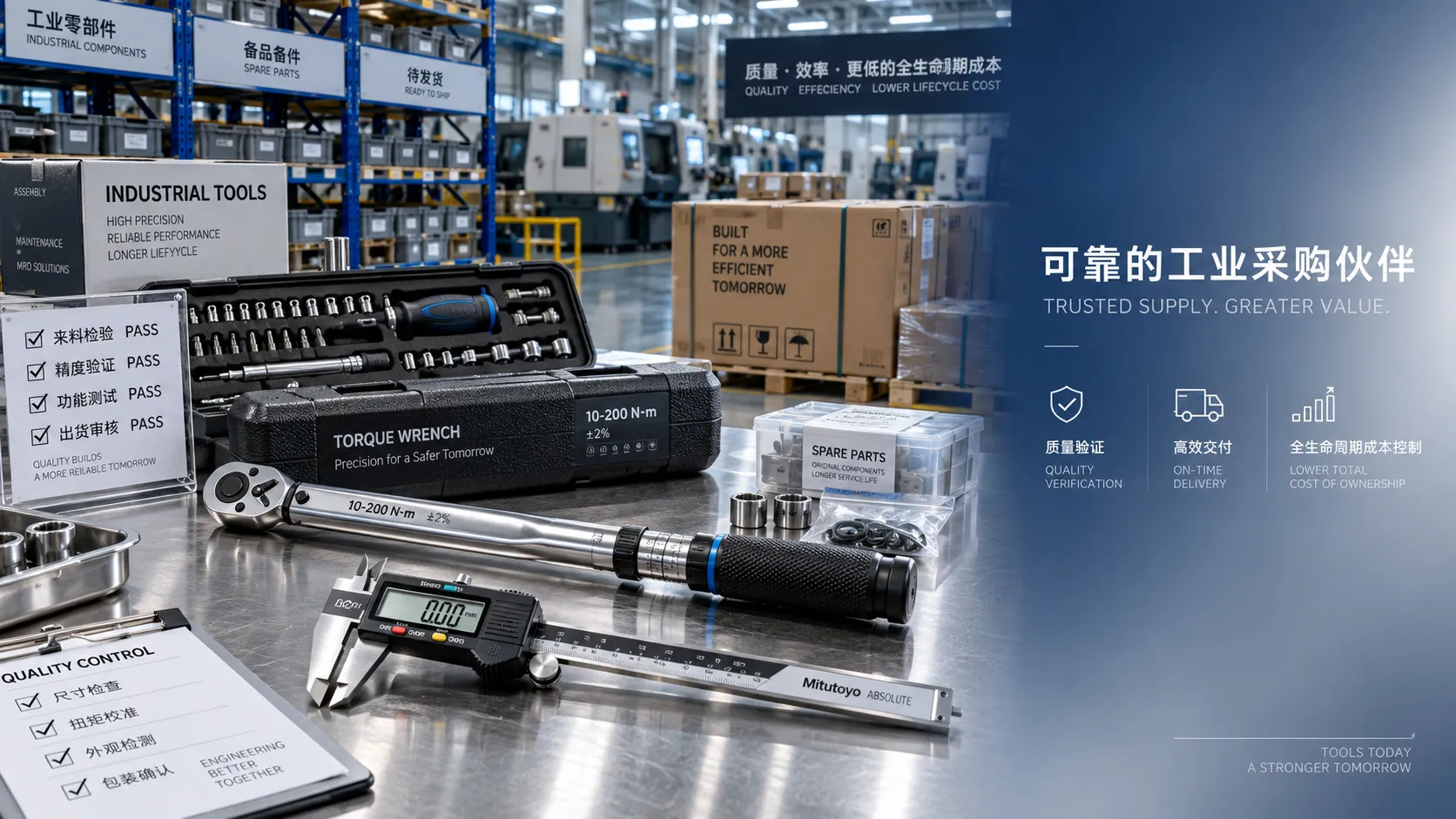
How to Compare Industrial Tool Suppliers for Quality, Lead Time, and Total Cost
Industrial tool selection supplier comparison made simple: evaluate quality, lead times, total cost, service, and supply resilience for confident sourcing decisions.
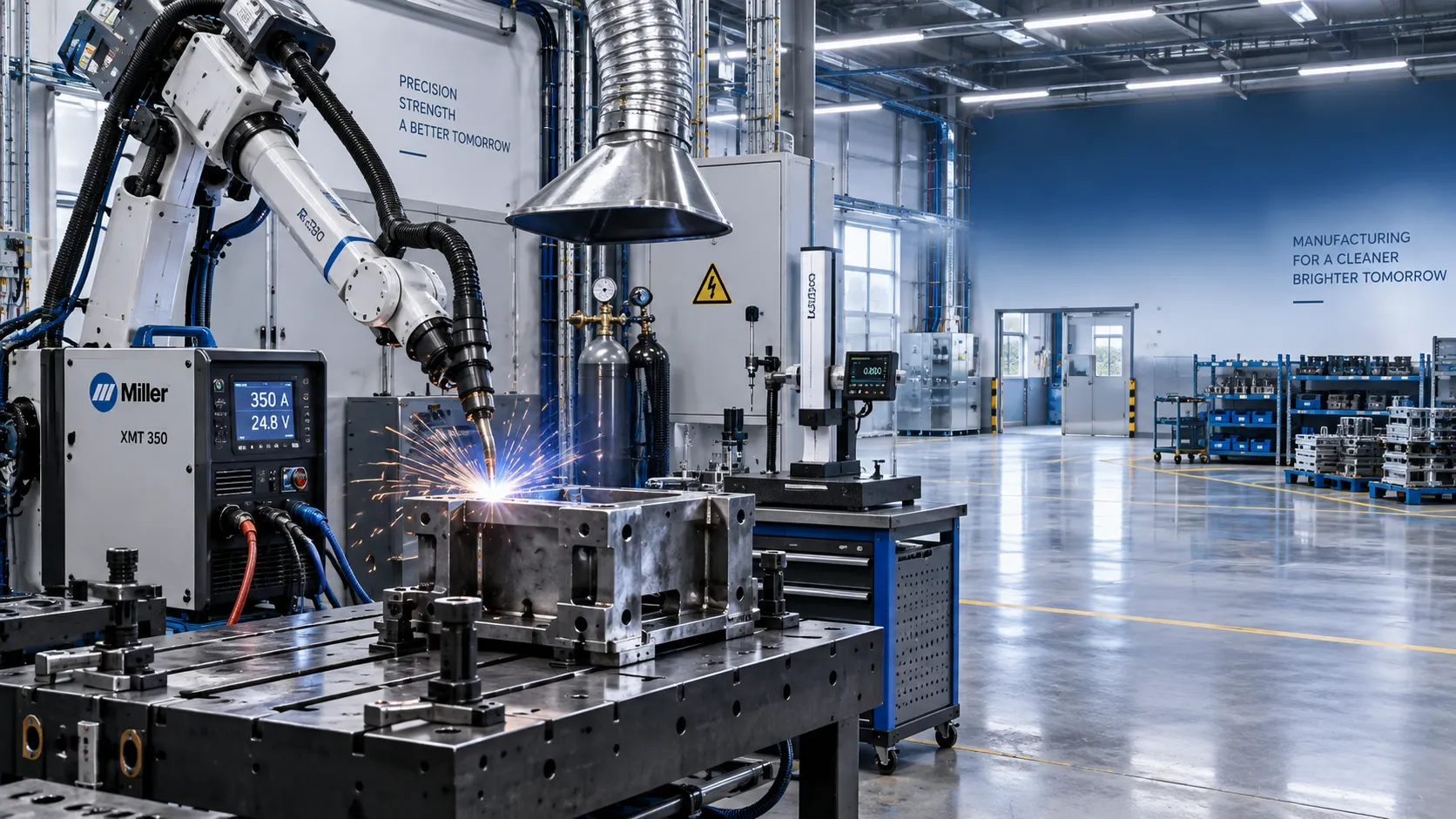
Industrial Equipment Application Guidance: Match Machines to Operating Conditions
Application guidance industrial equipment: match capacity, duty cycle, materials, site conditions, safety, and lifecycle cost to improve reliable output. Read the guide.
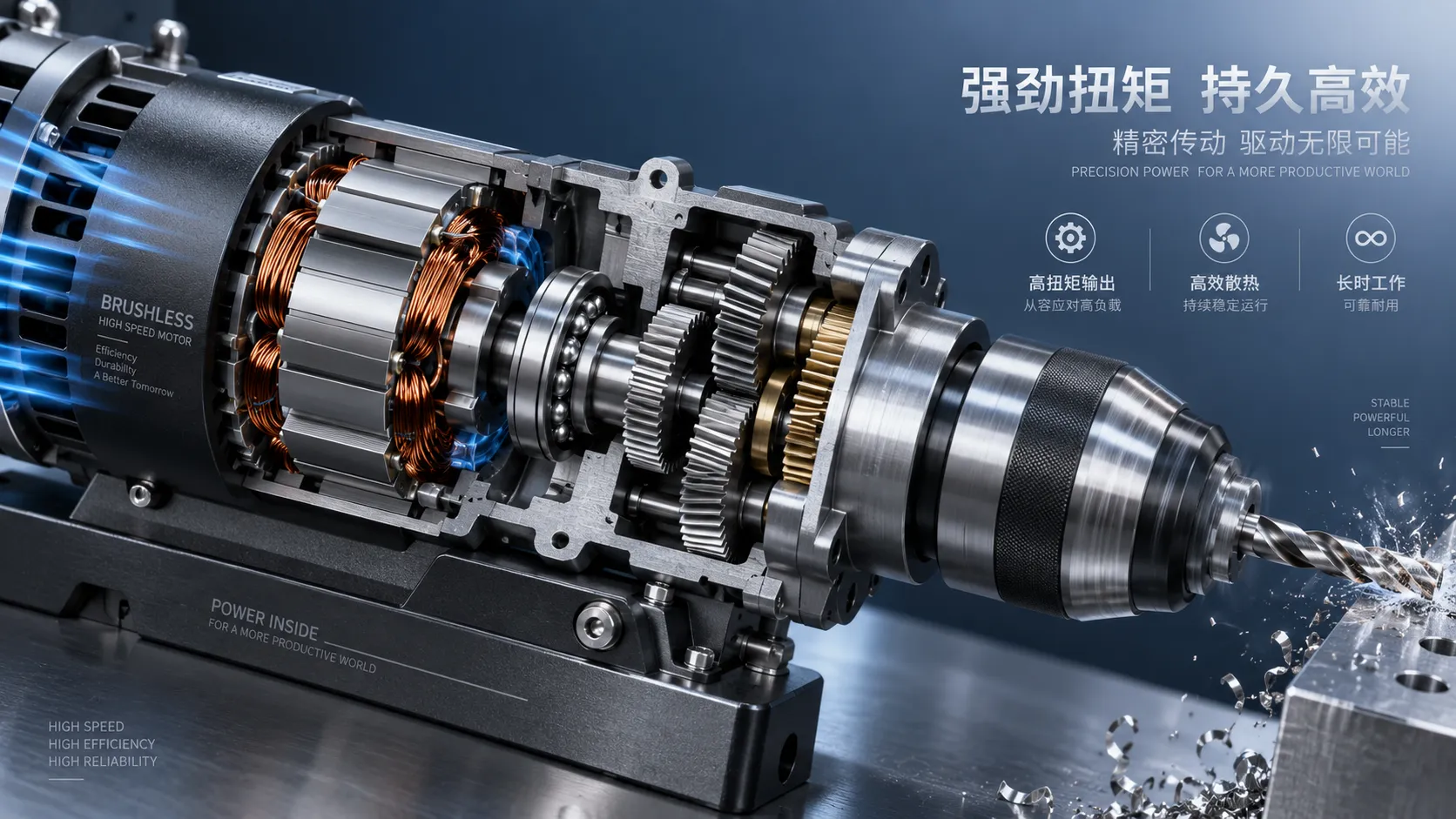
Selecting High-Speed Brushless Tool Motors for Torque, Heat, and Duty Cycle
High speed brushless tool motors: learn how to balance torque, heat, gearing, and duty cycle for reliable industrial tool performance and longer service life.
What Determines Industrial Hydraulic System Price for Heavy-Duty Equipment?
Industrial hydraulic system price depends on duty cycle, pressure, components, cooling, and integration. Compare quotes intelligently to secure reliable heavy-duty performance.
Welding Fume Extraction PPE: When Respirators Are Not Enough for Shop Safety
Welding fume extraction PPE: learn why respirators alone fall short and how source capture, ventilation, and layered controls improve shop safety.

How to Select Optical Metrology Solutions for Tight-Tolerance Manufacturing
Optical industrial metrology solutions for tight-tolerance manufacturing: evaluate accuracy, surface compatibility, workflow, and traceability to select with confidence.
Related News
- 00
0000-00
Planning Access, Material Flow, and Clearance Around a 3200mm Sliding Saw - 00
0000-00
How to Select Vernier Precision Calipers for Tight-Tolerance Machining Inspection - 00
0000-00
How to Choose Metalworking Tools for Sheet Metal by Thickness and Forming Tasks - 00
0000-00
Metrology Technology Europe: Which Systems Improve Inspection Accuracy on the Line? - 00
0000-00
How to Choose Precision Measuring Instruments in North America for Tighter Tolerance Work
Metrology Fellow
Weekly Insights
Stay ahead with our curated technology reports delivered every Monday.