
How to Choose Metalworking Tools for Tight-Tolerance Parts





How to Choose Metalworking Tools for Tight-Tolerance Parts
Choosing the right metalworking tools for tight-tolerance parts directly affects dimensional accuracy, surface finish, and process stability.
The real challenge is not just hitting a number on paper.
It is selecting tool systems that stay consistent across batches, shifts, and changing material conditions.
That means looking beyond catalog specs and checking tool geometry, substrate, coating, runout control, wear behavior, and process compatibility.
In practical sourcing and evaluation work, the best metalworking tools are the ones that protect tolerance while keeping cycle time and scrap under control.
This guide breaks down how to evaluate metalworking tools for tight-tolerance parts in a way that supports better technical and purchasing decisions.
Start with the Tolerance Stack, Not the Tool Catalog
A common mistake is choosing metalworking tools before defining the full tolerance chain.
For tight-tolerance parts, the required dimension is only one part of the decision.
You also need to map surface finish, concentricity, flatness, true position, burr limits, and thermal sensitivity.
This changes how metalworking tools should be compared.
A turning insert that holds diameter well may still fail on edge integrity.
An end mill that delivers speed may introduce chatter that pushes profile error out of range.
Before evaluating suppliers, define these factors clearly:
- Critical dimensions and their process capability targets
- Surface finish thresholds by feature type
- Material variation, hardness band, and heat-treatment state
- Machine tool limits, spindle condition, and holder system
- Inspection method, gauge resolution, and sampling frequency
Once the tolerance stack is visible, metalworking tools can be judged against real process risk, not just advertised performance.
Match Tool Type to Material Behavior
Material behavior often decides whether metalworking tools perform well in precision work.
The same geometry rarely performs equally well in aluminum, stainless steel, titanium, and hardened alloy steel.
For aluminum, built-up edge control is usually a priority.
That often points to sharp cutting edges, polished flutes, and coatings that reduce adhesion.
For stainless steel, work hardening and heat concentration matter more.
In that case, metalworking tools need stable edge preparation and reliable chip evacuation.
Titanium raises another issue.
Low thermal conductivity pushes heat into the tool, so wear resistance and coolant strategy become central.
For hardened materials, edge strength and vibration control usually dominate the selection process.
A practical material-based review should cover:
- Cutting force level and its effect on deflection
- Chip form and evacuation reliability
- Heat generation and thermal distortion risk
- Tendency for smearing, work hardening, or edge chipping
- Suitable carbide grade, cermet, ceramic, CBN, or PCD option
When metalworking tools are aligned with actual material behavior, tolerance control becomes much more predictable.
Focus on Geometry, Runout, and Rigidity
For tight-tolerance parts, geometry is rarely a minor detail.
It shapes cutting force, chip flow, vibration, and tool life all at once.
In milling, flute count, helix angle, corner design, and neck relief all affect stability.
In drilling and reaming, point geometry and margin design can change hole size consistency dramatically.
But geometry alone is not enough.
Metalworking tools only perform as intended when runout and rigidity are controlled.
Excessive runout creates uneven tooth loading, premature wear, and unstable dimensions.
Weak clamping or long overhang increases chatter, especially on fine finishing passes.
This is why tool selection should include the full assembly, not only the cutting body.
- Check holder type, such as hydraulic, shrink fit, collet, or milling chuck
- Review tool overhang against feature reach requirements
- Confirm runout limits at the actual gauge length
- Compare neck strength against thin-wall or deep-pocket applications
- Evaluate balance quality for higher spindle speeds
In many cases, a modest upgrade in holder quality improves precision more than changing the cutter grade alone.
Evaluate Coating and Wear Patterns, Not Just Tool Life Claims
Tool suppliers often highlight tool life in broad terms.
For tight-tolerance work, the more useful question is when wear starts affecting part quality.
That point usually comes earlier than total tool failure.
The right metalworking tools should maintain accuracy through a predictable wear window.
Coating choice plays a major role here.
TiAlN, AlCrN, DLC, and other advanced coatings each support different temperature ranges, friction profiles, and material interactions.
Still, coating should never be reviewed in isolation.
Substrate toughness, edge preparation, and application parameters decide whether the coating helps or hides a mismatch.
During trials, watch for wear patterns such as flank wear, notch wear, crater wear, chipping, built-up edge, and thermal cracking.
These patterns reveal whether the chosen metalworking tools fit the process.
This approach leads to smarter decisions than relying on generic durability claims.
Compare Process Stability Across the Full Production Window
Tight-tolerance evaluation should never stop at first-part success.
What matters is how metalworking tools behave from the first part to the last acceptable part.
This is where repeatability, thermal drift, chip packing, and operator sensitivity become visible.
From recent manufacturing trends, process stability has become a stronger buying signal than peak cutting speed.
That also means trial design needs to be realistic.
Evaluate metalworking tools under actual feed, coolant, fixture, and shift conditions.
Useful trial metrics include:
- Dimensional drift over time
- Surface finish change through wear stages
- Tool change interval consistency
- Scrap rate and rework frequency
- Sensitivity to coolant concentration or spindle load variation
If one option machines slightly faster but shows unstable drift, it may not be the right choice for precision production.
Review Total Cost Through a Precision Lens
Price per tool is easy to compare, but it rarely tells the full story.
For tight-tolerance parts, total cost should include much more than purchase price.
A lower-cost tool that creates extra inspection, offsets, scrap, or unplanned downtime can become the more expensive option.
This is especially true in aerospace maintenance, automotive precision features, mold work, and high-value assemblies.
A practical cost review of metalworking tools should include:
- Cost per acceptable part, not cost per cutter
- Setup time and offset adjustment frequency
- Inventory complexity across multiple materials
- Supplier lead time and batch-to-batch consistency
- Support quality for application tuning and failure analysis
This is also where supplier intelligence matters.
Platforms such as GPTWM track broader signals around manufacturing efficiency, tool technology evolution, and precision demand shifts.
That wider view helps connect technical selection with sourcing resilience and long-term production planning.
A Practical Checklist for Choosing Metalworking Tools
When decisions need to move quickly, a short checklist keeps evaluation focused.
- Define the tightest feature and its real failure mode
- Match metalworking tools to the actual material state, not a generic grade name
- Check geometry, holder, overhang, and runout as one system
- Review coating with wear mode, heat load, and coolant method in mind
- Run trials long enough to capture drift and repeatability
- Compare cost per accepted part and supplier support depth
The strongest decisions usually come from balancing precision, durability, and process control.
There is rarely a single best metalworking tools option for every part family.
But there is usually a best-fit option for a defined tolerance, machine environment, and production objective.
That is the selection mindset that reduces risk.
It also creates more confident purchasing decisions and more stable machining results.
If the goal is reliable precision, choose metalworking tools based on process evidence, not broad assumptions. That is where better tolerance control begins.
Related News
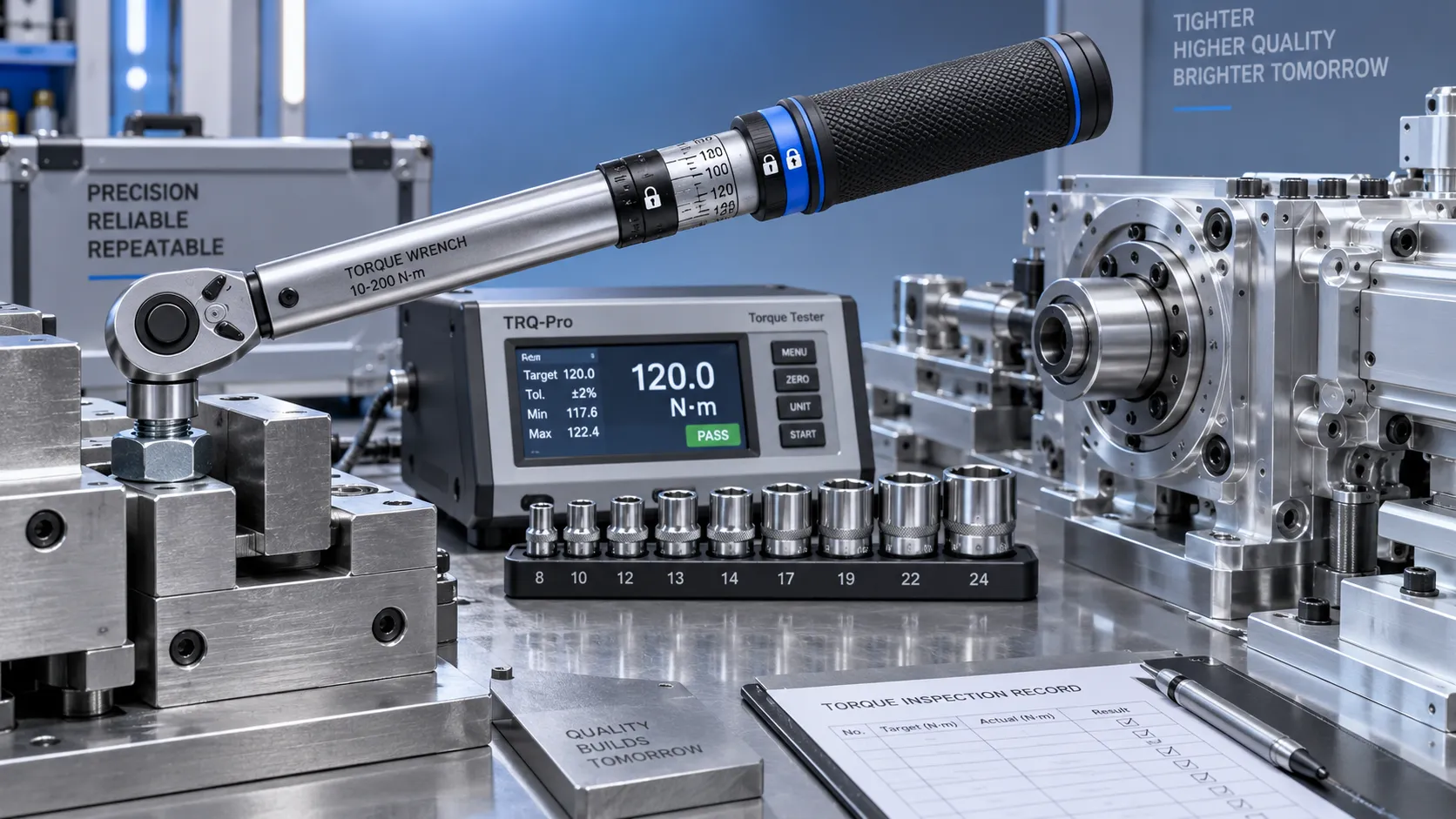
Selecting Adjustable Torque Tools for Repeatable Fastener Assembly
Adjustable torque tools: learn how to match range, accuracy, control methods, calibration, and ergonomics for repeatable, reliable fastener assembly.

How to Select Aerospace Inspection Tools for Aircraft Maintenance Tasks
Aerospace maintenance inspection tools: learn how to select reliable, traceable equipment for aircraft access, accuracy, calibration, and compliant maintenance decisions.

How to Select Wire Bonding Tools for Fine-Pitch Semiconductor Packaging
Explore semiconductor manufacturing tools for wire bonding and learn how to select precision solutions for fine-pitch packaging, reliable loops, accuracy, and yield.
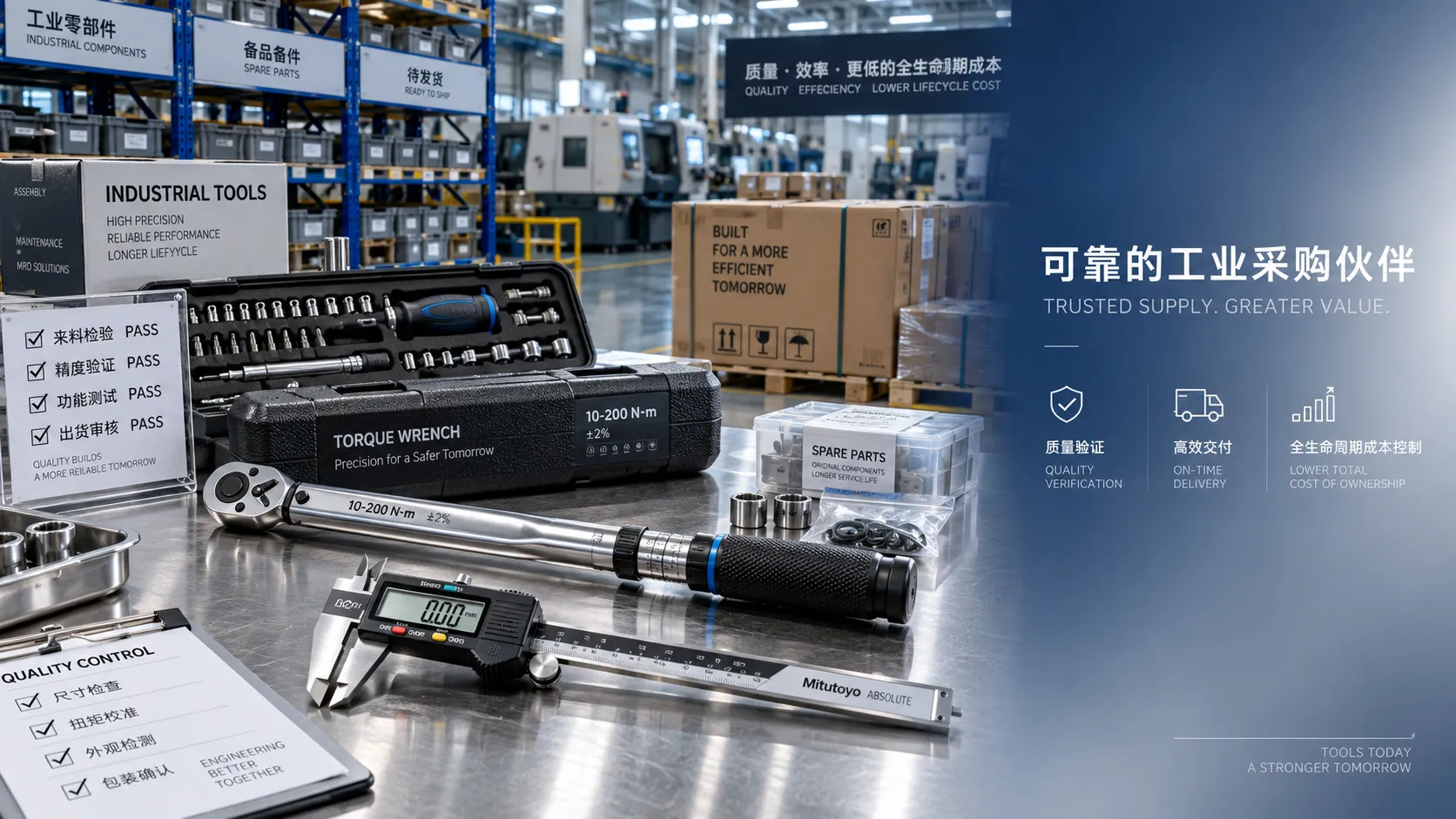
How to Compare Industrial Tool Suppliers for Quality, Lead Time, and Total Cost
Industrial tool selection supplier comparison made simple: evaluate quality, lead times, total cost, service, and supply resilience for confident sourcing decisions.
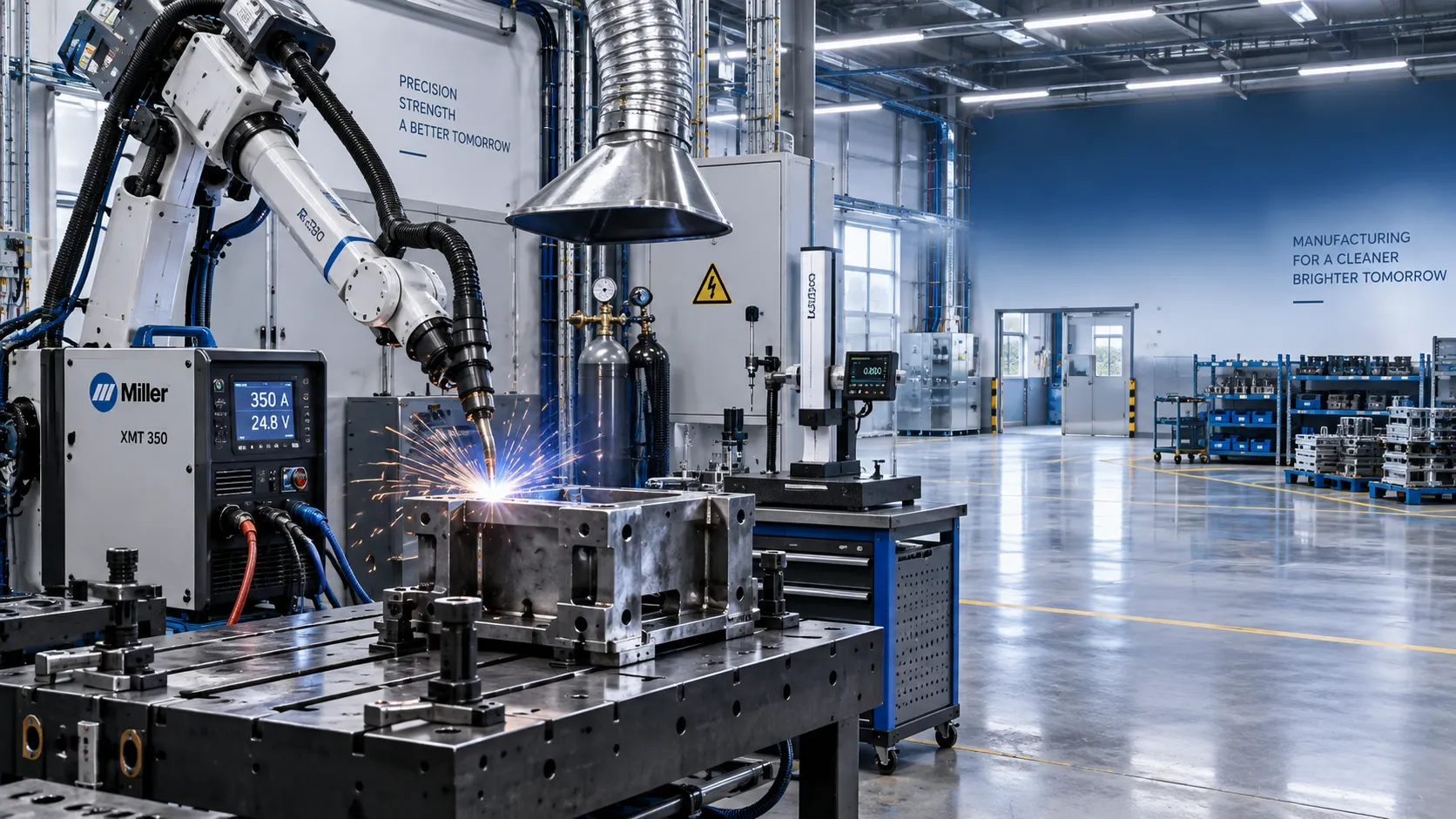
Industrial Equipment Application Guidance: Match Machines to Operating Conditions
Application guidance industrial equipment: match capacity, duty cycle, materials, site conditions, safety, and lifecycle cost to improve reliable output. Read the guide.
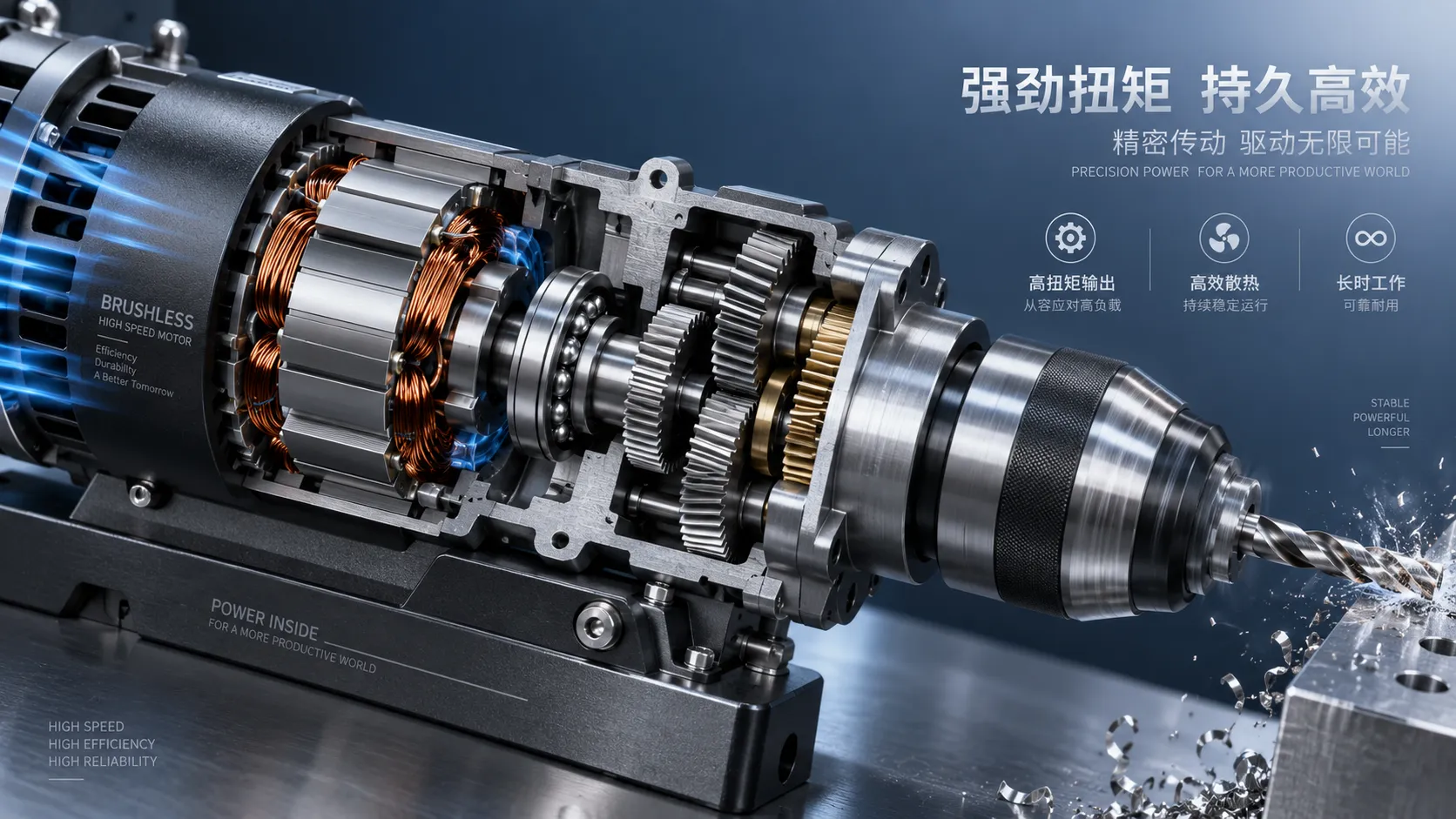
Selecting High-Speed Brushless Tool Motors for Torque, Heat, and Duty Cycle
High speed brushless tool motors: learn how to balance torque, heat, gearing, and duty cycle for reliable industrial tool performance and longer service life.
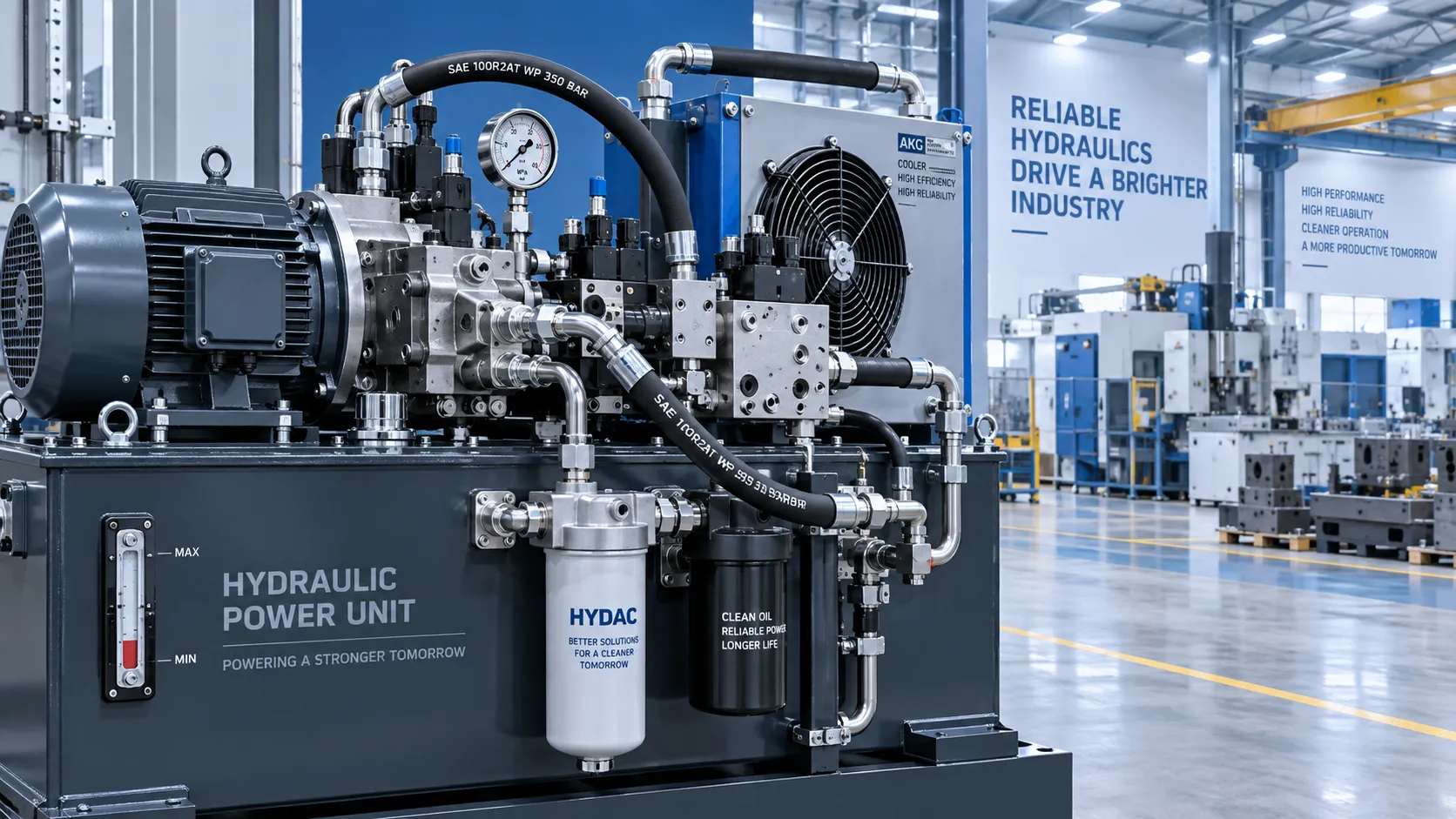
What Determines Industrial Hydraulic System Price for Heavy-Duty Equipment?
Industrial hydraulic system price depends on duty cycle, pressure, components, cooling, and integration. Compare quotes intelligently to secure reliable heavy-duty performance.

Welding Fume Extraction PPE: When Respirators Are Not Enough for Shop Safety
Welding fume extraction PPE: learn why respirators alone fall short and how source capture, ventilation, and layered controls improve shop safety.

How to Select Optical Metrology Solutions for Tight-Tolerance Manufacturing
Optical industrial metrology solutions for tight-tolerance manufacturing: evaluate accuracy, surface compatibility, workflow, and traceability to select with confidence.
Related News
- 00
0000-00
Planning Access, Material Flow, and Clearance Around a 3200mm Sliding Saw - 00
0000-00
How to Select Vernier Precision Calipers for Tight-Tolerance Machining Inspection - 00
0000-00
How to Choose Metalworking Tools for Sheet Metal by Thickness and Forming Tasks - 00
0000-00
Metrology Technology Europe: Which Systems Improve Inspection Accuracy on the Line? - 00
0000-00
How to Choose Precision Measuring Instruments in North America for Tighter Tolerance Work
Metrology Fellow
Weekly Insights
Stay ahead with our curated technology reports delivered every Monday.