
Tool Design for High-Precision Manufacturing: Factors That Affect Fit, Wear, and Output





Tool Design for High-Precision Manufacturing: Factors That Affect Fit, Wear, and Output
In high-precision manufacturing, tool design shapes quality long before production reaches full speed.
Fit accuracy, wear behavior, and output stability often begin with decisions made at the design table.
That is why tool design matters not only to engineers, but also to planning, sourcing, and delivery performance.
In actual operations, even a minor geometry error can create scrap, rework, vibration, and avoidable downtime.
A stronger tool design approach helps balance tolerance control, service life, throughput, and process predictability.
From the perspective of GPTWM, this is the real last mile of manufacturing performance.
Why tool design decides fit before production starts
Fit is not only a part issue. It is a system result driven by tool design, machine behavior, and handling conditions.
When locating surfaces, cutting edges, clamping points, and contact paths are poorly aligned, fit variation grows quickly.
This becomes more visible in aerospace assemblies, automotive subcomponents, and precision maintenance tooling.
Good tool design controls how force enters the part, how heat spreads, and how tolerance stacks accumulate.
That also means better repeatability across batches, operators, and machine shifts.
Core fit-related design variables
- Datum strategy and how reference surfaces are established
- Clearance design between tool and workpiece under load
- Elastic deformation of slender features or unsupported edges
- Thermal growth during cutting, joining, or measurement cycles
- Runout, concentricity, and alignment through the full setup chain
If any one of these is underestimated, the tool design may look correct on paper but fail in production.
Geometry choices that affect wear and process stability
Wear is rarely random. In most lines, wear follows the geometry choices built into the tool design.
Edge angle, rake, relief, nose radius, and contact length all influence friction and heat concentration.
A geometry that cuts aggressively may improve early output, yet shorten life under real duty cycles.
By contrast, an overly conservative profile may protect wear but reduce chip evacuation and overall output.
The best tool design usually sits between those extremes and matches the actual operating window.
Common wear drivers linked to design
- Localized heat from excessive contact pressure
- Chipping from weak edge support or unstable engagement
- Abrasion caused by hard inclusions or poor surface finish
- Adhesion from incompatible material pairing
- Fatigue cracking under repeated thermal cycling
From recent industry shifts, harder alloys and mixed-material assemblies have made this issue more visible.
That is pushing teams to review tool design together with coatings, feeds, and maintenance intervals.
Material selection in tool design: more than hardness
Many buying decisions still focus first on hardness. In reality, tool design requires a wider material view.
Toughness, thermal conductivity, coating adhesion, corrosion resistance, and dimensional stability all matter.
A very hard substrate can resist abrasion, yet become vulnerable to cracking in interrupted operations.
A tougher grade may survive impact better, but wear faster if the temperature profile is not managed.
Effective tool design aligns material behavior with load mode, cycle length, coolant strategy, and part material.
Material selection checkpoints
- Match substrate toughness to impact and vibration level
- Check coating compatibility with base material and temperature
- Review thermal expansion against fit-critical dimensions
- Account for corrosion where fluids or storage conditions vary
- Validate service life with actual production samples, not only lab data
In practical business settings, this reduces the risk of buying a premium tool that underperforms on the line.
Tolerance strategy and metrology control
Tool design succeeds only when tolerance planning and measurement control stay connected.
Teams often tighten every dimension, hoping to improve quality. That usually raises cost without solving the root issue.
A better approach identifies which dimensions truly drive fit, wear, and output.
Then tool design can focus tolerance where it protects function, while leaving noncritical areas manufacturable.
This is where precision metrology becomes a decision tool, not just an inspection step.
What to control closely
A disciplined tool design review should define both nominal targets and action limits for field use.
Operating conditions that reshape tool design performance
Even the best tool design can fail if operating conditions drift away from the intended process window.
Spindle speed, torque consistency, coolant delivery, vibration, and part cleanliness all change real performance.
This is especially relevant where brushless motor tools, handheld joining systems, or IoT torque controls are used.
A useful tool design therefore includes realistic assumptions about duty cycle, maintenance discipline, and operator variation.
The stronger signal today is that connected tools generate data that can refine design faster than before.
Key operating risks to monitor
- Inconsistent torque output in fastening or clamping steps
- Heat buildup caused by poor coolant reach
- Micro-vibration from worn holders or unstable fixtures
- Unexpected material variation between suppliers or batches
- Delayed replacement after wear indicators are already exceeded
When these risks are tracked early, tool design improvements become more targeted and less expensive.
How tool design influences output and total manufacturing efficiency
Output is not only about cycle speed. It depends on stable quality, fewer stoppages, and predictable replacement timing.
A mature tool design reduces variation, which lowers inspection delays, changeover losses, and emergency interventions.
That also improves planning confidence across procurement, scheduling, and customer delivery commitments.
In sectors facing export restrictions or raw material price shifts, this predictability has direct commercial value.
So the return from better tool design often appears in both shop-floor metrics and margin protection.
Practical indicators of design success
- Lower scrap tied to dimensional drift
- Longer stable wear life between planned changes
- Higher first-pass yield on fit-critical parts
- Reduced downtime caused by adjustment or rework
- More consistent throughput across shifts and locations
A practical review framework for better tool design decisions
In real projects, improvement usually starts with a structured review rather than a full redesign.
The goal is to connect field symptoms with design causes quickly and with measurable evidence.
A focused tool design review can usually begin with five questions.
- Which dimensions truly control fit and function?
- Where does wear first appear, and under what load?
- Does current material choice match the real duty cycle?
- Are metrology limits aligned with production decisions?
- What operating data can confirm or reject design assumptions?
This framework keeps discussions practical and avoids costly debate around low-impact details.
It also fits the intelligence-led approach promoted by GPTWM across assembly, welding, and metrology technologies.
Better data, better assumptions, and better tool design usually lead to better output.
Conclusion
High-precision manufacturing depends on tool design that respects geometry, materials, tolerances, and operating reality.
When those factors are reviewed together, fit improves, wear becomes more predictable, and output stays stronger.
The most effective next step is simple: audit one critical tool design against actual wear data and fit results.
That single review often reveals the fastest path to lower downtime and more reliable manufacturing performance.
Related News

How Procurement Teams Can Map the Industrial Value Chain to Reduce Supply Risk
Industrial value chain procurement helps teams map hidden dependencies, qualify resilient sources, and reduce supply risk before disruptions stop production.
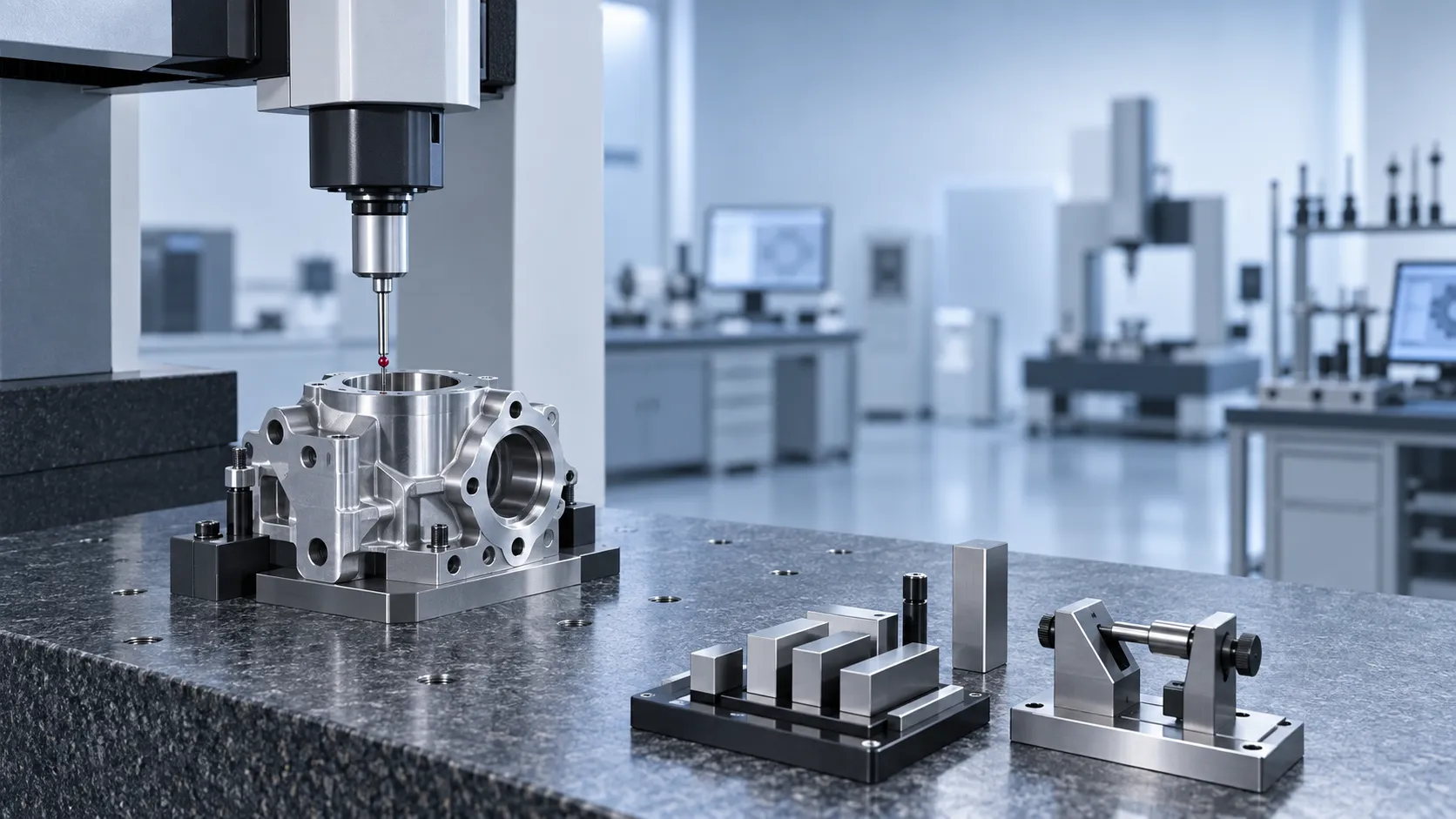
How Specification-Driven Articles Improve Precision Measurement System Selection
Specification-oriented articles precision measurement guidance helps teams compare accuracy, repeatability, environment, and data needs to select reliable systems with confidence.

How to Evaluate a Technology Integration Service Provider for Complex Projects
Technology integration service provider selection guide: evaluate interface ownership, delivery discipline, scalable architecture, and risk control for complex projects.
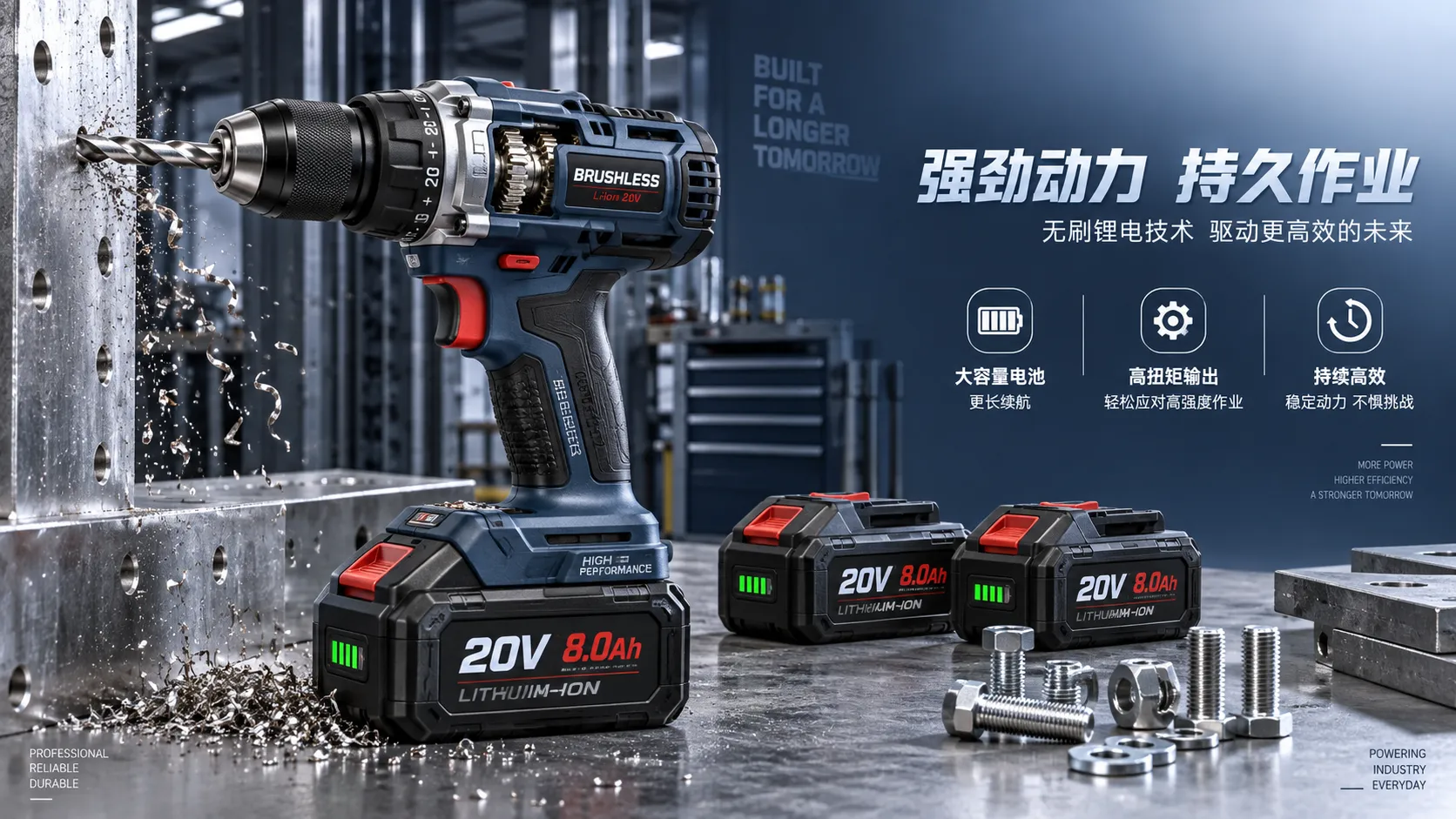
How Battery, Torque, and Duty Cycle Affect Cordless Power Tool Efficiency
Cordless power tool efficiency depends on battery output, torque, and duty cycle. Learn how to match tools to demanding jobs for stronger runtime and productivity.

Product Comparison Resources for Component Compatibility and Lifecycle Risk
Product comparison resources for components: evaluate compatibility, interfaces, service support, and lifecycle risk to reduce downtime, avoid redesigns, and make confident sourcing decisions.
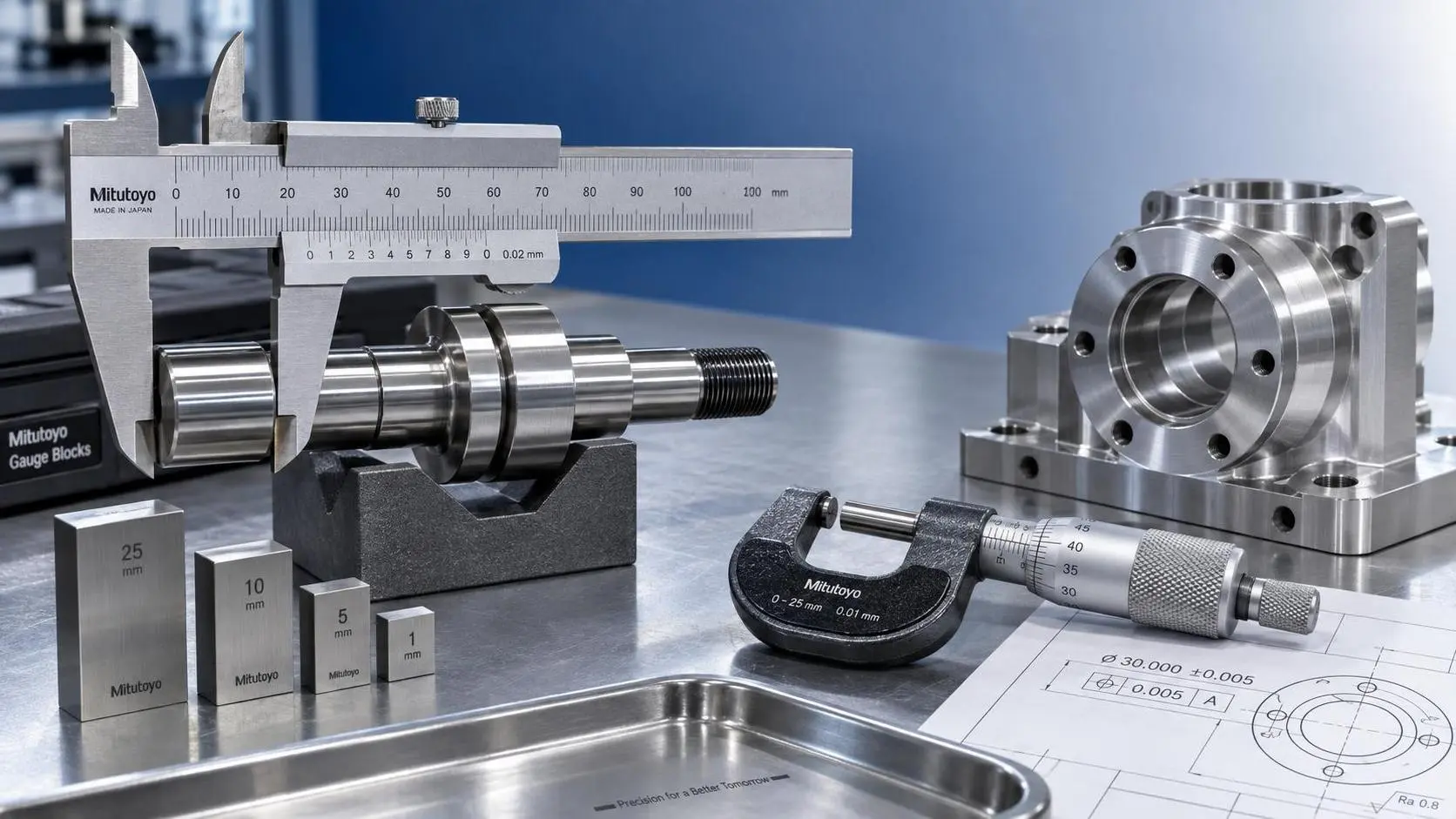
How to Select Vernier Precision Calipers for Tight-Tolerance Machining Inspection
Vernier precision calipers for tight-tolerance machining: learn how to select the right range, jaw design, accuracy, and verification process for reliable inspection.
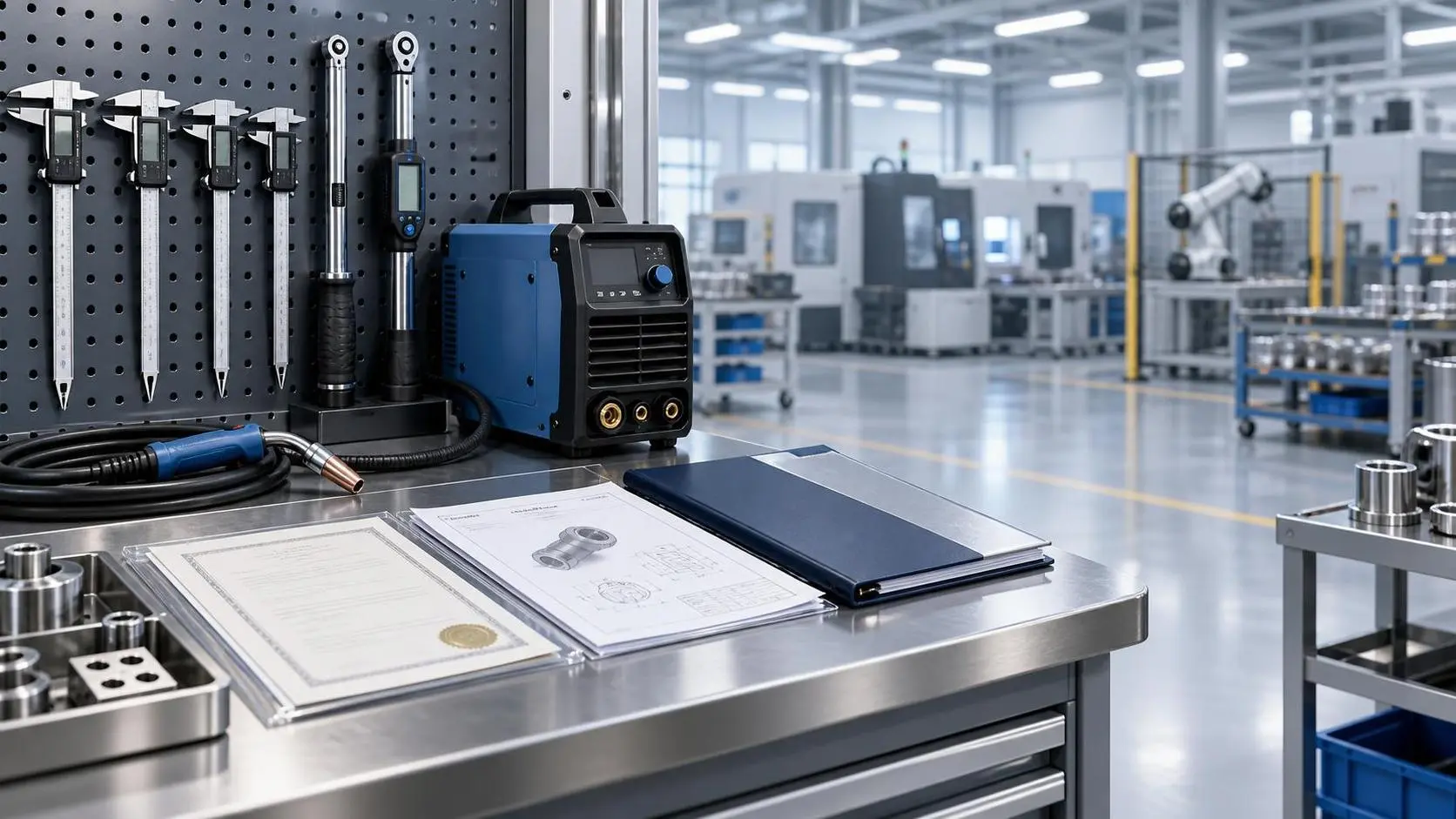
Product Comparison Resources in Europe: How Buyers Can Verify Specs and Suppliers
Product comparison resources Europe: learn how to verify industrial specs, compliance claims, supplier credibility, and delivery risk for smarter purchasing decisions.

How to Evaluate an Industrial Metrology Solution Manufacturer for Production Use
Industrial metrology solution manufacturer evaluation guide for production: compare accuracy, traceability, automation, software, service, and acceptance testing to reduce risk.
Which ISO Standards Matter Most for Precision Engineering Quality Control?
Precision engineering ISO standards explained: discover how ISO 9001, ISO/IEC 17025, ISO 10012, GPS, and ISO 3834 strengthen quality control, traceability, and compliance.
Related News
- 00
0000-00
How to Select Vernier Precision Calipers for Tight-Tolerance Machining Inspection - 00
0000-00
How to Choose Metalworking Tools for Sheet Metal by Thickness and Forming Tasks - 00
0000-00
Metrology Technology Europe: Which Systems Improve Inspection Accuracy on the Line? - 00
0000-00
How to Choose Precision Measuring Instruments in North America for Tighter Tolerance Work - 00
0000-00
Specification-Oriented Articles on Precision Measurement: Which Parameters Matter Most?
Metrology Fellow
Weekly Insights
Stay ahead with our curated technology reports delivered every Monday.