
Precision tools can cut rework when tolerances tighten





Precision tools can cut rework when tolerances tighten
As tolerances tighten across industrial assembly, welding, and precision metrology, even minor measurement drift or tool instability can trigger costly rework.
For technical evaluation, selecting the right precision tools is no longer a procurement detail.
It is a direct lever for process capability, repeatability, inspection speed, and margin protection.
This article explores how advanced measuring systems, intelligent torque control, and reliable joining technologies reduce deviation.
It also explains how precision tools help validate quality faster in demanding production environments.
When tighter tolerances turn small errors into expensive rework
Tolerance pressure is rising in automotive, aerospace, energy equipment, electronics, construction systems, and maintenance operations.
Lightweight structures, modular assemblies, and global quality standards leave less room for manual variation.
In this environment, precision tools influence far more than dimensional accuracy.
They affect fastening consistency, weld geometry, surface fit, inspection confidence, and release decisions.
The cost of rework often begins with a weak signal.
A caliper drifts, a torque tool loses calibration, or a welding parameter is not recorded.
The defect may appear downstream, after labor, materials, and machine time have already been consumed.
High-value production therefore needs precision tools that detect variation before it becomes scrap.
Scene judgment starts with how variation appears
Different production scenes create different failure patterns.
The best precision tools are selected by matching error sources with control methods.
A welding cell needs heat input control and joint repeatability.
A fastening station needs torque traceability, angle monitoring, and ergonomic stability.
A metrology bench needs resolution, uncertainty control, and reliable data transfer.
A maintenance field kit needs rugged precision tools that remain accurate outside controlled rooms.
Scene-based selection avoids overbuying complex equipment where process discipline is the real gap.
It also prevents under-specifying tools when hidden variation requires tighter technical control.
Scenario 1: precision metrology before assembly release
Pre-assembly inspection is where many rework risks can be stopped early.
Digital calipers, micrometers, height gauges, bore gauges, and coordinate measuring systems check parts before value is added.
The core judgment point is measurement capability, not only instrument resolution.
Precision tools should support repeatability, calibration control, stable fixturing, and clear inspection procedures.
If measurement variation consumes too much tolerance, decisions become unreliable.
In tight-fit assemblies, this creates false rejects or false approvals.
Modern precision tools reduce that risk through digital readouts, data logging, and statistical process control integration.
The practical goal is simple: confirm fit before assembly starts.
Scenario 2: intelligent fastening where torque drift damages consistency
Fastening operations often look simple, yet they carry significant quality risk.
Joint failure can come from under-tightening, over-tightening, thread friction, tool wear, or operator fatigue.
Here, precision tools include electronic torque wrenches, transducerized screwdrivers, and IoT-based tightening systems.
The critical judgment point is whether the joint requires torque only, torque plus angle, or full traceability.
When tolerances tighten, fastening validation must move beyond “tool set correctly.”
It should confirm achieved torque, angle behavior, batch records, and abnormal tightening curves.
Precision tools with feedback control can stop incorrect cycles before parts advance downstream.
That single interruption can prevent disassembly, retesting, and warranty exposure.
Scenario 3: welding and metal joining under thermal sensitivity
Welding rework is especially expensive because defects may combine geometry, metallurgy, and appearance.
Distortion, porosity, undercut, lack of fusion, and heat-affected zone damage can all break tolerance targets.
Precision tools in this scene include welding gauges, laser seam trackers, clamps, fixtures, thermal monitors, and validated power sources.
The key judgment point is whether the process controls heat input and joint position together.
Handheld laser welding, robotic welding, and traditional arc welding each require different safeguards.
When weld access is difficult, fixturing becomes as important as the torch or source.
Reliable precision tools help verify gap, alignment, bead size, and post-weld dimensions.
They reduce rework by making the joint predictable before inspection finds a defect.
Scenario 4: field maintenance where accuracy must travel
Maintenance scenes challenge accuracy because temperature, vibration, dust, access, and time pressure change the working environment.
Hydraulic equipment, aerospace service, construction assets, and energy infrastructure often need decisions made on site.
Portable precision tools must balance accuracy, durability, battery life, readability, and calibration protection.
The judgment point is not laboratory performance alone.
It is whether accuracy survives transport, handling, weather, and repeated use.
Rugged torque testers, portable hardness testers, digital levels, and compact measuring systems reduce guesswork.
In field work, precision tools also shorten service windows by supporting faster acceptance decisions.
Different scenes require different precision tool priorities
The table shows why one specification rarely fits every process.
Precision tools should be ranked by the failure mode they prevent.
This approach links investment to measurable reductions in rework, inspection delays, and process disputes.
Scene-fit recommendations for tighter tolerance control
A practical selection process should connect tolerance risk with verification speed.
The following actions help precision tools deliver repeatable results across mixed industrial settings.
- Map where rework appears, then identify the earliest measurable signal.
- Check whether measurement uncertainty is suitable for the tolerance band.
- Use digital data capture where manual recording creates delay or transcription risk.
- Match torque tools to joint criticality, not only fastener size.
- Validate welding fixtures before optimizing power settings.
- Define calibration intervals based on use intensity and environmental exposure.
- Train handling routines so precision tools remain accurate between formal checks.
These steps make technical evaluation more objective.
They also turn precision tools into process assets rather than isolated instruments.
Common misjudgments that allow rework to return
The first misjudgment is choosing resolution without considering measurement uncertainty.
A display can show more digits while the process remains unstable.
The second misjudgment is assuming calibration certificates guarantee shop-floor accuracy.
Temperature changes, impact, dirt, and improper storage can still degrade precision tools.
The third misjudgment is separating measurement, fastening, and welding data.
Rework causes often sit between processes, not inside one station alone.
The fourth misjudgment is ignoring ergonomics.
Unstable grip, poor visibility, or tool imbalance can introduce variation during repetitive work.
Better precision tools combine accuracy with usability, traceability, and maintenance discipline.
How GPTWM connects precision tools with manufacturing intelligence
The Global Precision Tools & Welding Matrix observes the last mile of industrial manufacturing.
Its intelligence focus connects traditional craftsmanship with modern intelligent tools.
Through sector news, evolutionary trends, and commercial insights, GPTWM tracks shifts affecting precision tools worldwide.
These include raw material volatility, export standards, handheld laser welding safety, and IoT torque control.
The platform’s perspective supports decisions where metrology, joining, and assembly efficiency intersect.
Its mission is to help every welding torch and every caliper maximize value in the industrial chain.
Action guide: turn tighter tolerances into fewer defects
Start by selecting one recurring rework category and tracing it to the first controllable variation point.
Then compare current precision tools against the scene requirements: accuracy, stability, traceability, ergonomics, and environment.
If data is missing, prioritize tools that record results automatically and support process review.
If variation is physical, improve fixturing, torque control, joining parameters, or measurement routines first.
Tighter tolerances do not have to mean higher rework.
With scene-matched precision tools, quality can be validated earlier, deviations can be contained faster, and throughput can remain protected.
For ongoing intelligence on precision tools, welding systems, and industrial metrology, GPTWM connects practical technology insight with global manufacturing decisions.
Related News
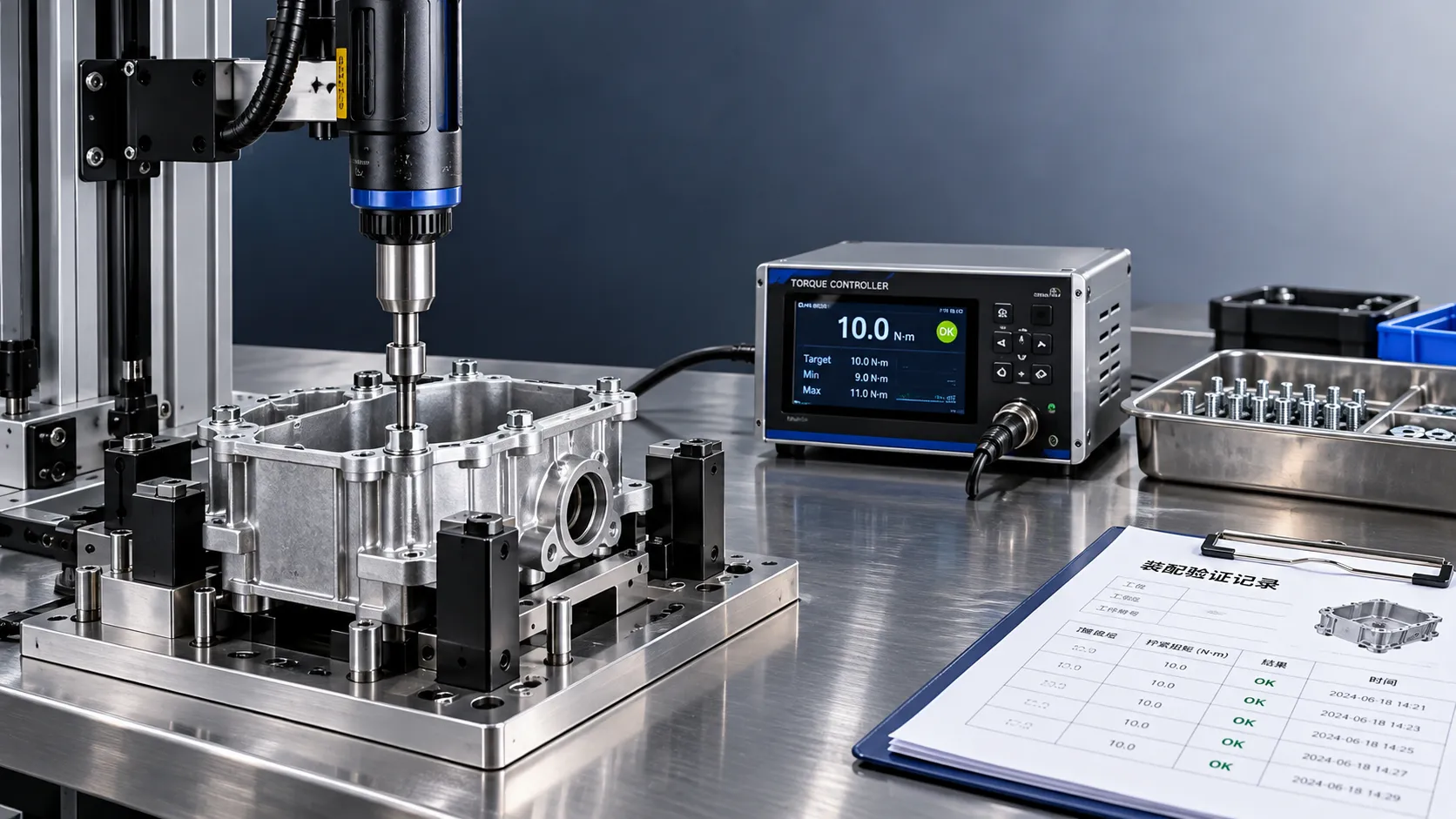
Torque System Suppliers: How to Assess References for Assembly Projects
Explore supplier and solution references torque systems buyers should verify. Assess assembly fit, traceability, and support to reduce risk and choose with confidence.

Equipment Application Guidance for the Middle East: Managing Heat and Dust
Explore application guidance Middle East teams can use to manage heat and dust, protect welding equipment, batteries and precision tools, and reduce downtime. Get practical tips.
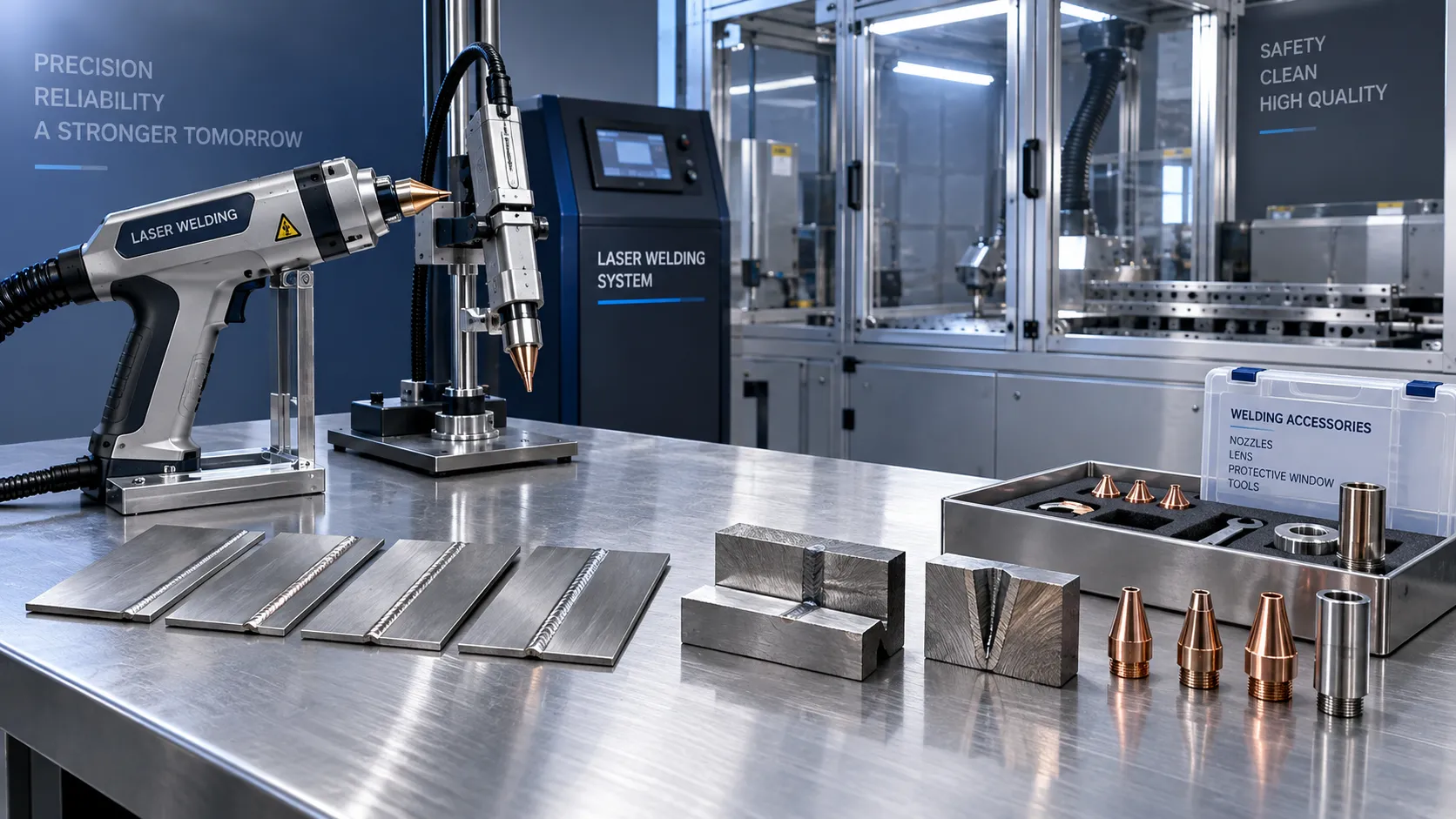
Choosing a Handheld Laser Welding Supplier: Weld Trials, Training, and Service
Choose a handheld laser welding supplier with proven weld trials, safety training, and reliable service. Learn what to verify before buying to reduce downtime and protect your investment.
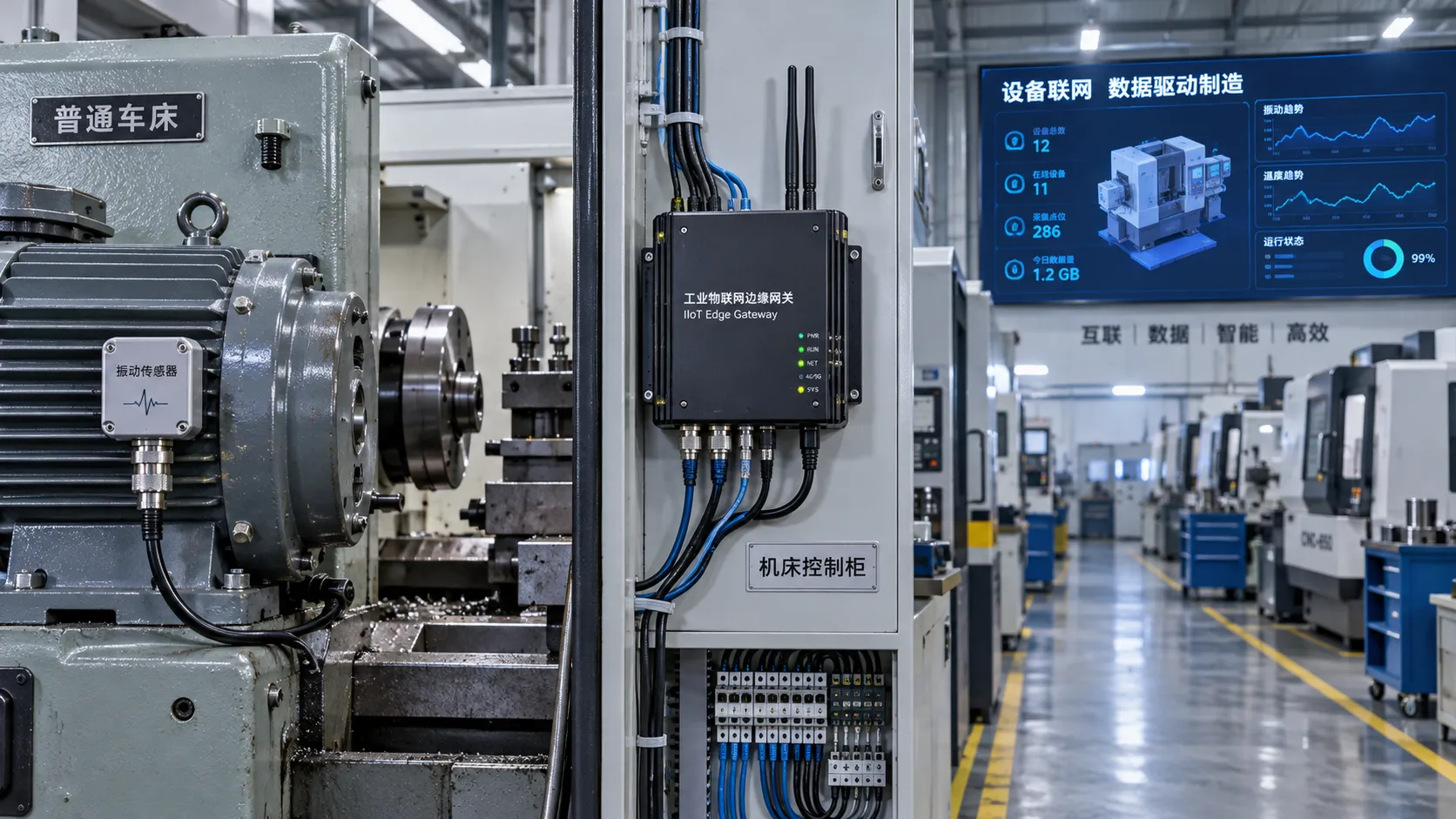
Choosing an Industrial IoT Platform: Key Criteria for Legacy Equipment
Choose an industrial IoT platform for legacy equipment with confidence. Discover key checks for connectivity, data integrity, security, and lifecycle costs before investing.

In-House vs. Outsourced Aircraft Maintenance: Comparing Total Costs
Compare aerospace maintenance cost for in-house vs. outsourced aircraft upkeep. Discover hidden expenses, downtime impacts, and break-even factors to find the best fit for your fleet.
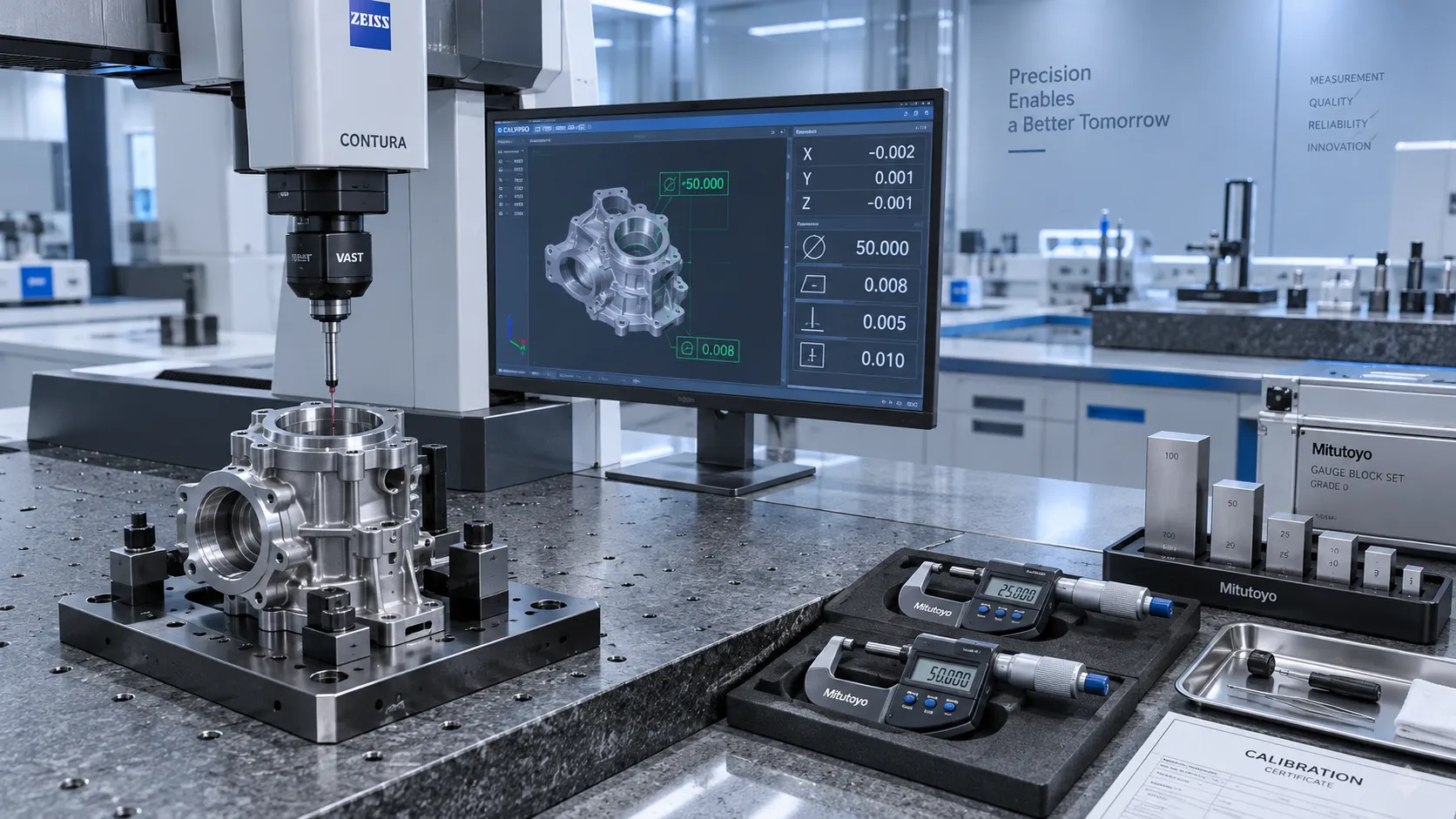
How to Select High-Precision Measuring Instruments for Tight-Tolerance Production?
High-precision measuring instruments are essential for tight-tolerance production. Learn how to evaluate accuracy, repeatability, environment, calibration, and data integration.
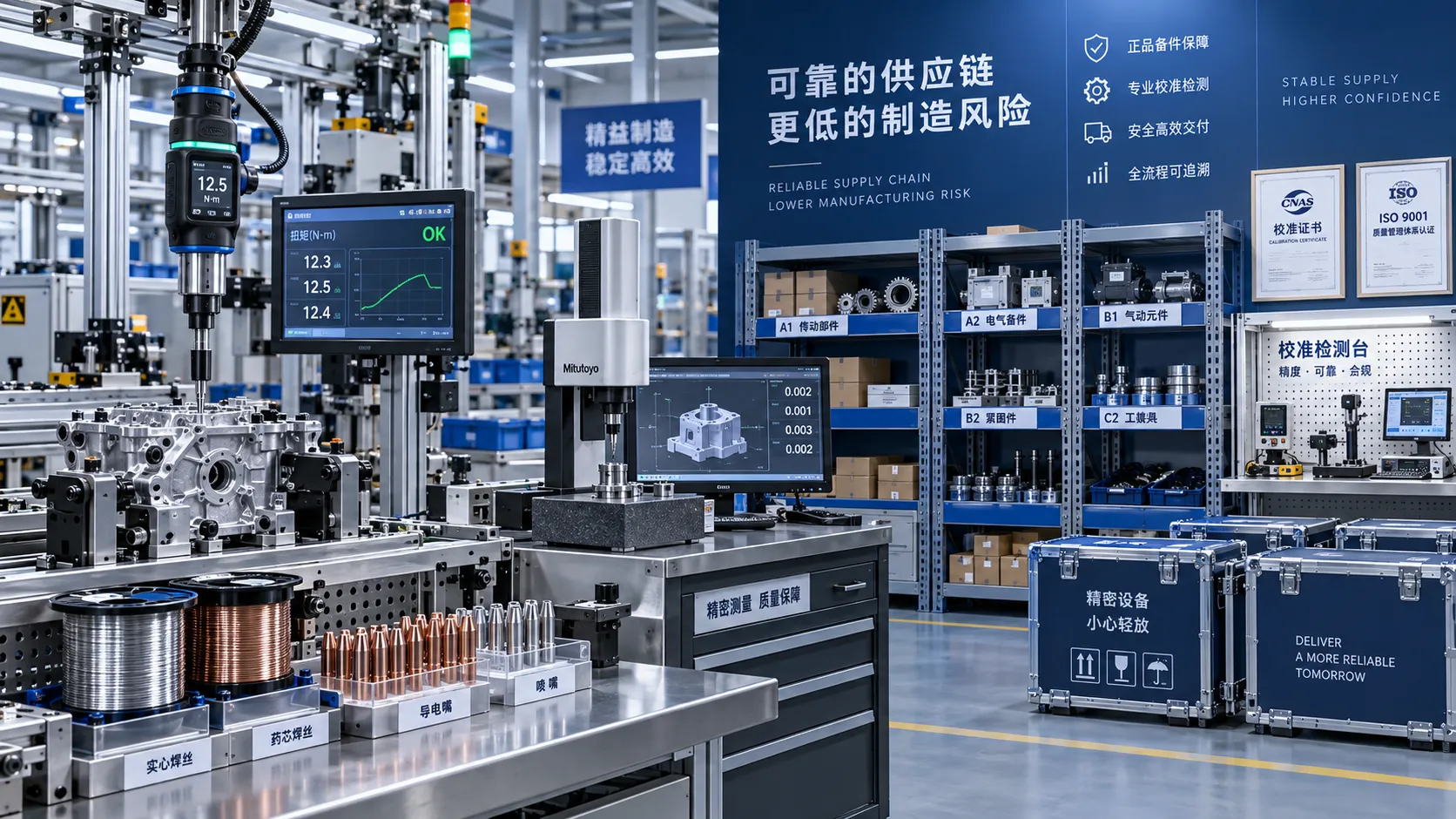
How Industrial Innovation Supplier Networks Reduce Sourcing Risk for Manufacturers
industrial innovation supplier network insights help manufacturers reduce sourcing risk, control lifecycle costs, and choose reliable tools, services, and suppliers with confidence.
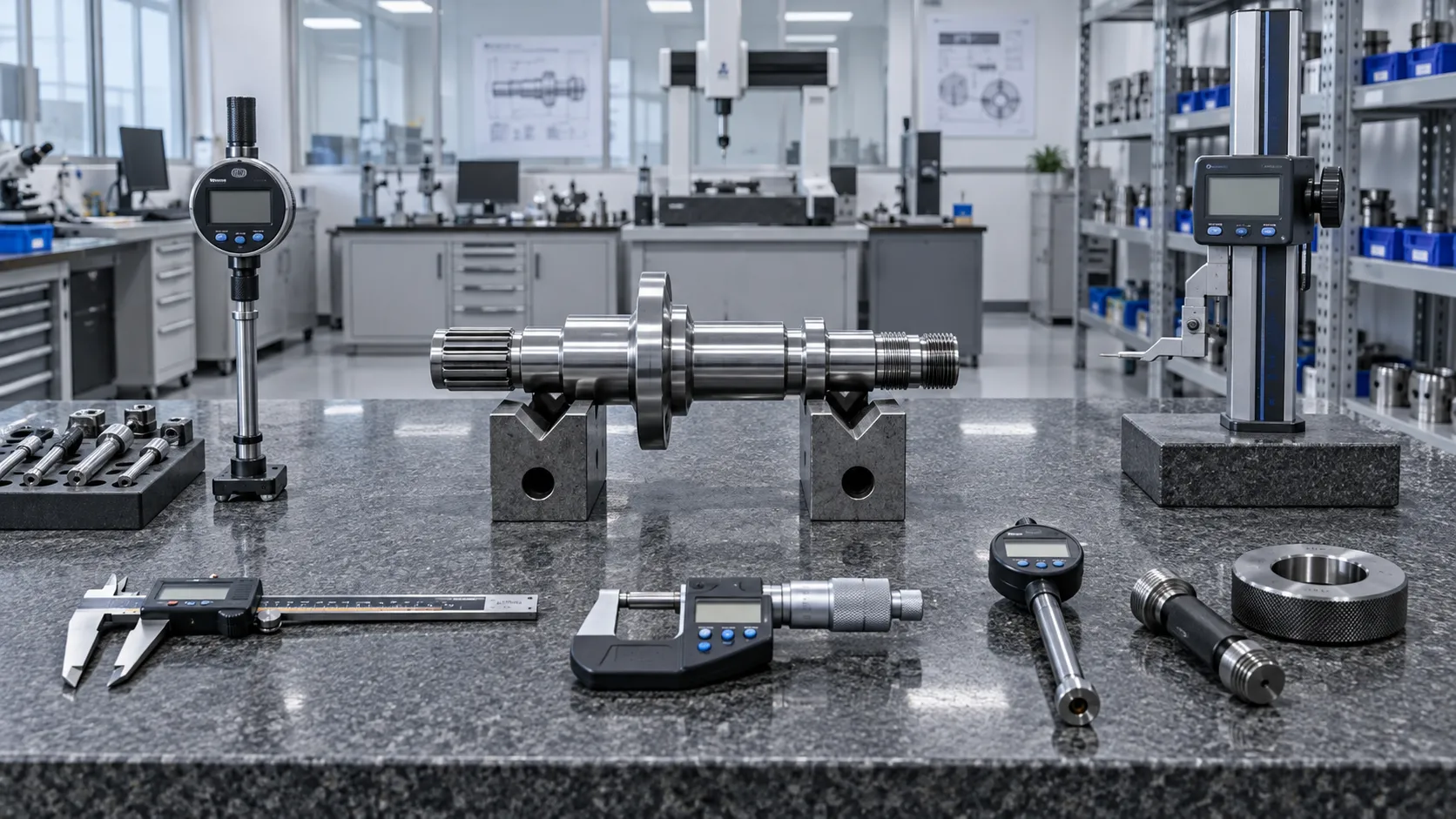
Which Precision Measuring Tools Are Best for Incoming Inspection?
Which precision measuring tools are best for incoming inspection? Explore calipers, micrometers, gauges, CMMs, and smarter strategies to prevent costly defects.
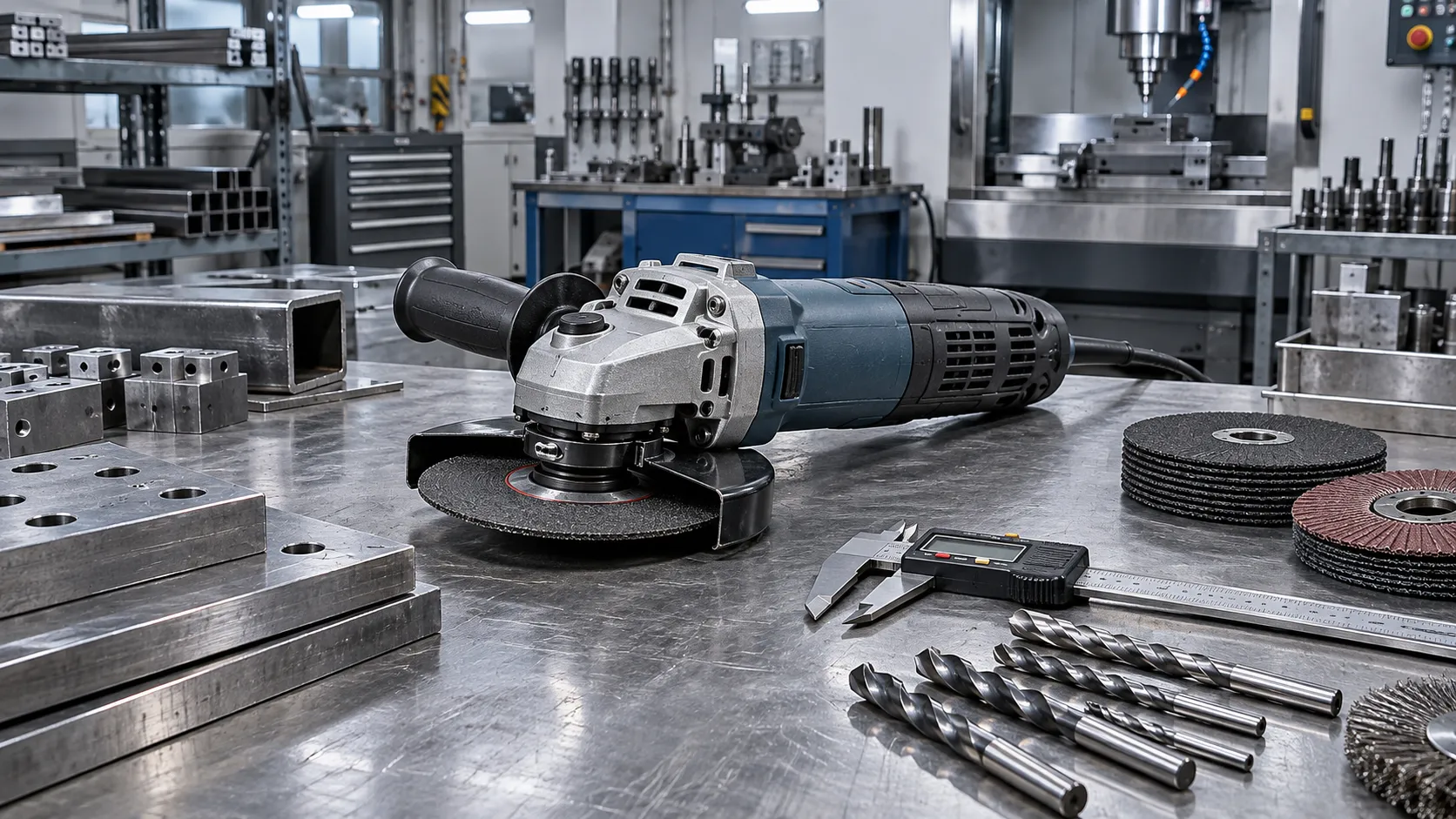
Are Lower-Cost Metalworking Tools More Likely to Fail Early?
Are cheaper metalworking tools more likely to fail early? Explore duty cycle, build quality, and total ownership costs to make smarter buying decisions.
Related News
- 00
0000-00
Which Precision Measuring Tools Are Best for Incoming Inspection? - 00
0000-00
Planning Access, Material Flow, and Clearance Around a 3200mm Sliding Saw - 00
0000-00
How to Select Vernier Precision Calipers for Tight-Tolerance Machining Inspection - 00
0000-00
How to Choose Metalworking Tools for Sheet Metal by Thickness and Forming Tasks - 00
0000-00
Metrology Technology Europe: Which Systems Improve Inspection Accuracy on the Line?
Metrology Fellow
Weekly Insights
Stay ahead with our curated technology reports delivered every Monday.