
Precision Tools Buying Guide: Key Tolerances, Materials, and Use Cases to Compare





Precision tools comparison starts with fit, not price
Choosing precision tools is rarely a simple price exercise. A lower quote can become expensive if tolerance drift, poor finish, or weak material shortens service life.
For assembly, welding support, inspection, and maintenance work, the right comparison method should connect technical detail with operating reality. That is where many sourcing decisions either hold value or lose it.
GPTWM follows the last mile of industrial manufacturing, where calipers, torque tools, gauges, cutters, and alignment instruments directly affect quality, speed, and compliance. In that context, precision tools need to be compared by performance under real use.
The practical question is simple: will the tool stay accurate, survive the environment, and match the task without creating hidden cost? The points below make that evaluation easier.
What to compare before shortlisting precision tools
Start with the basics, but go one step deeper than standard catalog language. Many precision tools look similar on paper. The differences usually appear in repeatability, wear resistance, and inspection support.
- Check stated tolerance together with repeatability, not just one-time accuracy. A tool that measures correctly once but drifts during repeated cycles can disrupt assembly control and inspection confidence.
- Review material grade in detail. Stainless steel, alloy steel, carbide, and hardened tool steel behave differently under corrosion, heat, vibration, and constant handling in mixed industrial environments.
- Ask about surface treatment and edge finishing. Coatings, passivation, black oxide, or chrome plating can improve durability, but poor finishing may still create wear, sticking, or reading errors.
- Match the tool to the actual use case. Bench inspection, field maintenance, welding preparation, and line-side assembly often need different precision tools even when dimensions look similar.
- Confirm calibration method, certificate scope, and traceability route. Precision tools without reliable calibration records may pass incoming inspection but fail later during audits or customer complaints.
- Compare service life and spare support, not only purchase price. Replaceable jaws, batteries, tips, seals, or probes can significantly improve total value over long operating cycles.
A quick comparison table for sourcing discussions
Tolerance is the first filter, but not the whole story
When comparing precision tools, tolerance is the headline number. Still, the number matters only when tied to measurement range, operating temperature, and frequency of use.
For example, a digital caliper used in controlled inspection rooms may perform well with tighter stated accuracy. The same tool may behave differently on a shop floor with dust, coolant, and temperature swings.
A useful check is to ask for repeatability data after multiple cycles. If a supplier cannot explain that clearly, the precision tools may not be robust enough for sustained industrial use.
Questions worth asking about tolerance
- Request tolerance performance across the full measuring range. Some precision tools hold strong accuracy at mid-range but lose consistency near limits or under angled contact conditions.
- Verify whether performance data reflects laboratory testing or floor conditions. This helps separate catalog claims from practical capability in assembly, repair, and inspection routines.
- Check zero-reset stability and backlash behavior. Small mechanical looseness can create large downstream quality issues when precision tools are used repeatedly by different operators.
Material choice affects life cycle cost more than many expect
Material selection often decides whether precision tools remain stable over months or begin degrading after short production runs. That makes it a cost issue, not only a technical detail.
Hardened stainless steel usually suits humid environments and regular cleaning. Carbide tips may be better where contact wear is severe. Alloy steel can work well when properly heat treated and finished.
GPTWM frequently tracks raw material shifts and export standard changes. Those changes can affect both supply continuity and actual tool quality, especially in cross-border sourcing of precision tools.
Material checks that prevent surprises
- Ask for hardness range, not just material name. Two precision tools labeled with the same steel may perform very differently if heat treatment control is inconsistent.
- Confirm corrosion resistance against the real environment. Coolant exposure, welding fumes, outdoor storage, and hand sweat can all shorten the life of untreated surfaces.
- Review thermal behavior if the tool works near heat sources. Expansion effects can reduce trust in readings, especially for precision tools used around joining and maintenance operations.
Surface treatment and ergonomics deserve closer attention
This part is often overlooked because it feels secondary. In practice, finishing quality affects grip, movement smoothness, corrosion resistance, and operator consistency.
A well-made tool should open smoothly, lock cleanly, and show no burrs on contact surfaces. Precision tools used in frequent handling should also reduce hand fatigue and reading mistakes.
This is especially relevant in the broader industrial landscape that GPTWM covers, where traditional craftsmanship increasingly meets digital factories and smart inspection workflows.
Small details that change daily usability
- Inspect slider smoothness, jaw alignment, handle texture, and display visibility. These details strongly influence whether precision tools remain efficient during long, repetitive work shifts.
- Check coating uniformity and edge condition. Attractive surface treatment means little if precision tools still trap debris, peel early, or scratch measured components.
- Consider operator comfort in gloves or oily conditions. Better ergonomics can reduce mishandling, shorten training time, and improve consistency across multi-station operations.
Compare by application, because one tool rarely fits every task
In assembly lines, precision tools often need fast readings, simple handling, and reliable repeatability. Here, speed and consistency matter almost as much as top-end accuracy.
In metrology rooms, the focus shifts. Stable thermal performance, fine resolution, and calibration traceability become more important than ruggedness or portability.
Maintenance work creates another pattern. Precision tools there may face field vibration, uneven surfaces, and limited lighting. Compact design and protection against contamination become practical priorities.
Welding-related preparation and post-join inspection add their own demands. Heat exposure, metal dust, and surface irregularity can reduce tool life quickly if material and finish are not chosen carefully.
Application matching points
- For line-side use, prioritize speed, repeatability, and clear readings. Precision tools that slow operators often create bottlenecks even when their technical specifications look impressive.
- For inspection rooms, focus on traceable calibration, thermal stability, and fine resolution. Overly rugged precision tools may be unnecessary if the environment is tightly controlled.
- For field maintenance and welding support, choose durable housings, contamination resistance, and secure locking features. Fragile precision tools often fail where access and handling are difficult.
Common blind spots that increase sourcing risk
A few issues tend to appear after ordering, not before. That is why they deserve early attention.
One common blind spot is incomplete calibration scope. A certificate may exist, but it may not cover the exact range or reference standard needed for compliance.
Another is spare part uncertainty. Batteries, probes, locking screws, jaws, or seals may be difficult to source later, making otherwise acceptable precision tools expensive to maintain.
The third is inconsistent batch quality. Sample approval can look excellent, while later shipments vary because of material substitutions or weaker process control.
Practical risk controls
- Define incoming inspection points before placing volume orders. This helps catch drift in tolerance, finish, packaging, or calibration support across multiple batches of precision tools.
- Request batch consistency evidence, such as inspection reports or process records. This is especially useful when precision tools are sourced internationally under changing raw material conditions.
- Include after-sales details in the comparison sheet. Service response, recalibration options, and spare support often separate reliable precision tools from short-term purchases.
A simple way to make the final decision
A useful method is to score precision tools across five areas: tolerance, material, finish, application fit, and support. Then weight the score according to the actual operating environment.
That approach keeps discussions grounded in performance and risk, rather than isolated unit price. It also makes supplier comparison cleaner when specifications look close on paper.
GPTWM’s industry intelligence perspective supports this kind of evaluation well. Market shifts, export restrictions, metrology trends, and tool design changes all influence which precision tools deliver stable long-term value.
Before moving forward, build a short comparison sheet using the points above, test against the actual use case, and verify calibration and material details. That extra step usually prevents the most expensive mistakes.
Related News

How Procurement Teams Can Map the Industrial Value Chain to Reduce Supply Risk
Industrial value chain procurement helps teams map hidden dependencies, qualify resilient sources, and reduce supply risk before disruptions stop production.
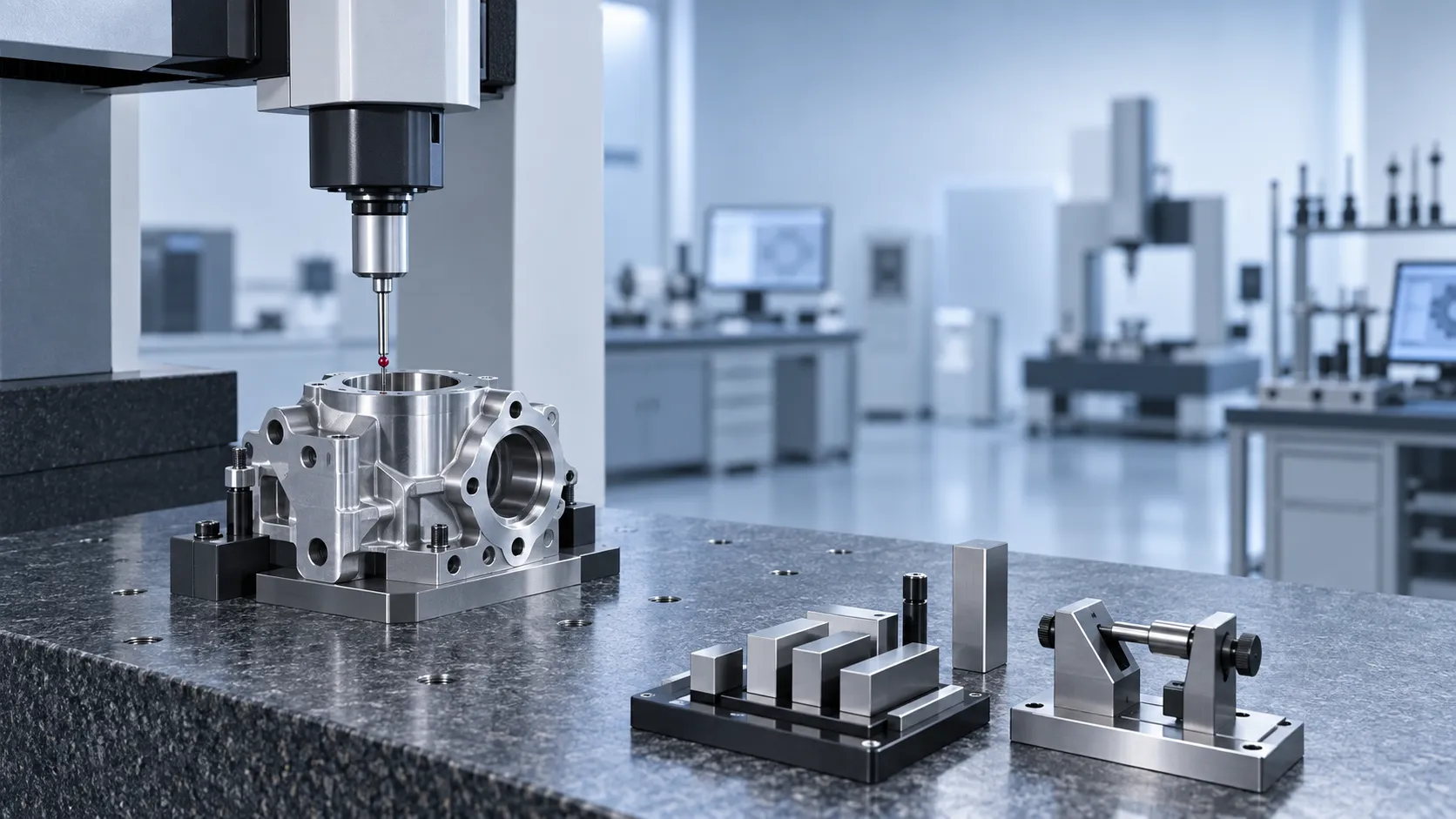
How Specification-Driven Articles Improve Precision Measurement System Selection
Specification-oriented articles precision measurement guidance helps teams compare accuracy, repeatability, environment, and data needs to select reliable systems with confidence.

How to Evaluate a Technology Integration Service Provider for Complex Projects
Technology integration service provider selection guide: evaluate interface ownership, delivery discipline, scalable architecture, and risk control for complex projects.
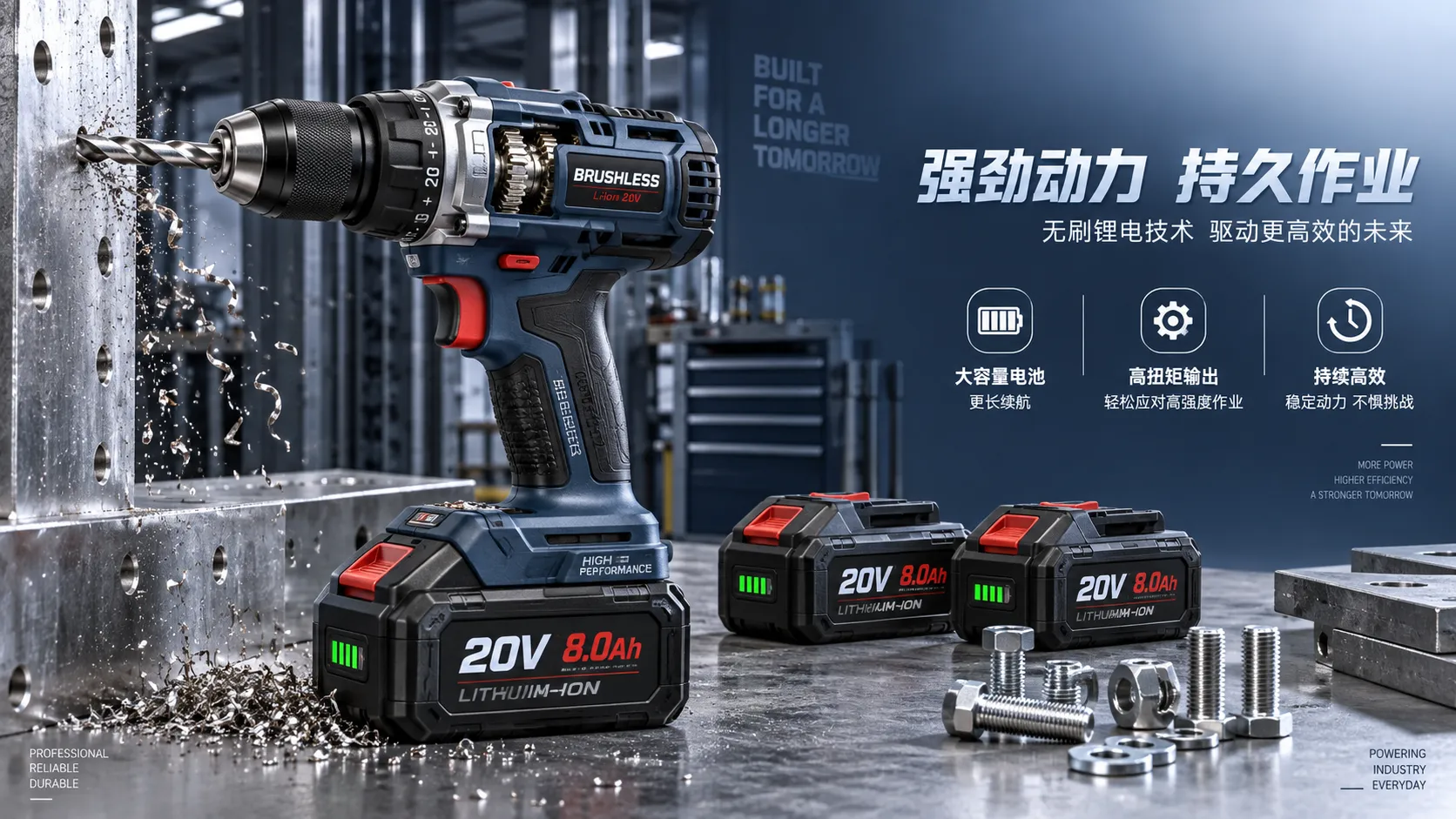
How Battery, Torque, and Duty Cycle Affect Cordless Power Tool Efficiency
Cordless power tool efficiency depends on battery output, torque, and duty cycle. Learn how to match tools to demanding jobs for stronger runtime and productivity.

Product Comparison Resources for Component Compatibility and Lifecycle Risk
Product comparison resources for components: evaluate compatibility, interfaces, service support, and lifecycle risk to reduce downtime, avoid redesigns, and make confident sourcing decisions.
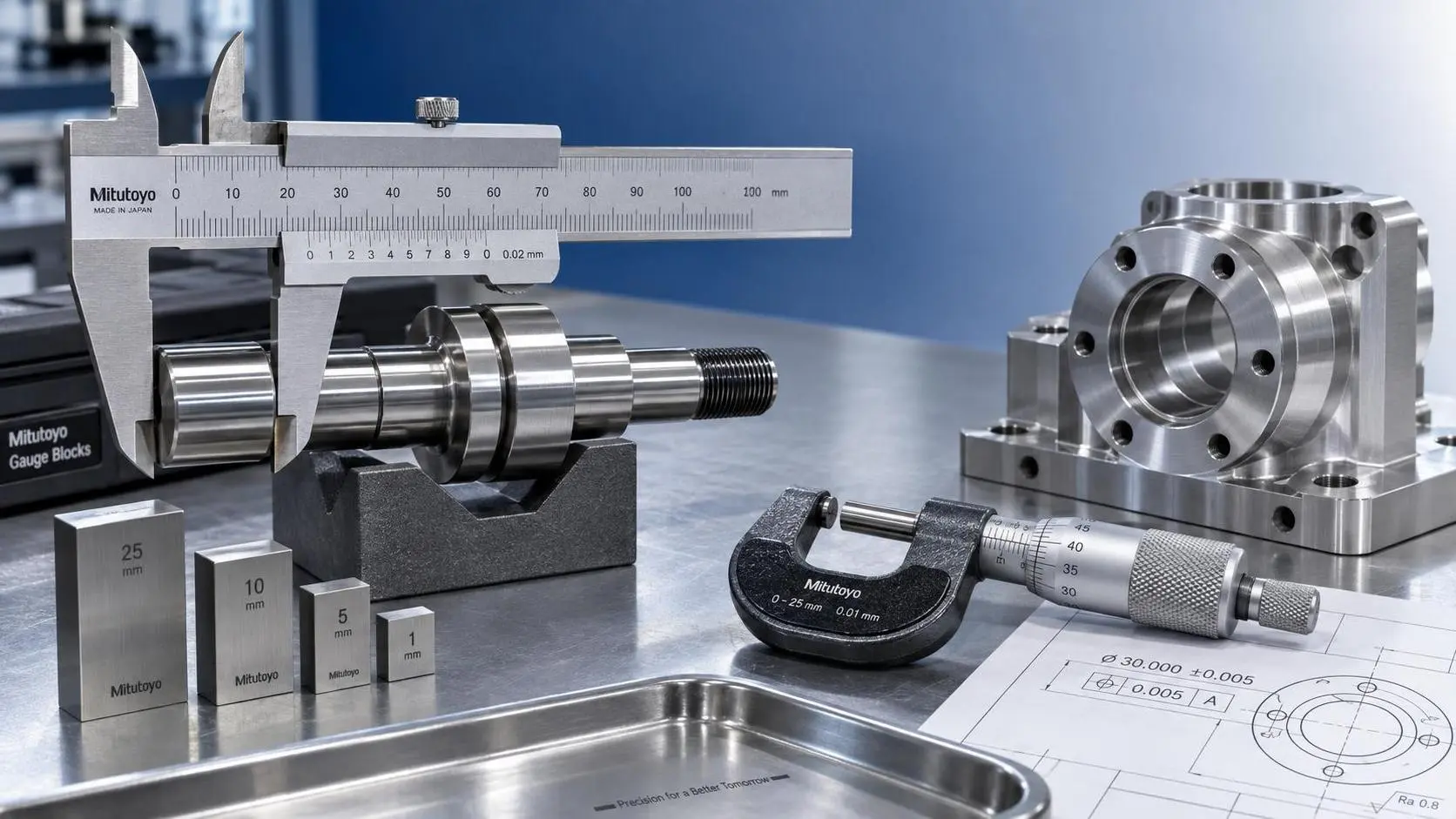
How to Select Vernier Precision Calipers for Tight-Tolerance Machining Inspection
Vernier precision calipers for tight-tolerance machining: learn how to select the right range, jaw design, accuracy, and verification process for reliable inspection.
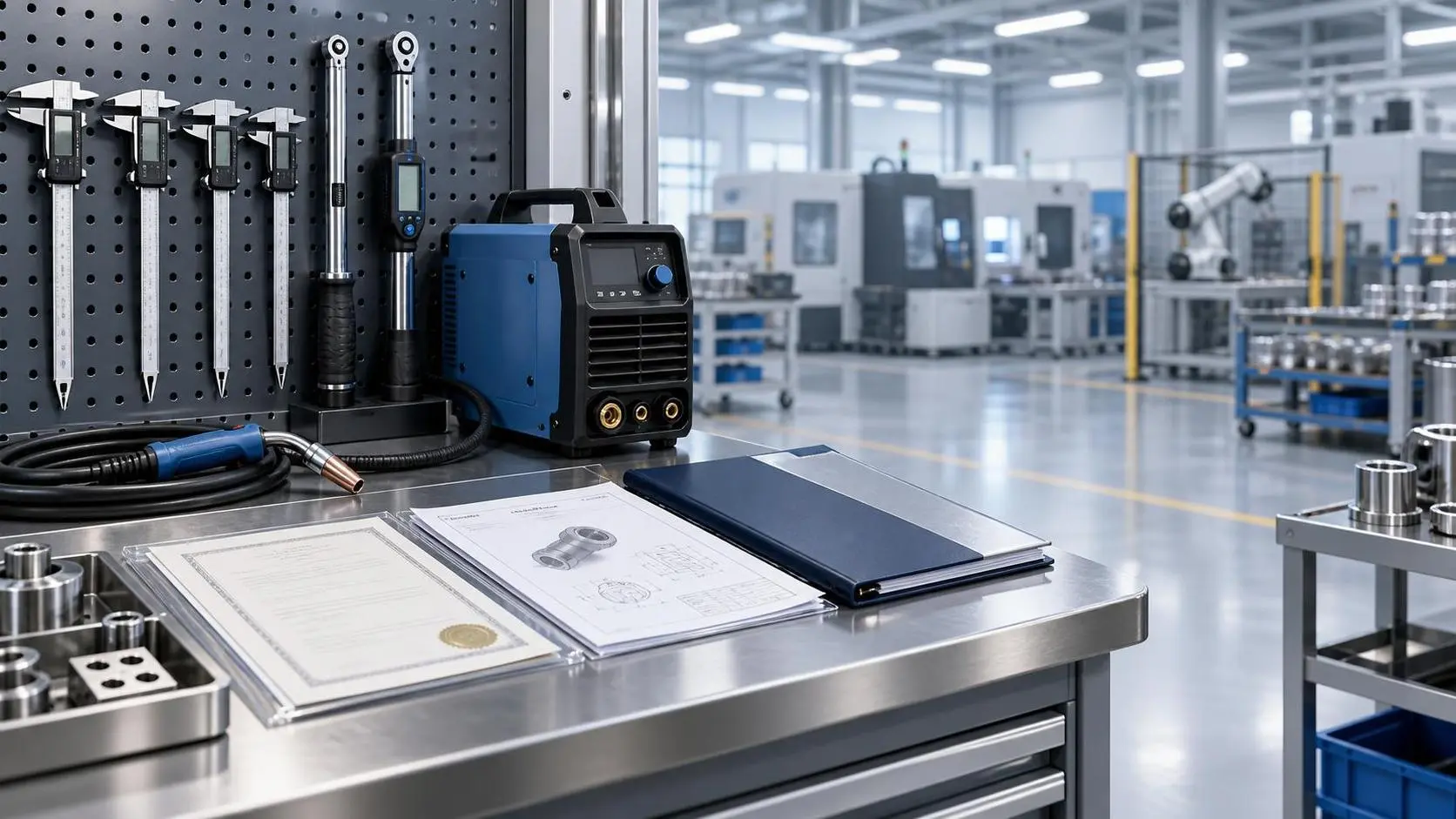
Product Comparison Resources in Europe: How Buyers Can Verify Specs and Suppliers
Product comparison resources Europe: learn how to verify industrial specs, compliance claims, supplier credibility, and delivery risk for smarter purchasing decisions.

How to Evaluate an Industrial Metrology Solution Manufacturer for Production Use
Industrial metrology solution manufacturer evaluation guide for production: compare accuracy, traceability, automation, software, service, and acceptance testing to reduce risk.
Which ISO Standards Matter Most for Precision Engineering Quality Control?
Precision engineering ISO standards explained: discover how ISO 9001, ISO/IEC 17025, ISO 10012, GPS, and ISO 3834 strengthen quality control, traceability, and compliance.
Related News
- 00
0000-00
How to Select Vernier Precision Calipers for Tight-Tolerance Machining Inspection - 00
0000-00
How to Choose Metalworking Tools for Sheet Metal by Thickness and Forming Tasks - 00
0000-00
Metrology Technology Europe: Which Systems Improve Inspection Accuracy on the Line? - 00
0000-00
How to Choose Precision Measuring Instruments in North America for Tighter Tolerance Work - 00
0000-00
Specification-Oriented Articles on Precision Measurement: Which Parameters Matter Most?
Metrology Fellow
Weekly Insights
Stay ahead with our curated technology reports delivered every Monday.