
How to Choose Welding Tools for Field Repair Work





A repair truck may arrive at a cracked equipment bracket, a damaged gate hinge, or a worn steel support with no clean shop floor, no fixed power outlet, and limited time to return the asset to service. In that setting, the wrong welding setup creates more than an inconvenience: unstable input power can interrupt the arc, an oversized machine can be impossible to position safely, and inadequate leads or PPE can turn a routine repair into a serious risk.
How do I choose welding tools for field repair work? Start by matching the process and power source to the material, repair position, access limits, and required weld quality. Then build the setup around real field conditions: portability, generator compatibility, duty cycle, cable reach, weather protection, and the ability to prepare and inspect the joint. A compact welder alone is not a field-ready system.
Begin with the repair, not the welder
The first decision is whether the job needs a structural repair, a serviceable temporary repair, a thin-material patch, or a controlled weld on a component with tight heat limits. Field welding tools should be selected after identifying the base material, section thickness, contamination level, and consequence of weld failure.
Carbon steel is usually the most forgiving field material, particularly when the joint can be cleaned and positioned properly. Stainless steel, aluminum, galvanized steel, cast iron, and high-strength alloy steel demand more caution. They may require different filler metals, better shielding, preheat or controlled cooling, and stricter heat-input control. A portable machine that performs well on mild steel may not be the right answer for aluminum repair or a crack in cast material.
- Ask what the part does: Is it cosmetic, load-bearing, pressure-containing, rotating, or exposed to vibration?
- Check thickness and joint access: A thin sheet repair and a heavy bracket repair need very different amperage ranges and consumables.
- Identify contamination: Paint, grease, galvanizing, rust, moisture, and oil affect weld quality and fume exposure.
- Consider repair position: Flat welding is one thing; vertical, overhead, or confined-access welding changes process choice.
- Decide whether the component can be removed: Bench repair may provide safer preparation and better control than welding in place.
Do not assume that a thicker metal always calls for the largest available machine. The needed output depends on joint design, electrode or wire diameter, root access, welding position, and whether multiple passes are practical. Selecting a machine with usable output control is more valuable than simply choosing the highest amperage rating.
Compare the main field welding process options
Each process solves a different field problem. The best choice is rarely universal; it is the process that remains controllable under the actual conditions of the repair.
For remote steel maintenance, stick welding remains a practical baseline because it tolerates wind better than gas-shielded processes and does not require a cylinder or wire feeder. Low-hydrogen electrodes may be appropriate for many critical steel repairs, but they must be kept dry and handled according to the electrode manufacturer’s requirements. Damp electrodes can contribute to porosity and hydrogen-related cracking risks.
MIG welding is productive when the repair can be protected from wind and the surface is clean. It is often useful for controlled mobile-service work inside a sheltered bay, enclosure, or calm outdoor area. Once wind disrupts shielding gas, the apparent convenience can disappear quickly. Porosity may not always be obvious until the bead is cleaned and inspected.
Flux-cored welding can be a better compromise where wind, longer welds, and heavier sections make solid-wire MIG less dependable. TIG is chosen when precision outweighs speed, but it should not be selected merely because it produces a neat bead. In exposed conditions, a stable gas shield and clean joint preparation may be harder to achieve than the repair schedule allows.
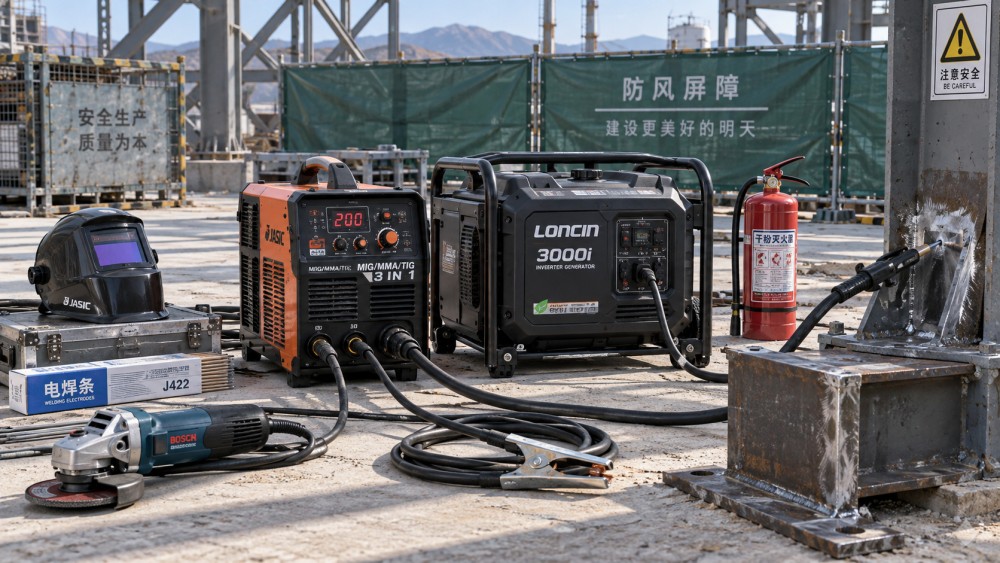
Power availability determines what “portable” really means
A lightweight inverter welder is easy to carry, but its field usefulness depends on the power behind it. Before choosing the machine, identify whether the job site has a stable mains supply, a vehicle-mounted generator, an engine-driven welder, or no practical source other than portable generation.
Read both the welder input requirements and the generator’s output characteristics. Generator capacity should accommodate starting demand, arc load, and any tools operating at the same time, such as grinders, lights, or extraction equipment. A generator that appears adequate on paper may still produce poor arc behavior if its output is unstable or if several loads are switched on simultaneously.
Inverter welders versus engine-driven units
Inverter machines are usually lighter, more compact, and capable of fine arc adjustment. That makes them attractive for access-limited repairs and mobile kits. Their limitations are environmental protection and input quality: electronics should be shielded from rain, metal dust, impact, and unsuitable generator power.
Engine-driven welders combine generation and welding output in one unit. They can be effective where no utility supply is available and may support auxiliary tools. The trade-off is weight, fuel handling, noise, maintenance, and the need for safe exhaust management. They cannot be operated in enclosed or poorly ventilated spaces because engine exhaust can create a lethal atmospheric hazard.
For occasional light repairs close to a dependable outlet, a compact inverter may be sufficient. For repeated remote maintenance across large sites, an engine-driven unit or properly matched generator-welder combination may reduce setup delays. The practical question is not “Which machine has the highest rating?” but “Can this system deliver a stable arc at the repair location without creating transport, fuel, or electrical problems?”
Choose an output range and duty cycle that match the work rhythm
Output range should cover the expected electrodes, wire diameters, and material thicknesses without forcing the machine to operate continuously near its limit. A field crew repairing light guards and brackets does not need the same capacity as one rebuilding heavy equipment attachments. Conversely, buying a heavy unit for occasional small repairs can make transport and positioning unnecessarily difficult.
Duty cycle deserves attention because field work often includes short bursts of welding interrupted by fit-up, cleaning, repositioning, and inspection. Still, repetitive repair welding on thick material can push a small machine into thermal shutdown. Check the duty cycle at the amperage you expect to use, not only at a lower advertised setting. Also consider ambient temperature: hot weather, direct sunlight, and poor airflow can reduce practical operating time.
Arc-start features, adjustable hot start, arc force, inductance, and voltage control can improve handling, but they are secondary to correct process selection. They help an operator establish and maintain the arc; they do not compensate for incorrect electrodes, poor grounding, contaminated steel, or an undersized power source.
The accessories that determine whether the setup reaches the repair
A field welding package often fails at the edges of the job. The machine may be capable, but a short ground lead, damaged electrode holder, leaking gas connection, or missing grinder can stop work before welding begins.
Lead length should be chosen around actual access, not the distance from vehicle to work area measured in a straight line. Longer leads are useful around machinery and structures, but excessive length or undersized cable can cause voltage drop and poor performance. Inspect insulation, connectors, strain relief, and clamp condition before deployment. A weak work clamp can cause erratic arc starts, overheating, and misleading symptoms that look like a machine problem.
- Electrode holder or torch: Select a rating appropriate to expected current and a design that can be handled with gloves.
- Work clamp and leads: Use robust, undamaged components sized for the output and cable length.
- Portable grinder: Needed for removing coatings, opening cracks, beveling edges, cleaning starts and stops, and preparing inspection surfaces.
- Wire brushes, chipping hammer, files, and scrapers: Useful for cleaning slag, oxidation, and residue between passes.
- Clamps and fit-up tools: Alignment affects penetration, distortion, and the likelihood of rework.
- Weather protection: A suitable welding screen or temporary shelter can protect the arc, operator, and surrounding personnel without trapping fumes.
Include basic measuring tools in the kit. A steel rule, tape, square, fillet gauge, calipers, and marker can prevent poor fit-up from becoming a welding problem. When a cracked bracket has shifted out of alignment, measuring the opening, edge offset, and remaining material thickness is more useful than immediately striking an arc.
Prepare the joint before choosing settings
Field repairs are frequently made on dirty or damaged surfaces. Grinding away paint and corrosion is not cosmetic preparation; it gives the arc a cleaner surface and allows the operator to see the actual extent of a crack. Grease and oil should be removed with an appropriate cleaning method before heating the metal. Heating unknown residues can produce hazardous fumes and contaminate the weld.
Galvanized coatings require particular care. Removing the coating in the weld zone reduces contamination, but the work area still needs ventilation and appropriate respiratory protection based on the exposure assessment. Never treat a welding helmet as respiratory protection. Likewise, do not weld on containers, tanks, pipes, or enclosed components until their contents, residues, pressure condition, and ventilation have been properly assessed.
Cracks should be evaluated rather than simply covered with a bead. A visible crack may extend farther than it first appears. Depending on the component and repair procedure, the crack may need to be stopped, gouged or ground out, and rewelded with controlled sequencing. On safety-critical or highly loaded components, the correct decision may be to remove the part from service and follow the equipment manufacturer’s repair requirements instead of improvising a field repair.
Portable does not reduce the safety requirement
Field conditions add hazards that may not exist in a welding bay: uneven ground, rain, poor lighting, nearby fuel, overhead work, traffic, and unauthorized people entering the area. Tool selection should include the equipment needed to control those conditions.
At minimum, use a properly rated welding helmet, flame-resistant clothing, dry insulated gloves, suitable safety footwear, and eye protection for grinding and slag removal. Hearing protection may be necessary when grinding or working near running equipment. Position cables to reduce trip hazards and protect them from sharp edges, vehicle traffic, hot metal, and water.
Wind direction matters for both shielding gas and fumes. Place portable screens carefully so they block wind without creating a confined, poorly ventilated space. Keep a suitable fire extinguisher available, remove combustible materials where possible, and maintain a fire watch when sparks can travel into hidden spaces, insulation, vegetation, or accumulated debris.
A practical selection path for a mobile repair kit
Build the kit around the hardest routine job, not the easiest one. A useful approach is to define the thickest common steel section, the most difficult expected weld position, the maximum distance from power, and the exposure to wind. Then choose the process that remains reliable under those limits.
- List the materials and repair types that occur repeatedly.
- Confirm whether stable mains power, a generator, or engine-driven output will be available.
- Select a welder with enough output and duty cycle for the intended consumables and joint thickness.
- Choose stick, MIG, flux-cored, or TIG capability based on wind, cleanliness, precision, and production needs.
- Size leads, clamps, torches, and extension equipment for actual access and current demand.
- Add preparation, measuring, fit-up, lighting, and safety equipment before calling the package complete.
- Test the full setup under controlled conditions, including the intended power source, before relying on it at a remote repair.
A well-chosen field welding setup is one that can be carried to the joint, powered reliably, prepared safely, and used within the limits of the material and repair requirement. The most capable machine is of little value if its process cannot tolerate the environment or if the team lacks the leads, consumables, inspection tools, and protective equipment needed to finish the repair properly.
Related News
What Defines Craftsmanship in Metalworking? Fit, Finish, and Precision
Discover what defines craftsmanship in metalworking: fit, finish, and precision. Learn how to spot quality, assess suppliers, and choose parts that perform reliably.
Choosing a Welding Tools Manufacturer: Quality Checks Before a Bulk Order
Choosing a welding tools manufacturer? Discover essential quality checks, sample tests, and inspection terms to reduce bulk-order risks and buy with confidence.
How to Compare Calibration Tools: Range, Uncertainty, and Traceability
Explore product comparison resources for calibration tools. Compare range, uncertainty, and traceability to choose confidently and support defensible measurement decisions.
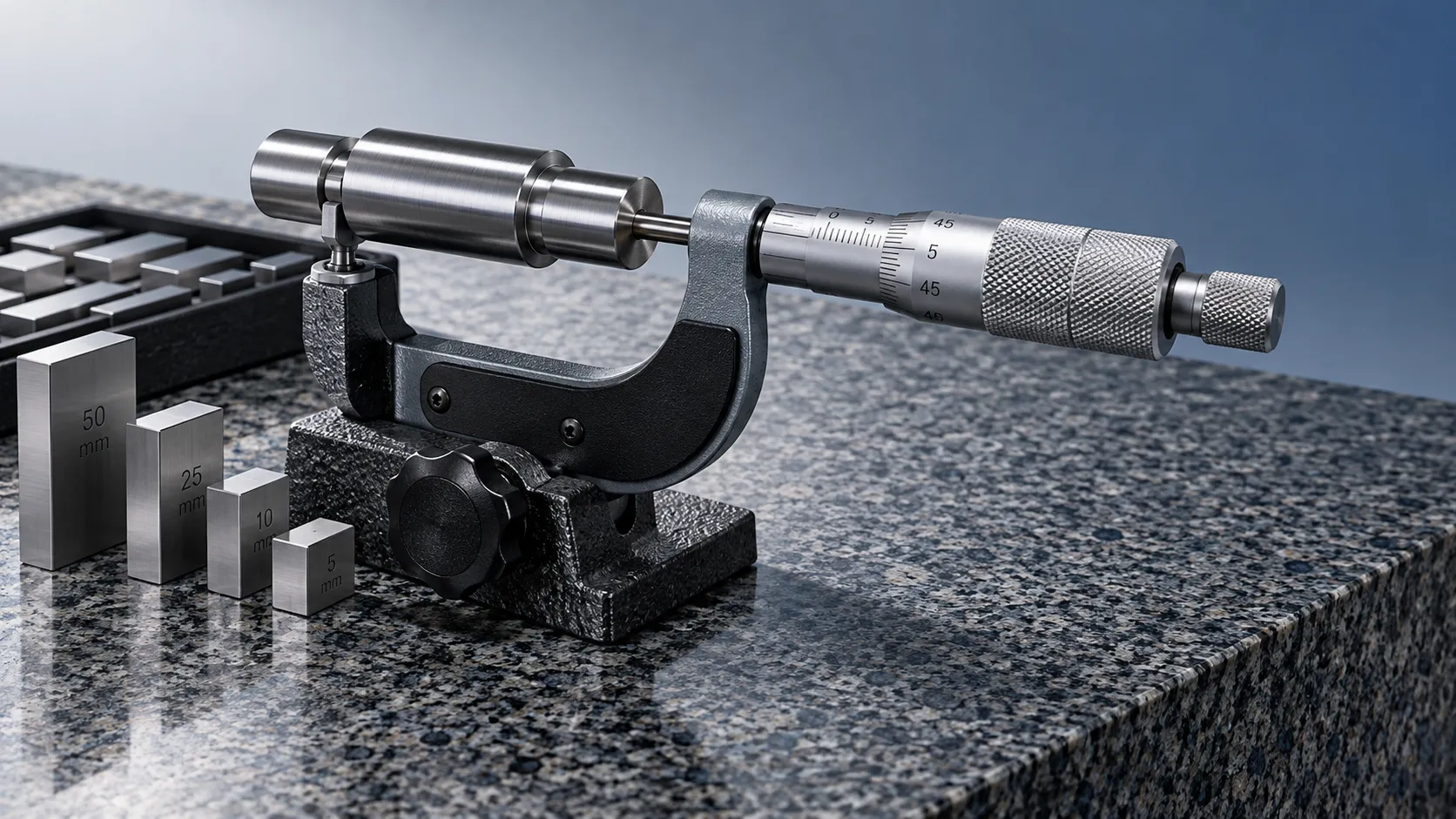
Choosing Industrial Metrology Tools: Matching Measurement Uncertainty to Tolerances
Improve industrial tool selection for metrology by matching measurement uncertainty to tolerances. Learn how to reduce inspection risk and choose equipment with confidence.
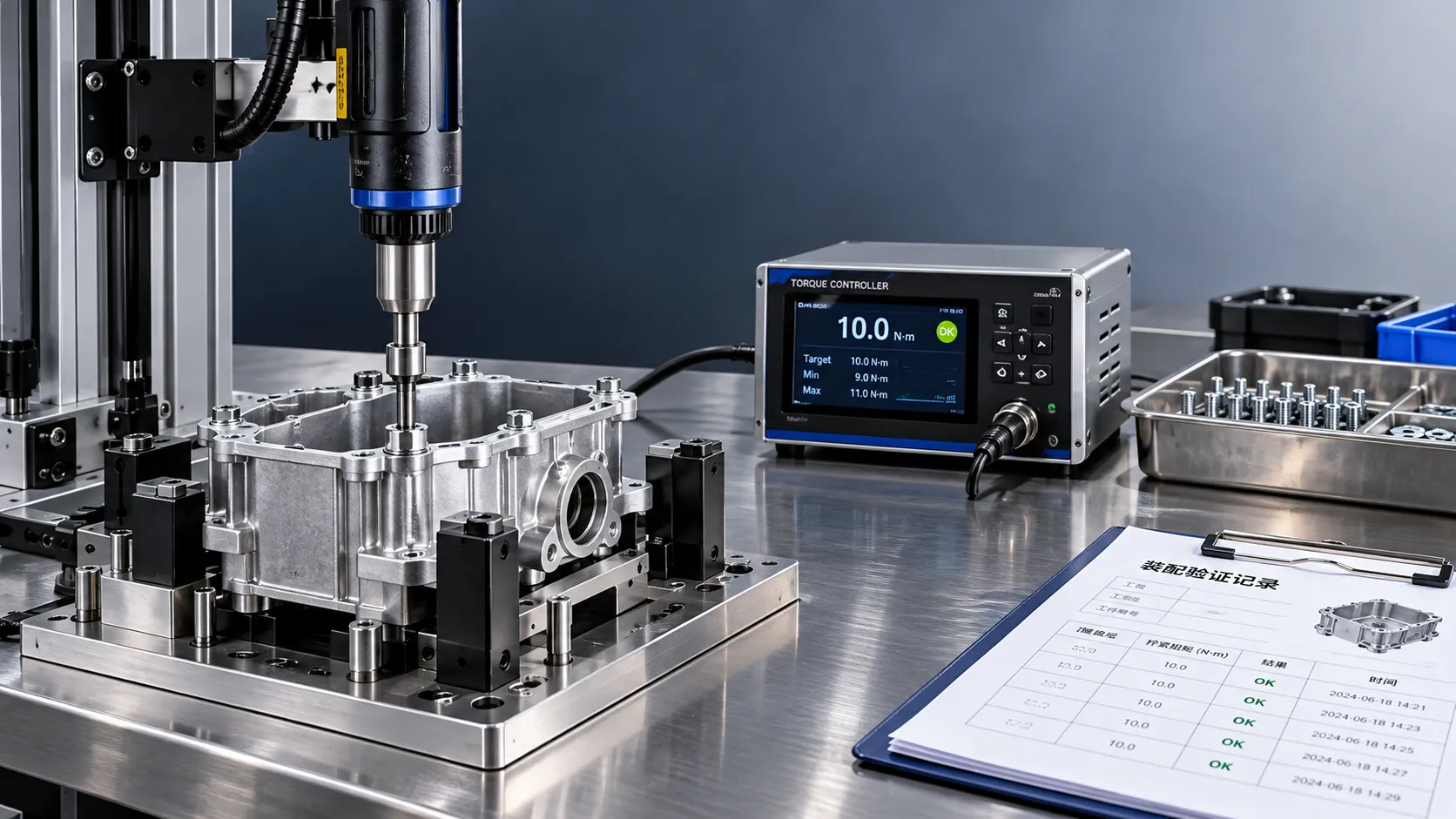
Torque System Suppliers: How to Assess References for Assembly Projects
Explore supplier and solution references torque systems buyers should verify. Assess assembly fit, traceability, and support to reduce risk and choose with confidence.
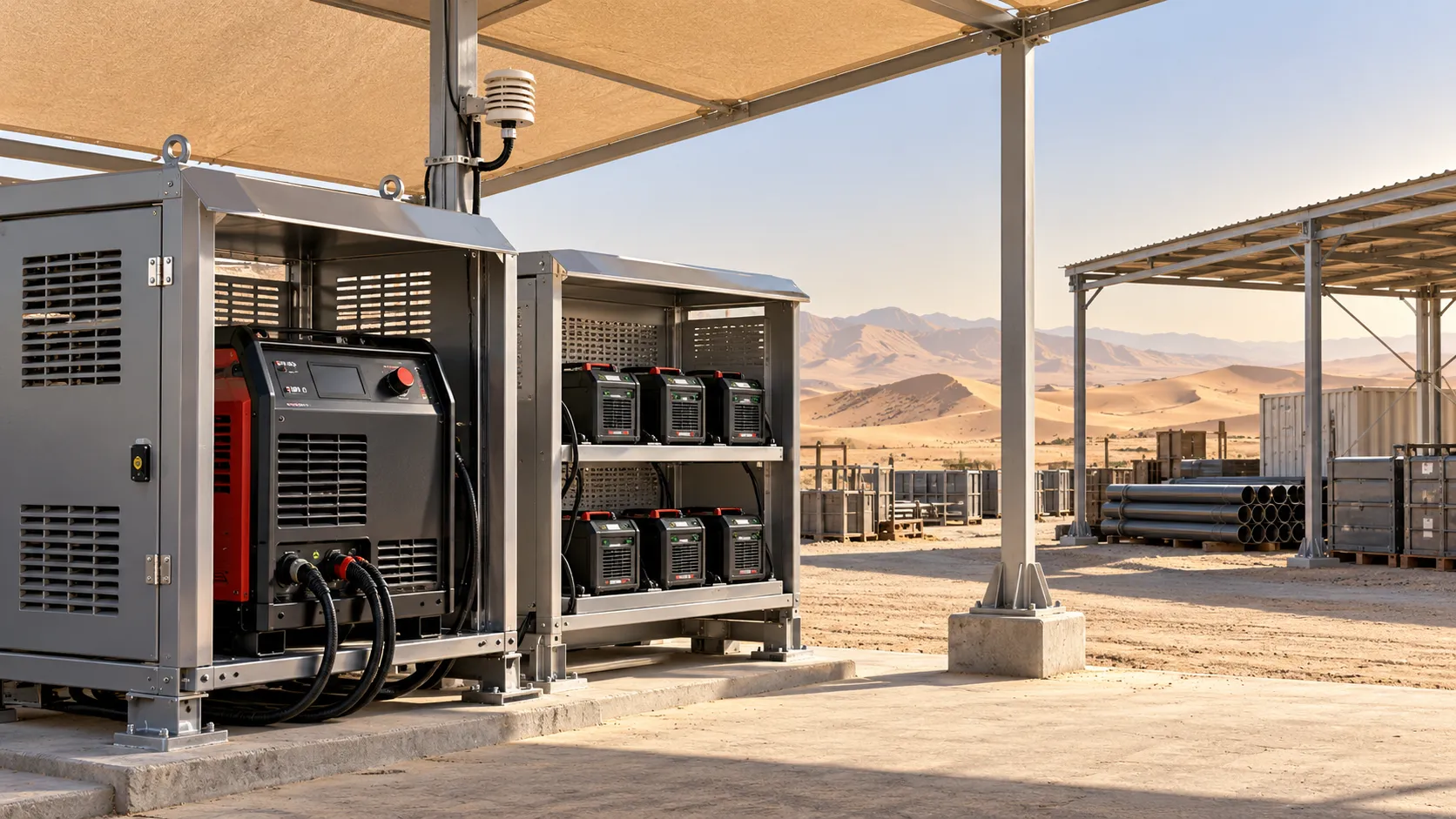
Equipment Application Guidance for the Middle East: Managing Heat and Dust
Explore application guidance Middle East teams can use to manage heat and dust, protect welding equipment, batteries and precision tools, and reduce downtime. Get practical tips.
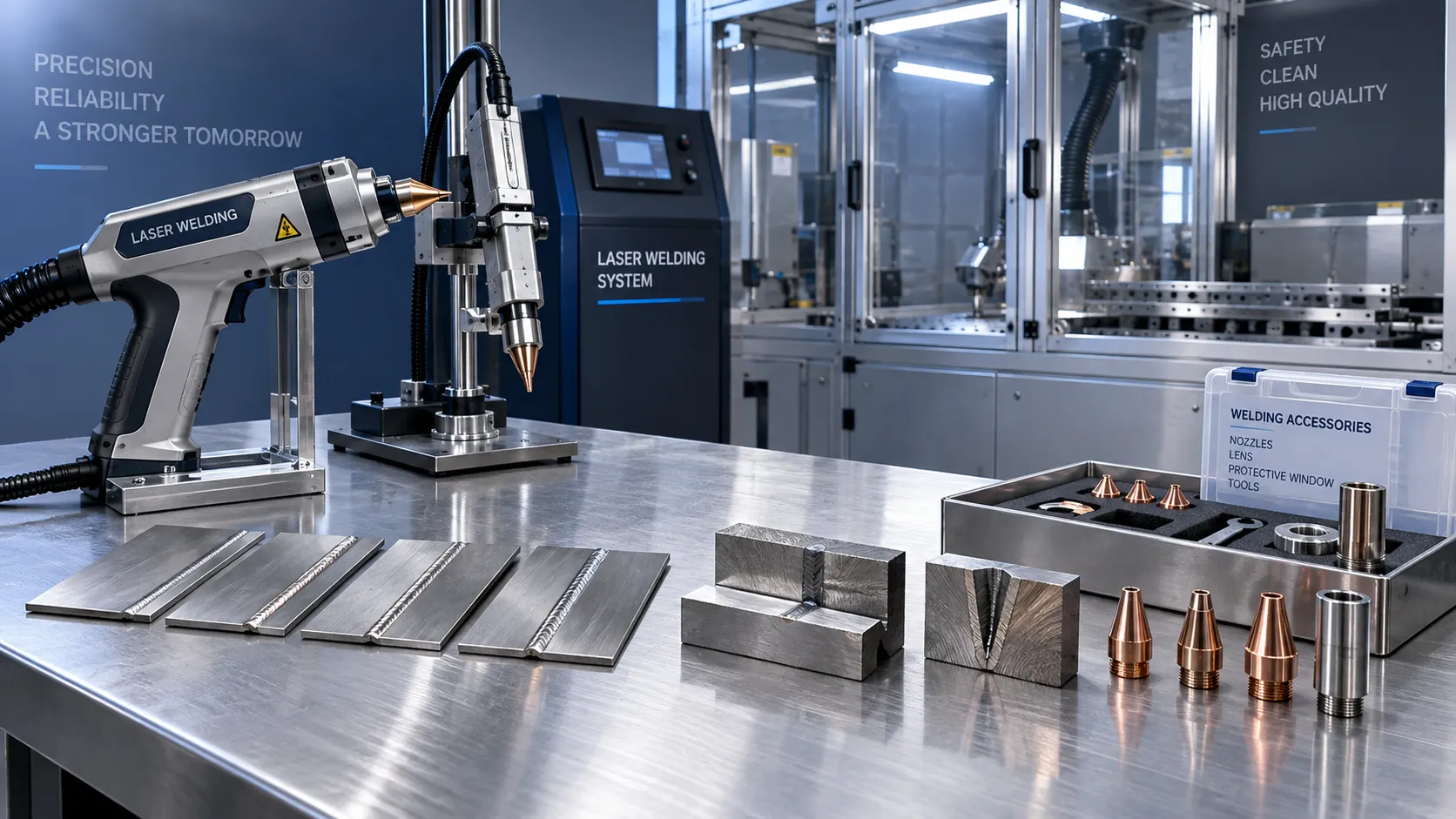
Choosing a Handheld Laser Welding Supplier: Weld Trials, Training, and Service
Choose a handheld laser welding supplier with proven weld trials, safety training, and reliable service. Learn what to verify before buying to reduce downtime and protect your investment.
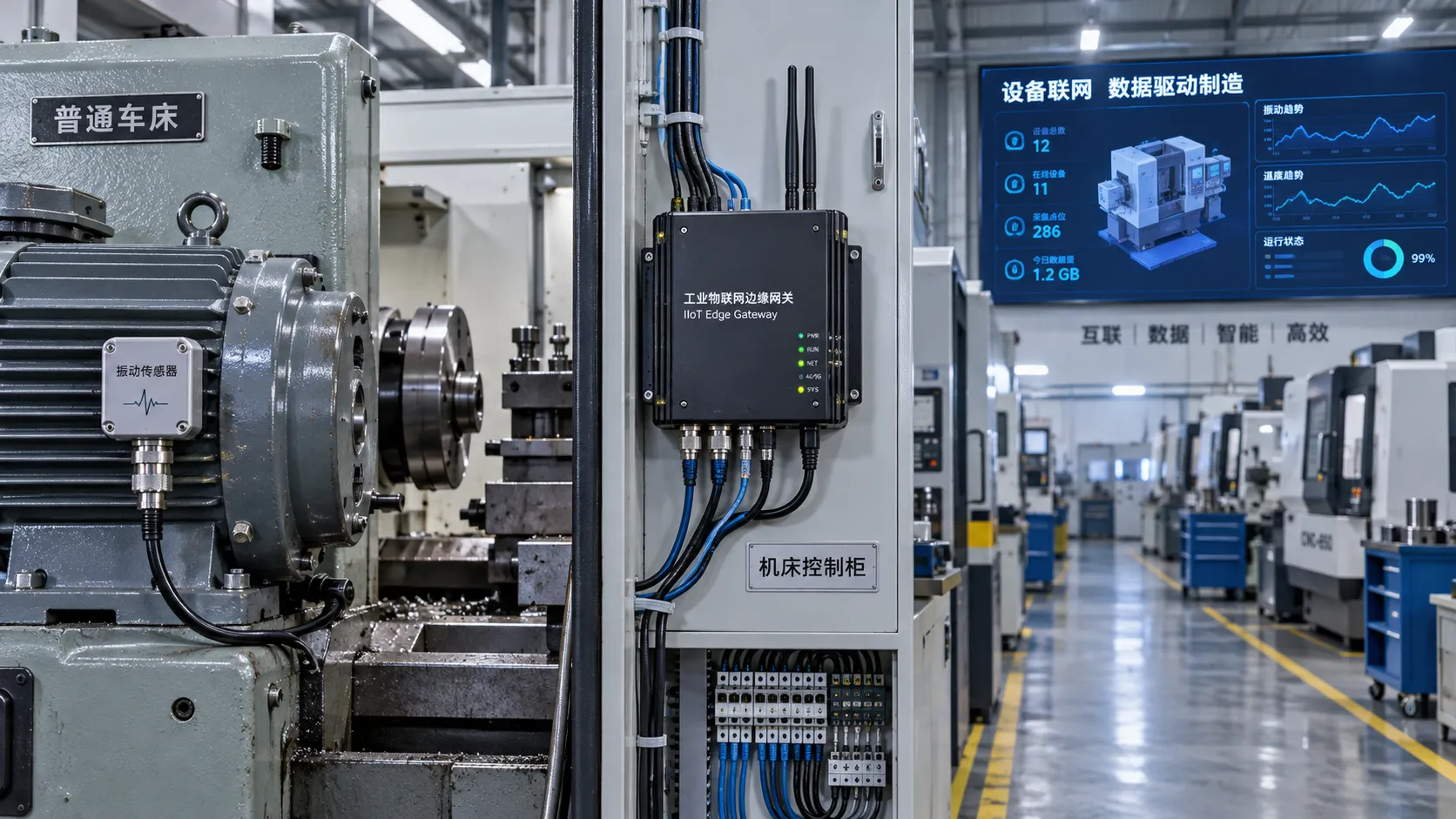
Choosing an Industrial IoT Platform: Key Criteria for Legacy Equipment
Choose an industrial IoT platform for legacy equipment with confidence. Discover key checks for connectivity, data integrity, security, and lifecycle costs before investing.
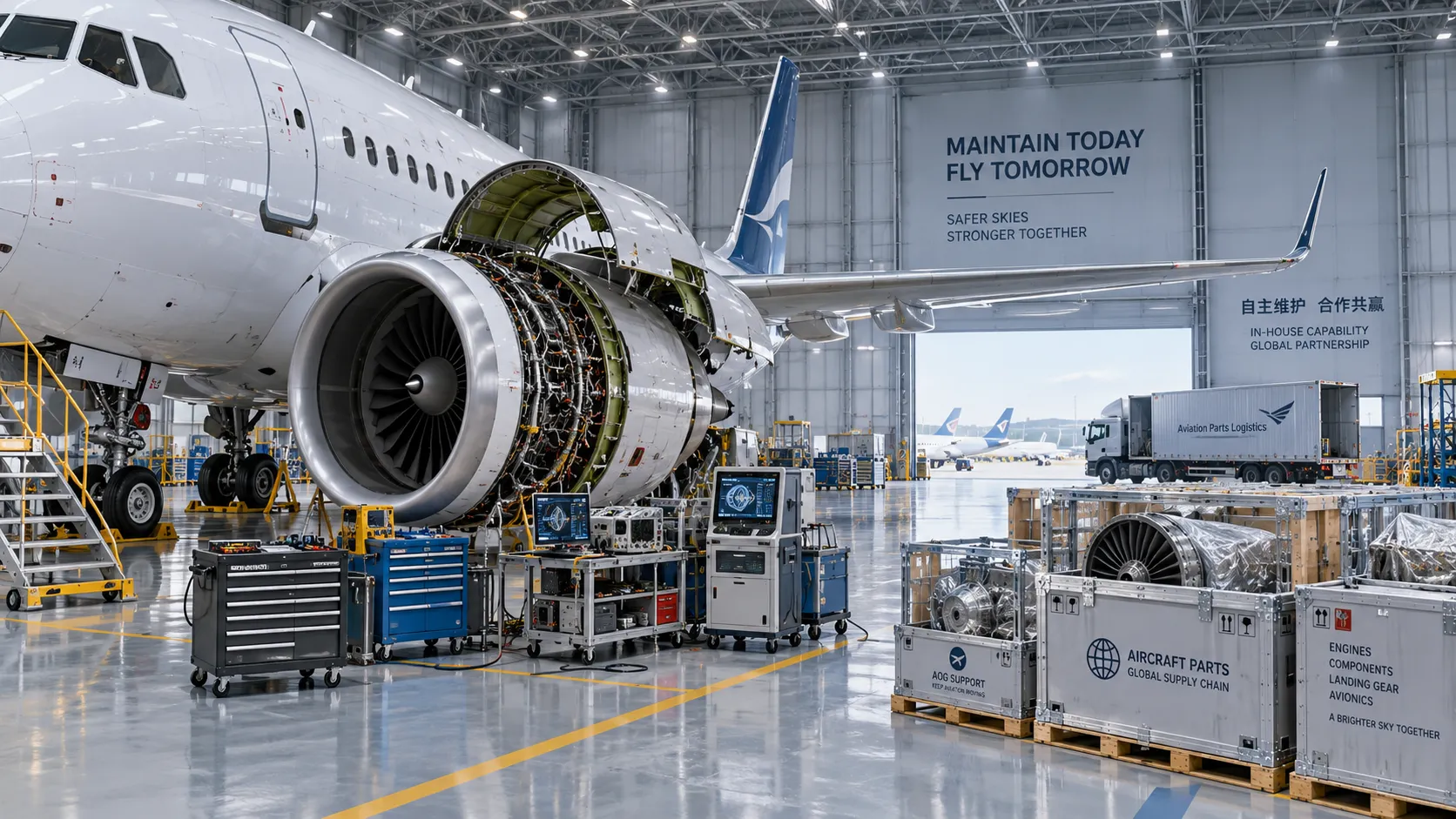
In-House vs. Outsourced Aircraft Maintenance: Comparing Total Costs
Compare aerospace maintenance cost for in-house vs. outsourced aircraft upkeep. Discover hidden expenses, downtime impacts, and break-even factors to find the best fit for your fleet.
Related News
- 00
0000-00
How to Choose Welding Tools for Field Repair Work - 00
0000-00
What Welding Equipment Documents Should Suppliers Provide? - 00
0000-00
Welding Fume Extraction PPE: When Respirators Are Not Enough for Shop Safety - 00
0000-00
Which ANSI Standards Apply to Welding Equipment in Industrial Fabrication? - 00
0000-00
How Energy-Efficient Welding Equipment Cuts Power Use in High-Volume Fabrication
Welding Metallurgy Expert
Weekly Insights
Stay ahead with our curated technology reports delivered every Monday.