
Laser Welding vs TIG Welding: Which Materials and Joint Types Fit Best?





Laser Welding vs TIG Welding: Which Materials and Joint Types Fit Best?
Choosing between laser welding and TIG welding can reshape schedule risk, product quality, and cost control.
That decision becomes more important when assemblies involve mixed materials, thin sections, or strict appearance requirements.
In practical manufacturing, laser welding often wins on speed, repeatability, and low distortion.
TIG welding, however, still holds a strong position where control, accessibility, and material flexibility matter most.
This guide explains how laser welding and TIG welding fit different materials and joint types, so process planning becomes clearer and more reliable.
What Separates Laser Welding from TIG Welding?
Laser welding uses a concentrated light beam to melt material in a narrow, highly controlled zone.
TIG welding uses a non-consumable tungsten electrode and shielding gas to form a precise electric arc.
The biggest operational difference is energy density.
Laser welding concentrates heat into a small area, which reduces heat input and limits the heat affected zone.
TIG welding spreads heat more gradually, which helps manual control but often increases distortion and cycle time.
From a planning perspective, laser welding favors automation, high output, and repeatable joints.
TIG welding fits lower-volume work, repair tasks, and assemblies where the operator needs to react in real time.
Best Materials for Laser Welding
Laser welding performs especially well on thin to medium-gauge metals with tight fit-up and consistent surface condition.
It is widely used for stainless steel, carbon steel, aluminum alloys, nickel alloys, and selected titanium parts.
Stainless steel is one of the easiest wins for laser welding.
It absorbs energy predictably and usually delivers clean seams with limited post-processing.
Carbon steel also responds well, especially in automated lines where joint alignment is stable.
Aluminum is more complex because reflectivity and thermal conductivity are higher.
Still, with proper power settings, shielding, and cleaning, laser welding can be highly productive on aluminum components.
The more obvious advantage appears on delicate parts.
Battery housings, medical hardware, electronics enclosures, and precision sheet metal benefit from minimal warping.
- Best fit: stainless steel, thin carbon steel, precision aluminum assemblies.
- Key condition: accurate edge preparation and small gap tolerance.
- Main gain: fast travel speed with low thermal distortion.
Where TIG Welding Still Fits Better
TIG welding remains the better option when fit-up is inconsistent or when filler metal control is critical.
It works well for stainless steel, aluminum, magnesium, copper alloys, and many reactive metals.
Copper and high-conductivity alloys often challenge laser welding because heat dissipates quickly.
TIG welding gives the operator more time to control puddle behavior and filler addition.
That matters in repair, prototyping, and short-run fabrication.
It also matters when joint geometry varies from one part to the next.
TIG welding is also more forgiving when surface condition is less than ideal, although cleaning still matters.
In field work or custom fabrication shops, that flexibility often outweighs the speed advantage of laser welding.
Joint Types: Where Laser Welding Performs Best
Joint design is often the deciding factor, even before material selection.
Laser welding works best when joints are precise, repeatable, and easy to fixture.
Typical strong matches include butt joints, lap joints, edge joints, and small fillet configurations.
Butt joints benefit from deep penetration and a narrow seam, especially in thin stainless or carbon steel panels.
Lap joints are common in automotive and appliance parts because laser welding handles overlap seams quickly.
Edge joints also suit laser welding when appearance and minimal cleanup are important.
The limitation is gap sensitivity.
If parts do not align well, laser welding quality can drop fast through underfill, lack of fusion, or unstable penetration.
- Best laser welding joints: butt, lap, edge, small sealed seams.
- Less ideal: wide gaps, heavy root variation, inconsistent fit-up.
- Planning note: fixture quality directly affects weld consistency.
Joint Types That Favor TIG Welding
TIG welding fits joint types that need puddle manipulation, filler buildup, or frequent operator adjustment.
Open-root joints, pipe joints, thicker fillet joints, and out-of-position welds often lean toward TIG welding.
This is especially true in maintenance, aerospace repair, and custom stainless fabrication.
When a joint has variation, TIG welding allows the welder to add filler selectively and maintain profile control.
That same flexibility helps when the part edge is worn, beveled unevenly, or difficult to fixture.
If cosmetic finish is important, TIG welding can also produce very attractive beads, although travel speed stays lower.
Speed, Quality, and Cost in Real Project Planning
Laser welding is usually the stronger choice when throughput is the top constraint.
Short cycle time, easy automation, and lower rework rates can improve total line efficiency.
This becomes more valuable as labor costs rise and quality traceability becomes stricter.
Still, capital cost is higher.
Laser welding systems demand investment in source power, safety controls, fixturing, and process validation.
TIG welding equipment is generally cheaper to deploy and easier to introduce in mixed production environments.
However, labor time is longer, and operator skill strongly influences final quality.
A useful way to compare both methods is to separate unit cost from system cost.
Laser welding may cost more upfront, but it often lowers cost per part in stable, repeatable programs.
A Practical Selection Framework
A simple decision framework helps reduce trial-and-error during process selection.
- Check material type, thickness, reflectivity, and thermal conductivity.
- Review joint type, gap tolerance, and access for torch or beam delivery.
- Estimate target volume, takt time, and expected quality variation.
- Compare rework risk, operator dependency, and automation potential.
- Include safety, training, and compliance requirements before launch.
If the product uses thin stainless steel with repeatable lap joints, laser welding is usually the better fit.
If the product involves variable gaps, repair work, or thicker custom joints, TIG welding often brings lower execution risk.
In many facilities, the strongest strategy is not either-or, but assigning laser welding and TIG welding to different production stages.
Final Takeaway
Laser welding is the best match for precise materials, controlled joints, high volume, and low distortion targets.
TIG welding stays valuable for variable materials, flexible joint conditions, repair work, and hands-on quality control.
The right choice depends less on trend and more on fit.
When material behavior, joint design, and production rhythm are evaluated together, welding decisions become faster and more defensible.
For better outcomes, evaluate laser welding not only by speed, but by how well it supports quality stability, downstream assembly, and long-term manufacturing efficiency.
Related News
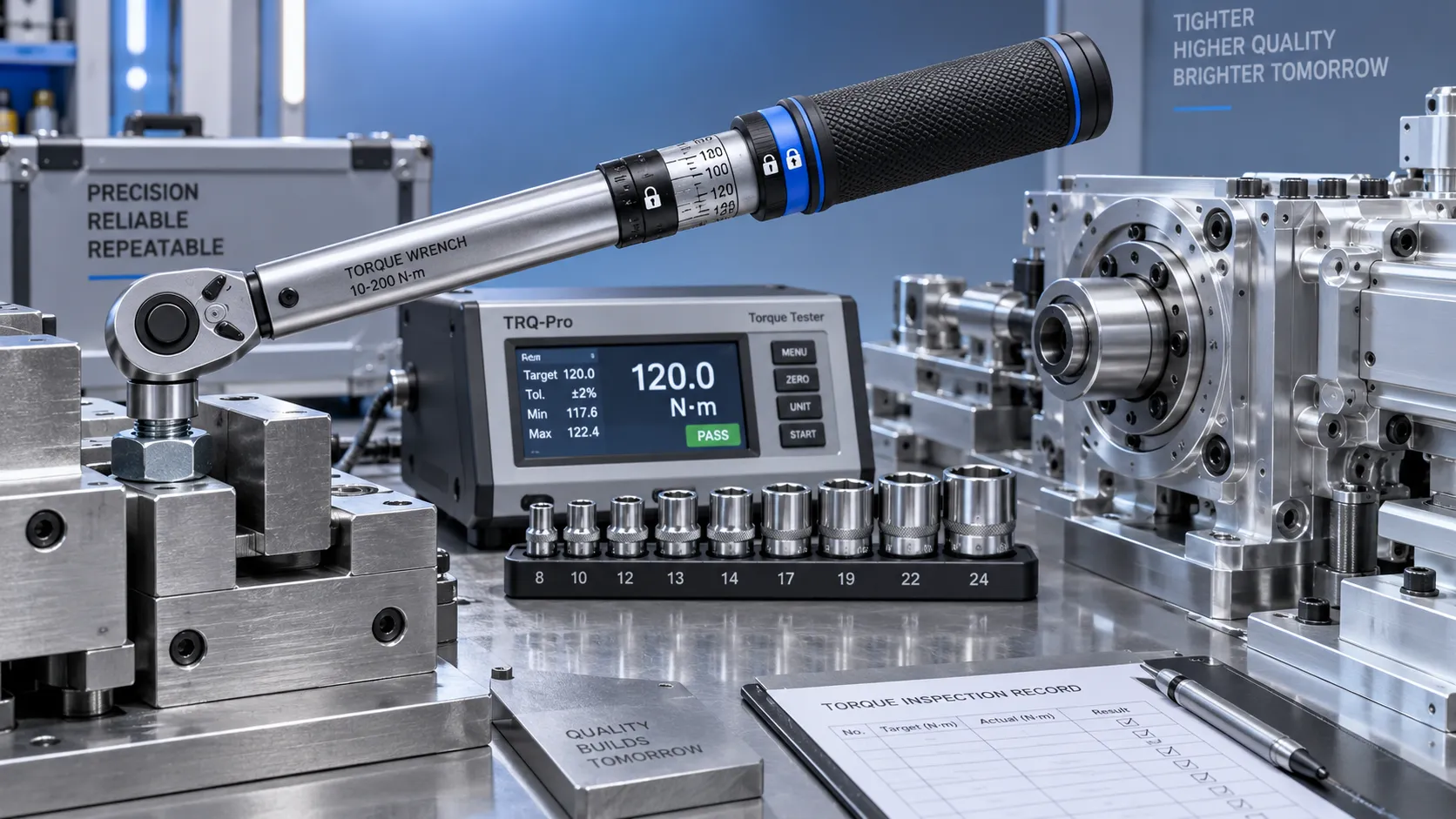
Selecting Adjustable Torque Tools for Repeatable Fastener Assembly
Adjustable torque tools: learn how to match range, accuracy, control methods, calibration, and ergonomics for repeatable, reliable fastener assembly.
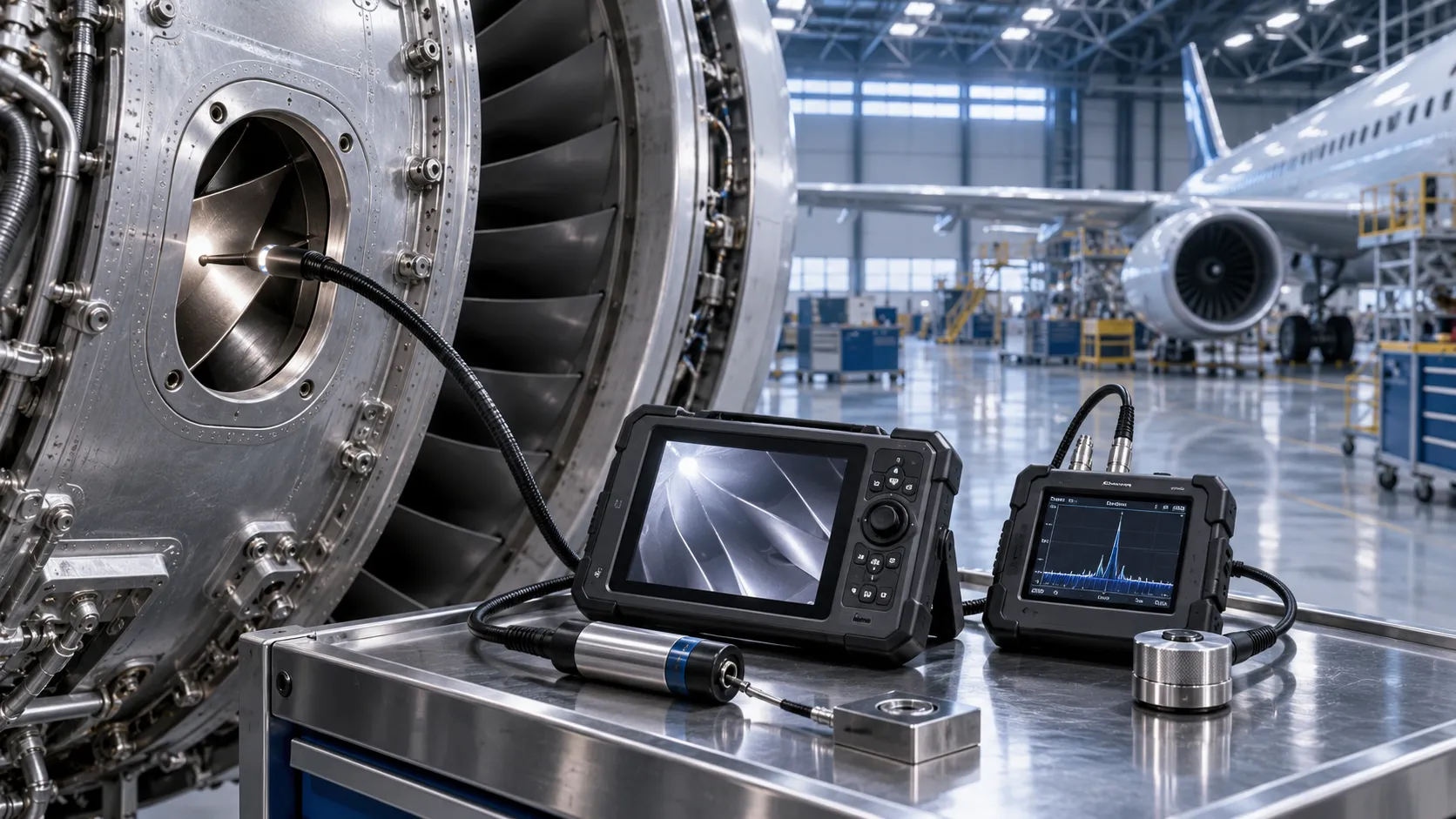
How to Select Aerospace Inspection Tools for Aircraft Maintenance Tasks
Aerospace maintenance inspection tools: learn how to select reliable, traceable equipment for aircraft access, accuracy, calibration, and compliant maintenance decisions.

How to Select Wire Bonding Tools for Fine-Pitch Semiconductor Packaging
Explore semiconductor manufacturing tools for wire bonding and learn how to select precision solutions for fine-pitch packaging, reliable loops, accuracy, and yield.
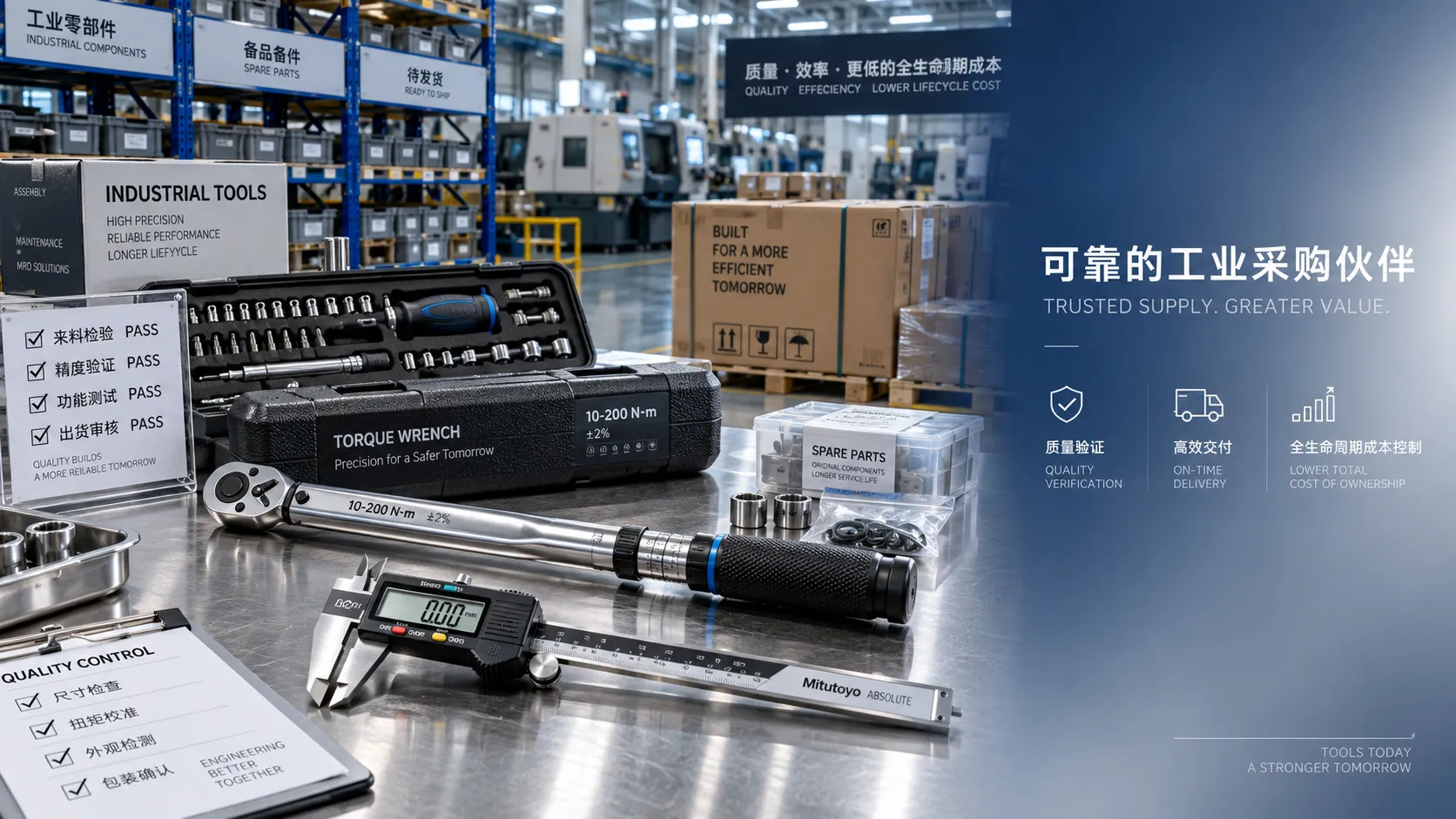
How to Compare Industrial Tool Suppliers for Quality, Lead Time, and Total Cost
Industrial tool selection supplier comparison made simple: evaluate quality, lead times, total cost, service, and supply resilience for confident sourcing decisions.
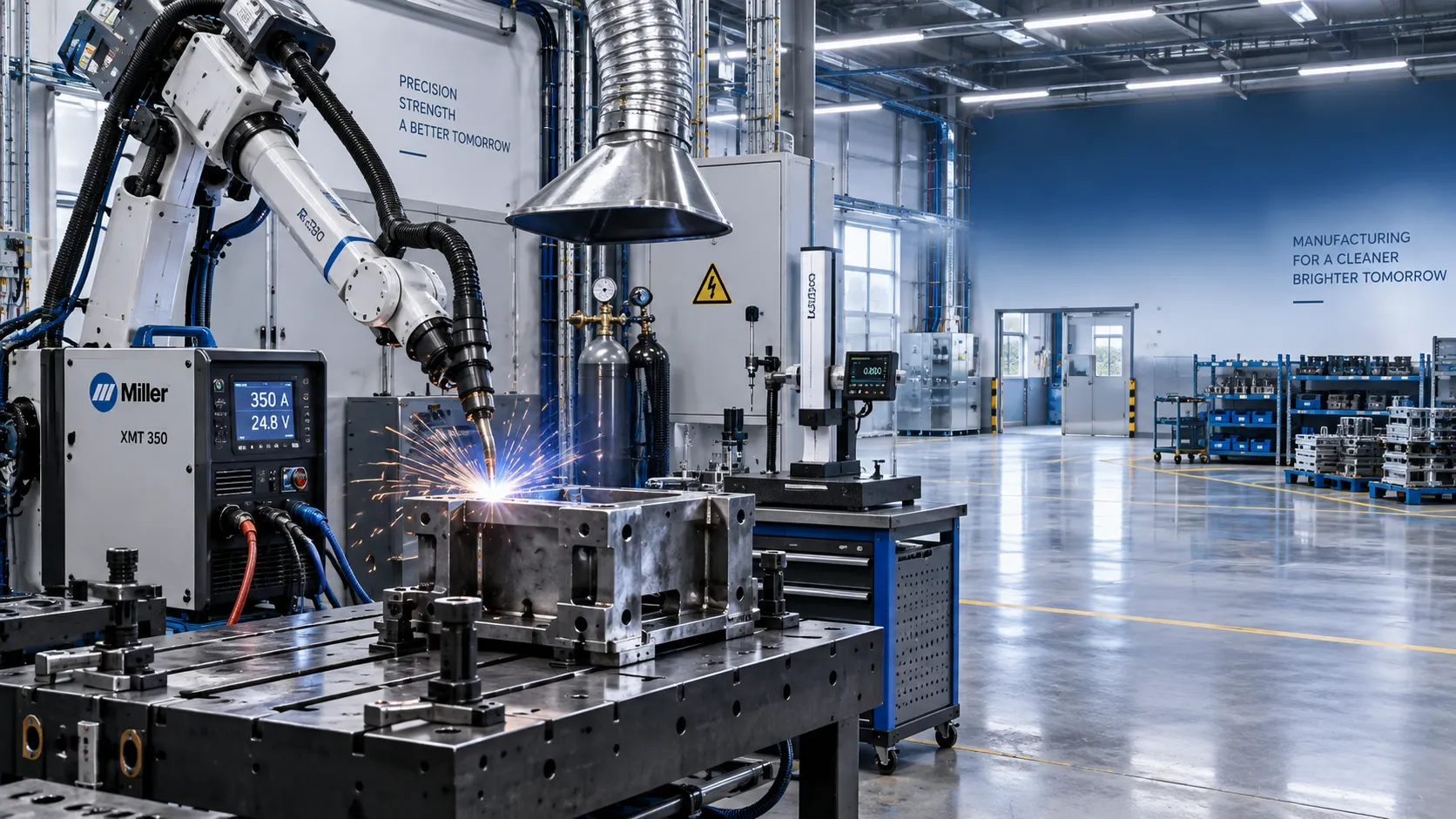
Industrial Equipment Application Guidance: Match Machines to Operating Conditions
Application guidance industrial equipment: match capacity, duty cycle, materials, site conditions, safety, and lifecycle cost to improve reliable output. Read the guide.
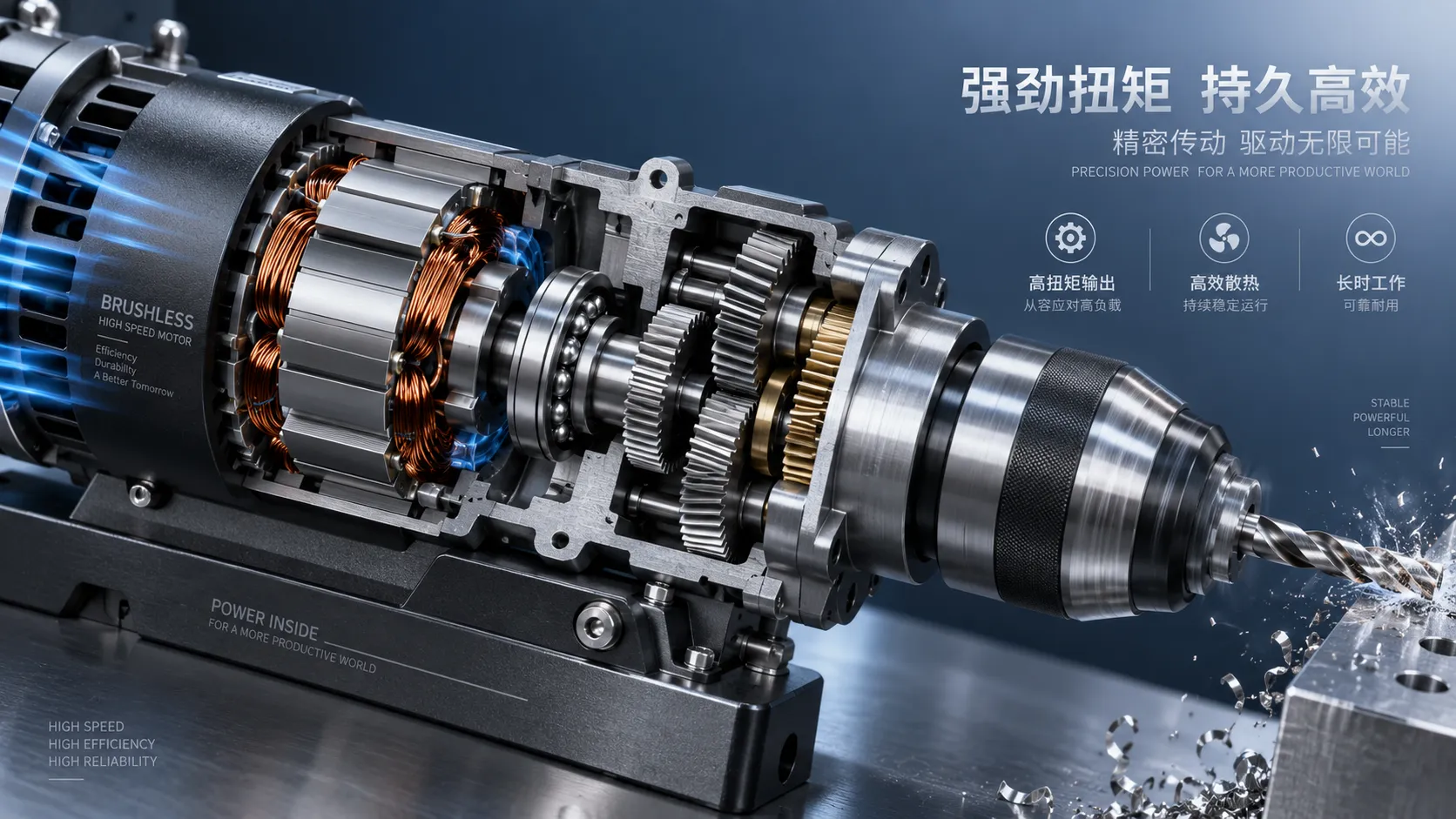
Selecting High-Speed Brushless Tool Motors for Torque, Heat, and Duty Cycle
High speed brushless tool motors: learn how to balance torque, heat, gearing, and duty cycle for reliable industrial tool performance and longer service life.
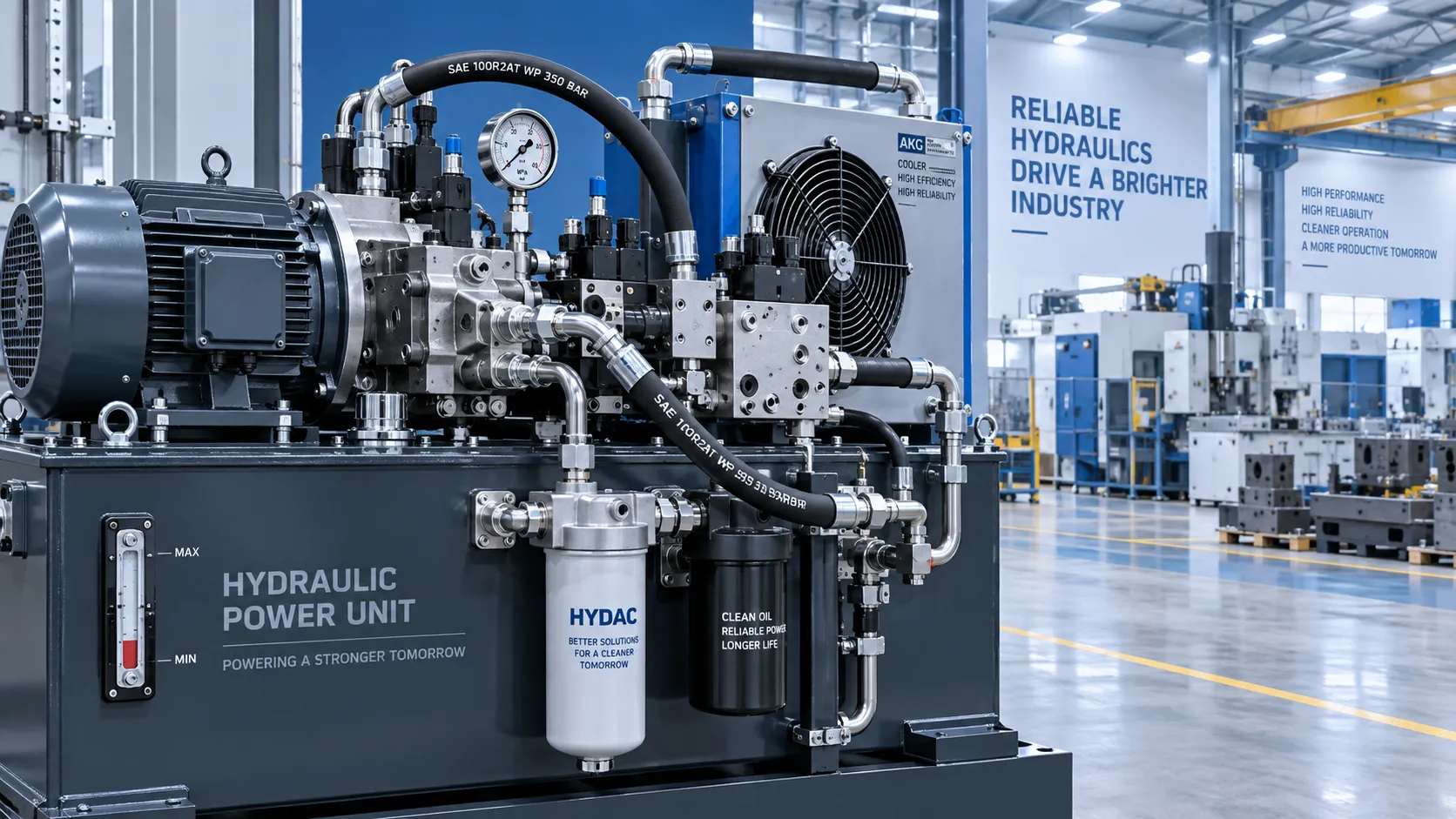
What Determines Industrial Hydraulic System Price for Heavy-Duty Equipment?
Industrial hydraulic system price depends on duty cycle, pressure, components, cooling, and integration. Compare quotes intelligently to secure reliable heavy-duty performance.
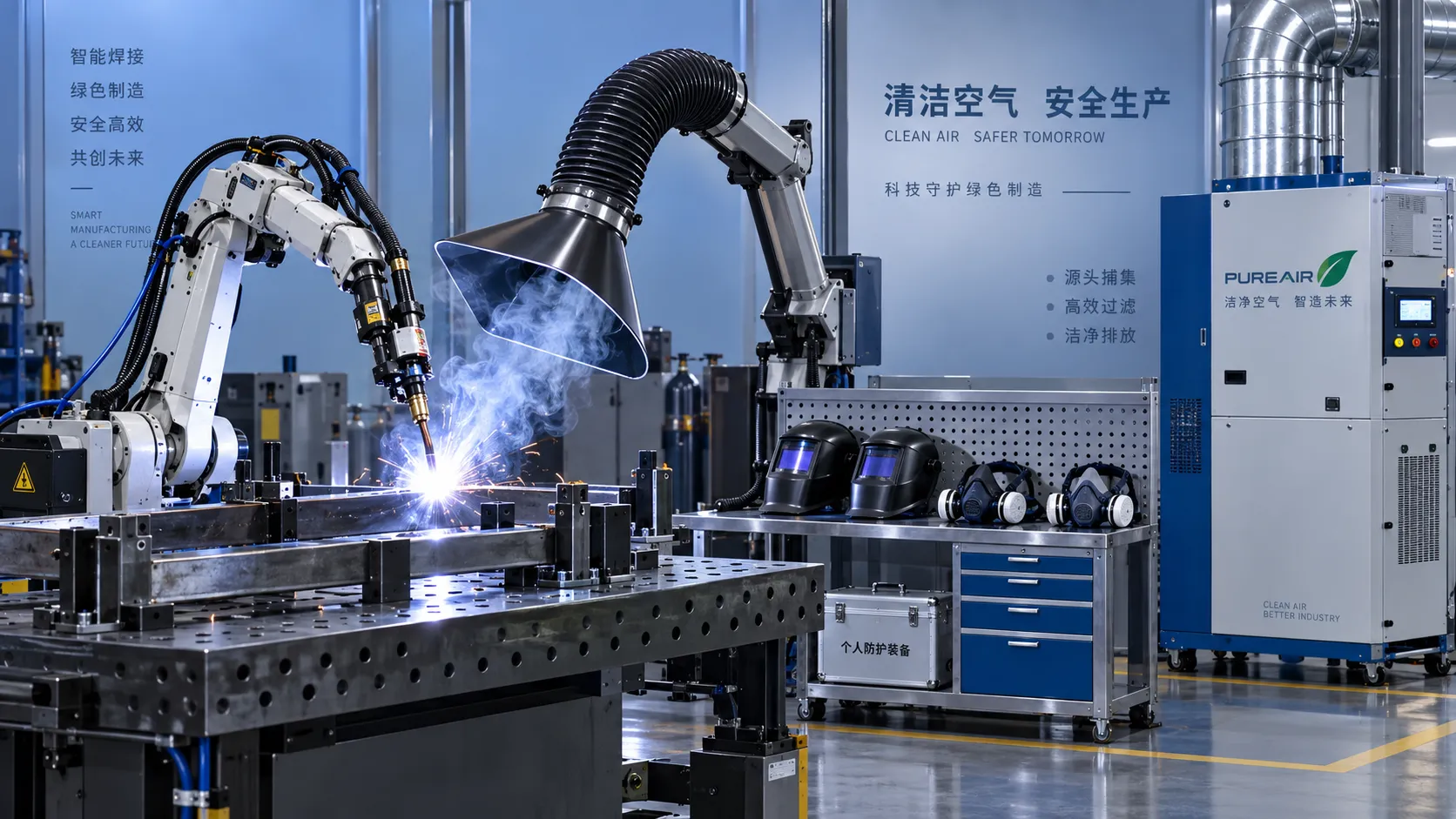
Welding Fume Extraction PPE: When Respirators Are Not Enough for Shop Safety
Welding fume extraction PPE: learn why respirators alone fall short and how source capture, ventilation, and layered controls improve shop safety.

How to Select Optical Metrology Solutions for Tight-Tolerance Manufacturing
Optical industrial metrology solutions for tight-tolerance manufacturing: evaluate accuracy, surface compatibility, workflow, and traceability to select with confidence.
Related News
- 00
0000-00
Welding Fume Extraction PPE: When Respirators Are Not Enough for Shop Safety - 00
0000-00
Which ANSI Standards Apply to Welding Equipment in Industrial Fabrication? - 00
0000-00
How Energy-Efficient Welding Equipment Cuts Power Use in High-Volume Fabrication - 00
0000-00
Which ISO Standards Govern Welding Technology Quality Control and Qualification? - 00
0000-00
North American Welding Innovations Reshaping Automation, Quality, and Labor Productivity
Welding Metallurgy Expert
Weekly Insights
Stay ahead with our curated technology reports delivered every Monday.