
How to Choose Welding Equipment for Thin Metal, Stainless Steel, and Aluminum Jobs





How to Choose Welding Equipment for Thin Metal, Stainless Steel, and Aluminum Jobs
Choosing the right welding equipment affects quality, speed, and cost far more than many teams expect.
That is especially true when the job involves thin metal, stainless steel, or aluminum.
These materials react differently to heat, filler selection, shielding gas, and operator technique.
A machine that performs well on carbon steel may struggle on thin-gauge stainless panels or aluminum frames.
In practical terms, better welding equipment selection means fewer burn-through defects, lower distortion, and less rework.
It also supports schedule control, labor efficiency, and more predictable field or workshop output.
This guide explains how to evaluate welding equipment based on material behavior, process fit, job conditions, and long-term operating value.
Start with the Material, Not the Machine
The first decision should always come from the material profile and the finished weld requirement.
Thin metal usually demands excellent heat control and stable arc performance at low amperage.
Stainless steel adds sensitivity to discoloration, contamination, and excess heat input.
Aluminum creates another challenge because it conducts heat quickly and forms a tenacious oxide layer.
This means welding equipment must match both the base metal and the acceptable finish standard.
If appearance matters, process precision becomes more important than raw deposition speed.
If throughput matters most, ease of use and repeatability may carry more weight.
From a decision standpoint, good welding equipment selection begins with thickness, joint type, finish target, and production volume.
Key material questions before comparing welding equipment
- What is the exact thickness range of the parts?
- Is the weld cosmetic, structural, or both?
- Will the work happen in a shop, on-site, or across both environments?
- How much operator skill is available today?
- Is distortion control more important than welding speed?
Choose the Right Welding Process for the Job
Most welding equipment decisions come down to process capability.
For thin metal, stainless steel, and aluminum, MIG, TIG, and newer handheld laser systems are the common options.
Each offers a different balance of speed, appearance, training demand, and cost.
MIG welding equipment
MIG welding equipment is often the most practical choice for productivity-focused operations.
It is easier to train on, faster on longer welds, and well suited to repetitive fabrication.
For thin metal, pulsed MIG is especially useful because it lowers average heat input.
For aluminum, spool guns or push-pull systems can improve wire feeding stability.
The trade-off is that standard MIG welding equipment may offer less finesse on delicate or highly visible joints.
TIG welding equipment
TIG welding equipment remains the benchmark for precision and appearance.
It is a strong fit for thin stainless steel, sanitary fabrication, architectural work, and critical aluminum components.
AC TIG is usually required for aluminum because it helps break the oxide layer during welding.
For stainless applications, DC TIG provides tight arc control and clean bead formation.
The drawback is slower travel speed and a higher operator skill requirement.
Laser welding equipment
In some applications, handheld laser welding equipment is becoming a serious option.
The appeal is low heat distortion, high speed, and clean seams on thin materials.
Still, safety requirements, capital cost, and application limits must be reviewed carefully.
This is where market intelligence matters, especially when comparing long-term productivity against training and compliance demands.
What to Look for in Welding Equipment Specifications
Once the process is clear, the next step is specification review.
This stage often decides whether welding equipment performs reliably in daily production or becomes a source of delays.
Core performance factors
- Low-end amperage stability for thin-gauge work.
- Pulse capability for heat-sensitive materials.
- AC and DC output flexibility for mixed-material projects.
- Duty cycle suited to real production hours.
- Arc start consistency and parameter memory.
- Wire feed reliability, especially for soft aluminum wire.
For thin metal, stable output at lower current is often more valuable than a high maximum amperage rating.
For stainless steel, parameter control helps reduce heat tint and preserve corrosion resistance.
For aluminum, the right welding equipment should support consistent arc behavior and smooth feeding.
In real operations, poor feeding is one of the fastest ways to lose productivity.
A practical comparison table
Do Not Ignore Workflow, Safety, and Skill Reality
The best welding equipment on paper may still fail in the field if the workflow is wrong.
A compact, portable unit may be better than a larger platform when work moves across multiple job zones.
A more automated system may be worth the cost when operator consistency is a recurring issue.
This also connects to safety, which is becoming a sharper decision factor across industrial markets.
For example, advanced welding equipment may require stronger fume control, laser shielding, or stricter training procedures.
When these conditions are overlooked, the real operating cost rises quickly.
Operational checkpoints
- Confirm available power supply and site electrical stability.
- Check shielding gas logistics for remote or mobile work.
- Match machine complexity with the actual operator skill base.
- Review preventive maintenance access and spare part lead times.
- Estimate downtime cost, not just purchase price.
Evaluate Total Cost, Not Just Purchase Price
A lower machine price does not always mean better project economics.
Smart welding equipment selection should include acquisition cost, consumables, training time, maintenance, and defect reduction potential.
This is where many procurement decisions shift after a realistic trial.
A premium welding equipment platform may save money by lowering scrap, improving first-pass yield, and shortening training curves.
That matters even more when schedules are tight and quality penalties are expensive.
From recent market shifts, a clearer signal is that buyers increasingly favor reliable, data-supported performance over low upfront pricing.
Cost areas to compare side by side
- Consumable consumption per meter of weld.
- Setup time between material types.
- Rework frequency on thin sections.
- Training hours to stable output.
- Service support response speed.
A Simple Decision Framework for Welding Equipment Selection
If the project mix changes often, choose versatile welding equipment with programmable settings and strong multi-process capability.
If the work is mostly thin stainless with visible finish requirements, prioritize TIG control and clean shielding performance.
If aluminum throughput drives the business case, review pulsed MIG systems with proven feeding support.
If mobility is critical, compare weight, input flexibility, and field durability before output range alone.
If growth plans include automation or digital quality tracking, select welding equipment that can scale with those needs.
This approach makes the final choice more resilient, not just cheaper in the short term.
Final Takeaway
The right welding equipment is the one that fits the material, the weld standard, the workflow, and the business target at the same time.
For thin metal, stainless steel, and aluminum, heat control and process compatibility should lead the evaluation.
After that, compare usability, safety needs, service support, and total lifecycle cost.
That sequence helps reduce selection risk and improves long-term output stability.
At GPTWM, this is exactly how industrial intelligence should work.
Use a structured welding equipment review, test against actual materials, and make the final decision with production reality in mind.
Related News
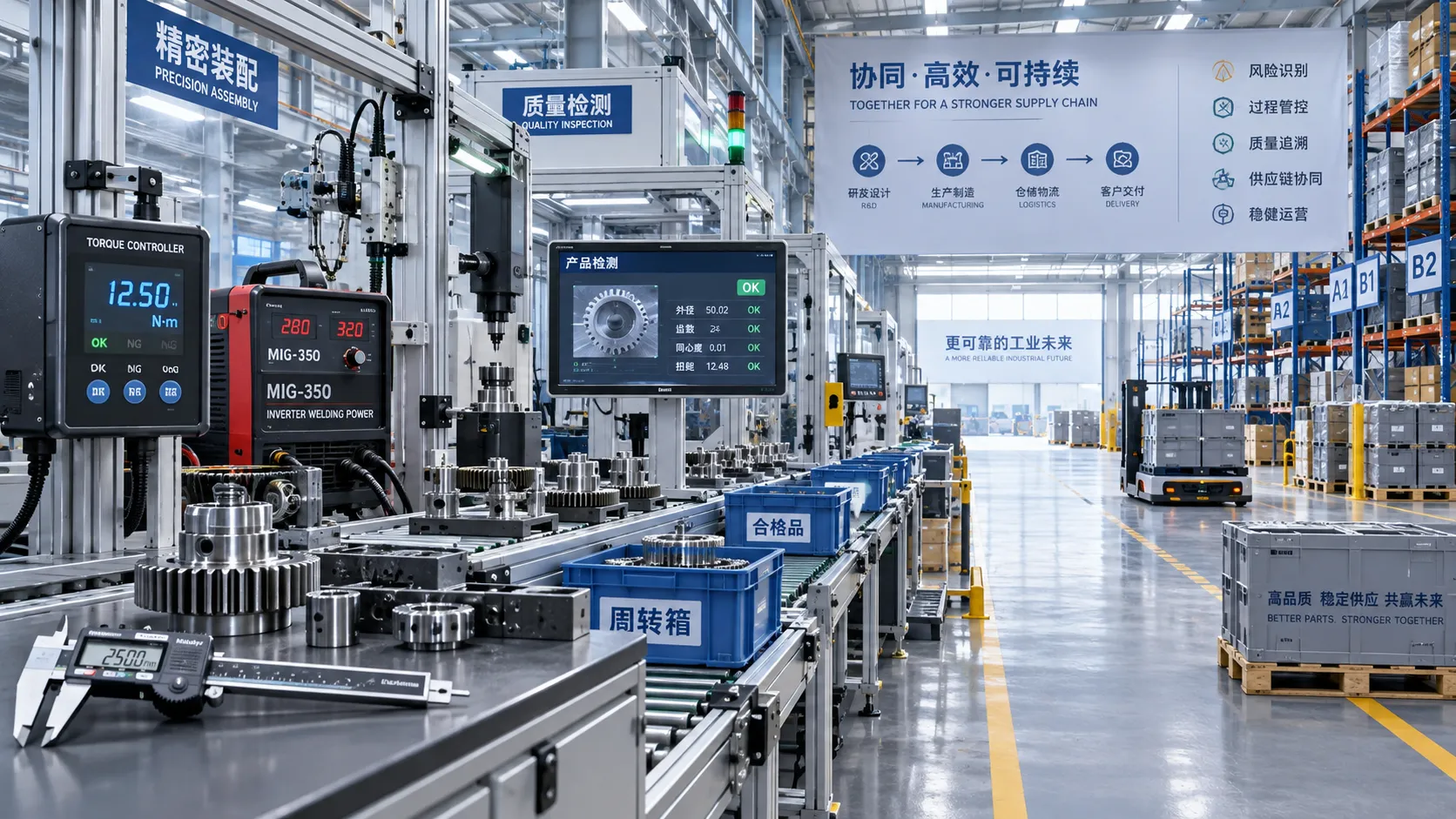
How Procurement Teams Can Map the Industrial Value Chain to Reduce Supply Risk
Industrial value chain procurement helps teams map hidden dependencies, qualify resilient sources, and reduce supply risk before disruptions stop production.
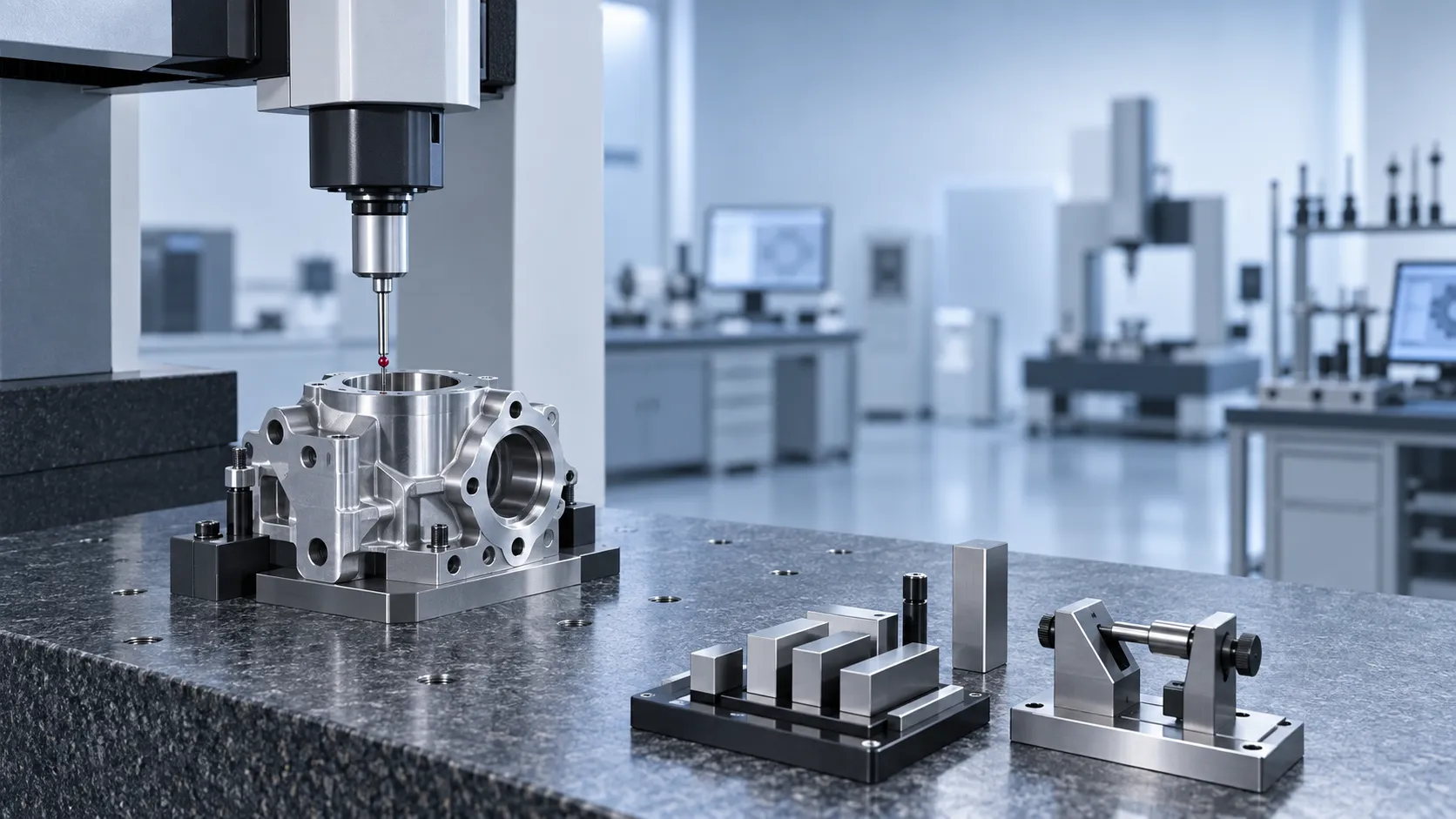
How Specification-Driven Articles Improve Precision Measurement System Selection
Specification-oriented articles precision measurement guidance helps teams compare accuracy, repeatability, environment, and data needs to select reliable systems with confidence.

How to Evaluate a Technology Integration Service Provider for Complex Projects
Technology integration service provider selection guide: evaluate interface ownership, delivery discipline, scalable architecture, and risk control for complex projects.
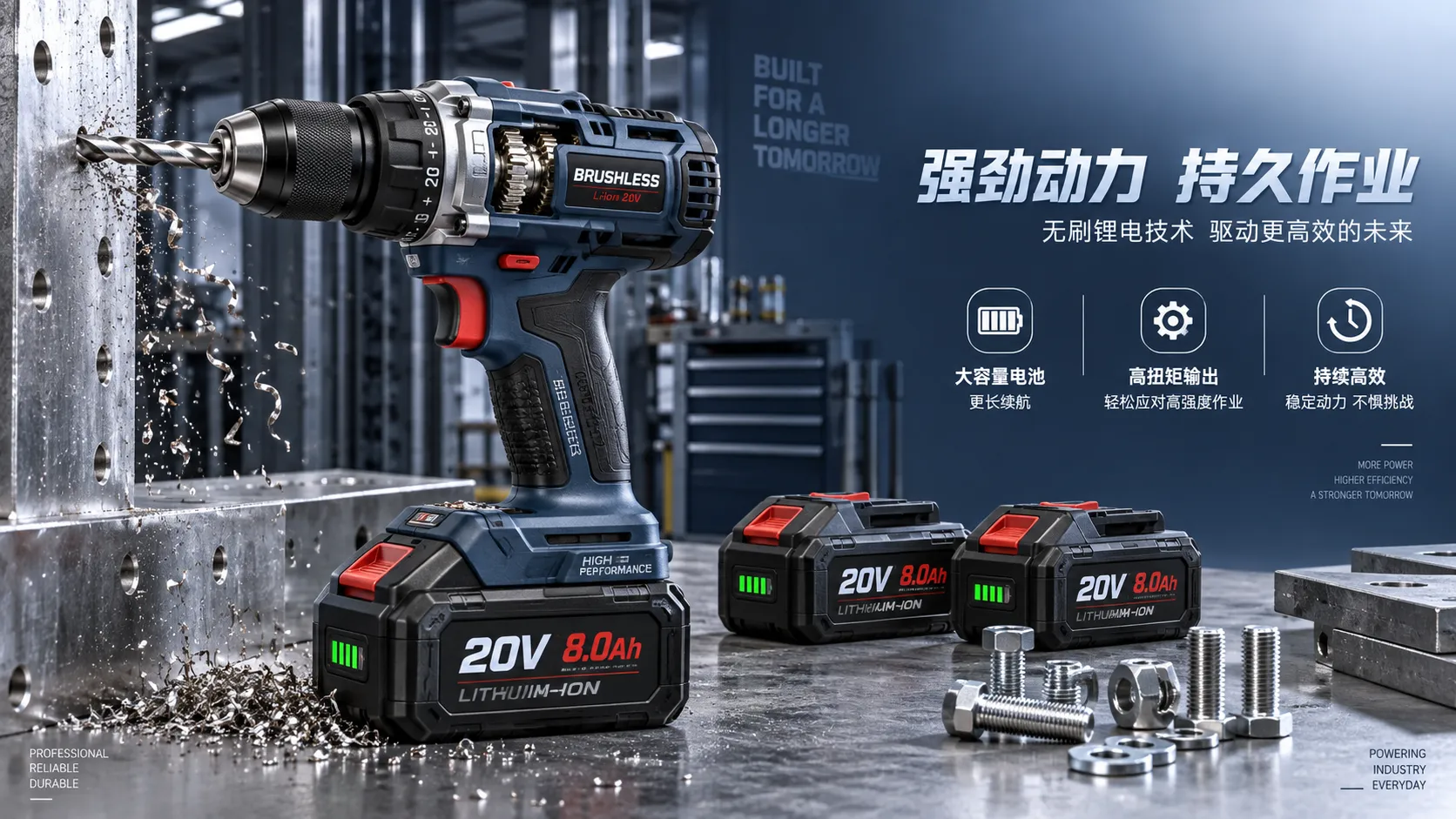
How Battery, Torque, and Duty Cycle Affect Cordless Power Tool Efficiency
Cordless power tool efficiency depends on battery output, torque, and duty cycle. Learn how to match tools to demanding jobs for stronger runtime and productivity.
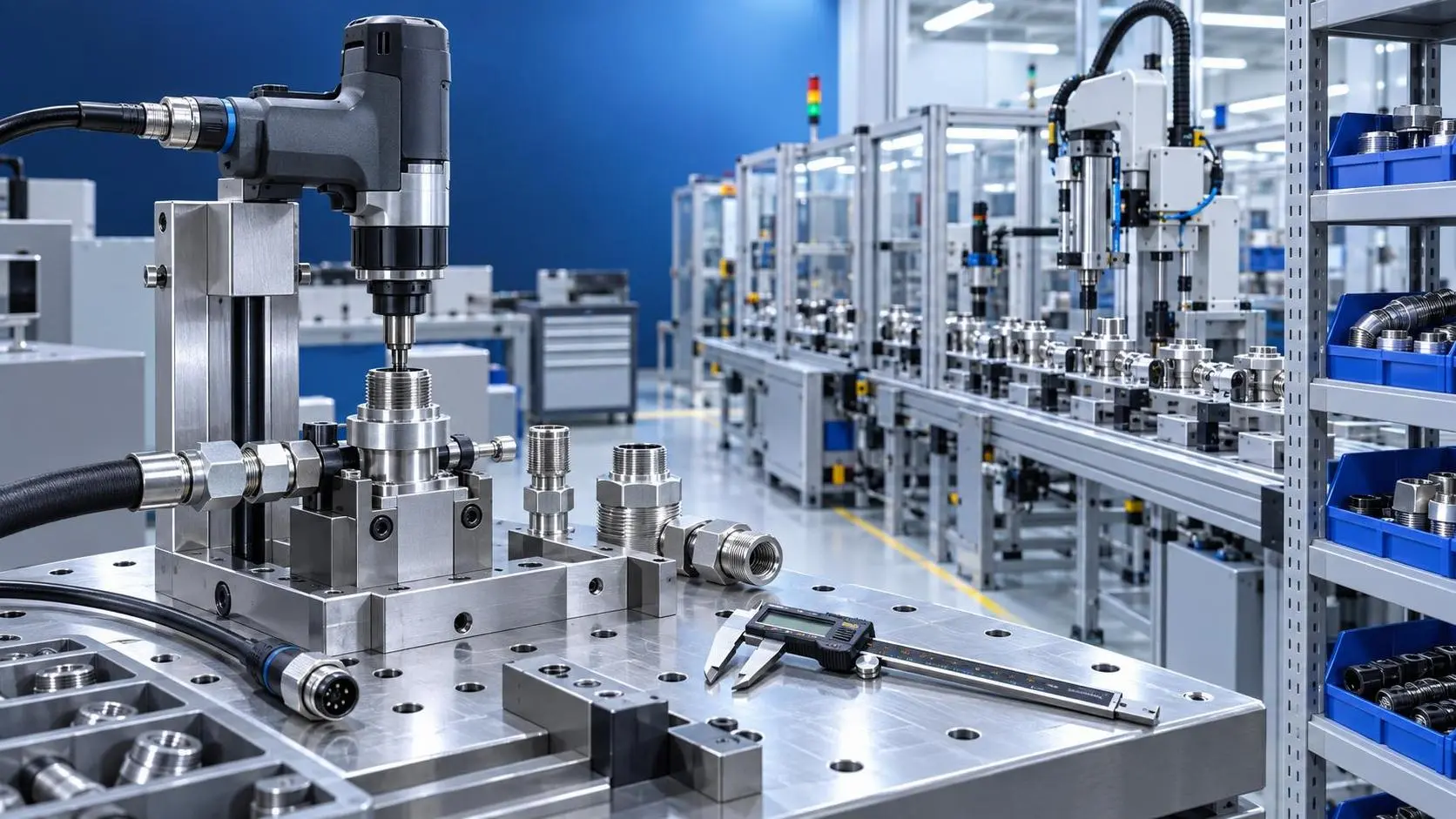
Product Comparison Resources for Component Compatibility and Lifecycle Risk
Product comparison resources for components: evaluate compatibility, interfaces, service support, and lifecycle risk to reduce downtime, avoid redesigns, and make confident sourcing decisions.
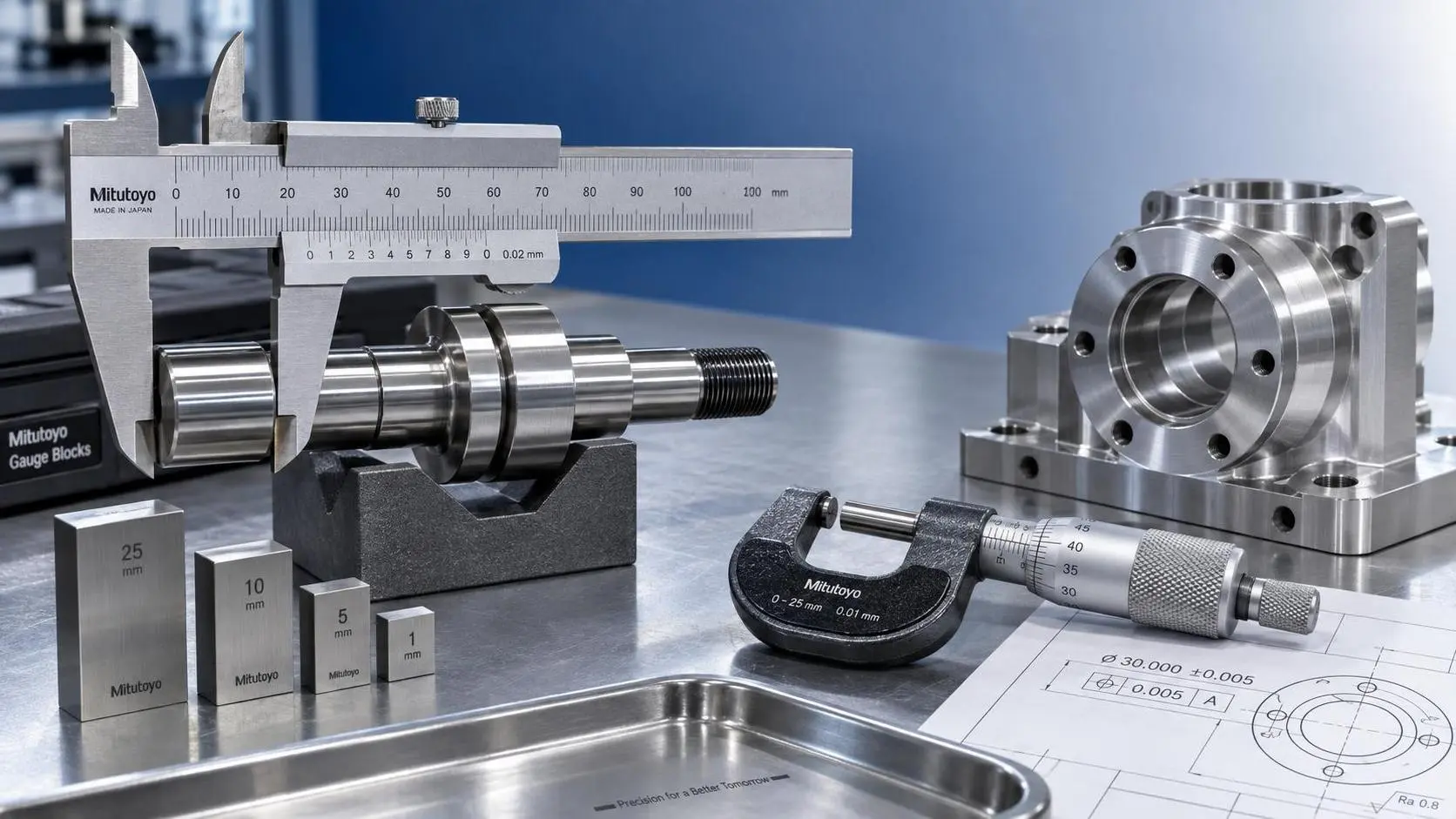
How to Select Vernier Precision Calipers for Tight-Tolerance Machining Inspection
Vernier precision calipers for tight-tolerance machining: learn how to select the right range, jaw design, accuracy, and verification process for reliable inspection.
Product Comparison Resources in Europe: How Buyers Can Verify Specs and Suppliers
Product comparison resources Europe: learn how to verify industrial specs, compliance claims, supplier credibility, and delivery risk for smarter purchasing decisions.

How to Evaluate an Industrial Metrology Solution Manufacturer for Production Use
Industrial metrology solution manufacturer evaluation guide for production: compare accuracy, traceability, automation, software, service, and acceptance testing to reduce risk.
Which ISO Standards Matter Most for Precision Engineering Quality Control?
Precision engineering ISO standards explained: discover how ISO 9001, ISO/IEC 17025, ISO 10012, GPS, and ISO 3834 strengthen quality control, traceability, and compliance.
Related News
- 00
0000-00
North American Welding Innovations Reshaping Automation, Quality, and Labor Productivity - 00
0000-00
How to Choose Handheld Laser Welding Equipment for Thin Metal Fabrication - 00
0000-00
Where Do Energy-Saving Welding Equipment Upgrades Deliver the Best ROI? - 00
0000-00
Low-Spatter Welding Equipment Applications: Best Uses by Material and Production Needs - 00
0000-00
How to Choose Auto Darkening Welding Helmets for Safety, Comfort, and Arc Performance
Welding Metallurgy Expert
Weekly Insights
Stay ahead with our curated technology reports delivered every Monday.