
Welding Equipment Types Explained: How to Match Machines to Material and Output





Welding Equipment Types Explained: How to Match Machines to Material and Output
Choosing the right welding equipment is not just about power. It is about fit. Material, thickness, output targets, joint quality, and workflow all matter.
A machine that works well on a repair bench may fail in fast production. A unit built for heavy plate may be excessive for thin stainless parts.
That is why understanding welding equipment types makes a real difference. Better matching means fewer defects, less rework, safer operation, and stronger output consistency.
From the shop-floor view, the best welding equipment is the one that delivers stable arc behavior, manageable heat input, and predictable results in daily use.
Why Welding Equipment Selection Matters
Every welding process leaves a signature on the job. Heat spread, penetration depth, travel speed, and spatter level all change with the machine type.
In practical work, poor welding equipment selection usually shows up quickly. Burn-through, weak fusion, porosity, distortion, and downtime become more common.
Good selection does the opposite. It supports stable output, easier training, cleaner welds, and lower total operating cost over time.
This also matters as modern fabrication changes. More shops now handle mixed materials, smaller batches, and tighter delivery windows, so flexible welding equipment has greater value.
Main Welding Equipment Types and Where They Fit
MIG Welding Equipment
MIG welding equipment is often the first choice for general fabrication. It feeds wire continuously, which supports fast welding and easier handling.
It performs well on mild steel, stainless steel, and aluminum when the correct wire and shielding gas are used. It is common in automotive work and light manufacturing.
For many operators, MIG welding equipment feels approachable. Arc starting is simple, and productivity is high on repetitive joints.
- Best for medium to high production
- Works well on thin to medium thickness
- Good option for longer seams
- Less ideal in windy outdoor settings with gas shielding
TIG Welding Equipment
TIG welding equipment is chosen when weld appearance and precision matter most. It offers excellent control over heat and filler addition.
This makes it suitable for thin stainless steel, aluminum, tubing, and parts that require clean, attractive welds. Aerospace, food equipment, and high-spec fabrication often rely on it.
The tradeoff is speed. TIG welding equipment is usually slower and requires higher skill. Still, for delicate materials, it often gives the most dependable result.
- Best for thin materials and fine control
- Excellent for cosmetic weld quality
- Lower deposition rate than MIG
- Demands cleaner surfaces and steadier technique
Stick Welding Equipment
Stick welding equipment remains highly relevant because it is rugged and versatile. It handles outdoor conditions better than gas-shielded processes.
It is widely used in construction, maintenance, field repair, and structural steel work. Slightly dirty or rusty surfaces are less of a problem here.
Compared with other welding equipment, stick units are often simple to transport and cost-effective. However, slag removal and higher spatter can slow cleanup.
- Strong choice for outdoor or site work
- Useful on thicker steel sections
- Handles less-than-perfect surfaces well
- Not the fastest option for high-volume lines
Flux-Cored Welding Equipment
Flux-cored welding equipment combines high deposition with good penetration. It is often selected for heavy fabrication and structural applications.
Self-shielded versions work well outdoors. Gas-shielded versions can deliver strong productivity in indoor production environments.
If output is the priority, this welding equipment type deserves attention. Still, heat input can be high, so distortion control matters on thinner parts.
How to Match Welding Equipment to Material
Material type should guide the first decision. Different metals respond differently to arc stability, heat concentration, oxide layers, and filler compatibility.
For thin sheet, low and stable heat is critical. For heavy plate, penetration and duty cycle matter more. This is where welding equipment capability must match the real job.
Recent workshop trends show more mixed-material projects. That means multi-process welding equipment is becoming more attractive for flexible production cells.
How to Match Welding Equipment to Output Goals
The right machine for a prototype bench is not always right for a busy line. Output expectations should shape the second major decision.
Low-Volume Repair or Custom Work
For small batches, flexibility matters more than speed. TIG or multi-process welding equipment often works well because different joints appear in the same shift.
Medium-Volume Fabrication
MIG welding equipment is usually the balance point here. It supports repeatable quality, decent speed, and manageable training time.
High-Volume Production
In high-throughput settings, deposition rate, wire feed stability, and duty cycle become decisive. MIG and flux-cored welding equipment are common choices.
When comparing options, focus on these output questions:
- How many parts must be finished per shift?
- How often will setup change between materials?
- Is appearance or speed the top priority?
- How much downtime is acceptable?
- Can the power source sustain the required duty cycle?
Operator Skill, Safety, and Daily Usability
Not all welding equipment feels the same in the hand. Trigger response, torch weight, interface design, and parameter visibility all affect real productivity.
A more advanced machine is not automatically better. If settings are too complex, inconsistency can increase, especially across multiple shifts.
Usability should include safety. Thermal overload protection, clear displays, stable cable routing, and reliable grounding are basic but essential features.
Before choosing welding equipment, review these practical points:
- Ease of parameter adjustment during live work
- Torch comfort during long welding sessions
- Availability of consumables and spare parts
- Training time needed for stable performance
- Compatibility with site power and ventilation conditions
Common Selection Mistakes to Avoid
One common mistake is buying welding equipment based only on maximum amperage. Peak power looks impressive, but daily operating range matters more.
Another mistake is ignoring material mix. A shop that handles steel today may add aluminum jobs tomorrow, so flexibility has strategic value.
Some teams also underestimate consumable cost. Contact tips, liners, gas use, electrodes, and maintenance cycles affect true equipment value.
The clearest signal is simple: if a machine creates constant adjustment, cleanup, or rework, the welding equipment match is probably wrong.
A Simple Decision Path for Better Results
Start with the material. Then check thickness. After that, define output volume, weld appearance needs, and working environment.
If speed leads, look first at MIG or flux-cored welding equipment. If precision leads, focus on TIG. If field durability leads, stick remains a practical answer.
In many real operations, the best answer is not the most expensive unit. It is the welding equipment that fits the process with the least friction.
That practical mindset is also shaping the broader market. Across industrial assembly and metal joining, smarter selection now matters as much as machine performance.
For organizations tracking these shifts, platforms such as GPTWM help connect process knowledge, equipment trends, and application insight in a more useful way.
The next time welding quality or output becomes a concern, review the match first. Better welding equipment selection often solves more than expected, and it does so at the source.
Related News
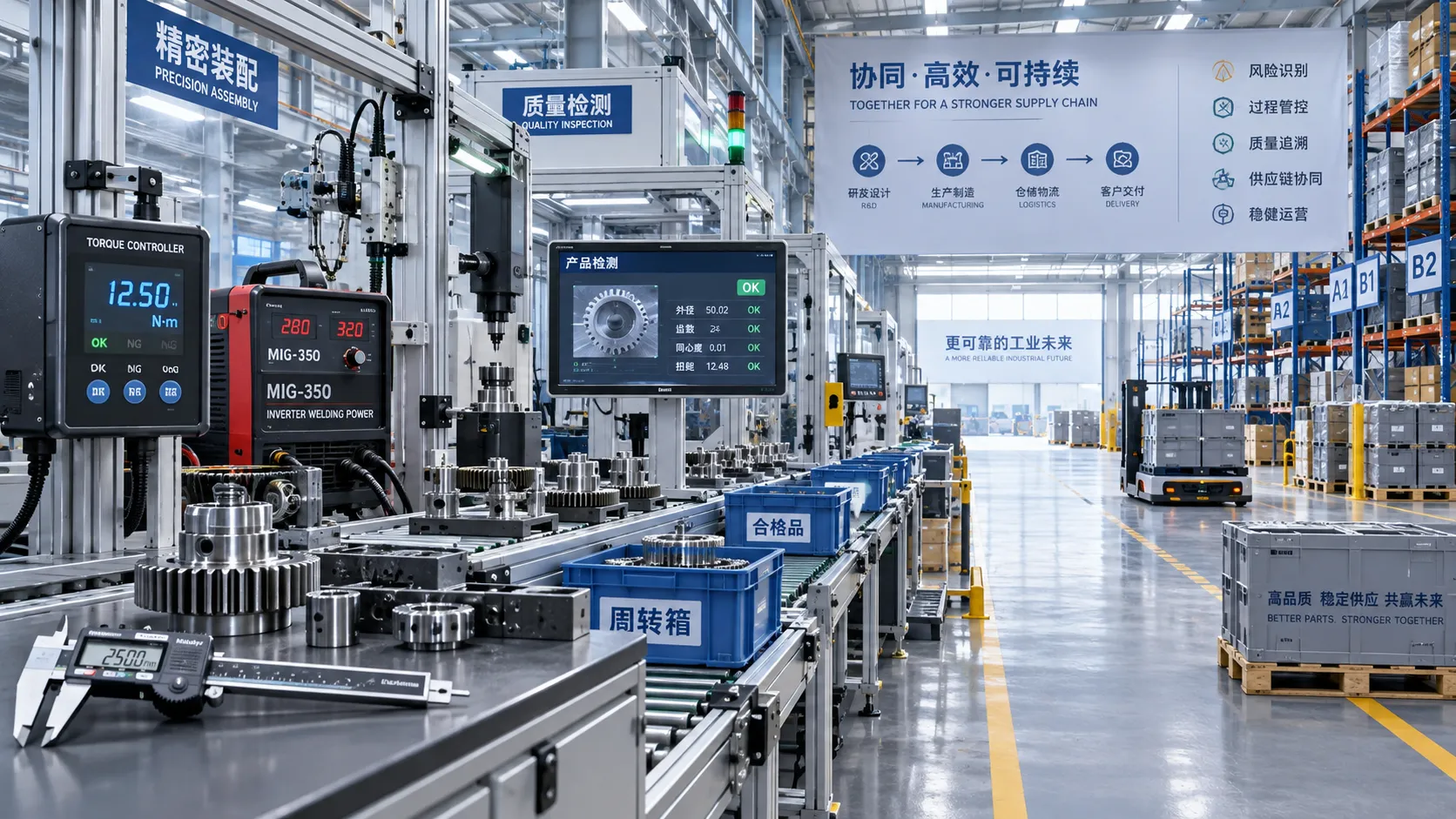
How Procurement Teams Can Map the Industrial Value Chain to Reduce Supply Risk
Industrial value chain procurement helps teams map hidden dependencies, qualify resilient sources, and reduce supply risk before disruptions stop production.
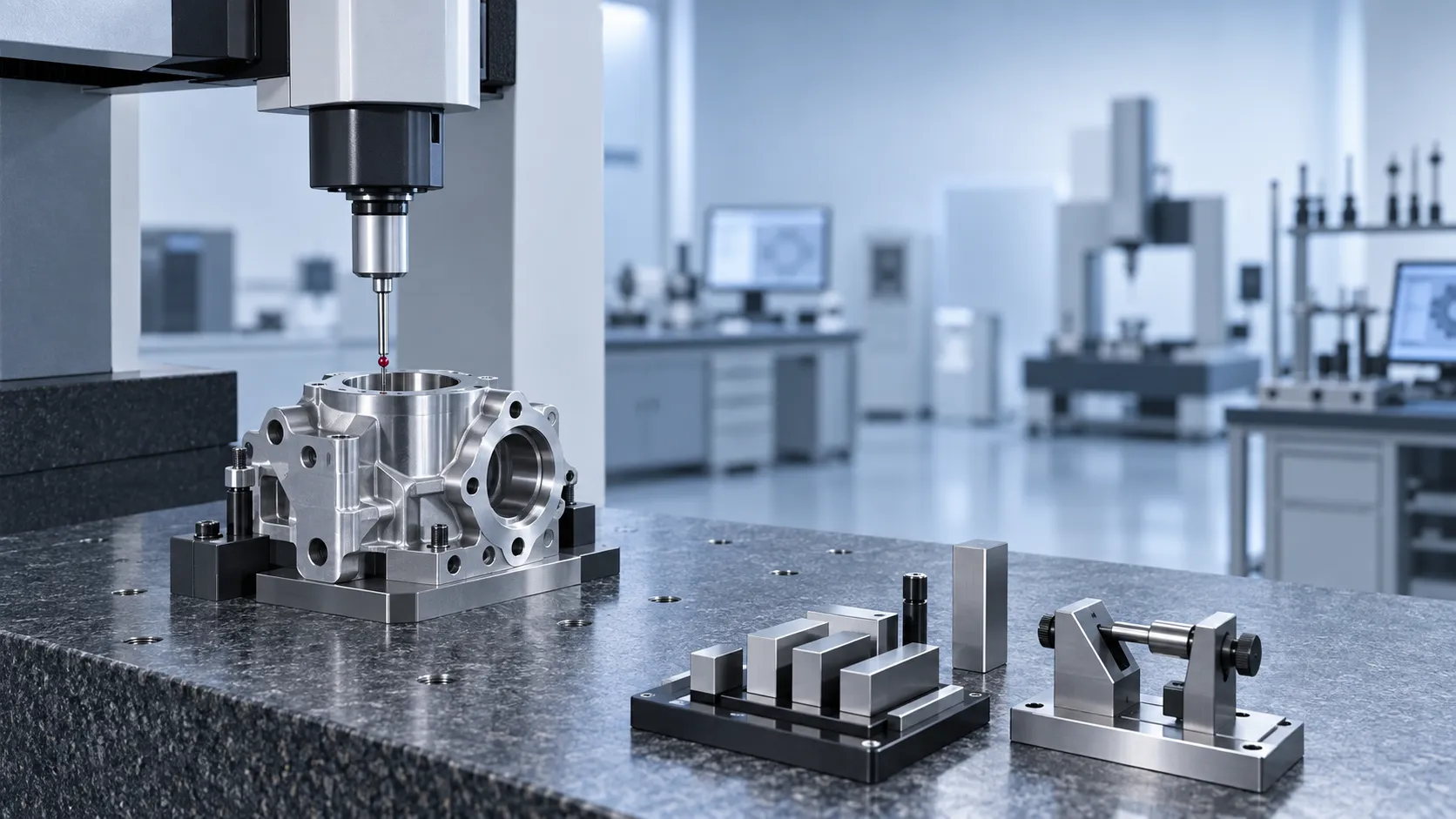
How Specification-Driven Articles Improve Precision Measurement System Selection
Specification-oriented articles precision measurement guidance helps teams compare accuracy, repeatability, environment, and data needs to select reliable systems with confidence.

How to Evaluate a Technology Integration Service Provider for Complex Projects
Technology integration service provider selection guide: evaluate interface ownership, delivery discipline, scalable architecture, and risk control for complex projects.
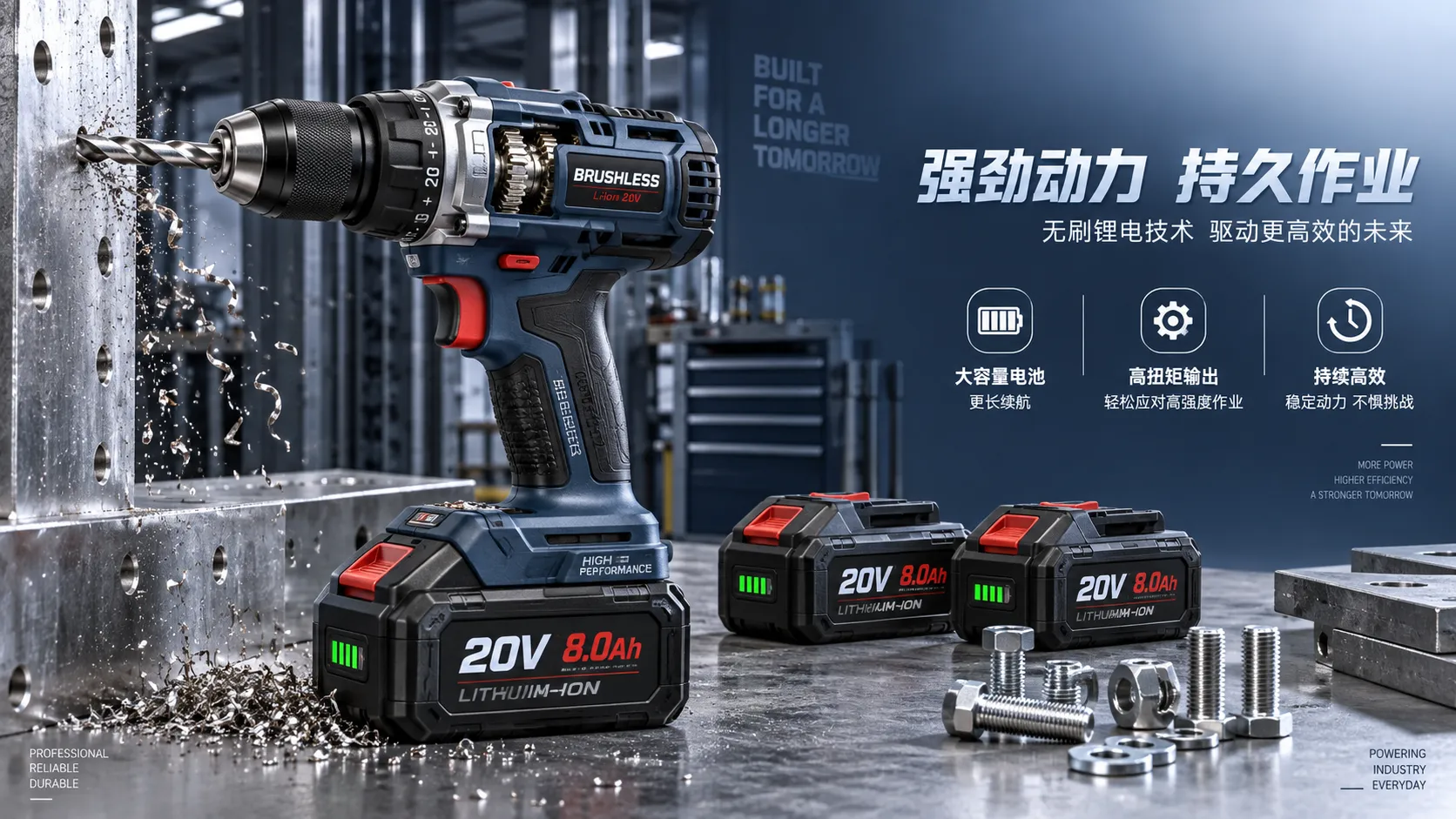
How Battery, Torque, and Duty Cycle Affect Cordless Power Tool Efficiency
Cordless power tool efficiency depends on battery output, torque, and duty cycle. Learn how to match tools to demanding jobs for stronger runtime and productivity.
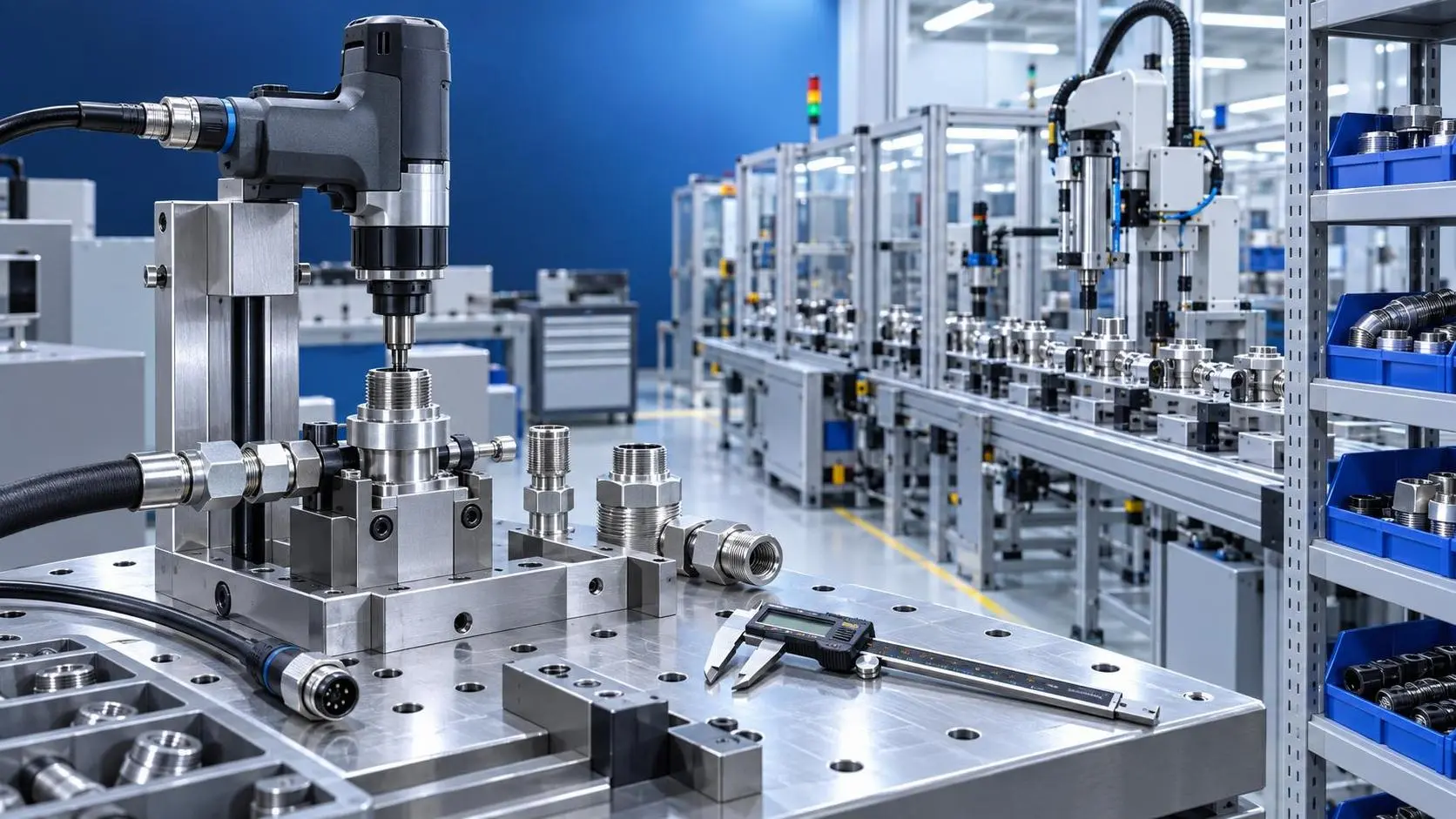
Product Comparison Resources for Component Compatibility and Lifecycle Risk
Product comparison resources for components: evaluate compatibility, interfaces, service support, and lifecycle risk to reduce downtime, avoid redesigns, and make confident sourcing decisions.
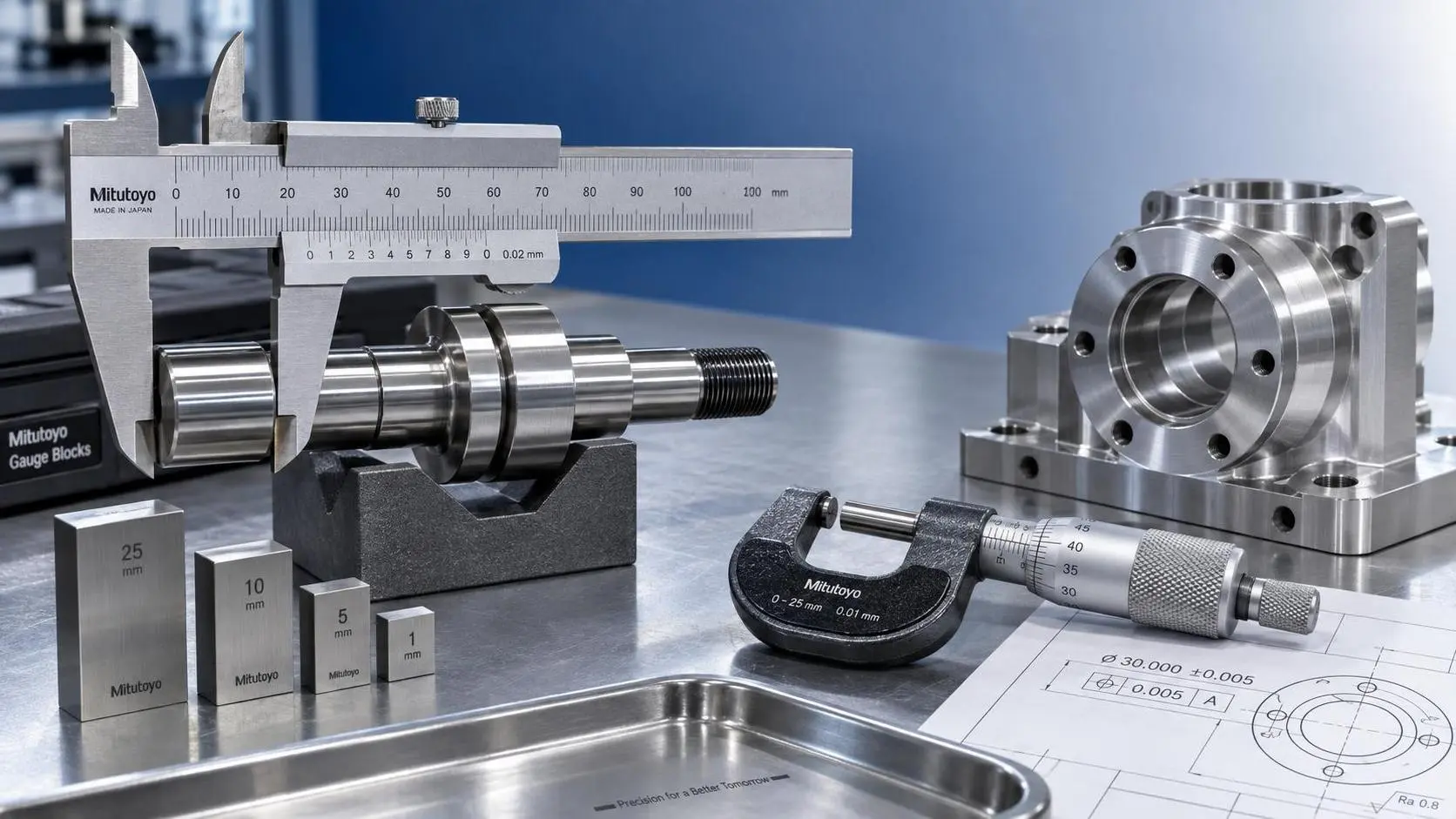
How to Select Vernier Precision Calipers for Tight-Tolerance Machining Inspection
Vernier precision calipers for tight-tolerance machining: learn how to select the right range, jaw design, accuracy, and verification process for reliable inspection.
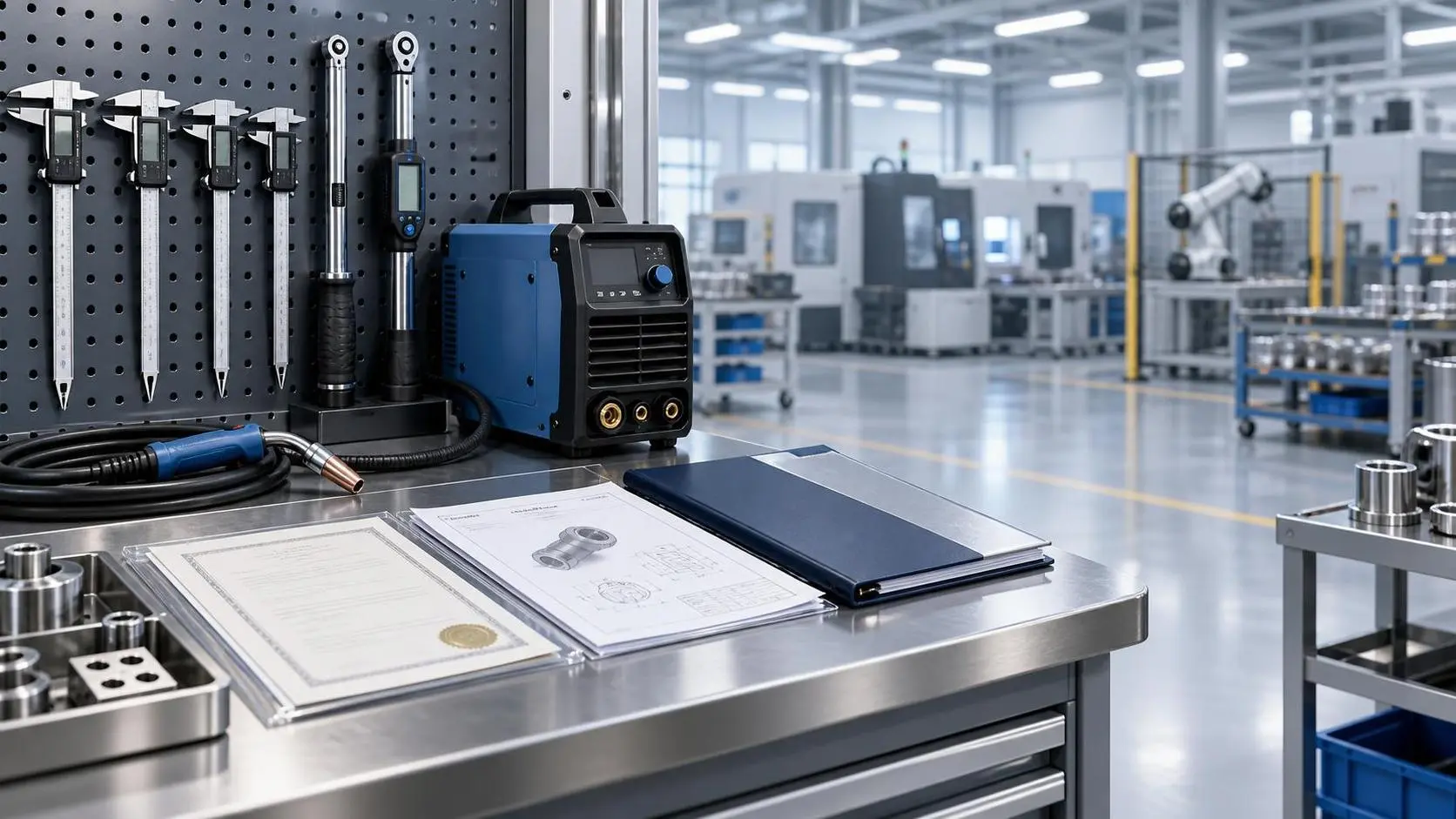
Product Comparison Resources in Europe: How Buyers Can Verify Specs and Suppliers
Product comparison resources Europe: learn how to verify industrial specs, compliance claims, supplier credibility, and delivery risk for smarter purchasing decisions.
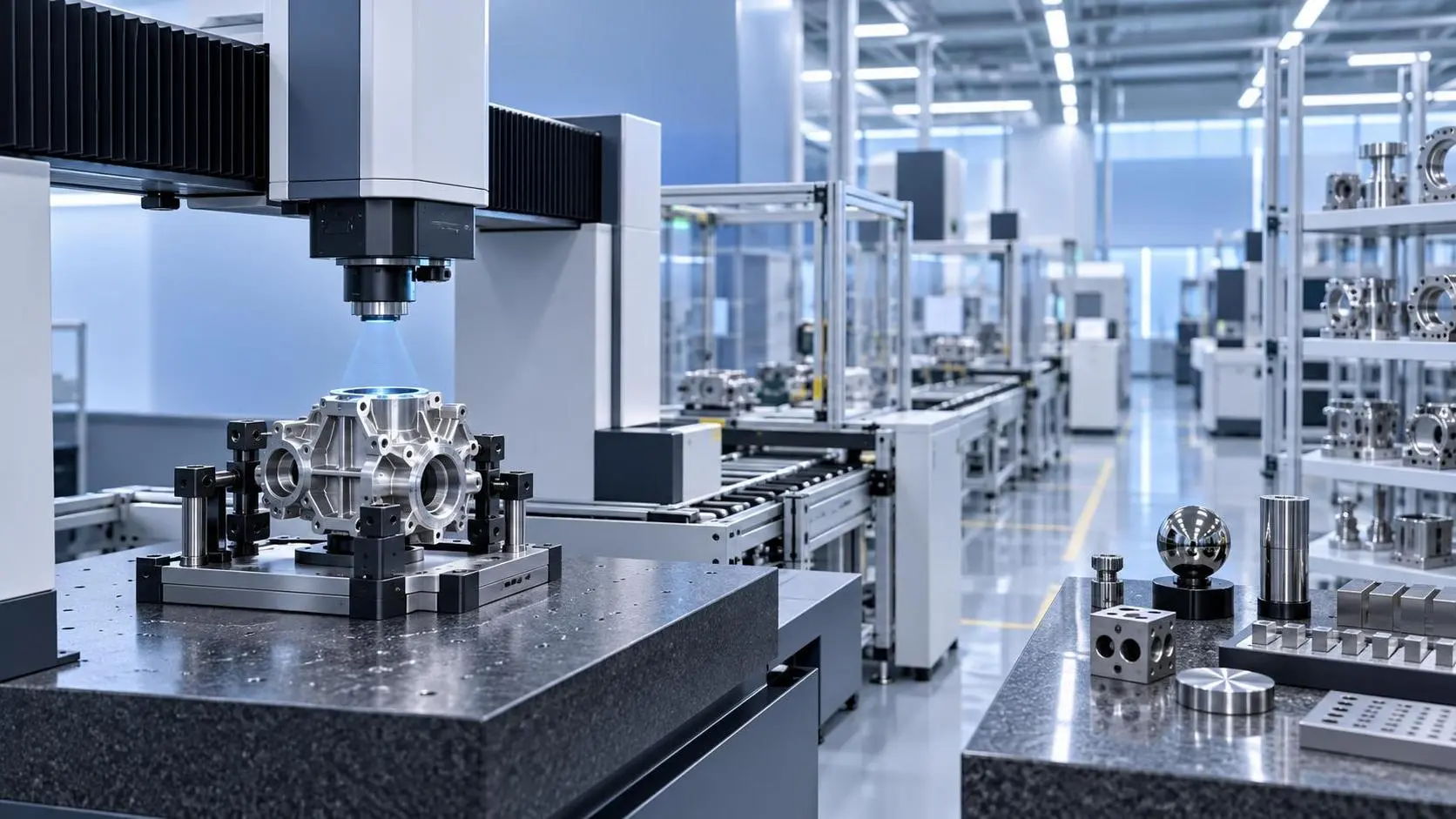
How to Evaluate an Industrial Metrology Solution Manufacturer for Production Use
Industrial metrology solution manufacturer evaluation guide for production: compare accuracy, traceability, automation, software, service, and acceptance testing to reduce risk.
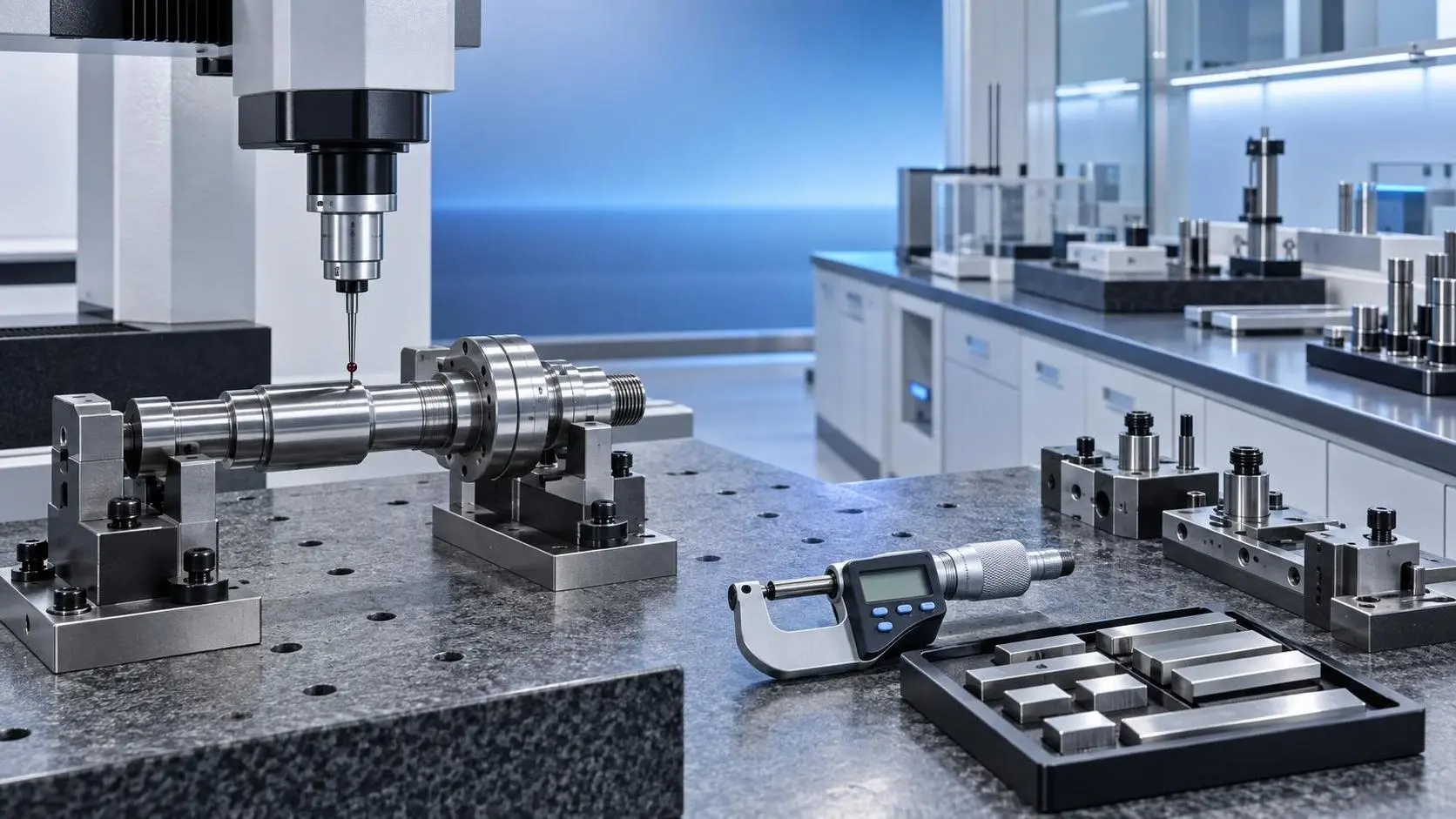
Which ISO Standards Matter Most for Precision Engineering Quality Control?
Precision engineering ISO standards explained: discover how ISO 9001, ISO/IEC 17025, ISO 10012, GPS, and ISO 3834 strengthen quality control, traceability, and compliance.
Related News
- 00
0000-00
North American Welding Innovations Reshaping Automation, Quality, and Labor Productivity - 00
0000-00
How to Choose Handheld Laser Welding Equipment for Thin Metal Fabrication - 00
0000-00
Where Do Energy-Saving Welding Equipment Upgrades Deliver the Best ROI? - 00
0000-00
Low-Spatter Welding Equipment Applications: Best Uses by Material and Production Needs - 00
0000-00
How to Choose Auto Darkening Welding Helmets for Safety, Comfort, and Arc Performance
Welding Metallurgy Expert
Weekly Insights
Stay ahead with our curated technology reports delivered every Monday.