
Construction Equipment Buying Checklist for High-Dust Jobsite Conditions





Construction Equipment Buying Checklist for High-Dust Jobsite Conditions
Buying construction equipment for a dusty jobsite is rarely a simple comparison of horsepower, bucket capacity, reach, or purchase price. On demolition sites, dry quarry roads, cement handling areas, earthworks in arid climates, and indoor renovation projects with heavy concrete dust, the machine is operating in an abrasive environment every hour it is moving. Dust does not stay outside the equipment. It works into air intake systems, cooling packs, electrical connectors, cab seals, pivot points, hydraulic fittings, and service access areas.
For procurement teams, the real question is not whether a machine can perform the task on day one. Almost any correctly sized excavator, loader, skid steer, generator, compressor, or compacting machine can do that. The question is whether it can keep performing after months of exposure without turning routine maintenance into recurring downtime, emergency parts orders, and operator complaints.
That changes the buying conversation. High-dust construction equipment should be assessed as a system: filtration, cooling, sealing, access for cleaning, diagnostics, parts support, operator protection, and the discipline the site can realistically maintain. A feature that looks minor in a brochure may matter more than a higher headline output if it keeps the machine available during the busiest part of the project.
Start with the dust profile, not the equipment category
“Dusty” is too broad to be useful in a purchasing specification. Fine cement dust behaves differently from dry soil, silica-containing cutting dust, wood dust, crushed aggregate fines, or mixed debris from demolition. Some materials rapidly load filters. Others settle inside the radiator stack or cling to oily surfaces around hydraulics and electrical harnesses. A machine working in short bursts beside a cutting crew faces a different risk profile from a wheel loader running continuously on dry haul roads.
Before requesting quotations, document where the equipment will work, how many hours it is expected to operate per shift, whether dust is airborne or mainly ground-level, and whether water suppression is reliable. Also separate normal construction dust from environments that may create specific health or compliance requirements. Equipment configuration should not be used as a substitute for a site dust-control plan, respiratory protection procedures, or applicable local rules.
A useful internal distinction is between intermittent exposure and persistent exposure. Intermittent exposure may justify stronger service routines and standard equipment options. Persistent exposure usually warrants a more deliberate specification, including upgraded intake protection, cooling-package access, cab filtration, and a local service commitment from the supplier.
The engine air intake deserves more attention than the engine rating
Air filtration is one of the first areas where a low initial price can become an expensive decision. Dust ingestion accelerates wear in internal engine components, but buyers should avoid treating “heavy-duty air filter” as a meaningful specification on its own. Ask what the full intake path looks like: the pre-cleaner arrangement, primary and safety elements where applicable, housing seals, restriction indication, and the ease of inspecting the system without introducing contamination.
A restriction indicator is particularly useful because filter replacement should be based on the equipment manufacturer’s recommended condition criteria rather than visual guesswork alone. On a difficult site, crews sometimes remove and tap out filters repeatedly because they appear dusty. That can damage the media or disturb the seal, creating a greater risk than leaving a correctly functioning element in place until the prescribed service point.
Where available, examine the air intake location. An intake positioned where it draws directly from a wheel path, a discharge point, or the rear of another machine may need more frequent attention than one drawing from a relatively cleaner zone. The best configuration still needs sensible fleet deployment. Putting a loader permanently downwind of a crusher is not solved by selecting a more expensive filter option.
For compact equipment, do not assume smaller machines face smaller filtration risk. Compact track loaders and skid steers often work close to the source of dust, repeatedly reverse, and operate in confined areas where fines remain suspended. Their service access can also be tighter, which matters when daily checks are being done quickly before a shift.
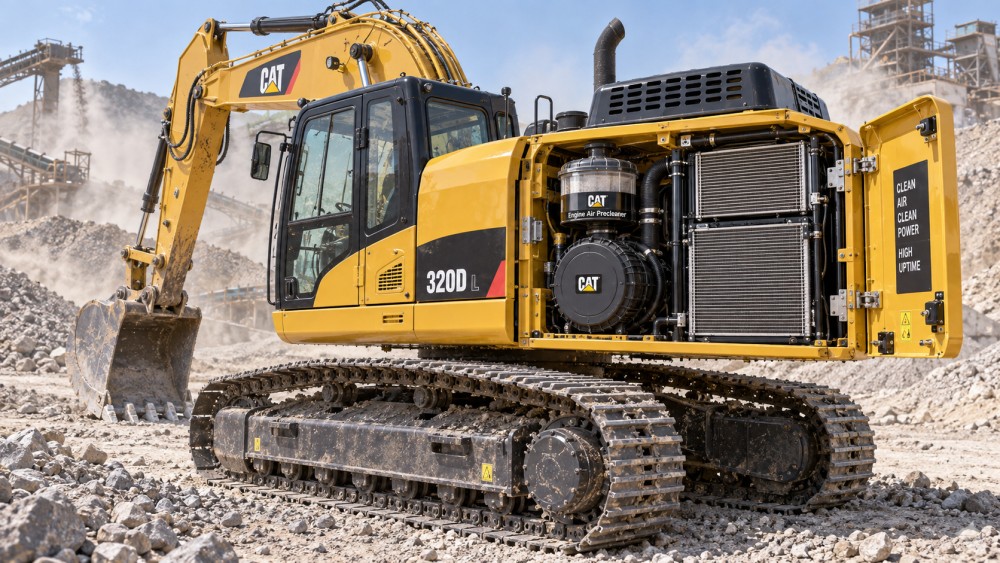
Cooling systems are often the hidden productivity constraint
An equipment specification may list engine power, hydraulic flow, and operating weight in detail while offering little clarity about how easily the cooling package can be cleaned. In dusty conditions, that omission is worth investigating. Radiators, charge-air coolers, hydraulic oil coolers, and air-conditioning condensers can collect debris in the spaces between cores. Once airflow is reduced, the machine may derate, consume more fuel, strain the air-conditioning system, or require shutdown before its scheduled work is complete.
Ask the dealer to demonstrate access with panels open, not merely point to the cooling package in a diagram. Can the cores be inspected from both sides? Do they swing out, slide out, or require partial disassembly? Is cleaning expected with low-pressure air, water, or a specific manufacturer-approved method? The answer affects labor time, safety, and whether the task will actually happen under site pressure.
Reversible fans may be offered on certain machine types and can be valuable in high-debris operations, but they are not a universal cure. Their usefulness depends on the dust type, cooling-pack layout, duty cycle, and cleaning program. A buyer should treat them as one component of a cooling strategy, not as permission to neglect manual inspection.
Inspect sealing, electronics, and the operator environment
Modern construction equipment contains more electrical controls, sensors, displays, telematics hardware, and electronically managed hydraulic functions than older fleets. These systems can improve diagnostics and utilization, but connectors and enclosures still need to withstand the actual working environment. Request clear information on the protection approach for exposed connectors, sensor locations, fuse boxes, battery compartments, and harness routing. It is reasonable to ask where the manufacturer expects dust accumulation and what the normal inspection points are.
Cab design is not merely a comfort issue. When operators work ten-hour shifts in dry, dusty conditions, poor door seals, pressurization performance, or air-conditioning filtration can affect concentration and willingness to keep windows closed. Cab filtration options should be reviewed with the same seriousness as engine filtration. The correct choice depends on the machine, attachment, material being handled, and site controls. If a task generates potentially hazardous dust, confirm requirements with the responsible safety and compliance teams rather than assuming a standard enclosed cab is sufficient.
Visibility also deserves a practical test. Dust clouds can make cameras, mirrors, lamps, and work lights less useful within a shift. Check whether lenses and camera housings are easy to wipe clean, whether critical lighting is protected from impact, and whether the operator can monitor attachment work without constantly opening the cab.
Turn the quotation into a lifecycle-cost comparison
The cheapest quote is often the least informative one. For high-dust applications, procurement should compare the planned cost of keeping each machine available, not simply the delivered price. This means pricing recommended filters, pre-cleaner components, cooling-system cleaning, lubrication requirements, planned inspections, service labor, and likely downtime logistics. The aim is not to predict every failure. It is to identify which costs are visible, which are excluded, and which depend on a dealer being nearby when the machine is needed.
It is also worth comparing rental, lease, and purchase options against the expected duration of exposure. For a short, unusually severe project, renting a purpose-configured unit with a defined maintenance arrangement may reduce operational uncertainty. For recurring dusty work, ownership can make more sense if the organization has trained technicians, reliable parts access, and a maintenance culture that matches the machine’s needs. There is no universally cheaper route; utilization and service capability usually decide it.
Do not separate attachments from the dust problem
Attachments can change dust exposure dramatically. A breaker, planer, crusher bucket, sweeper, rotary cutter, or concrete saw may create more airborne fines than the base machine’s normal task. Hydraulic couplers and exposed attachment connections should be evaluated for how easily they can be kept clean during changes. Contamination introduced during a hurried attachment swap can become a hydraulic reliability issue later, not necessarily at the moment it occurs.
Specify compatible dust-control measures early when the application requires them. Water-spray arrangements, vacuum systems, guarded cutting methods, and controlled work sequencing may influence the equipment choice, auxiliary hydraulic requirements, electrical supply, and transport weight. Buying the carrier first and discovering later that the preferred dust-control attachment is impractical is a familiar and avoidable procurement mistake.
Ask for the maintenance reality, not the ideal schedule
Manufacturer manuals provide the baseline, but field conditions determine how the work is organized. Ask suppliers to explain what changes when the equipment is used continuously in heavy dust: which checks become daily, what operators can inspect safely, when trained technicians should intervene, and which warning signs should stop the machine. A good dealer should be able to discuss this without pretending that every site has the same service interval.
The procurement team should then test whether the site can execute that plan. Is there a clean place to store filter elements? Is compressed air available and used correctly? Is water access controlled so that cleaning does not force water into sensitive areas? Who owns the inspection record when the equipment works across shifts? A premium machine can be undermined by a weak handover process.
This is where industrial intelligence is often more valuable than generic feature lists. GPTWM’s coverage of hydraulic equipment, tool-system design, precision maintenance, and changing supply conditions reflects a wider lesson from the manufacturing “last mile”: reliability depends on the fit between a component, the operating environment, and the people responsible for its upkeep. The same principle applies to a compact loader on a dry site as it does to precision tools in a production cell.
A practical final review before issuing the purchase order
Before approving construction equipment for a high-dust operation, bring operations, maintenance, safety, and procurement into one review. Confirm the exact configuration quoted, including filtration and cab options; inspect service access in person where possible; verify consumable part numbers and local availability; and make sure the warranty terms are understood in relation to the intended application and maintenance obligations.
Most importantly, do not allow an attractive purchase price to hide a poor operating fit. In abrasive environments, downtime usually begins with small issues: a loaded cooling pack, a neglected seal, an unavailable filter, a blocked camera, or a daily inspection that no one had time to perform. The better buying decision is usually the machine that the site can clean, inspect, support, and keep working—not simply the one with the strongest number on the quotation sheet.
Related News
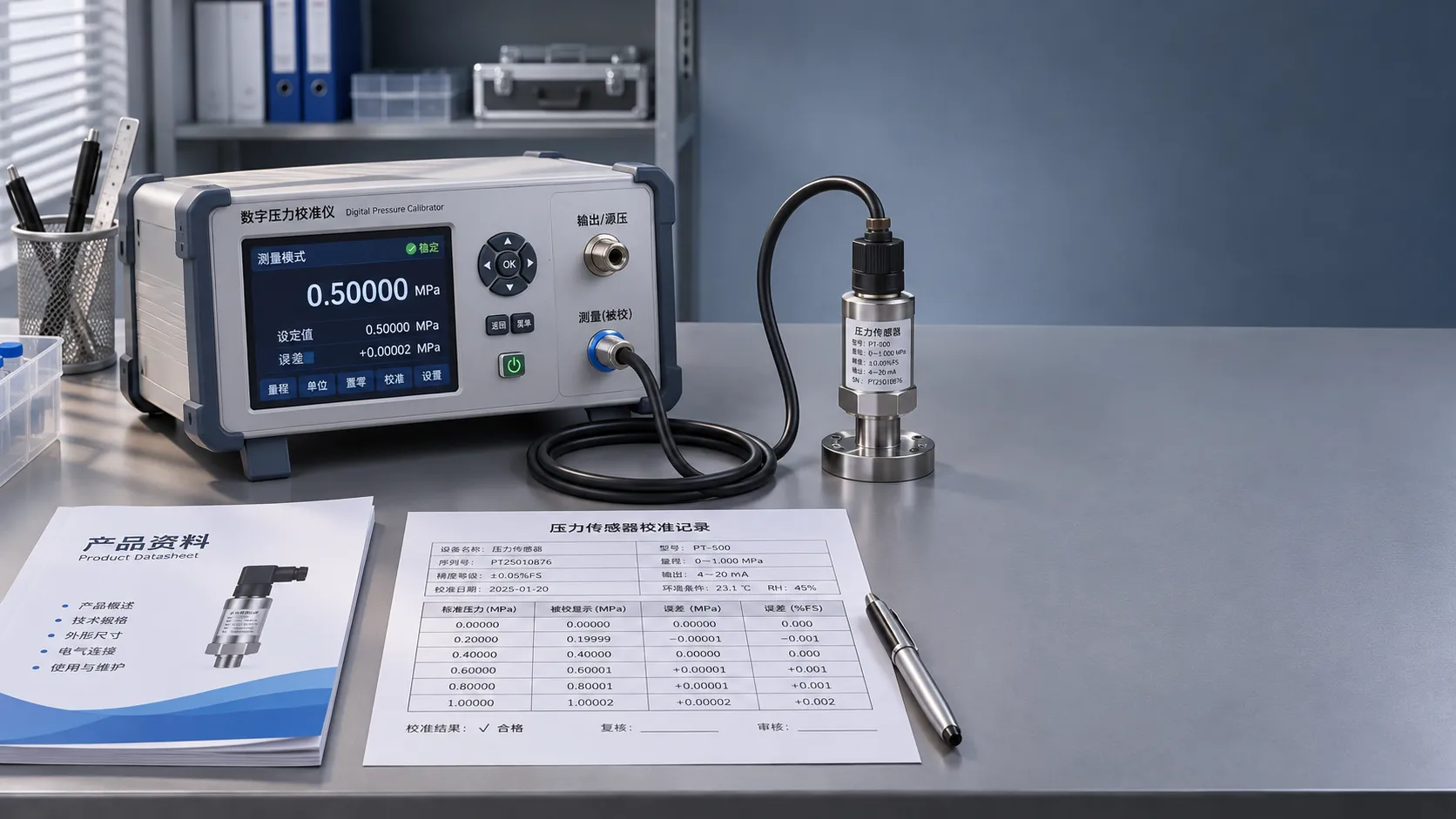
Calibration Tool Specifications: Where to Find and Verify Product Data
Explore product information resources for calibration tools and learn how to verify specifications, certificates and traceability before you buy.
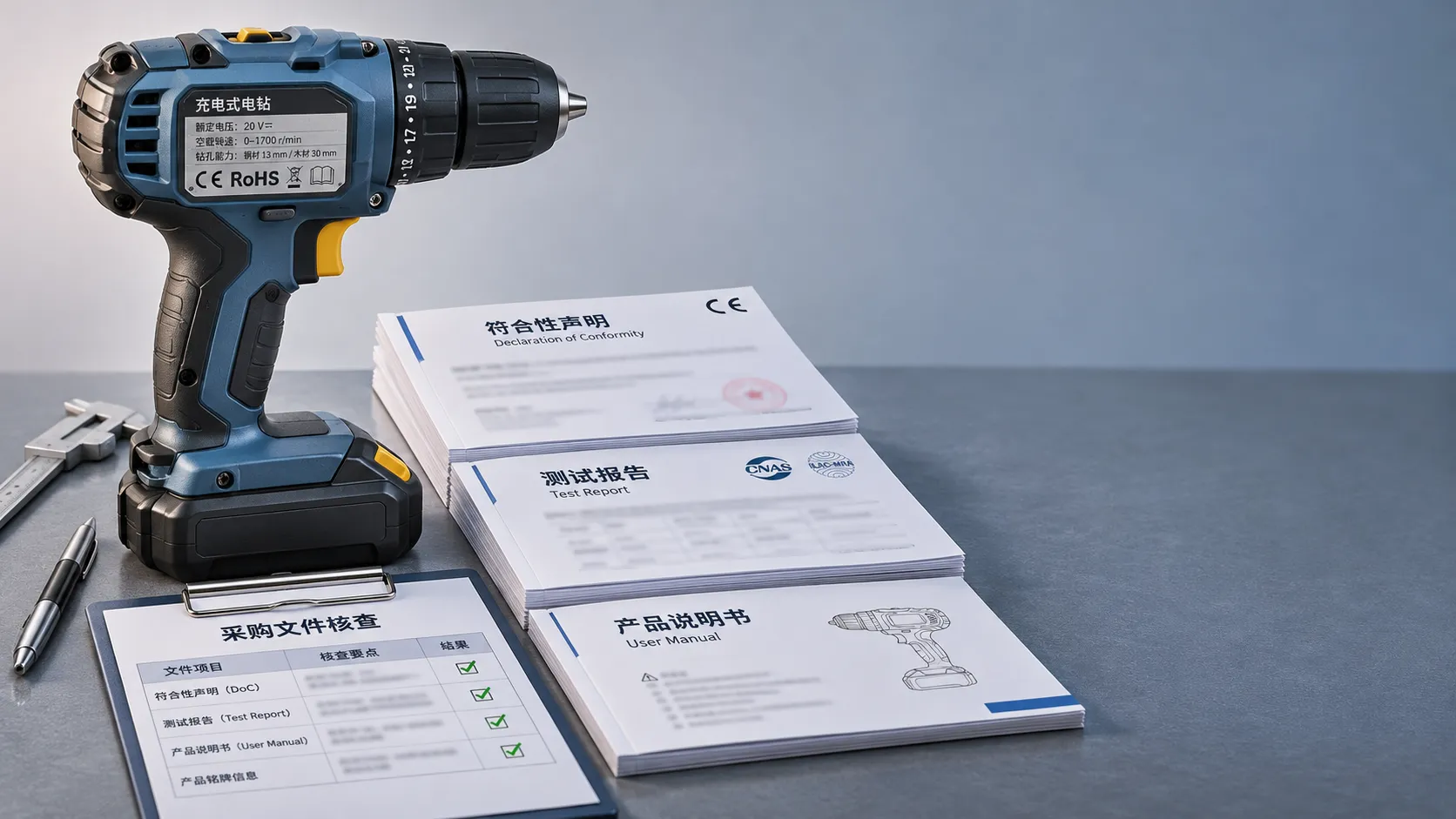
Choosing CE-Marked OEM Tools: Documents Buyers Should Check
Buying OEM tool solutions CE certified for Europe? Discover the documents to check, avoid costly compliance gaps, and choose suppliers with confidence.
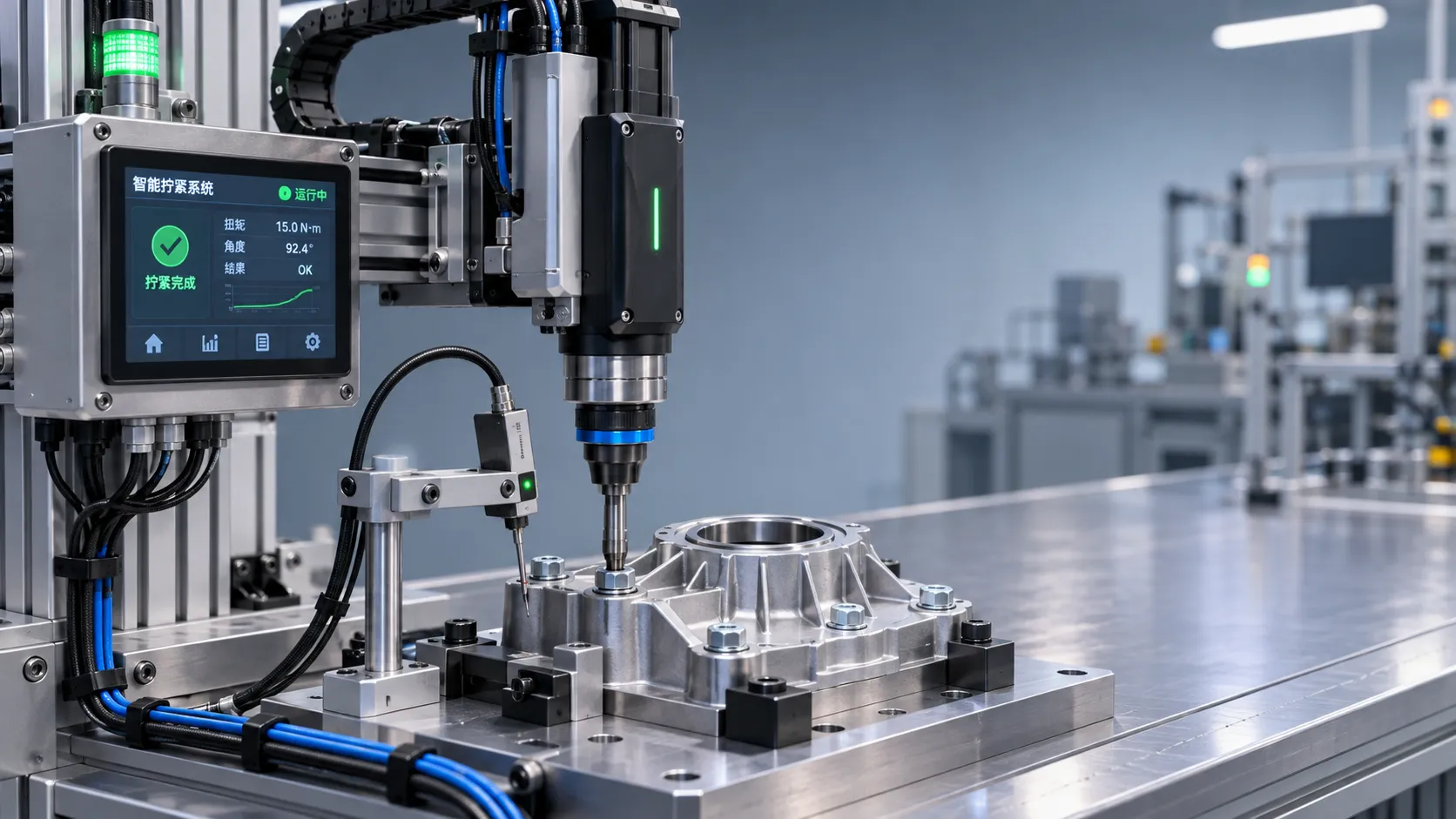
Industrial Innovation Trends: Where Manufacturers Should Invest
Explore industrial innovation trends in fastening, metrology, laser welding, and connected tools—and discover where manufacturers should invest.
Industrial Assembly Specifications: How to Define Tolerances and Torque
Explore specification-oriented articles on industrial assembly and learn how to define tolerances, validate torque settings, and improve joint reliability.
AMS Specifications for Aerospace Tooling: What Do They Cover?
Aerospace tools AMS requirements can cover materials, processes and documentation. Learn how to verify compliance and assess finished-tool acceptance.
Choosing Industrial Assembly Solutions for High-Mix Production Lines
Choose industrial assembly solutions for high-mix production with practical guidance on changeovers, quality, traceability, automation, and total cost.
Choosing an Industrial IoT Tools Distributor: Integration and Support Criteria
Choose an industrial IoT tools distributor with confidence. Compare integration, support, security, and lifetime costs to avoid hidden risks and protect production.

What Does GPTWM Mean? How to Verify Its Meaning in Context
What does gptwm mean? Explore its industrial context and learn how to verify the full name, publisher, and supporting sources before relying on its claims.

Industrial AI Compliance Guide: What to Check Before Factory Deployment
Use this industrial intelligence compliance guide to check safety, legal duties, cybersecurity, and validation before factory AI deployment. Explore the checklist to close critical gaps.
Related News
- 00
0000-00
Choosing CE-Marked OEM Tools: Documents Buyers Should Check - 00
0000-00
Choosing an Industrial IoT Tools Distributor: Integration and Support Criteria - 00
0000-00
Choosing a Laser Welding Equipment Supplier: Weld Trials, Warranty, and Support - 00
0000-00
Choosing a High-Precision Measuring Instrument Supplier: Calibration and Support - 00
0000-00
Choosing a Welding Tools Manufacturer: Quality Checks Before a Bulk Order
0000-00
Dr. Alistair Vaughn
Weekly Insights
Stay ahead with our curated technology reports delivered every Monday.