
Supplier and Solution References: What to Check Before Shortlisting Vendors





Supplier and Solution References: What to Check Before Shortlisting Vendors
Before comparing specs, prices, or lead times, buyers should review supplier and solution references carefully.
That step reduces sourcing risk and shows how a vendor performs under real operating conditions.
In industrial purchasing, claims on brochures matter less than proven delivery, service response, and application fit.
For precision tools, welding systems, and metrology equipment, strong supplier and solution references often reveal issues earlier than any quote comparison.
Why supplier and solution references matter before price discussions
A low quote can hide expensive problems.
Those problems usually appear later through rework, downtime, delayed support, or unstable product quality.
This is why supplier and solution references should be checked before the shortlist is finalized.
References help verify whether a vendor can support similar production volumes, compliance demands, and technical environments.
They also show whether the supplier solved real problems, not just delivered standard products.
From a cost perspective, this is one of the fastest ways to screen out high-risk vendors early.
Start with relevance, not volume
Many vendors provide long client lists.
That looks impressive, but the real question is relevance.
The best supplier and solution references match your use case as closely as possible.
For example, a handheld laser welding reference in a light fabrication shop may not validate performance in aerospace maintenance.
A torque tool reference for general assembly may also be weak evidence for high-traceability automotive applications.
Check whether the reference aligns with these factors:
- Industry and end-use environment
- Production scale and duty cycle
- Required tolerances and quality targets
- Safety, compliance, and export restrictions
- Installation complexity and operator skill level
- Regional service coverage and spare parts access
If the context is not comparable, the reference has limited decision value.
What to ask when reviewing supplier references
A supplier reference check should go beyond “Were you satisfied?”
That question is too broad and often produces polite, low-value answers.
Instead, ask for evidence tied to operations, cost, and support.
- Was the equipment delivered on time, and was commissioning completed as planned?
- Did the actual performance match the quoted technical specification?
- How stable was quality after the first three to six months?
- How quickly did the supplier respond to faults or process issues?
- Were spare parts, consumables, and calibration services easy to obtain?
- Did the supplier handle documentation, training, and compliance properly?
- Would the buyer select the same vendor again under similar conditions?
These questions make supplier and solution references more useful for shortlist decisions and total cost analysis.
Look at the solution, not only the supplier
A strong company name does not guarantee the right solution.
In many industrial projects, the application result matters more than the brand reputation.
That is why supplier and solution references should include system configuration details.
For welding systems, review the full setup.
This includes power source, torch design, shielding method, safety controls, cooling, software, and operator training.
For metrology or precision tooling, check calibration process, repeatability, digital integration, and maintenance requirements.
A reference is valuable only when it confirms that the proposed solution performed well as a complete package.
Red flags hidden inside supplier and solution references
Some references look acceptable until you ask follow-up questions.
That is usually where the real risk appears.
Watch for these warning signs:
- References are old and no recent projects are available
- Only sales staff provide answers, with no user contact offered
- Case details stay vague about output, accuracy, or uptime
- Support quality depends on a single engineer or distributor
- Performance claims rely on test labs, not production lines
- The solution worked only after major unplanned modifications
None of these points automatically disqualifies a vendor.
Still, each one should lower confidence until better evidence is provided.
How references connect to total cost
Procurement decisions are rarely about purchase price alone.
The more obvious signal today is lifecycle cost pressure.
Energy use, consumable burn rate, maintenance frequency, and unplanned downtime can quickly erase a lower initial quote.
Good supplier and solution references help quantify those cost drivers.
When supplier and solution references include measurable outcomes, cost evaluation becomes more defensible internally.
Use a simple scoring method before shortlisting
Reference checks become more practical when scoring is consistent.
In actual sourcing work, a short matrix is usually enough.
Score each vendor from one to five across key areas.
- Reference relevance to your application
- Verified technical performance
- After-sales responsiveness
- Lifecycle cost transparency
- Documentation and compliance support
- Regional service and spare parts readiness
This approach keeps supplier and solution references tied to business priorities.
It also makes cross-functional discussion easier with engineering, quality, and operations teams.
Why market intelligence improves reference checks
References are stronger when reviewed with market context.
That matters even more in sectors facing raw material swings, export controls, and changing safety expectations.
GPTWM tracks these shifts across industrial assembly, metal joining, and precision metrology technologies.
This broader view helps determine whether supplier and solution references reflect durable capability or temporary advantage.
For example, a vendor may show strong historical delivery, yet face current pressure from component shortages or compliance changes.
A good shortlist should balance reference quality with these external signals.
Final checklist before the shortlist is locked
Before moving vendors into final comparison, confirm a few basics.
- At least two supplier and solution references closely match your use case.
- The references confirm measurable results, not general satisfaction only.
- Support, training, and spare parts performance were verified directly.
- Any technical gaps or modifications were disclosed clearly.
- Total cost drivers were discussed with actual users.
- Current market conditions do not undermine the reference value.
Done properly, supplier and solution references turn a shortlist from a guess into a reasoned decision.
They show who can deliver reliably, support the application, and protect long-term cost performance.
That is usually the difference between a vendor who looks competitive on paper and one who performs where it counts.
Related News
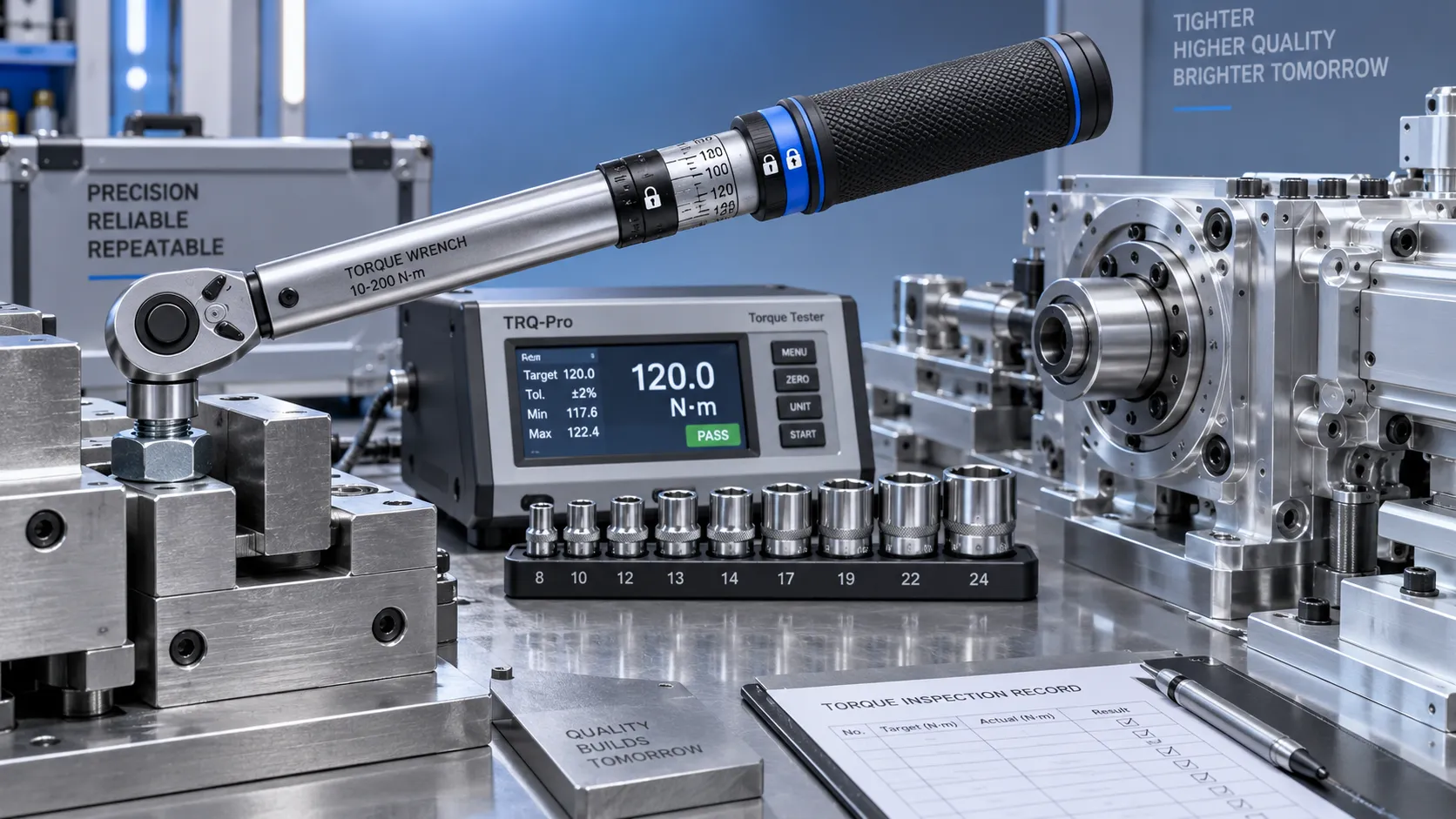
Selecting Adjustable Torque Tools for Repeatable Fastener Assembly
Adjustable torque tools: learn how to match range, accuracy, control methods, calibration, and ergonomics for repeatable, reliable fastener assembly.

How to Select Aerospace Inspection Tools for Aircraft Maintenance Tasks
Aerospace maintenance inspection tools: learn how to select reliable, traceable equipment for aircraft access, accuracy, calibration, and compliant maintenance decisions.

How to Select Wire Bonding Tools for Fine-Pitch Semiconductor Packaging
Explore semiconductor manufacturing tools for wire bonding and learn how to select precision solutions for fine-pitch packaging, reliable loops, accuracy, and yield.
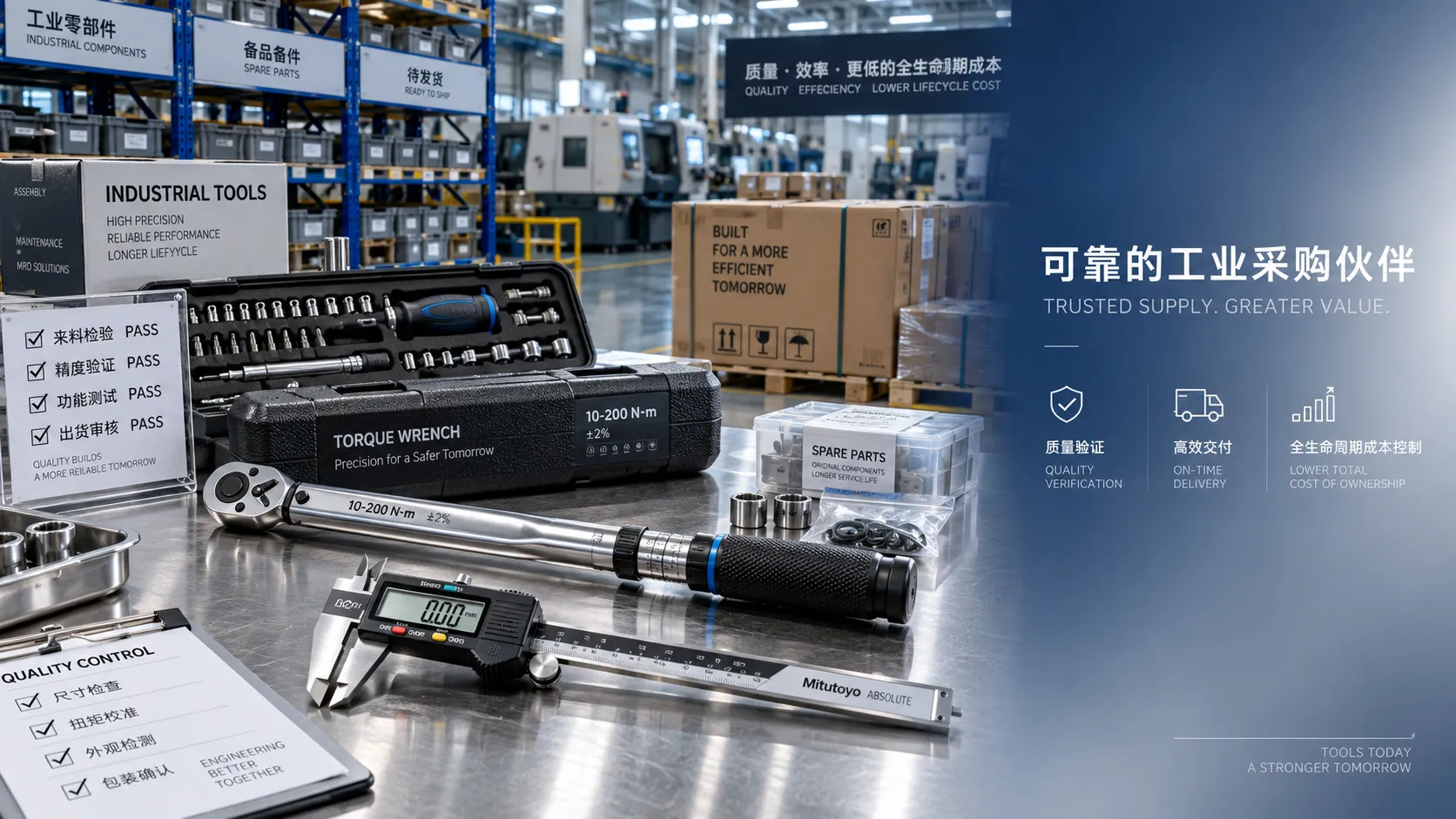
How to Compare Industrial Tool Suppliers for Quality, Lead Time, and Total Cost
Industrial tool selection supplier comparison made simple: evaluate quality, lead times, total cost, service, and supply resilience for confident sourcing decisions.

Industrial Equipment Application Guidance: Match Machines to Operating Conditions
Application guidance industrial equipment: match capacity, duty cycle, materials, site conditions, safety, and lifecycle cost to improve reliable output. Read the guide.
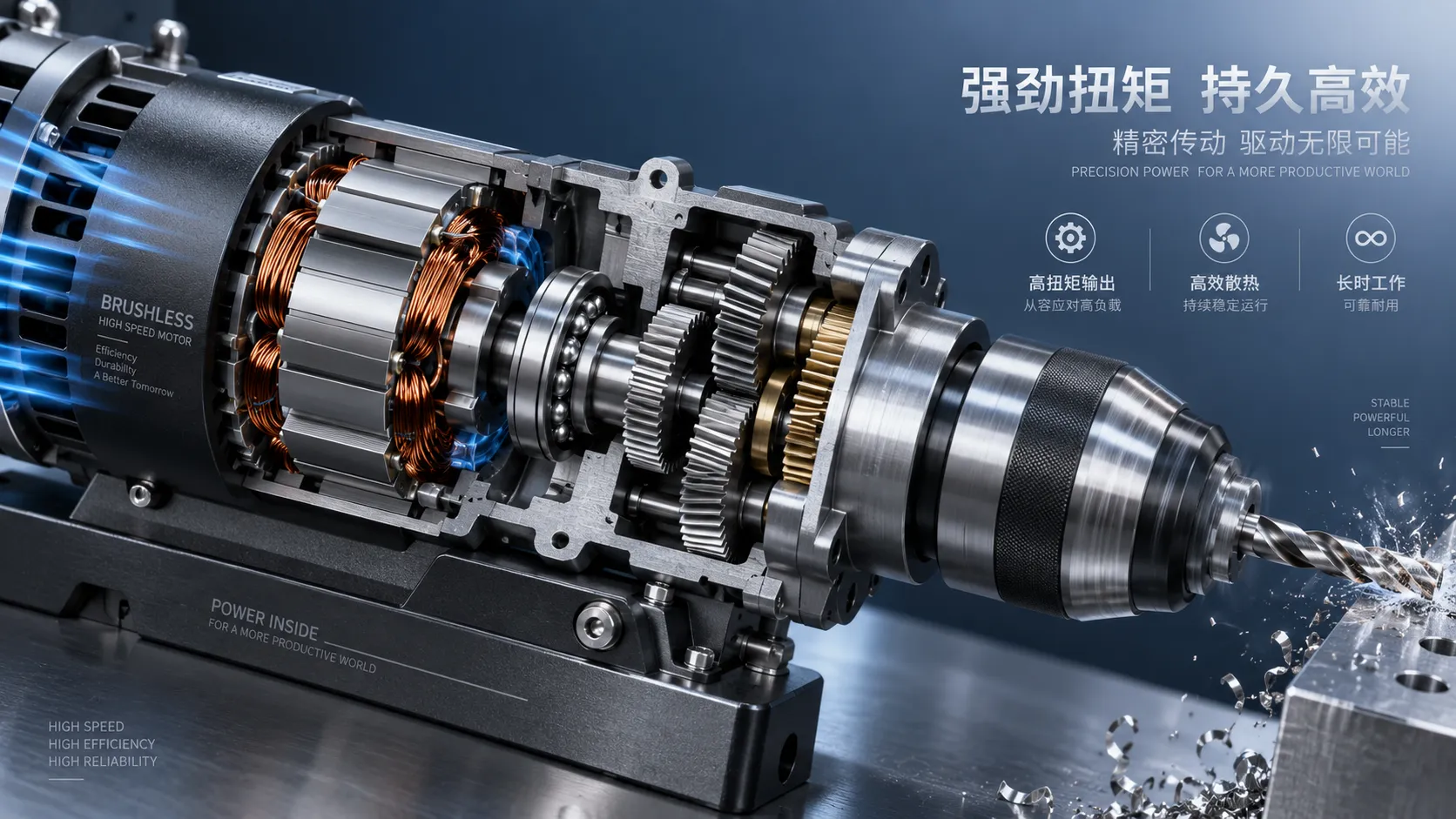
Selecting High-Speed Brushless Tool Motors for Torque, Heat, and Duty Cycle
High speed brushless tool motors: learn how to balance torque, heat, gearing, and duty cycle for reliable industrial tool performance and longer service life.
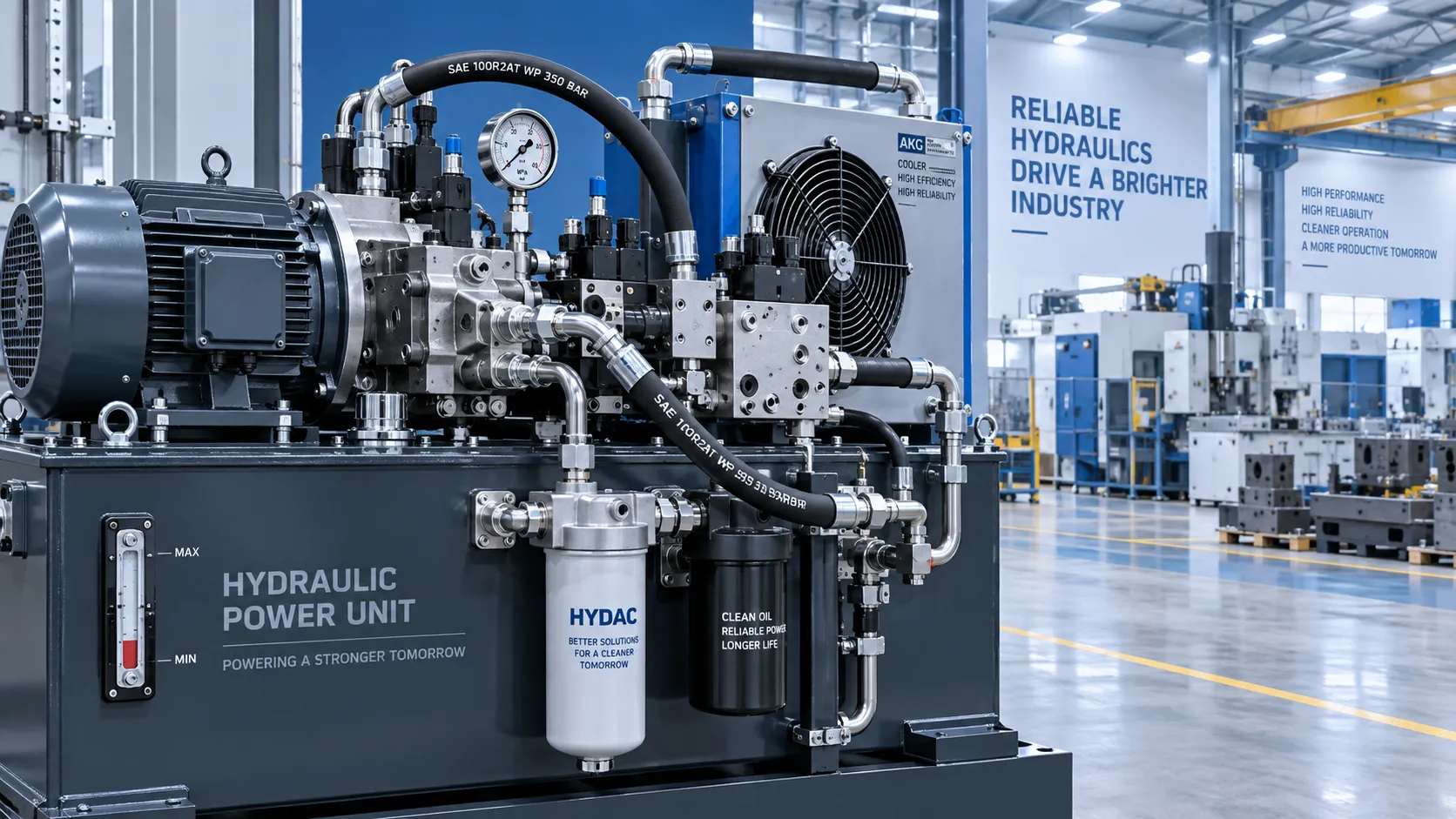
What Determines Industrial Hydraulic System Price for Heavy-Duty Equipment?
Industrial hydraulic system price depends on duty cycle, pressure, components, cooling, and integration. Compare quotes intelligently to secure reliable heavy-duty performance.

Welding Fume Extraction PPE: When Respirators Are Not Enough for Shop Safety
Welding fume extraction PPE: learn why respirators alone fall short and how source capture, ventilation, and layered controls improve shop safety.

How to Select Optical Metrology Solutions for Tight-Tolerance Manufacturing
Optical industrial metrology solutions for tight-tolerance manufacturing: evaluate accuracy, surface compatibility, workflow, and traceability to select with confidence.
Related News
- 00
0000-00
How to Compare Industrial Tool Suppliers for Quality, Lead Time, and Total Cost - 00
0000-00
How to Evaluate a Technology Integration Service Provider for Complex Projects - 00
0000-00
Product Comparison Resources in Europe: How Buyers Can Verify Specs and Suppliers - 00
0000-00
How to Evaluate an Industrial Metrology Solution Manufacturer for Production Use - 00
0000-00
How to Evaluate a Metal Joining Solutions Factory for Quality, Capacity, and Delivery Risk
Dr. Alistair Vaughn
Weekly Insights
Stay ahead with our curated technology reports delivered every Monday.