
How to compare industrial solutions beyond the quote





A low quote rarely tells technical evaluators whether industrial solutions will perform reliably under real production pressure. Beyond the initial price, factors such as lifecycle cost, calibration stability, integration complexity, safety compliance, supplier intelligence, and long-term service capacity can determine true value.
For teams assessing welding systems, precision tools, metrology platforms, or assembly technologies, a structured comparison framework helps separate short-term savings from durable operational advantage.
Why industrial solutions need a checklist beyond price
Industrial solutions are rarely isolated purchases. A welding cell, torque platform, measuring instrument, or hydraulic unit can influence throughput, quality, safety, and maintenance planning.
A quote captures acquisition cost, delivery terms, and basic configuration. It often misses hidden variables that appear after commissioning, calibration, integration, or operator training.
A checklist creates comparable evidence. It turns vendor claims into measurable criteria and links technical performance with operational risk, service readiness, and financial impact.
Core checklist for comparing industrial solutions
- Define the production problem precisely, including defect rates, cycle time targets, ergonomic limits, inspection frequency, and downtime patterns before reviewing any quote.
- Compare total lifecycle cost, covering consumables, calibration, fixtures, software licenses, spare parts, energy demand, training, maintenance labor, and expected replacement intervals.
- Verify process capability with application data, not brochures, using repeatability studies, weld penetration records, torque curves, gauge R&R, or environmental test results.
- Inspect integration requirements, including PLC communication, data protocols, plant network security, fixture compatibility, compressed air, extraction, cooling, and floor space constraints.
- Assess calibration stability by reviewing drift behavior, certification traceability, recalibration intervals, temperature sensitivity, shock resistance, and authorized service availability.
- Review safety compliance against applicable standards, guarding needs, laser classification, fume extraction, electrical protection, noise exposure, and operator access controls.
- Evaluate supplier intelligence through technical documentation depth, application engineering capacity, sector trend awareness, export restriction monitoring, and realistic implementation guidance.
- Measure service resilience by checking local support coverage, spare-part lead time, remote diagnostics, repair turnaround, escalation paths, and warranty exclusion language.
- Test usability under real conditions, including glove operation, screen readability, tool balance, setup speed, recipe control, multilingual interfaces, and error recovery steps.
- Demand data transparency, ensuring industrial solutions can export quality records, maintenance logs, energy data, calibration history, and batch-level traceability when needed.
How to score industrial solutions consistently
A weighted scorecard reduces emotional decisions. It also prevents a low quote from dominating when process risk, service exposure, or compliance gaps are significant.
Adjust weights by application criticality. A metrology platform used for aerospace inspection may require heavier emphasis on traceability, calibration, and documentation integrity.
Scenario notes for welding, tools, and metrology
Welding systems and metal joining
When comparing welding-related industrial solutions, focus on process window stability. A cheaper system may need slower travel speed or higher rework allowance.
Request sample coupons, macro sections, shielding gas assumptions, fume control details, and safety measures. Handheld laser welding requires special attention to controlled access.
Precision tools and assembly equipment
For torque tools, grinders, cutters, and fastening platforms, ergonomics affects productivity as much as motor performance. Weight, vibration, heat, and grip geometry matter.
Brushless motor claims should be tested under duty cycle. Compare battery consistency, overload protection, torque verification, and data capture across industrial solutions.
Precision metrology and inspection
Metrology decisions depend on confidence, not only resolution. Accuracy, repeatability, uncertainty budgets, operator influence, and environmental controls must be validated together.
Industrial solutions for inspection should support traceable calibration, secure records, clear reporting, and stable performance across temperature, dust, vibration, and handling variation.
Common risks hidden behind a favorable quote
Underspecified scope. A quote may exclude fixtures, extraction, training, software modules, gauges, commissioning days, or safety accessories required for full operation.
Weak documentation. Industrial solutions without clear manuals, maintenance procedures, spare-part lists, and calibration certificates create dependency and slow troubleshooting.
Limited service geography. A capable product can still become risky if qualified service, certified calibration, or critical components are unavailable locally.
Unrealistic productivity claims. Demonstration speeds often ignore setup time, consumable changes, inspection steps, operator fatigue, or part variation across production batches.
Data lock-in. Some industrial solutions store valuable process information in closed formats, limiting analytics, traceability, and future integration with digital factory systems.
Practical execution process before selection
- Build a requirement sheet that separates mandatory conditions from preferred features, then align every vendor response against the same technical language.
- Run a controlled trial using representative parts, normal operators, realistic cycle targets, and documented acceptance criteria for each proposed solution.
- Calculate five-year cost using expected utilization, maintenance intervals, calibration needs, energy demand, consumables, software fees, and downtime exposure.
- Hold a technical clarification meeting focused on exceptions, assumptions, exclusions, interface responsibility, safety boundaries, and service commitments.
- Select industrial solutions only after comparing scorecard results with operational priorities, risk tolerance, compliance duties, and future expansion plans.
Document all assumptions in writing. If a vendor promises performance verbally, convert that promise into an acceptance test, warranty term, or commissioning milestone.
Using intelligence to strengthen comparison quality
Reliable decisions improve when technical evaluation is combined with market intelligence. Raw material volatility, export controls, and standard changes can reshape ownership cost.
GPTWM tracks industrial assembly, metal joining, precision metrology, tool ergonomics, intelligent torque control, and welding safety trends across global supply chains.
That intelligence helps compare industrial solutions not only by today’s quote, but by resilience, compliance direction, technology maturity, and service ecosystem strength.
Summary and next action
The strongest industrial solutions rarely win by price alone. They win by reducing variation, protecting uptime, simplifying integration, improving safety, and supporting measurable quality.
Before accepting any quote, create a checklist, request evidence, run a trial, score the findings, and test the supplier’s service capacity.
Use the comparison process as a decision discipline. It converts vendor proposals into operational proof and turns industrial solutions into durable competitive advantage.
Related News
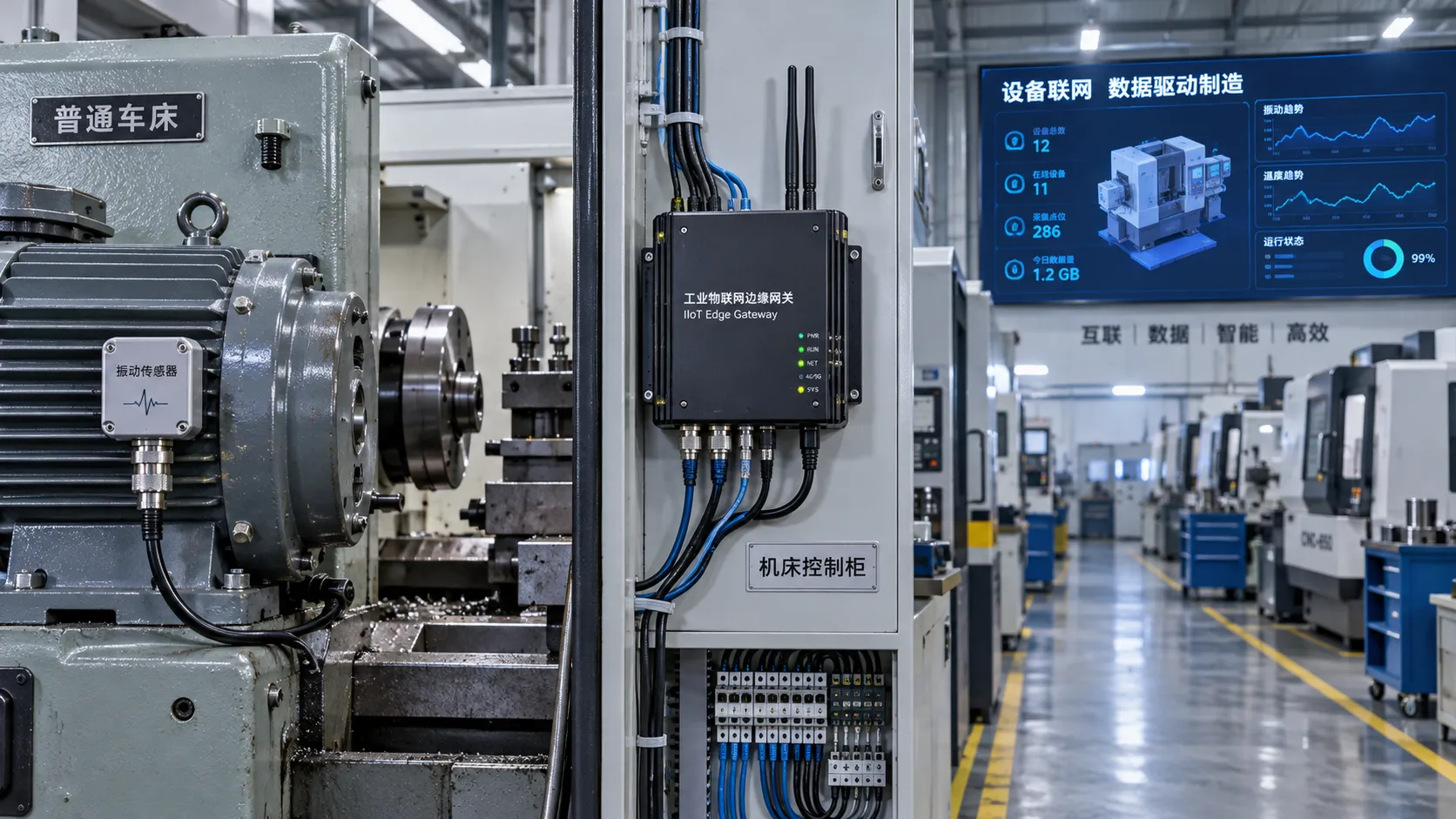
Choosing an Industrial IoT Platform: Key Criteria for Legacy Equipment
Choose an industrial IoT platform for legacy equipment with confidence. Discover key checks for connectivity, data integrity, security, and lifecycle costs before investing.

In-House vs. Outsourced Aircraft Maintenance: Comparing Total Costs
Compare aerospace maintenance cost for in-house vs. outsourced aircraft upkeep. Discover hidden expenses, downtime impacts, and break-even factors to find the best fit for your fleet.
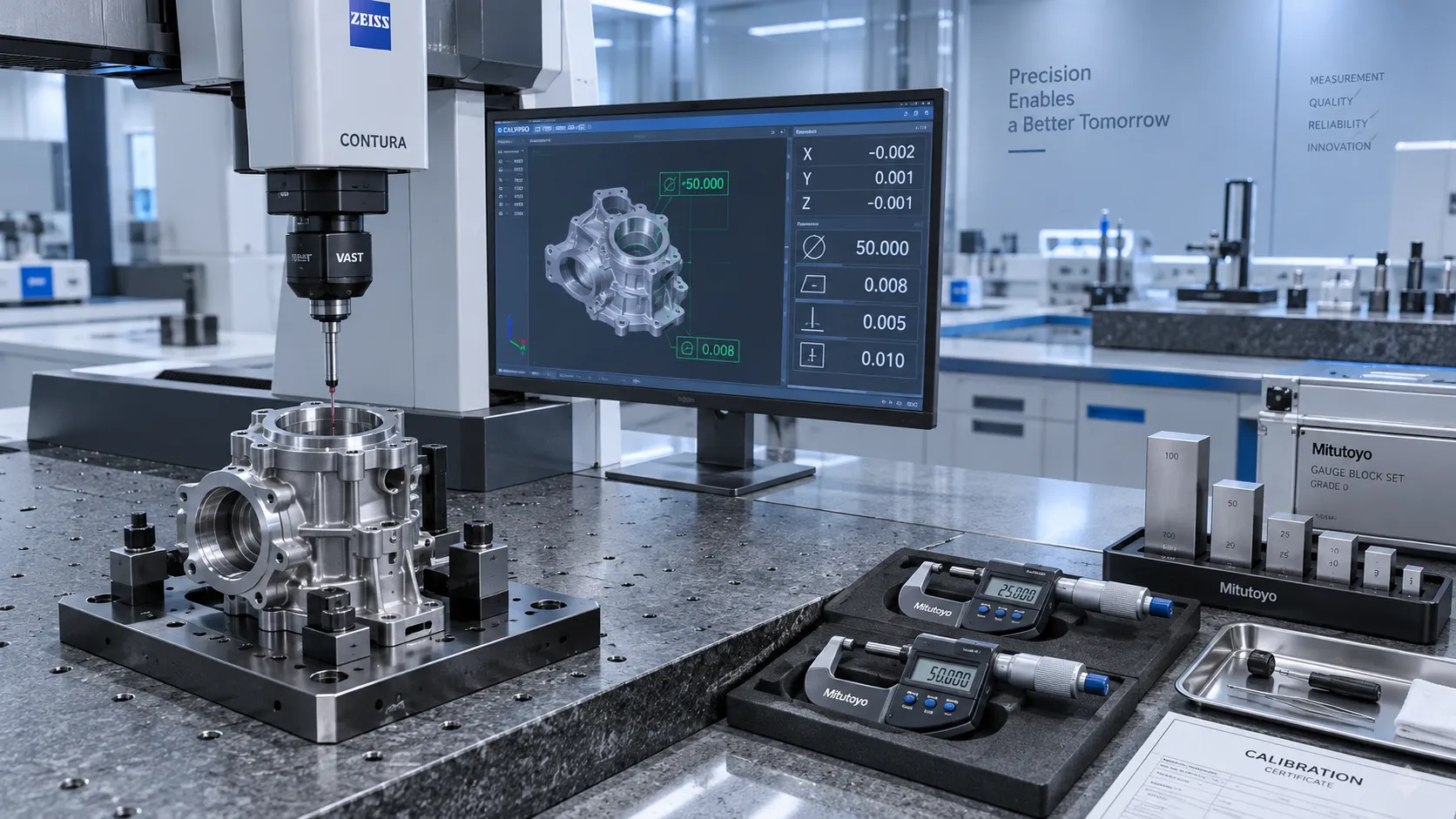
How to Select High-Precision Measuring Instruments for Tight-Tolerance Production?
High-precision measuring instruments are essential for tight-tolerance production. Learn how to evaluate accuracy, repeatability, environment, calibration, and data integration.
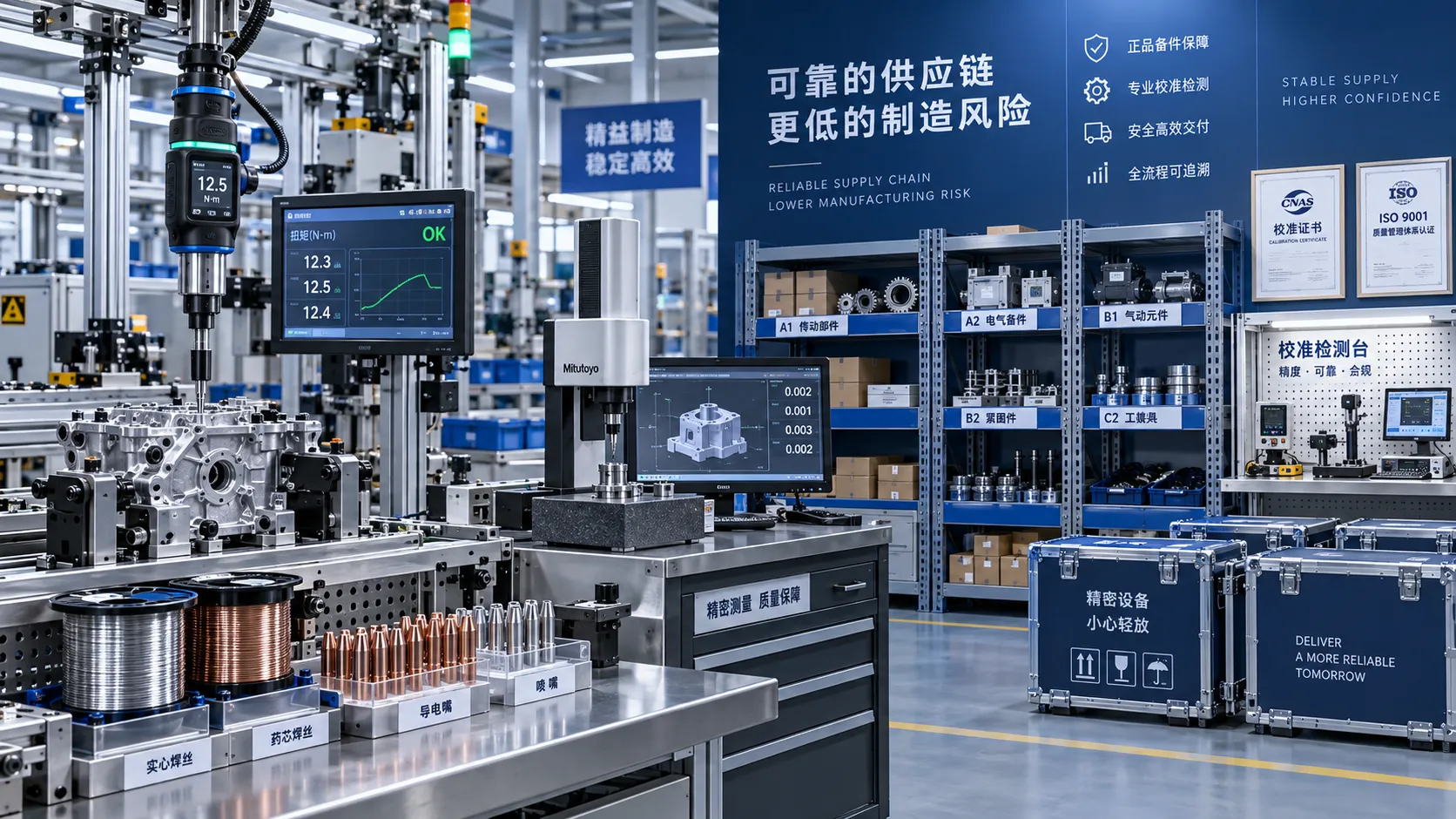
How Industrial Innovation Supplier Networks Reduce Sourcing Risk for Manufacturers
industrial innovation supplier network insights help manufacturers reduce sourcing risk, control lifecycle costs, and choose reliable tools, services, and suppliers with confidence.

How Do Advanced Manufacturing Methods Improve Batch Consistency?
How do advanced manufacturing methods improve batch consistency? Discover how precision metrology, intelligent torque control, welding automation, and traceable data reduce variation and improve quality.

South East Asia Machine Tools Market: Demand Outlook by Manufacturing Industry
South East Asia machine tools market outlook: explore demand from automotive, electronics, fabrication, and infrastructure, plus smart sourcing priorities for manufacturers.
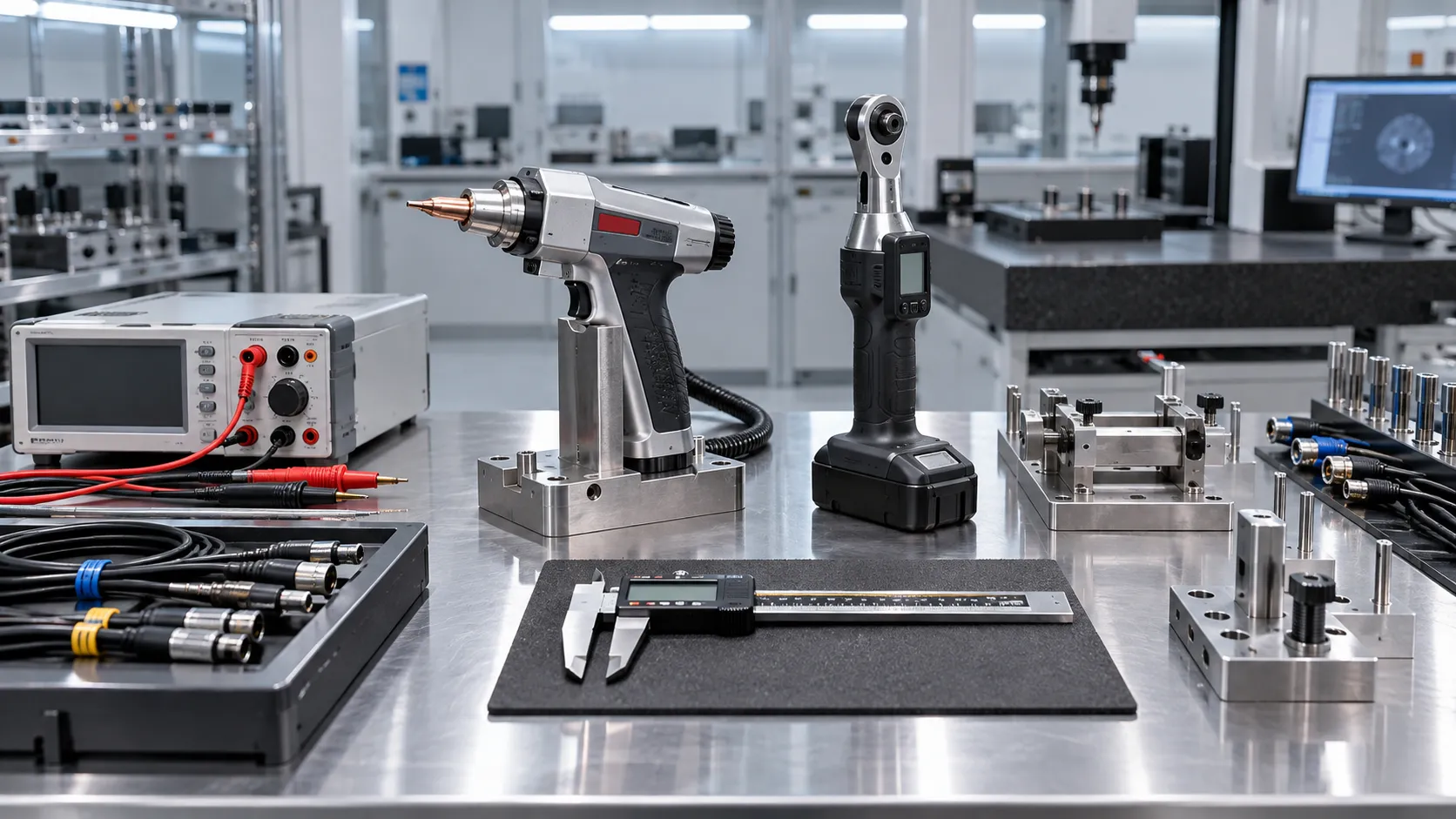
Which Industrial Standards Should Be Checked Before Export?
Which industrial standards should be checked before export? Discover essential compliance steps for industrial tools, welding equipment, laser systems, and metrology products.
What Industrial Automation Exporters Need to Know Before Entering ASEAN Markets
Industrial automation exporter to ASEAN: learn how to navigate compliance, local service, digital readiness, pricing, and market entry for scalable growth.

Electronics Prototyping Tools for Faster Design Validation and Small-Batch Testing
Electronics prototyping tools help teams validate designs faster with controlled power, precise measurements, repeatable assembly, and practical small-batch test fixtures.
Related News
- 00
0000-00
In-House vs. Outsourced Aircraft Maintenance: Comparing Total Costs - 00
0000-00
How to Compare Industrial Tool Suppliers for Quality, Lead Time, and Total Cost - 00
0000-00
How to Evaluate a Technology Integration Service Provider for Complex Projects - 00
0000-00
Product Comparison Resources in Europe: How Buyers Can Verify Specs and Suppliers - 00
0000-00
How to Evaluate an Industrial Metrology Solution Manufacturer for Production Use
Dr. Alistair Vaughn
Weekly Insights
Stay ahead with our curated technology reports delivered every Monday.