
Precision Engineering Tolerances: How to Read Specs Before Supplier Selection





Precision Engineering Tolerances: How to Read Specs Before Supplier Selection
Before choosing a supplier, technical evaluators must look beyond quoted capabilities and understand what tolerance specifications truly imply.
In precision engineering, a few microns can affect assembly fit, inspection cost, scrap rates, and long-term product reliability.
This guide explains how to read tolerance callouts, expose hidden risks, and compare suppliers through process capability and metrology discipline.
What Do Tolerances Really Mean in Precision Engineering?
A tolerance defines the permitted variation from a nominal dimension, geometry, surface, or functional requirement.
In precision engineering, tolerances are not decorative numbers. They describe how a part must behave during assembly, motion, sealing, or inspection.
A drawing may show ±0.01 mm, but that figure rarely tells the whole story. Material, feature size, datum strategy, and inspection method matter.
Linear tolerances control size and location. Geometric tolerances control form, orientation, profile, and positional relationships.
For precision engineering sourcing, geometric dimensioning and tolerancing often reveals more risk than simple plus-minus limits.
Why the Same Number Can Mean Different Difficulty
A 10-micron tolerance on a short ground pin may be routine. The same limit on a thin welded bracket may be unstable.
Difficulty increases when tolerances apply to flexible materials, deep cavities, thermal processes, or features measured from distant datums.
This is why precision engineering evaluation must connect the specification with manufacturing physics, not only supplier claims.
- Tight size limits may require grinding, honing, lapping, or controlled machining environments.
- Tight position limits may require stable fixtures, datum repeatability, and coordinate measurement planning.
- Tight form limits may require tool wear control, vibration management, and thermal compensation.
How Should a Drawing Be Read Before Supplier Selection?
Start with function. Identify which features control fit, load transfer, alignment, sealing, movement, or calibration.
Then separate critical tolerances from general tolerances. Precision engineering costs usually concentrate around a small number of features.
Do not read every dimension equally. A noncritical outer shape may carry less risk than a hidden bore or datum face.
Step 1: Check the General Tolerance Standard
Look for references such as ISO 2768, ASME Y14.5, ISO 1101, or company-specific drawing notes.
General tolerances affect every unmarked dimension. Ignoring them can create unexpected inspection disputes.
In precision engineering contracts, the referenced standard should match both the drawing language and the supplier’s inspection capability.
Step 2: Study Datum Structure
Datums define the coordinate logic of the part. They determine how features are located, inspected, and functionally assembled.
Weak datum selection can make a tolerance appear achievable on paper but unstable in production.
A strong precision engineering review asks whether datums are accessible, repeatable, rigid, and relevant to the real assembly interface.
Step 3: Identify Accumulated Tolerance Chains
Individual dimensions may pass inspection while the assembly still fails. This often comes from tolerance stack-up.
Tolerance chains become critical in gear housings, fixtures, welded frames, hydraulic components, optical mounts, and aerospace maintenance tooling.
Before supplier selection, precision engineering analysis should confirm whether worst-case or statistical stack-up is appropriate.
Which Tolerance Callouts Signal Higher Manufacturing Risk?
Some specifications immediately suggest extra process control, slower cycle time, or higher inspection cost.
In precision engineering, risk is not only about tight numbers. It also involves feature accessibility, stability, and measurement uncertainty.
Hidden Risk: Measurement Uncertainty
A supplier cannot reliably verify a 5-micron feature using an instrument with unsuitable uncertainty.
For precision engineering quality decisions, the measurement system must be accurate enough for the tolerance band.
Gauge repeatability, calibration status, probe strategy, temperature, and operator method all influence reported results.
A clean inspection report is useful only when the measurement process is credible and traceable.
How Can Process Capability Separate Real Strength from Marketing Claims?
A capability statement such as “we can hold ±0.005 mm” is incomplete without context.
Precision engineering capability should be proven by actual parts, actual materials, and repeatable production conditions.
One perfect sample does not prove stable production. Capability requires consistency across batches, operators, machines, and time.
Capability Indicators Worth Reviewing
- Cp and Cpk results for critical features under normal production conditions.
- Control charts showing drift, tool wear, or thermal movement.
- First article inspection reports with datum references and method notes.
- Nonconformance history for similar precision engineering components.
- Preventive maintenance records for machines, spindles, fixtures, and gauges.
A high Cpk value suggests the process is centered and stable. A low value signals frequent sorting or rework risk.
When tolerances are critical, ask whether capability data comes from prototypes or serial production.
Prototype Capability Is Not Production Capability
Prototype parts may receive special handling, senior operators, slower feeds, or extended inspection.
Production brings tool changes, shift variation, material lots, scheduling pressure, and fixture wear.
That gap is where many precision engineering sourcing decisions become expensive after approval.
What Should Be Compared Between Suppliers Beyond Price?
Unit price rarely reflects the full cost of tight tolerances. Inspection, yield, rework, logistics, and engineering support change the real cost.
For precision engineering projects, the lowest quote can become costly when the supplier lacks stable metrology or process control.
Comparison Checklist
The best evaluation connects tolerance difficulty with evidence. Claims should translate into inspection data, machine control, and documented learning.
Precision engineering sourcing becomes stronger when commercial comparison includes technical probability, not only quoted cost.
Which Specification Mistakes Create Cost, Delay, or Rejection?
Over-tight tolerances are common. They increase cost without improving function when not linked to real performance needs.
Under-defined tolerances are also dangerous. They leave inspection interpretation open and invite disputes during receiving quality checks.
Common Precision Engineering Pitfalls
- Using tight default tolerances on every drawing feature.
- Specifying datums that are difficult to contact or repeat.
- Mixing standards without clarifying priority and interpretation.
- Ignoring surface finish where sealing, wear, or friction matters.
- Requesting capability without defining sample size and production conditions.
- Accepting inspection reports that omit measurement uncertainty.
Costly problems often appear after tooling, approval, or first shipment. Early clarification is cheaper than late containment.
A mature precision engineering review challenges both the drawing and the proposed manufacturing route.
FAQ: Practical Questions Before Approval
These questions convert precision engineering review into a structured decision process. They also reduce ambiguity before contracts, samples, and production launch.
Final Takeaway: Read the Spec Before Reading the Quote
Tolerance specifications are business signals as much as technical instructions. They shape cost, risk, inspection workload, and supplier fit.
Strong precision engineering decisions begin with drawing interpretation, datum logic, tolerance stack-up, and metrology credibility.
Before approval, request evidence that matches the real difficulty of the part. Do not accept capability claims without production context.
For deeper industrial intelligence on tools, welding, metrology, and manufacturing efficiency, GPTWM connects precision foundations with practical sourcing insight.
Use the next specification review to identify critical features, confirm inspection methods, and compare suppliers through evidence-based precision engineering discipline.
Related News
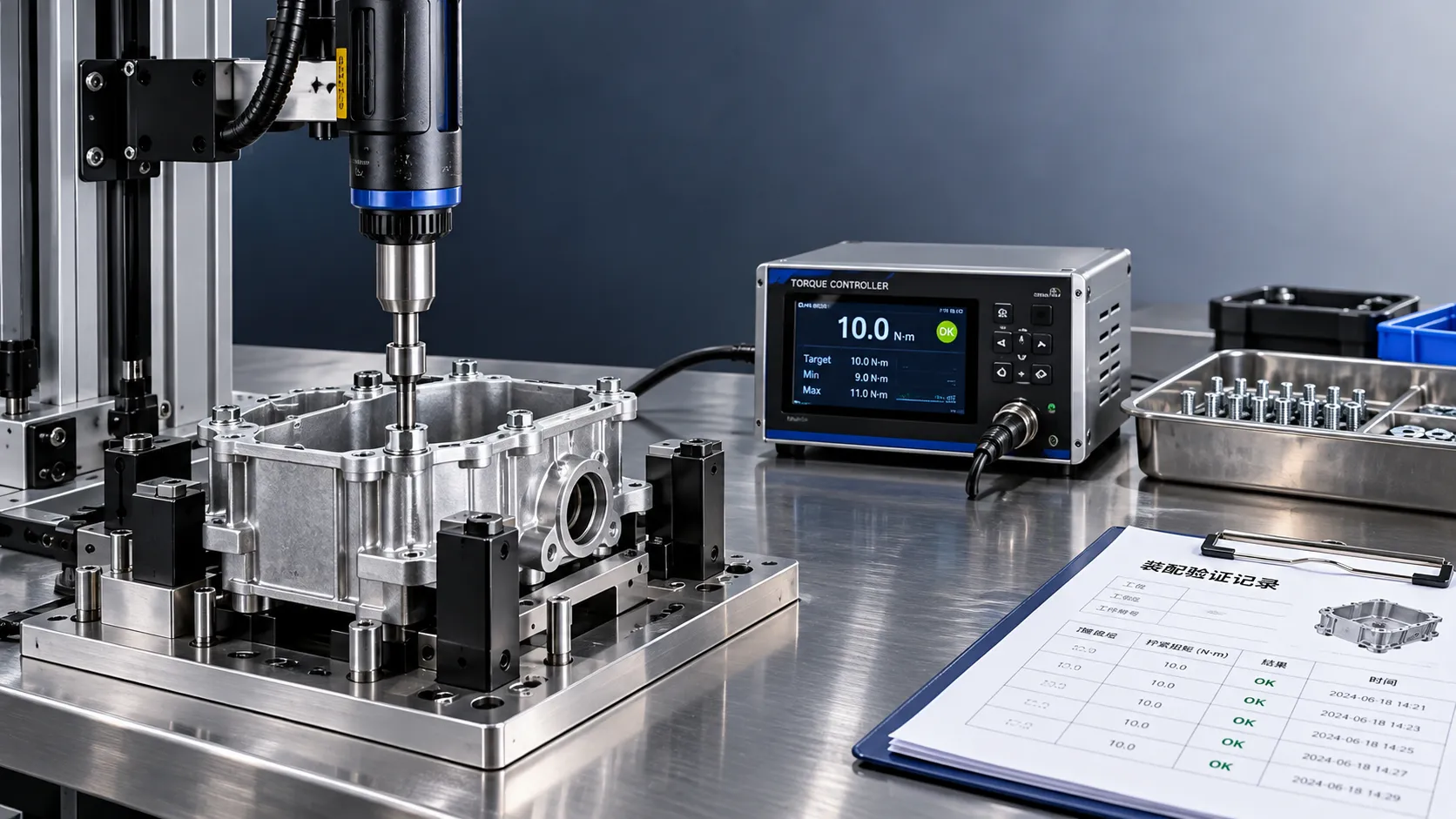
Torque System Suppliers: How to Assess References for Assembly Projects
Explore supplier and solution references torque systems buyers should verify. Assess assembly fit, traceability, and support to reduce risk and choose with confidence.

Equipment Application Guidance for the Middle East: Managing Heat and Dust
Explore application guidance Middle East teams can use to manage heat and dust, protect welding equipment, batteries and precision tools, and reduce downtime. Get practical tips.
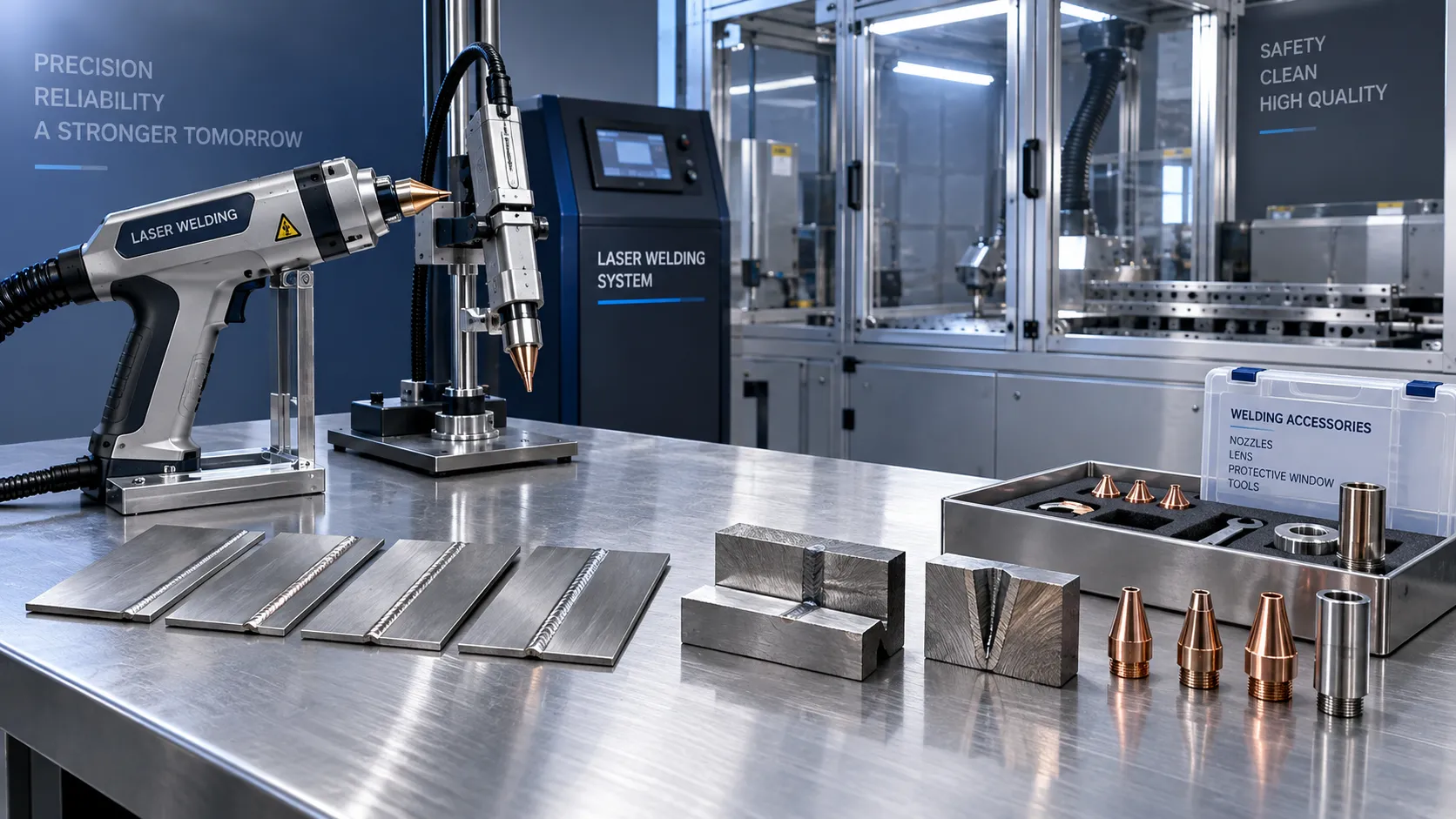
Choosing a Handheld Laser Welding Supplier: Weld Trials, Training, and Service
Choose a handheld laser welding supplier with proven weld trials, safety training, and reliable service. Learn what to verify before buying to reduce downtime and protect your investment.

Choosing an Industrial IoT Platform: Key Criteria for Legacy Equipment
Choose an industrial IoT platform for legacy equipment with confidence. Discover key checks for connectivity, data integrity, security, and lifecycle costs before investing.

In-House vs. Outsourced Aircraft Maintenance: Comparing Total Costs
Compare aerospace maintenance cost for in-house vs. outsourced aircraft upkeep. Discover hidden expenses, downtime impacts, and break-even factors to find the best fit for your fleet.
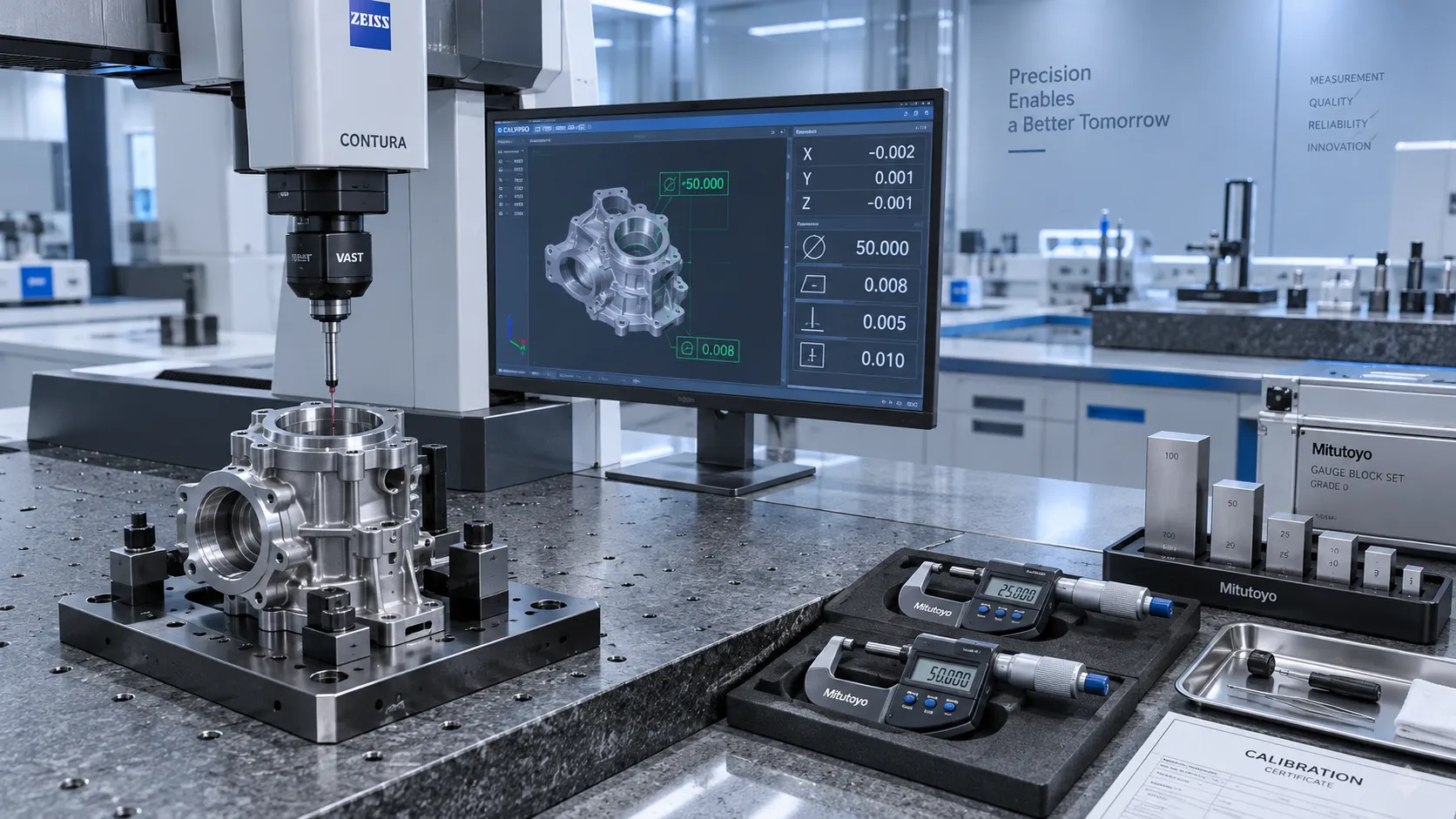
How to Select High-Precision Measuring Instruments for Tight-Tolerance Production?
High-precision measuring instruments are essential for tight-tolerance production. Learn how to evaluate accuracy, repeatability, environment, calibration, and data integration.
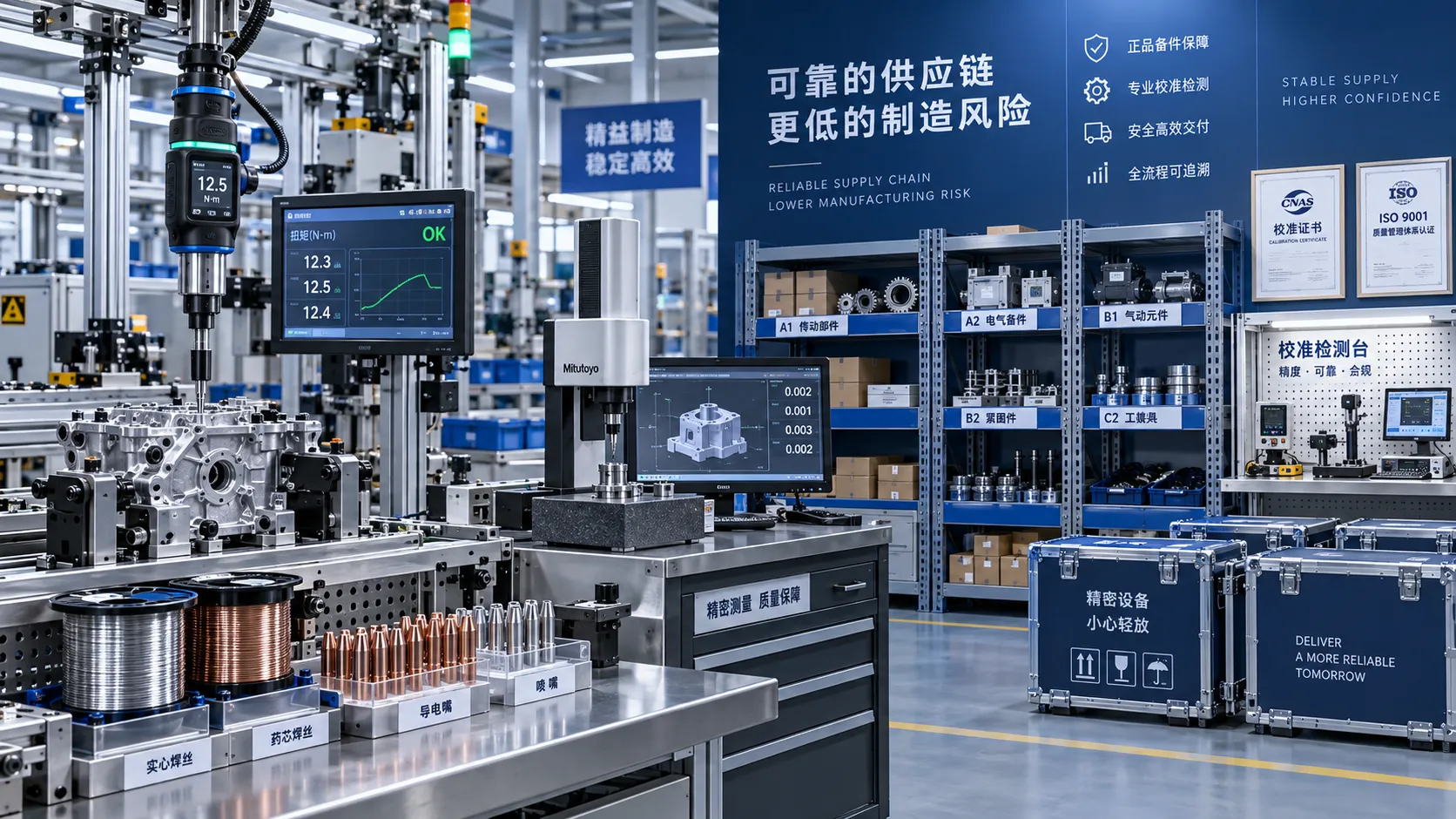
How Industrial Innovation Supplier Networks Reduce Sourcing Risk for Manufacturers
industrial innovation supplier network insights help manufacturers reduce sourcing risk, control lifecycle costs, and choose reliable tools, services, and suppliers with confidence.
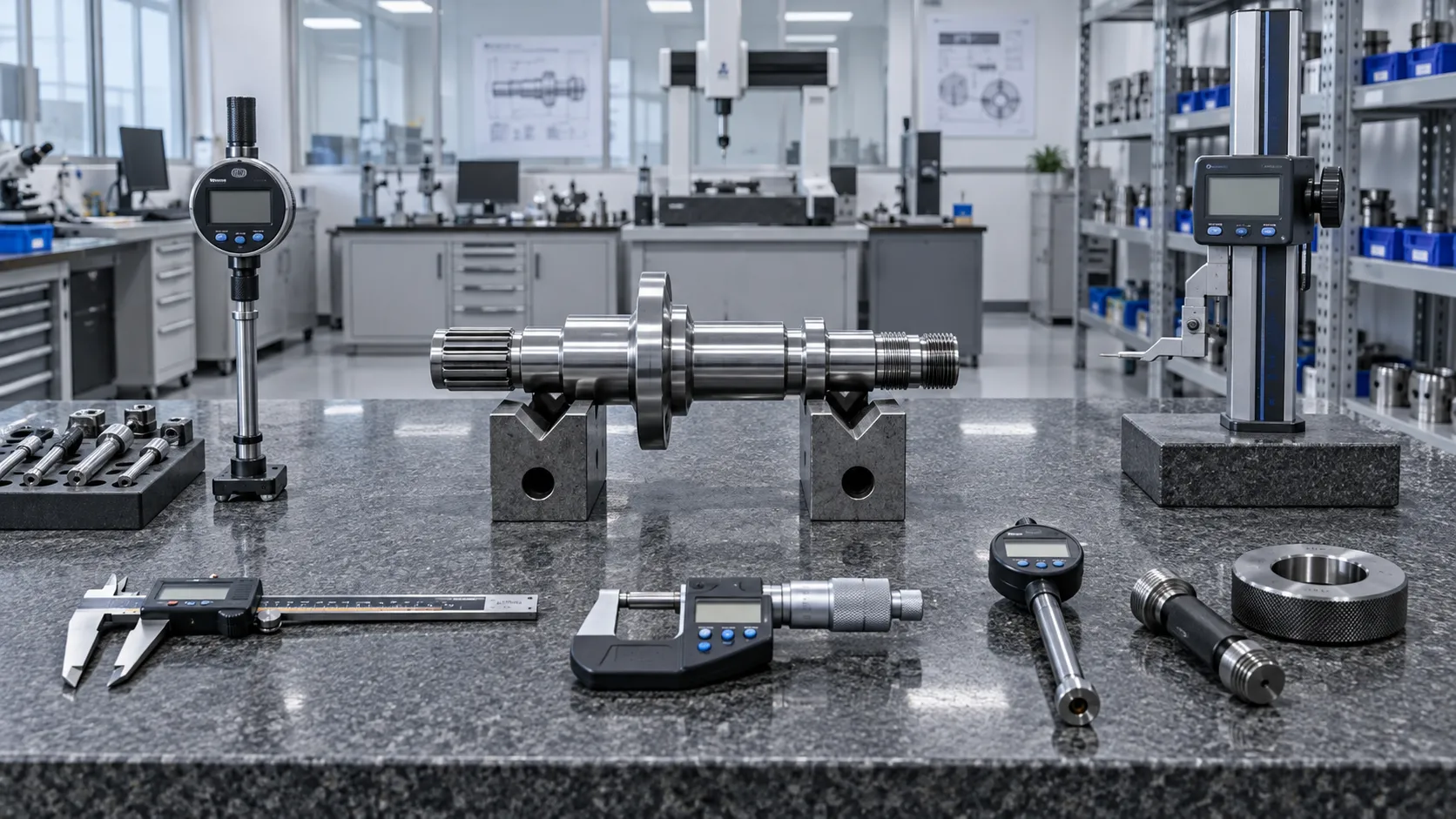
Which Precision Measuring Tools Are Best for Incoming Inspection?
Which precision measuring tools are best for incoming inspection? Explore calipers, micrometers, gauges, CMMs, and smarter strategies to prevent costly defects.
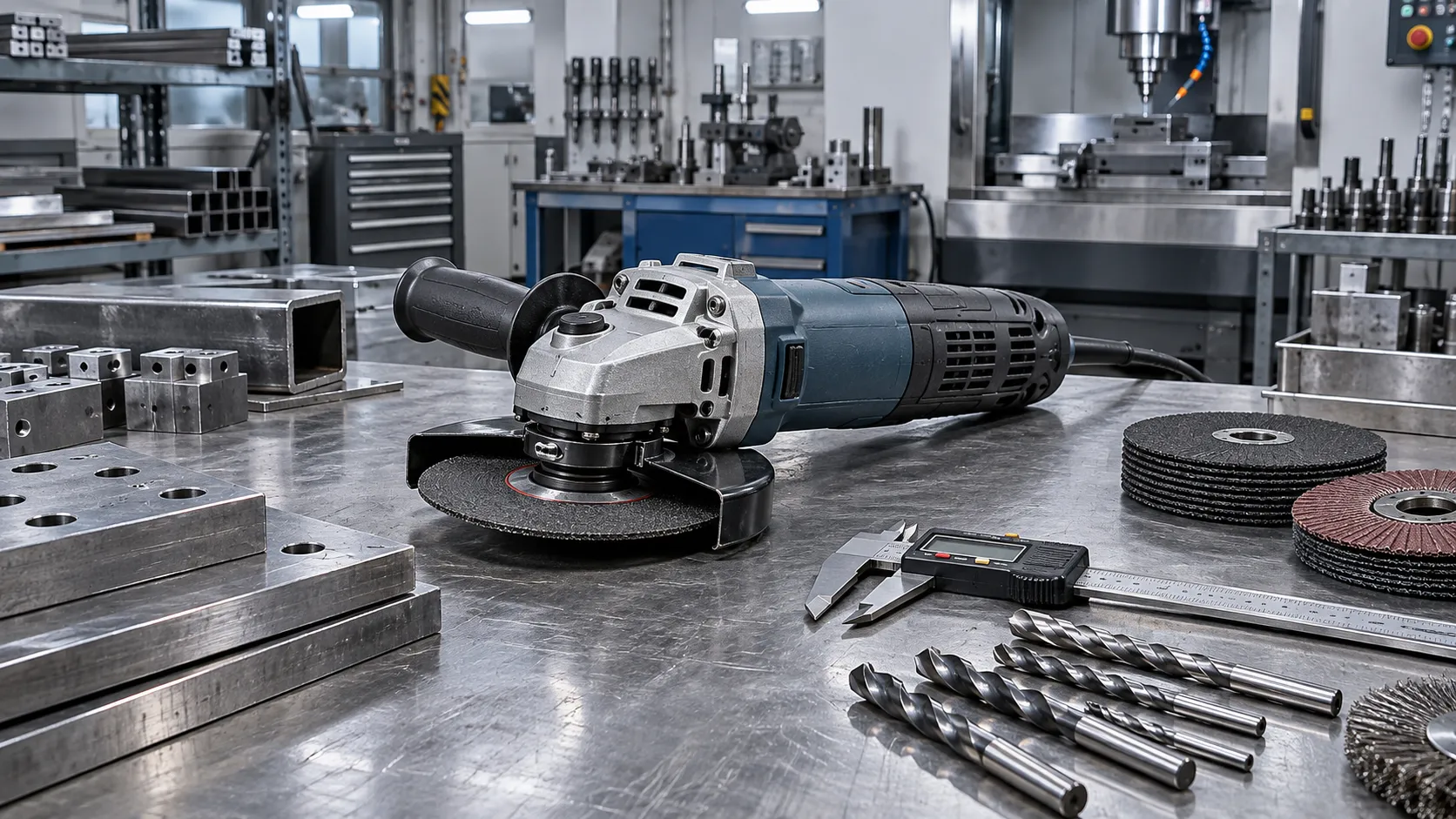
Are Lower-Cost Metalworking Tools More Likely to Fail Early?
Are cheaper metalworking tools more likely to fail early? Explore duty cycle, build quality, and total ownership costs to make smarter buying decisions.
Related News
- 00
0000-00
Torque System Suppliers: How to Assess References for Assembly Projects - 00
0000-00
Choosing a Handheld Laser Welding Supplier: Weld Trials, Training, and Service - 00
0000-00
In-House vs. Outsourced Aircraft Maintenance: Comparing Total Costs - 00
0000-00
How to Compare Industrial Tool Suppliers for Quality, Lead Time, and Total Cost - 00
0000-00
How to Evaluate a Technology Integration Service Provider for Complex Projects
Dr. Alistair Vaughn
Weekly Insights
Stay ahead with our curated technology reports delivered every Monday.