
Commercial Insights in Industrial Manufacturing: 7 Signals Buyers Should Track





In industrial manufacturing, good sourcing decisions rarely come from catalog data alone. The most useful commercial insights come from reading market signals early, before cost, quality, or compliance issues become visible in a contract.
That matters even more in assembly, welding, metrology, and tool-related supply chains. A buyer may compare similar offers on paper, yet the real difference often sits in demand timing, process maturity, export exposure, and technology readiness.
For platforms such as GPTWM, which tracks the last mile of industrial manufacturing, commercial insights are not abstract market commentary. They are working intelligence that connects shop-floor change with commercial judgment across construction, automotive, aerospace maintenance, and broader industrial operations.
Why commercial insights now carry more weight
Industrial supply chains have become more exposed to sudden shifts. Material prices move faster, certification rules tighten, and delivery reliability can change within one quarter.
At the same time, many products look increasingly similar at first glance. A welding tool, torque system, measuring instrument, or hydraulic component may appear comparable until hidden lifecycle differences start affecting output and risk.
This is where commercial insights help. They turn scattered information into decision context, showing not only what a supplier sells, but also how resilient, scalable, and commercially aligned that offer may be.
What these signals actually reveal
In practice, commercial insights sit between market data and purchase action. They help interpret whether a visible trend is temporary noise, a structural shift, or an early warning.
For industrial manufacturing, seven signals are especially useful because they shape cost, continuity, specification fit, and long-term supplier value.
1. Demand migration across end-use sectors
Demand does not rise evenly across industry. Construction may drive hydraulic equipment, while aerospace maintenance increases interest in precision measurement and controlled joining processes.
When demand shifts from one sector to another, lead times, allocation priorities, and pricing behavior often change. A supplier heavily exposed to one booming segment may become less flexible elsewhere.
2. Raw material and component volatility
Steel, copper, electronic controls, batteries, magnets, and specialty alloys influence industrial tools more than many quotations admit. Brushless motor systems and smart controllers are especially sensitive.
Strong commercial insights track which cost changes are being absorbed, which are being passed through, and which may reduce quality if suppliers quietly substitute parts.
3. Compliance pressure and export restrictions
Regulatory pressure now affects purchasing earlier in the cycle. Safety requirements for handheld laser welding, calibration traceability, and export documentation can reshape supplier eligibility.
A low initial price loses value quickly if the product later fails destination standards, operator safety expectations, or maintenance documentation requirements.
4. Technology adoption beyond marketing claims
Many suppliers now promote smart torque control, connected diagnostics, and digital process monitoring. The key question is whether adoption is operationally mature or still mostly promotional.
Commercial insights should test if the technology improves repeatability, training time, maintenance visibility, or data integrity. If it does none of these, the premium may not be justified.
5. Production consistency at the last mile
A supplier may have sound engineering but weak final assembly discipline. In precision tools and welding systems, small variations in fit, calibration, or finishing can affect field performance.
GPTWM’s focus on the last mile is useful here. Commercial insights become stronger when they include process-level signals, not only shipment statistics or sales claims.
6. Service depth and aftermarket capability
Industrial value does not end at delivery. Spare parts availability, recalibration support, repair turnarounds, and training access often decide the real commercial outcome.
This signal is easy to underestimate when evaluating metrology devices, welding units, and hydraulic equipment. Yet it often determines uptime and total ownership cost.
7. Supplier investment direction
The most forward-looking commercial insights ask where a supplier is investing. Factory automation, ergonomic redesign, safety upgrades, and unified international standards usually indicate strategic seriousness.
A supplier investing only in promotion may support short-term volume. A supplier investing in process intelligence may support long-term competitiveness.
How to read these signals in business context
No single indicator should decide a sourcing choice. Useful commercial insights come from combining signals and testing how they interact under a specific operating scenario.
For example, a rising demand signal may look positive. Yet if it appears alongside weak compliance readiness and thin service support, the commercial profile becomes less attractive.
By contrast, modest pricing with stable calibration support, clear export documentation, and proven digital control may offer stronger long-term value than an aggressive discount.
Where these commercial insights matter most
The value of commercial insights changes by application. In high-precision environments, calibration credibility may carry more weight than nominal unit cost.
In repair and maintenance settings, tool uptime and service responsiveness may matter more than advanced features. In fast-moving construction demand, supply continuity may become the main concern.
- For metal joining, review safety standards, consumable availability, and process repeatability.
- For precision metrology, focus on calibration pathways, environmental tolerance, and data reliability.
- For power tools, examine motor durability, battery ecosystem logic, and maintenance support.
- For hydraulic equipment, compare sealing quality, field service access, and failure history.
Using GPTWM intelligence without turning it into advertising
A useful intelligence platform should help sharpen judgment, not replace it. GPTWM’s value is strongest when its commercial insights are treated as structured evidence for comparison.
Its Strategic Intelligence Center is relevant because it links sector news with engineering and economic interpretation. That makes raw material fluctuation, export restrictions, tool efficiency limits, and IoT torque trends more actionable.
This is particularly helpful when evaluating suppliers tied to industrial assembly, laser welding safety, precision instruments, and globally distributed tool categories. The result is a clearer picture of commercial fit, not just technical fit.
A practical framework for the next decision cycle
The next step is not to gather more data without structure. It is to define which of the seven signals have the highest consequence for the category under review.
A useful approach is to score each supplier against demand exposure, cost sensitivity, compliance readiness, technology maturity, last-mile consistency, service depth, and investment direction.
From there, compare the score against the operational scenario. A stable maintenance program, a new export market, and a precision-critical production line will not need the same weighting.
The strongest commercial insights usually emerge when market signals, technical evidence, and supplier behavior point in the same direction. That is often the moment when sourcing accuracy improves and hidden risk becomes easier to see.
Before the next quotation round, it helps to refine the checklist, revisit assumptions about price, and test whether each shortlisted source is aligned with the operating future, not only the current order.
Related News
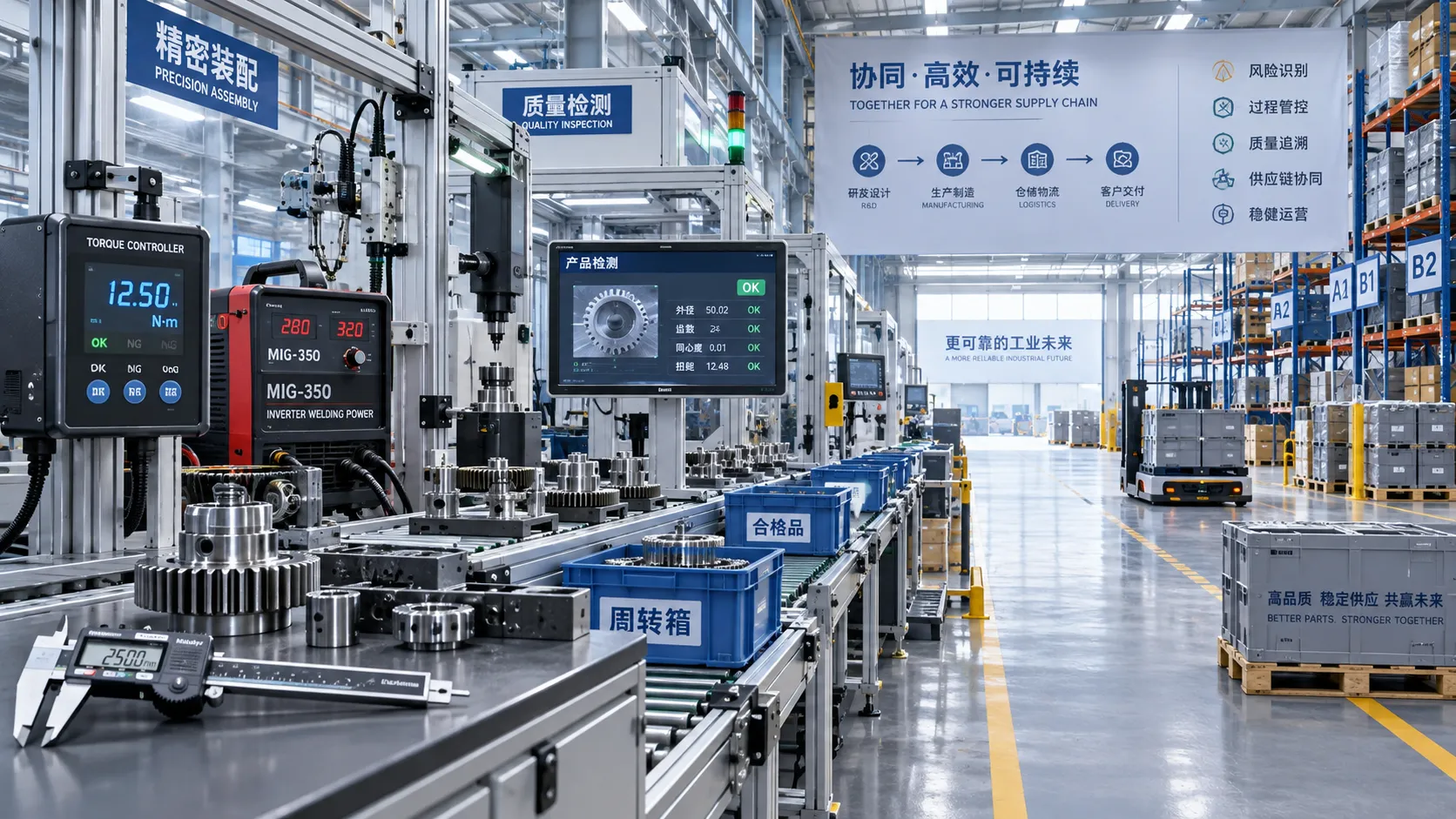
How Procurement Teams Can Map the Industrial Value Chain to Reduce Supply Risk
Industrial value chain procurement helps teams map hidden dependencies, qualify resilient sources, and reduce supply risk before disruptions stop production.

How Specification-Driven Articles Improve Precision Measurement System Selection
Specification-oriented articles precision measurement guidance helps teams compare accuracy, repeatability, environment, and data needs to select reliable systems with confidence.

How to Evaluate a Technology Integration Service Provider for Complex Projects
Technology integration service provider selection guide: evaluate interface ownership, delivery discipline, scalable architecture, and risk control for complex projects.
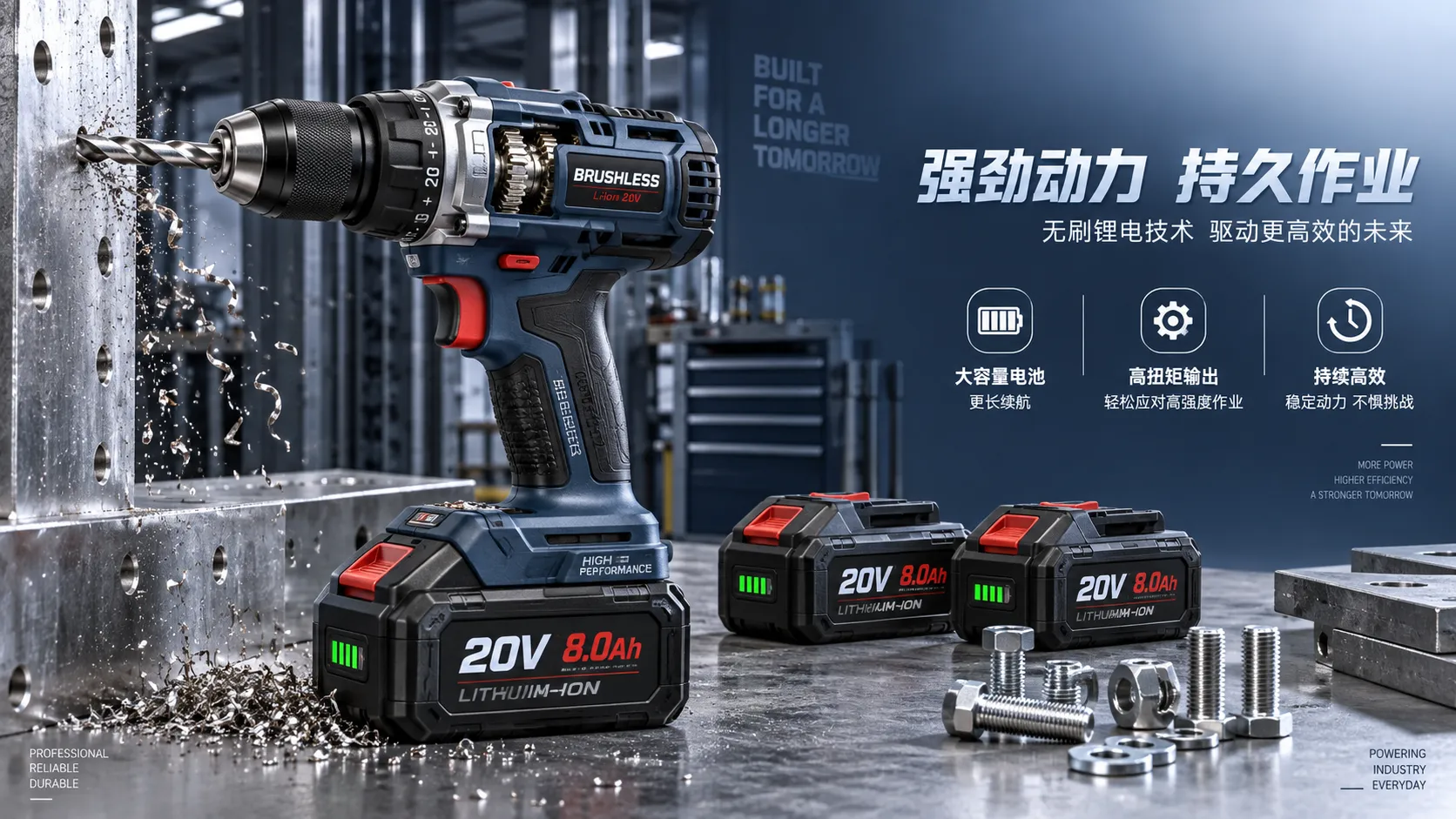
How Battery, Torque, and Duty Cycle Affect Cordless Power Tool Efficiency
Cordless power tool efficiency depends on battery output, torque, and duty cycle. Learn how to match tools to demanding jobs for stronger runtime and productivity.

Product Comparison Resources for Component Compatibility and Lifecycle Risk
Product comparison resources for components: evaluate compatibility, interfaces, service support, and lifecycle risk to reduce downtime, avoid redesigns, and make confident sourcing decisions.

How to Select Vernier Precision Calipers for Tight-Tolerance Machining Inspection
Vernier precision calipers for tight-tolerance machining: learn how to select the right range, jaw design, accuracy, and verification process for reliable inspection.

Product Comparison Resources in Europe: How Buyers Can Verify Specs and Suppliers
Product comparison resources Europe: learn how to verify industrial specs, compliance claims, supplier credibility, and delivery risk for smarter purchasing decisions.

How to Evaluate an Industrial Metrology Solution Manufacturer for Production Use
Industrial metrology solution manufacturer evaluation guide for production: compare accuracy, traceability, automation, software, service, and acceptance testing to reduce risk.

Which ISO Standards Matter Most for Precision Engineering Quality Control?
Precision engineering ISO standards explained: discover how ISO 9001, ISO/IEC 17025, ISO 10012, GPS, and ISO 3834 strengthen quality control, traceability, and compliance.
Related News
- 00
0000-00
How Procurement Teams Can Map the Industrial Value Chain to Reduce Supply Risk - 00
0000-00
How Industry Category Guides Help Global Sourcing Teams Compare Suppliers Faster - 00
0000-00
Intelligent Tools in Southeast Asia: Key Market Trends, Buyers, and Supply Chain Shifts - 00
0000-00
Industrial Value Chain Europe: Where Sourcing Risks and Lead-Time Pressure Are Rising - 00
0000-00
North America's Industrial Value Chain: Key Shifts in Sourcing, Labor, and Logistics
Dr. Alistair Vaughn
Weekly Insights
Stay ahead with our curated technology reports delivered every Monday.