
Industrial Trends Shaping Tool Procurement: What Buyers Should Track in Supply, Lead Times, and Cost





Industrial trends now shape tool buying decisions more than many teams expect
Industrial trends no longer sit in background reports. They now affect order timing, supplier choice, and landed cost in very direct ways.
In practical terms, a tool quote can change because steel moves, export controls tighten, freight capacity shrinks, or a motor component becomes scarce.
That is why procurement decisions in assembly, welding, metrology, and maintenance need better market awareness, not just better negotiation.
A useful way to read industrial trends is to ask a simple question: which signals threaten continuity, and which signals create buying leverage?
This matters across industries, especially where precision tools, measuring devices, hydraulic equipment, and joining systems support production uptime.
GPTWM follows this “last mile” of manufacturing closely, linking raw material shifts, technical adoption, and commercial demand into decision-ready intelligence.
Which industrial trends have the biggest effect on supply stability?
Supply risk rarely comes from one dramatic event. More often, it builds through several smaller changes that arrive at the same time.
For industrial tools, the most sensitive pressure points usually include alloy pricing, electronic component availability, battery cells, brushless motor parts, and cross-border compliance rules.
Handheld power tools, digital calipers, torque systems, and laser welding equipment are especially exposed because they combine metal, electronics, and safety requirements.
Another trend worth watching is supplier concentration. When too much volume depends on one region or one specialized subcomponent, disruption spreads quickly.
In actual sourcing work, the better question is not whether disruption will happen. It is where the bottleneck is likely to appear first.
- If cast or forged parts are delayed, final assembly slows even when branded inventory looks available.
- If export standards change, compliant models may ship later than standard versions.
- If high-precision sensors tighten in supply, metrology lead times can jump unexpectedly.
This is where industrial trends become useful as an early warning system rather than a broad market headline.
When lead times start moving, what should be checked first?
Lead times are often treated as a supplier issue, but that view is too narrow. Delays usually reflect a chain of technical and logistical dependencies.
Start by separating quoted lead time from true replenishment time. The first is a sales promise. The second reflects production, inspection, packaging, and transport realities.
For example, torque-controlled tools may require firmware validation. Measuring instruments may need calibration steps. Welding equipment may need added safety documentation.
Those steps matter because industrial trends are making products more intelligent, more regulated, and sometimes slower to release than basic models.
A quick review table helps identify which signal deserves attention before a delay becomes a shortage.
This kind of review turns industrial trends into measurable buying signals, not abstract industry commentary.
Are rising costs mainly about raw materials, or is the picture broader now?
Raw materials still matter, especially steel, aluminum, copper, and engineered plastics. But the cost picture is broader than it was a few years ago.
Today, industrial trends show three cost layers moving together: build cost, compliance cost, and logistics cost.
Build cost covers housings, gears, motors, electronics, and packaging. Compliance cost includes certifications, safety adaptation, and documentation for destination markets.
Logistics cost has become more volatile because routing, insurance, customs review, and port congestion can shift the final number after quotation.
A common mistake is to focus only on unit price. In many categories, the bigger risk sits in total delivered cost and stockout exposure.
This is especially true for precision metrology and welding-related tools, where failure to supply can cost more than a moderate price increase.
- Track surcharge language, not just base price.
- Review whether calibration, batteries, cables, or cases are still included.
- Check if lower pricing shifts risk to longer lead times or lower allocation priority.
The better buying decision often comes from comparing cost structure, not just comparing quotations line by line.
How can buyers tell whether a market shift is temporary noise or a structural change?
Not every spike deserves a policy change. Some movements fade quickly. Others reshape sourcing for quarters, not weeks.
A useful test is to compare three dimensions: duration, spread, and technical dependency.
If a disruption lasts across several reporting cycles, affects multiple suppliers, and touches a specialized component, it is probably structural.
If it is short, local, and easy to substitute, it may only require a tactical buffer.
This is one reason intelligence platforms like GPTWM add value. They do not just list news. They connect technical adoption with demand shifts and policy effects.
For instance, broader adoption of IoT torque control or handheld laser welding safety requirements can create persistent sourcing pressure, not a brief fluctuation.
The same applies when construction, automotive service, and aerospace maintenance all pull from similar precision supply chains at once.
What sourcing mistakes become more expensive when industrial trends accelerate?
The first mistake is buying to historical averages. Old lead times and old cost assumptions can fail quickly in a changing market.
Another costly error is treating all suppliers as equally resilient. Two vendors may offer similar catalogs but very different sub-tier visibility.
There is also the problem of overstandardization. Consolidation can simplify purchasing, yet it also increases exposure when one channel tightens.
In practical sourcing, the safer approach is balanced optionality rather than uncontrolled vendor expansion.
Watch for these red flags when industrial trends begin moving fast:
- Using quarterly reviews when a category now changes monthly.
- Approving substitutions without checking calibration, safety, or ergonomic compliance.
- Holding too little stock on parts with long validation cycles.
- Accepting price cuts that reduce service, documentation, or delivery priority.
The goal is not to eliminate risk completely. It is to make risk visible early enough to act on it.
What should be monitored over the next quarter before placing larger orders?
A short watchlist is often more useful than a long dashboard. The key is choosing indicators that link directly to decisions.
For many tool categories, the next quarter should be judged through supply continuity, technical release stability, and total landed cost direction.
More specifically, monitor whether lead-time promises are holding, whether compliance rules are changing by destination, and whether key end markets are pulling demand upward.
Construction maintenance, automotive repair systems, and aerospace support often create early demand signals for precision tools and joining equipment.
It also helps to separate strategic buys from routine buys. High-specification metrology devices should not be managed like general consumable tools.
A workable next step is to create a category review sheet with five fields: component exposure, lead-time risk, compliance sensitivity, freight dependency, and substitution difficulty.
That framework makes industrial trends actionable. It also supports calmer, faster decisions when the market shifts again.
The most reliable sourcing outcomes usually come from combining market intelligence with category-specific judgment, then updating both before assumptions become outdated.
Related News
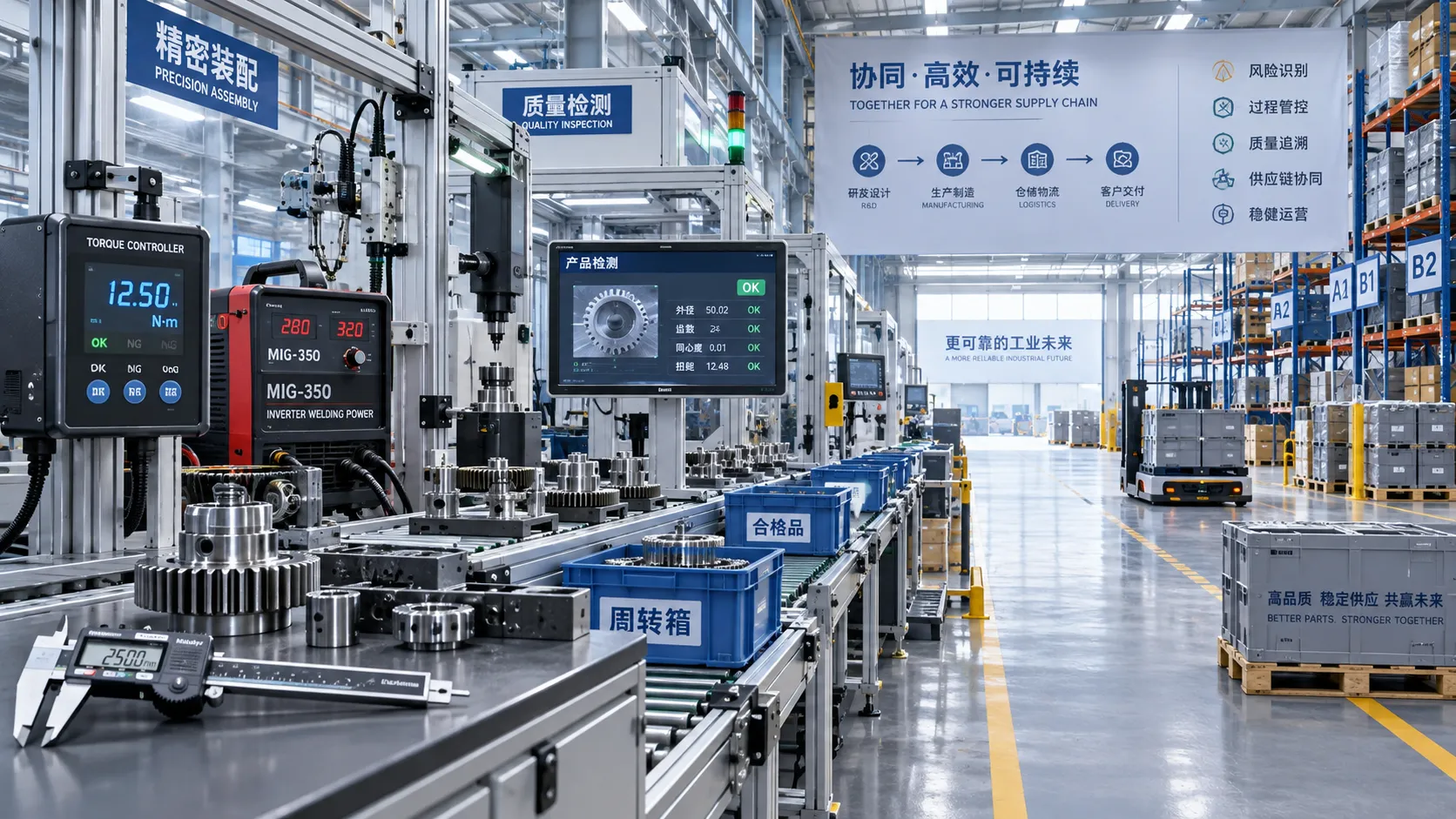
How Procurement Teams Can Map the Industrial Value Chain to Reduce Supply Risk
Industrial value chain procurement helps teams map hidden dependencies, qualify resilient sources, and reduce supply risk before disruptions stop production.

How Specification-Driven Articles Improve Precision Measurement System Selection
Specification-oriented articles precision measurement guidance helps teams compare accuracy, repeatability, environment, and data needs to select reliable systems with confidence.

How to Evaluate a Technology Integration Service Provider for Complex Projects
Technology integration service provider selection guide: evaluate interface ownership, delivery discipline, scalable architecture, and risk control for complex projects.
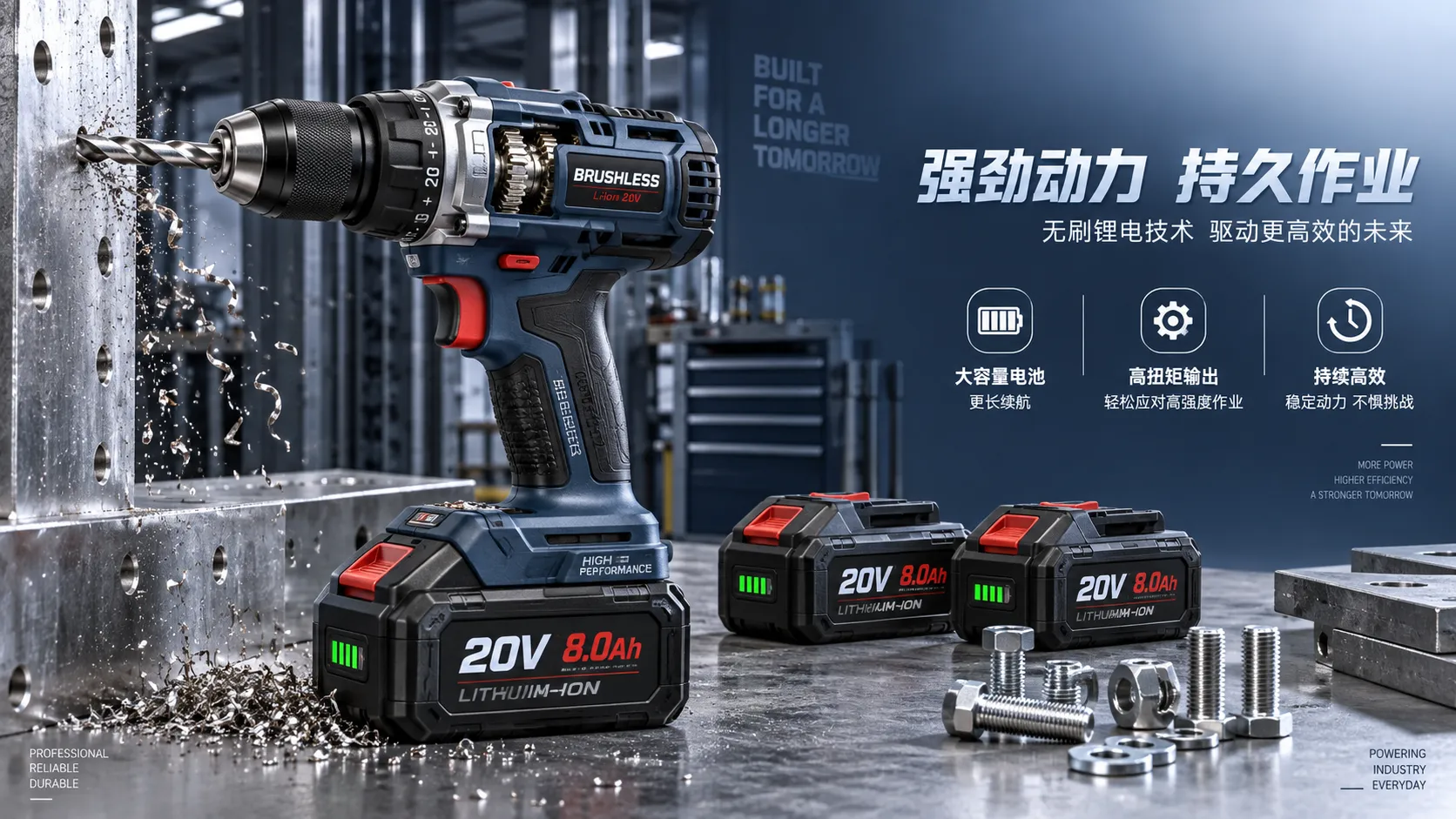
How Battery, Torque, and Duty Cycle Affect Cordless Power Tool Efficiency
Cordless power tool efficiency depends on battery output, torque, and duty cycle. Learn how to match tools to demanding jobs for stronger runtime and productivity.

Product Comparison Resources for Component Compatibility and Lifecycle Risk
Product comparison resources for components: evaluate compatibility, interfaces, service support, and lifecycle risk to reduce downtime, avoid redesigns, and make confident sourcing decisions.
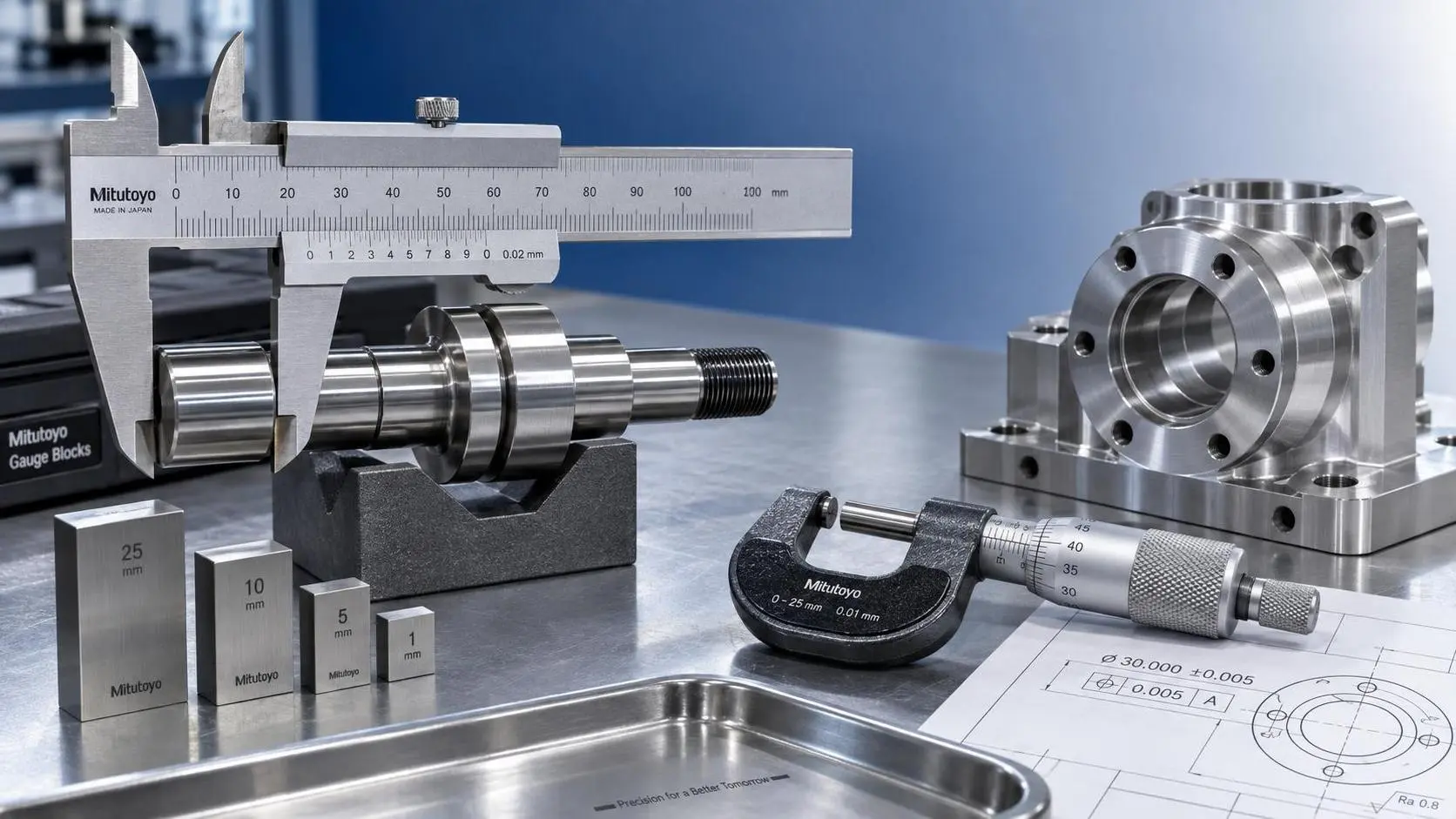
How to Select Vernier Precision Calipers for Tight-Tolerance Machining Inspection
Vernier precision calipers for tight-tolerance machining: learn how to select the right range, jaw design, accuracy, and verification process for reliable inspection.
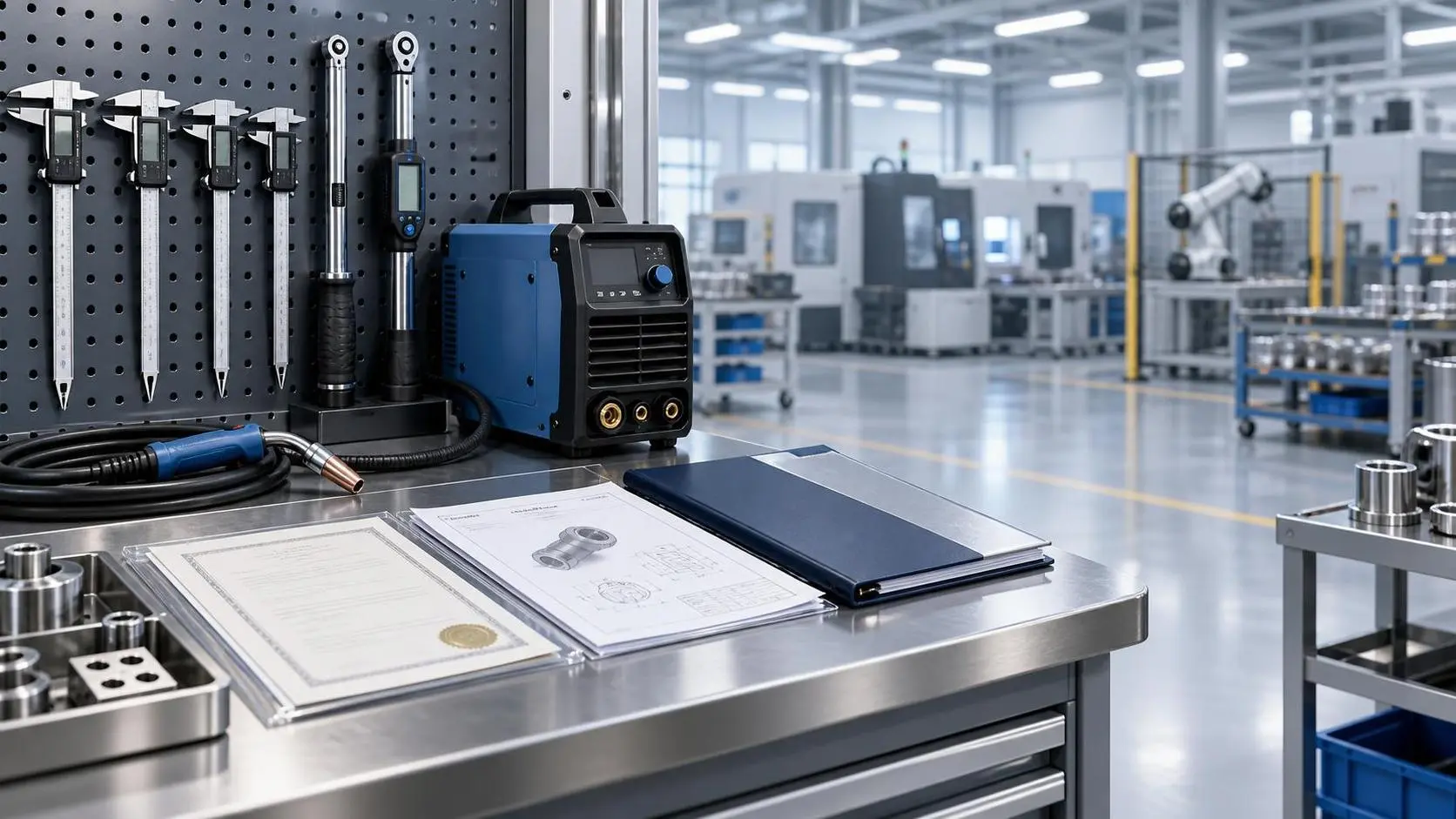
Product Comparison Resources in Europe: How Buyers Can Verify Specs and Suppliers
Product comparison resources Europe: learn how to verify industrial specs, compliance claims, supplier credibility, and delivery risk for smarter purchasing decisions.

How to Evaluate an Industrial Metrology Solution Manufacturer for Production Use
Industrial metrology solution manufacturer evaluation guide for production: compare accuracy, traceability, automation, software, service, and acceptance testing to reduce risk.

Which ISO Standards Matter Most for Precision Engineering Quality Control?
Precision engineering ISO standards explained: discover how ISO 9001, ISO/IEC 17025, ISO 10012, GPS, and ISO 3834 strengthen quality control, traceability, and compliance.
Related News
- 00
0000-00
How Procurement Teams Can Map the Industrial Value Chain to Reduce Supply Risk - 00
0000-00
How Industry Category Guides Help Global Sourcing Teams Compare Suppliers Faster - 00
0000-00
Intelligent Tools in Southeast Asia: Key Market Trends, Buyers, and Supply Chain Shifts - 00
0000-00
Industrial Value Chain Europe: Where Sourcing Risks and Lead-Time Pressure Are Rising - 00
0000-00
North America's Industrial Value Chain: Key Shifts in Sourcing, Labor, and Logistics
Dr. Alistair Vaughn
Weekly Insights
Stay ahead with our curated technology reports delivered every Monday.