
Evolutionary Trends in Industrial Supply Chains: What Buyers Should Track





Industrial supply chains are no longer shifting at the margins
Evolutionary trends in industrial supply chains have moved from background noise to decision-critical signals.
What changed is not only cost.
Lead times, compliance exposure, tooling performance, and traceability now move together.
That combination is reshaping how industrial value is assessed across sourcing, maintenance, assembly, and after-sales operations.
In the broader manufacturing ecosystem, small disruptions now reveal larger structural shifts.
A steel surcharge can signal energy stress.
A change in export controls can delay metrology equipment upgrades.
A new safety requirement can alter the economics of handheld laser welding adoption.
This is why evolutionary trends deserve closer attention than short-term market headlines.
The stronger insight comes from following how technology, standards, materials, and regional capacity interact over time.
The strongest signals now come from the industrial “last mile”
The most useful supply chain signals often appear closest to final assembly and field use.
This is where precision tools, welding systems, hydraulic devices, and measuring instruments reveal whether upstream stability is real.
GPTWM has built its viewpoint around this industrial last mile.
That matters because market direction becomes clearer when intelligence is tied to actual working conditions, not abstract capacity announcements.
Recent evolutionary trends show three linked developments.
- Raw material volatility is affecting product mix, not only price negotiations.
- Export restrictions and standards updates are changing supplier viability across regions.
- Smart tooling is moving from efficiency enhancement to compliance and quality infrastructure.
That last point is easy to underestimate.
An IoT-enabled torque control system is no longer just a premium feature.
In many settings, it becomes evidence of process consistency, operator accountability, and lower rework risk.
Why these evolutionary trends are becoming more visible
Several drivers are pushing industrial supply chains into a more transparent and more demanding phase.
The shift is gradual, but the implications are cumulative.
What makes these evolutionary trends important is their overlap.
A supplier may still offer attractive pricing.
But if calibration support is weak, firmware is closed, or standards documentation lags, the real risk sits elsewhere.
Demand is shifting from availability to resilience quality
One clear market change is that availability alone no longer defines a strong supply option.
The better question is whether a supply relationship remains dependable when conditions tighten.
In sectors linked to construction, automotive servicing, aerospace maintenance, and industrial assembly, demand is becoming more selective.
High-precision measuring instruments are a good example.
Interest is no longer limited to accuracy claims.
Users increasingly want calibration continuity, data compatibility, and repeatable field performance.
The same logic applies to hydraulic equipment and advanced joining tools.
More buyers are evaluating maintenance burden, safety adaptation, and lifecycle support as part of value.
This is where evolutionary trends become commercially significant.
They show whether demand is moving toward cheaper substitution or toward better operational assurance.
Current signals point more strongly to the second path.
Technology upgrades now carry strategic supply implications
Industrial technology upgrades used to be discussed mainly as productivity improvements.
Now they are also supply chain signals.
Take brushless motors in power tools.
The discussion has moved beyond efficiency claims toward thermal stability, duty-cycle limits, service intervals, and battery ecosystem dependence.
That shift affects replacement planning and vendor concentration risk.
Handheld laser welding shows a similar pattern.
Adoption is rising, but safety frameworks are shaping who can scale responsibly.
Protective measures, operator qualification, and regional rule interpretation now influence market access.
GPTWM’s Strategic Intelligence Center is relevant here because it tracks exactly these intersections.
Its value is not in promoting a single tool category.
Its value is in connecting technical change with economic consequence across the last mile of manufacturing.
The impact does not stay in one function or one region
A useful reading of evolutionary trends avoids treating disruption as a local issue.
Changes in supply chains now spread across commercial, technical, and operational layers at the same time.
- Commercially, price comparisons become less reliable when specifications are quietly adjusted.
- Technically, performance claims matter less without test consistency and documentation depth.
- Operationally, downtime risk rises when spare parts, software updates, or calibration services are fragmented.
- Regionally, compliance readiness can separate scalable suppliers from temporarily competitive ones.
This is especially relevant in globally distributed industrial networks.
A component that works well in one market may face documentation barriers, safety limitations, or service gaps in another.
As a result, supply evaluation is becoming less transactional and more intelligence-driven.
What should be tracked before market noise becomes risk
Not every fluctuation deserves equal attention.
The more useful approach is to monitor a short list of signals that reveal structural change early.
- Specification drift in quoted products, especially in motors, control systems, and measurement tolerances.
- Changes in certification scope, export eligibility, or safety labeling requirements.
- Supplier dependence on a narrow subcomponent base or single-region service network.
- The maturity of digital traceability for torque, calibration, welding parameters, and maintenance records.
- Evidence that demand is moving toward lightweight, ergonomic, and connected industrial tools.
These checkpoints help distinguish temporary discounts from durable capability.
They also make evolutionary trends easier to translate into practical decisions.
The next phase will reward better interpretation, not just faster reaction
Industrial supply chains are entering a phase where information quality becomes part of competitive strength.
The advantage will not come from reacting to every disruption headline.
It will come from reading evolutionary trends in context.
That means linking material signals with standards, linking tooling upgrades with service capacity, and linking demand shifts with real application environments.
A practical next step is to build a recurring review around a few categories.
Compare technical change against compliance change.
Review whether application scenarios now require smarter measurement or safer joining methods.
Check whether supplier resilience still matches the claimed specification level.
The companies that stay ahead will not treat evolutionary trends as abstract forecasts.
They will use them as working tools for risk judgment, value assessment, and better timing.
In a market shaped by precision, intelligence, and tighter industrial standards, that reading is becoming essential.
Related News
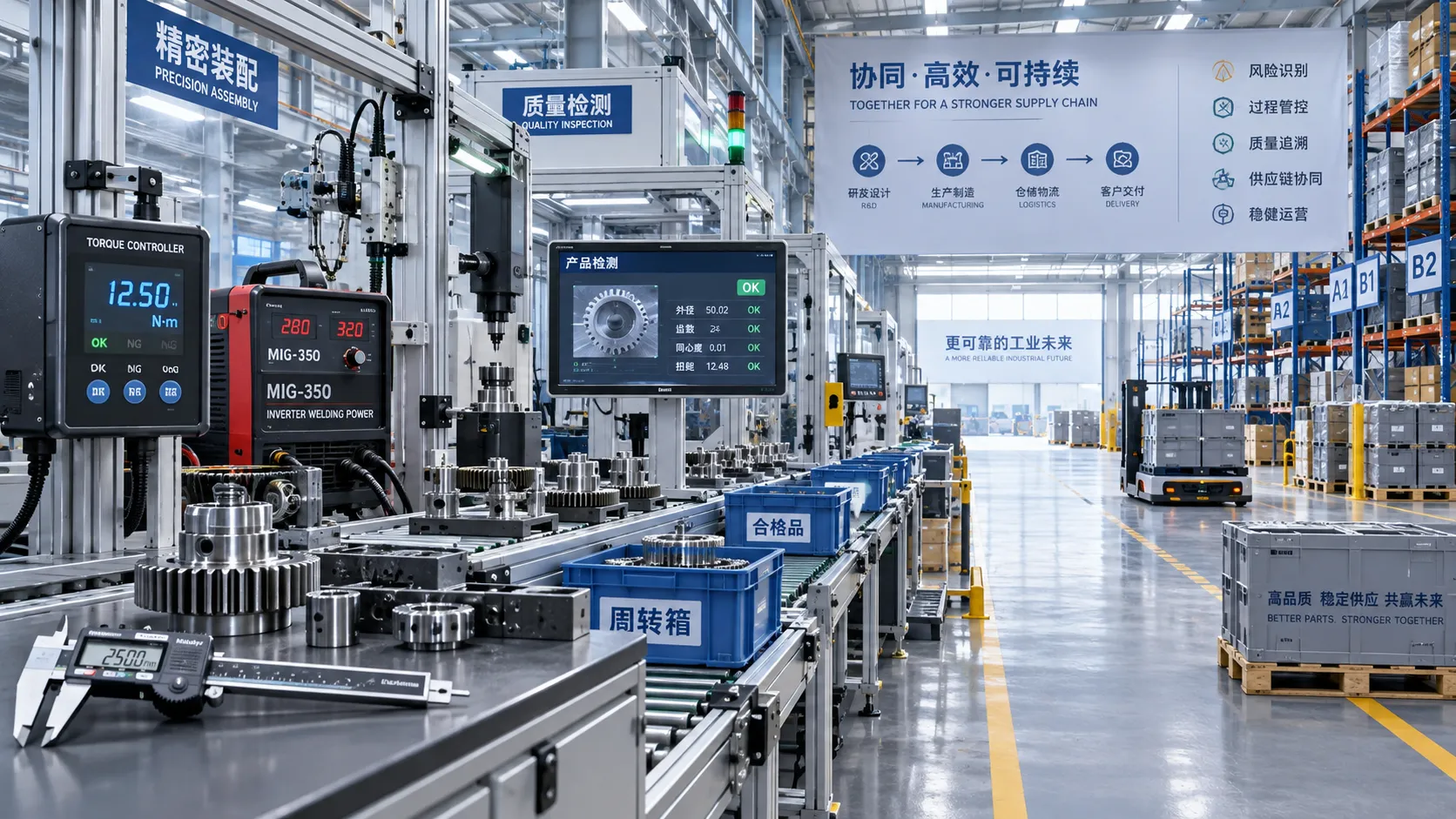
How Procurement Teams Can Map the Industrial Value Chain to Reduce Supply Risk
Industrial value chain procurement helps teams map hidden dependencies, qualify resilient sources, and reduce supply risk before disruptions stop production.

How Specification-Driven Articles Improve Precision Measurement System Selection
Specification-oriented articles precision measurement guidance helps teams compare accuracy, repeatability, environment, and data needs to select reliable systems with confidence.
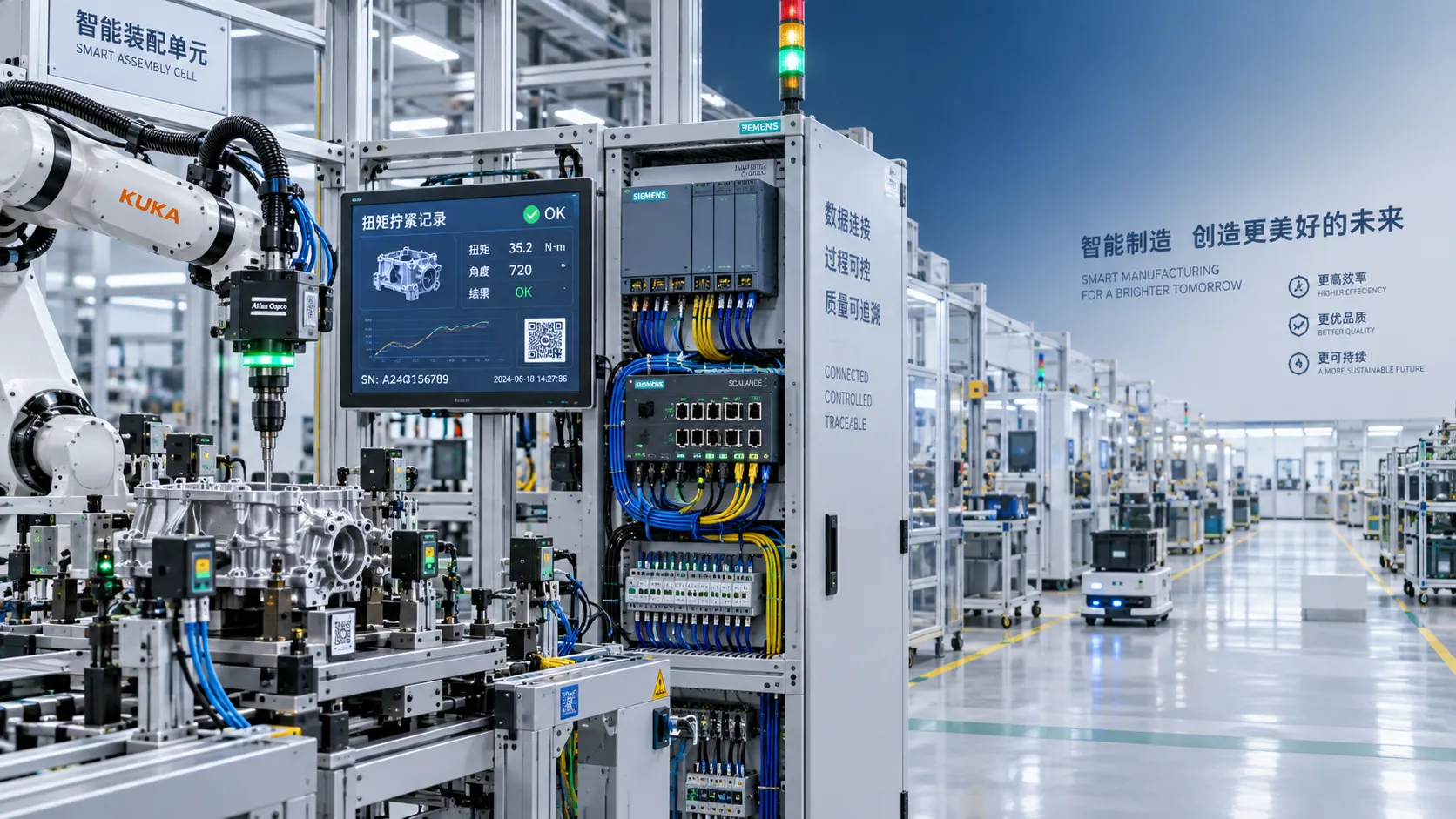
How to Evaluate a Technology Integration Service Provider for Complex Projects
Technology integration service provider selection guide: evaluate interface ownership, delivery discipline, scalable architecture, and risk control for complex projects.
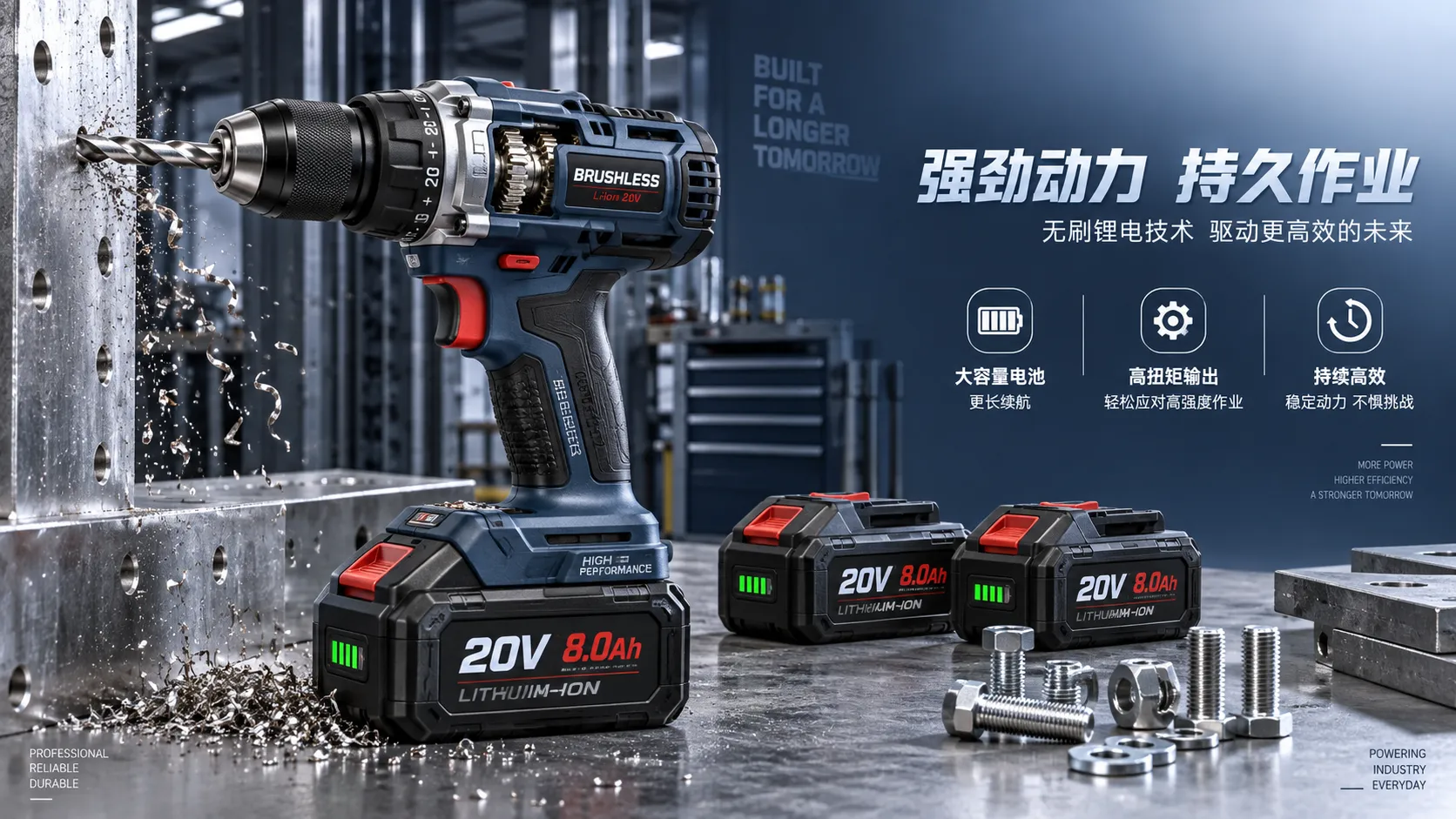
How Battery, Torque, and Duty Cycle Affect Cordless Power Tool Efficiency
Cordless power tool efficiency depends on battery output, torque, and duty cycle. Learn how to match tools to demanding jobs for stronger runtime and productivity.
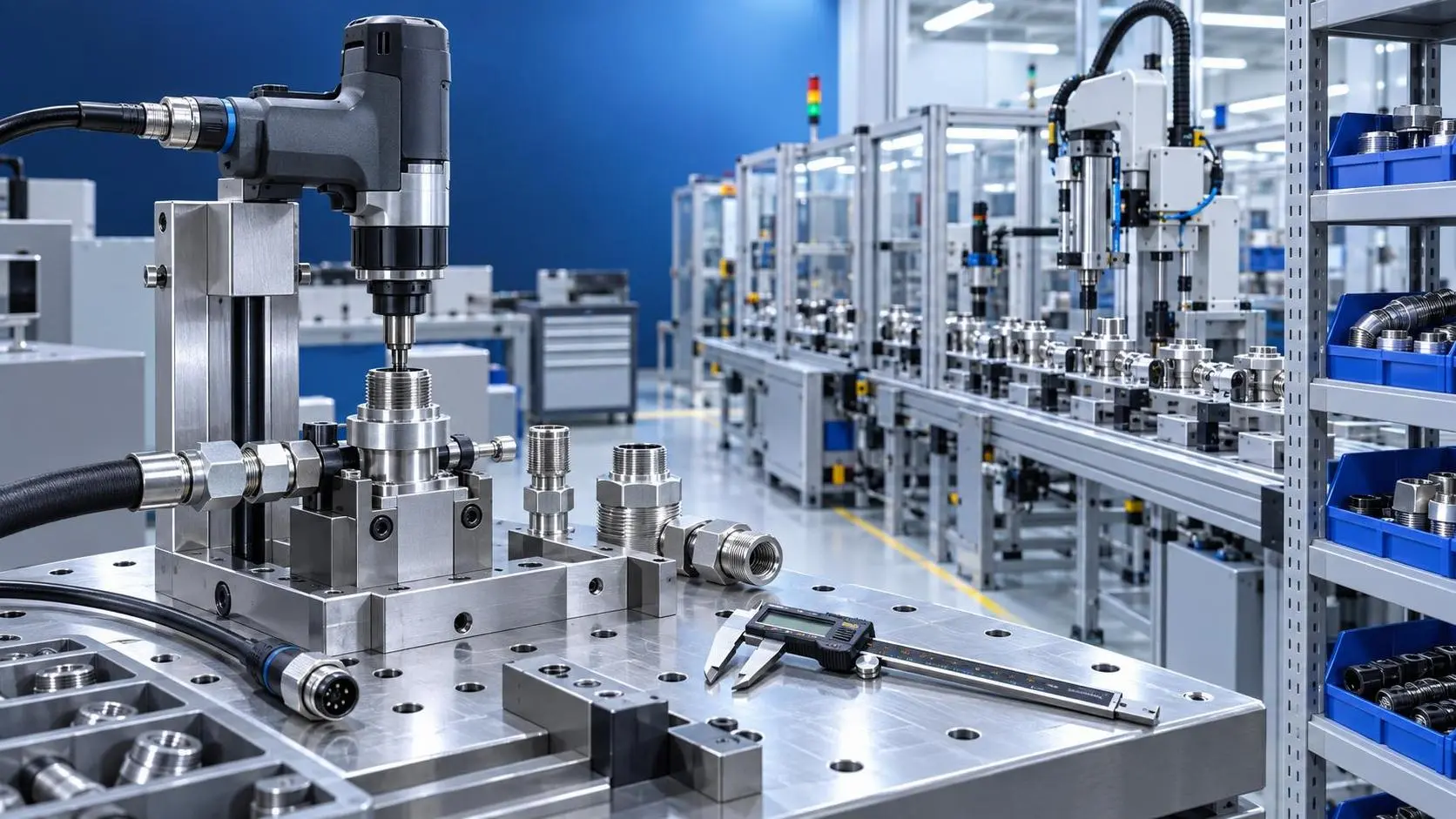
Product Comparison Resources for Component Compatibility and Lifecycle Risk
Product comparison resources for components: evaluate compatibility, interfaces, service support, and lifecycle risk to reduce downtime, avoid redesigns, and make confident sourcing decisions.
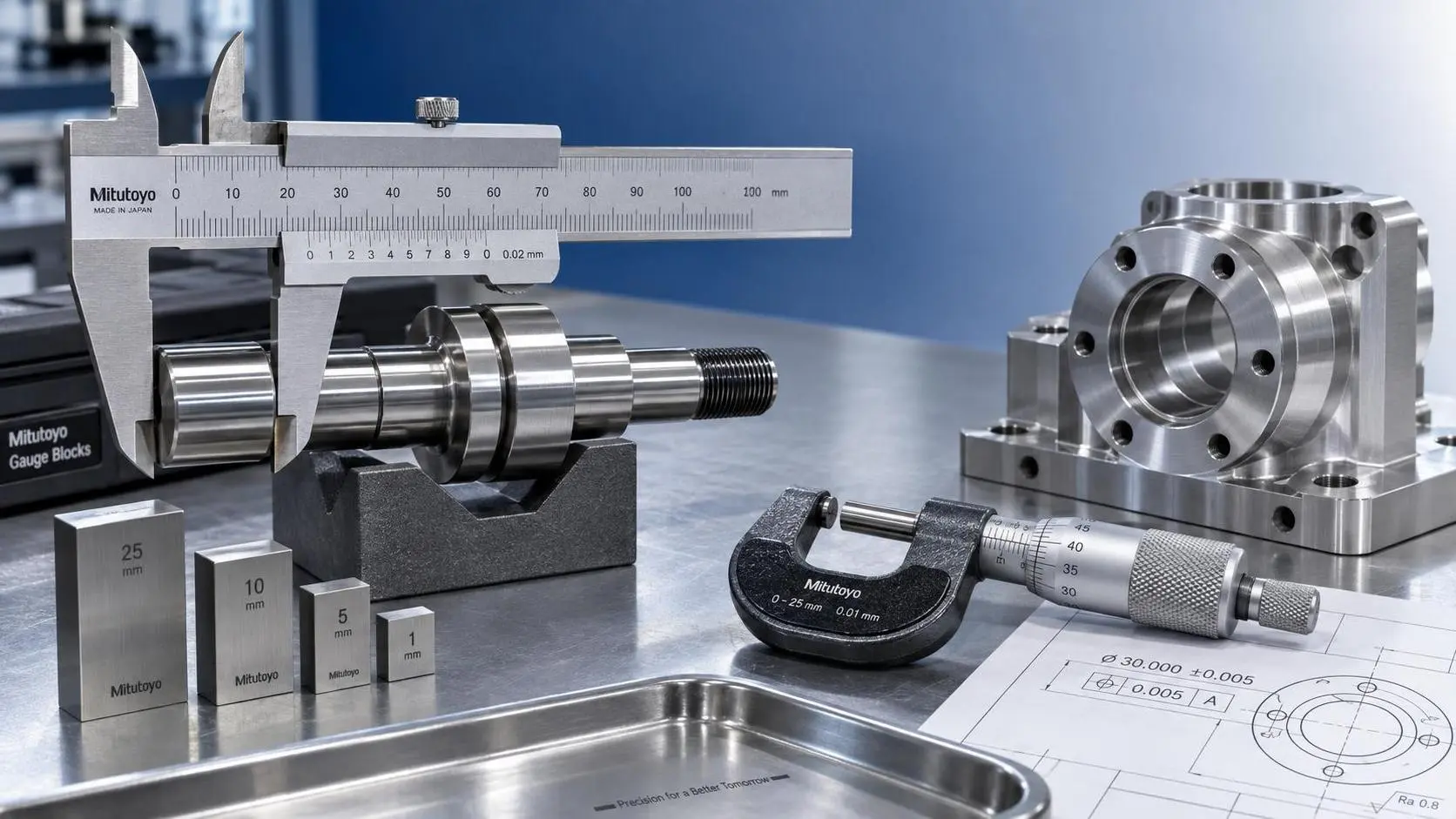
How to Select Vernier Precision Calipers for Tight-Tolerance Machining Inspection
Vernier precision calipers for tight-tolerance machining: learn how to select the right range, jaw design, accuracy, and verification process for reliable inspection.
Product Comparison Resources in Europe: How Buyers Can Verify Specs and Suppliers
Product comparison resources Europe: learn how to verify industrial specs, compliance claims, supplier credibility, and delivery risk for smarter purchasing decisions.

How to Evaluate an Industrial Metrology Solution Manufacturer for Production Use
Industrial metrology solution manufacturer evaluation guide for production: compare accuracy, traceability, automation, software, service, and acceptance testing to reduce risk.

Which ISO Standards Matter Most for Precision Engineering Quality Control?
Precision engineering ISO standards explained: discover how ISO 9001, ISO/IEC 17025, ISO 10012, GPS, and ISO 3834 strengthen quality control, traceability, and compliance.
Related News
- 00
0000-00
How Procurement Teams Can Map the Industrial Value Chain to Reduce Supply Risk - 00
0000-00
How Industry Category Guides Help Global Sourcing Teams Compare Suppliers Faster - 00
0000-00
Intelligent Tools in Southeast Asia: Key Market Trends, Buyers, and Supply Chain Shifts - 00
0000-00
Industrial Value Chain Europe: Where Sourcing Risks and Lead-Time Pressure Are Rising - 00
0000-00
North America's Industrial Value Chain: Key Shifts in Sourcing, Labor, and Logistics
Dr. Alistair Vaughn
Weekly Insights
Stay ahead with our curated technology reports delivered every Monday.