
Global Construction Supply Chain Risks: How Project Managers Can Reduce Delays





Global Construction Supply Chain Risks: How Project Managers Can Reduce Delays
In today’s global construction environment, supply chain disruptions can quickly turn tight schedules into costly overruns.
For project teams, the challenge is no longer just buying on time.
It is about seeing risk early, reacting faster, and protecting project flow across borders.
From steel volatility to customs delays, global construction now depends on smarter procurement and better operational visibility.
This article breaks down the biggest risks and offers practical steps to reduce delays without overcomplicating daily execution.
Why Global Construction Faces More Supply Chain Pressure
Global construction used to rely on long but predictable sourcing cycles.
That model is weaker today.
Material shortages can start in one region and affect fabrication schedules on another continent within weeks.
More importantly, many critical inputs now travel through highly exposed trade routes.
Ports, export controls, labor gaps, and freight costs all influence delivery reliability.
This is especially true for structural steel, electrical components, welding consumables, hydraulic tools, and precision measurement equipment.
In global construction, a late shipment is rarely just a late shipment. It often triggers sequencing problems across subcontractors.
The Main Risk Areas That Cause Delays
1. Material Price Volatility
Price swings affect more than budget forecasts.
They can cause suppliers to delay quotes, limit stock commitments, or renegotiate agreed volumes.
For global construction projects, this weakens cost certainty and purchasing speed at the same time.
2. Long Lead Times for Equipment
Specialized equipment often becomes the hidden bottleneck.
Power tools, handheld welding systems, torque tools, calibration devices, and testing instruments may require longer approvals and shipping windows.
If one package slips, installation teams may stand idle.
3. Cross-Border Compliance Problems
Standards, certifications, and customs documents can slow down global construction more than expected.
A product that is accepted in one market may require additional paperwork in another.
That gap often appears late, when teams are already expecting delivery.
4. Supplier Concentration
Many projects still depend on single-source suppliers for critical categories.
That looks efficient until disruption appears.
When one vendor fails, global construction schedules can lose weeks before alternatives are approved.
How to Build a More Resilient Procurement Strategy
The most effective response is not panic buying.
It is structured flexibility.
In practice, that means aligning sourcing decisions with schedule risk, not only unit cost.
- Segment purchases into critical, important, and replaceable categories.
- Lock early orders for long-lead items tied to site sequence.
- Prequalify backup suppliers before disruption happens.
- Track landed cost, not just factory price.
- Use framework agreements where volume certainty improves supply priority.
This approach helps global construction teams spend attention where delays would hurt most.
It also reduces the common mistake of managing all items with the same urgency.
Practical Actions to Reduce Delays on Real Projects
Map the Supply Chain Beyond Tier One
A supplier may look stable on paper while depending on fragile upstream sources.
Ask where raw materials, components, and calibration services actually come from.
For global construction, second-tier visibility often reveals the real risk points.
Create Early Warning Signals
Good teams watch indicators, not only purchase orders.
Useful signals include freight rate jumps, customs inspection trends, supplier response times, and raw material index movement.
- Review critical items weekly.
- Flag any lead time increase above 10%.
- Escalate document gaps before dispatch.
- Tie risk alerts to schedule milestones.
Standardize What Can Be Standardized
Over-customization increases exposure.
Where performance allows, use interchangeable specifications, approved alternates, and regionally available tools.
That gives global construction teams more options when one channel slows down.
Why Tooling and Metrology Choices Matter More Than Expected
Supply risk is not limited to bulk materials.
Late delivery of torque tools, welding systems, gauges, or calibration assets can stop quality release.
That matters because global construction increasingly depends on documented precision and traceable inspection.
This is where market intelligence becomes useful, not theoretical.
Platforms such as GPTWM help teams monitor shifts in industrial tools, welding technology, export restrictions, and demand for precision instruments.
That kind of visibility supports better sourcing timing, alternative brand evaluation, and faster response to disruption in global construction supply lines.
A Simple Risk Review Framework for Ongoing Control
A useful review process does not need to be complicated.
What matters is consistency and clear ownership.
Used weekly, this framework keeps global construction risk visible before it turns into site delay.
Turning Uncertainty Into Better Decisions
Global construction will likely remain exposed to volatility for the foreseeable future.
Still, delays are not always unavoidable.
The strongest results usually come from early visibility, realistic lead time planning, and smarter supplier choices.
Teams that monitor market signals, standardize selectively, and protect critical tooling are better positioned to keep schedules moving.
That is especially important in global construction, where one missing component can affect multiple trades at once.
A practical next step is to review current high-risk packages, rank them by schedule impact, and verify whether backup supply routes already exist.
That single exercise often reveals the fastest way to reduce delays and make global construction delivery more dependable.
Related News
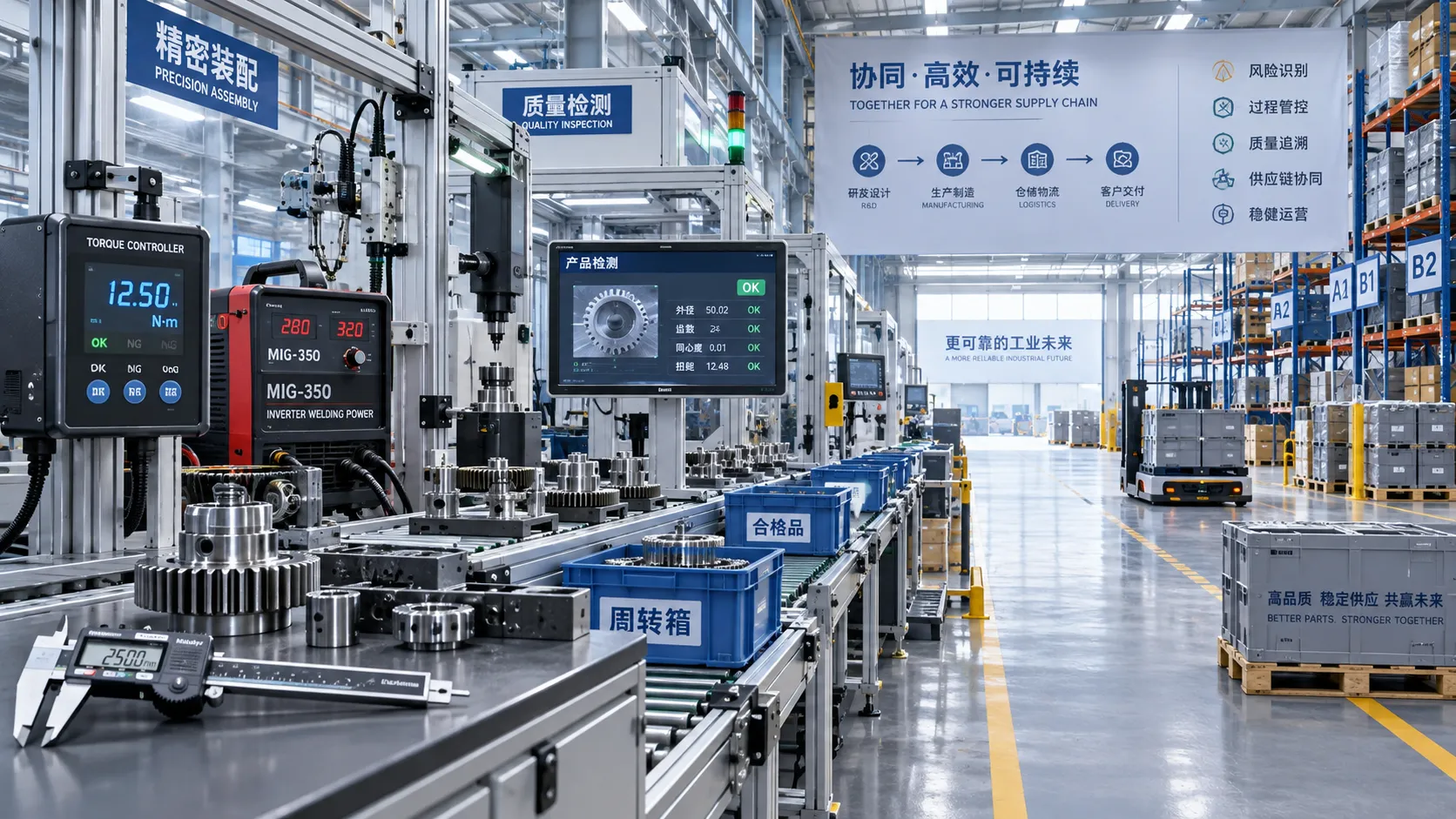
How Procurement Teams Can Map the Industrial Value Chain to Reduce Supply Risk
Industrial value chain procurement helps teams map hidden dependencies, qualify resilient sources, and reduce supply risk before disruptions stop production.

How Specification-Driven Articles Improve Precision Measurement System Selection
Specification-oriented articles precision measurement guidance helps teams compare accuracy, repeatability, environment, and data needs to select reliable systems with confidence.

How to Evaluate a Technology Integration Service Provider for Complex Projects
Technology integration service provider selection guide: evaluate interface ownership, delivery discipline, scalable architecture, and risk control for complex projects.
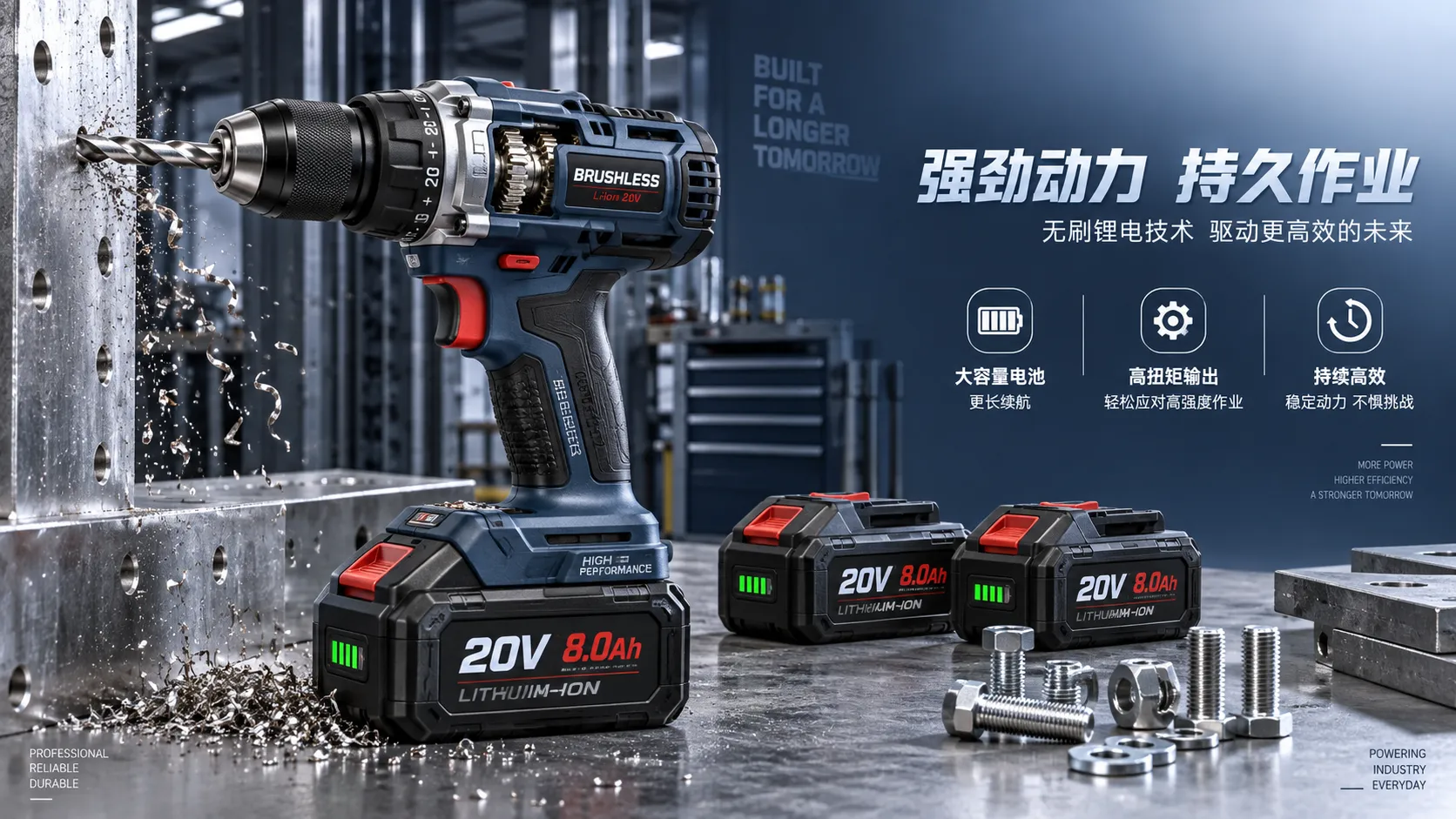
How Battery, Torque, and Duty Cycle Affect Cordless Power Tool Efficiency
Cordless power tool efficiency depends on battery output, torque, and duty cycle. Learn how to match tools to demanding jobs for stronger runtime and productivity.

Product Comparison Resources for Component Compatibility and Lifecycle Risk
Product comparison resources for components: evaluate compatibility, interfaces, service support, and lifecycle risk to reduce downtime, avoid redesigns, and make confident sourcing decisions.
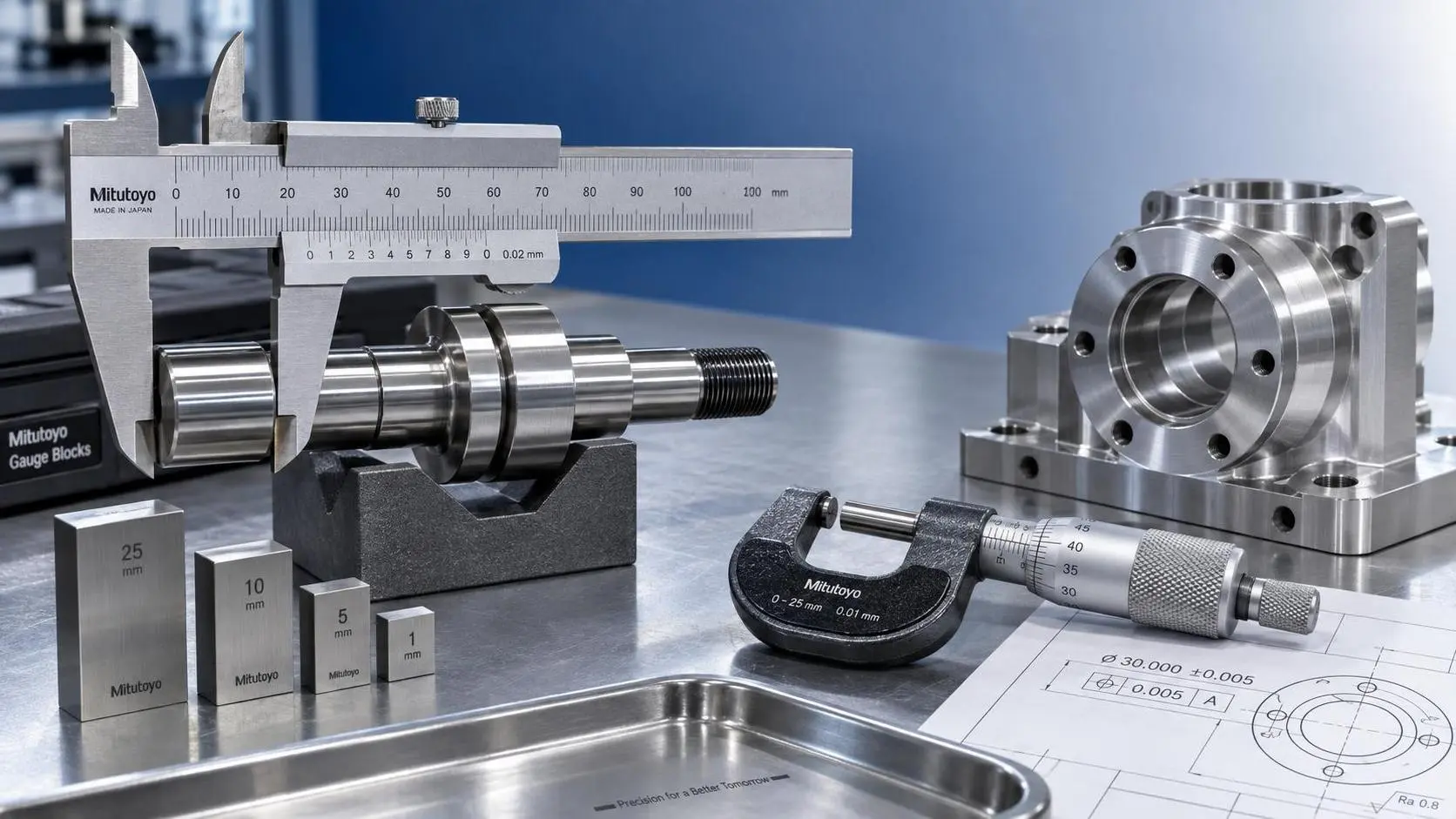
How to Select Vernier Precision Calipers for Tight-Tolerance Machining Inspection
Vernier precision calipers for tight-tolerance machining: learn how to select the right range, jaw design, accuracy, and verification process for reliable inspection.
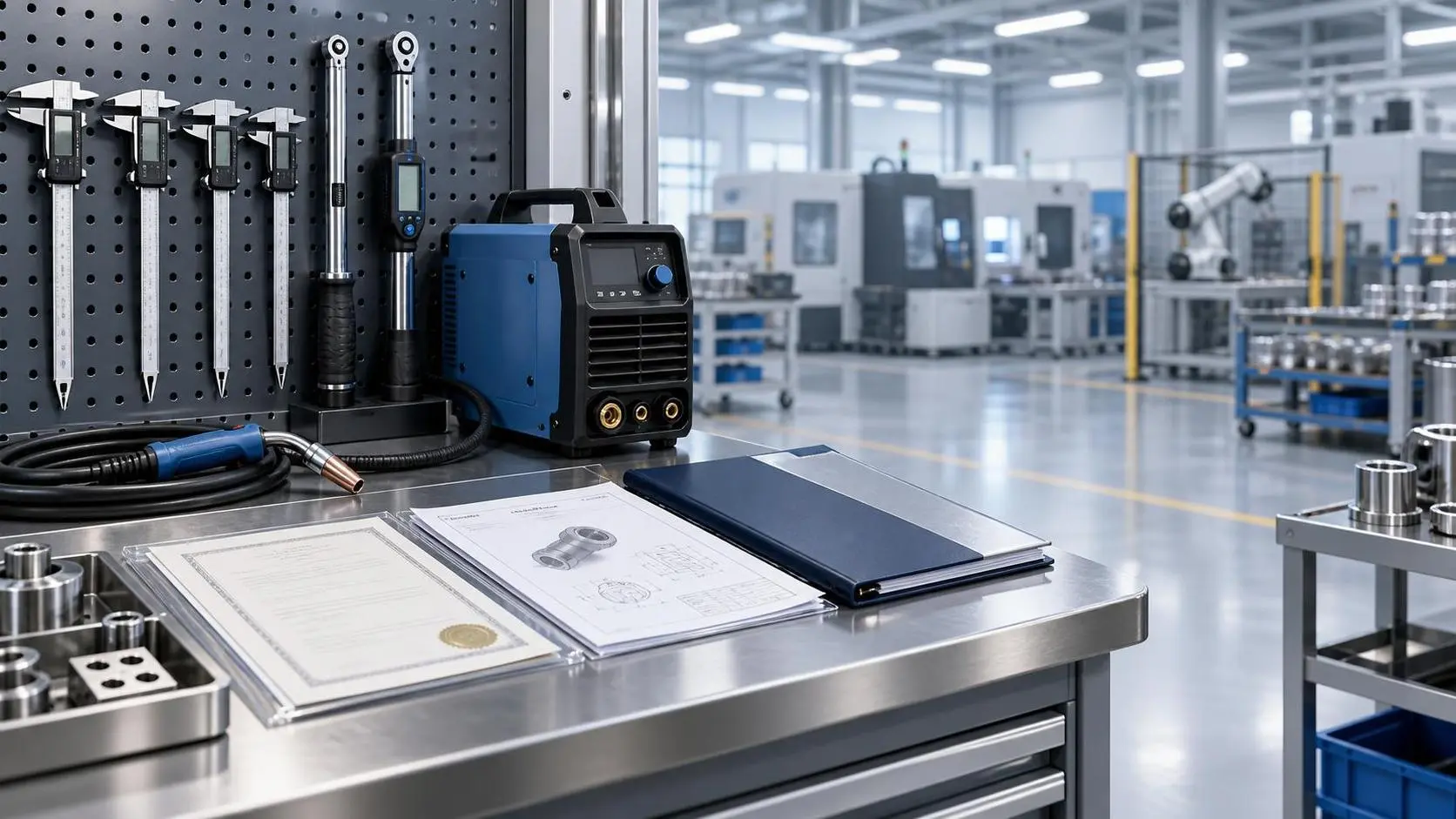
Product Comparison Resources in Europe: How Buyers Can Verify Specs and Suppliers
Product comparison resources Europe: learn how to verify industrial specs, compliance claims, supplier credibility, and delivery risk for smarter purchasing decisions.

How to Evaluate an Industrial Metrology Solution Manufacturer for Production Use
Industrial metrology solution manufacturer evaluation guide for production: compare accuracy, traceability, automation, software, service, and acceptance testing to reduce risk.

Which ISO Standards Matter Most for Precision Engineering Quality Control?
Precision engineering ISO standards explained: discover how ISO 9001, ISO/IEC 17025, ISO 10012, GPS, and ISO 3834 strengthen quality control, traceability, and compliance.
Related News
- 00
0000-00
How Procurement Teams Can Map the Industrial Value Chain to Reduce Supply Risk - 00
0000-00
How Industry Category Guides Help Global Sourcing Teams Compare Suppliers Faster - 00
0000-00
Intelligent Tools in Southeast Asia: Key Market Trends, Buyers, and Supply Chain Shifts - 00
0000-00
Industrial Value Chain Europe: Where Sourcing Risks and Lead-Time Pressure Are Rising - 00
0000-00
North America's Industrial Value Chain: Key Shifts in Sourcing, Labor, and Logistics
Dr. Alistair Vaughn
Weekly Insights
Stay ahead with our curated technology reports delivered every Monday.